|
#1
●
04-28-2023, 03:57 PM
|
 ♚ Legacy Gold Member ♚ Poster Rank:914 Join Date: Jul 2020 Posts: 820
Contributions: 13
820Posts 27,649Thanked 173Quoted 13Mentioned 13Contrib. |
|
The Shocker's Mix 63
Some of the stuff I work on doesn't make the cut so I thought about gathering them up in a single post. So basically it's images I have little or no info about or I've decided that they don't get their own thread, for example, because of low image/content quality, lack of backstory or additional info/knowledge, possibly uninteresting, only one image but not very special. I still do the usual image work including upscaling and color correction as needed, as I prefer to have my content high quality and educational. - - - Case 1 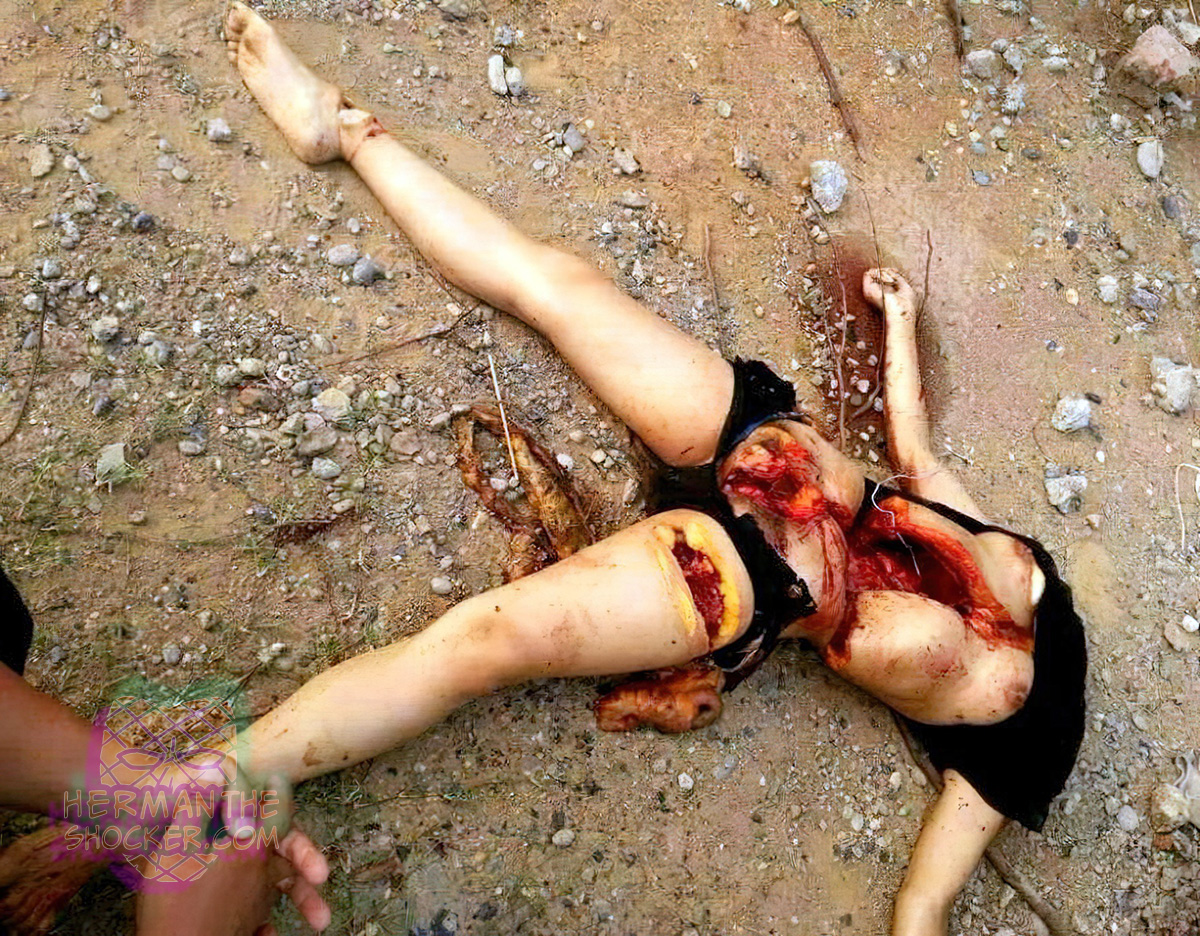 Fig1.1 The woman was decapitated and eviscerated. 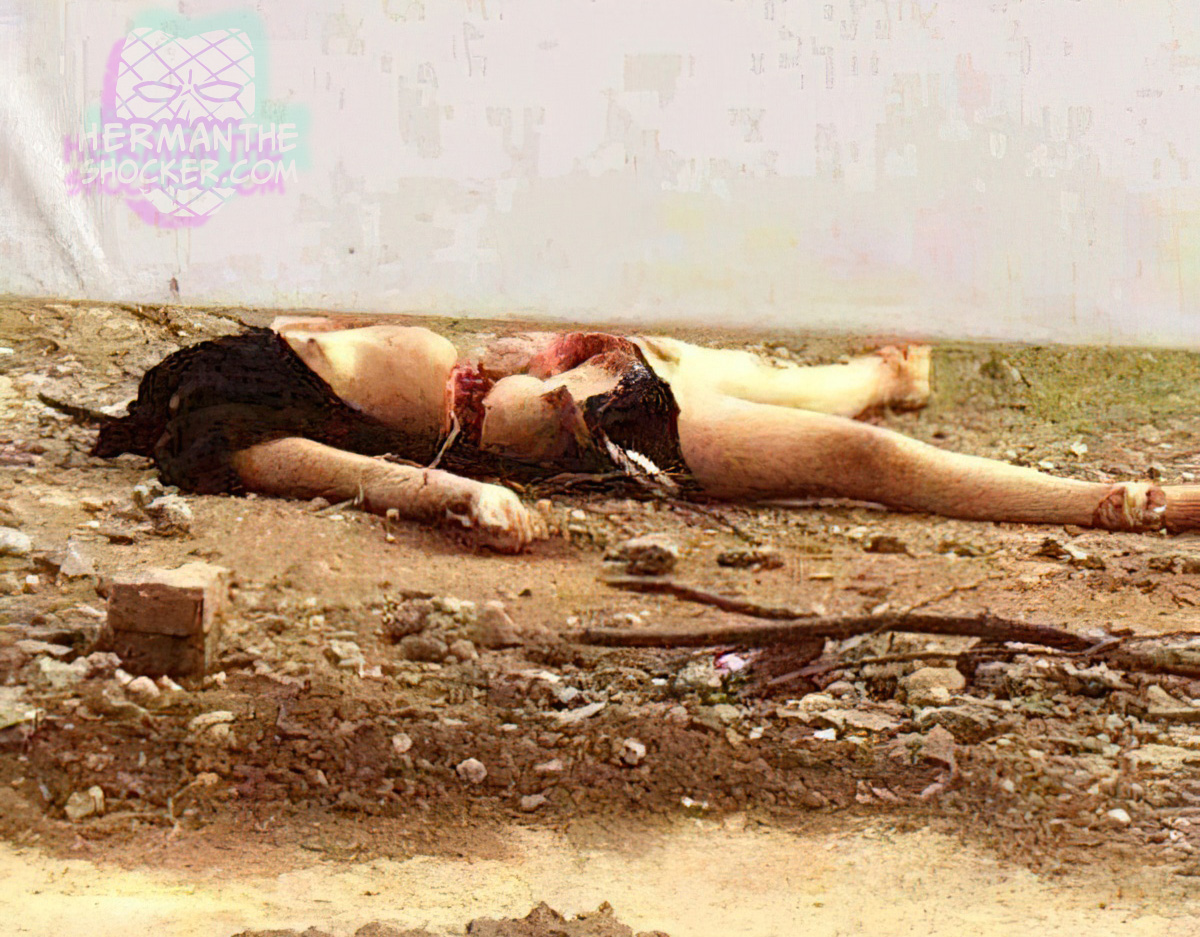 Fig1.2 The location of the body. 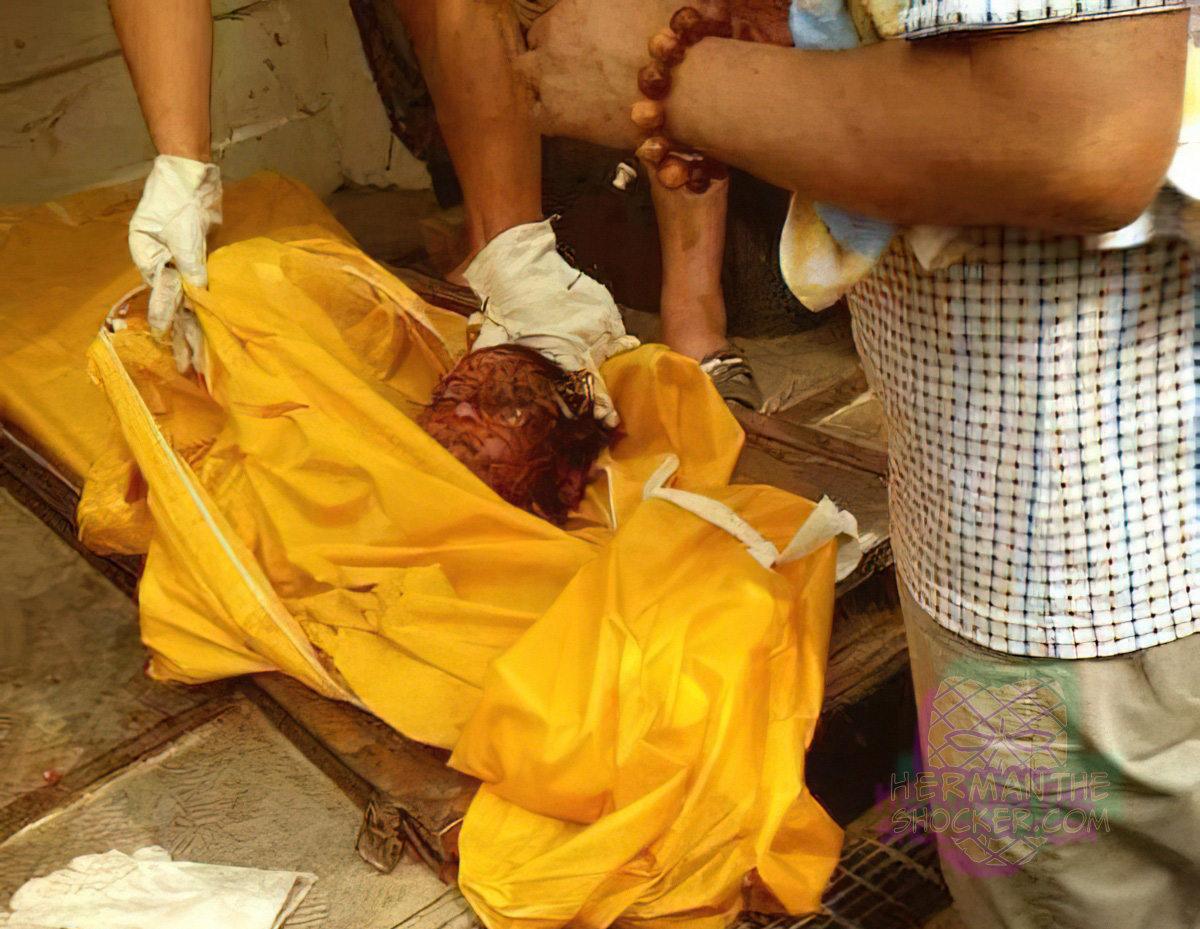 Fig1.3 The head was in the sack. Xiangzhou, China - 2014. The body of a woman was found in a sack by a sanitation worker close to the Xiangyang East Railway Station. Inside the sack was the headless body of the woman and the head, she had also been eviscerated. Her identity was unknown. - - - Case 2 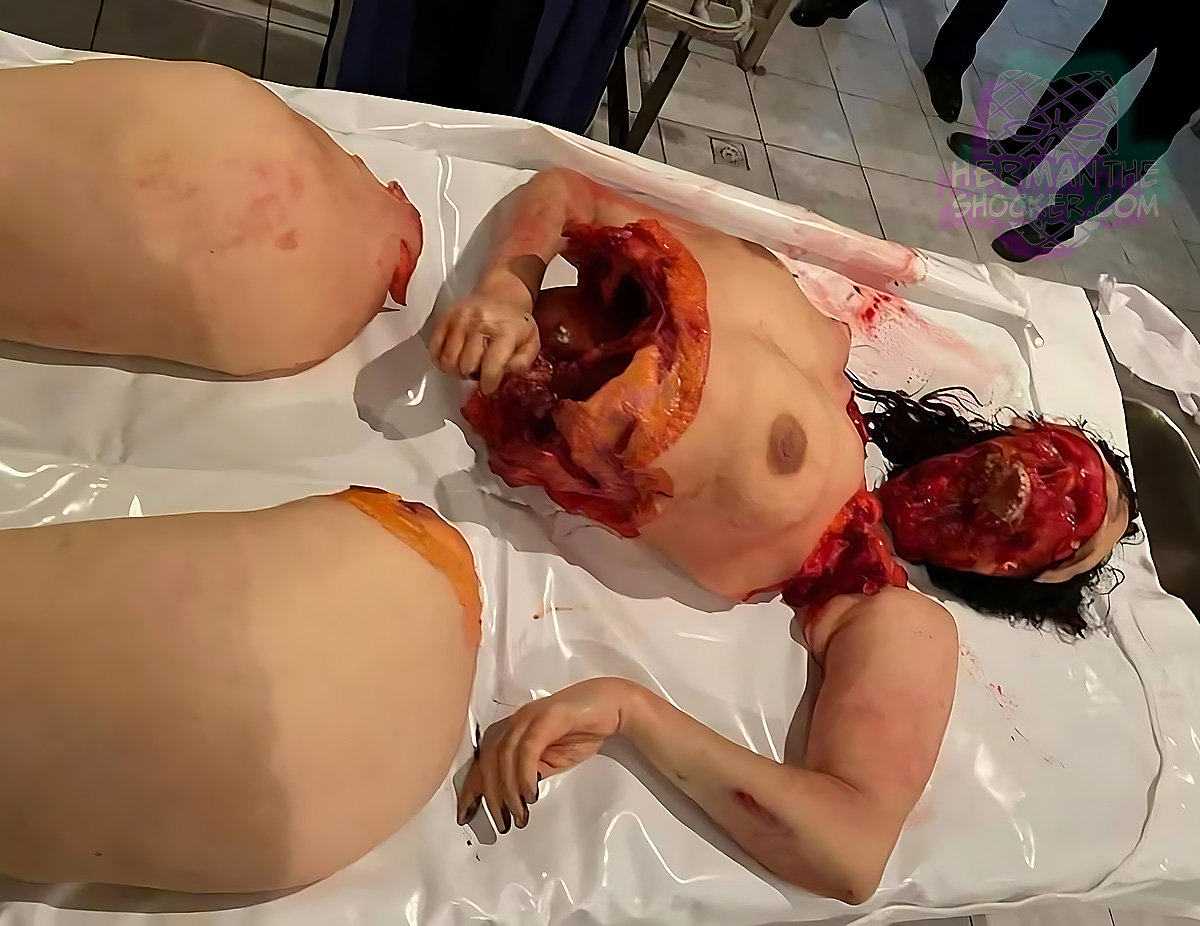 Fig2.1 The woman was had been dismembered. 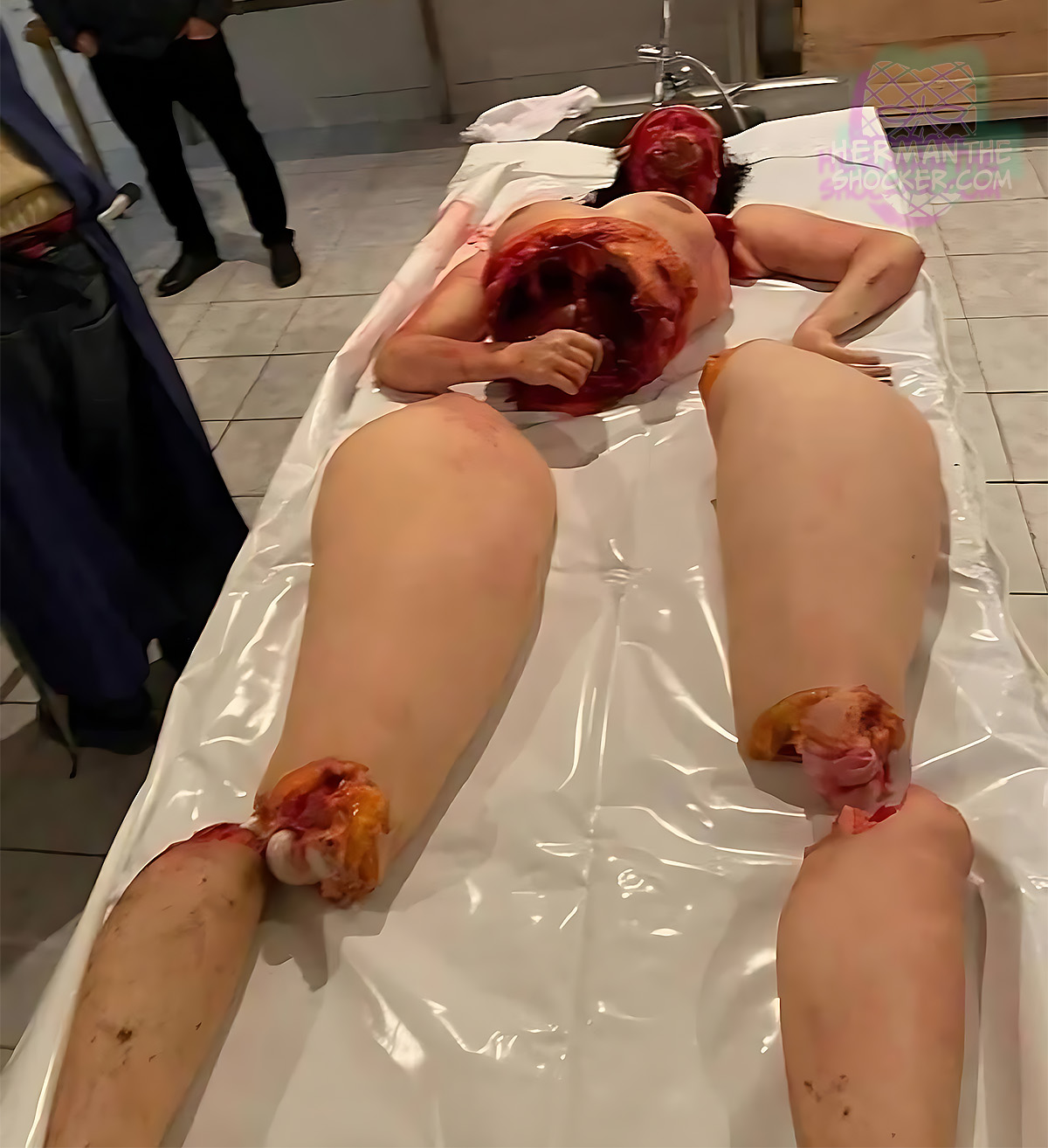 Fig2.2 Her face had been peeled off. This woman was murdered and dismembered, and her face peeled off. No further info. - - - Case 3 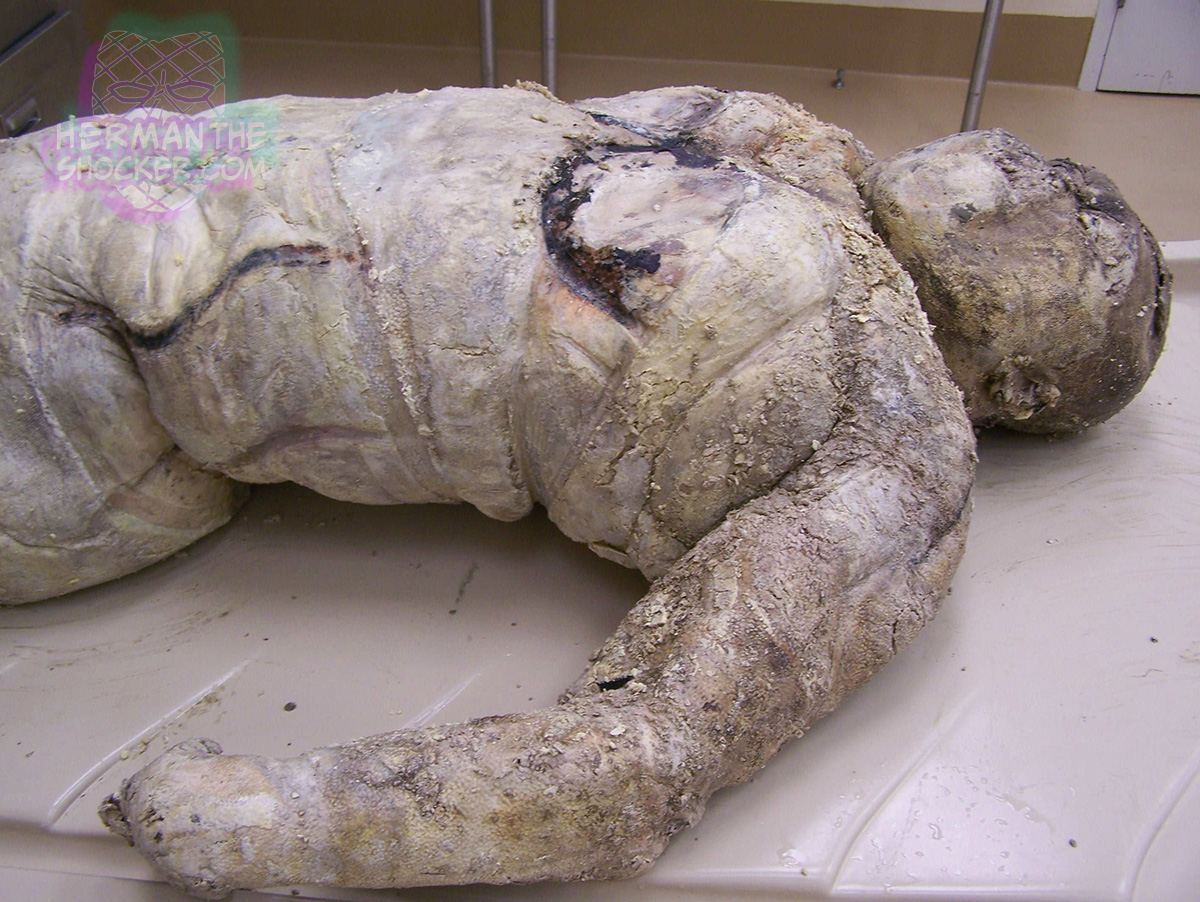 Fig3.1 Adipocere on a corpse. Saponification is the process of the conversion of fatty tissue to adipocere. Saponification usually occurs in unoxygenated, alkaline, semimoist to wet environments, and is therefore more likely to occur in remains deposited in water. Saponification can also occur in remains from moist airtight crypts or burials and may be accelerated by bacteria. Adipocere, sometimes called “grave wax,” is typically white in color and waxy in consistency but can vary from white to gray or tan to black, and can be semisoft to hard in consistency. Once formed, adipocere is relatively resistant to subsequent change, and can preserve many of the soft tissues. Saponification can occur in as little as 3 weeks, but onset typically takes place around one to 2 months. - - - Case 4 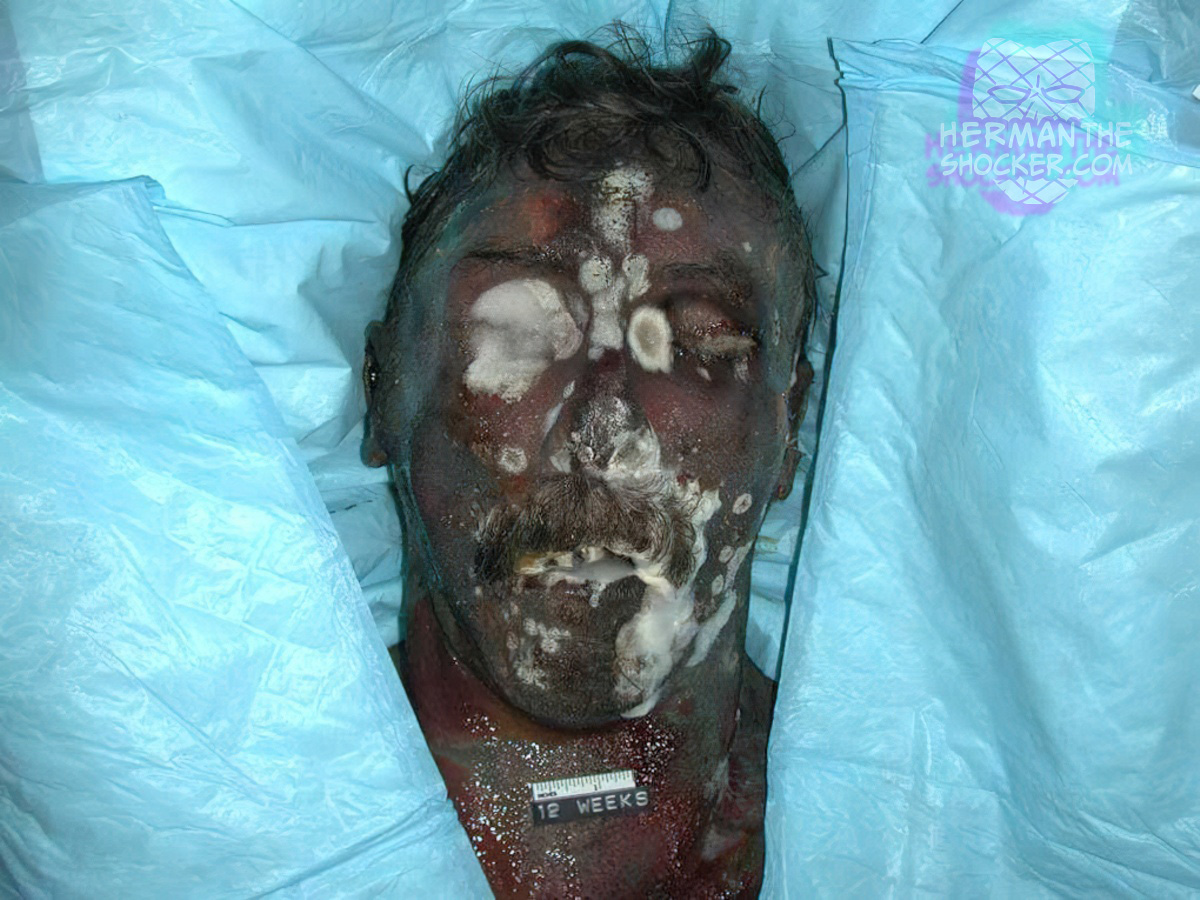 Fig4.1 Fungal colonies growing on the face of a decomposing corpse. Although putrefaction is a mainly anaerobic bacterial reduction process, decomposition is dominated by aerobic microbiological processes that may create pungent, rotten odours originating from the metabolic products of oxida*tion. Decomposition is a dry, acidic process on an oxida*tive basis, which leads to the splitting off of acids (carbonic acid, phosphoric acid, sulphuric acid). At the beginning of decomposition, large patches of fungus may form on the skin and mucous membranes. Fungi may colonize the body in every possible location and at all times during the postmortem interval. However, the eyes are more often affected by fungal colonization under dry conditions and the mouth and nose are more often colonized with fungi in moist to wet environments. Fungi may mimic antemortem pouring of chemical substances over the body. Fungi can form distinctive mildew spots, ultimately converting bodies into moldy cadavers at the dry stage of decomposition. Heavily decomposed cadavers, in particular those that are highly mummified, often present visible fungal growth. Artificial cultivation has allowed for the morphological identification of the fungi that tend to colonize cadavers. - - - Case 5 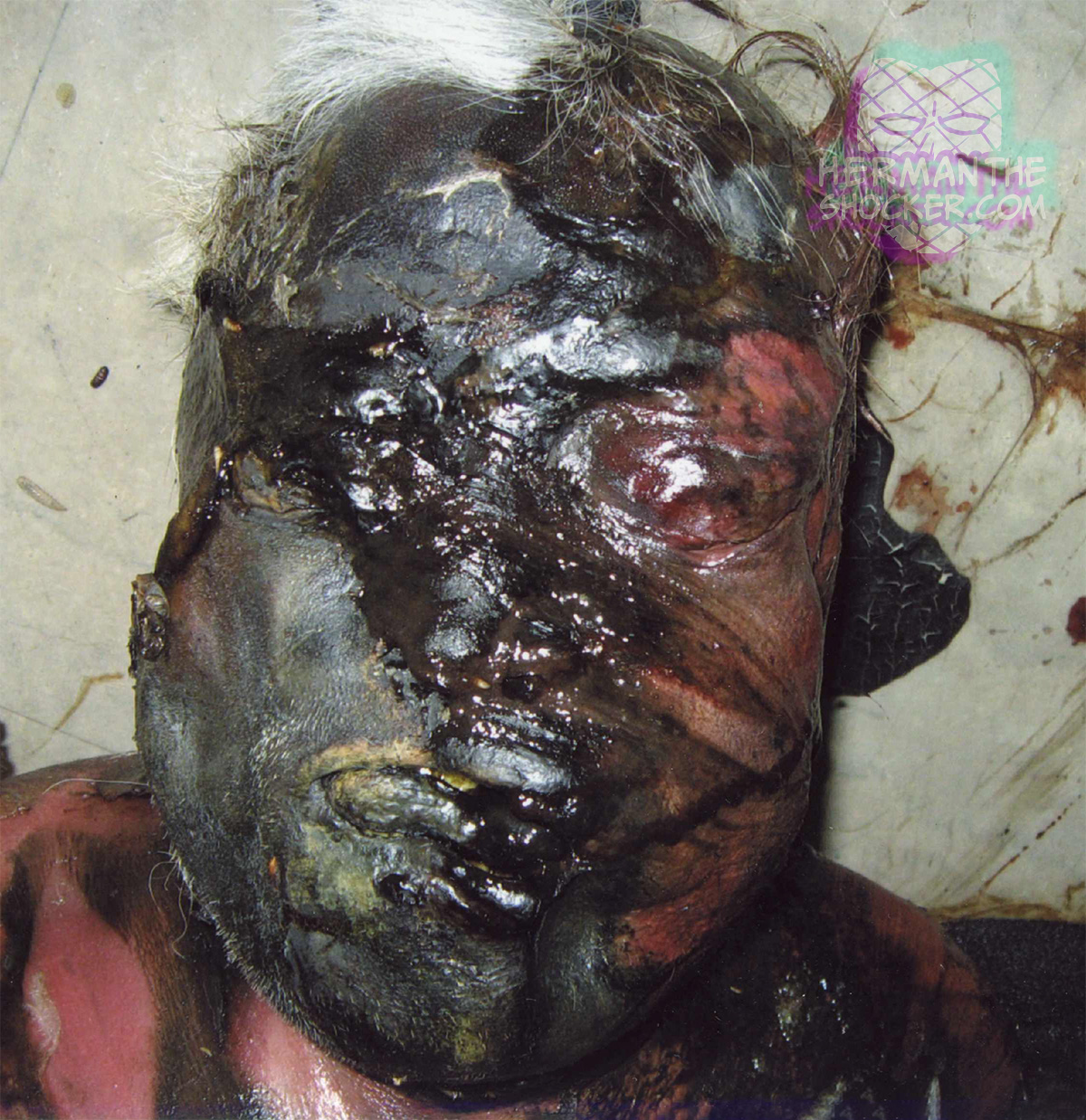 Fig5.1 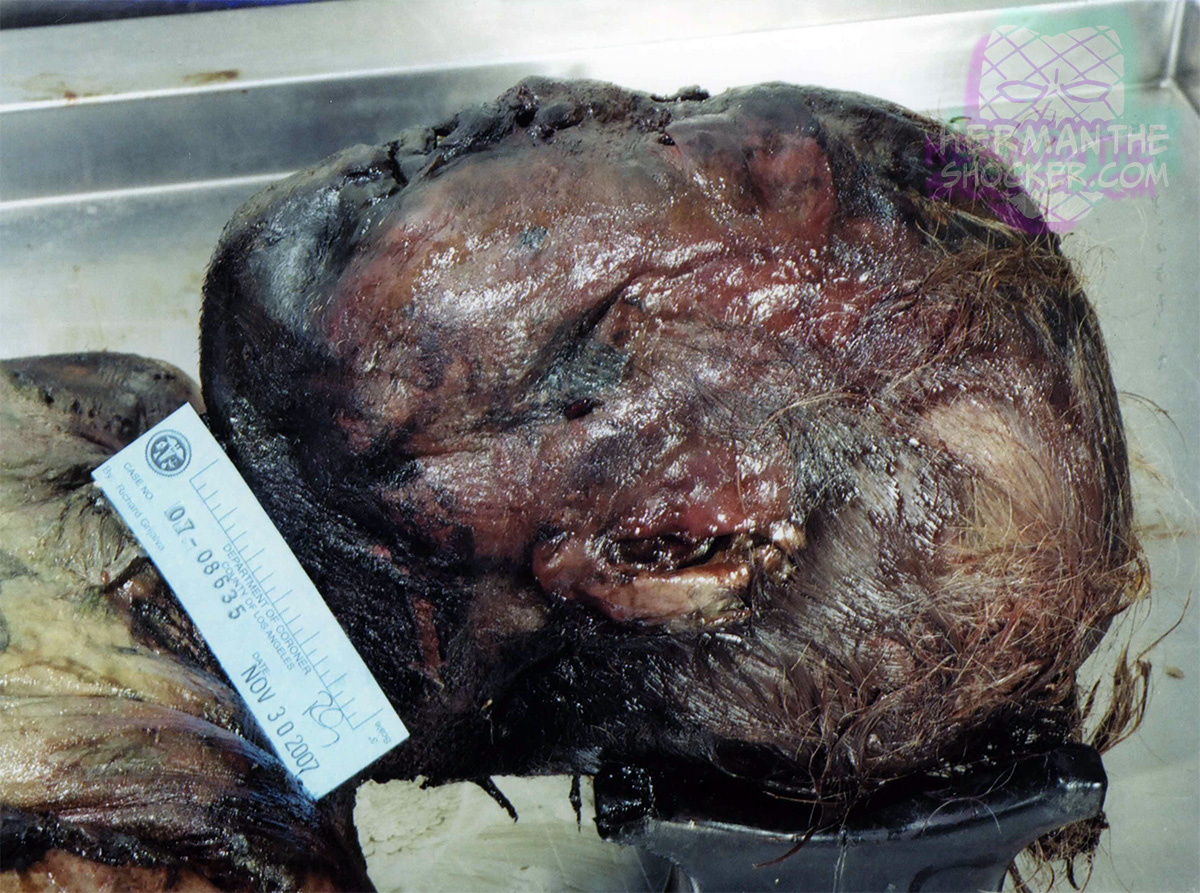 Fig5.2 Los Angeles, US. This individual had been missing for a month when his body was found. No further info. Putrefaction begins immediately upon death and usually becomes noticeable within 24 hours. As soon as death occurs, the bacteria or microorganisms within the intestinal tract escape from the bowel into the other tissues of the body. As they grow, they begin to produce gases and other properties that distort and discolor the tissues of the body. The discoloration is a dark greenish combination of colors and is generally pronounced within 36 hours. As a result, the body begins to swell from the putrefactive gases, emitting an extremely repugnant odor. The rate of decomposition depends on the temperature, ground conditions, amount of clothing, size of the body, etc. For example, a body in a warm climate will not only encourage insect attack from the outside, but will also increase the interior bacteria development and subsequent tissue attack from within. As the tissues inside are destroyed and enzymes released, the gases formed emit a foul and sickening smell. - - - Case 6 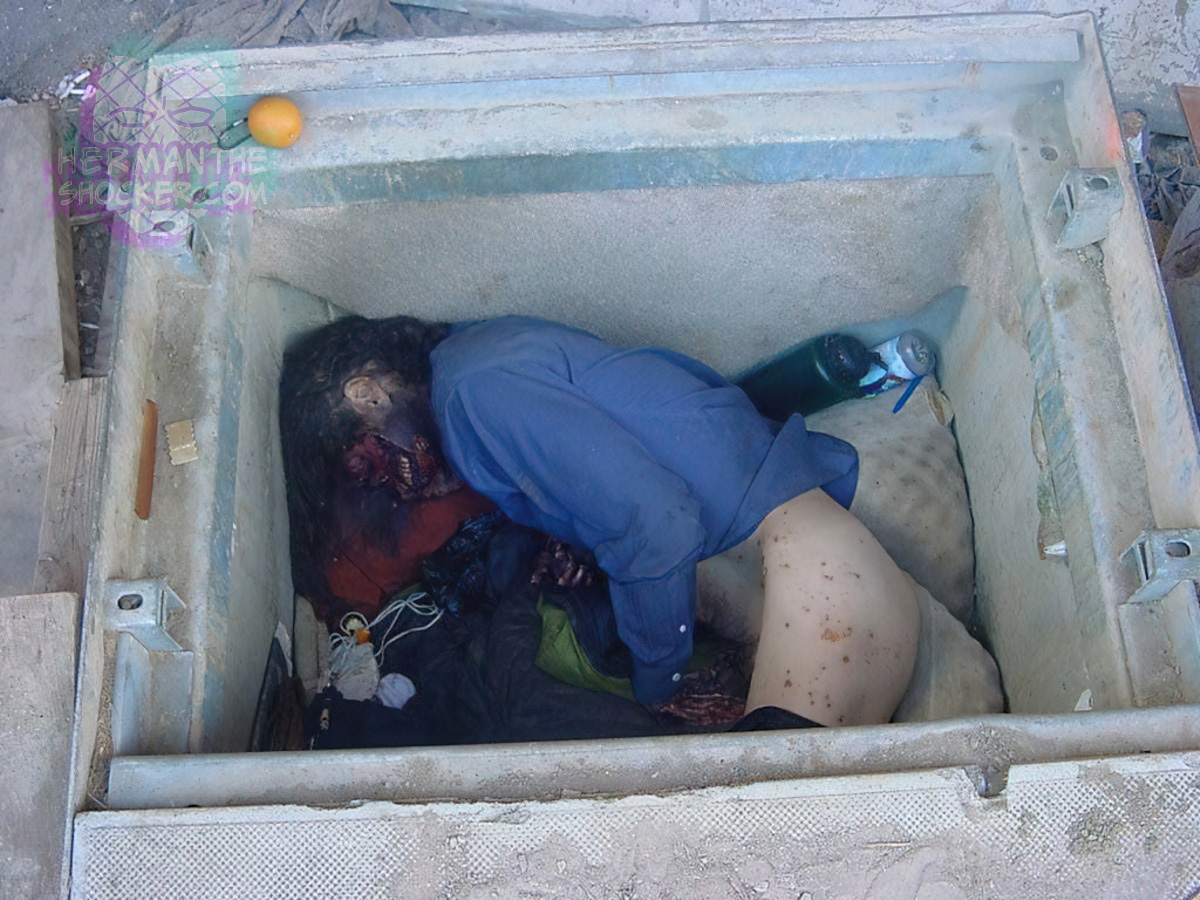 Fig6.1 Homeless man found dead in concrete shelter. This homeless man was found dead inside a concrete shelter. The body showed. evidence of postmortem animal scavenging. No further info. The phenomenon of postmortem animal interference with human bodies or their remains is a substantial part of the taphonomic processes a body undergoes after death and animal depredation occurring after death is routinely encountered in forensic pathology. Postmortem injuries can be inflicted by all kinds of animals, irrespective of their size or environmental origin, whether from land, sea, or air. The discrimination between antemortem injury versus postmortem artifacts generally presents no difficulties because of the total absence of hemorrhages and reddening in the tissue adjacent to the wound margins and the lack of any vital reaction under the microscope. - - - Case 7 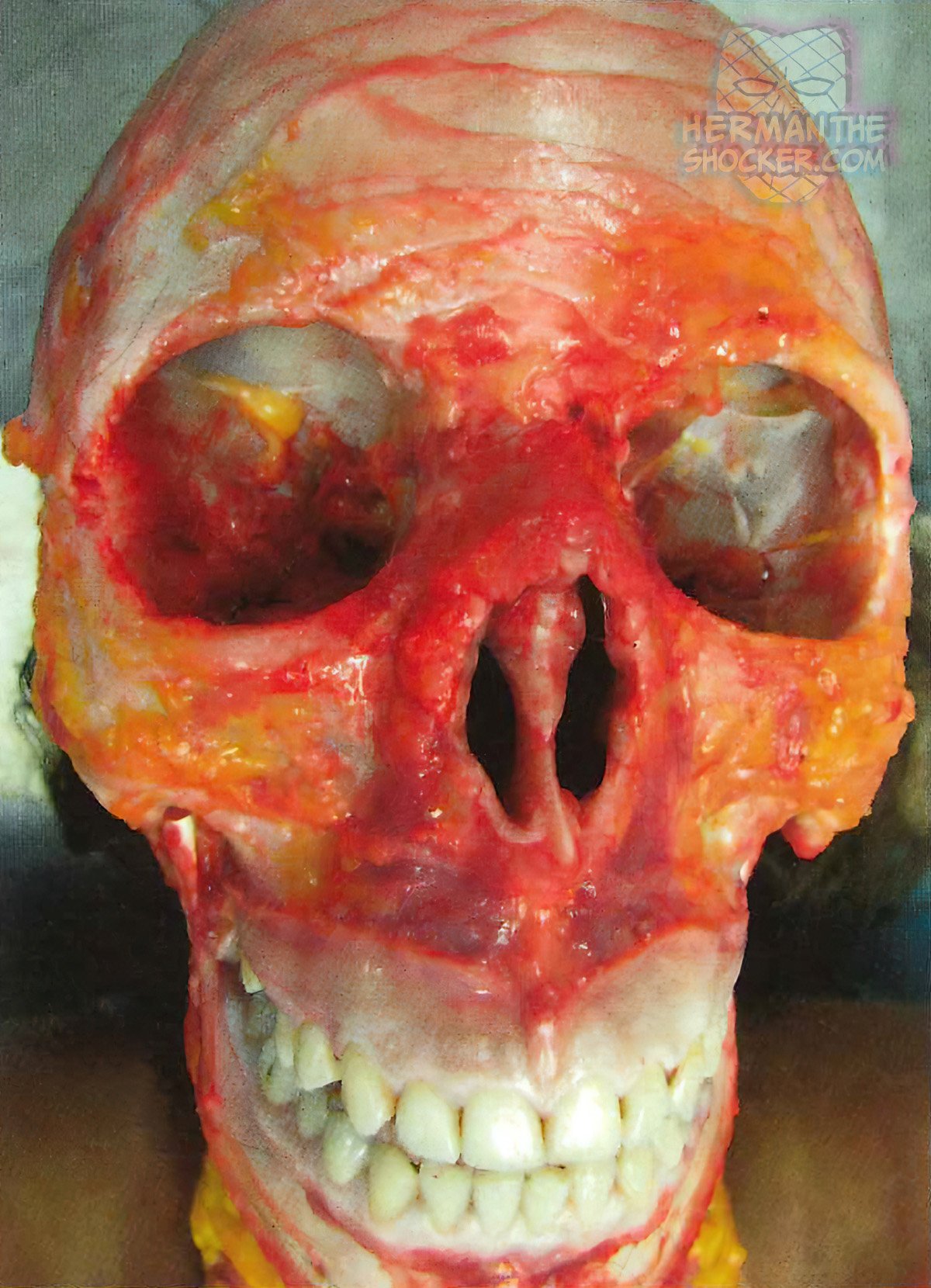 Fig7.1 Face completely removed. 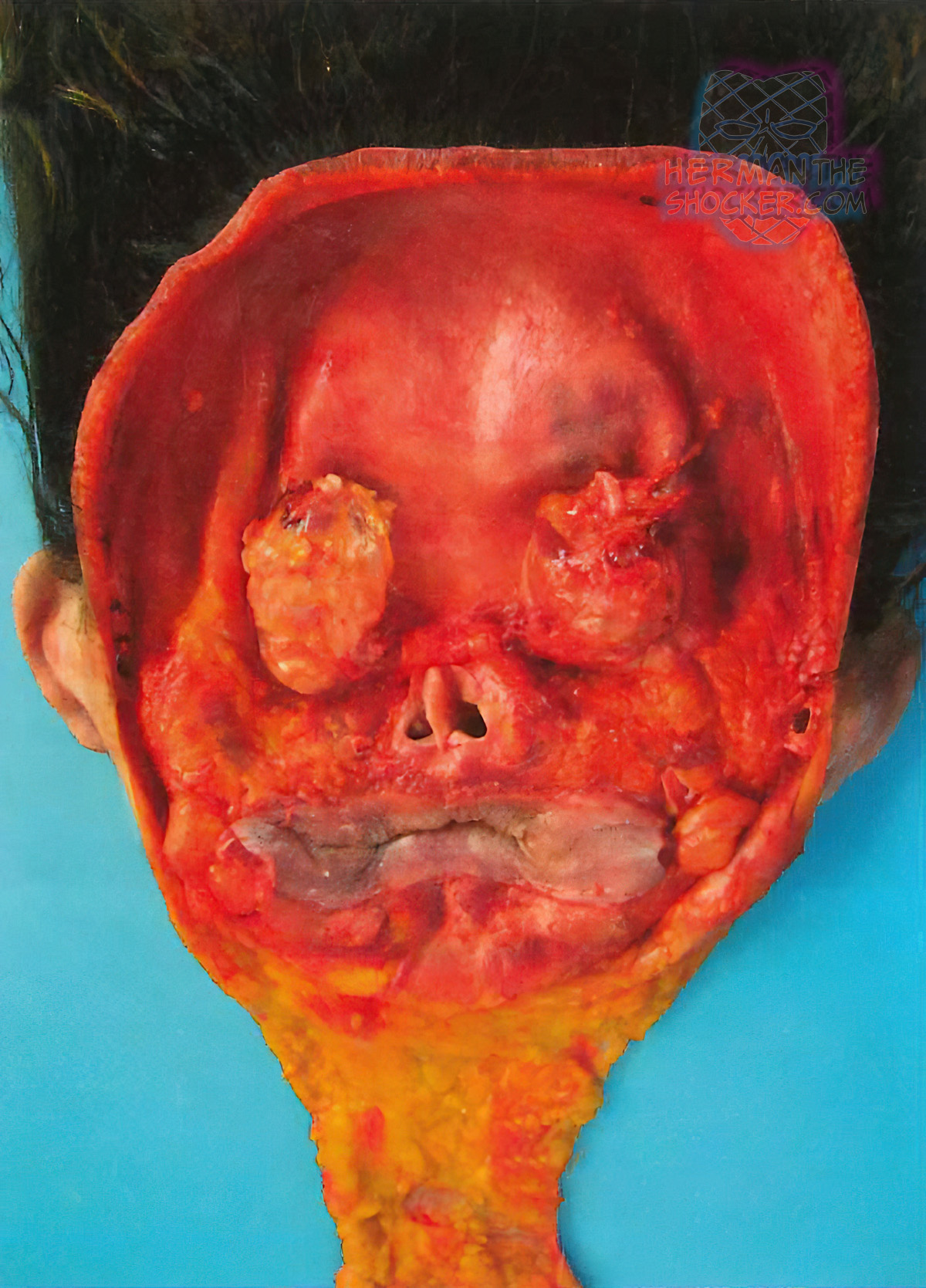 Fig7.2 The inside of the face after removal. Full gallery here Autopsy facial dissection is a procedure that involves the careful dissection and examination of the facial structures of a deceased individual during an autopsy. This procedure is typically performed by a pathologist or forensic specialist to help determine the cause of death, identify any injuries or trauma, and gather evidence for a criminal investigation if necessary. During an autopsy facial dissection, the pathologist carefully removes the skin and other soft tissues from the face to expose the underlying structures, such as the bones, muscles, and nerves. This allows them to examine the structures in detail and identify any signs of injury or disease. The examination of the facial structures can provide important clues about the cause of death, especially in cases where the individual suffered facial trauma or injuries. For example, fractures or dislocations of the facial bones may suggest a severe blow to the head, while damage to the nerves or blood vessels in the face may indicate a strangulation or asphyxiation. Autopsy facial dissection can also be useful in identifying the deceased individual, especially in cases where the body is badly decomposed or disfigured. The examination of the facial features, such as the shape of the nose, jaw, and teeth, can be compared to dental records, photographs, or other identifying information to confirm the identity of the deceased. Overall, autopsy facial dissection is a critical tool in the forensic investigation of deaths, and it can provide valuable information that can help solve crimes and bring closure to families and loved ones. - Part 1 --- Part 2 --- Part 3 --- Part 4 --- Part 5 --- Part 6 --- Part 7 --- Part 8 --- Part 9 --- Part 10 --- Part 11 --- Part 12 --- Part 13 --- Part 14 --- Part 15 --- Part 16 --- Part 17 --- Part 18 --- Part 19 --- Part 20 --- Part 21 --- Part 22 --- Part 23 --- Part 24 --- Part 25 --- Part 26 --- Part 27 --- Part 28 --- Part 29 --- Part 30 --- Part 31 --- Part 32 --- Part 33 --- Part 34 --- Part 35 --- Part 36 --- Part 37 --- Part 38 --- Part 39 --- Part 40 --- Part 41 --- Part 42 --- Part 43 --- Part 44 --- Part 45 --- Part 46 --- Part 47 --- Part 48 --- Part 49 --- Part 50 --- Part 51 --- Part 52 --- Part 53 --- Part 54 --- Part 55 --- Part 56 --- Part 57 --- Part 58 --- Part 59 --- Part 60 --- Part 61 --- Part 62 - This post is for educational purposes only and is nonprofit. Under Section 107 of the US Copyright Act of 1976; Allowance is made for "Fair Use" for purposes such as criticism, comment, news reporting, teaching, scholarship, and research. OP is not a medical expert. No copyright infringement intended. This post does not encourage or glorify violence/harassment. Images might have been upscaled and enhanced. Text might have been shortened and simplified/reorganized for online view.
__________________ ⭐️ hermantheshocker.com ⭐️ |
|
#2
●
04-28-2023, 04:33 PM
|
 ✖ The Antique Christ ✖ Poster Rank:106 Gonzo Punk Join Date: Jan 2009 Posts: 15,478
Contributions: 62
15,478Posts 39,159Thanked 2,046Quoted 23Mentioned 62Contrib. |
|
Re: The Shocker's Mix 63
How much do you want for the dissected face? Asking for a friend.
|
|
#3
●
04-28-2023, 05:51 PM
|
 My Rank: GUNNERY SERGEANT Poster Rank:606 Join Date: Aug 2017 Posts: 1,553 1,553Posts 2,803Thanked 276Quoted 0Mentioned 0Contrib. |
|
Re: The Shocker's Mix 63
The one dude looks like he was battered up for a fish fry!  I am impressed with the clean dissection of the first one! Great work, Herman! |
|
#4
●
04-28-2023, 07:31 PM
|
 ♚ Legacy Gold Member ♚ Poster Rank:35 Female Join Date: Nov 2008 Posts: 43,321
Contributions: 233
43,321Posts 76,152Thanked 2,282Quoted 95Mentioned 233Contrib. |
|
Re: The Shocker's Mix 63
Really interesting post, thank you  |
|
#5
●
04-28-2023, 09:12 PM
|
 ♚ Legacy Gold Member ♚ Poster Rank:122 Happy Happy Happy Join Date: Dec 2009 Posts: 13,383 13,383Posts 25,651Thanked 4,367Quoted 23Mentioned 0Contrib. |
|
Re: The Shocker's Mix 63
You are 1 of the best. Never halt in your work Herman you truly are above average in quality my friend way above
|
|
#6
●
04-29-2023, 12:46 AM
|
 My Rank: FIRST SERGEANT Poster Rank:399 Join Date: Apr 2011 Posts: 3,046 3,046Posts 5,763Thanked 276Quoted 2Mentioned 0Contrib. |
|
Re: The Shocker's Mix 63
Shocktastic This is a remarkably brutal compilation. #3 describes a very interesting phenomenon and the end result looks like a statue. Death is one of the most accomplished and versatile artists ever |