|
#1
●
09-30-2022, 04:04 PM
|
 ♚ Legacy Gold Member ♚ Poster Rank:914 Join Date: Jul 2020 Posts: 820
Contributions: 13
820Posts 27,649Thanked 173Quoted 13Mentioned 13Contrib. |
|
The Shocker's Mix 36
Some of the stuff I work on doesn't make the cut so I thought about gathering them up in a single post. So basically it's images I have little or no info about or I've decided that they don't get their own thread, for example, because of low image/content quality, lack of backstory or additional info/knowledge, possibly uninteresting, only one image but not very special. I still do the usual image work including upscaling and color correction as needed, as I prefer to have my content high quality and educational. - - - Case 1  Fig1.1 Man run over by a train. Spain. This 55-year-old male was run over by a train with the intention of committing suicide. His family recounted that the deceased had experienced a period of serious financial crisis. The picture indicates decapitation at the neck. The left upper limb was also severed. No further info. Railroad deaths in the US totaled 757 in 2020, a decrease of more than 12% from the 2019 revised total of 862 and the lowest since 2015. Nonfatal injuries totaled 5,479, a 33% decrease from the 2019 revised total of 7,983. From 2019 to 2020, fatalities at highway-rail crossings decreased 32%, while fatalities involving other types of incidents decreased 1%. The latter included 529 deaths (94%) attributed to trespassers. Ten employees were killed while on duty, a 25% increase compared to the 2019 death toll. There were two train passenger deaths, up from one death in 2019. - - - Case 2 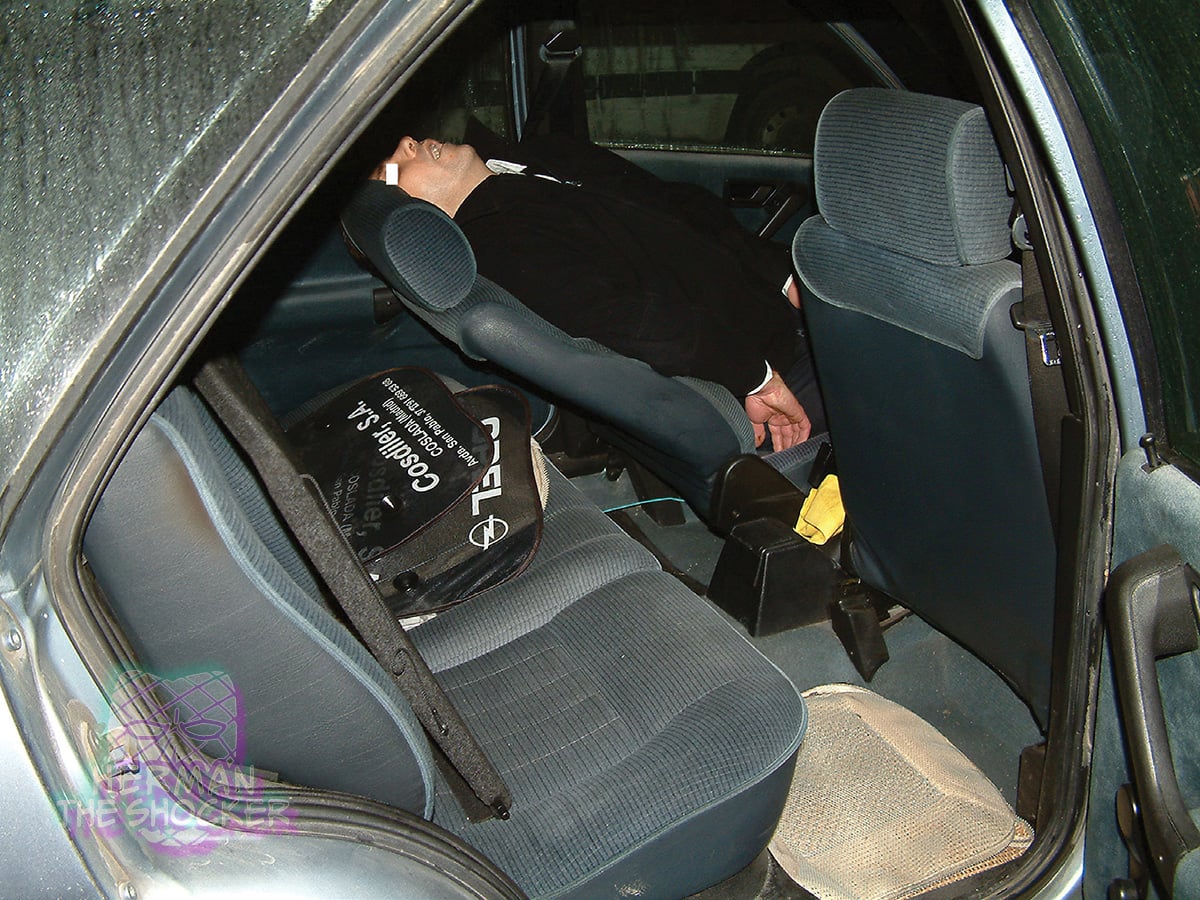 Fig2.1 The state in which the individual was found. 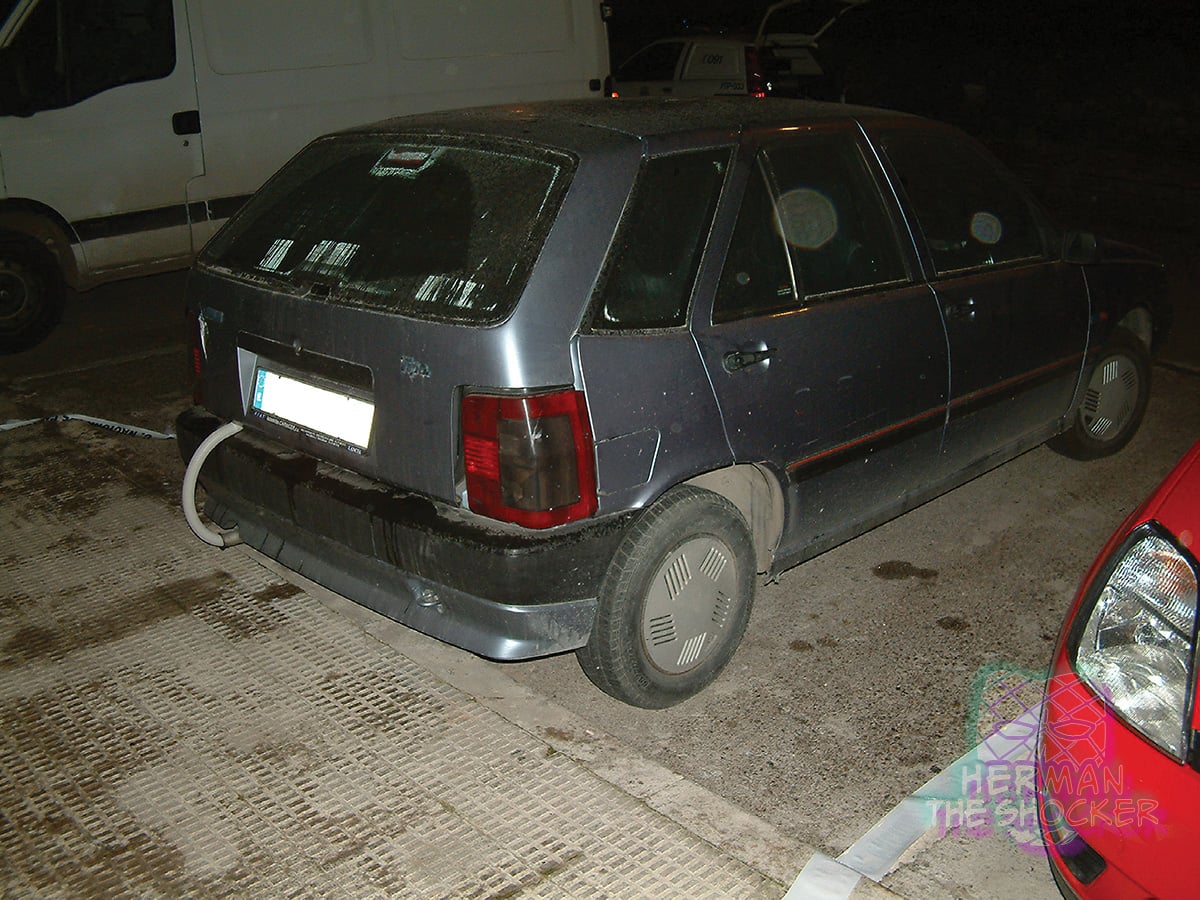 Fig2.2 A carbon monoxide poisoning case. Spain. This middle-aged man committed suicide by carbon monoxide poisoning, he connected the exhaust to a tube that lead into the car. He had been diagnosed with major depressive disorder and was experiencing both personal and professional difficulties. Patients with a major depressive disorder are the highest group which are affected by suicidal ideation. It is a pre-condition for suicide attempts and to commit suicide among major depressive patients. Suicidal behavior and major depressive disorder have been becoming the main attention in recent years. - - - Case 3  Fig3.1 A photograph of a suicide by shotgun.  Fig3.2 A photograph of a holster and cartridges with brain matter that landed on top of the man’s forearm. 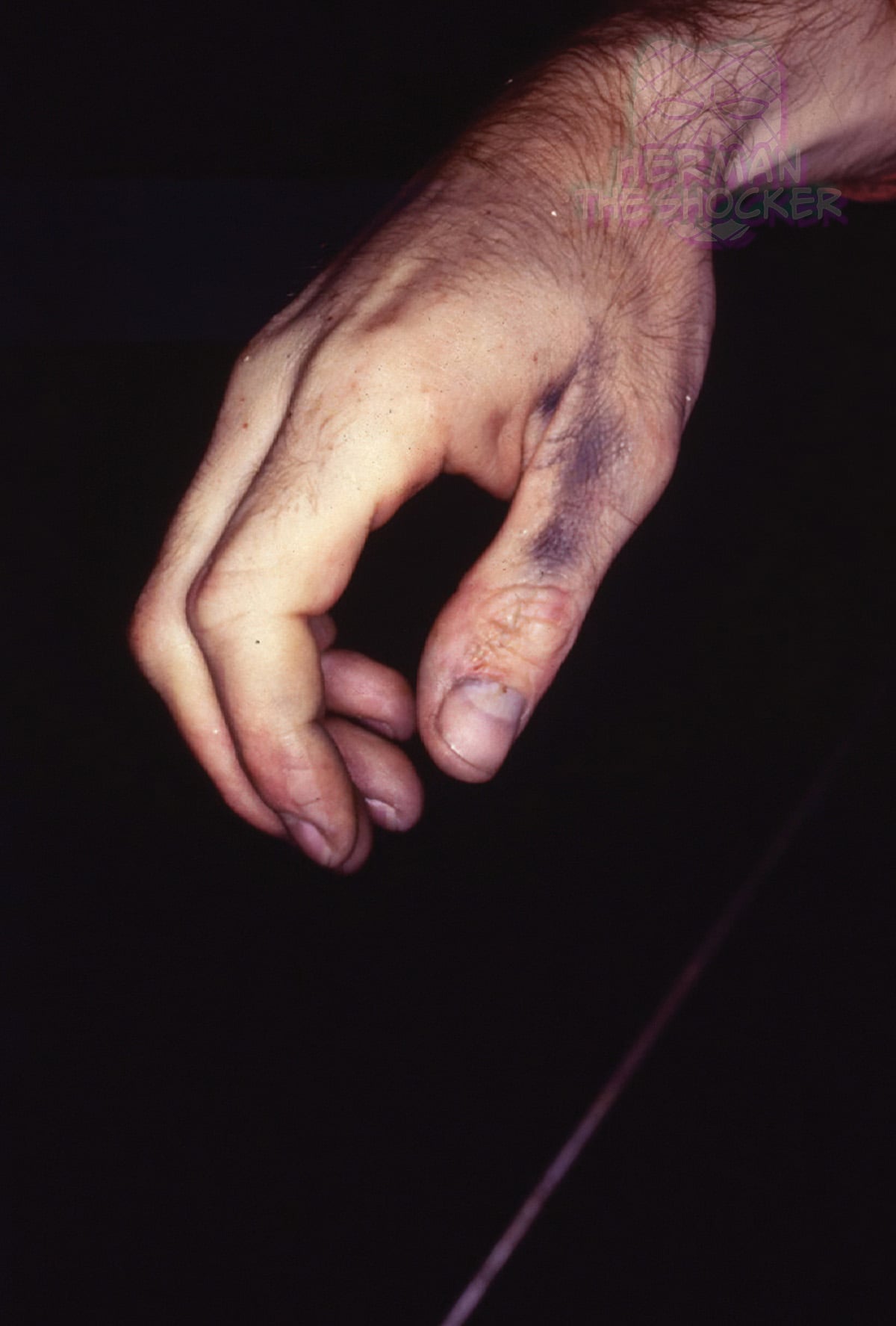 Fig3.3 A photograph illustrating gunshot residue on the hand. Spain. This individual killed himself with a shotgun. He had just killed his father, who had terminal cancer. Fig.2 illustrates how the holster is only missing the two cartridges used at the time. We can also see on Fig.3 the black mark on the shooter’s right hand caused by the gunshot residue, deposited when the shots were fired. - - - Case 4 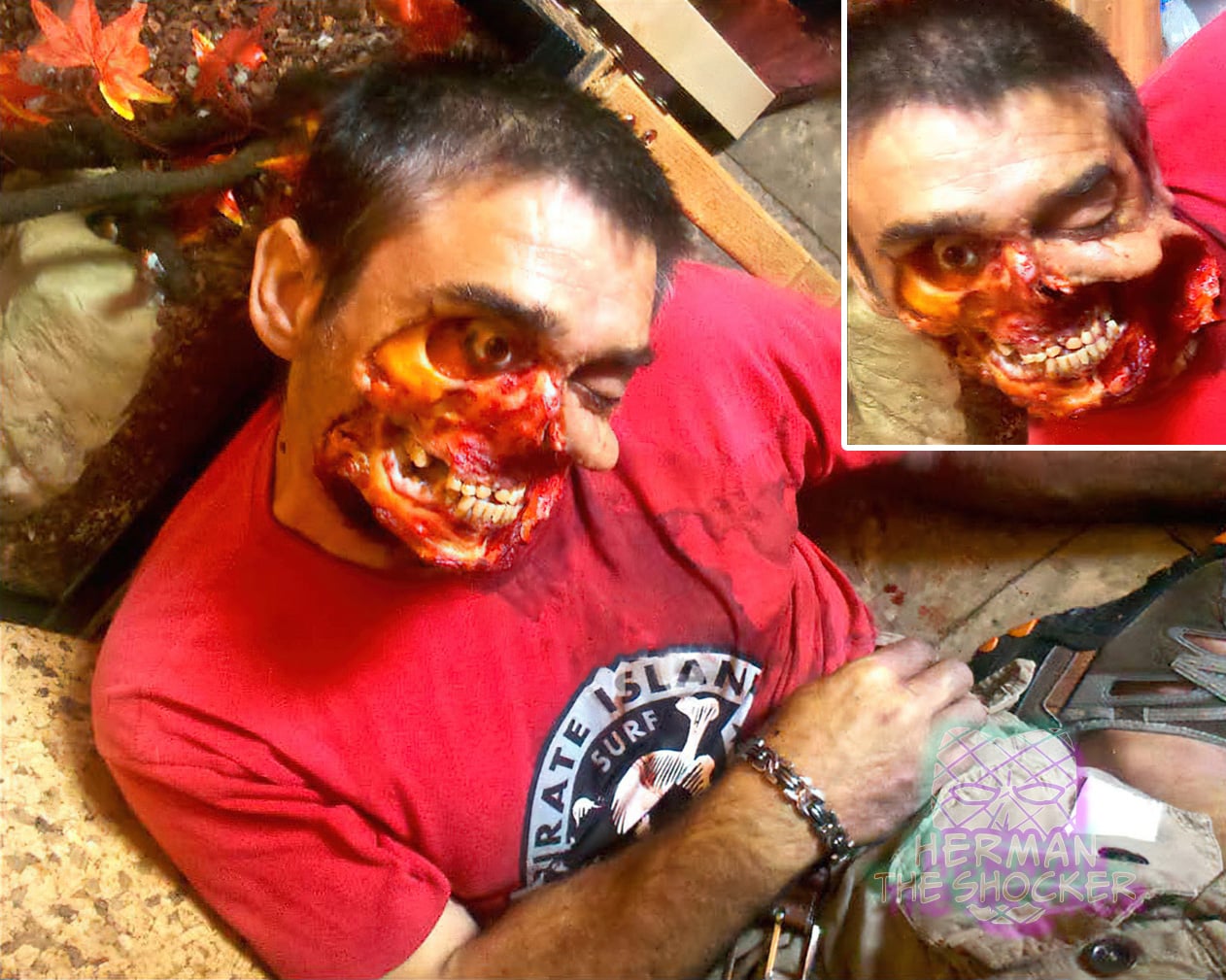 Fig4.1 Postmortem animal depredation after poisoning. Spain. This individual died after ingesting poison. The injuries were inflicted postmortem by a dog. No further info. Postmortem animal depredation is a substantial part of the taphonomic processes a body undergoes after death. While the occurrence and presentation of such injuries are well known to forensic pathologists, the morphological appearance of these injuries may be misinterpreted by police officers or members of other investigating authorities. In cases with postmortem animal predation, the psychological state of the animal is a possible reason for its behavior. One possible explanation for such behavior is that a pet will try to help an unconscious owner first by licking or nudging, but when this fails to produce any results the behavior of the animal can become more frantic and in a state of panic can lead to biting. The motive is not to attack the owner but is a kind of ‘‘displacement’’ behavior motivated by confusion and fear. The fact that the efforts of the animal will obviously be fruitless explains why this can easily escalate and culminate in excessive mutilation. - - - Case 5 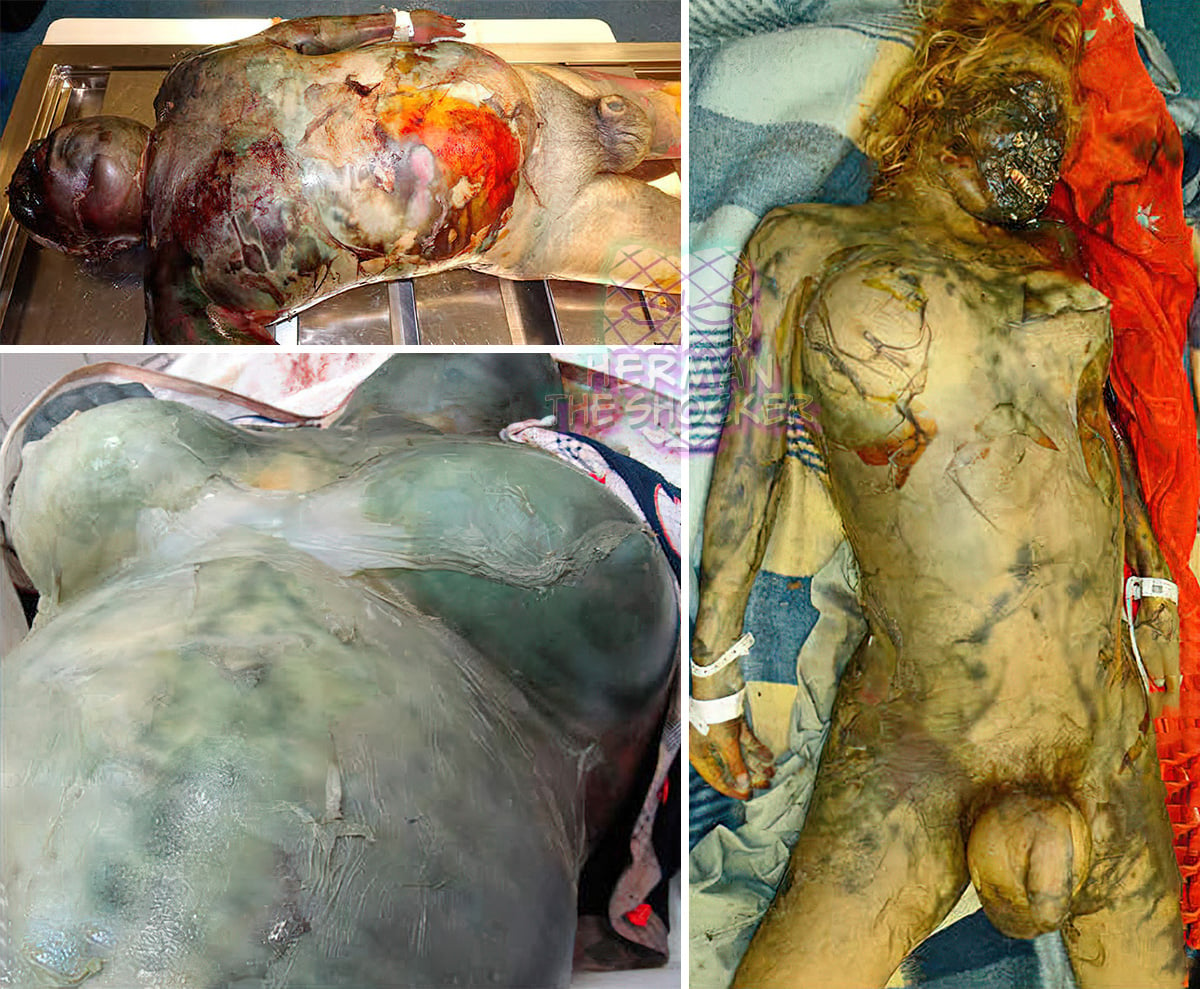 Fig5.1 Decomposition. Decomposition, or putrefaction, is a combination of two processes: autolysis and bacterial action. Autolysis is the breakdown of cells and organs through an aseptic chemical process caused by intracellular enzymes. Because it is a chemical process, it is accelerated by heat, slowed by cold, and stopped by freezing. Bacterial action results in the conversion of soft tissues in the body to liquids and gases. The chemicals produced as a result of the putrefaction are cadaverine and putrescine, hydrogen sulfide and other sulfides, which generate a horrible smell. Putrefaction begins immediately upon death and usually becomes noticeable within 24 hours. As soon as death occurs, the bacteria or microorganisms within the intestinal tract escape from the bowel into the other tissues of the body. As they grow, they begin to produce gases and other properties that distort and discolor the tissues of the body. The decomposition of the gastrointestinal tract results in a dark, foul-smelling liquid called "purge fluid" that is forced out of the nose and mouth due to gas pressure in the intestine. The skin discoloration is a dark greenish combination of colors and is generally pronounced within 36 hours. As a result, the body begins to swell from the putrefactive gases, emitting an extremely repugnant odor. The rate of decomposition depends on the temperature, ground conditions, amount of clothing, size of the body, etc. For example, a body in a warm climate will not only encourage insect attack from the outside, but will also increase the interior bacteria development and subsequent tissue attack from within. As the tissues inside are destroyed and enzymes released, the gases formed emit a foul and sickening smell. - - - Case 6  Fig6.1 The individual’s body upon jumping from a fourth story window. 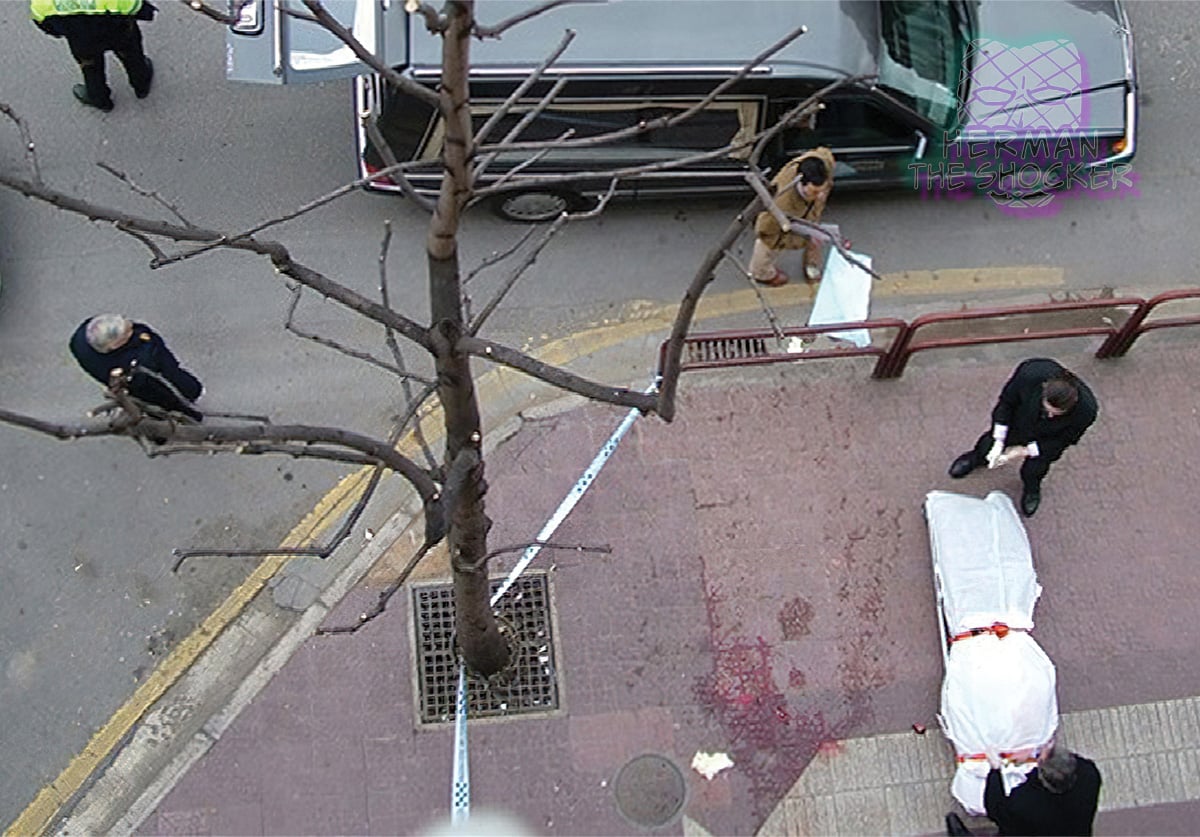 Fig6.2 The view from above looking down upon the scene. Spain. A middle-aged woman suffering from major depressive disorder who jumped out of a fourth floor window in her home. No further info. Major depressive disorder (MDD) is the mental health diagnosis most commonly associated with suicide. Globally, more than 60% of individuals who have attempted suicide struggle with MDD. Moreover, patients with MDD have a 20-fold higher risk of suicide than the general population. - Part 1 --- Part 2 --- Part 3 --- Part 4 --- Part 5 --- Part 6 --- Part 7 --- Part 8 --- Part 9 --- Part 10 --- Part 11 --- Part 12 --- Part 13 --- Part 14 --- Part 15 --- Part 16 --- Part 17 --- Part 18 --- Part 19 --- Part 20 --- Part 21 --- Part 22 --- Part 23 --- Part 24 --- Part 25 --- Part 26 --- Part 27 --- Part 28 --- Part 29 --- Part 30 --- Part 31 --- Part 32 --- Part 33 --- Part 34 --- Part 35 - This post is for educational purposes only and is nonprofit. Under Section 107 of the US Copyright Act of 1976; Allowance is made for "Fair Use" for purposes such as criticism, comment, news reporting, teaching, scholarship, and research. OP is not a medical expert. No copyright infringement intended. This post does not encourage or glorify violence/harassment. Images might have been upscaled and enhanced. Text might have been shortened and simplified/reorganized for online view.
__________________ ⭐️ hermantheshocker.com ⭐️ |
|
#2
●
09-30-2022, 04:37 PM
|
 My Rank: MAJOR Poster Rank:169 Join Date: Jul 2015 Posts: 9,325 9,325Posts 10,833Thanked 1,583Quoted 5Mentioned 0Contrib. |
|
Re: The Shocker's Mix 36
The Carbon Monoxide suicide appears somewhat painless.
|
|
#3
●
09-30-2022, 04:38 PM
|
 ~So Much Blood~ Poster Rank:124 Gore Hag Join Date: Mar 2010 Posts: 13,150
Contributions: 1
13,150Posts 43,756Thanked 822Quoted 28Mentioned 1Contrib. |
|
Re: The Shocker's Mix 36
Another great post  Thanks Thanks
|
|
#4
●
09-30-2022, 06:38 PM
|
| ♚ Legacy Gold Member ♚ Poster Rank:92 Male Join Date: Nov 2009 Posts: 17,231 17,231Posts 45,016Thanked 4,711Quoted 8Mentioned 0Contrib. |
|
Re: The Shocker's Mix 36
It is if you go slowly. If you try and rush it with vast amounts of exhaust fumes, you get nauseous and sick. Best to let the engine idle, and listen to some nice music while your body monoxides away to dreamland. People who die of CO poisoning such as through a malfunctioning water heater or furnace, just go to sleep and drift off. That's how they find entire families dead in their house, and it looks like they just fell asleep. They did. It appears to me from research, that death by helium is about the best way to commit suicide. There is no choking or strangling sensation because helium doesn't react with the body in any way. It just displaces the oxygen, there is no physical sensation or pain, and off you go. |
|
#5
●
09-30-2022, 08:46 PM
|
 ♚ Legacy Gold Member ♚ Poster Rank:122 Happy Happy Happy Join Date: Dec 2009 Posts: 13,383 13,383Posts 25,651Thanked 4,367Quoted 23Mentioned 0Contrib. |
|
Re: The Shocker's Mix 36
My favorite poster on D.R delivers again. Much appreciated herman  |
|
#6
●
09-30-2022, 11:59 PM
|
| My Rank: MASTER GUNNERY SERGEANT Poster Rank:350 "IT"-Species; Genus-genius Join Date: Jan 2013 Posts: 3,611 3,611Posts 5,349Thanked 619Quoted 0Mentioned 0Contrib. |
|
Re: The Shocker's Mix 36
Yikes! Some of that shit is just plain sad.
|
|
#7
●
10-01-2022, 06:38 AM
|
 ♚ Legacy Gold Member ♚ Poster Rank:28 ㅤㅤ真 Join Date: Apr 2021 Posts: 52,923 52,923Posts 52,853Thanked 41,105Quoted 372Mentioned 0Contrib. |
|
Re: The Shocker's Mix 36
I wonder if the poison that one dude ingested will have any affect on the dog that ate his face.
__________________ ᓚᘏᗢ |