|
#1
●
08-23-2022, 02:01 PM
|
 ♚ Legacy Gold Member ♚ Poster Rank:914 Join Date: Jul 2020 Posts: 820
Contributions: 13
820Posts 27,649Thanked 173Quoted 13Mentioned 13Contrib. |
|
The Shocker's Mix 34
Some of the stuff I work on doesn't make the cut so I thought about gathering them up in a single post. So basically it's images I have little or no info about or I've decided that they don't get their own thread, for example, because of low image/content quality, lack of backstory or additional info/knowledge, possibly uninteresting, only one image but not very special. I still do the usual image work including upscaling and color correction as needed, as I prefer to have my content high quality and educational. - - - Case 1 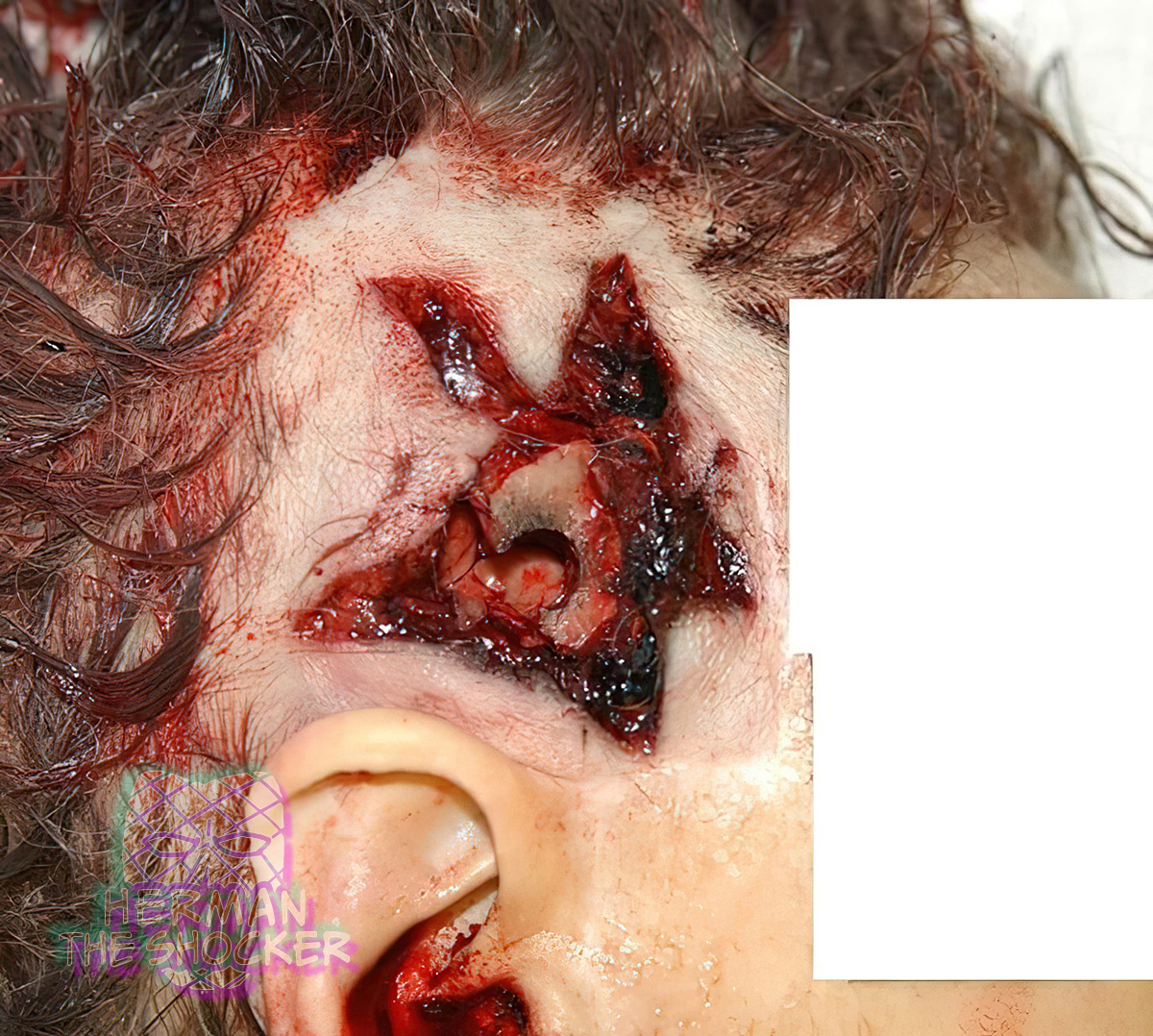 Fig1.1 Gunshot wound on the side of the head. 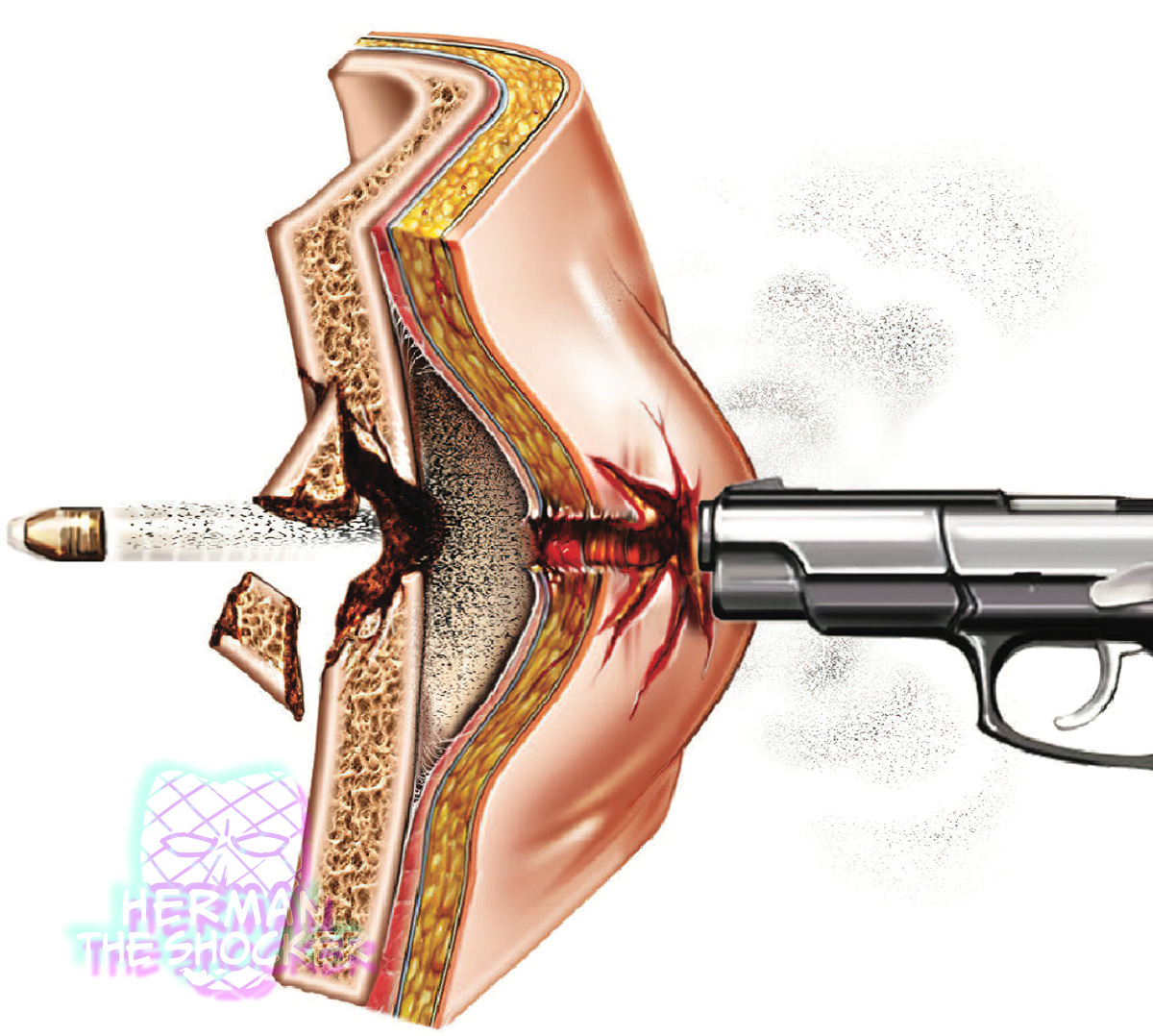 Fig1.2 Gases exit the barrel before the projectile. As a result, the gas collides with bone tissue & causes expansion of the subcutaneous space with tearing & laceration of the skin. This individual has a contact-range gunshot wound on the side of the head. No further info. In contact gunshot wounds with bony tissue underlying the injury, the injuries are typically called a stellate wound, where the gases exit the barrel before the projectile. As a result, the gas collides with the bone tissue, resulting in the reflection of the gases. This gas causes the expansion of subcutaneous space and pressure, which results in an explosive injury, tearing, and lacerating the skin and subcutaneous tissue, resulting in the stellate wound. Additionally, the expanding gases also cause a back-splatter of soft-tissue and blood onto the firearm and fingers. - - - Case 2  Fig2.1 Advanced decomposition. Advanced decomposition is characterized by an extremely bloated, greasy, and darkened body. This is the decomposed body of a Caucasian individual who was not very obese during life. Decomposition, or putrefaction, is a combination of two processes: autolysis and bacterial action. Autolysis is the breakdown of cells and organs through an aseptic chemical process caused by intracellular enzymes. Because it is a chemical process, it is accelerated by heat, slowed by cold, and stopped by freezing. Bacterial action results in the conversion of soft tissues in the body to liquids and gases. The chemicals produced as a result of putrefaction are cadaverine and putrescine, hydrogen sulfide and other sulfides, which generate a horrible smell. - - - Case 3 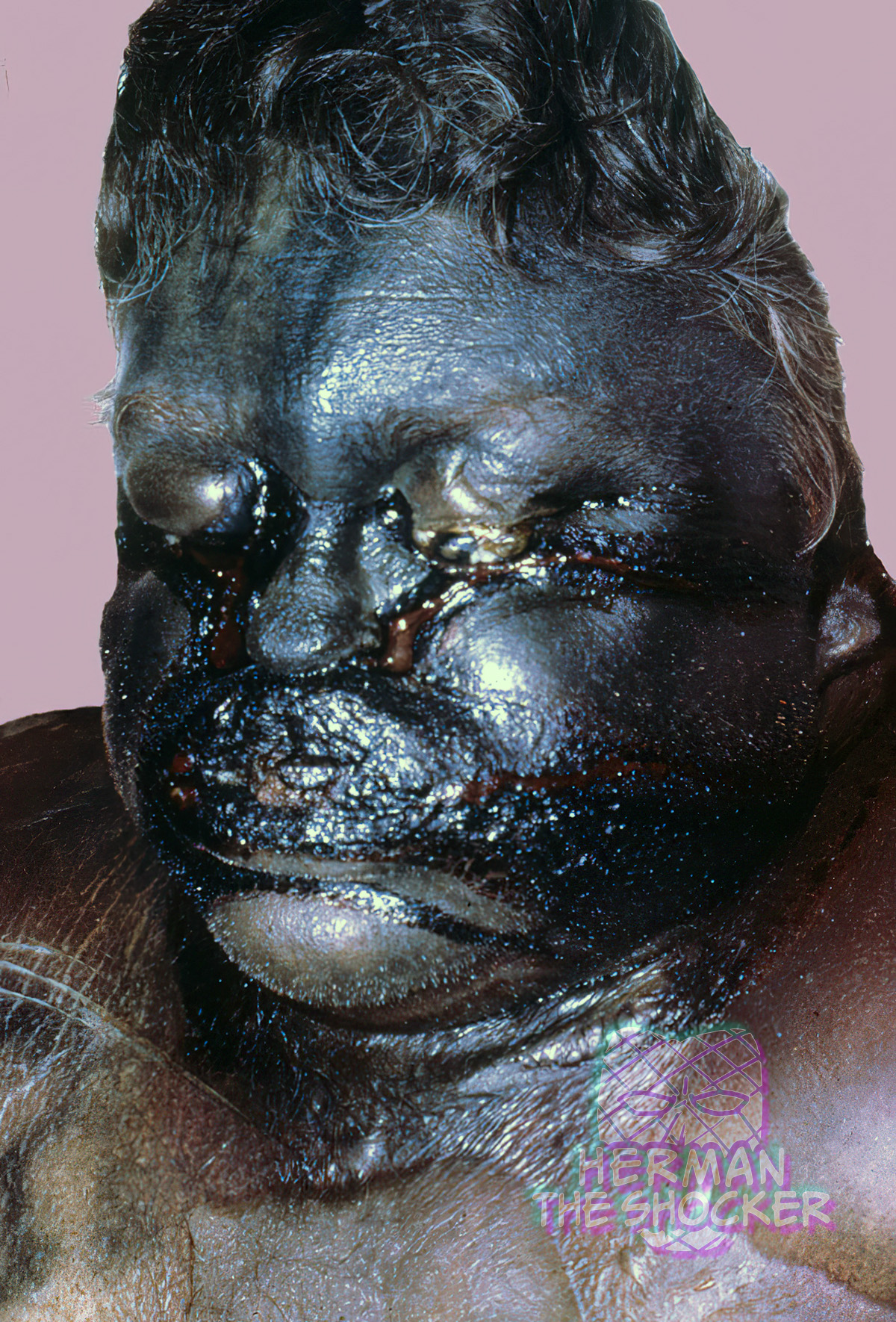 Fig3.1 Advanced decomposition and purge fluid. An example of a body demonstrating relatively advanced decomposition, with bloating, skin discoloration, and abundant purge fluid. The decomposition of the gastrointestinal tract results in a dark, foul-smelling liquid called "purge fluid" that is forced out of the nose and mouth due to gas pressure in the intestine. Putrefaction begins immediately upon death and usually becomes noticeable within 24 hours. As soon as death occurs, the bacteria or microorganisms within the intestinal tract escape from the bowel into the other tissues of the body. As they grow, they begin to produce gases and other properties that distort and discolor the tissues of the body. - - - Case 4 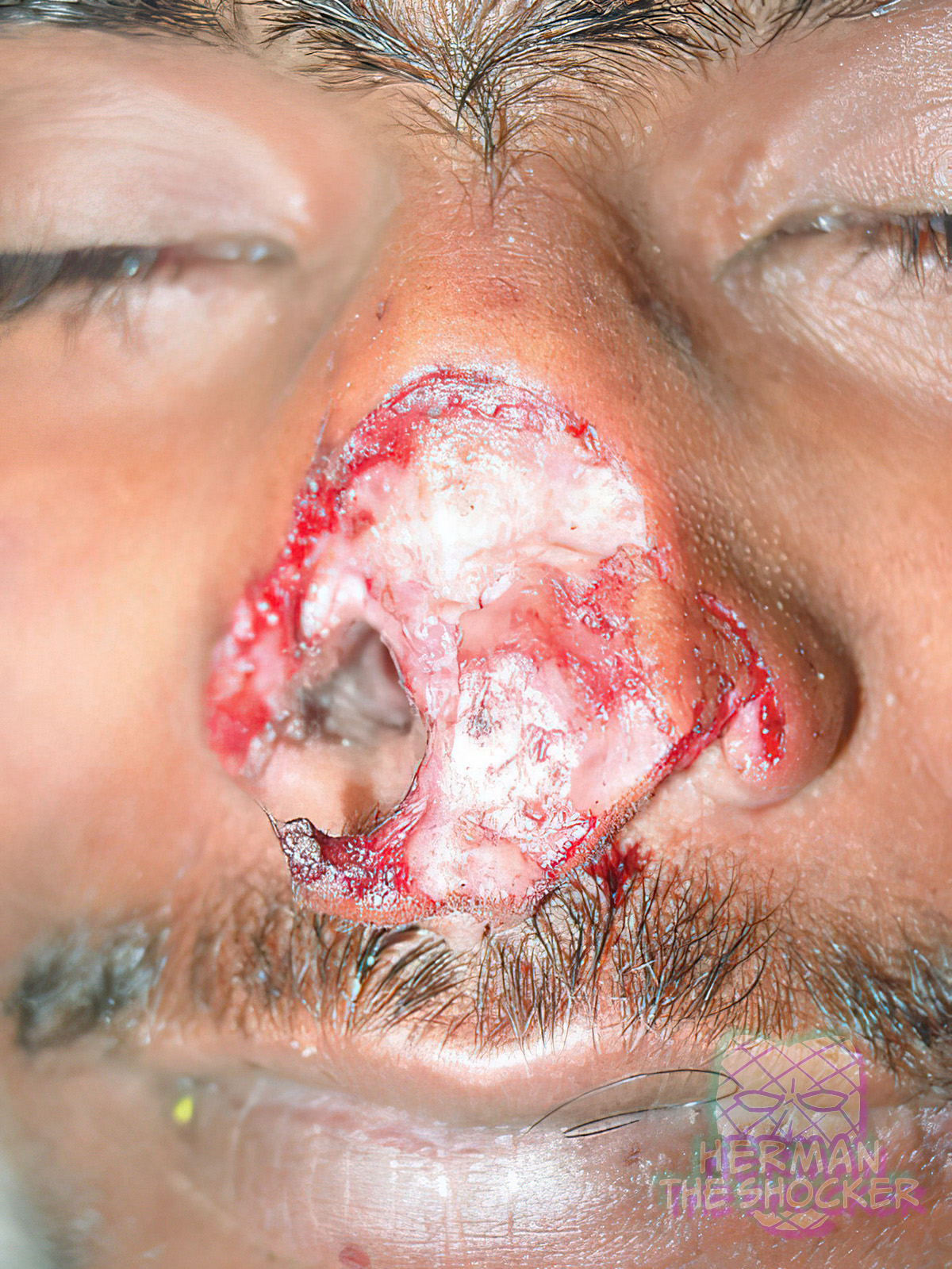 Fig4.1 Gnawing of the nose by rodents. The nose of this individual has been gnawed by rodents postmortem. Postmortem animal interference of human corpses or remains is a well known phenomenon to forensic death investigators, the morphological appearance of these injuries can be misinterpreted by police officers investigating the suspected crime scene or by the consulted medical practitioner. Determination of rodent species from the morphological appearance of damage to soft tissue and bones is often unreliable. In cases of postmortem rodent interference the appearance of distinct parallel cutaneous lacerations in the margins of damaged skin can be attributed to the animals masticatory apparatus, namely the pair of incisors. Death investigators should be aware of the following while undertaking a detailed assessment of the scene of questioned cases of postmortem animal interference: damage is primarily caused to the exposed areas of the body, no selfdefense injuries can be found on the deceased’s body, compared to the large defects a relatively small amount of blood or the total absence of bloodstains should be expected at the scene, possibly a spoor deriving from the animal’s paws can be detected in bloodstains, an inquiry of pets living free in the house or wild animals having possible access to the scene should be conducted and a careful look for animal faeces or rodents nests should be made. Frequently the face, hands and legs are destroyed by postmortem animal interference as they are unclothed and thus easily accessible. However there are cases where such lesions having been noted in other areas of the body which have been covered by the cloths including genitals but they are rare. - - - Case 5  Fig5.1 Man in a state of advanced decay after suicide. This individual was found in a state of advanced decay, he had committed suicide by hanging. No further info. The length of the postmortem interval needed for skeletonization of a body or parts of it is highly variable and mainly depends on the ambient temperature, insect colonization of the body, and scavenger activity. Under warm to hot environmental conditions, and increasingly under the influence of moisture, aerobic bacterial activity from the outside is accelerated with resultant advanced manifestation of odor of the body, attracting insects and scavengers to the body. Skeletonization and mummification often occur together in different or identical parts of the body. Usually all skin, soft tissue, and muscles are lost before a skeleton becomes disarticulated. Disarticulation of bones in skeletonized bodies is more often seen to take place from the head downward and from central to peripheral than in the reverse way. - - - Case 6 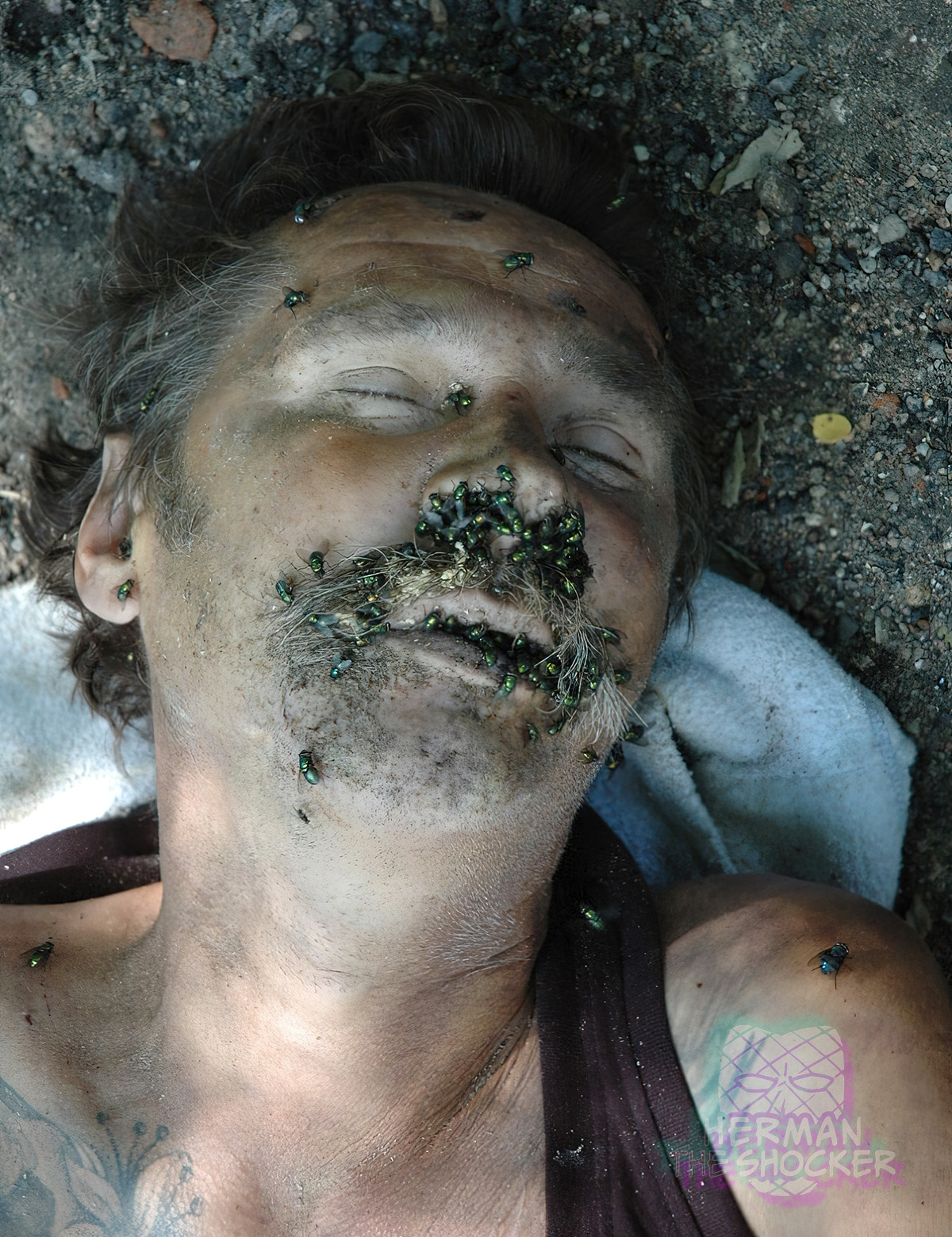 Fig6.1 Flies are often first on the scene of a dead body. The first type of insect to arrive at a dead body is usually a blowfly (Calliphoridae), attracted by body fluids and gases. It lays its eggs within two days after death, so its stage of development – egg, larval stages, prepupal or pupal stage, adulthood – will suggest how long the corpse has been lying undetected. Ambient conditions affect both how soon after death the blowflies arrive and how quickly the maggots develop. The female fly will lay her eggs in the moist locations of the body; eyes, ears, nose and mouth. No info about the dead man in the image. - - - Case 7 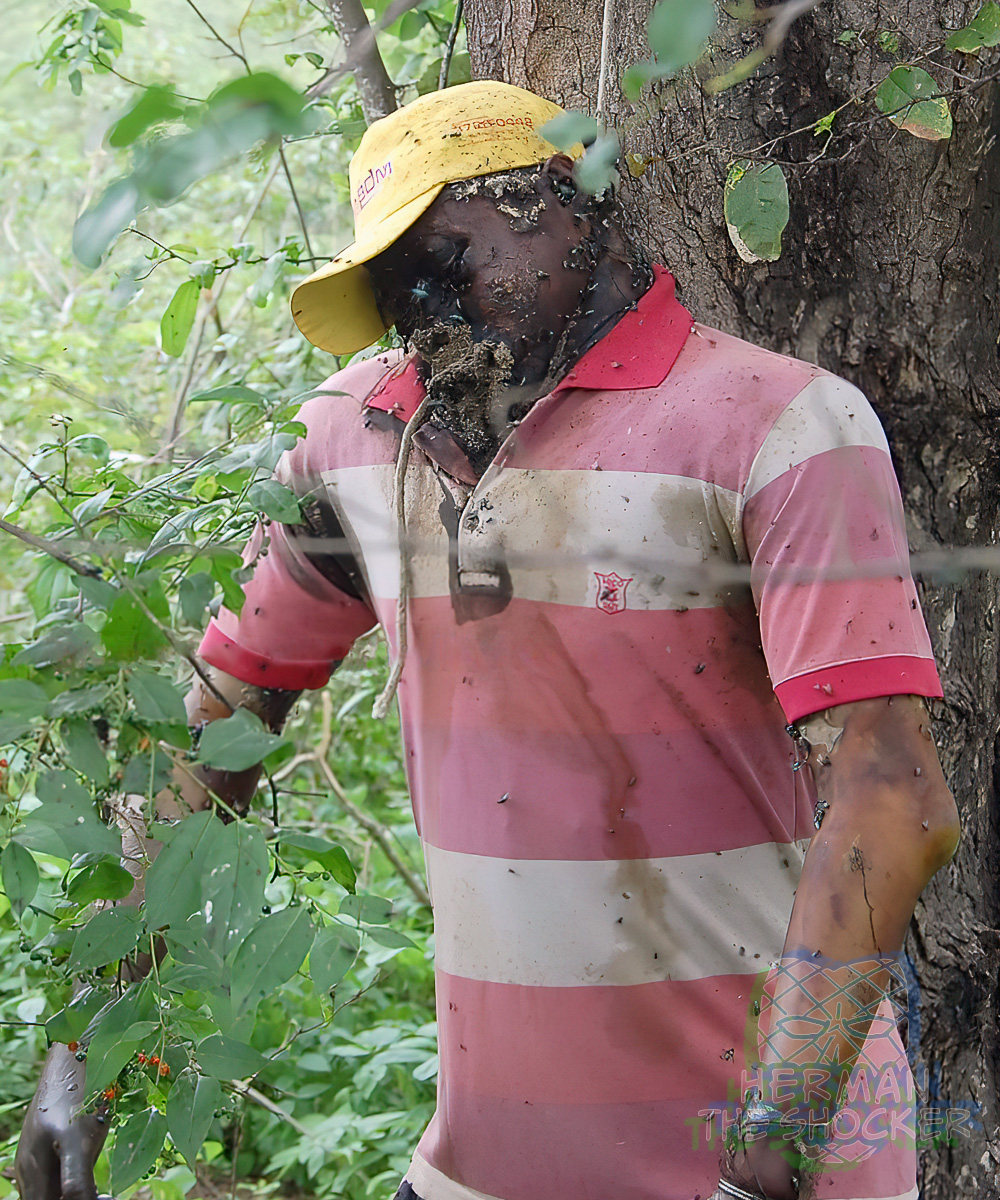 Fig7.1 Man found hanged and decomposed in the forest.  Fig7.2 Man found hanged and decomposed in the forest. A young man in Brazil was found hanged and decomposed in the forest, he had been missing for a few days and was dealing with mental problems, no further info. Hanging is one of the most commonly used suicide methods and has a high mortality rate; Gunnell et al. gives a figure of at least 70 percent. People who survive hanging report seeing flashing lights and hearing ringing sounds. Suspension hanging usually results in cerebral hypoxia and decreased muscle tone around the neck. According to Aufderheide et al., the most common cause of death of hangings is cerebral hypoxia. Regardless of the material used to form the noose, suspension hanging will kill the person in three ways: compression of the carotid arteries, the jugular veins, or the airway. About 11 lb (5 kg) of pressure is required to compress the carotid artery; 4.4 lb (2 kg) for the jugular veins; and at least 15 kg (33 lb) for the airway. The amount of time it takes to lose consciousness and die is difficult to predict accurately and depends on several factors. Some believe unconsciousness occurs in five seconds, though it can also take longer. It took a man who filmed his hanging 13 seconds to become unconscious, 1 minute and 38 seconds to lose muscle tone, and 4 minutes and 10 seconds for muscle movement to cease. Full suspension is not required; most hanging suicides are done by partial suspension, according to Wyatt et al. Geo Stone, author of Suicide and Attempted Suicide: Methods and Consequences, suggests that death by obstruction of the airway is more painful than by the other ways. - Part 1 --- Part 2 --- Part 3 --- Part 4 --- Part 5 --- Part 6 --- Part 7 --- Part 8 --- Part 9 --- Part 10 --- Part 11 --- Part 12 --- Part 13 --- Part 14 --- Part 15 --- Part 16 --- Part 17 --- Part 18 --- Part 19 --- Part 20 --- Part 21 --- Part 22 --- Part 23 --- Part 24 --- Part 25 --- Part 26 --- Part 27 --- Part 28 --- Part 29 --- Part 30 --- Part 31 --- Part 32 --- Part 33 - This post is for educational purposes only and is nonprofit. Under Section 107 of the US Copyright Act of 1976; Allowance is made for "Fair Use" for purposes such as criticism, comment, news reporting, teaching, scholarship, and research. OP is not a medical expert. No copyright infringement intended. This post does not encourage or glorify violence/harassment. Images might have been upscaled and enhanced. Text might have been shortened and simplified/reorganized for online view.
__________________ ⭐️ hermantheshocker.com ⭐️ |
|
#2
●
08-23-2022, 03:11 PM
|
 My Rank: PRIVATE Poster Rank:5358 Join Date: Sep 2017 Posts: 48 48Posts 246Thanked 22Quoted 0Mentioned 0Contrib. |
|
Re: The Shocker's Mix 34
Thanks for another excellent and informative post Herman  |
|
#3
●
08-23-2022, 05:10 PM
|
 My Rank: STAFF SERGEANT Poster Rank:876 Male Join Date: Jun 2011 Posts: 864 864Posts 2,301Thanked 227Quoted 0Mentioned 0Contrib. |
|
Re: The Shocker's Mix 34
Once again you have provided both an interesting lesson on how bodies decompose and added to the overall gross-out of this site. GOOD JOB!!! Keep up the excellent work Herman.  |
|
#4
●
08-24-2022, 09:02 AM
|
 ♚ Legacy Gold Member ♚ Poster Rank:199 Female Join Date: Nov 2009 Posts: 7,749 7,749Posts 11,993Thanked 709Quoted 5Mentioned 0Contrib. |
|
Re: The Shocker's Mix 34
Thanks Herman. I think I’d pick gun over hanging.
|
|
#6
●
08-24-2022, 04:48 PM
|
| So Fucking Banned Poster Rank:302 Join Date: Mar 2010 Posts: 4,310
Contributions: 1
4,310Posts 16,895Thanked 1,445Quoted 2Mentioned 1Contrib. |
|
Re: The Shocker's Mix 34
Mr. HermanTheShocker, Your content is always high quality and educational, and I am most appreciative of the time, effort, and research that you put into your posts. |
|
#7
●
08-24-2022, 08:26 PM
|
| My Rank: PRIVATE FIRST CLASS Poster Rank:3817 Female Join Date: Oct 2019 Posts: 86 86Posts 181Thanked 21Quoted 0Mentioned 0Contrib. |
|
Re: The Shocker's Mix 34
The moment you realize that the hanged man doesn't have on a tan shirt/jacket. Kinda cool that his tattoo remained intact.
|
|
#8
●
08-25-2022, 09:41 AM
|
 My Rank: MAJOR Poster Rank:94 Male Join Date: Aug 2009 Posts: 16,989 16,989Posts 25,163Thanked 1,901Quoted 9Mentioned 0Contrib. |
|
Re: The Shocker's Mix 34
I always look forward to these mixes. Nice job as always!
|
|
#10
●
08-28-2022, 02:03 PM
|
 ✝Mudderator from Hell✝ Poster Rank:10 e-mail Join Date: Oct 2006 Posts: 96,819
Contributions: 904
96,819Posts 544,634Thanked 10,390Quoted 480Mentioned 904Contrib. |
|
Re: The Shocker's Mix 34
case 5 guy looks very surprised. great mix |