|
#1
●
02-16-2023, 08:55 AM
|
 ♚ Legacy Gold Member ♚ Poster Rank:914 Join Date: Jul 2020 Posts: 820
Contributions: 13
820Posts 27,649Thanked 173Quoted 13Mentioned 13Contrib. |
|
The Shocker's Mix 53
Some of the stuff I work on doesn't make the cut so I thought about gathering them up in a single post. So basically it's images I have little or no info about or I've decided that they don't get their own thread, for example, because of low image/content quality, lack of backstory or additional info/knowledge, possibly uninteresting, only one image but not very special. I still do the usual image work including upscaling and color correction as needed, as I prefer to have my content high quality and educational. - - - Case 1 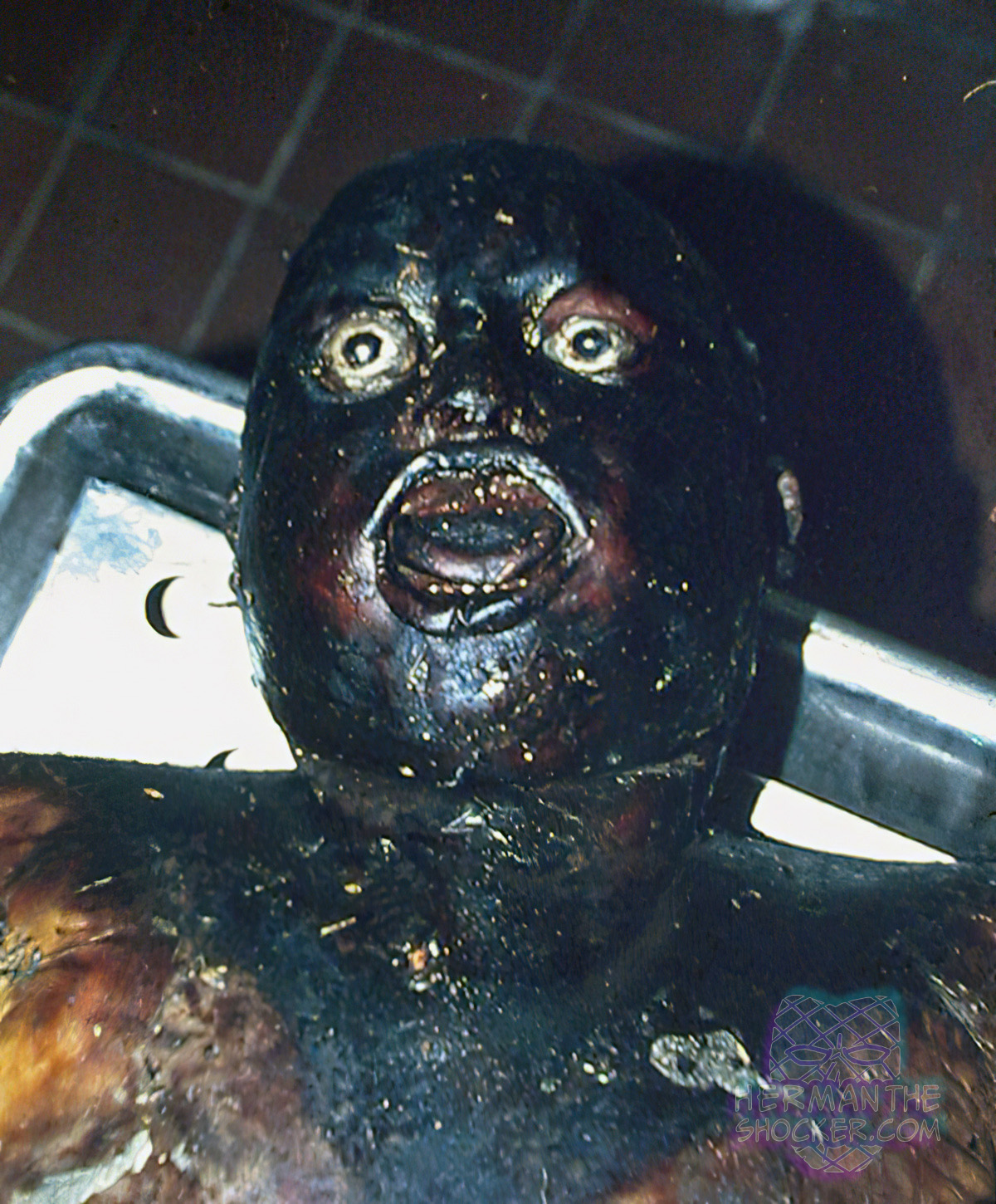 Fig1.1 Black putrefaction. Body in stages of black putrefaction. Black putrefaction is the stage where the exposed flesh blackens, and the internal organs and tissues take on a creamy consistency. The body then hastens toward fermentation and molding, referred to as butyric fermentation. This stage typically occurs after rigor mortis has passed, and the body begins to emit a foul odor. Black putrefaction is a key factor in estimating time since death in forensic investigations and can provide important information about the cause of death and circumstances surrounding it. - - - Case 2 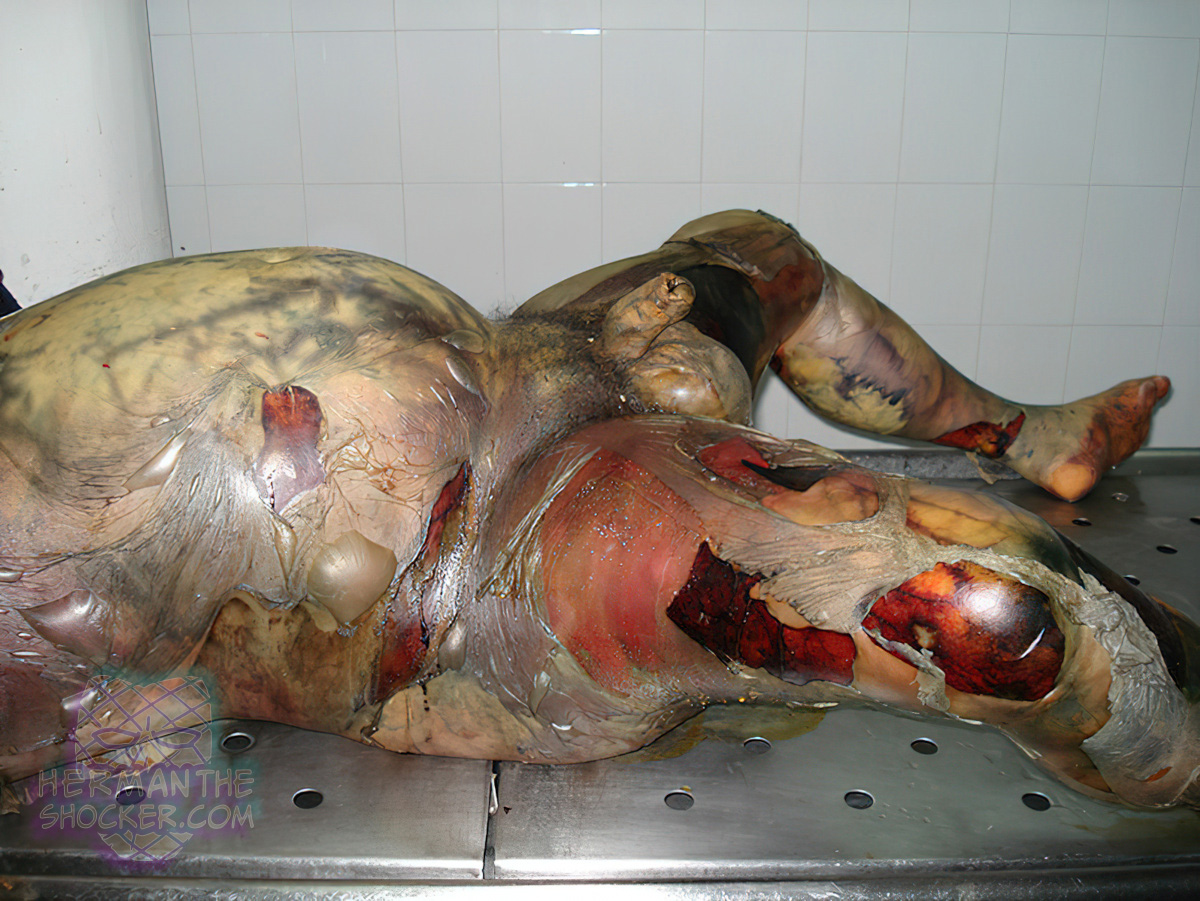 Fig2.1 Bloated body. Associated with putrefaction is the production of gases. These gases, primarily located in the abdomen, cause the body to become distended or bloat. This bloating can cause the affected areas of the body to expand dramatically. Over time the affected areas may rupture or the gas may subside naturally. Skin slippage, or the shedding of the epidermis from the body caused by the deterioration of the junction between the dermis and epidermis, is also associated with early decomposition processes. Many local environmental factors affect the decomposition process, including temperature, moisture, and soil chemistry, but the processes of autolysis and putrefaction are responsible for the chemical breakdown of tissues. Putrefaction causes color changes in the body including various shades of green, purple, and brown due to the release of pigments from the breakdown of internal structures. In a process called intravascular hemolysis, bacteria increase throughout the circulatory system, resulting in a significant darkening of the vessels, a process referred to as marbling. - - - Case 3 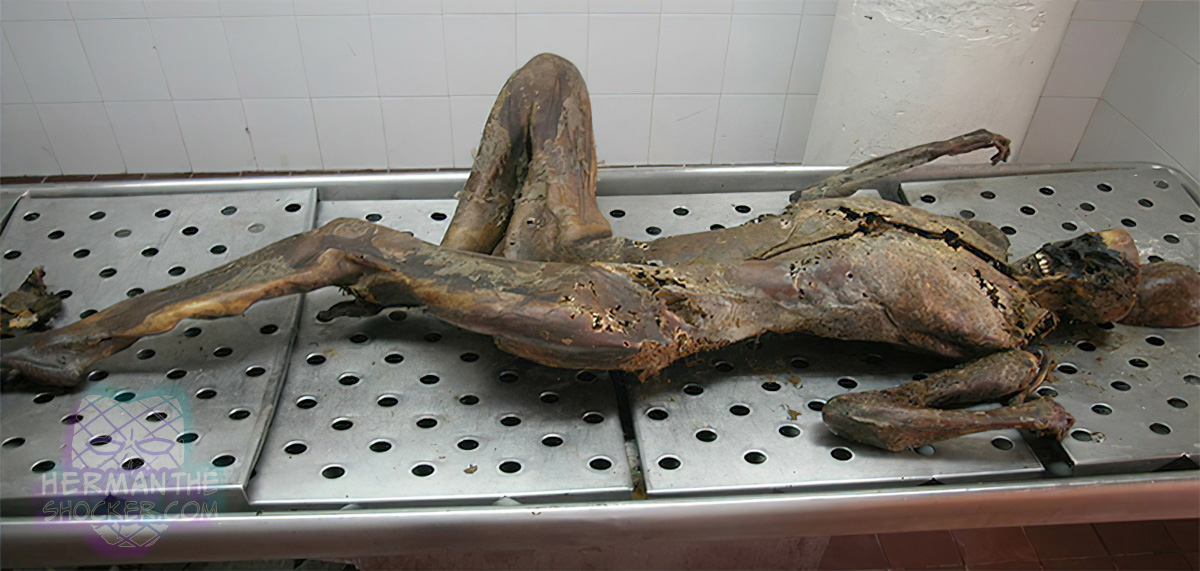 Fig3.1 Mummified body. Mummification occurs in hot, dry environments. The body dehydrates and bacterial proliferation may be minimal. The skin becomes dark, dried, and leathery. The process occurs readily in the fingers and toes in dry environments, regardless of the temperature. Most mummified bodies are found in the summer months or in hot, dry climates. Mummification can occur in the winter indoors, especially if the heat is turned up, creating a hot, low-humidity environment. It is possible for an entire body to mummify in only a few days to weeks in the right conditions. Once a body is in this state, it can remain preserved for many years. - - - Case 4 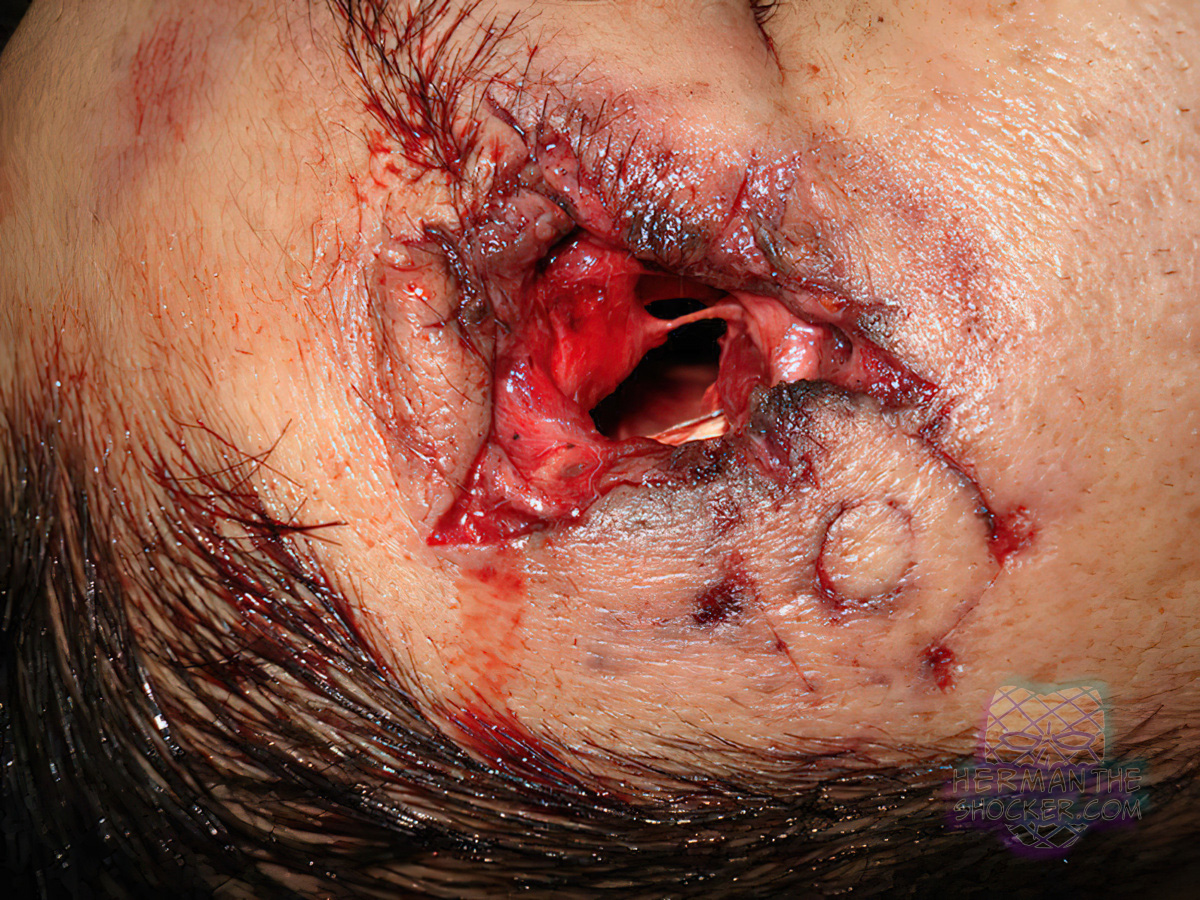 Fig4.1 Gunshot wound with muzzle imprint. A gunshot wound is an injury caused by a bullet or other projectile fired from a weapon, such as a firearm. A muzzle imprint is a mark left on a person or object by the hot gases and particles expelled from the barrel of a firearm when it is fired. This imprint can sometimes be used to determine the proximity of the firearm to the person or object at the time of firing, and can provide valuable evidence in a criminal investigation. - - - Case 5 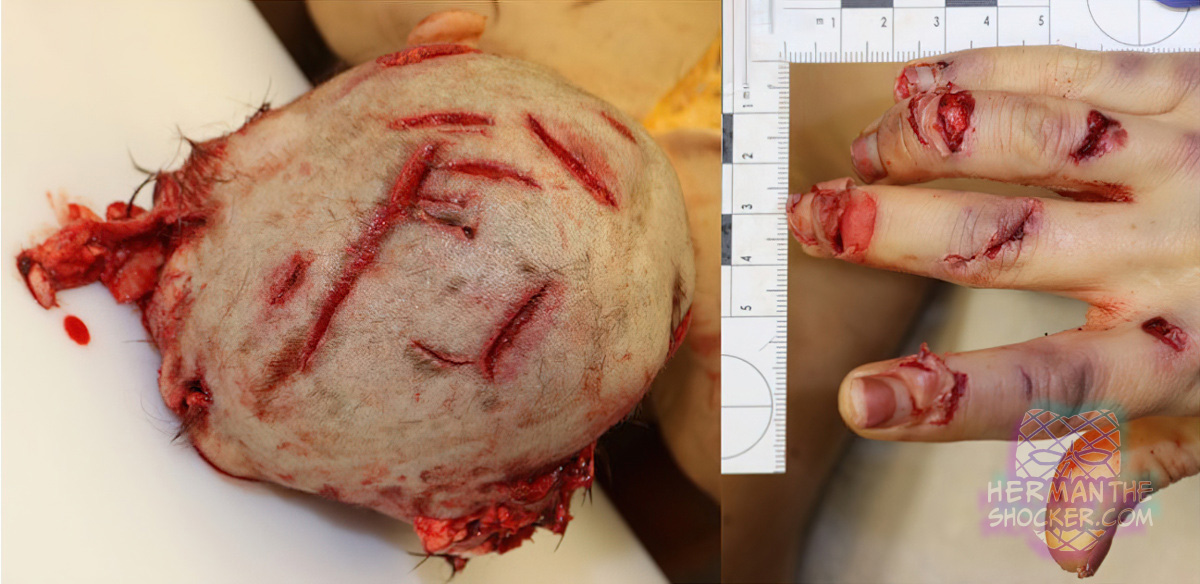 Fig5.1 Autopsy results with representative chop injuries at the head’s crown and self-defense chop injuries at the right hand. 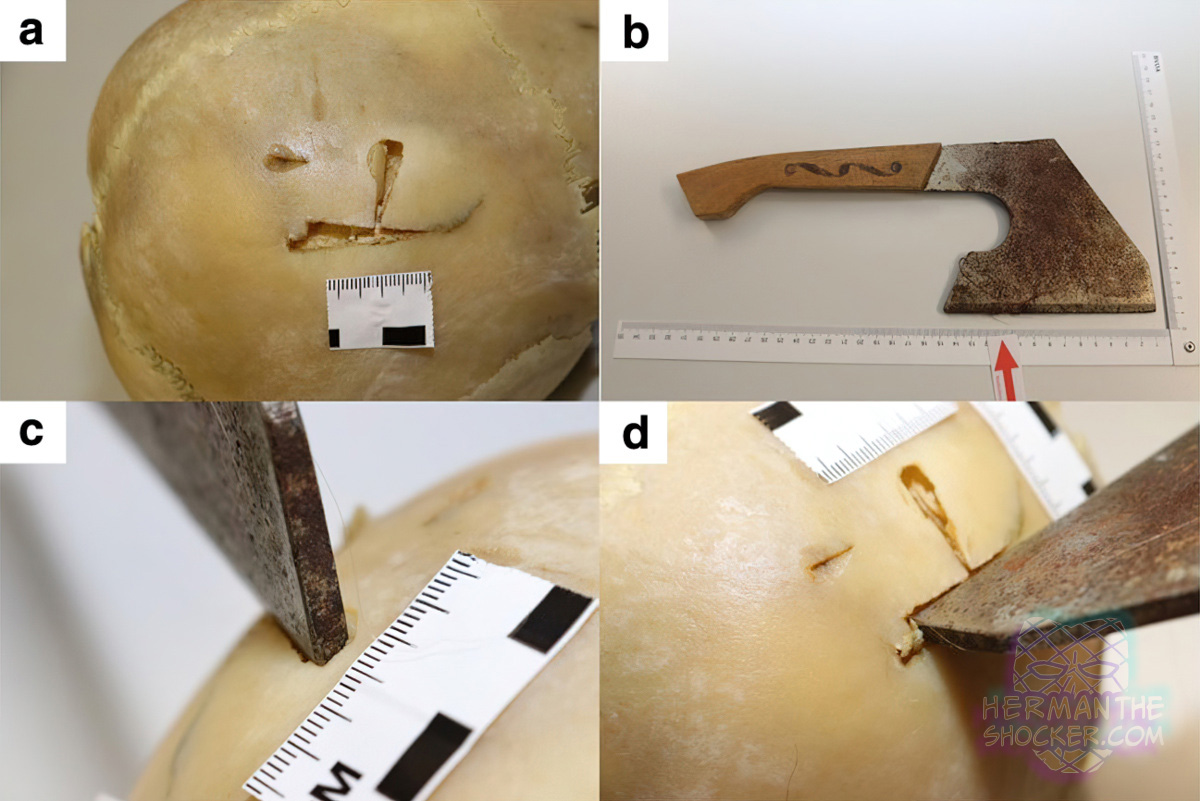 Fig5.2 Result of skull maceration with formed fracture patterns (a), which were compared to the axe- like meat cleaver found at the suspect’s home (b). Representative pictures of positive superimposition between the macerated skull and the implement (c + d). Germany. A young, initially unidentified female was found dead in public on a snowy winter day. She was found in a ditch next to the side of a road. Numerous severe injuries, partially involving smooth wound margins, were grouped on the head and both hands. During the scene investigation, accidental injuries (such as injuries caused by a rotary snow plough) or homicidal injuries (such as placing the head in a milling cutter with body dumping) were raised as possible differentials. Subsequent identification revealed the deceased worked at a landfill site in close proximity to the place where she was found. During forensic autopsy, the head was found to have more than 40 chop injuries grouped in three regions; the crown and occipital region, the left ear region, and the face. These injuries were associated with localized skull fractures and severe osseous destruction of the midface. The wound characteristics were typical for axe injuries. Additionally, some bruises were observed next to the chop wounds. The fingers on both hands had chop injuries in a typical active and passive defense-type injury distribution. Toxicological analysis performed on blood and urine samples were negative for alcohol and commonly screened drugs. The cause of death was traumatic open brain injury with partial brain laceration by an axe-like implement, and the manner of death was homicide. No crime scene evidence was found at the work place of the deceased. However, no conclusion could be made regarding the exact shape or type of the implement that caused the injuries. This murder case was solved when the police located a dead suspect in an apartment with suicidal notes. An axe-like meat cleaver with blood spots and hair on the cutting edge was found next to him (Fig. 2b). After dactyloscopic and genetic investigations, this implement was superimposed with the injuries on the female skull and showed perfect matches (Fig. 2c and d). Several impact injuries were visualized, and it was concluded that the injuries were caused by a combination of slashing and blunt force of the meat cleaver. It was concluded that the female victim was able to react to the assault, highlighted by many defense injuries on her hands. Ultimately, the head injuries resulted in fatal head in- jury with a survival interval of just minutes. This was supported by microscopic wound age estimation on representative samples of injured skin. - - - Case 6 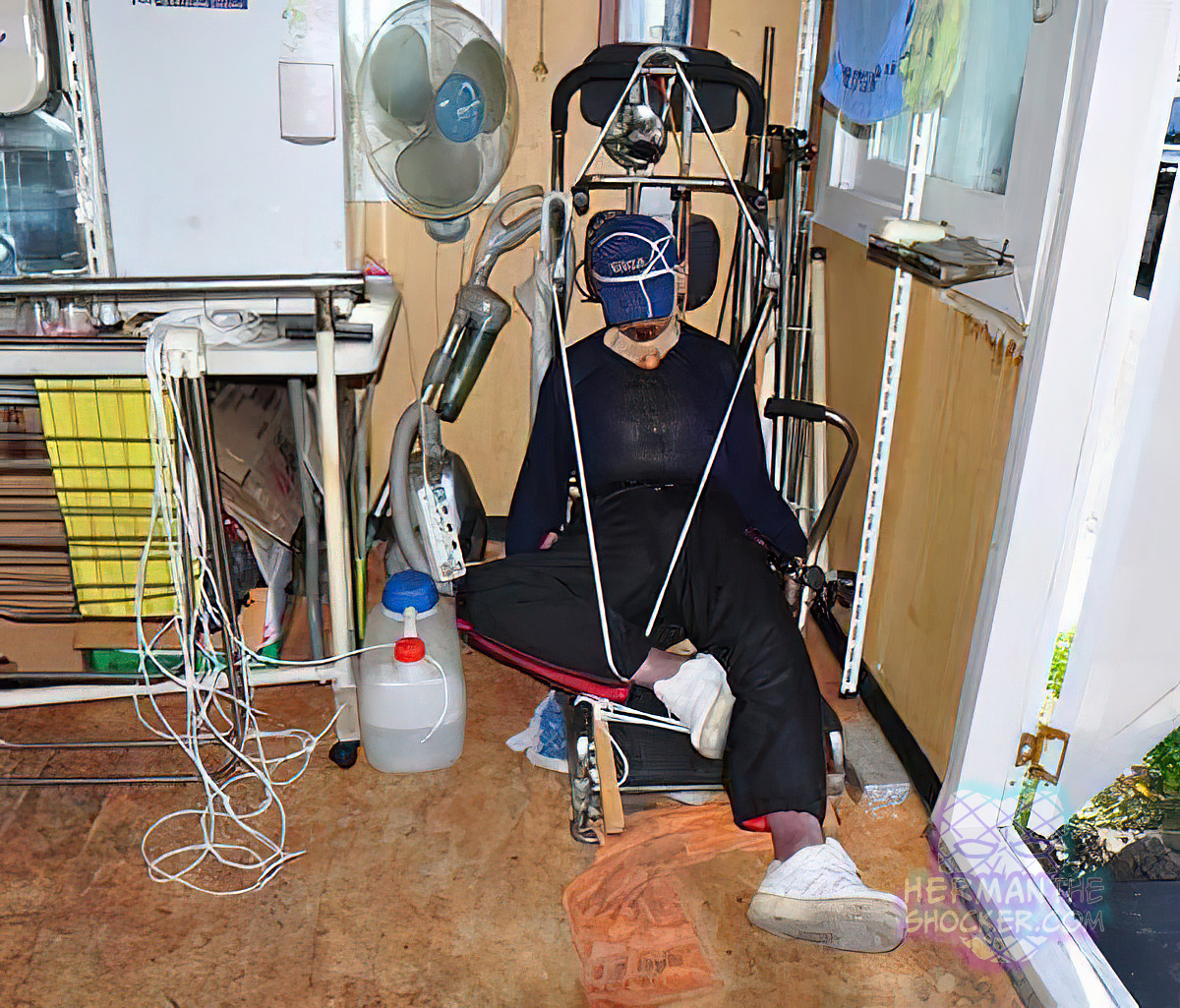 Fig6.1 The victim was hanging with plastic ropes on a treadmill. 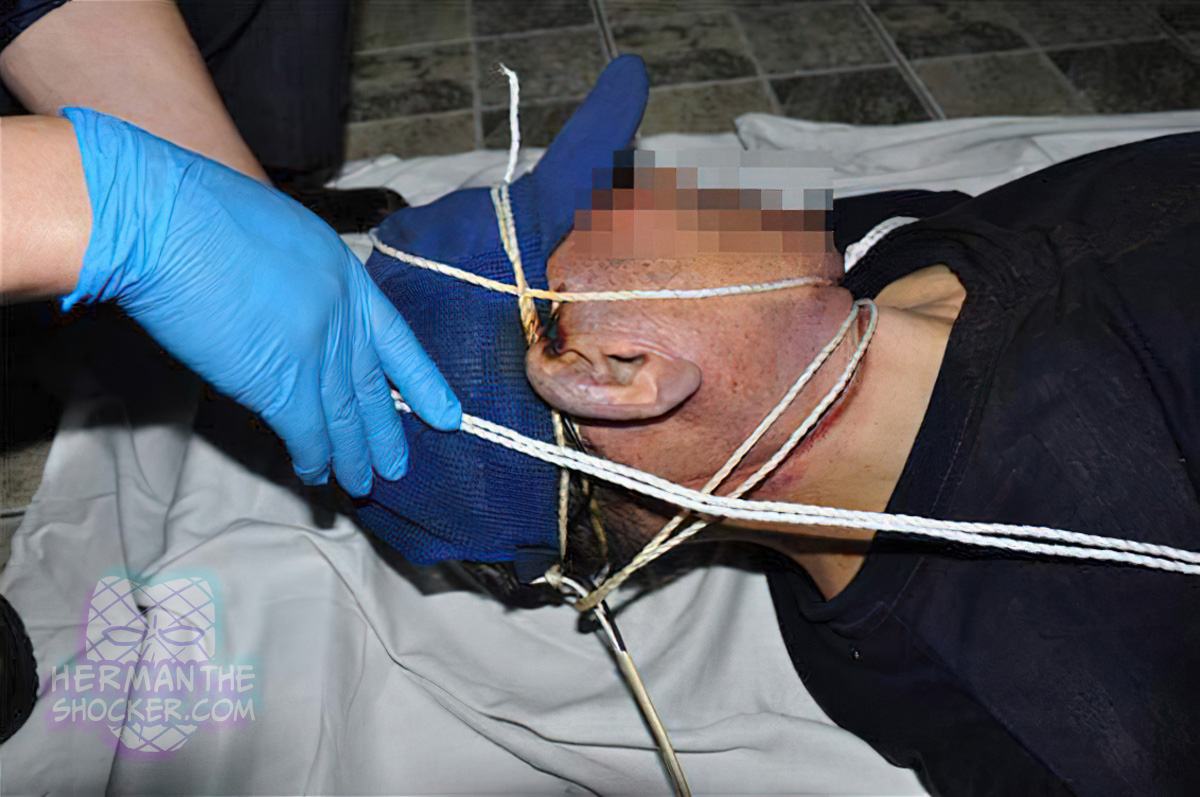 Fig6.2 220V electrical leads were attached above the right ear. South Korea. Translated from Korean. The deceased is an unemployed 66-year-old man. After his divorce, he lived alone in a container studio apartment and had debt problems. He had a history of hypertension and diabetes. The owner of the container, who thought it was strange that there was no sign of presence recently, reported it to the police, the door was locked so the police forcefully opened to check the inside. The victim was hanging with plastic ropes on a treadmill to the right of the entrance, and leads were attached above the right ear. 220 V voltage alternating current from a household electrical outlet was used, and upon arrival at the site, the connected multi-tap power supply was switched on and electricity was flowing. On the table next to it was a cell phone, glasses, and a clothesline left over from hanging. The deceased was seated on the floor of the treadmill, with a waist belt connected to the abdomen and the treadmill fixed. The string used to hang the neck was made of a clothesline and was made in a single layer. The rope was crossed in an X shape at the back of the neck in the form of an open loop, hung on the front handle of the treadmill, passed through the handle on both sides of the treadmill, and then the right leg inside the rope and pulled to fix the suspension point. After he peeled off the wire sheath of the electric cord and fixed it in place by knotting it with a clothesline, the wire was wrapped around the size control band behind the cap, and the stripped wire portion was put over the right ear. Then, a clothesline was wrapped around the entire head to secure the exposed wires for a second time. On extrinsic examination, there were congestion and multiple spot hemorrhages in the skin of the face and eyelids on both sides. There were electrical burn marks (current scars) on the right temple and the first joint of the right middle finger. This was determened to be a suicide by two methods, suffocation and electric shock, no autopsy was performed. - - - Case 7 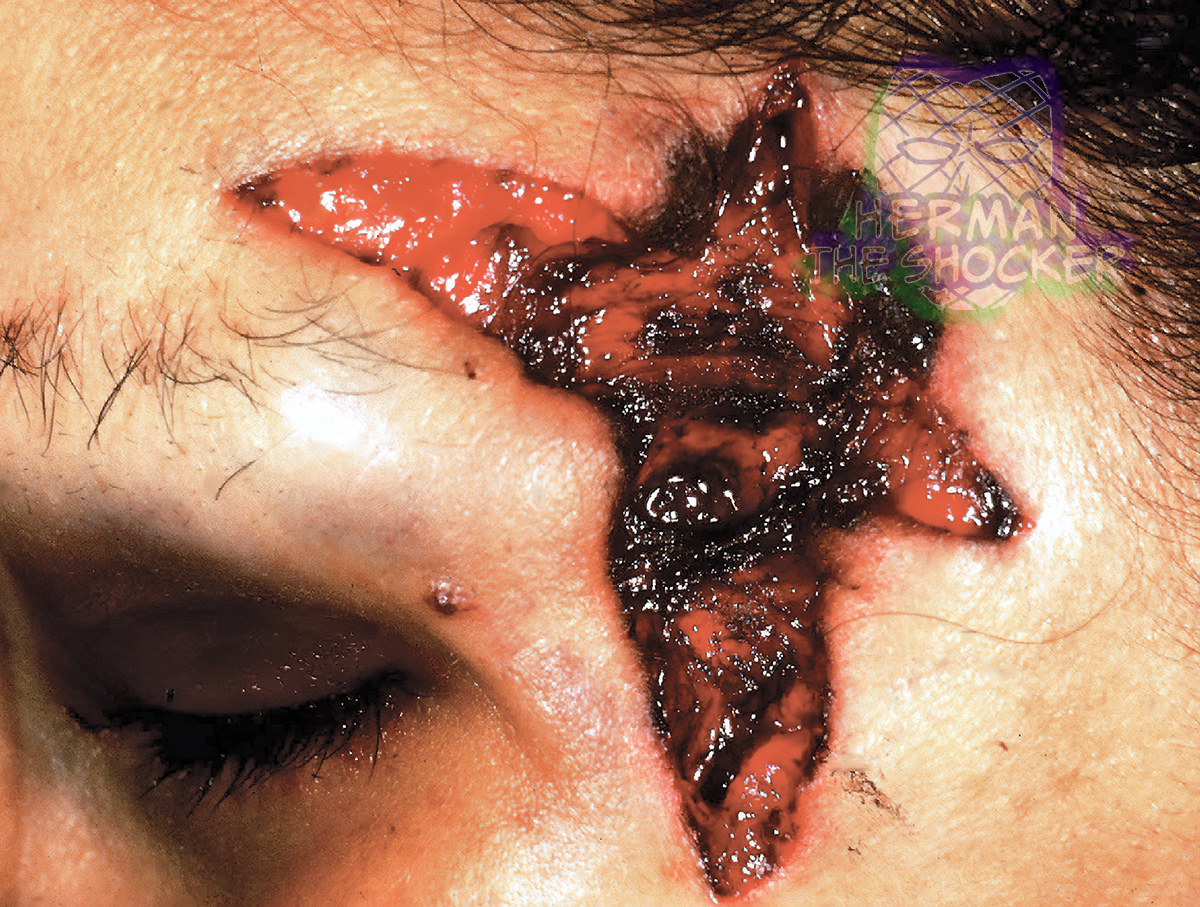 Fig7.1 Cross-shaped or star-shaped wound referred to as stellate-type contact gunshot wound. 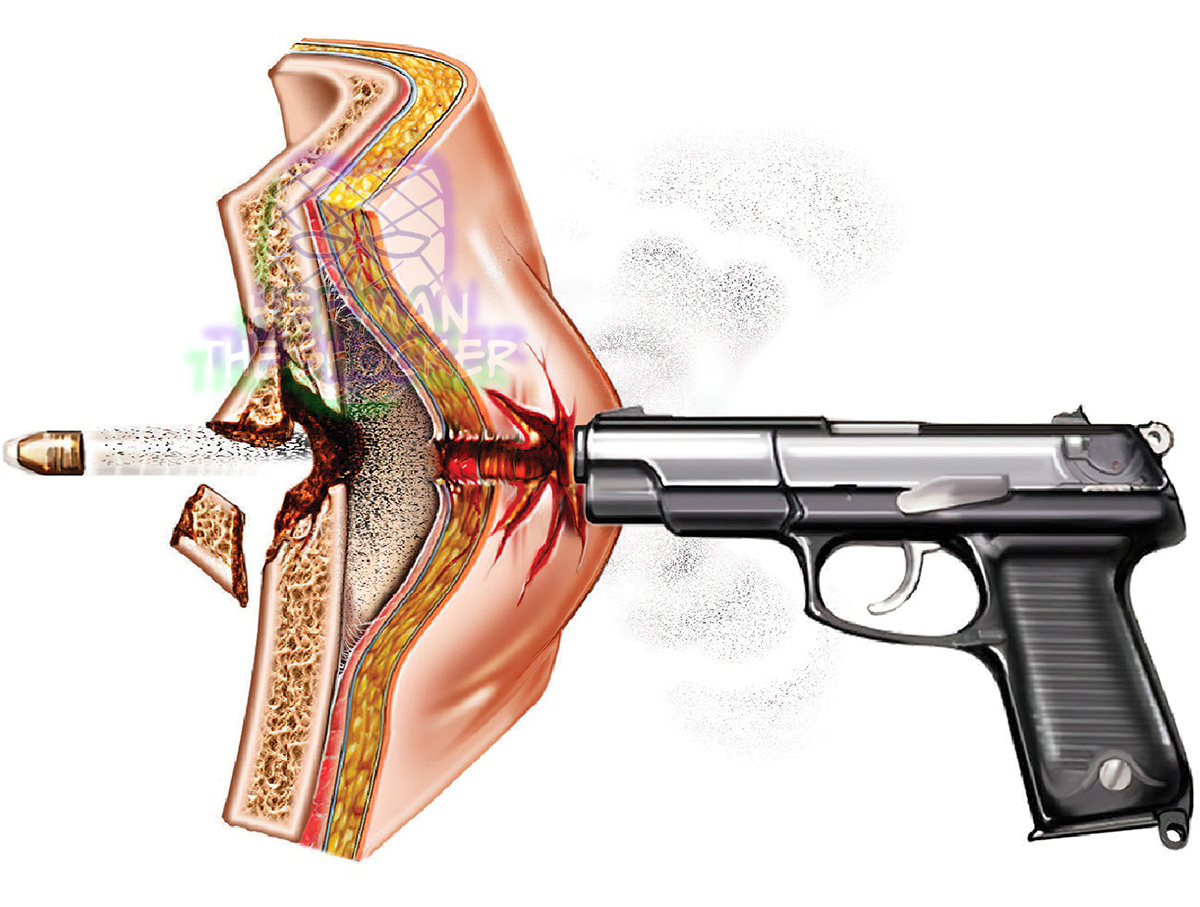 Fig7.2 Diagram representation of a hard contact wound. Contact wounds is when firearm is in contact with the target at the time of discharge. In a hard contact wound, gas expansion within the subcutaneous tissues may result in a muzzle imprint (abrasion resembling the shape of the muzzle = Werkgartner mark) or in an irregular, stellate appearance with a central defect and radiating lacerations (typically seen in gunshot wounds to the head). - Part 1 --- Part 2 --- Part 3 --- Part 4 --- Part 5 --- Part 6 --- Part 7 --- Part 8 --- Part 9 --- Part 10 --- Part 11 --- Part 12 --- Part 13 --- Part 14 --- Part 15 --- Part 16 --- Part 17 --- Part 18 --- Part 19 --- Part 20 --- Part 21 --- Part 22 --- Part 23 --- Part 24 --- Part 25 --- Part 26 --- Part 27 --- Part 28 --- Part 29 --- Part 30 --- Part 31 --- Part 32 --- Part 33 --- Part 34 --- Part 35 --- Part 36 --- Part 37 --- Part 38 --- Part 39 --- Part 40 --- Part 41 --- Part 42 --- Part 43 --- Part 44 --- Part 45 --- Part 46 --- Part 47 --- Part 48 --- Part 49 --- Part 50 --- Part 51 --- Part 52 - This post is for educational purposes only and is nonprofit. Under Section 107 of the US Copyright Act of 1976; Allowance is made for "Fair Use" for purposes such as criticism, comment, news reporting, teaching, scholarship, and research. OP is not a medical expert. No copyright infringement intended. This post does not encourage or glorify violence/harassment. Images might have been upscaled and enhanced. Text might have been shortened and simplified/reorganized for online view.
__________________ ⭐️ hermantheshocker.com ⭐️ |
|
#2
●
02-16-2023, 09:08 AM
|
 My Rank: FIRST SERGEANT Poster Rank:399 Join Date: Apr 2011 Posts: 3,046 3,046Posts 5,763Thanked 276Quoted 2Mentioned 0Contrib. |
|
Re: The Shocker's Mix 53
Welcome to Shockville  I love number #3, Mummy with Attitude: "Grr, don't fuck with me you stupid autopsy person!" And the #6, wow, that must be one of the most inventive suicide methods I've ever seen I love number #3, Mummy with Attitude: "Grr, don't fuck with me you stupid autopsy person!" And the #6, wow, that must be one of the most inventive suicide methods I've ever seen  |
|
#3
●
02-16-2023, 10:54 AM
|
 My Rank: MASTER GUNNERY SERGEANT Poster Rank:362 Male Join Date: Mar 2017 Posts: 3,385 3,385Posts 8,735Thanked 1,843Quoted 10Mentioned 0Contrib. |
|
Re: The Shocker's Mix 53
That first one is going to stick with me for a minute.
|
|
#5
●
02-17-2023, 04:26 AM
|
 My Rank: MAJOR Poster Rank:94 Male Join Date: Aug 2009 Posts: 16,989 16,989Posts 25,163Thanked 1,901Quoted 9Mentioned 0Contrib. |
|
Re: The Shocker's Mix 53
Defense wounds are always sad to see. The result of someone fighting for their life.
|
|
#7
●
02-18-2023, 02:08 AM
|
| My Rank: FIRST SERGEANT Poster Rank:399 Join Date: Apr 2011 Posts: 3,046 3,046Posts 5,763Thanked 276Quoted 2Mentioned 0Contrib. |
|
Re: The Shocker's Mix 53
The color contrasts in Herman's shocker mix images are often amazing |
|
#8
●
02-19-2023, 12:26 PM
|
| My Rank: MASTER GUNNERY SERGEANT Poster Rank:350 "IT"-Species; Genus-genius Join Date: Jan 2013 Posts: 3,611 3,611Posts 5,349Thanked 619Quoted 0Mentioned 0Contrib. |
|
Re: The Shocker's Mix 53
Image #1 is a close representation of Al Jolson of “The Jazz Singer “ fame circa:1921
|