|
#1
●
06-17-2021, 04:14 AM
| ||||||||
 Für Immer Verloren Poster Rank:50 Boredom + Despair Join Date: Sep 2017 Posts: 30,197
Contributions: 743
Mentioned: 136 Post(s) Quoted: 10332 Post(s)
| ||||||||
|
Brazil - Young Biker Dying After Neck Sliced by Kite Line
On the afternoon of 16th June 2021 in Guarapari (Brazil), 21 year old L.D.M. lost his life in a freak accident. 'L' was riding his motorbike when he was struck by a kite line. His neck was sliced by the line + he died at the scene.  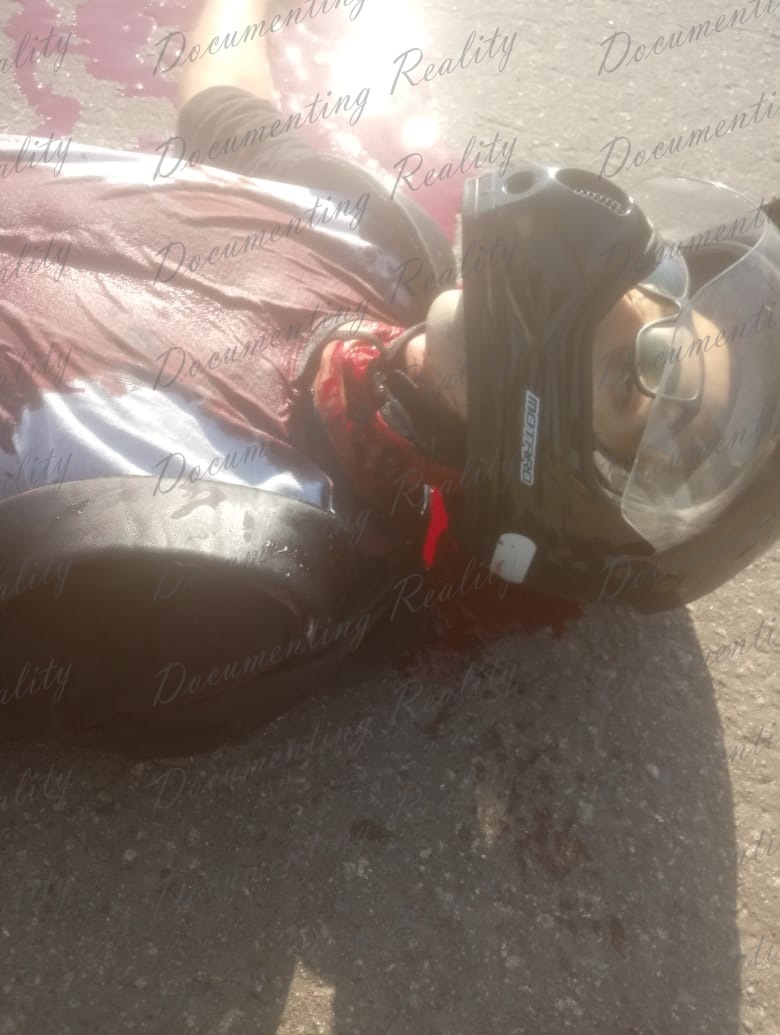   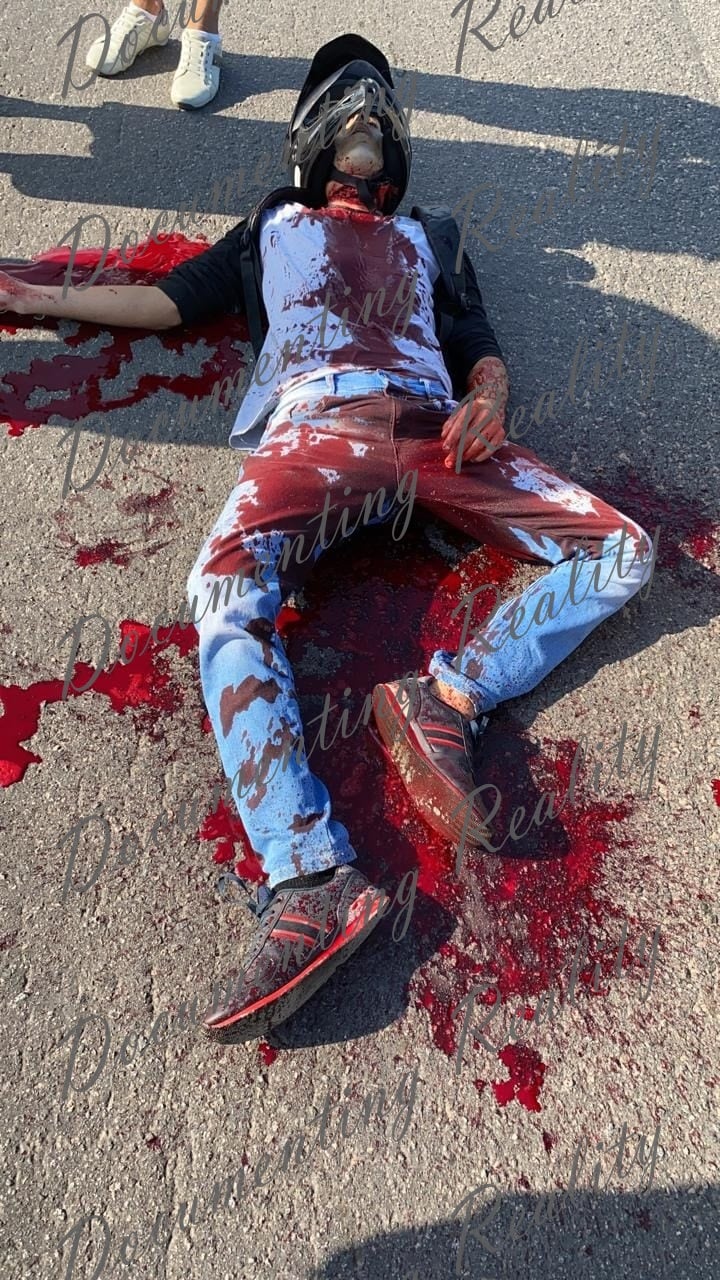 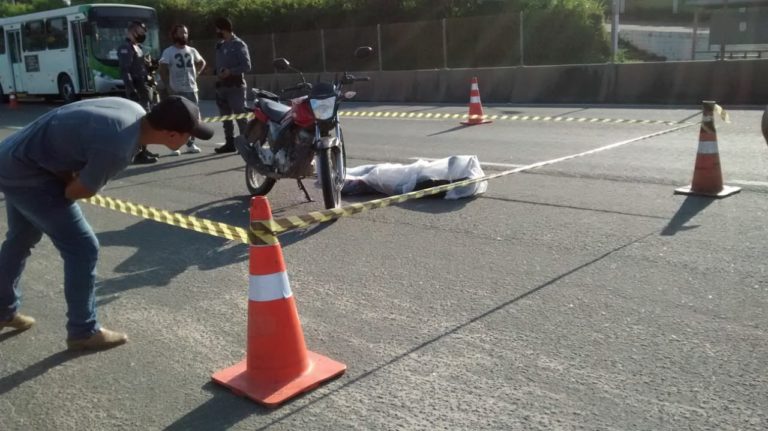   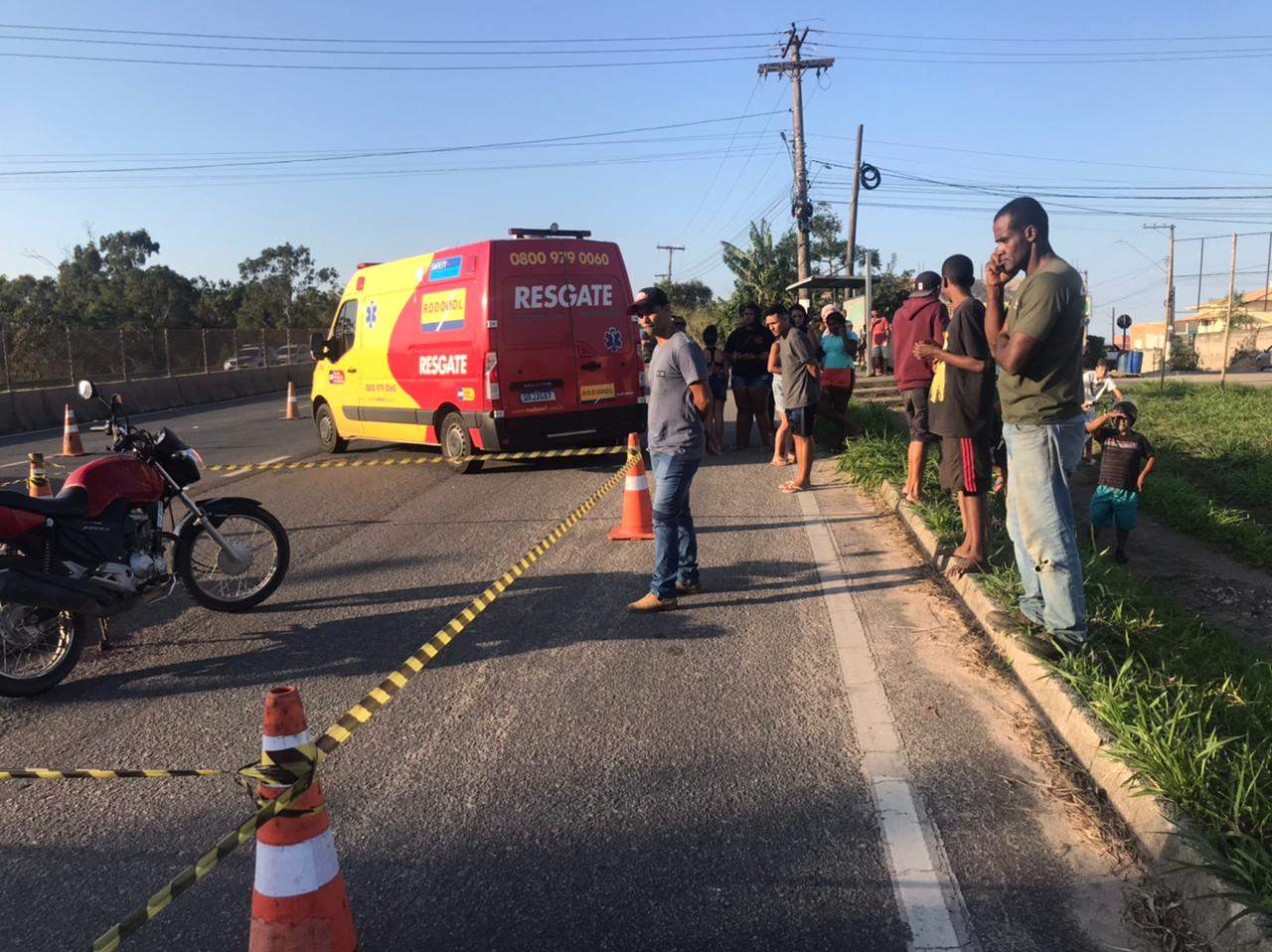
__________________ "I'd give the world for the chance just to see your face again. Still I pretend that you're still standing by." |
|
#2
●
06-17-2021, 04:33 AM
| ||||||||
 My Rank: STAFF SERGEANT Poster Rank:726 male Join Date: Dec 2009 Posts: 1,139
Contributions: 18
Mentioned: 9 Post(s) Quoted: 300 Post(s)
| ||||||||
|
Re: Brazil - Young Biker Dying After Neck Sliced by Kite Line
I swear I saw a similar accident like this in Brazil also, but to a woman. It was posted here in DR around the early 2010s I think.
|
|
#3
●
06-17-2021, 04:42 AM
| ||||||||
| Für Immer Verloren Poster Rank:50 Boredom + Despair Join Date: Sep 2017 Posts: 30,197
Contributions: 743
Mentioned: 136 Post(s) Quoted: 10332 Post(s)
| ||||||||
|
Re: Brazil - Young Biker Dying After Neck Sliced by Kite Line
Seems it happens way more than it should: https://www.documentingreality.com/f...rcycle-161126/ https://www.documentingreality.com/f...e-line-166126/ https://www.documentingreality.com/f...e-line-132401/ https://www.documentingreality.com/f...e-line-156700/ https://www.documentingreality.com/f...ed-wire-21620/ https://www.documentingreality.com/f...e-line-216238/ https://www.documentingreality.com/f...string-213192/ https://www.documentingreality.com/f...cident-170671/
__________________ "I'd give the world for the chance just to see your face again. Still I pretend that you're still standing by." |
|
#4
●
06-17-2021, 05:34 AM
| ||||||||
 ★ Legacy Member ★ Poster Rank:867 male Join Date: Mar 2010 Posts: 875
Contributions: 1
Mentioned: 0 Post(s) Quoted: 106 Post(s)
| ||||||||
|
Re: Brazil - Young Biker Dying After Neck Sliced by Kite Line
Whoever would fly their kite next to a road, dummer than dum  |
|
#5
●
06-17-2021, 06:48 AM
| ||||||||
 My Rank: MASTER SERGEANT Poster Rank:555 Meat 'n two veg Join Date: Apr 2009 Posts: 1,819
Contributions: 1
Mentioned: 0 Post(s) Quoted: 216 Post(s)
| ||||||||
|
Re: Brazil - Young Biker Dying After Neck Sliced by Kite Line
He niver saw the line.... Those eye-brows got in the way...  |
|
#6
●
06-17-2021, 06:49 AM
| ||||||||
 My Rank: FIRST SERGEANT Poster Rank:404 MALE Join Date: May 2010 Posts: 3,013 Mentioned: 5 Post(s) Quoted: 959 Post(s)
| ||||||||
|
Re: Brazil - Young Biker Dying After Neck Sliced by Kite Line
This is definitely not how eyebrow threading is supposed to work out.  |
|
#7
●
06-17-2021, 08:35 AM
| ||||||||
| My Rank: MASTER GUNNERY SERGEANT Poster Rank:350 "IT"-Species; Genus-genius Join Date: Jan 2013 Posts: 3,611 Mentioned: 0 Post(s) Quoted: 618 Post(s)
| ||||||||
|
Re: Brazil - Young Biker Dying After Neck Sliced by Kite Line
Maybe a park nearby the roadway to fly the kite at? Or a very large uncontrollable kite?
|
|
#8
●
06-17-2021, 11:56 AM
| ||||||||
| ♚ Legacy Gold Member ♚ Poster Rank:92 Male Join Date: Nov 2009 Posts: 17,158 Mentioned: 8 Post(s) Quoted: 4701 Post(s)
| ||||||||
|
Re: Brazil - Young Biker Dying After Neck Sliced by Kite Line
Traditionally, people who fly fighting kites dip the kite strings in glue and broken glass, so they can cut the strings of their opponents. (Legal in the competition) Just occasionally someone catches the string like this one. I remember one post here where a little girl got her neck sliced by a kit string as well. |
|
#9
●
06-17-2021, 08:06 PM
| ||||||||
 My Rank: CORPORAL Poster Rank:1358 Male Join Date: Jun 2021 Posts: 447 Mentioned: 0 Post(s) Quoted: 90 Post(s)
| ||||||||
|
Re: Brazil - Young Biker Dying After Neck Sliced by Kite Line
that's pretty sad, he was probably a good kid and way too young to die. He even wore a helmet. Seeing how often this happens i'm sometimes paranoid to ride my motorcycle. If I lived in Brazil I would have to make a custom tailored neck wrap out of kevlar. |
|
#10
●
06-17-2021, 08:40 PM
| ||||||||
 ~So Much Blood~ Poster Rank:123 Gore Hag Join Date: Mar 2010 Posts: 13,150
Contributions: 1
Mentioned: 28 Post(s) Quoted: 822 Post(s)
| ||||||||
|
Re: Brazil - Young Biker Dying After Neck Sliced by Kite Line
Good one! Thanks Simone  |