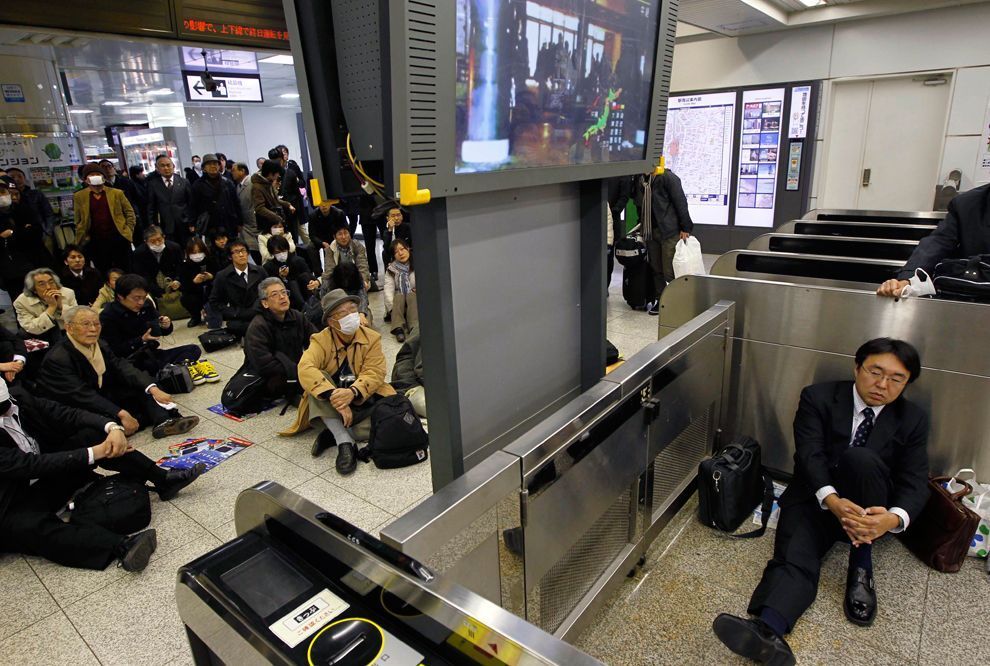
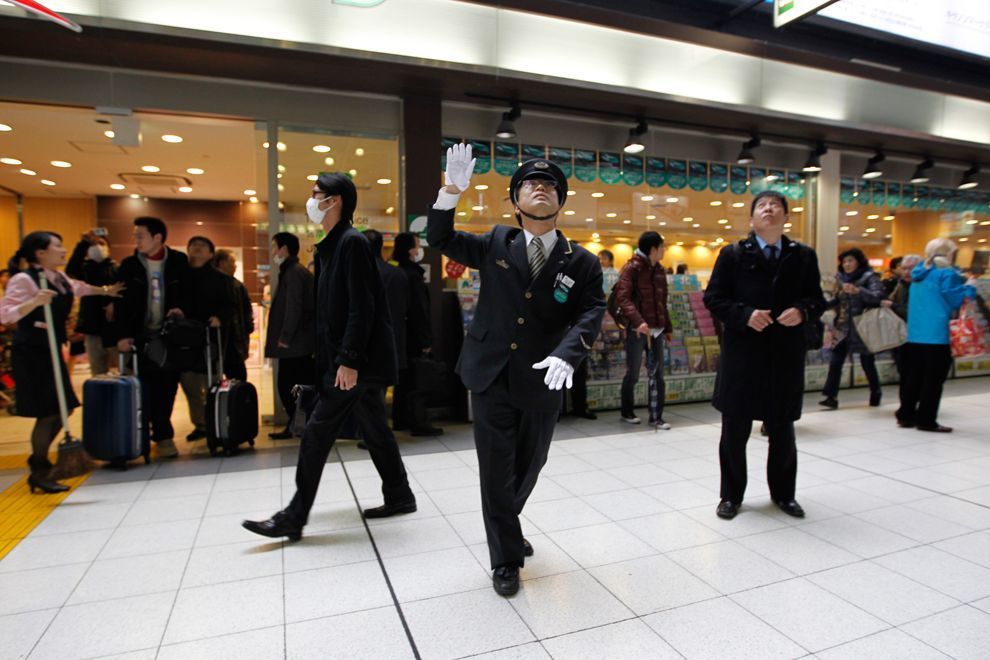
Tsunami
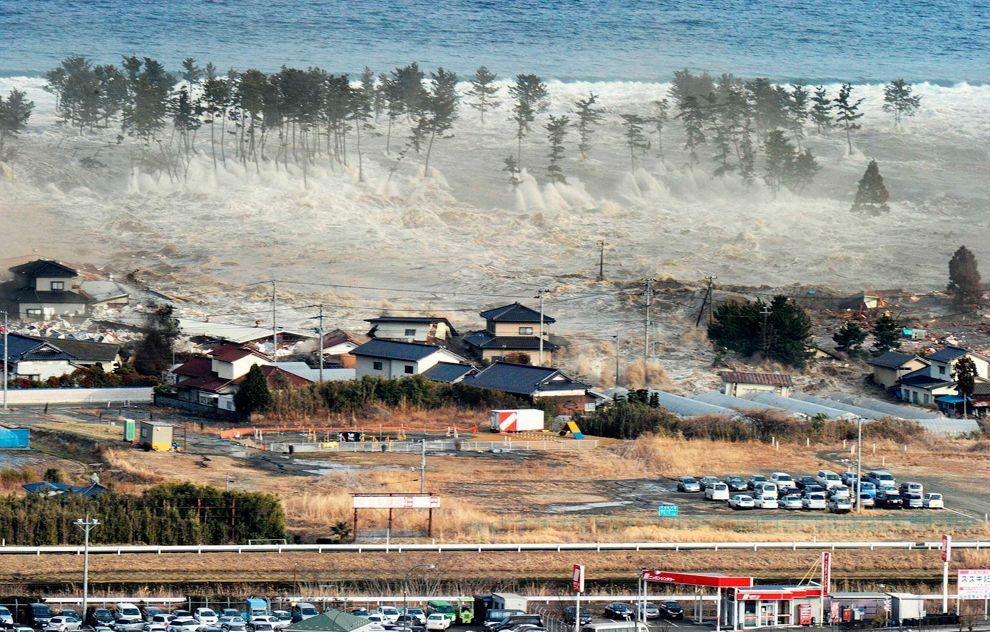
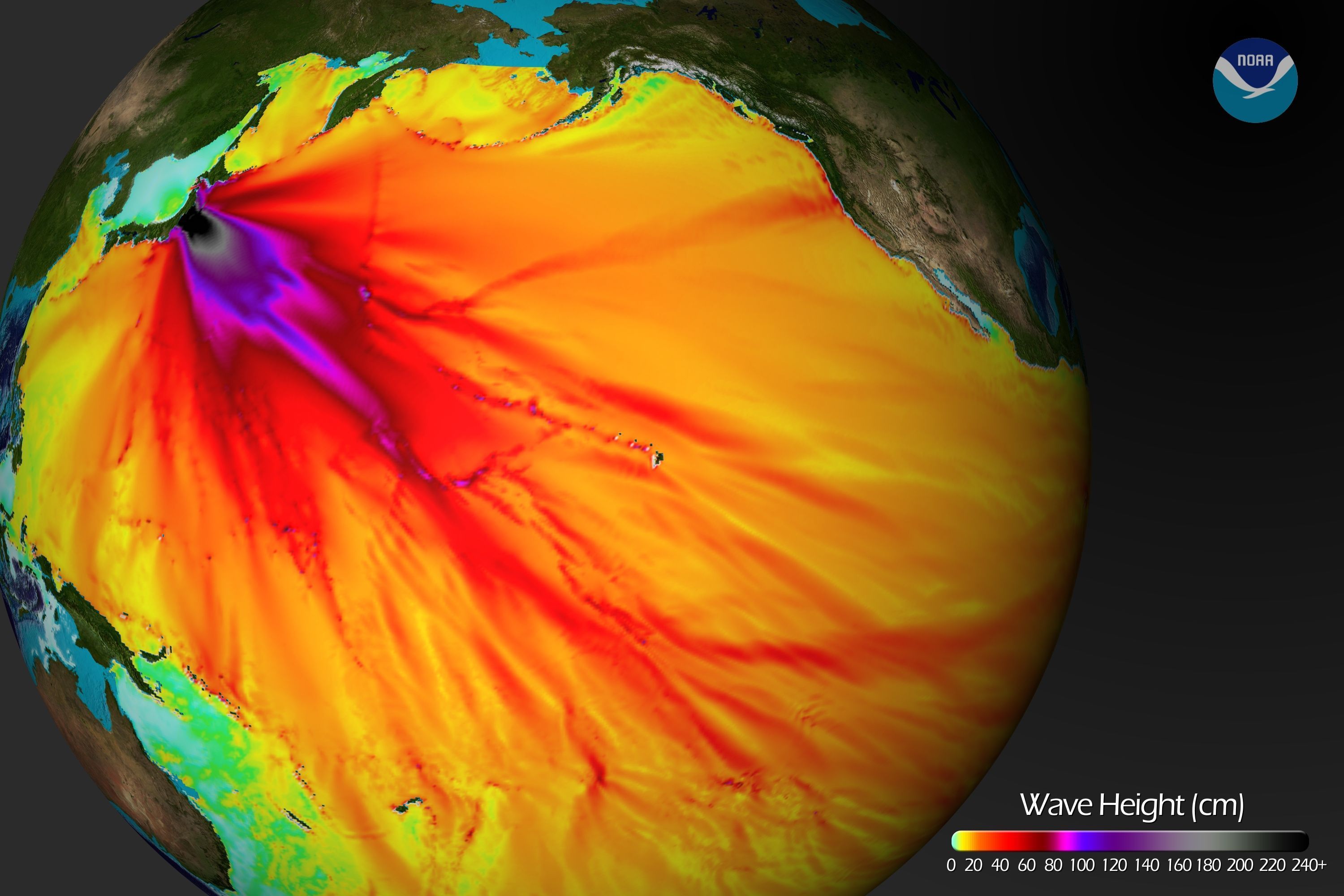
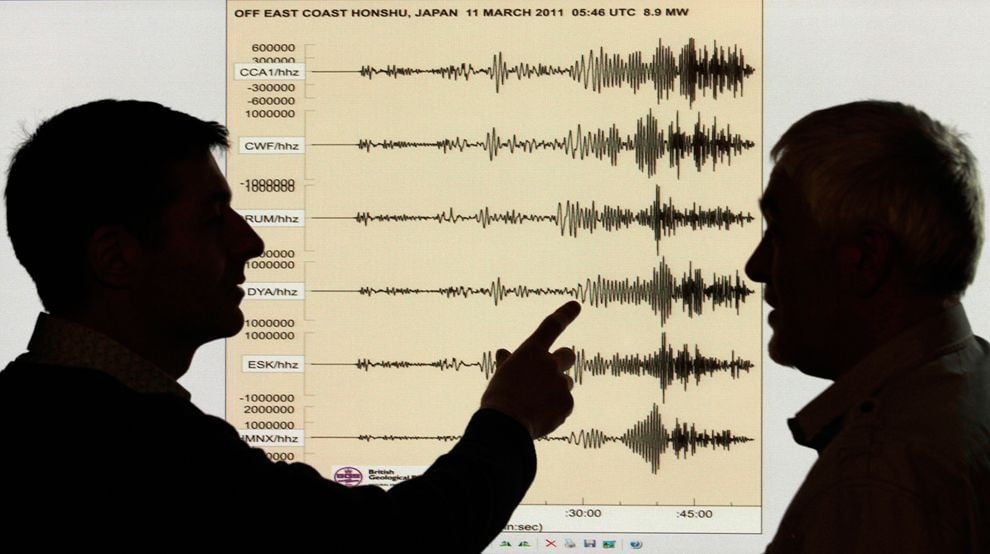
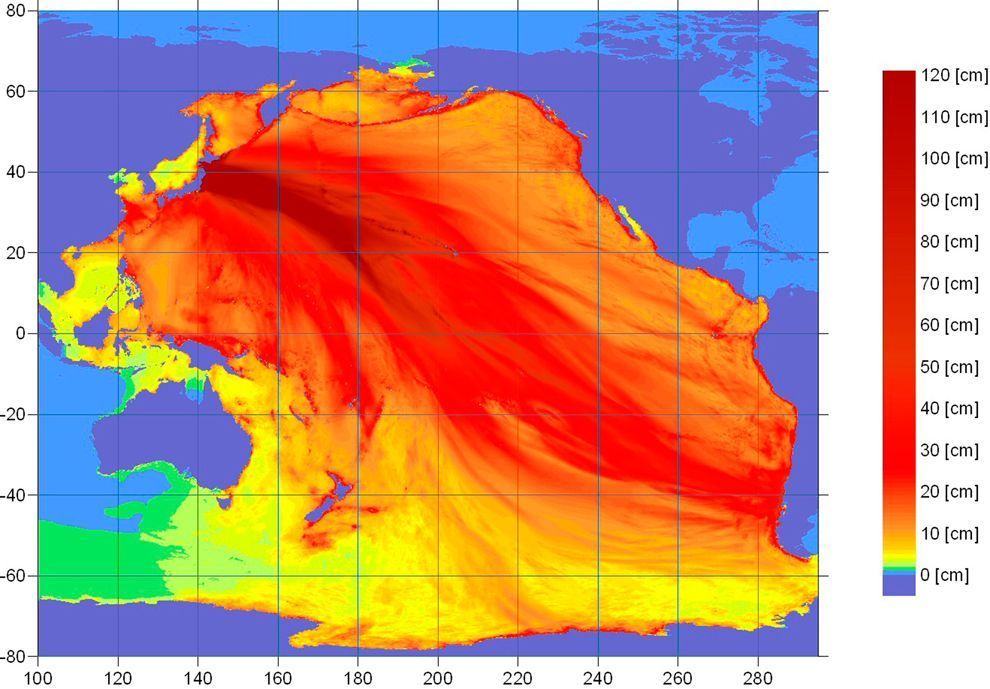
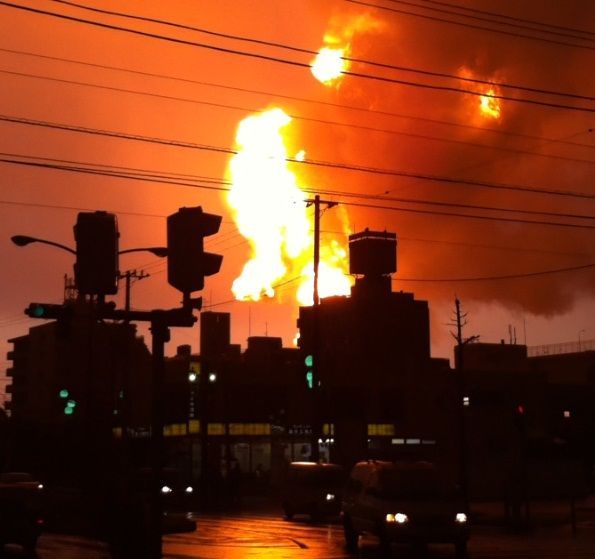
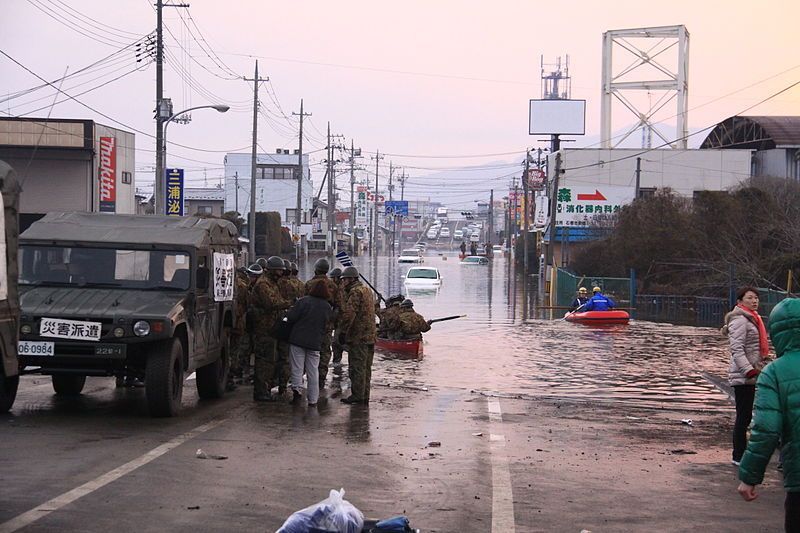
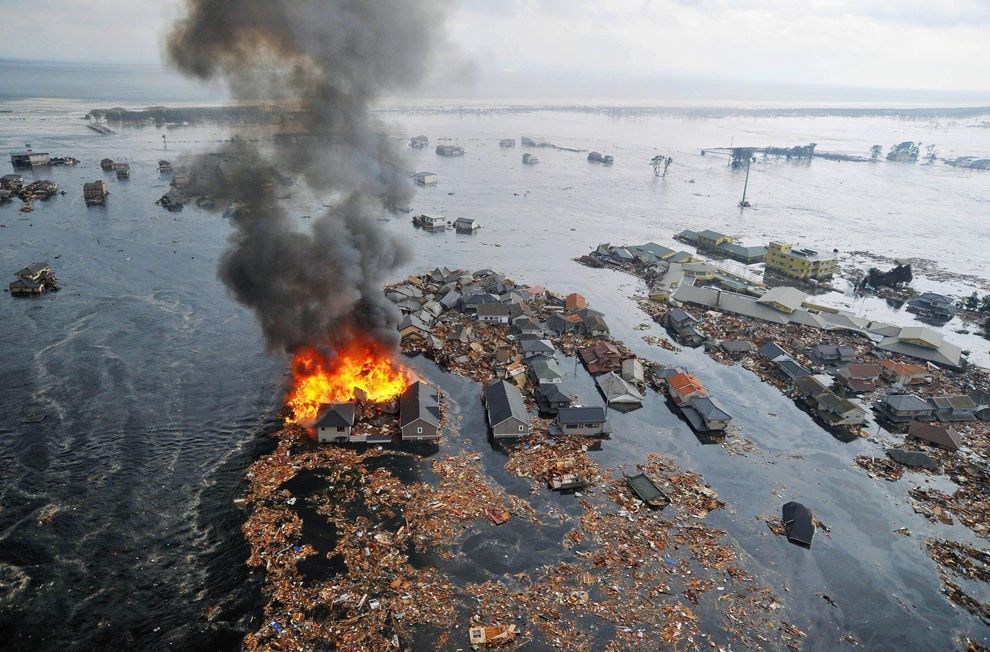
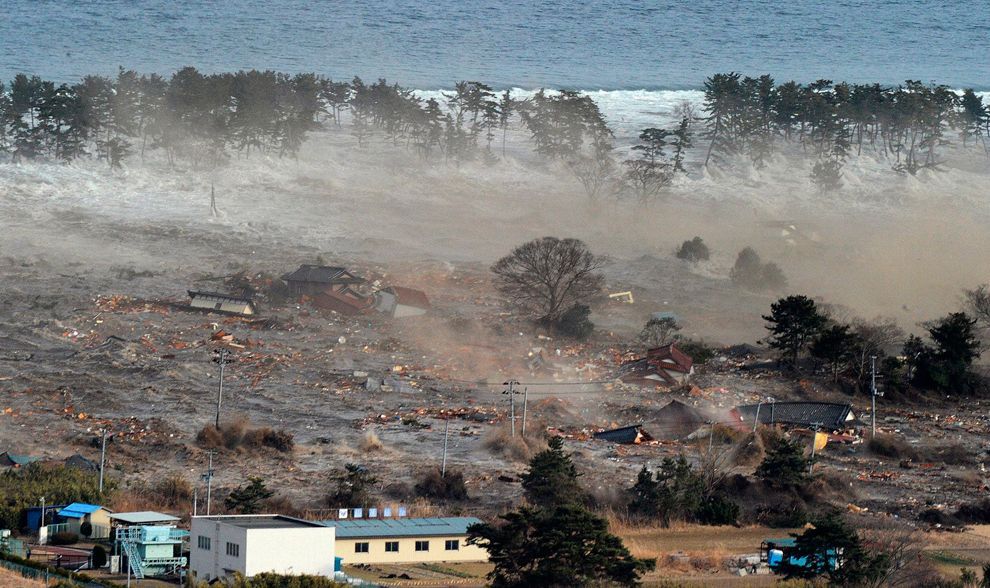
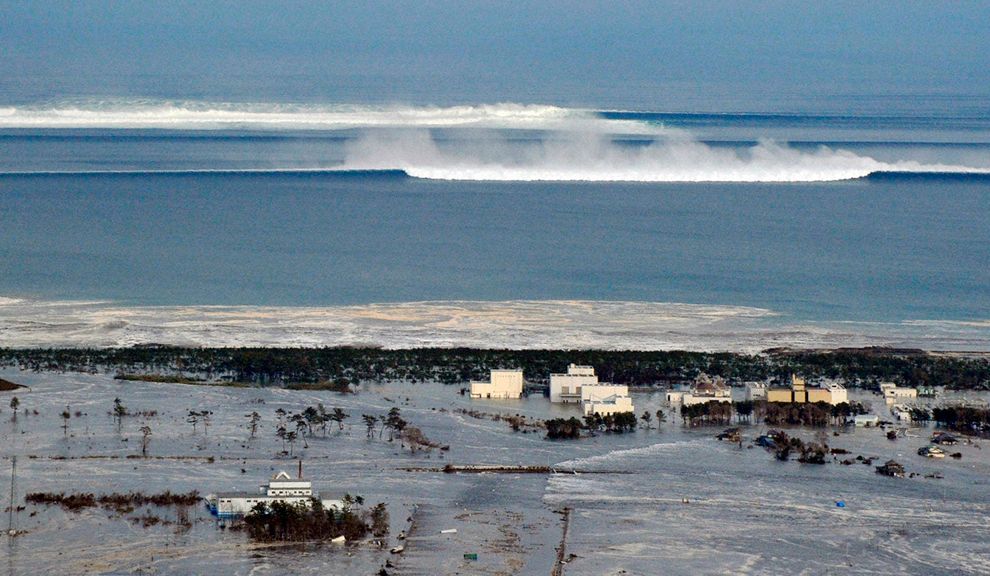
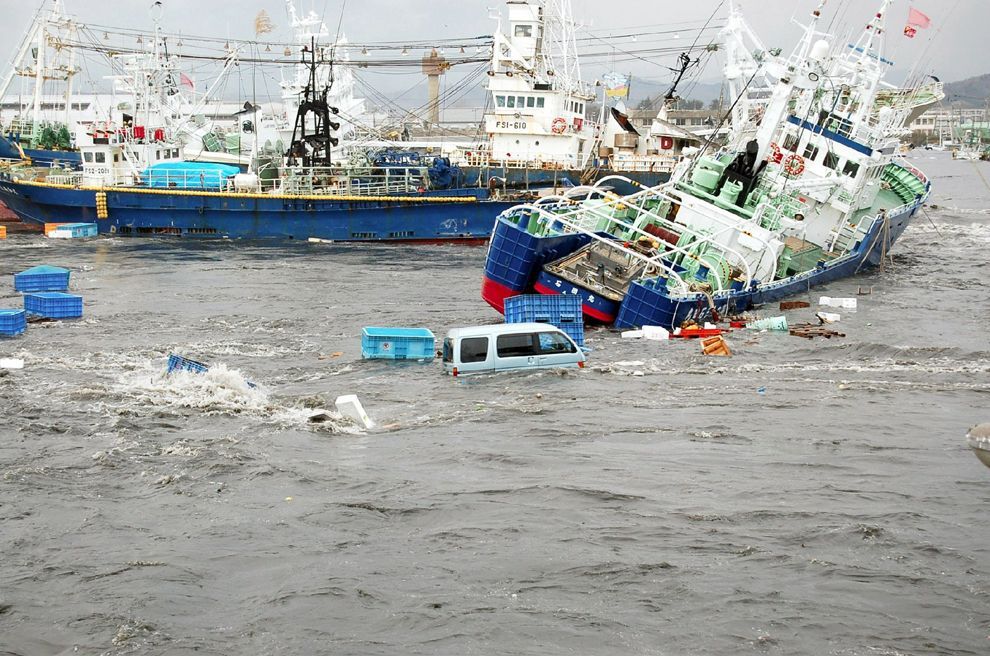
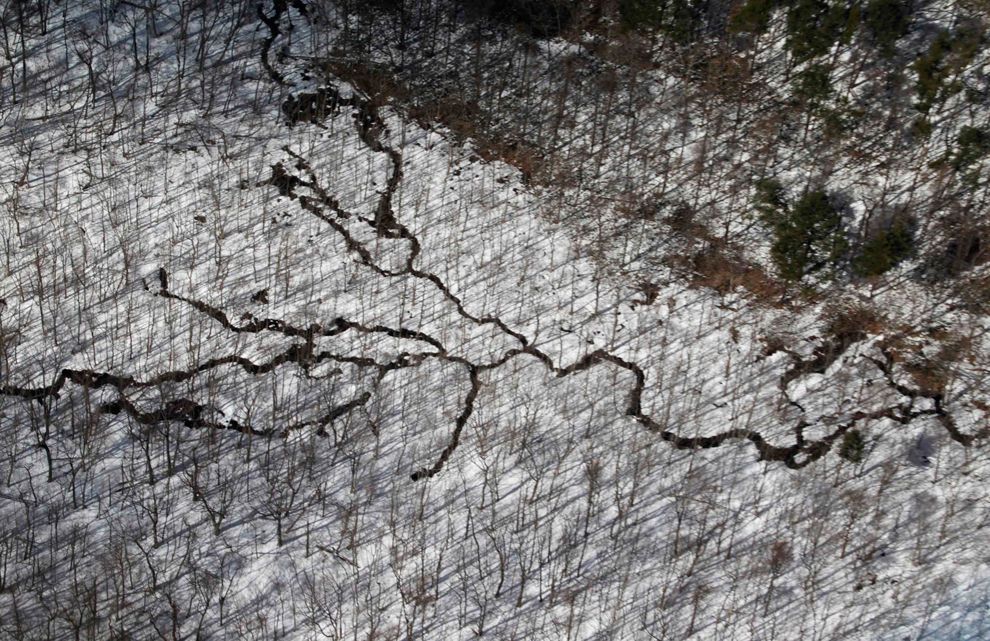
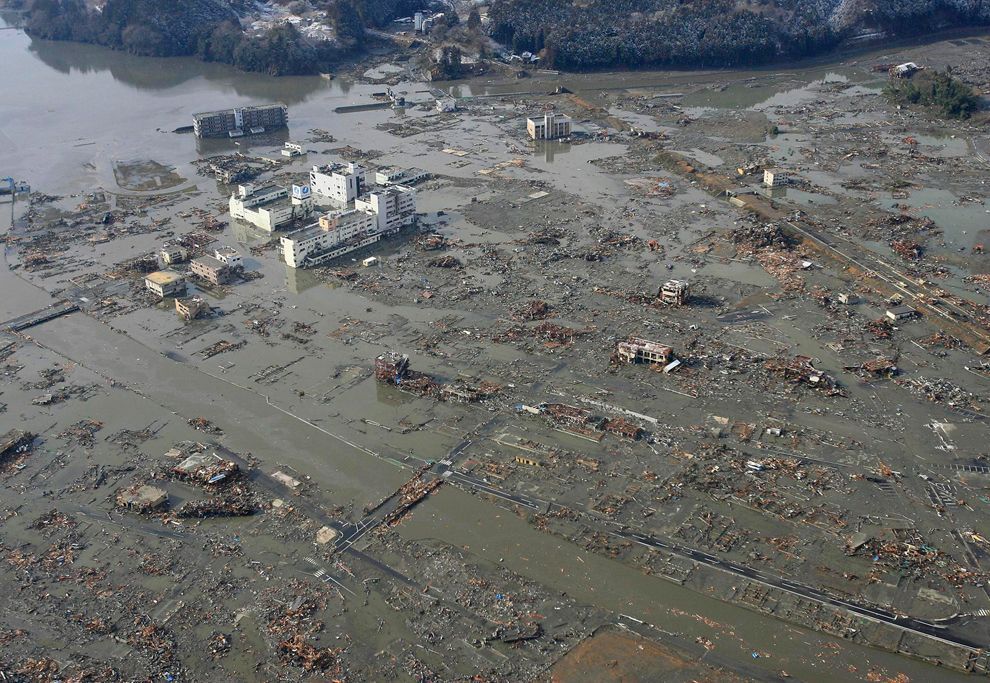
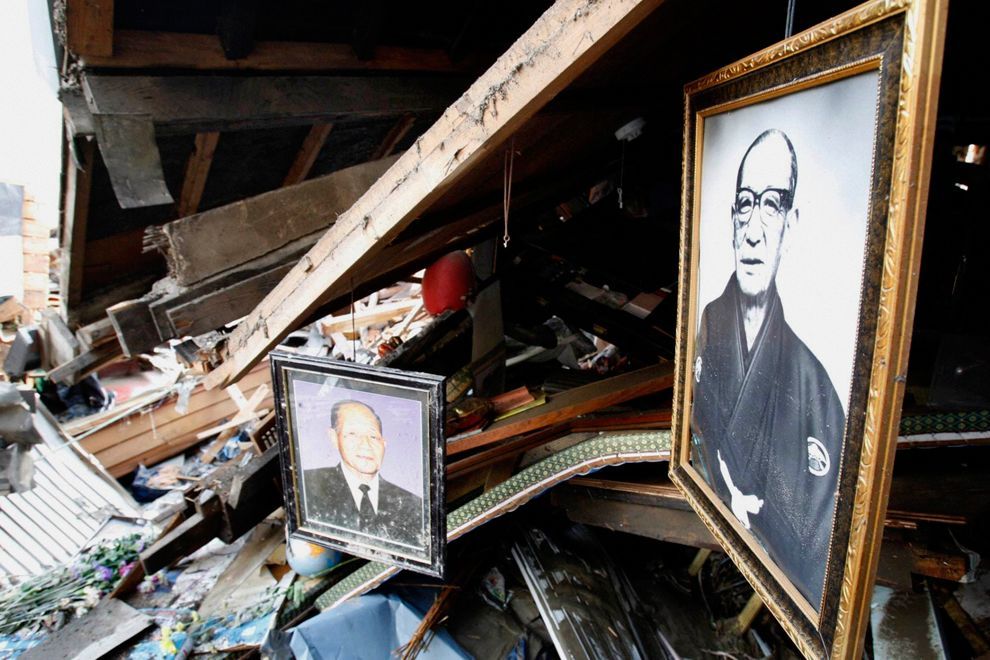
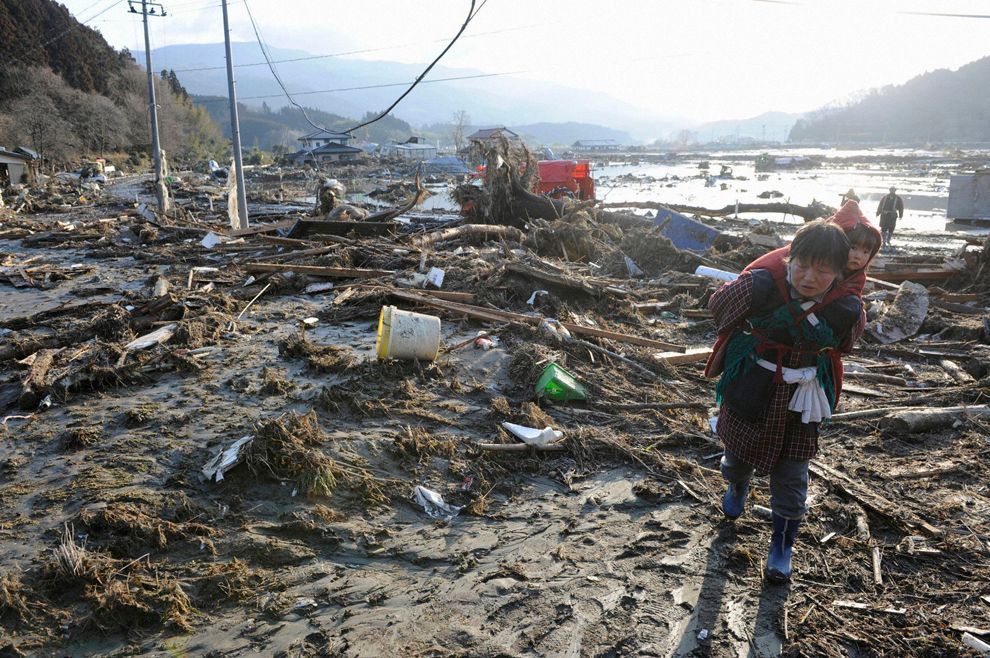
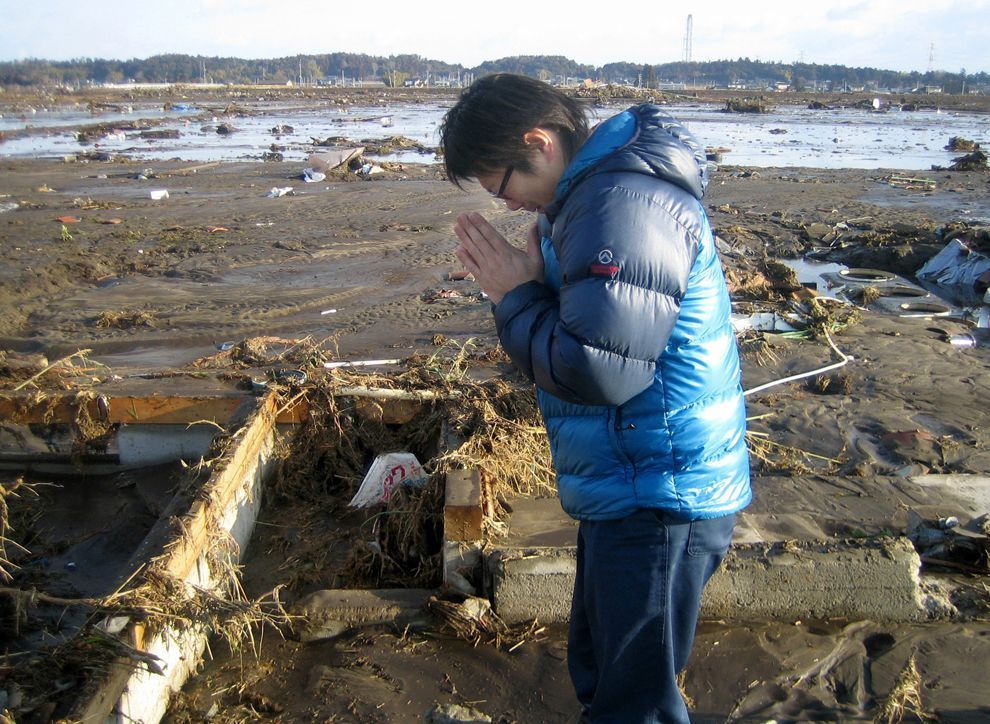
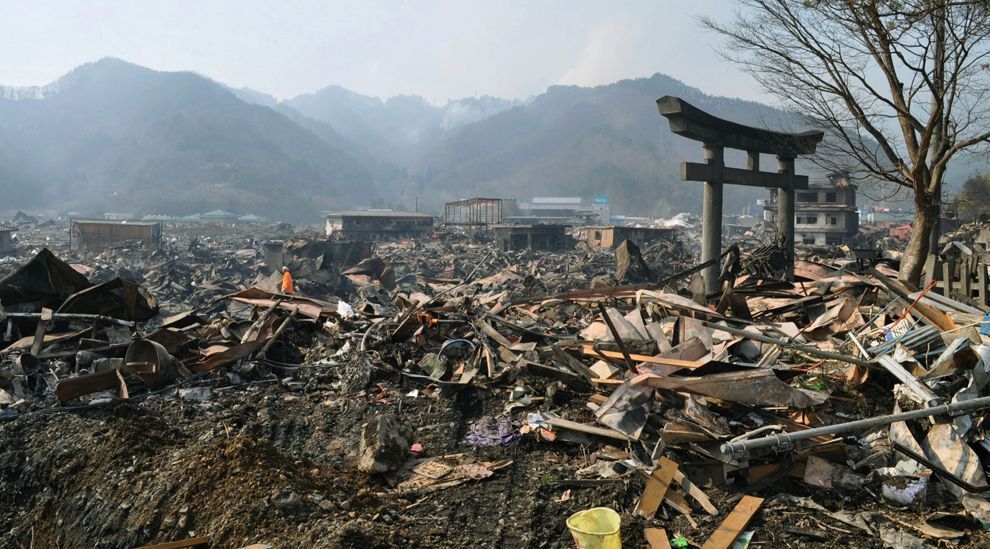
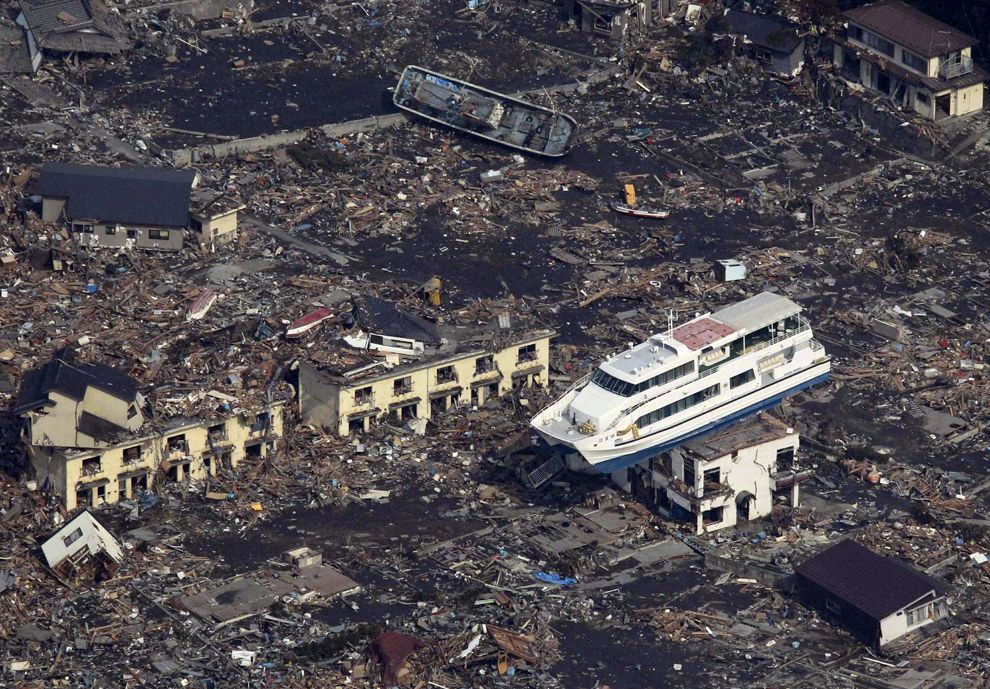
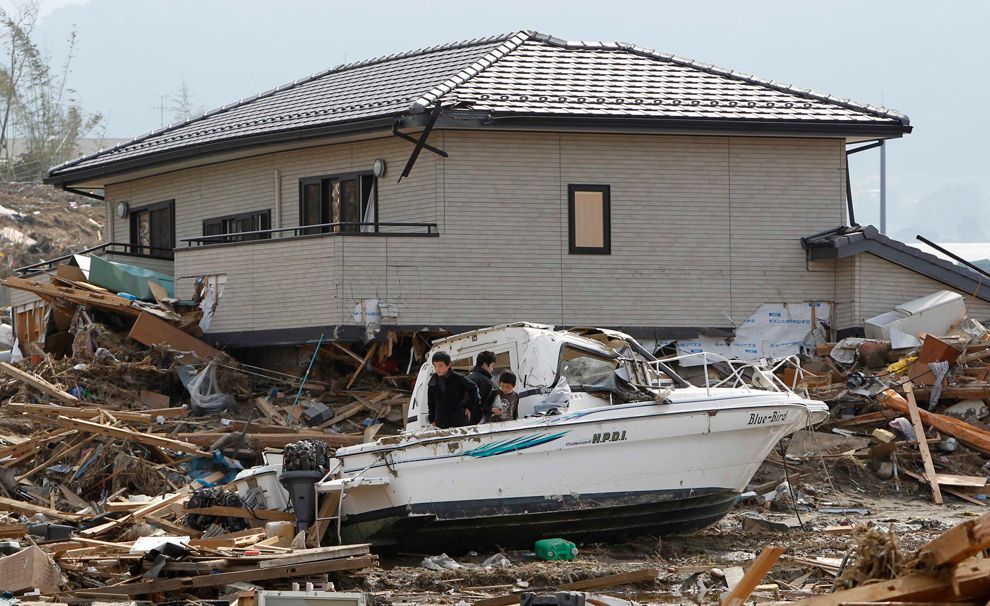
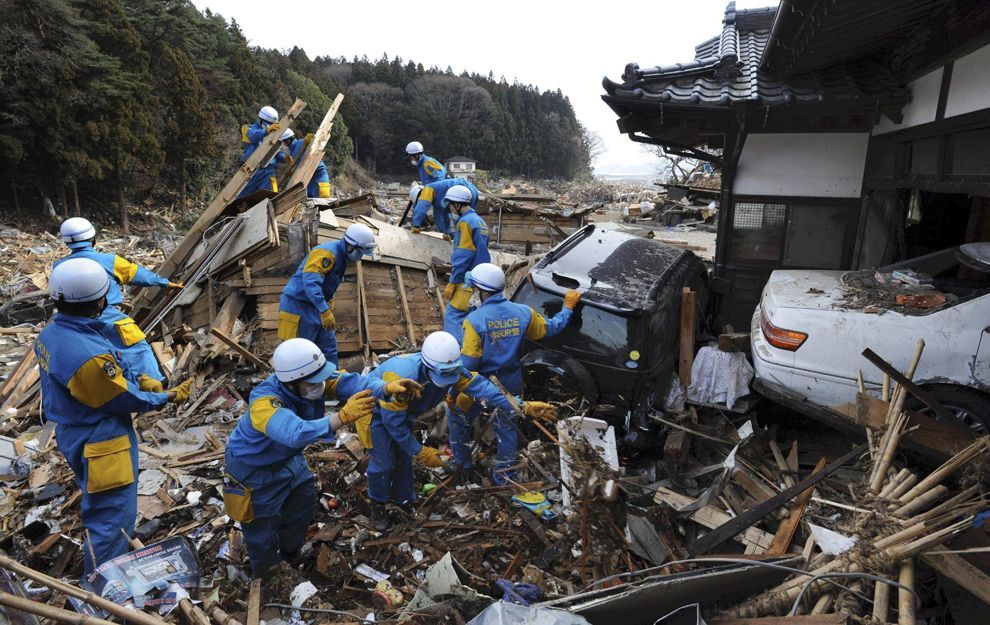
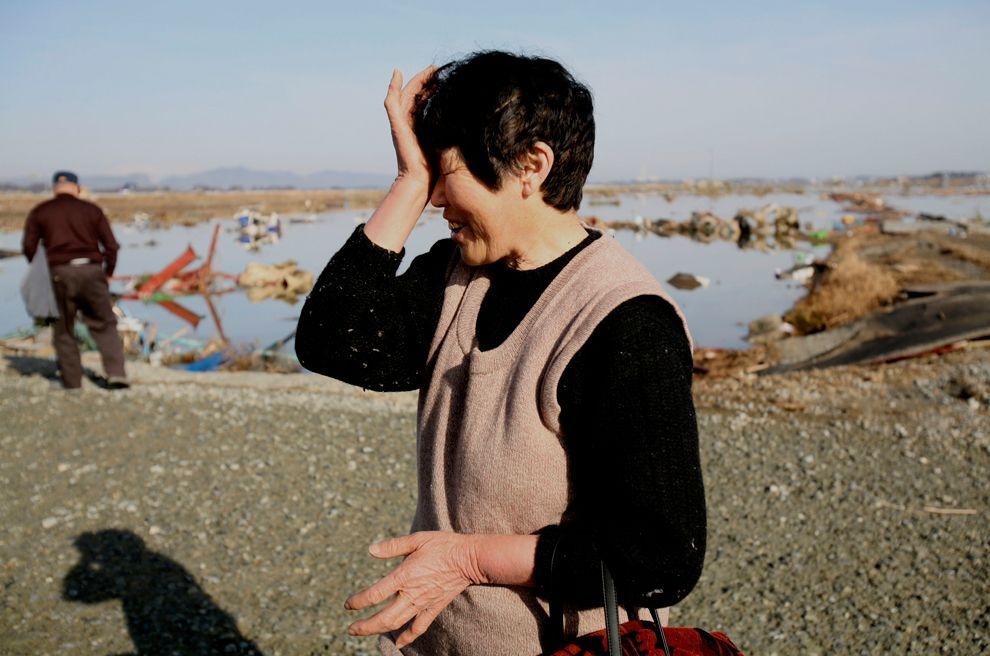
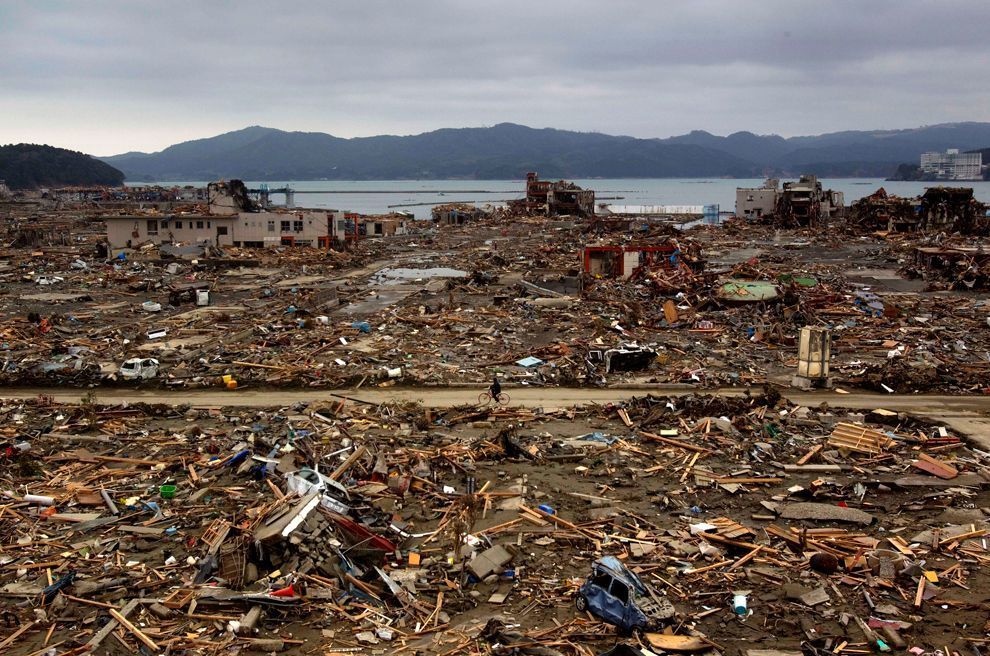
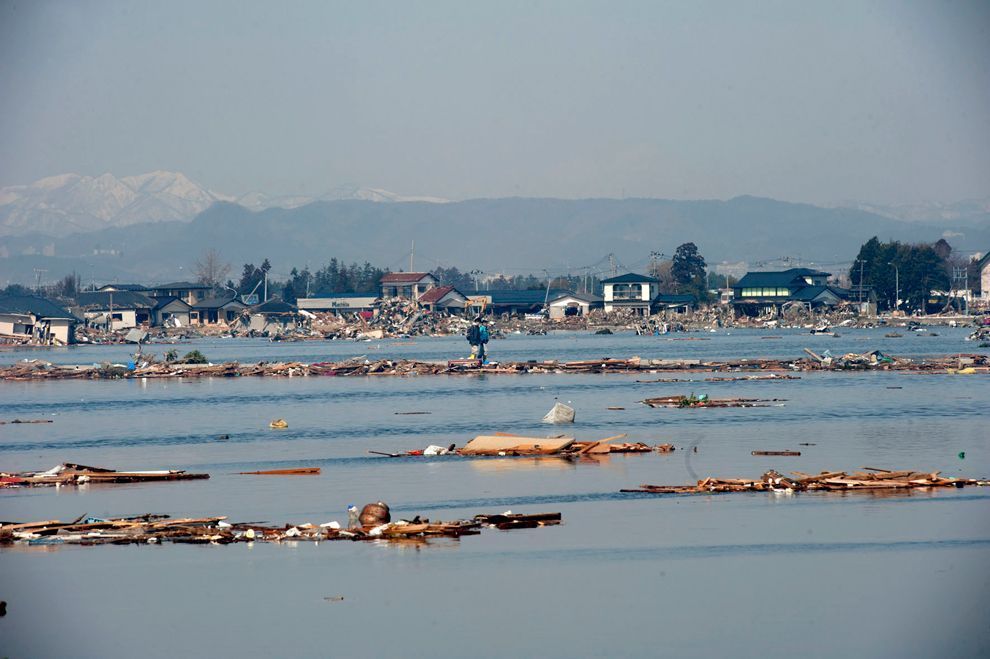
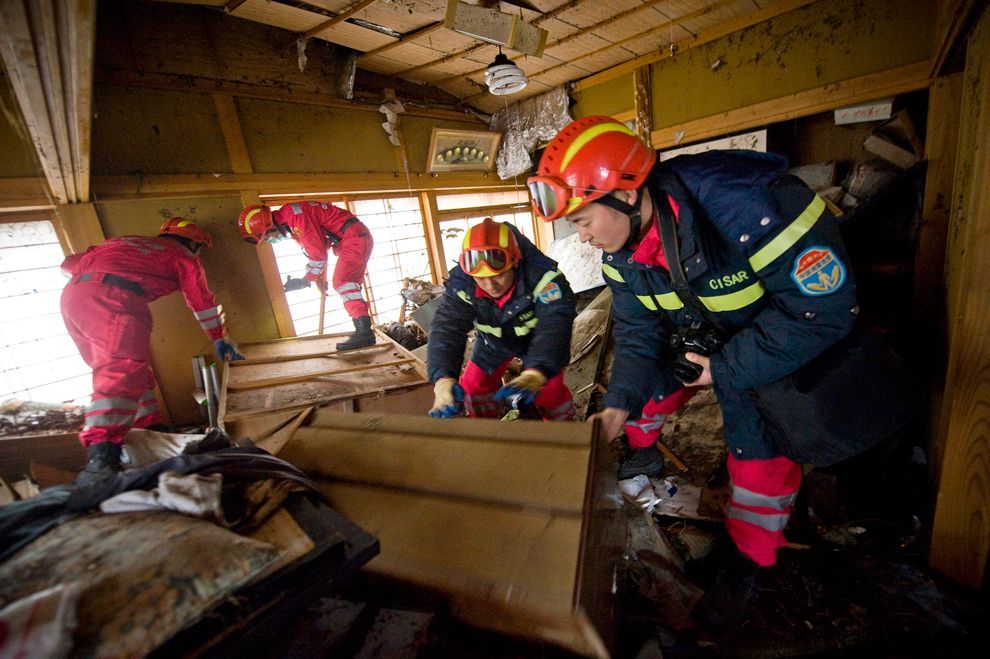
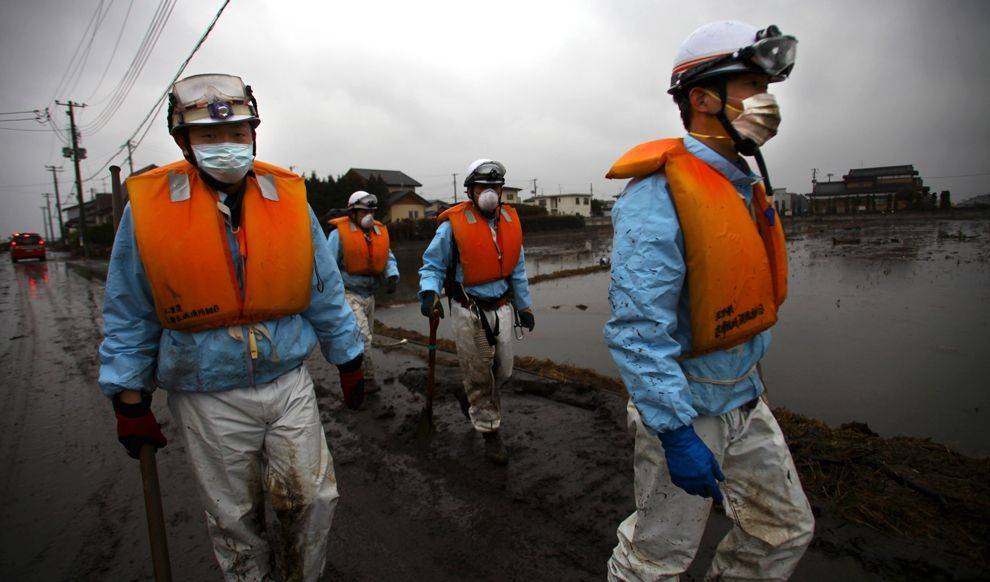
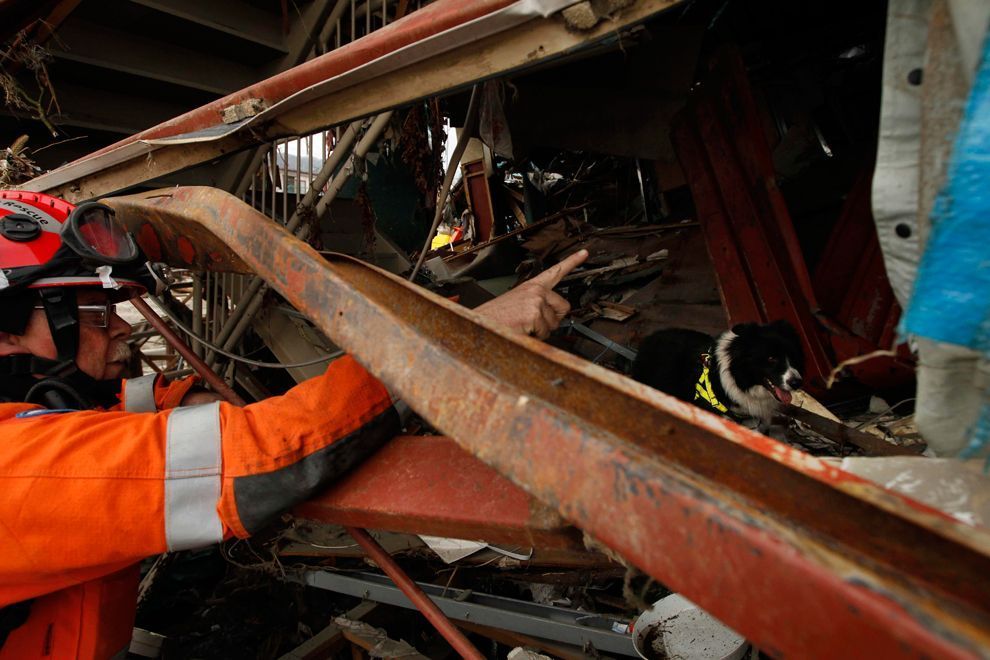
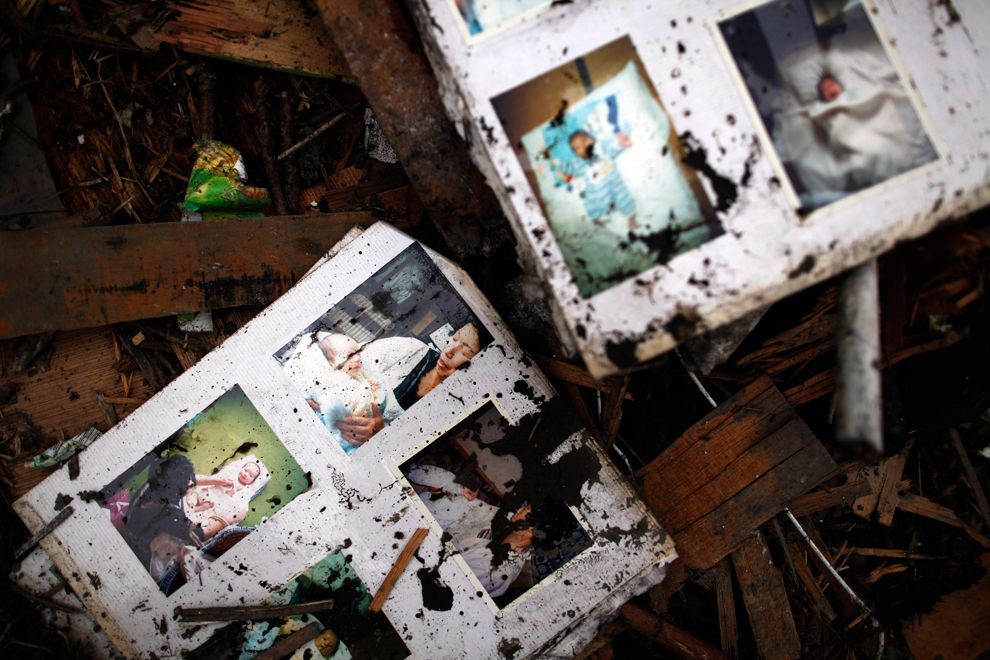
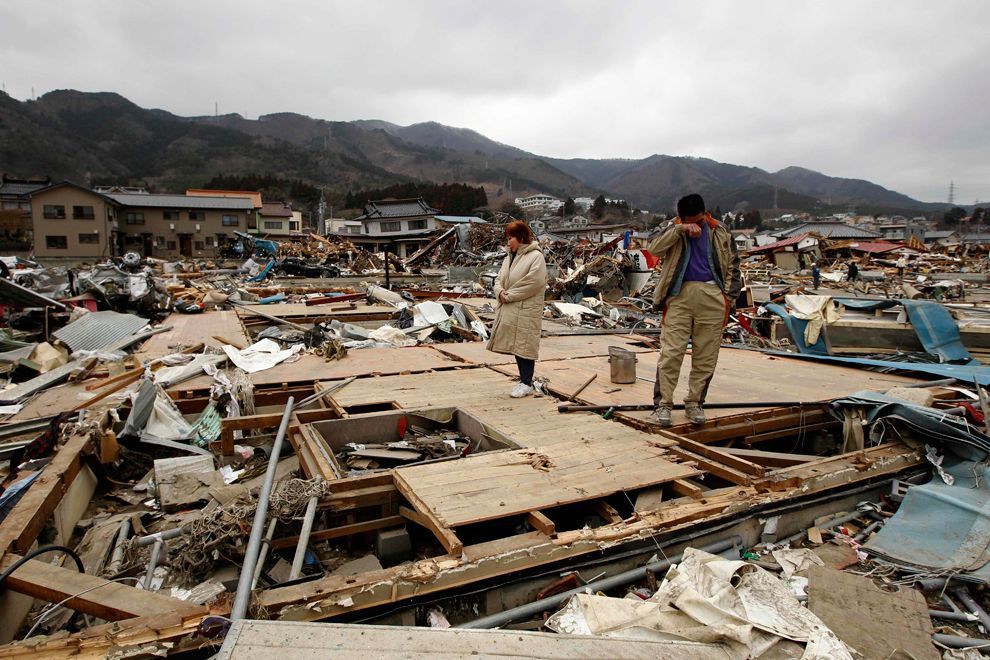
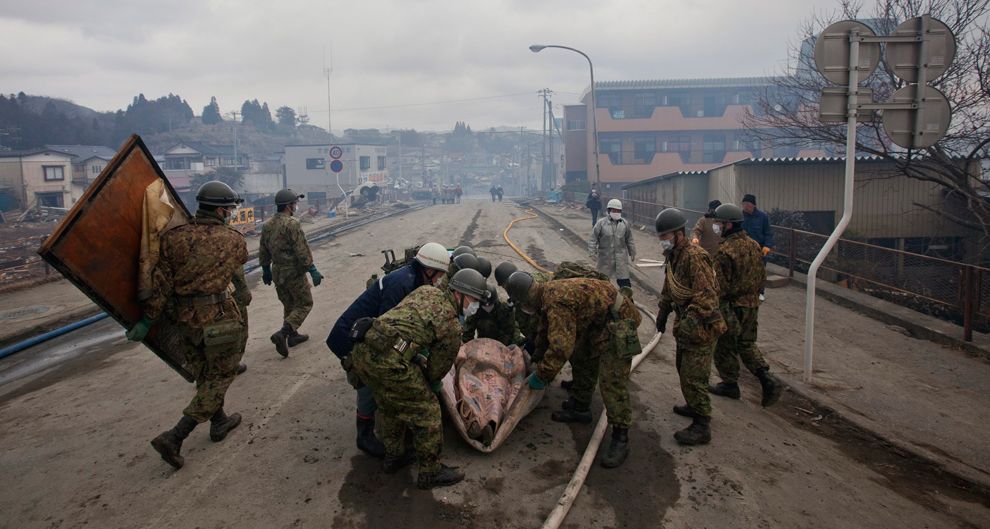
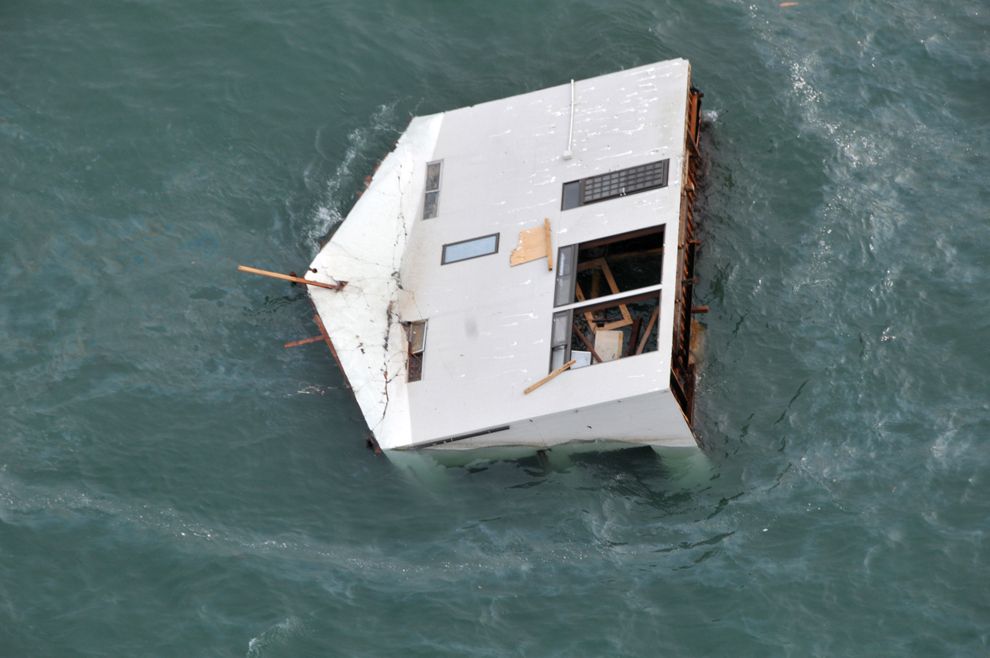
The earthquake which was caused by 5 to 8 meters upthrust on 180-km wide seabed at 60 km offshore from the east coast of Tōhoku resulted in a major tsunami which brought destruction along the Pacific coastline of Japan's northern islands and resulted in the loss of thousands of lives and devastated entire towns. The tsunami propagated across the Pacific, and warnings were issued and evacuations carried out. In many countries bordering the Pacific, including the entire Pacific coast of North and South America from Alaska to Chile; however, while the tsunami was felt in many of these places, it caused only relatively minor effects. Chile's section of Pacific coast is one of the furthest from Japan, at about 17,000 km (11,000 mi) away, but still was struck by tsunami waves 2 m (6.6 ft) high. A wave height of 37.9 meters (124 ft) was estimated at Tarō, Iwate.
Japan
The tsunami warning issued by the Japan Meteorological Agency was the most serious on its warning scale; it rated as a "major tsunami", being at least 3 m (9.8 ft) high. The actual height predicted varied, the greatest being for Miyagi at 10 m (33 ft) high. The tsunami inundated a total area of approximately 470 km2 (181.5 sq mi) in Japan.
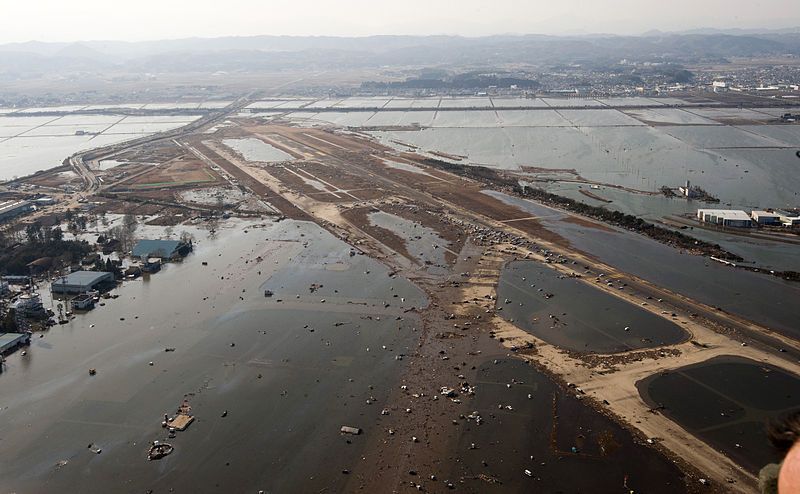
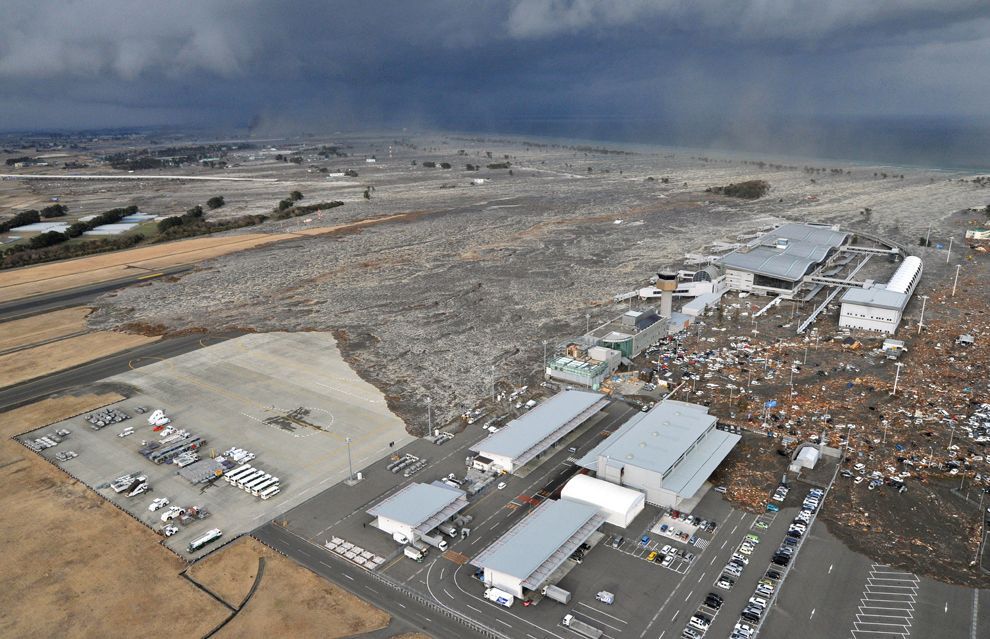
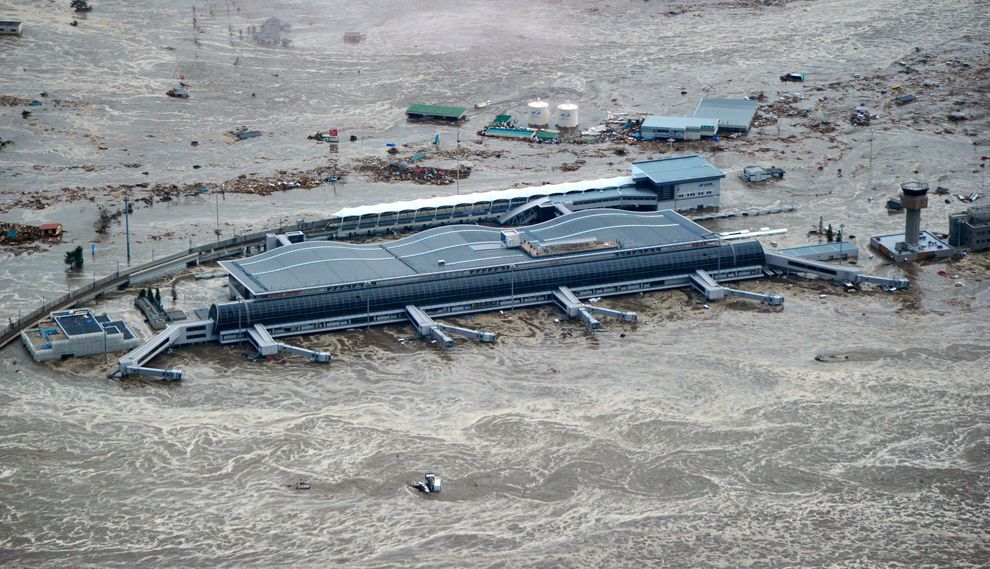
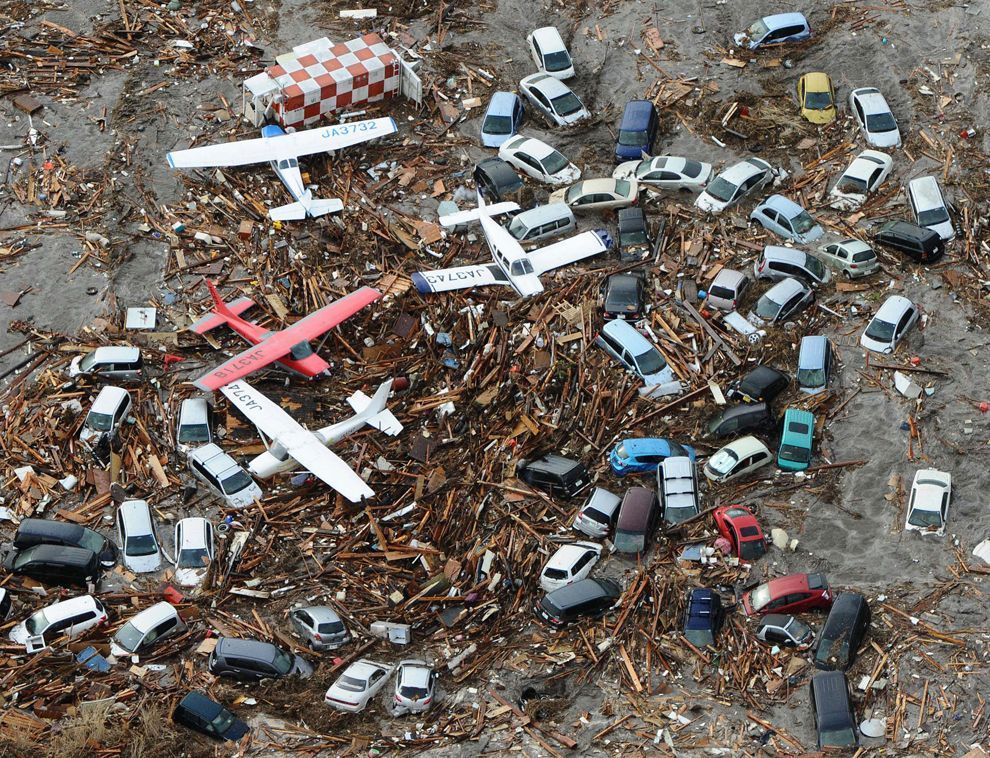
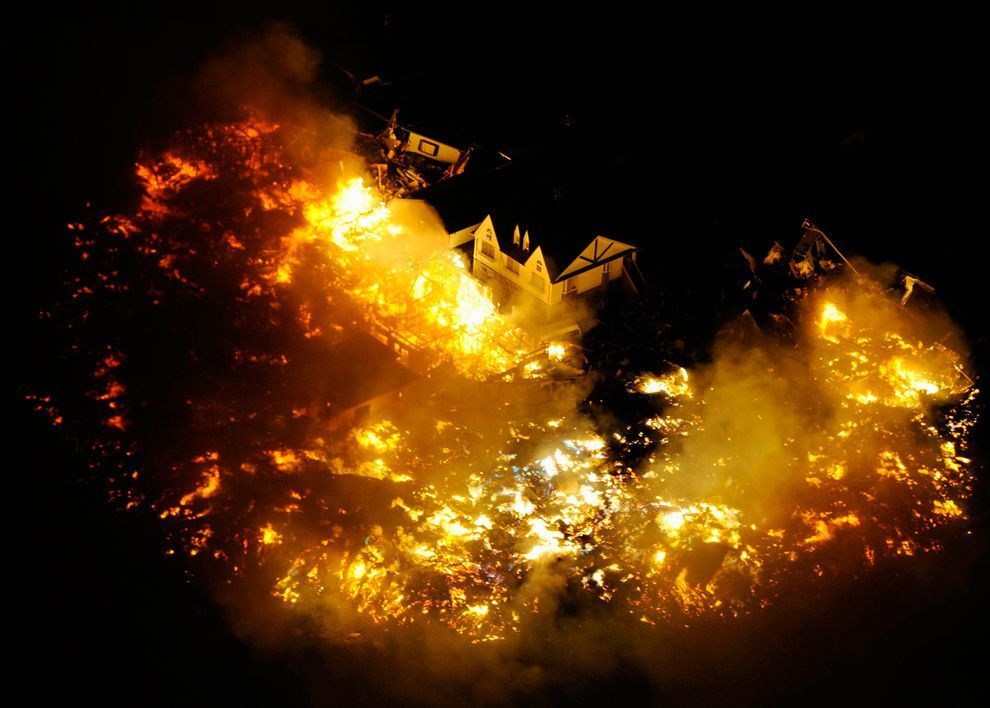
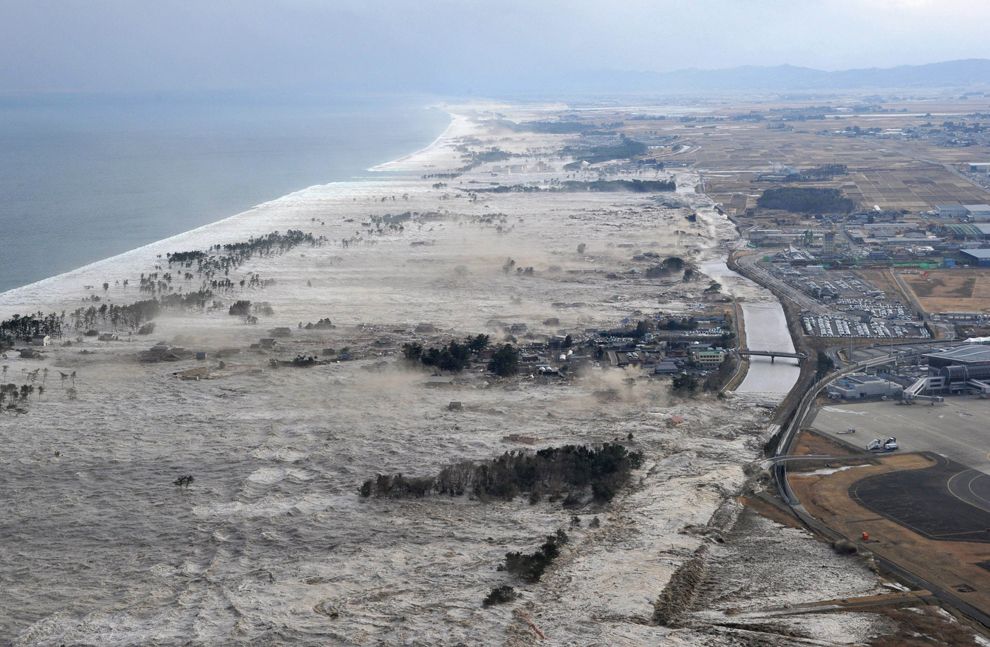
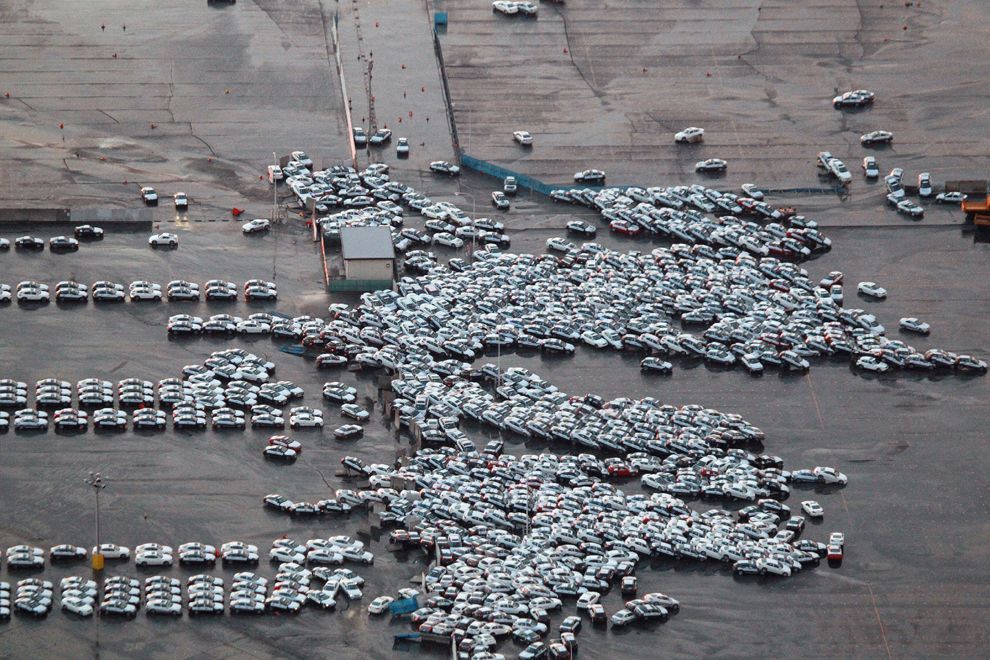
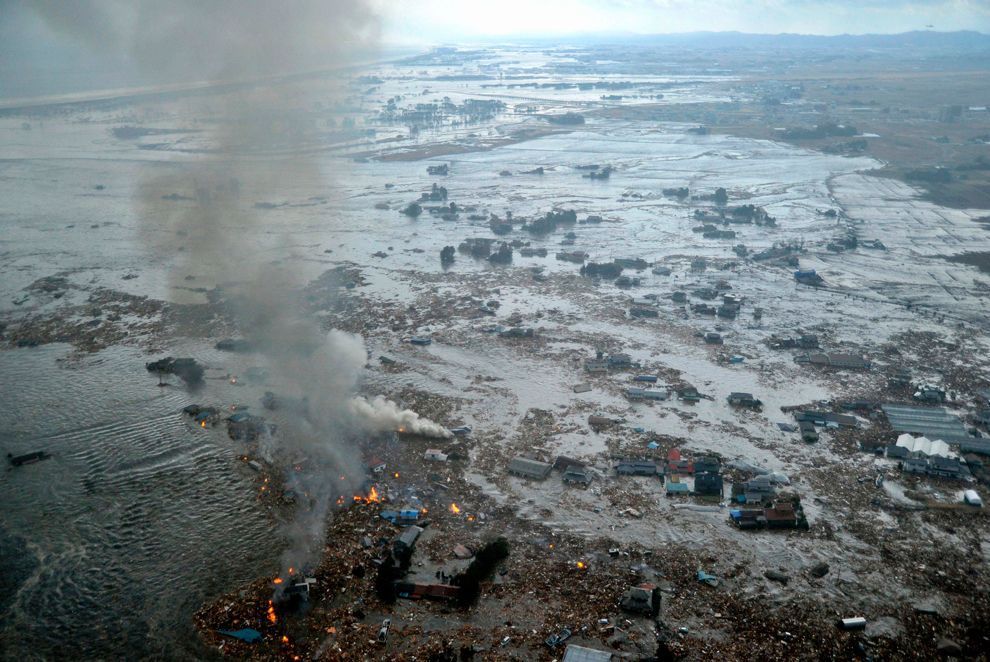
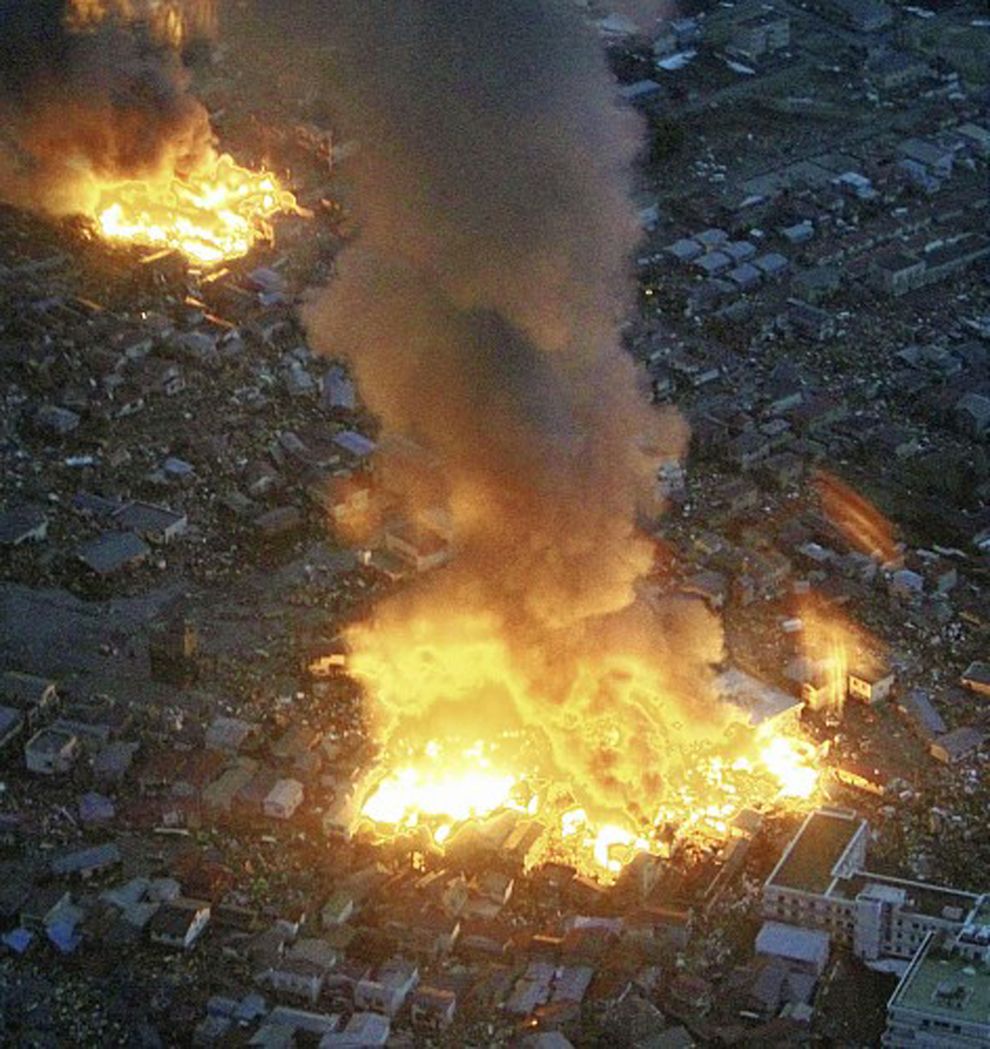
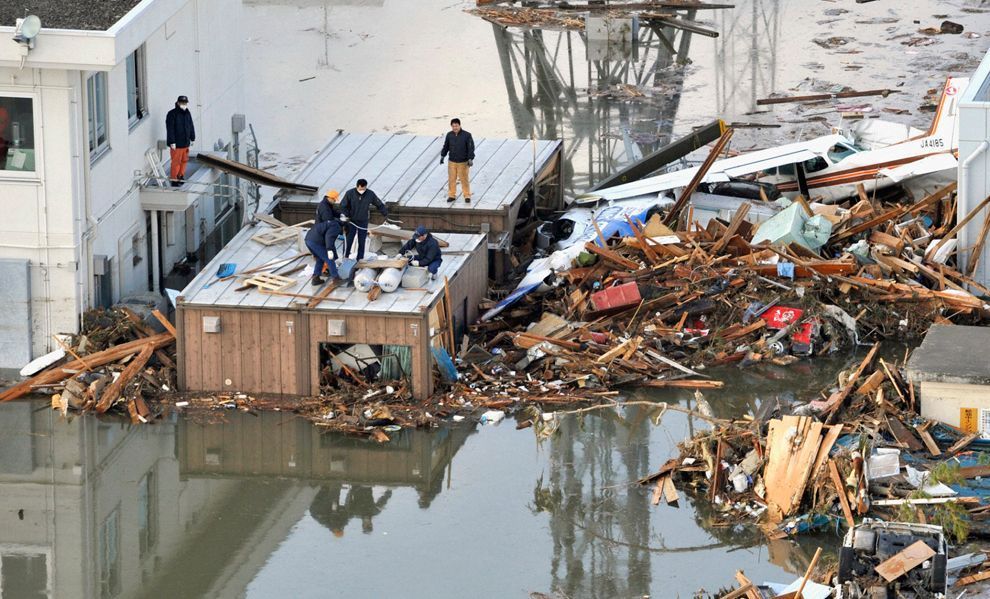
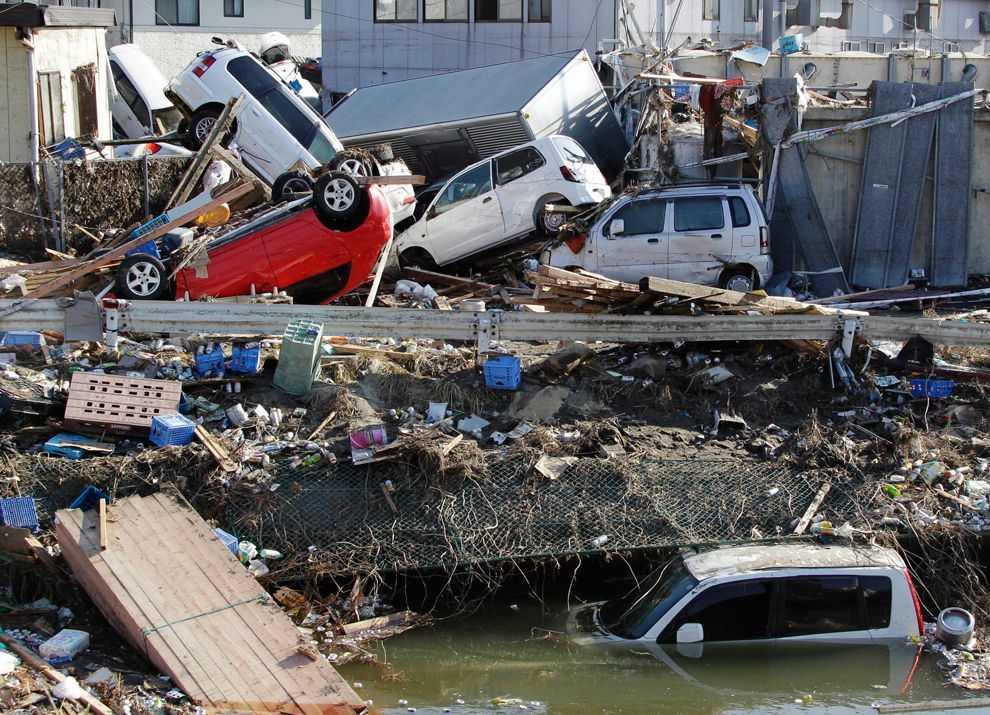
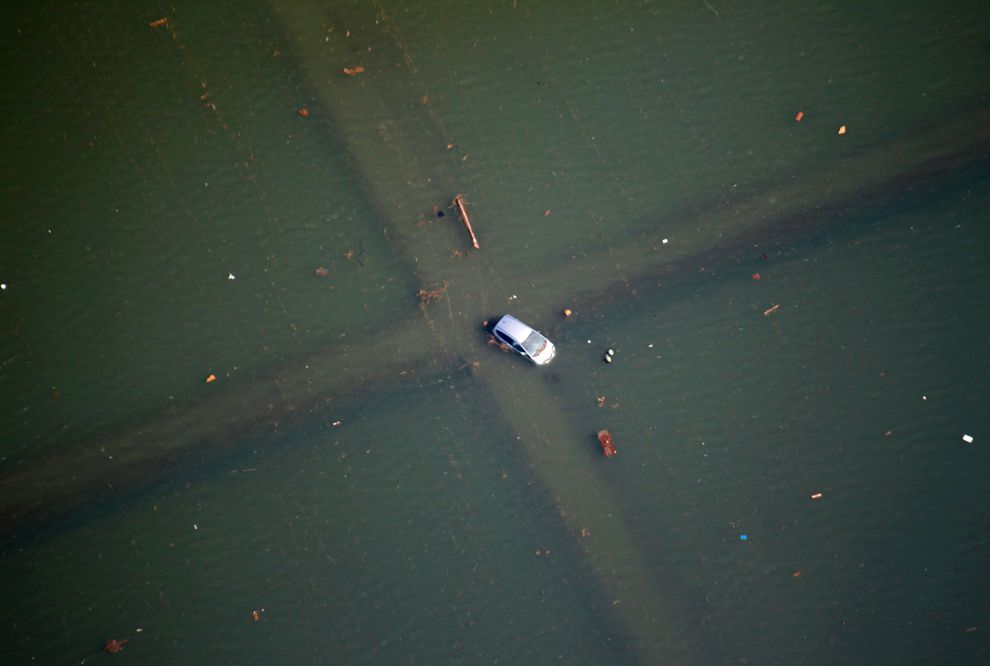
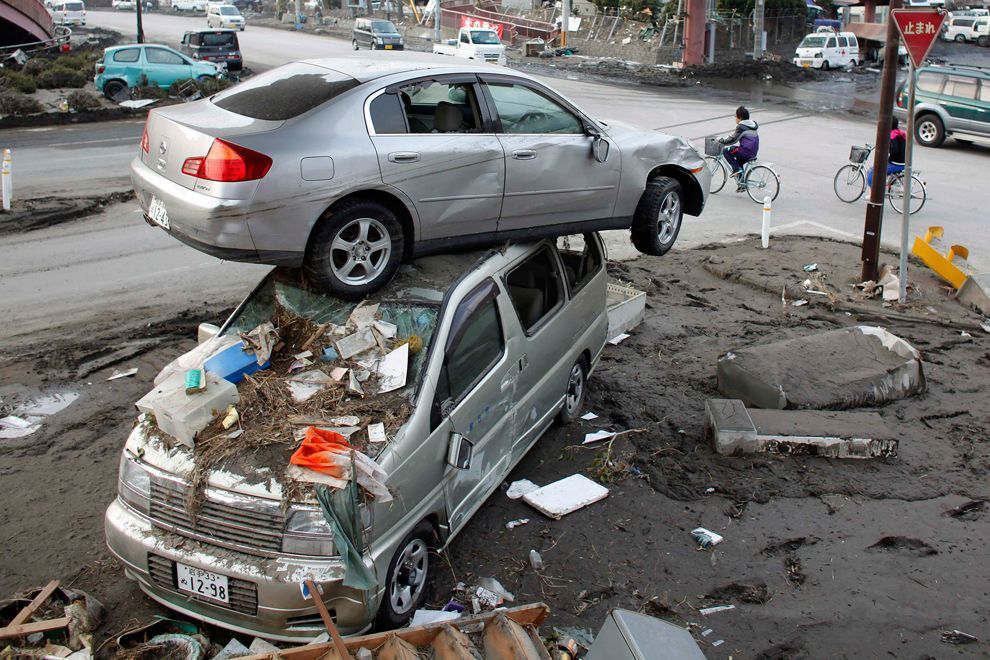
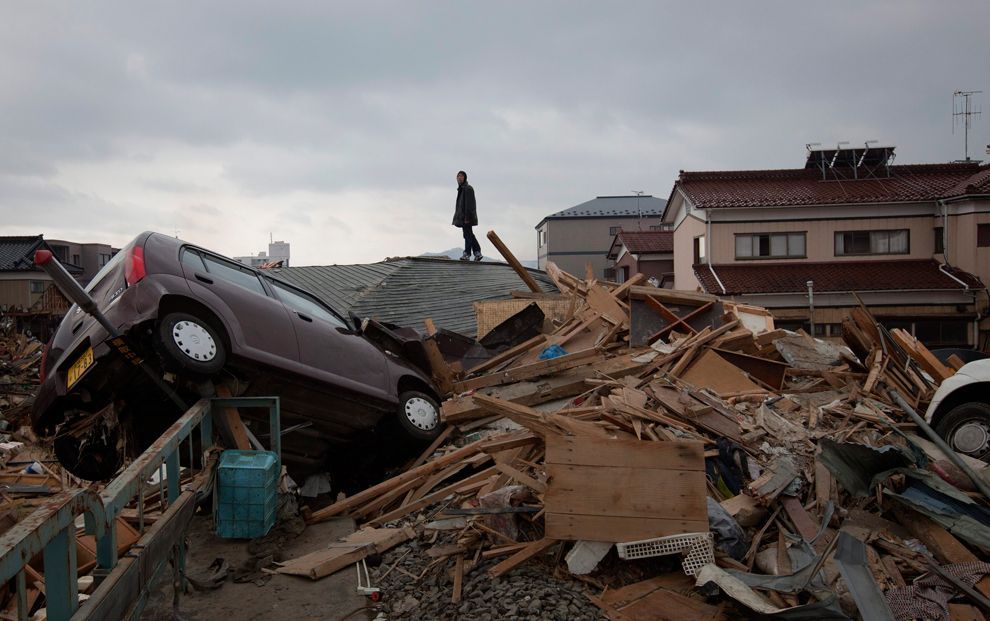
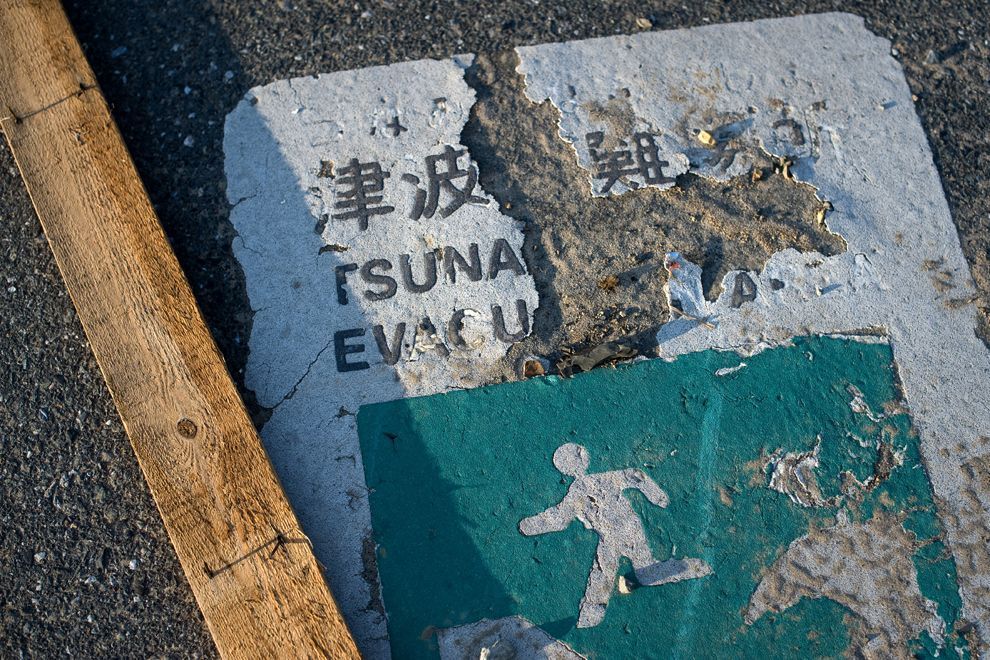
The earthquake took place at 14:46 JST around 67 km (42 mi) from the nearest point on Japan's coastline, and initial estimates indicated the tsunami would have taken 10 to 30 minutes to reach the areas first affected, and then areas further north and south based on the geography of the coastline. Just over an hour after the earthquake at 15:55 JST, a tsunami was observed flooding Sendai Airport, which is located near the coast of Miyagi Prefecture, with waves sweeping away cars and planes and flooding various buildings as they traveled inland. The impact of the tsunami in and around Sendai Airport was filmed by an NHK News helicopter, showing a number of vehicles on local roads trying to escape the approaching wave and being engulfed by it. A 4 m high tsunami hit Iwate Prefecture. Wakabayashi Ward in Sendai was also particularly hard hit. At least 101 designated tsunami evacuation sites were hit by the wave.
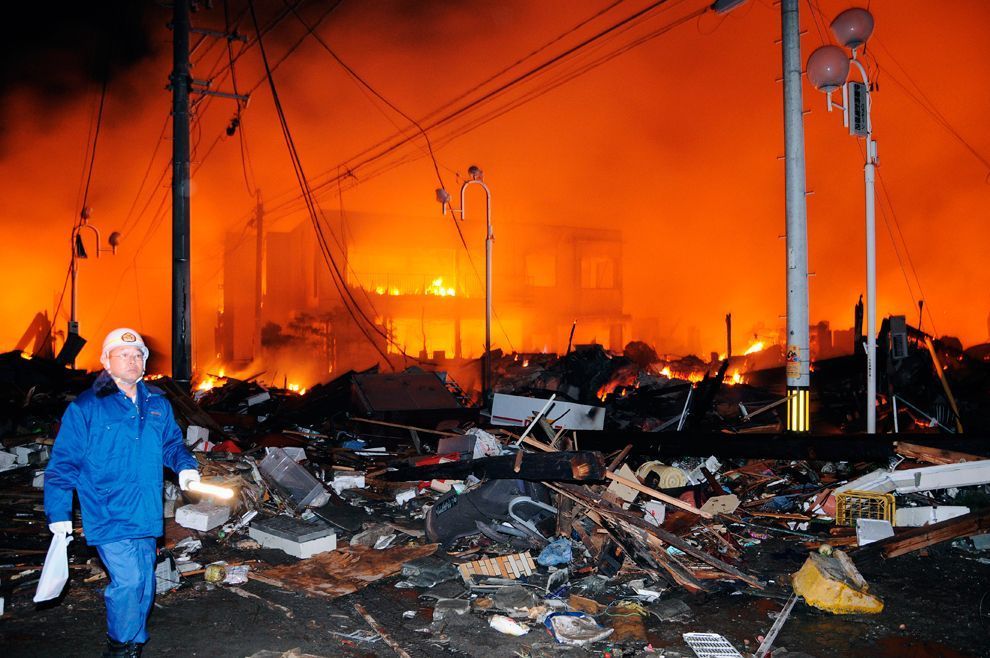
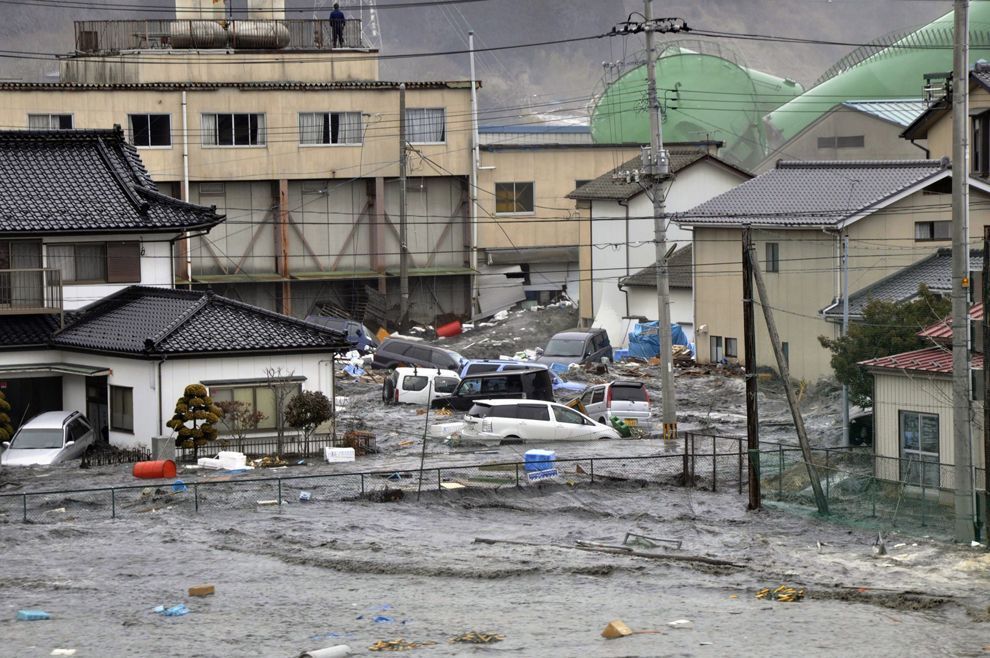
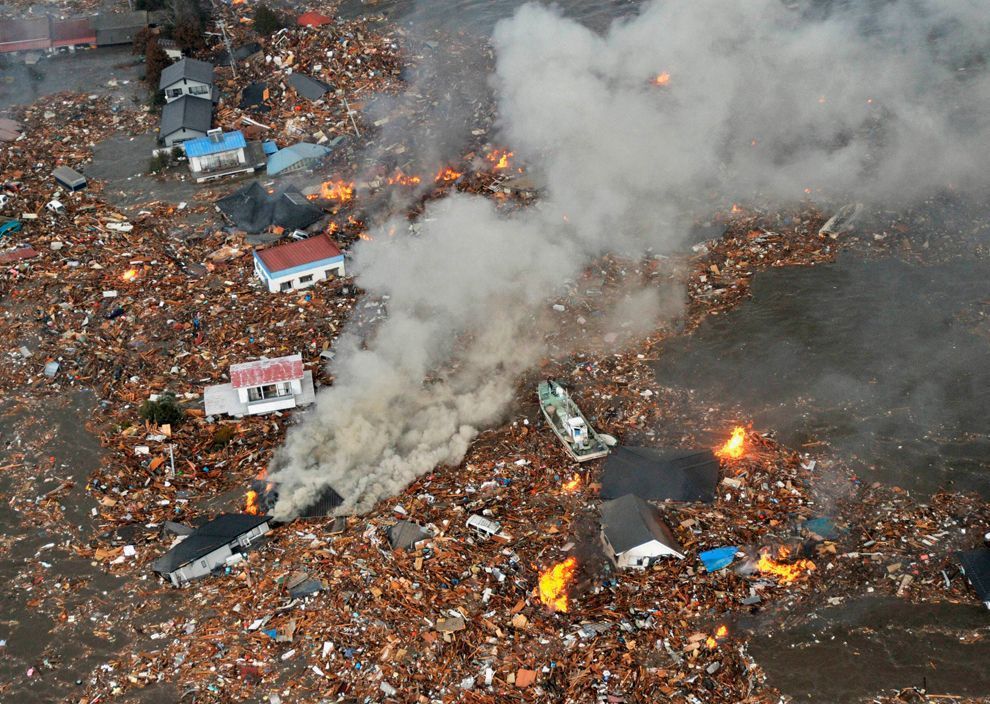
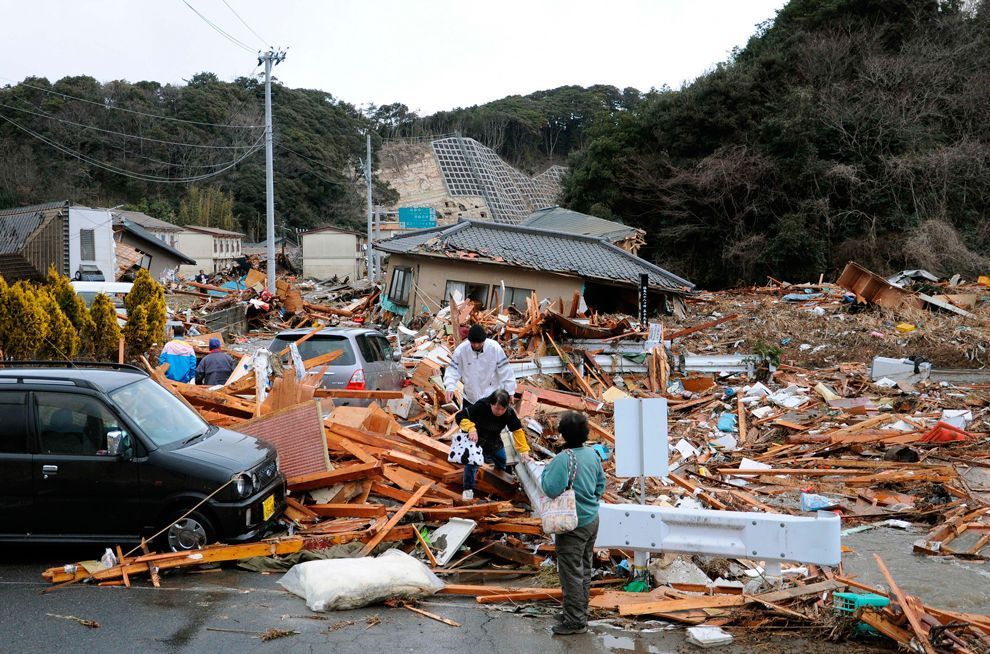
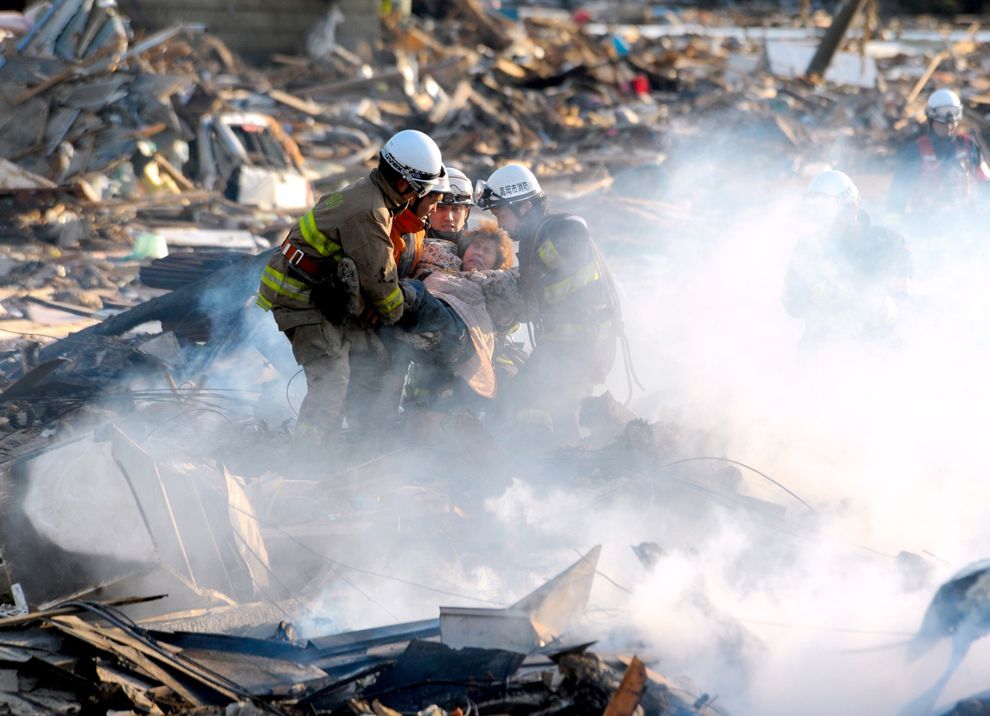
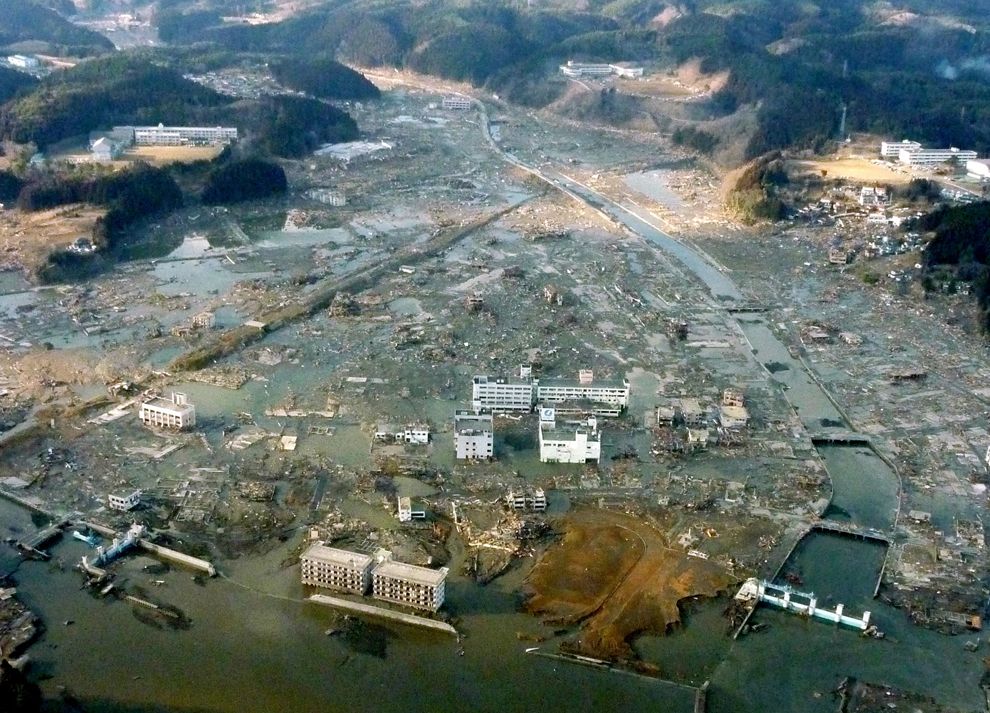
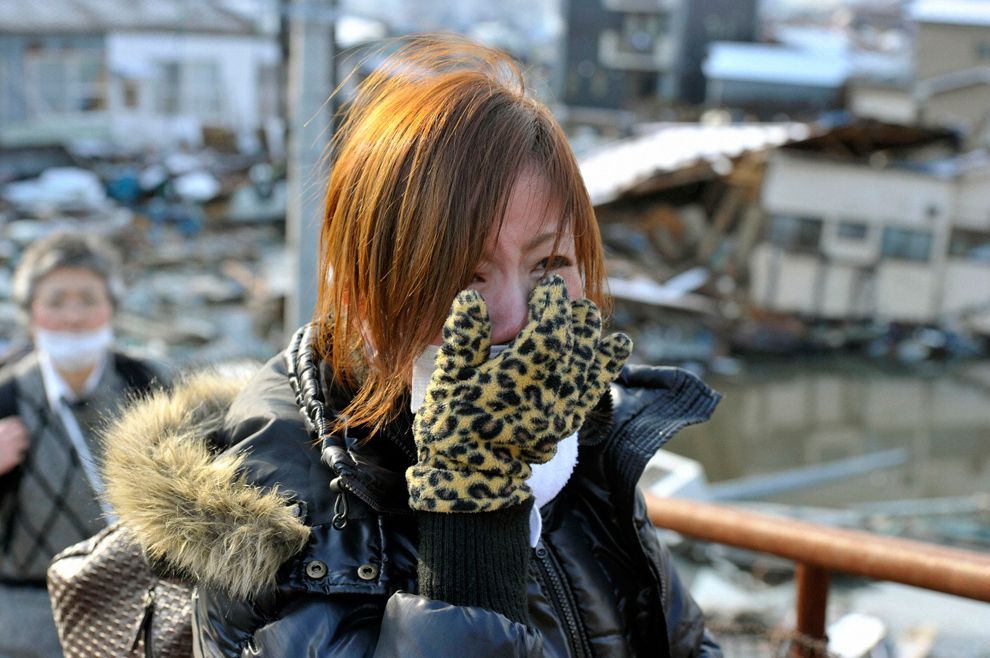
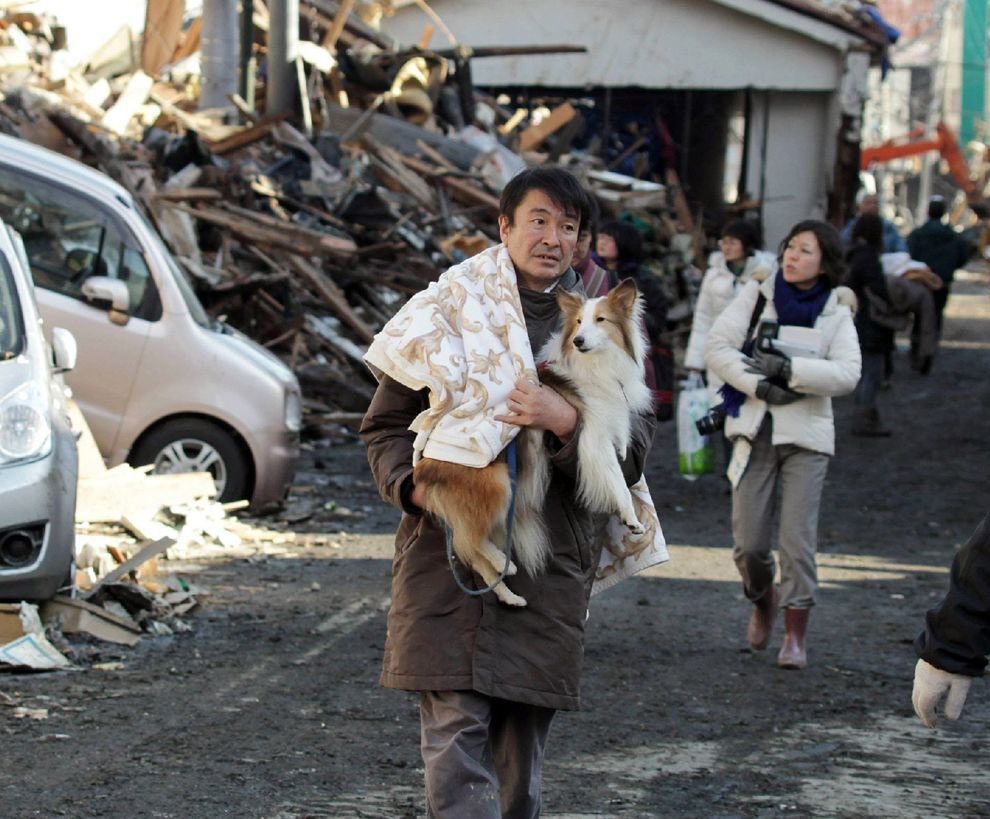
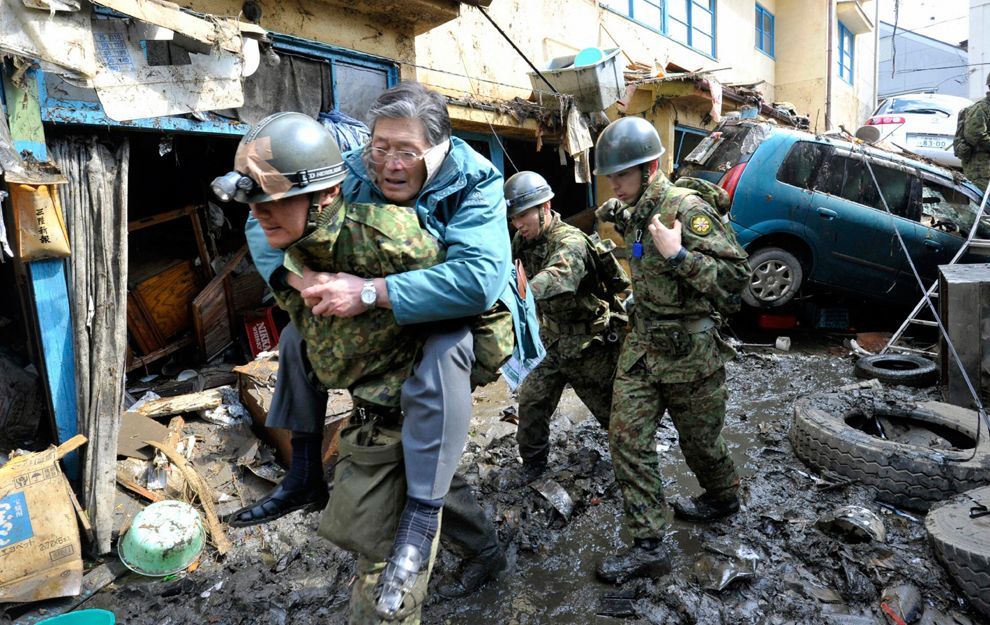
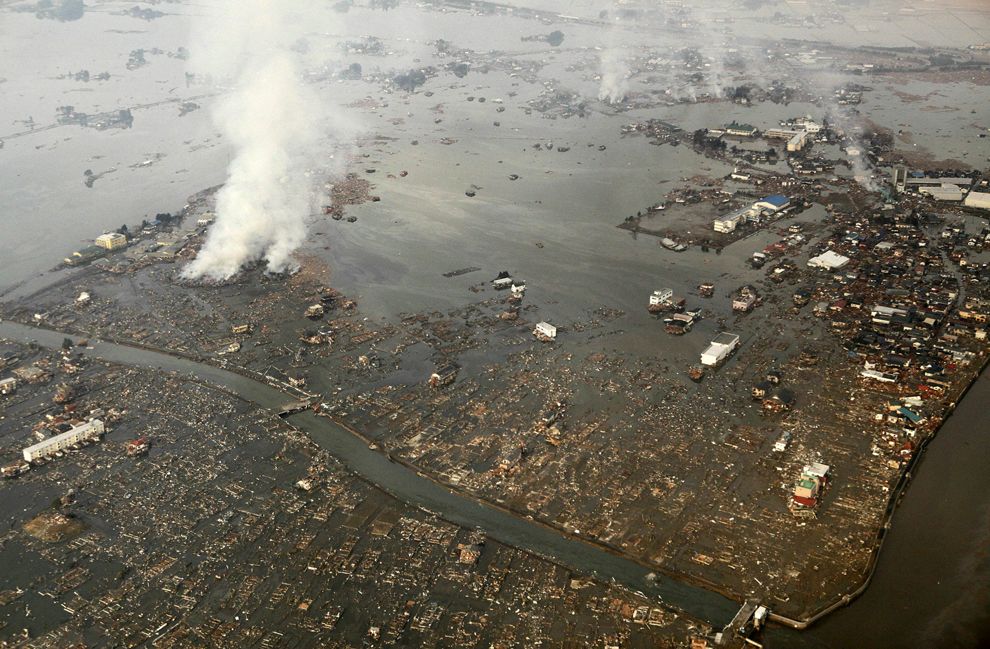
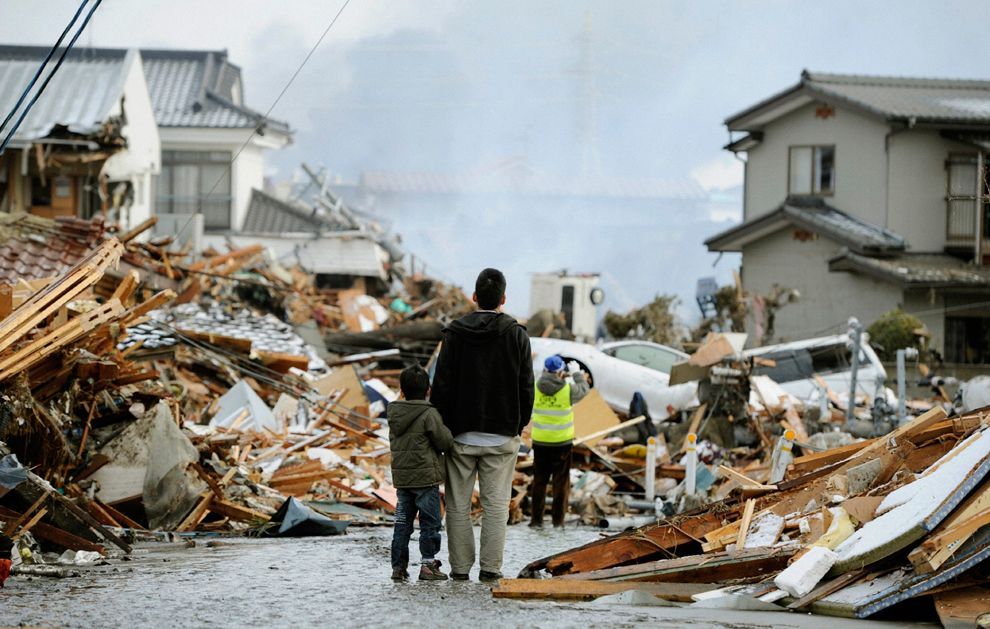
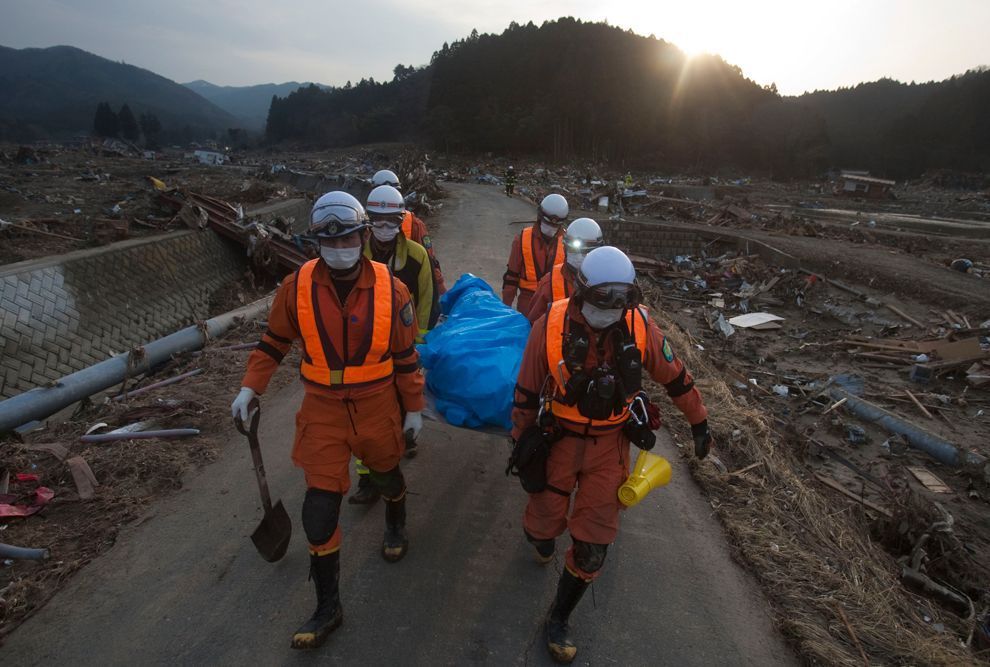
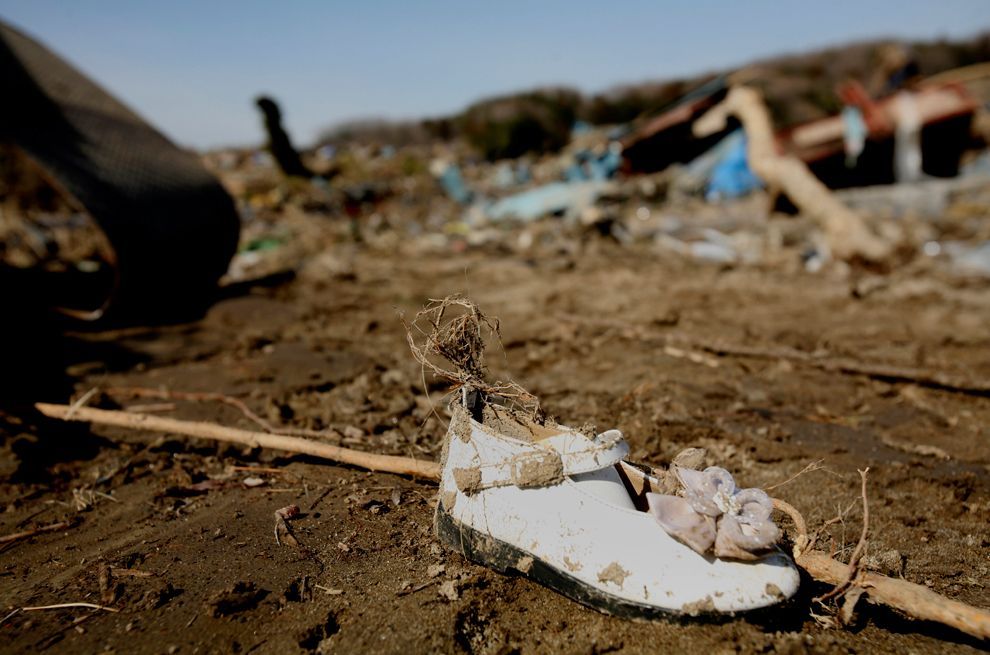
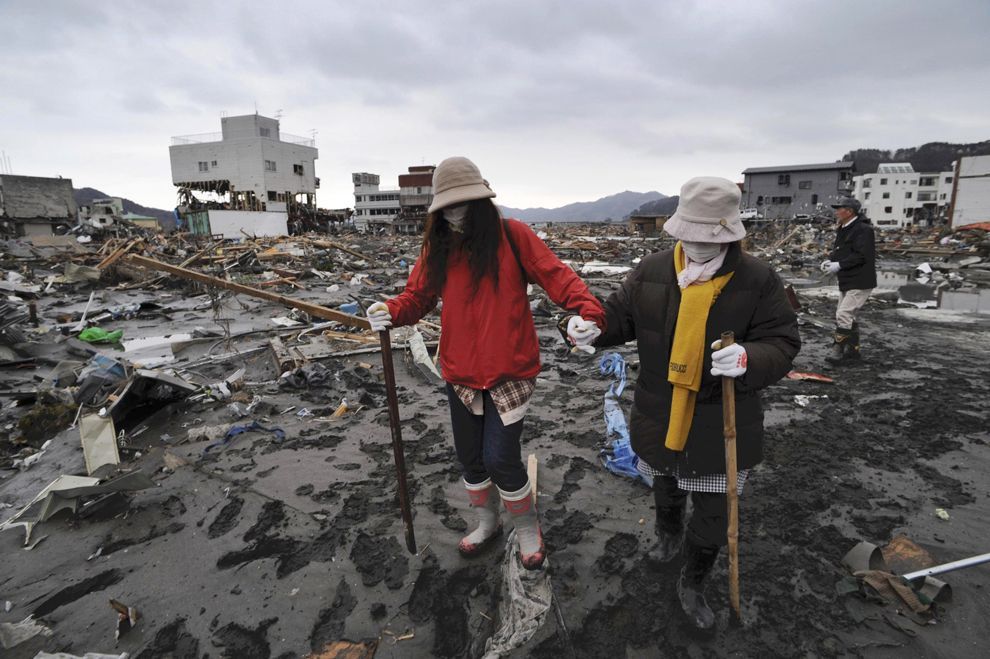
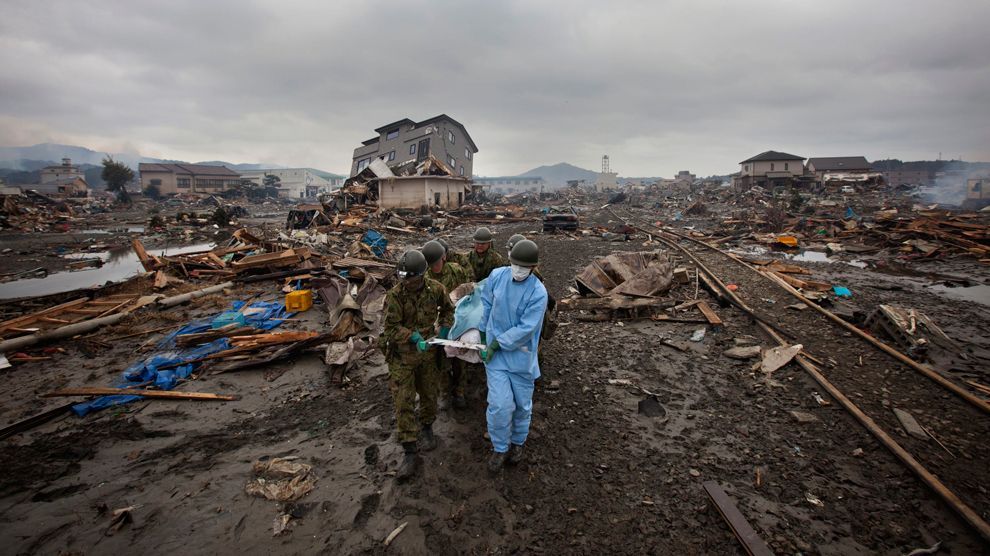
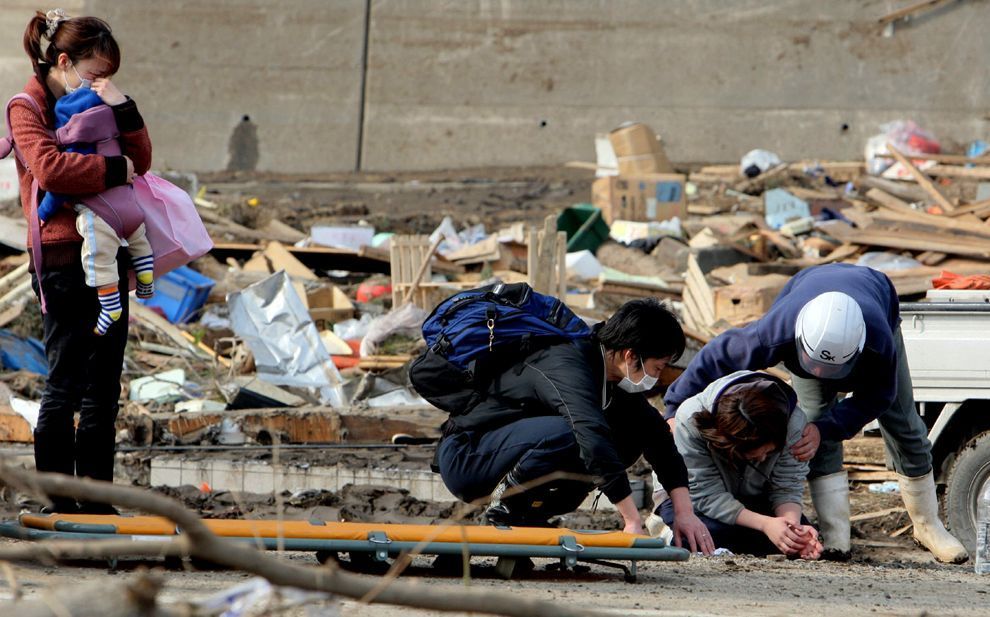
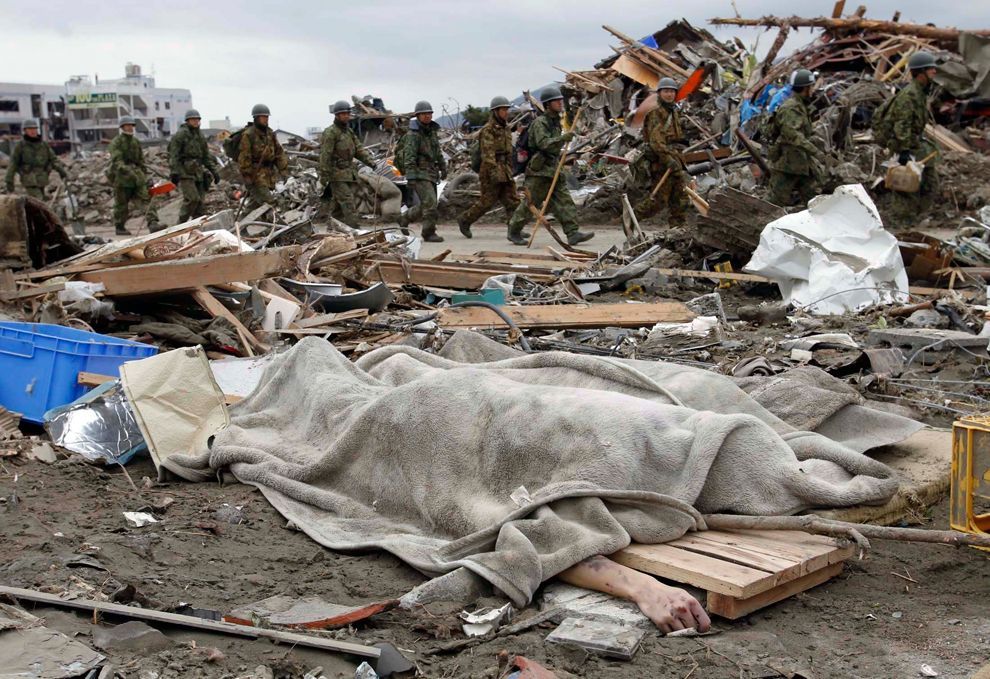
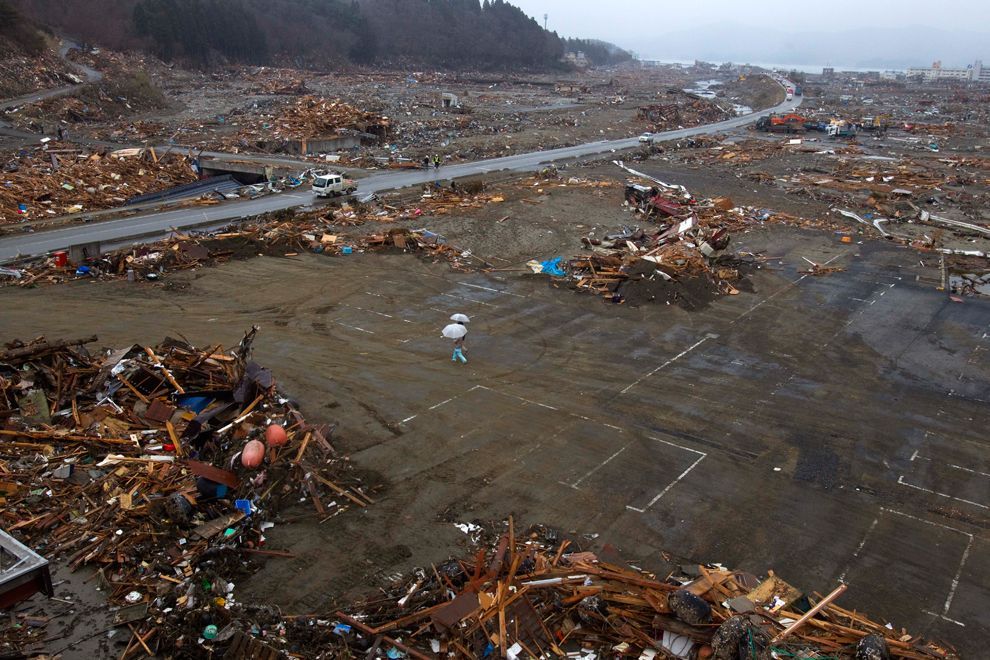
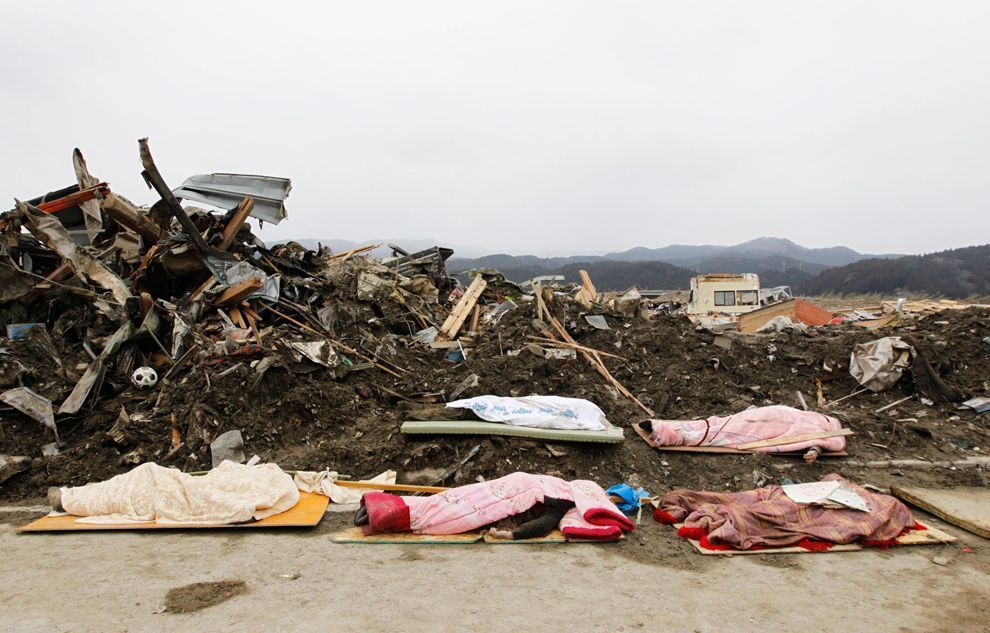
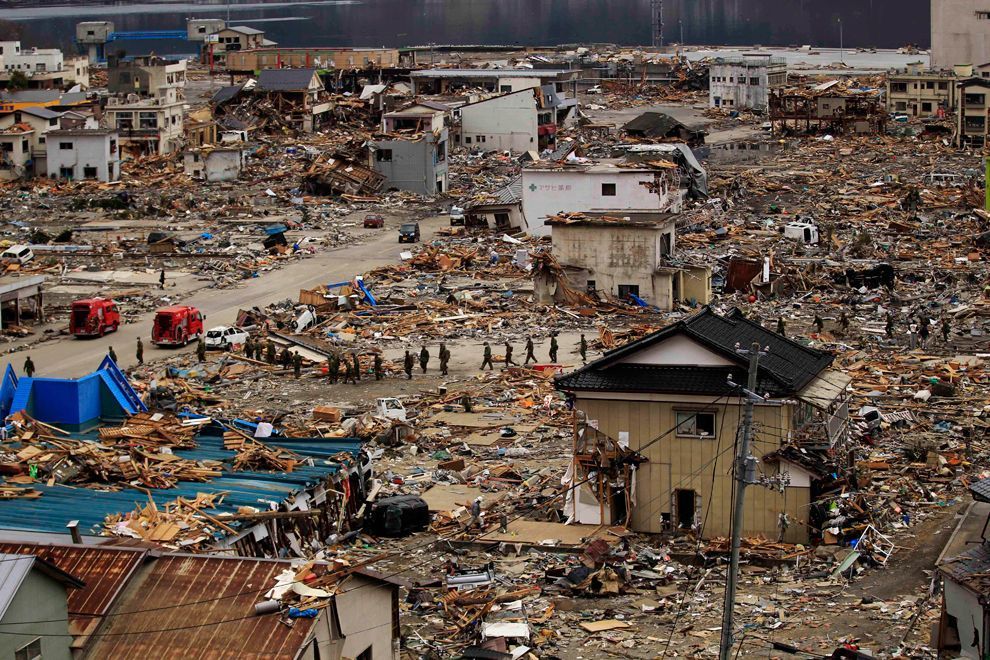
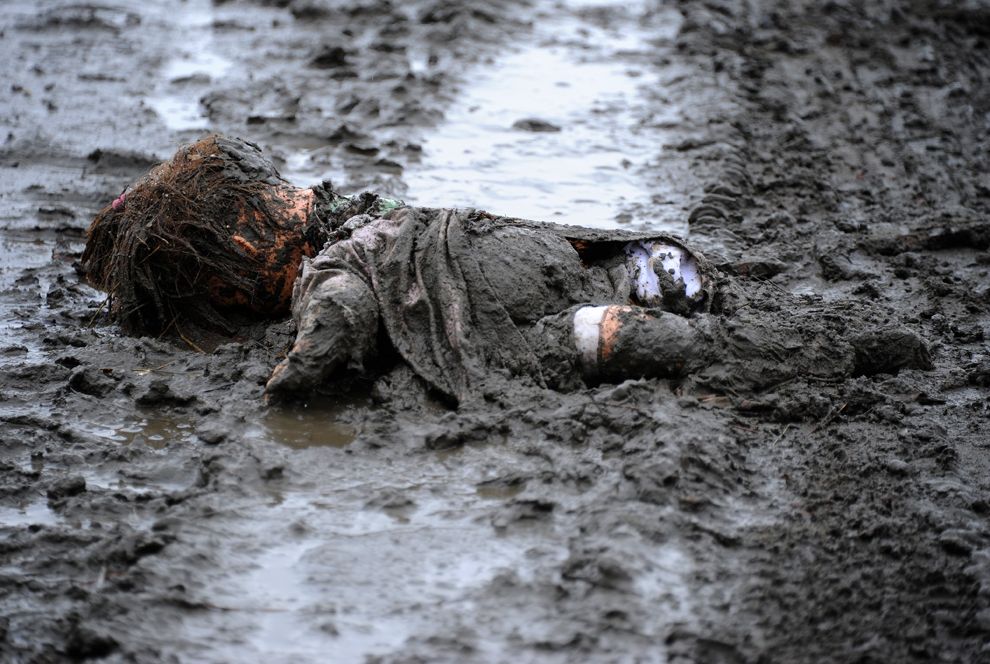
Like the 2004 Indian Ocean earthquake and tsunami, the damage by surging water, though much more localized, was far more deadly and destructive than the actual quake. There were reports of entire towns destroyed from tsunami-hit areas in Japan, including 9,500 missing in Minamisanriku; one thousand bodies had been recovered in the town by 14 March 2011.
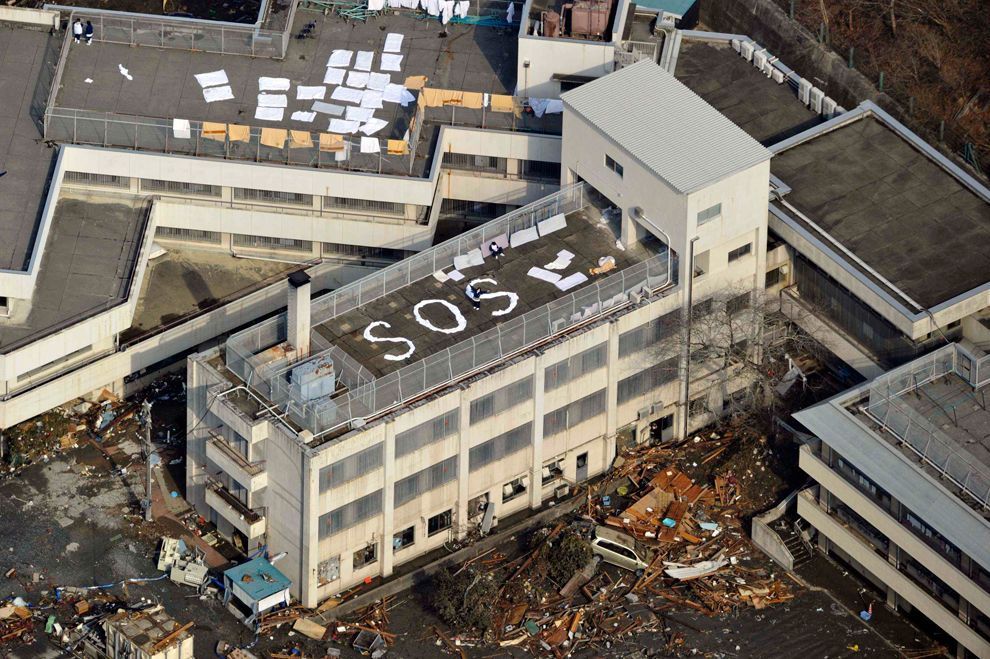
Among several factors causing the high death toll from the tsunami, one was the unexpectedly large size of the water surge. The tsunami walls at several of the affected cities were based on much smaller tsunami heights. Also, many people caught in the tsunami thought that they were located on high enough ground to be safe.
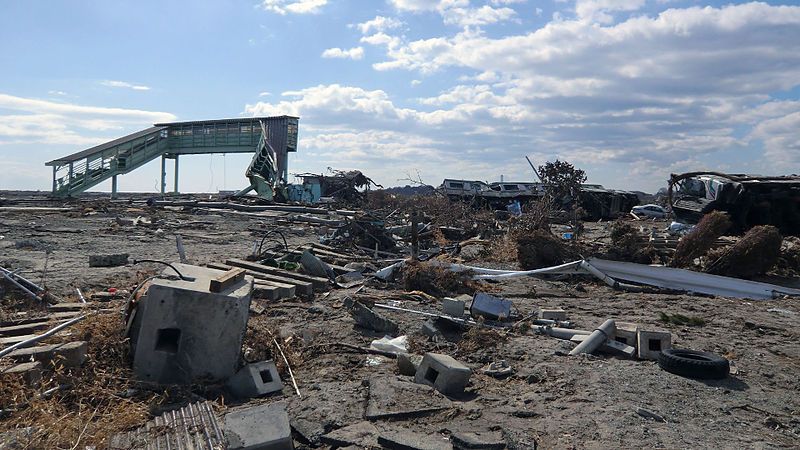
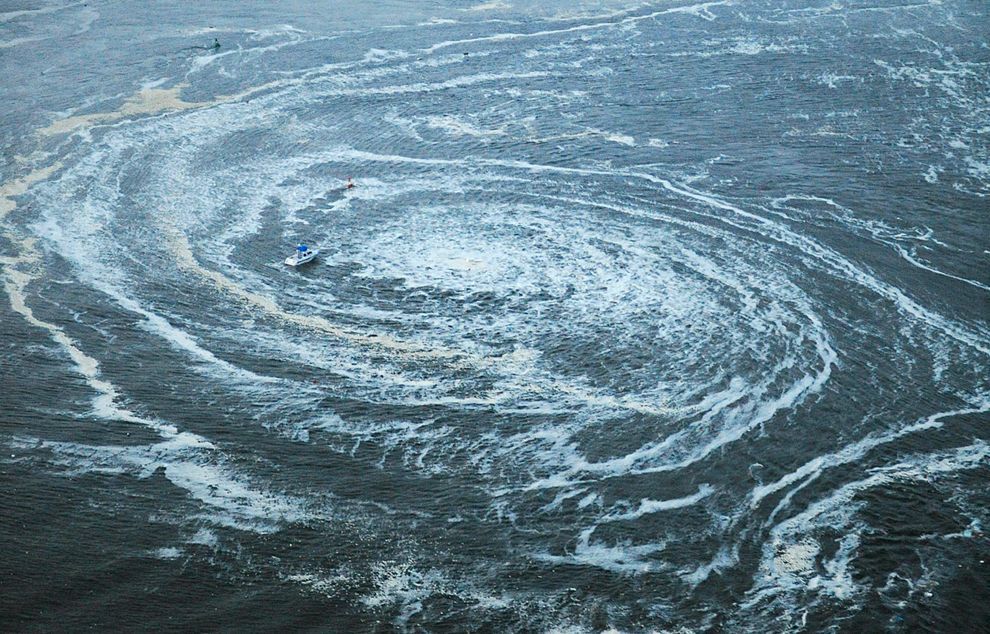
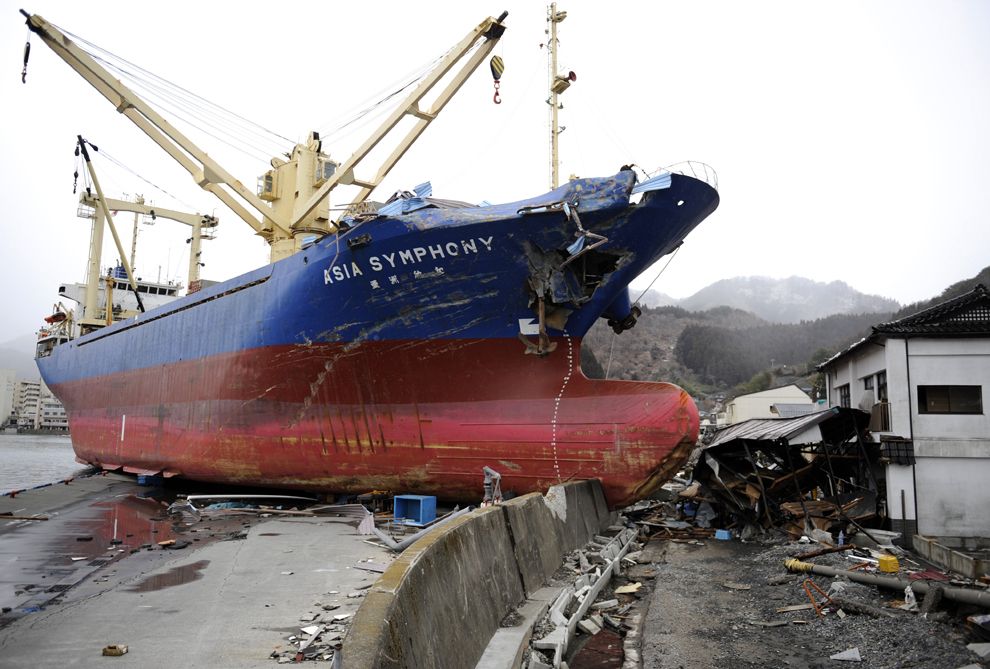
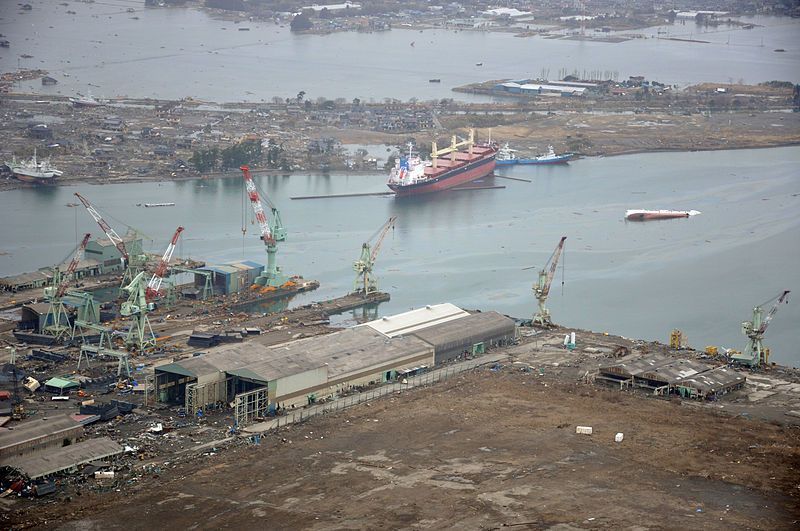
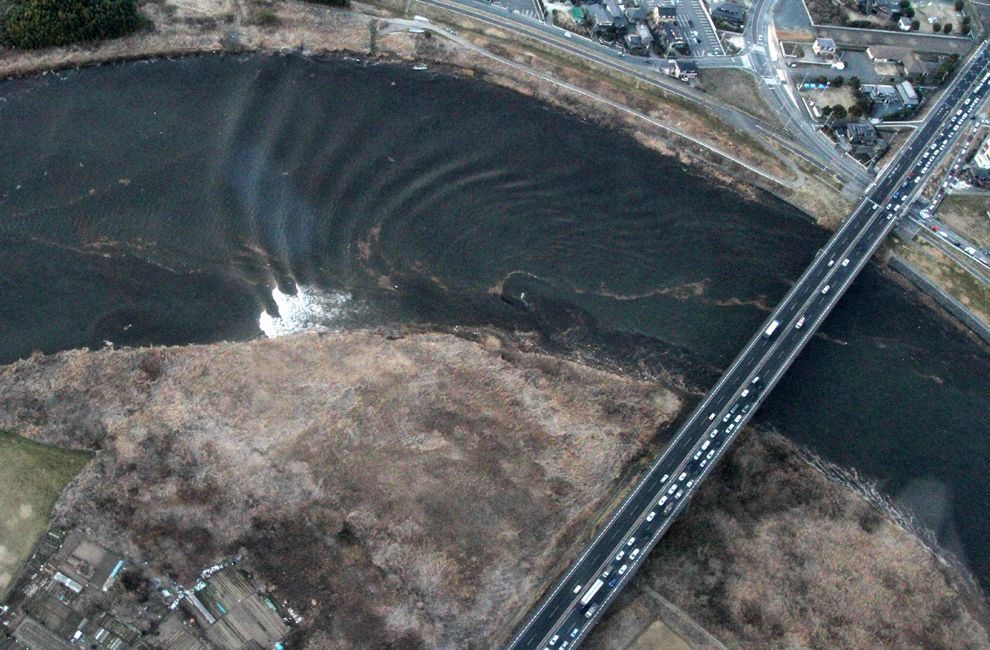
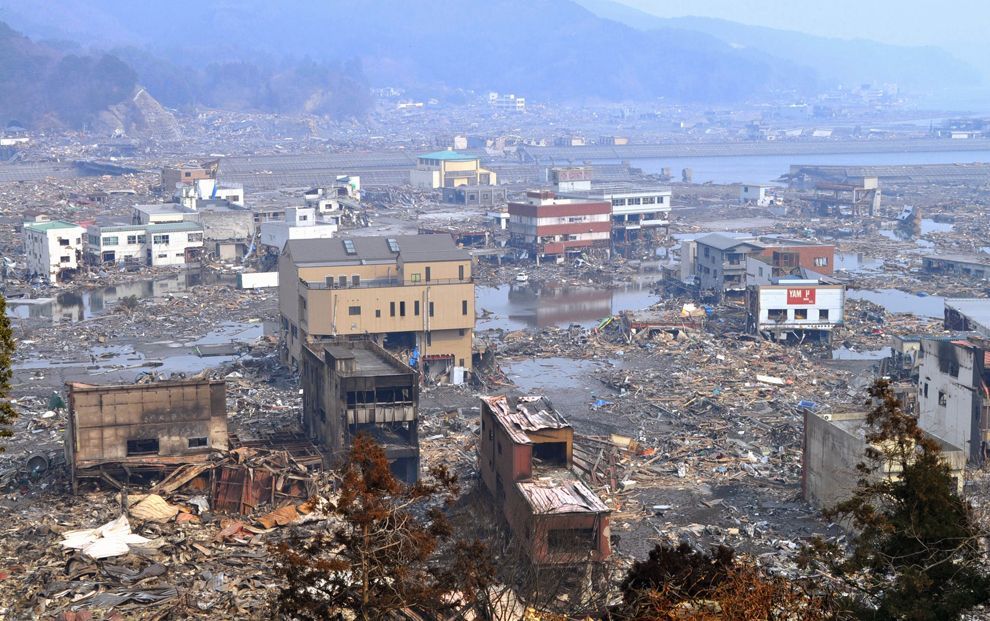
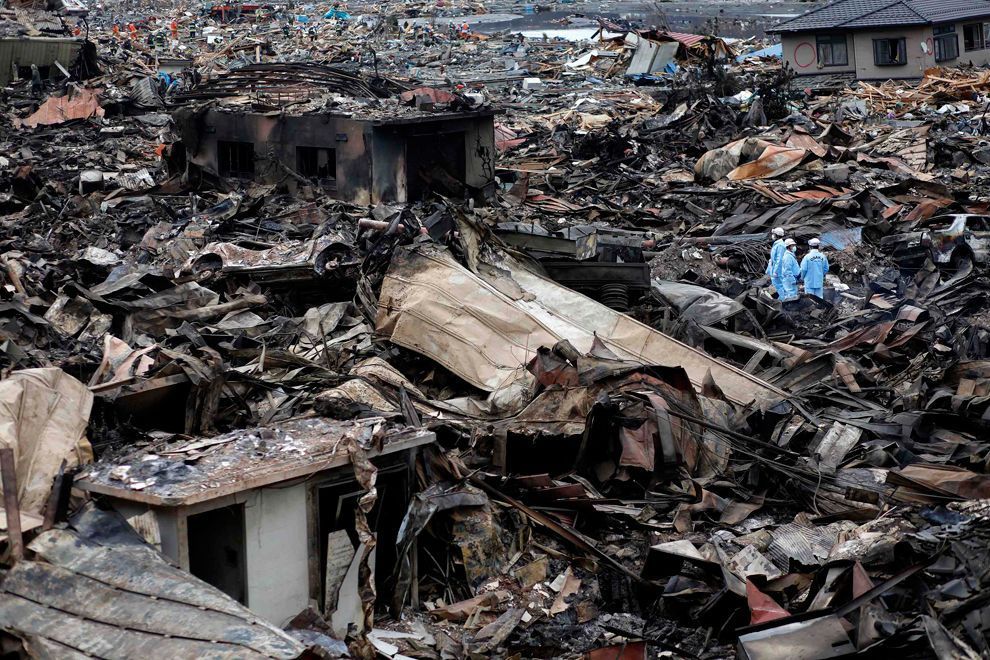
Kuji and Ōfunato were almost entirely destroyed. Also destroyed was Rikuzentakata, where the tsunami was reportedly three stories high. Other cities reportedly destroyed or heavily damaged by the tsunami include Kamaishi, Miyako, Ōtsuchi, and Yamada (in Iwate Prefecture), Namie, Sōma and Minamisōma (in Fukushima Prefecture) and Shichigahama, Higashimatsushima, Onagawa, Natori, Ishinomaki, and Kesennuma (in Miyagi Prefecture). The most severe effects of the tsunami were felt along a 670-km (420 mi)-long stretch of coastline from Erimo in the north to Ōarai in the south, with most of the destruction in that area occurring in the hour following the earthquake. Near Ōarai, people captured images of a huge whirlpool that had been generated by the tsunami. The tsunami washed away the sole bridge to Miyatojima, Miyagi, isolating the island's 900 residents. A two meter high tsunami hit Chiba Prefecture about 2 1/2 hours after the quake, causing heavy damage to cities such as Asahi.
On 13 March 2011, the Japan Meteorological Agency (JMA) published details of tsunami observations recorded around the coastline of Japan following the earthquake. These observations included tsunami maximum readings of over 3 m (9.8 ft) at the following locations and times on 11 March 2011, following the earthquake at 14:46 JST:
- 15:12 JST – Iwate Kamaishi-oki – 6.8 m (22 ft)
- 15:15 JST – Ōfunato – 3.2 m (10 ft) or higher
- 15:20 JST – Ishinomaki-shi Ayukawa – 3.3 m (11 ft) or higher
- 15:21 JST – Miyako – 4.0 m (13.1 ft) or higher
- 15:21 JST – Kamaishi – 4.1 m (13 ft) or higher
- 15:44 JST – Erimo-cho Shoya – 3.5 m (11 ft)
- 15:50 JST – Sōma – 7.3 m (24 ft) or higher
- 16:52 JST – Ōarai – 4.2 m (14 ft)
These readings were obtained from recording stations maintained by the JMA around the coastline of Japan. Many areas were also affected by waves of 1 to 3 meters (3.3 to 9.8 ft) in height, and the JMA bulletin also included the caveat that "At some parts of the coasts, tsunamis may be higher than those observed at the observation sites." The timing of the earliest recorded tsunami maximum readings ranged from 15:12 to 15:21, between 26 and 35 minutes after the earthquake had struck. The bulletin also included initial tsunami observation details, as well as more detailed maps for the coastlines affected by the tsunami waves.
On 23 March 2011, Port and Airport Research Institute reported tsunami height by visiting the port sites or by telemetry from offshore as follows:
- Port of Hachinohe – 5–6 m (16–19 ft)
- Port of Hachinohe area – 8–9 m (26–29 ft)
- Port of Kuji – 8–9 m (26–29 ft)
- Mooring GPS wave height meter at offshore of central Iwate (Miyako) – 6 m (20 ft)
Port of Kamaishi – 7–9 m (23–30 ft) - Mooring GPS wave height meter at offshore of southern Iwate (Kamaishi) – 6.5 m (22 ft)
- Port of Ōfunato – 9.5 m (31 ft)
- Run up height, port of Ōfunato area – 24 m (79 ft)
- Mooring GPS wave height meter at offshore of northern Miyagi – 5.6 m (18 ft)
- Fishery port of Onagawa – 15 m (50 ft)
- Port of Ishinomaki – 5 m (16 ft)
- Mooring GPS wave height meter at offshore of central Miyagi – could not measure
- Shiogama section of Shiogama-Sendai port – 4 m (13 ft)
- Sendai section of Shiogama-Sendai port – 8 m (26 ft)
- Sendai Airport area – 12 m (39 ft)
A joint research team from Yokohama National University and the University of Tokyo also reported that the tsunami at Ryōri Bay (綾里白浜), Ōfunato was about 30 m high. They found fishing equipment scattered on the high cliff above the bay. At Tarō, Iwate, a University of Tokyo researcher reported an estimated tsunami height of 37.9 m (124 ft) reached the slope of a mountain some 200 m (656 ft) away from the coastline. Also, at slope of nearby mountain from 400 m (1,312 ft) Aneyoshi fishery port (姉吉漁港) of Omoe peninsula (重茂半島) in Miyako, Iwate, Tokyo University of Marine Science and Technology found estimated tsunami run up height of 38.9 m (127 ft). This height is deemed the record in Japan historically, as of reporting date, that exceeds 38.2 m (125 ft) from the 1896 Meiji-Sanriku earthquake.
Elsewhere across the Pacific
Shortly after the earthquake, the Pacific Tsunami Warning Center (PTWC) in Hawaii issued tsunami watches and warnings for locations in the Pacific. At 07:30 UTC, PTWC issued a widespread tsunami warning covering the entire Pacific Ocean. Russia evacuated 11,000 residents from coastal areas of the Kuril Islands. The United States West Coast and Alaska Tsunami Warning Center issued a tsunami warning for the coastal areas of most of California, all of Oregon, and the western part of Alaska, and a tsunami advisory covering the Pacific coastlines of most of Alaska, and all of Washington and British Columbia, Canada. In California and Oregon, up to 2.4 m (8 ft) high tsunami surges hit some areas, damaging docks and harbors and causing over US$10 million of damage. Surges of up to 1 m (3.3 ft) hit Vancouver Island in Canada prompting some evacuations, and causing boats to be banned from the waters surrounding the island for 12 hours following the wave strike, leaving many island residents in the area without means of getting to work.
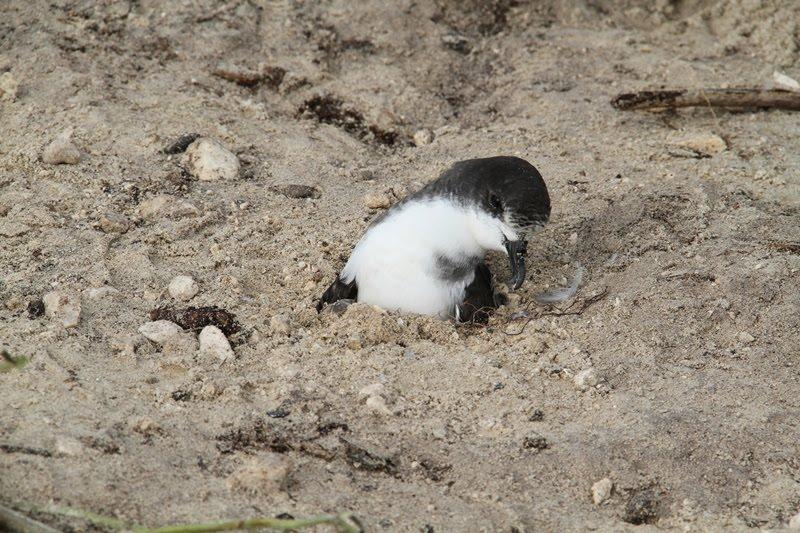
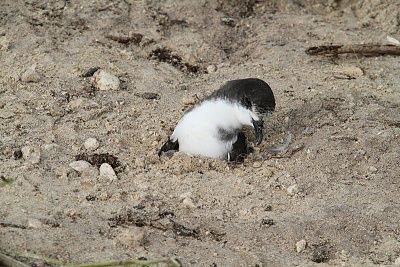 A Bonin Petrel, trapped in the sand on Midway Atoll by the tsunami, before being rescued.
In the Philippines, waves up to 0.5 m (1.6 ft) high hit the eastern seaboard of the country. Some houses along the coast in Jayapura, Indonesia were destroyed. Authorities in Wewak, East Sepik, Papua New Guinea evacuated 100 patients from the city's Boram Hospital before it was hit by the waves, causing an estimated US$4 million in damages. Hawaii estimated damage to public infrastructure alone at US$3 million, with damage to private properties, including resort hotels such as Four Seasons Resort Hualalai, estimated at tens of millions of dollars. It was reported that a 1.5 m (5 ft) high wave completely submerged Midway Atoll's reef inlets and Spit Island, killing more than 110,000 nesting seabirds at the Midway Atoll National Wildlife Refuge. Some other South Pacific countries, including Tonga and New Zealand, and U.S. territories American Samoa and Guam, experienced larger-than-normal waves, but did not report any major damage. However in Guam some roads were closed off and people were evacuated from low-lying areas.
Along the Pacific Coast of Mexico and South America, tsunami surges were reported, but in most places caused little or no damage. Peru reported a wave of 1.5 m (5 ft) and more than 300 homes damaged. The surge in Chile was large enough to damage more than 200 houses, with waves of up to 3 m (9.8 ft). In the Galapagos Islands, 260 families received assistance following a 3 m (9.8 ft) surge which arrived 20 hours after the earthquake, after the tsunami warning had been lifted. There was a great deal of damage to buildings on the islands and one man was injured but there were no reported fatalities.
Casualties
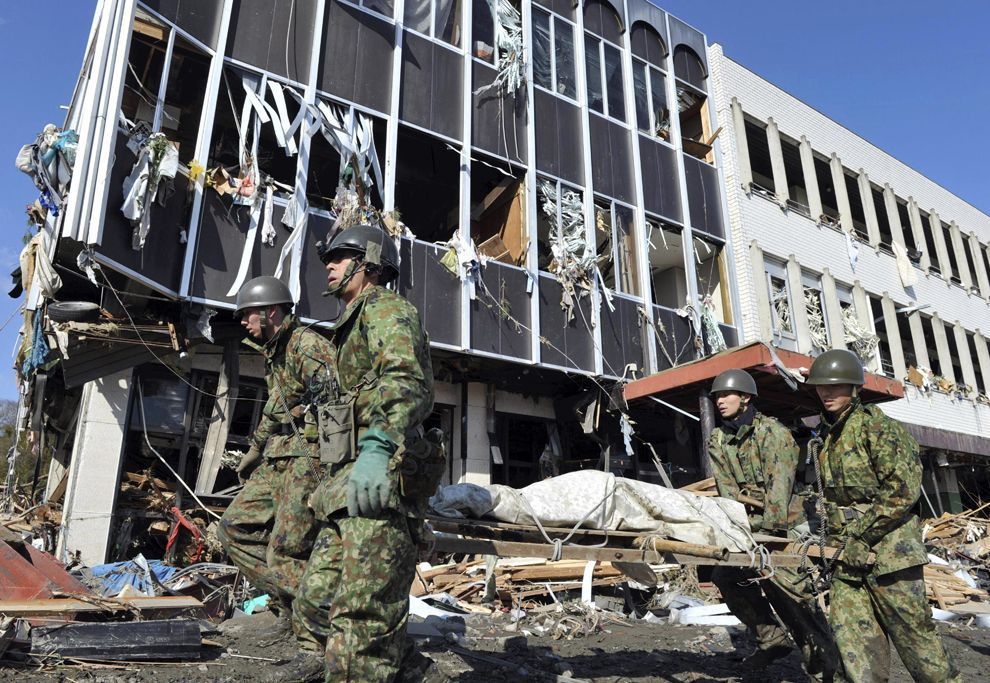
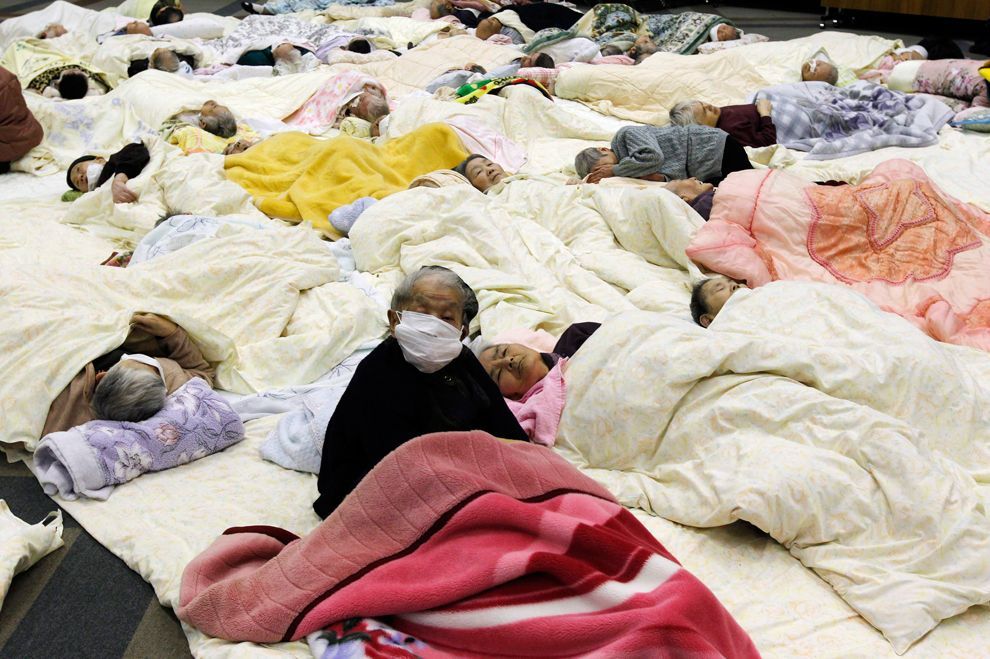
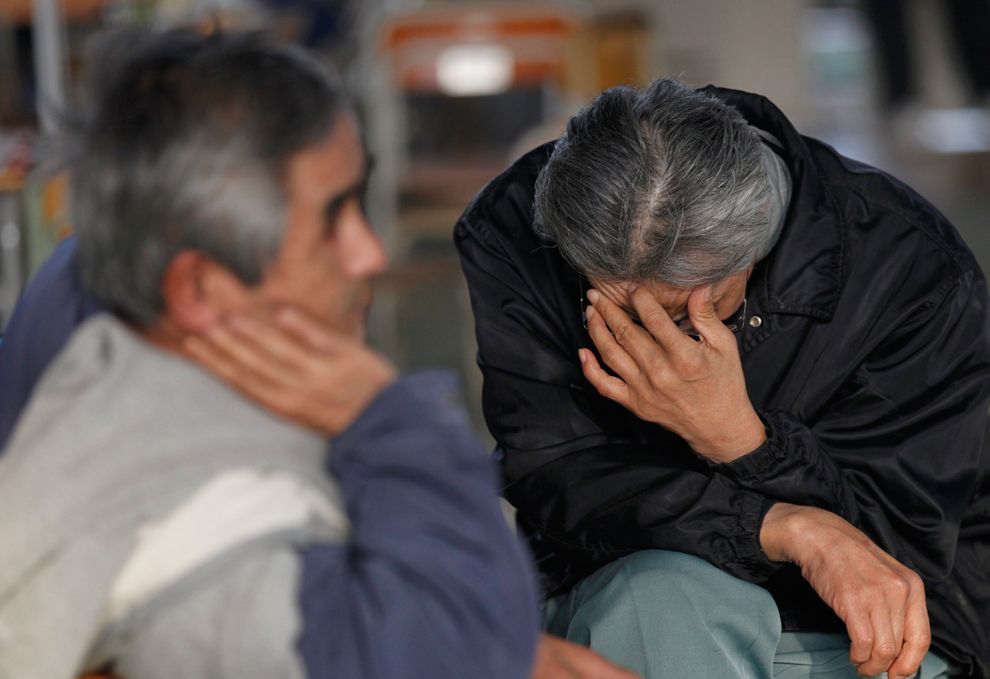
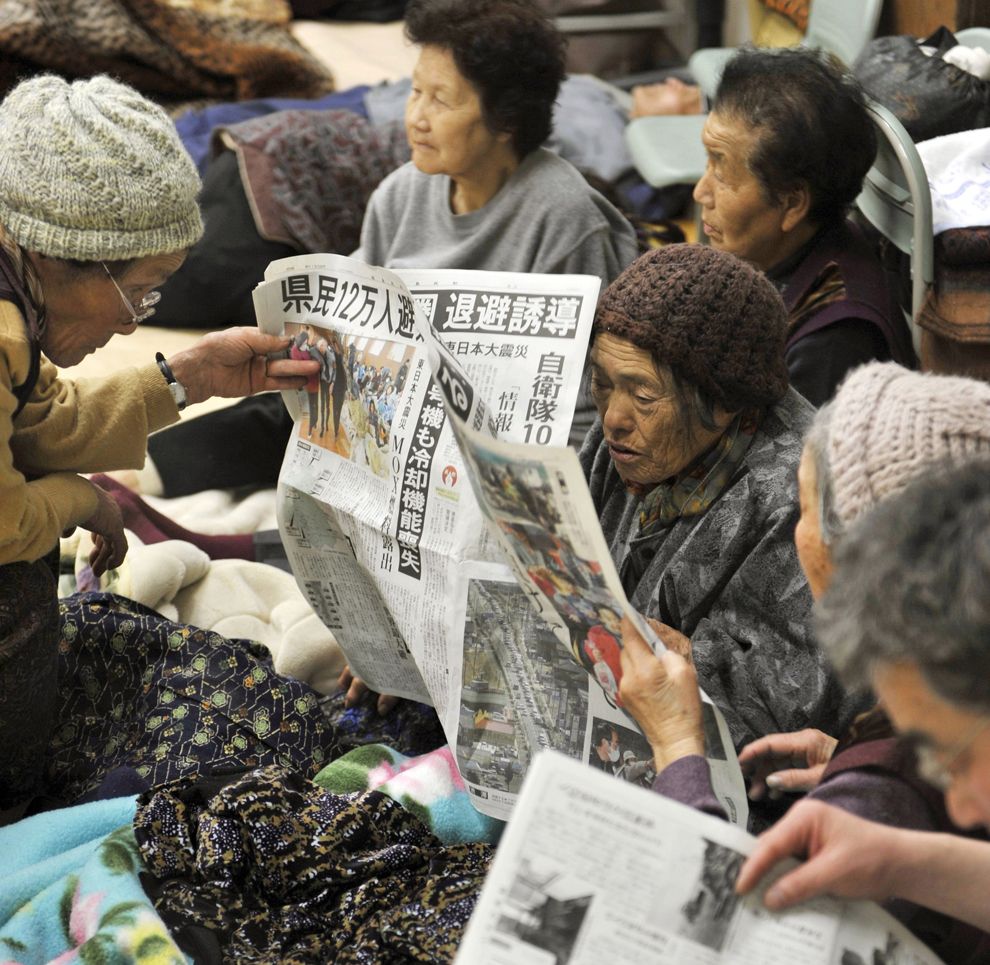
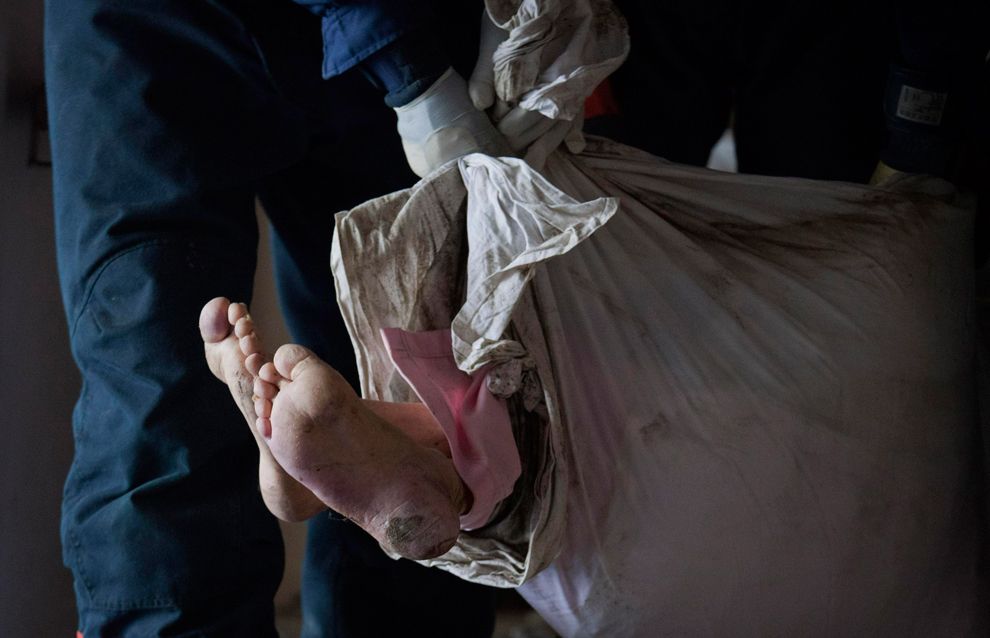
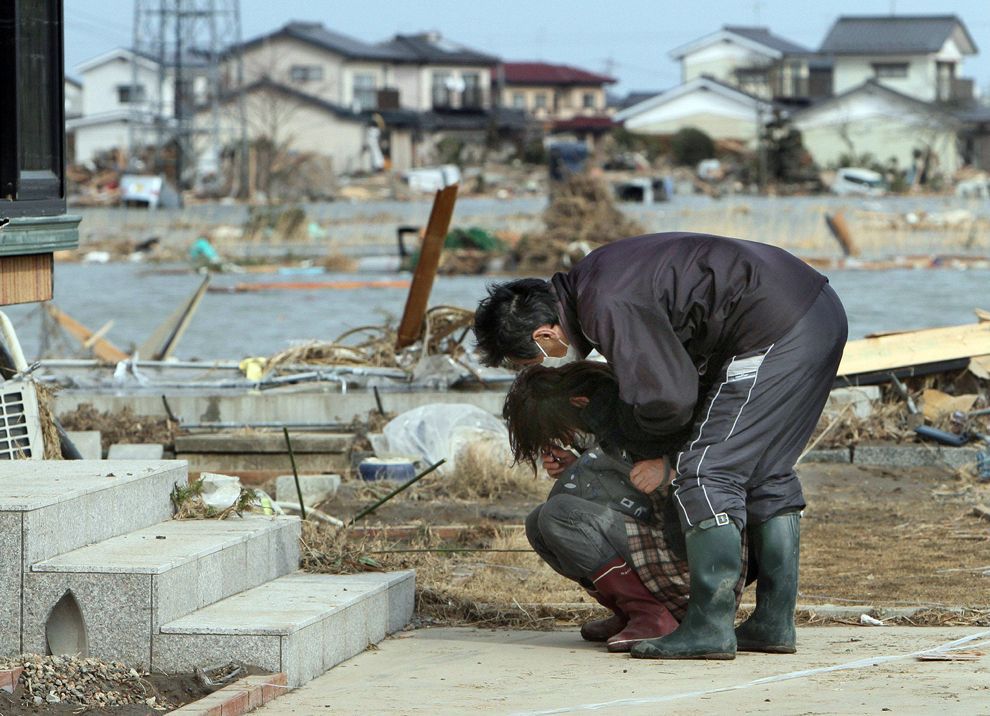
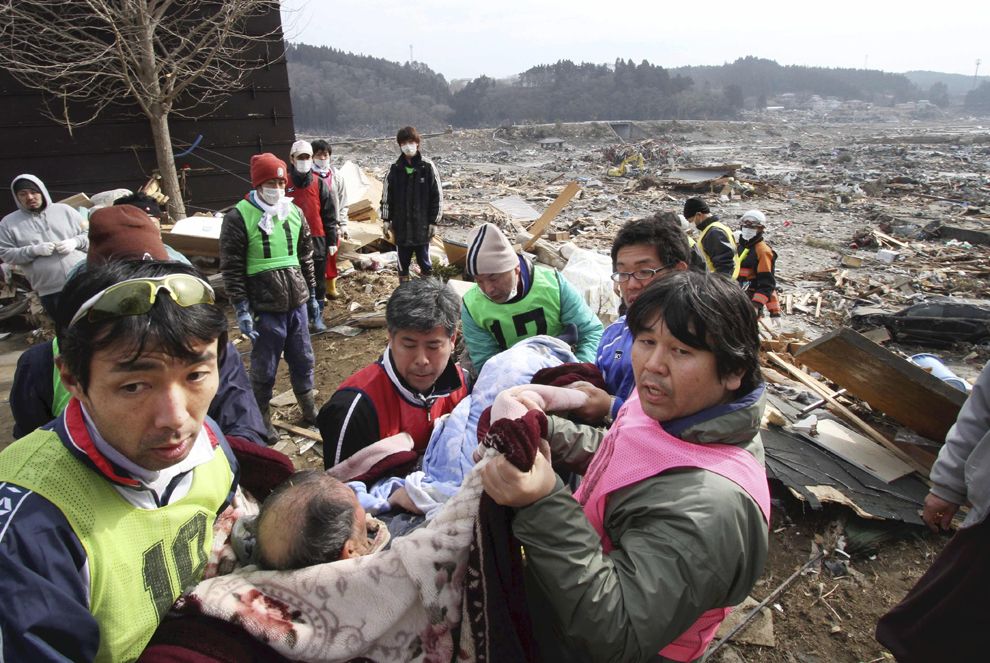
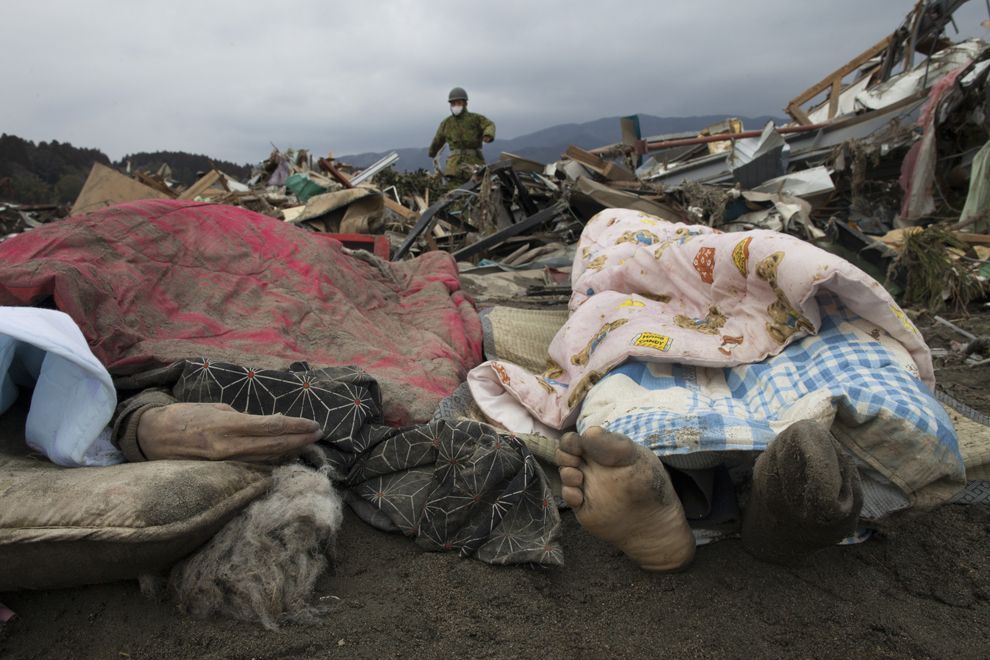
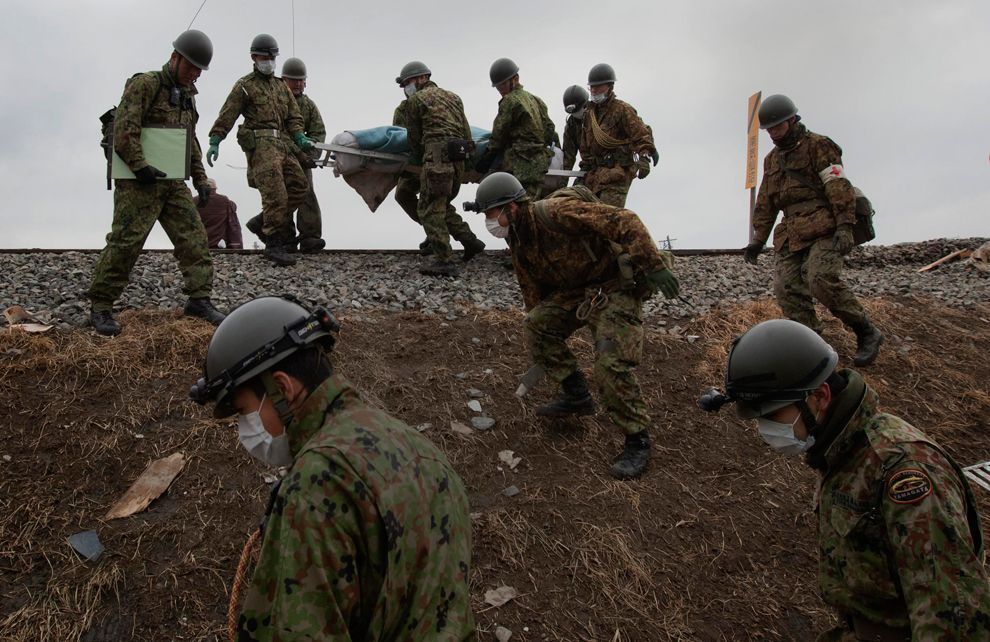
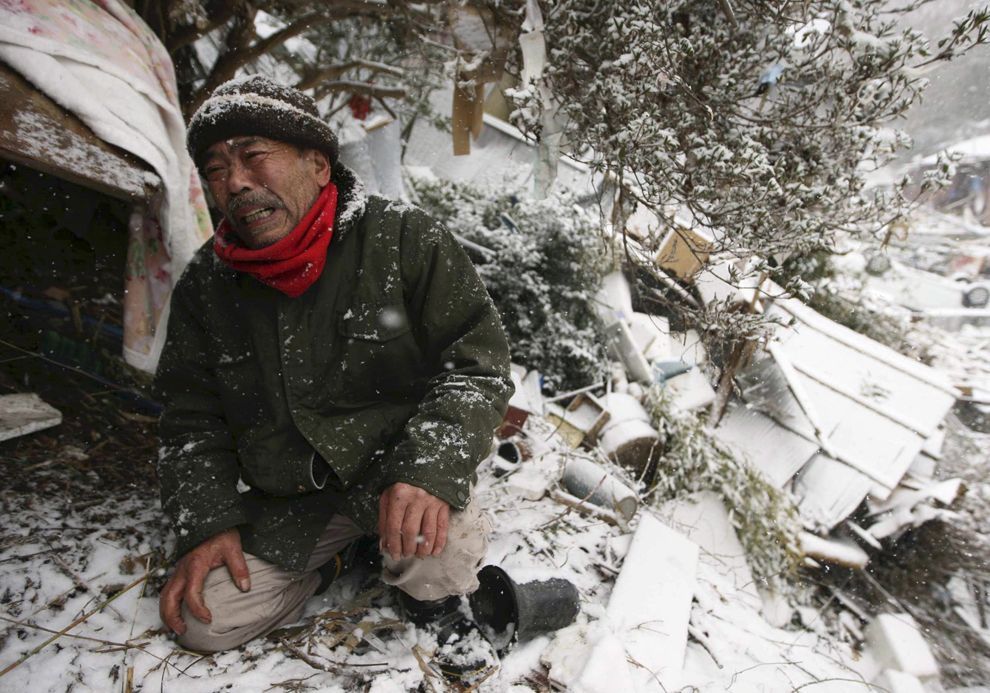
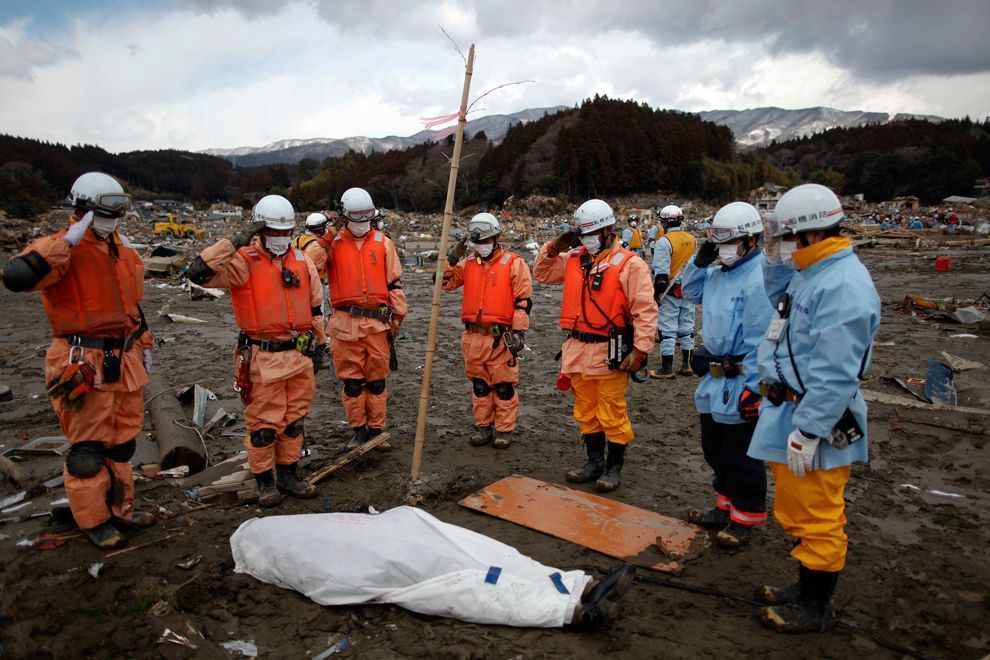
The National Police Agency has confirmed 14,416 deaths, 5,314 injured, and 11,889 people missing across eighteen prefectures. Prefectural officials and the Kyodo News Agency, quoting local officials, said that 9,500 people from Minamisanriku in Miyagi Prefecture—about a half of the town's population—were unaccounted for the day after the earthquake, and on the same day NHK reported that the death toll in Iwate Prefecture alone might reach 10,000. On 14 March, Kyodo News Agency reported that some 2,000 bodies were found on two shores in Miyagi Prefecture. As of 12 April 2011, Yomiuri Shimbun reported that 282 people had died from post-earthquake-related factors, such as exposure to cold and wet weather, communicable disease and infection, unsanitary conditions, or inability to receive adequate medical care for pre-existing conditions.
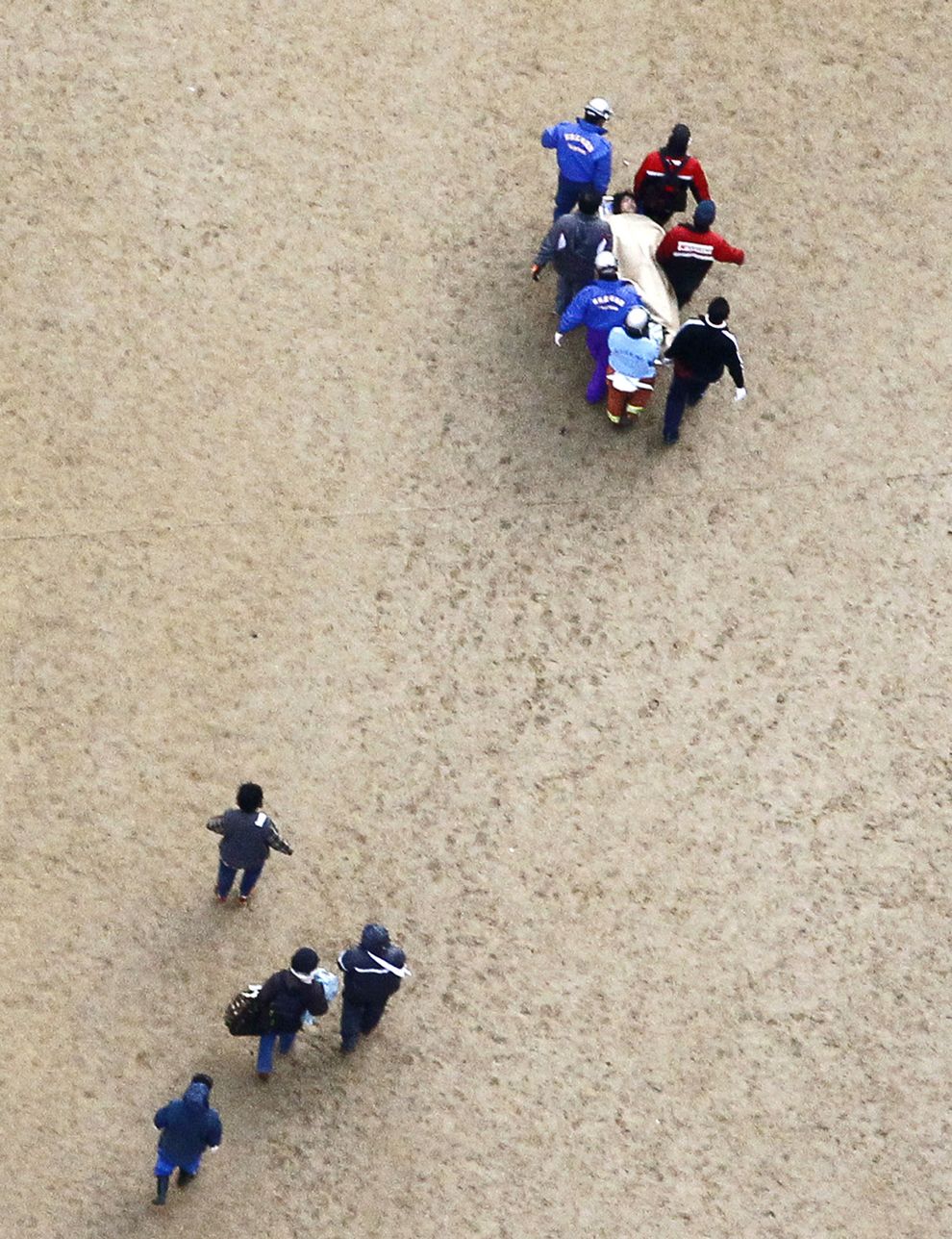
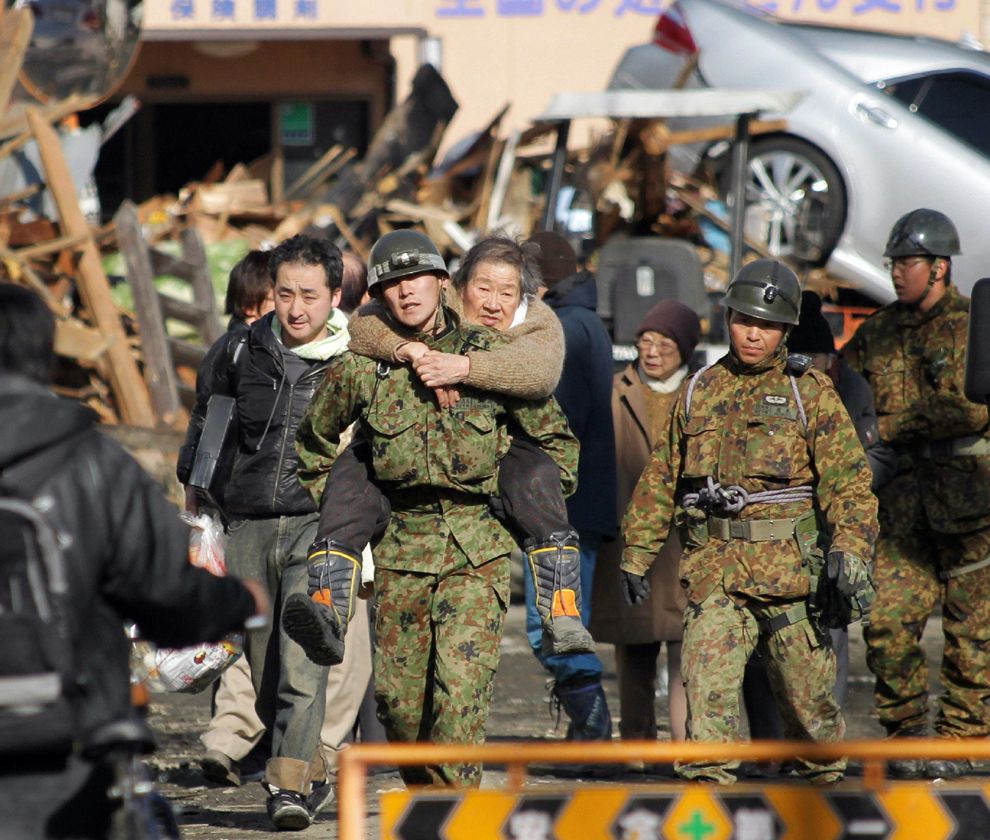
Of the 13,135 fatalities recovered by 11 April 2011, 12,143 or 92.5% died by drowning. Victims aged 60 or older accounted for 65.2% of the deaths, with 24% of total victims being in their 70s.
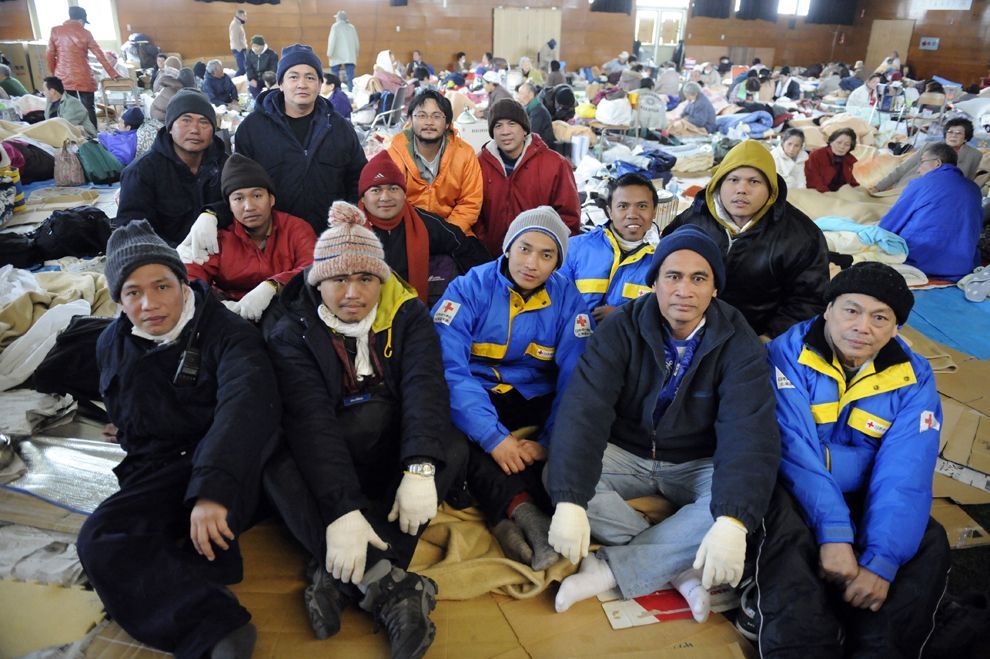
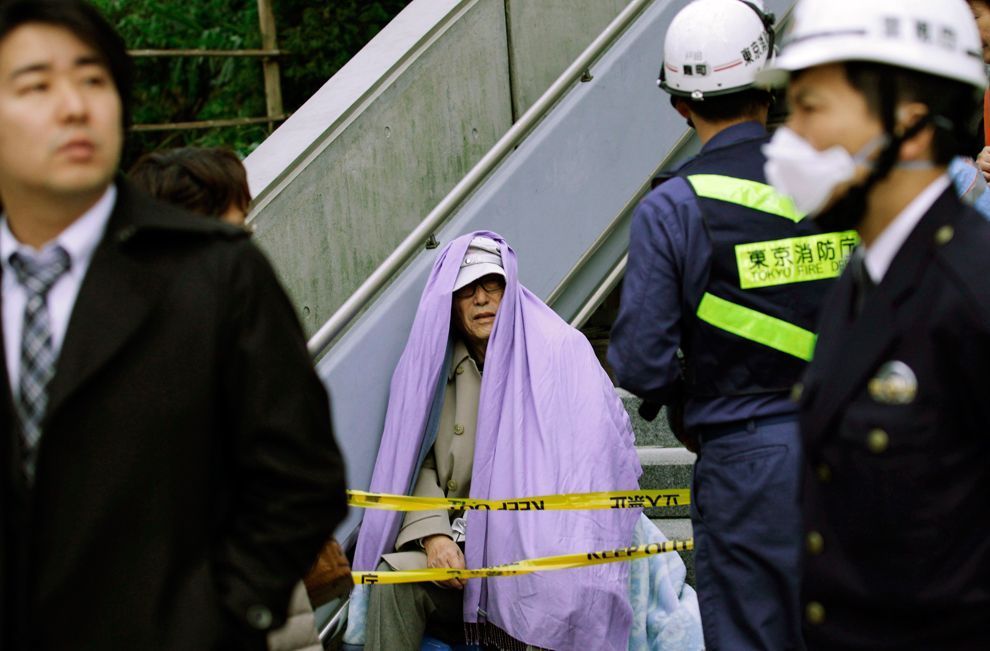
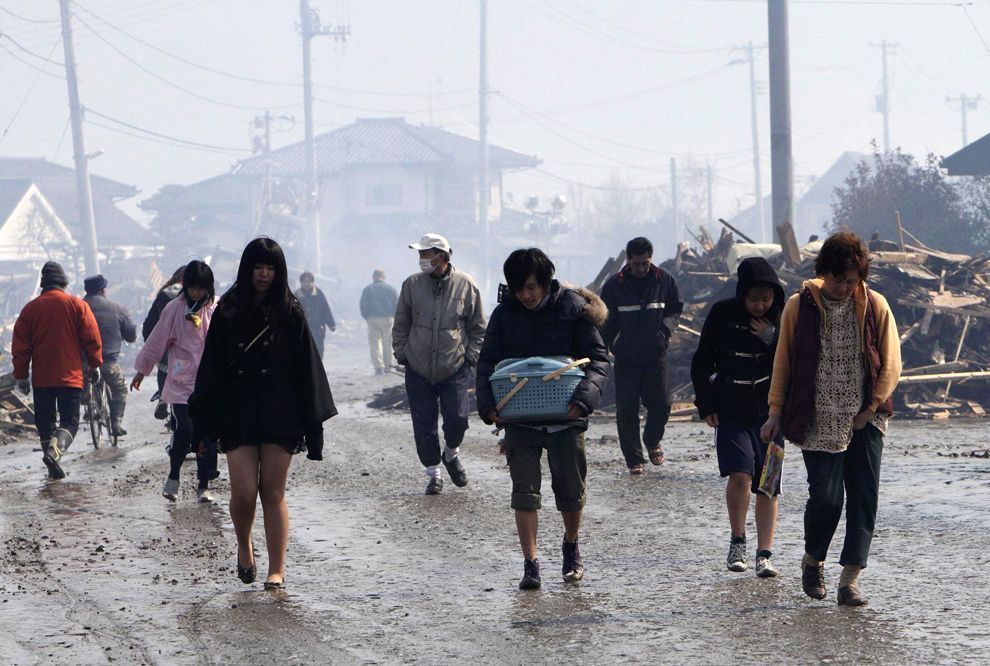
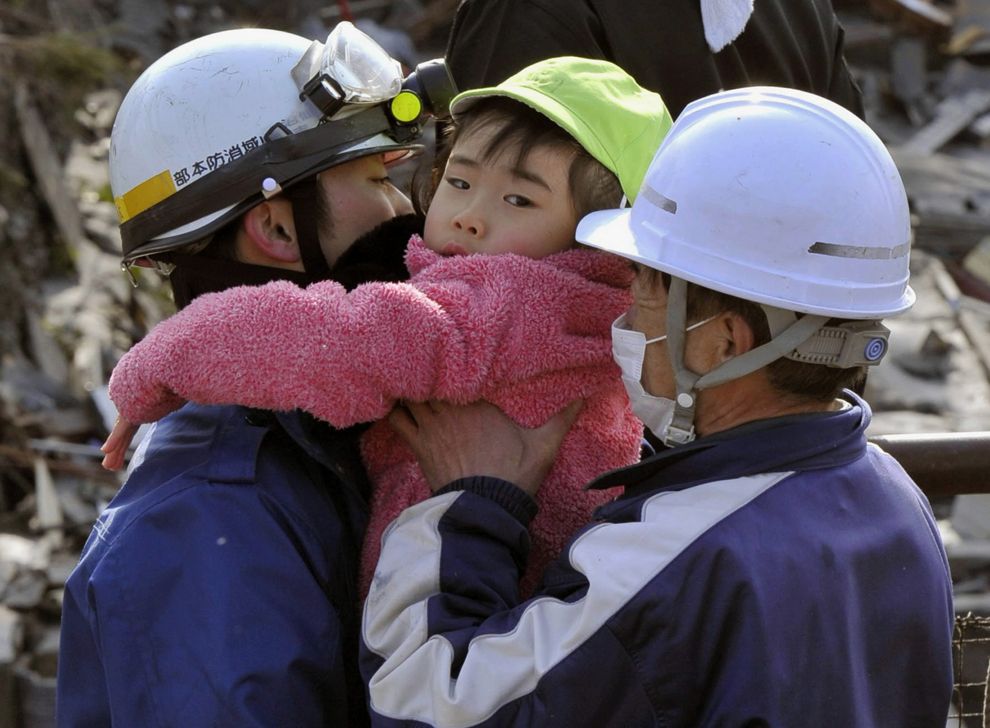
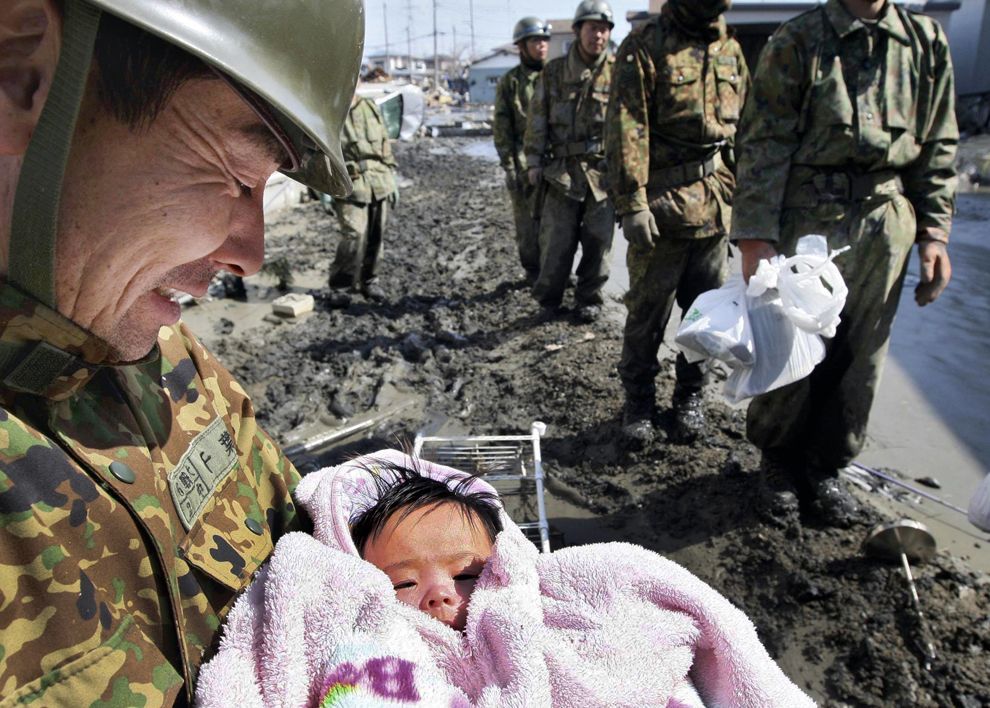
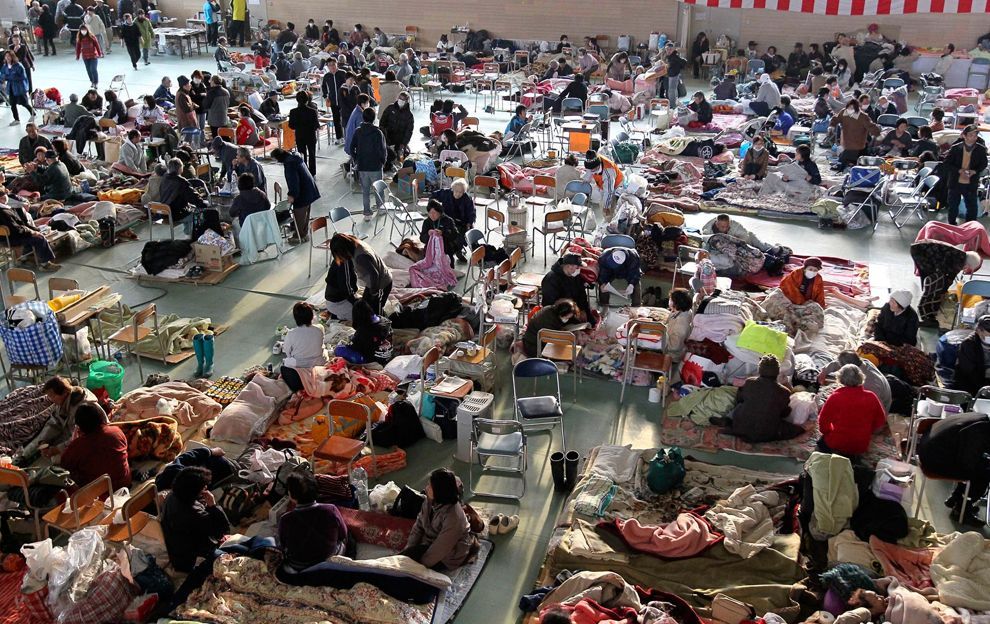
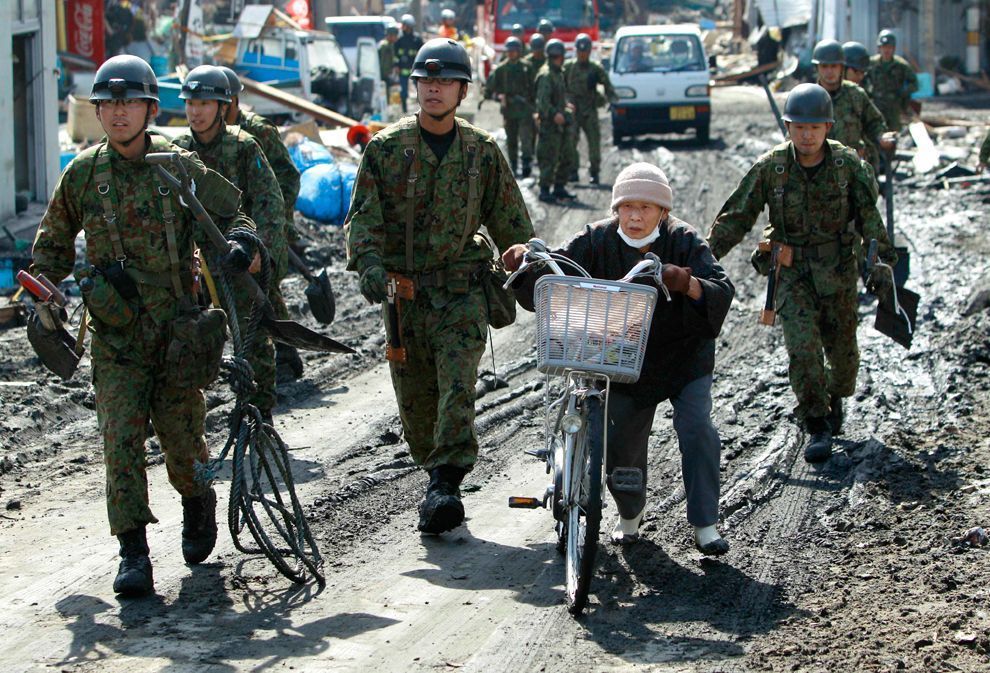
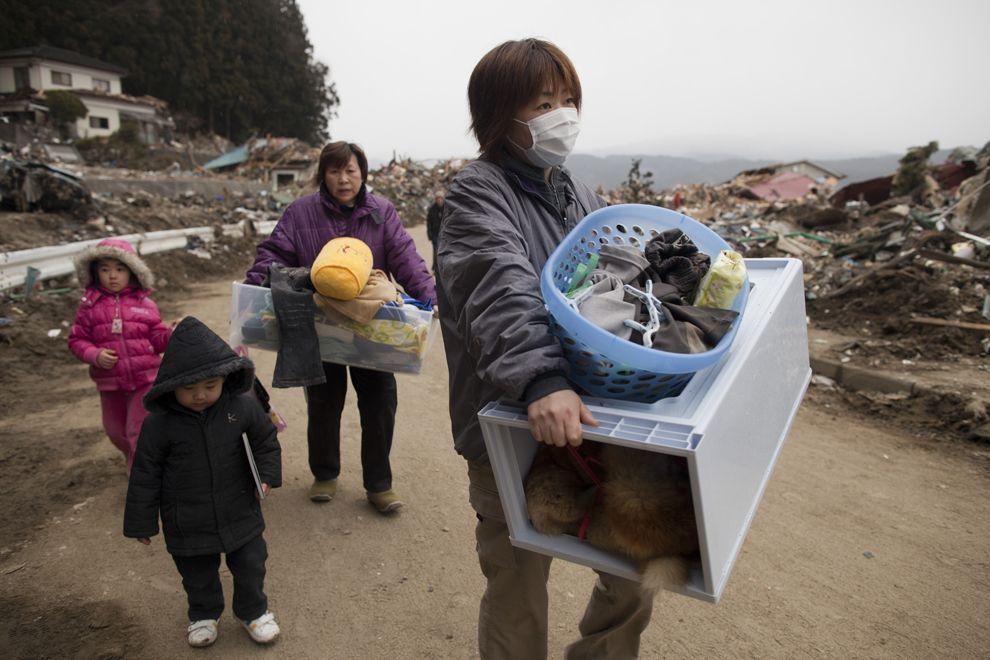
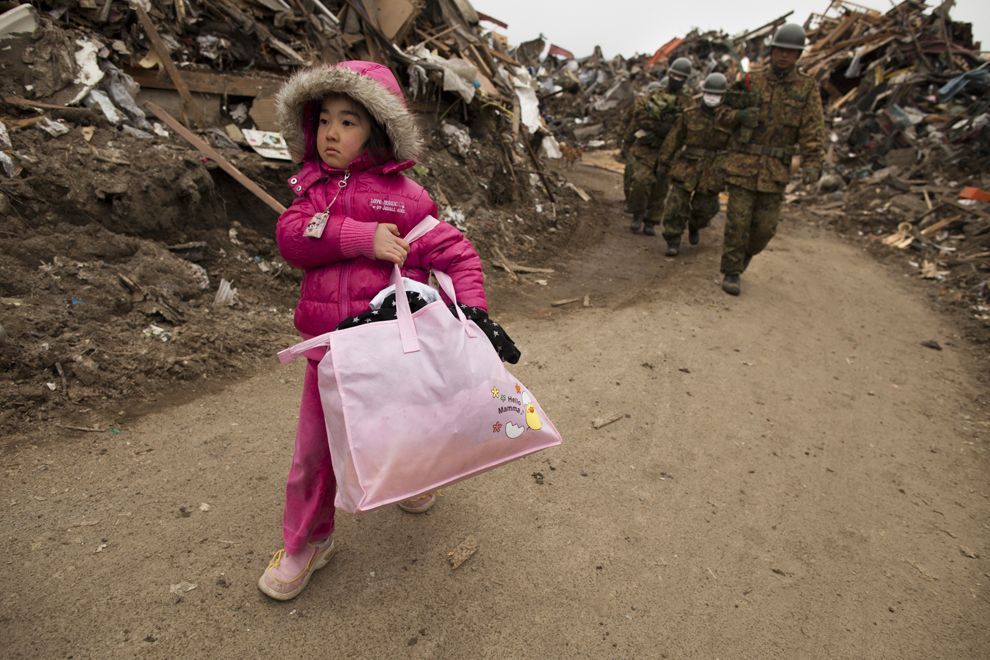
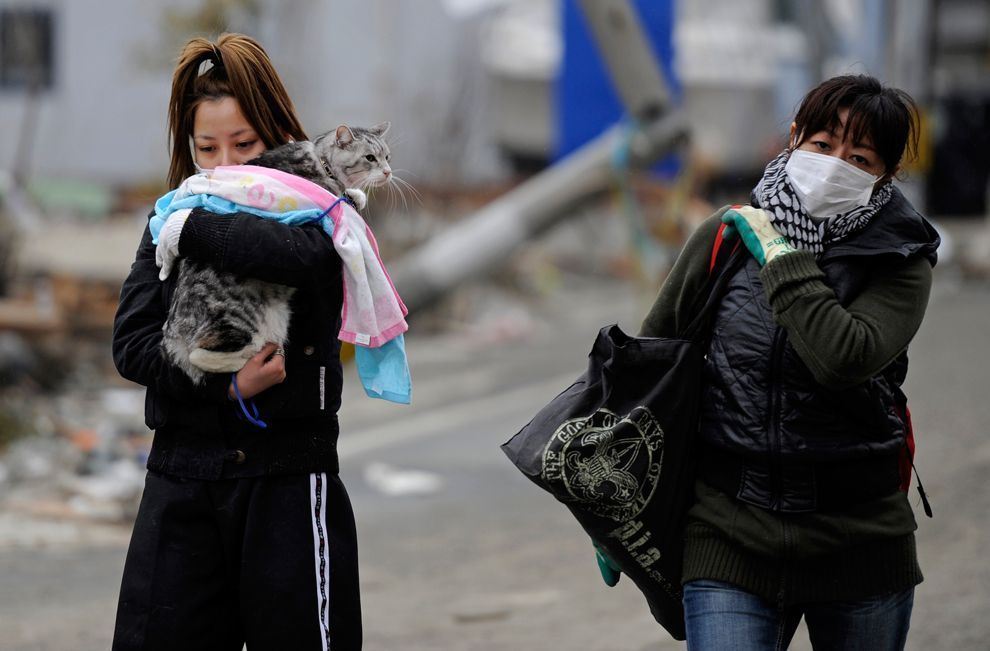
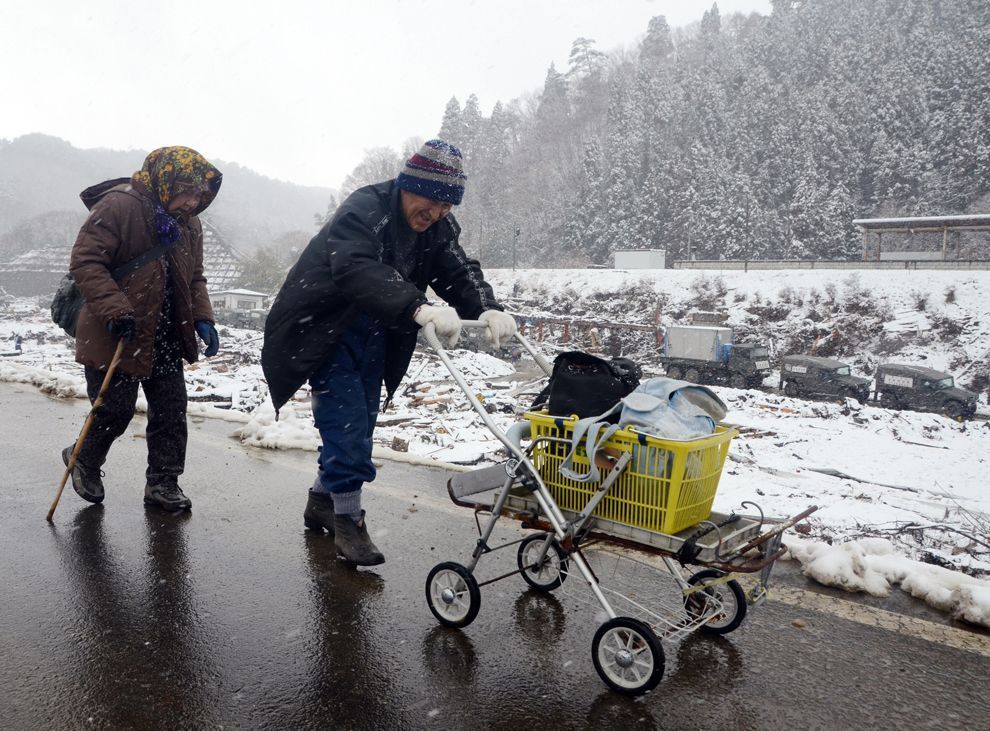
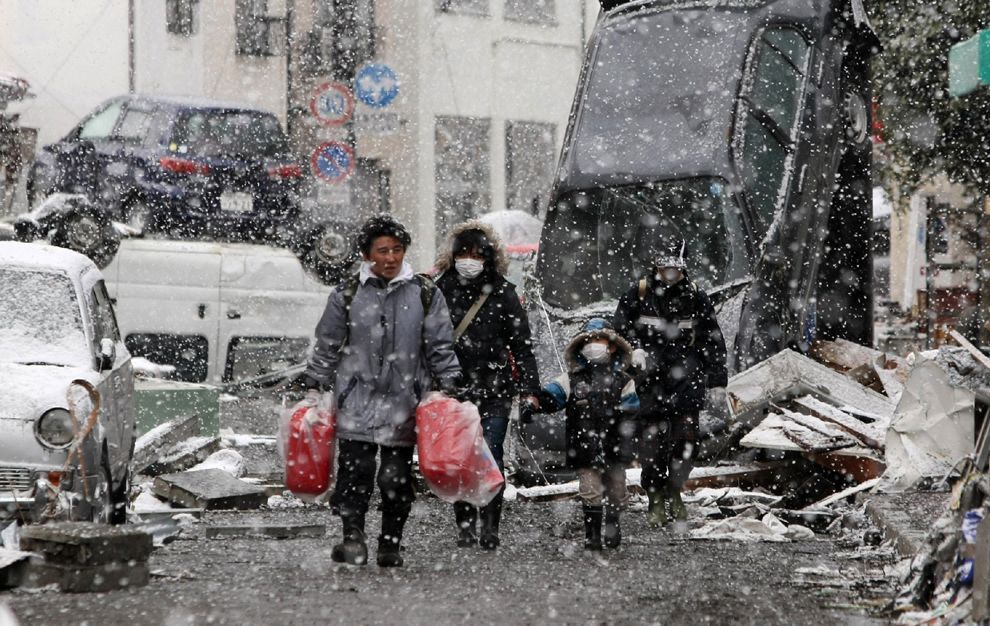
Save the Children reports that as many as 100,000 children were uprooted from their homes, some of whom were separated from their families because the earthquake occurred during the school day. As of 10 April 2011, Japan's Ministry of Health, Labour and Welfare stated that it was aware of at least 82 children who had been orphaned by the disaster.
The Japanese Foreign Ministry has confirmed the deaths of nineteen foreigners. Among them are two English teachers from the United States affiliated with the Japan Exchange and Teaching Program; a Canadian missionary in Shiogama; and citizens of China, North and South Korea, Taiwan, Pakistan and the Philippines.
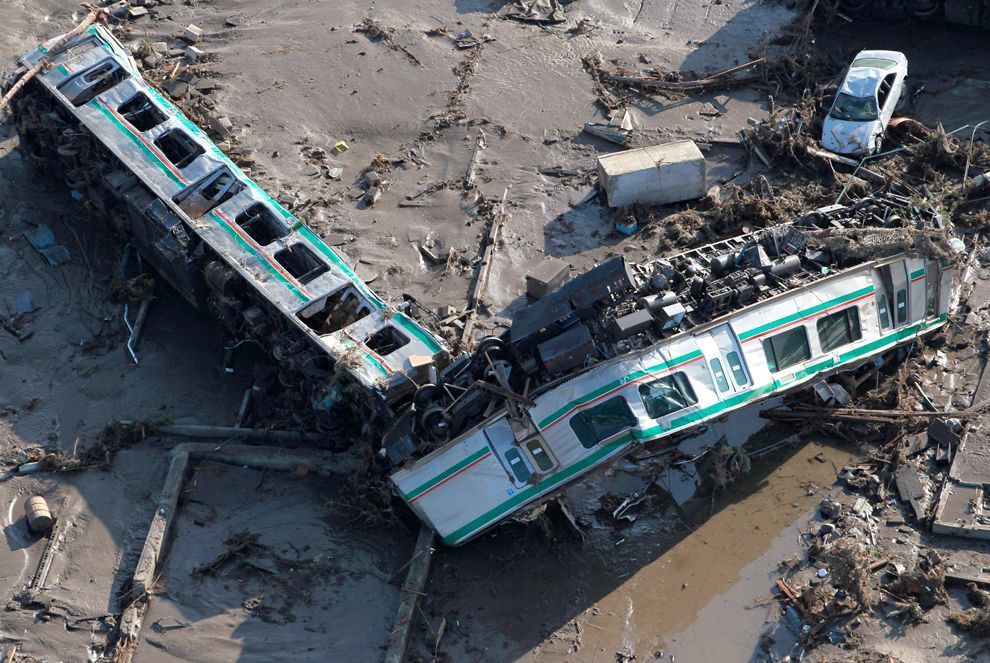
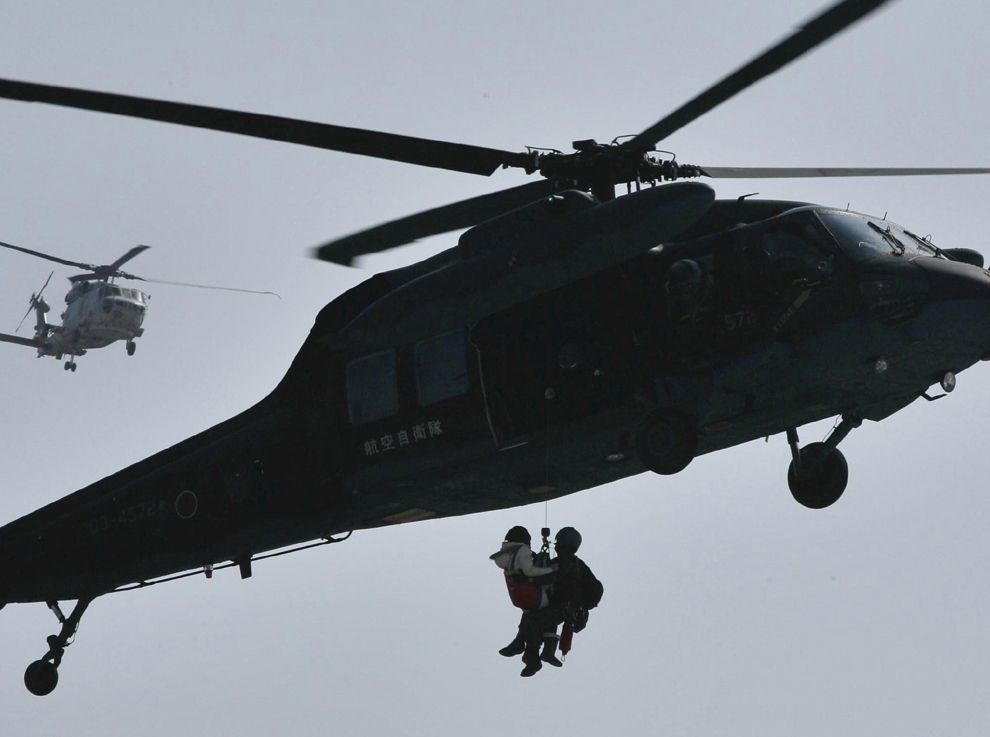
It was reported that four passenger trains containing an unknown number of passengers disappeared in a coastal area during the tsunami. One of the trains, on the Senseki Line, was found derailed in the morning; all passengers were rescued by a police helicopter. Der Spiegel later reported that five missing trains in Miyagi Prefecture had been found with all passengers safe, although this information could not be confirmed locally.
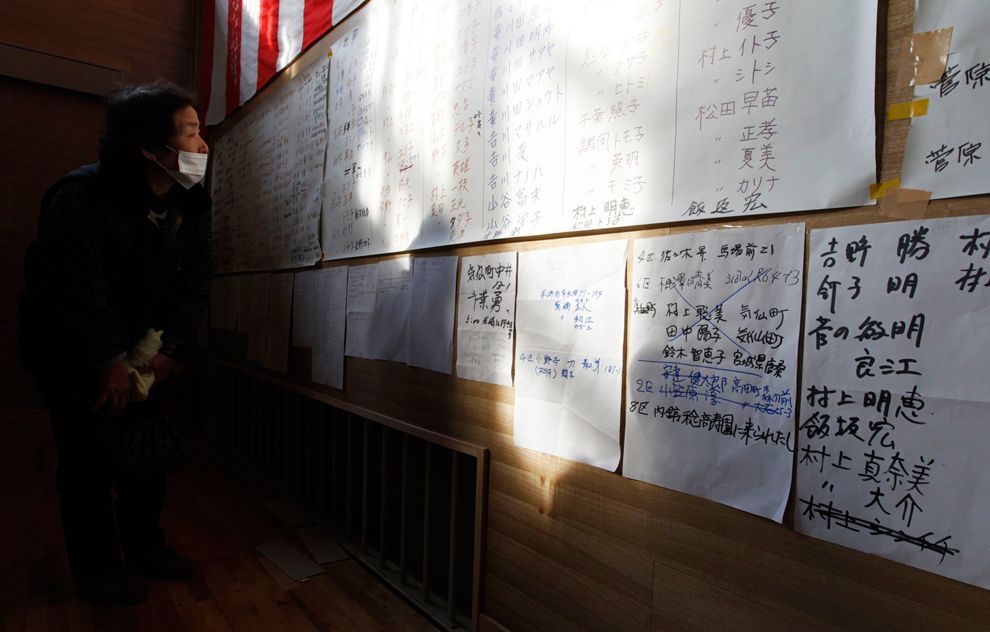
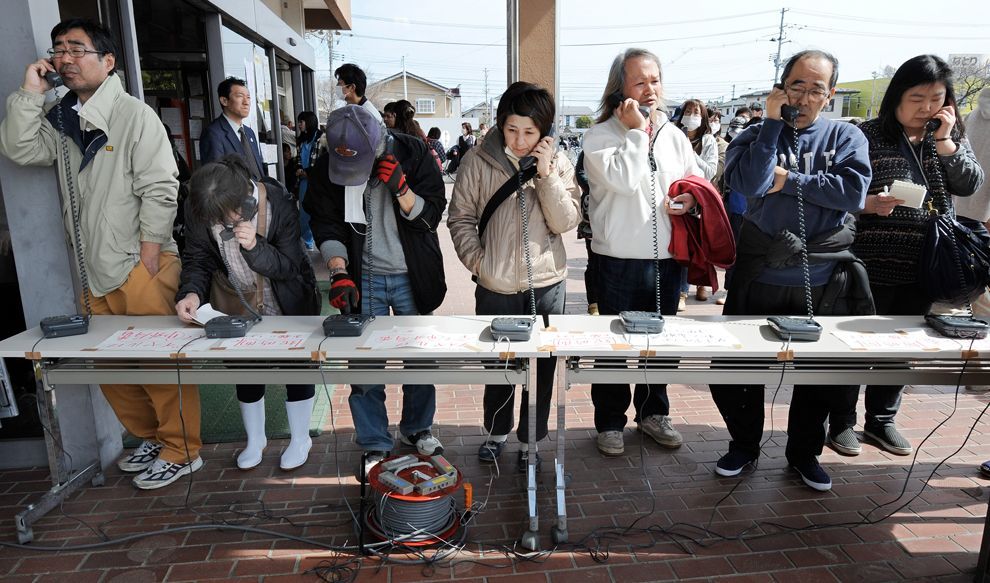
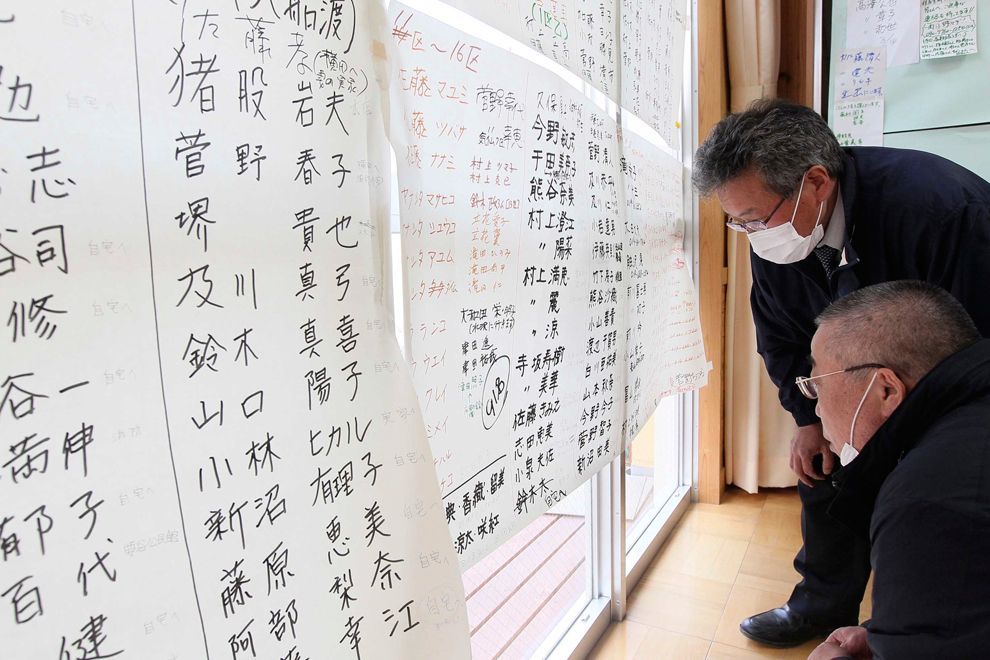
By 9:30 UTC on 11 March, Google Person Finder, which was previously used in the Haitian, Chilean, and Christchurch, New Zealand earthquakes, was collecting information about survivors and their locations. The Next of Kin Registry (NOKR) is assisting the Japanese government in locating next of kin for those missing or deceased.
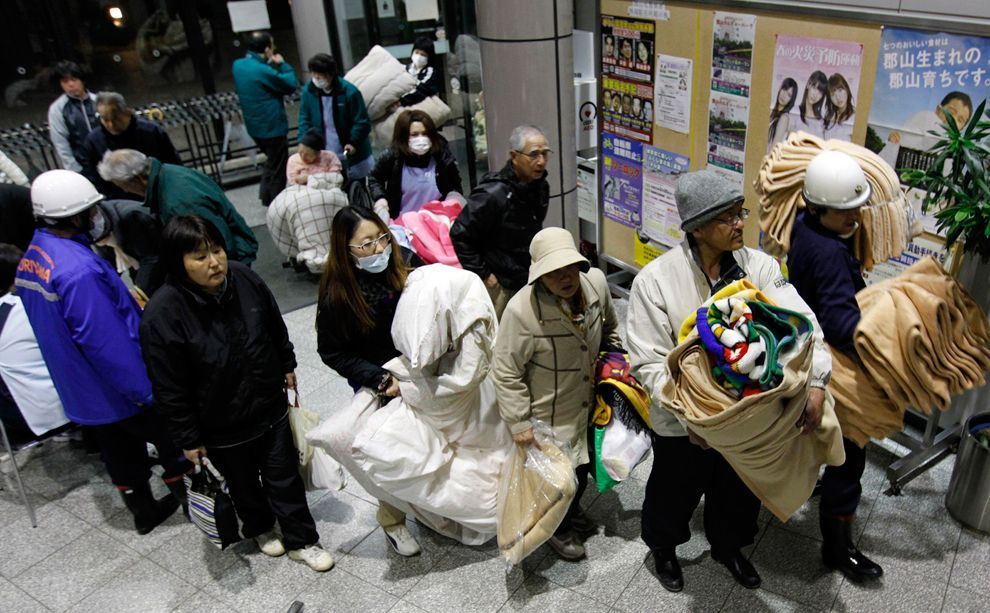
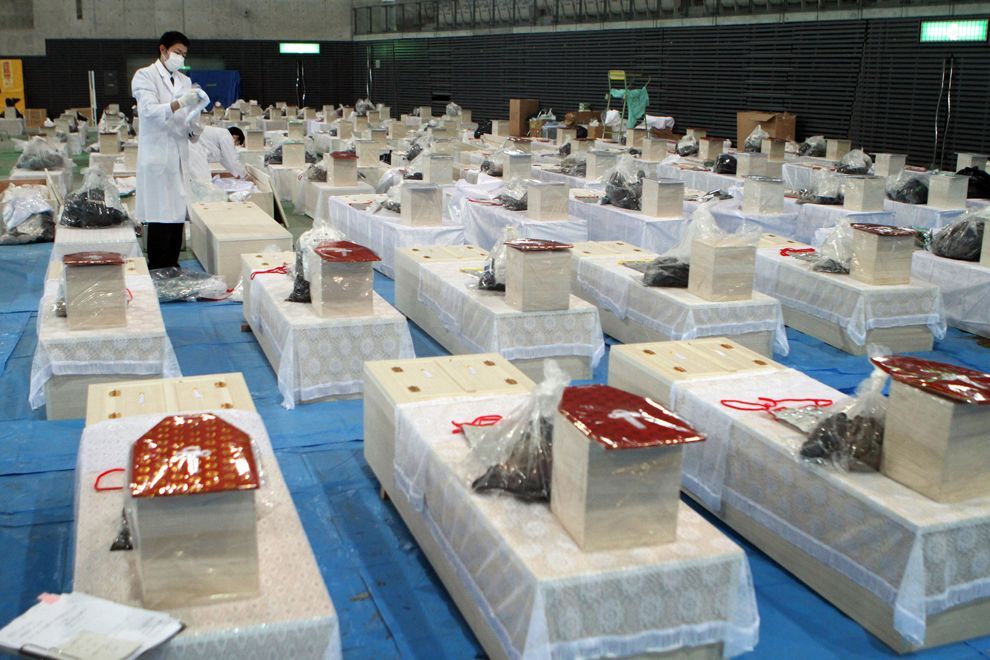
Japanese funerals are normally elaborate Buddhist ceremonies, which entail cremation. The thousands of bodies, however, exceed the capacity of available crematoriums and morgues, many of them damaged, and there are shortages of both kerosene—each cremation requires 50 liters—and dry ice for preservation. The single crematorium in Higashimatsushima, for example, can only handle four bodies a day, although hundreds have been found there and hundreds of people are still missing. Governments and the military have thus been forced to bury many bodies in hastily dug mass graves with rudimentary or no rites, although relatives of the deceased have been promised that cremation will occur later.
The tsunami is reported to have caused several deaths outside of Japan. One man was killed in Jayapura, Papua, Indonesia after being swept out to sea. A man who is said to have been attempting to photograph the oncoming tsunami at the mouth of the Klamath River, south of Crescent City, California, was swept out to sea. His body was found on April 2 along Ocean Beach in Fort Stevens State Park, Oregon, some 330 miles north of where he had been swept out to sea.
Damage and effects
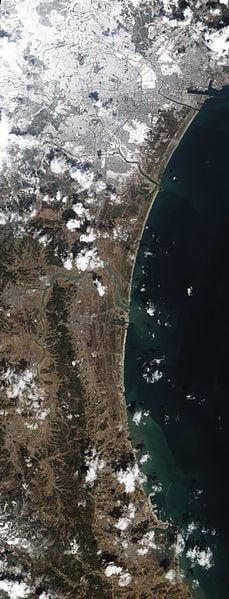
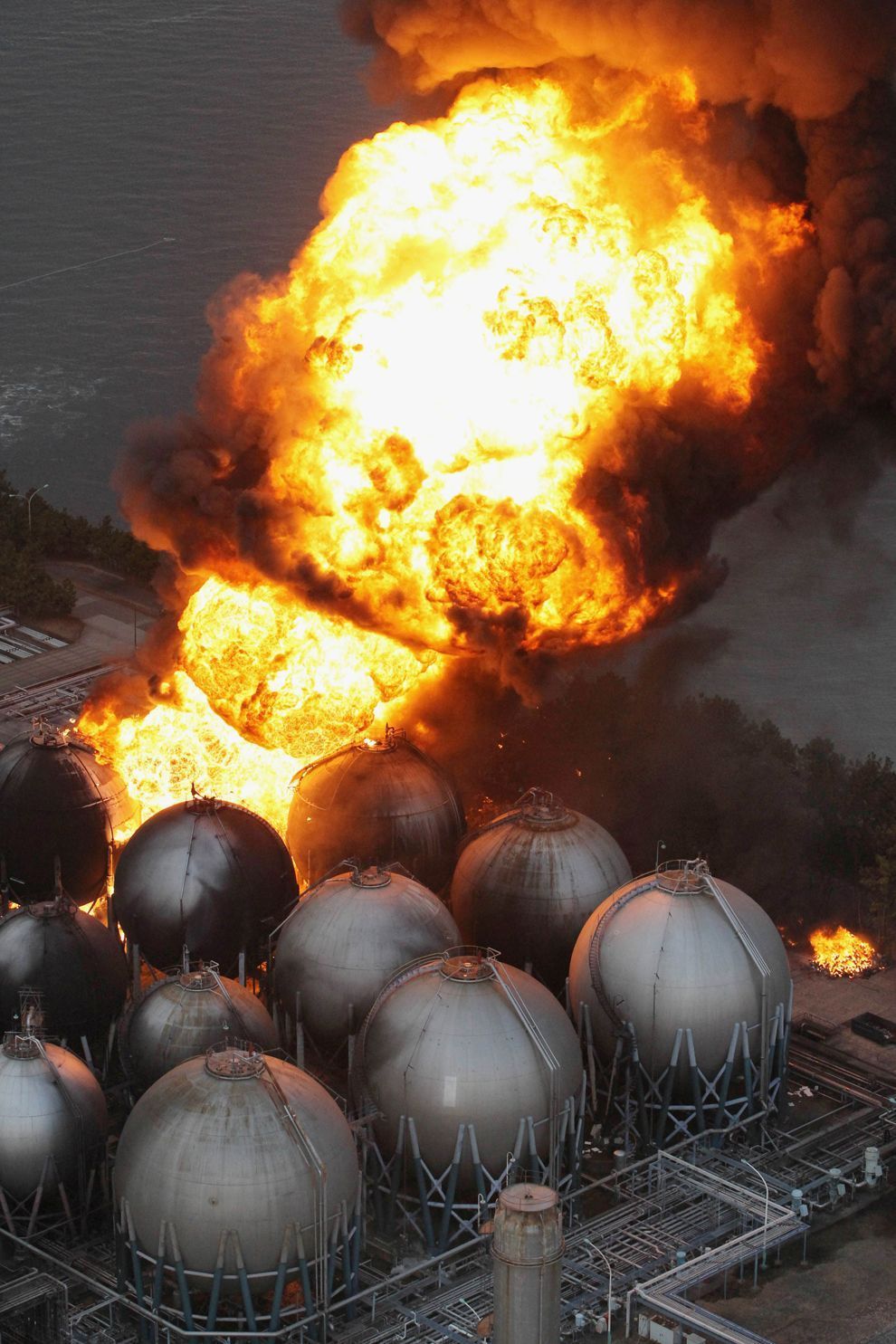
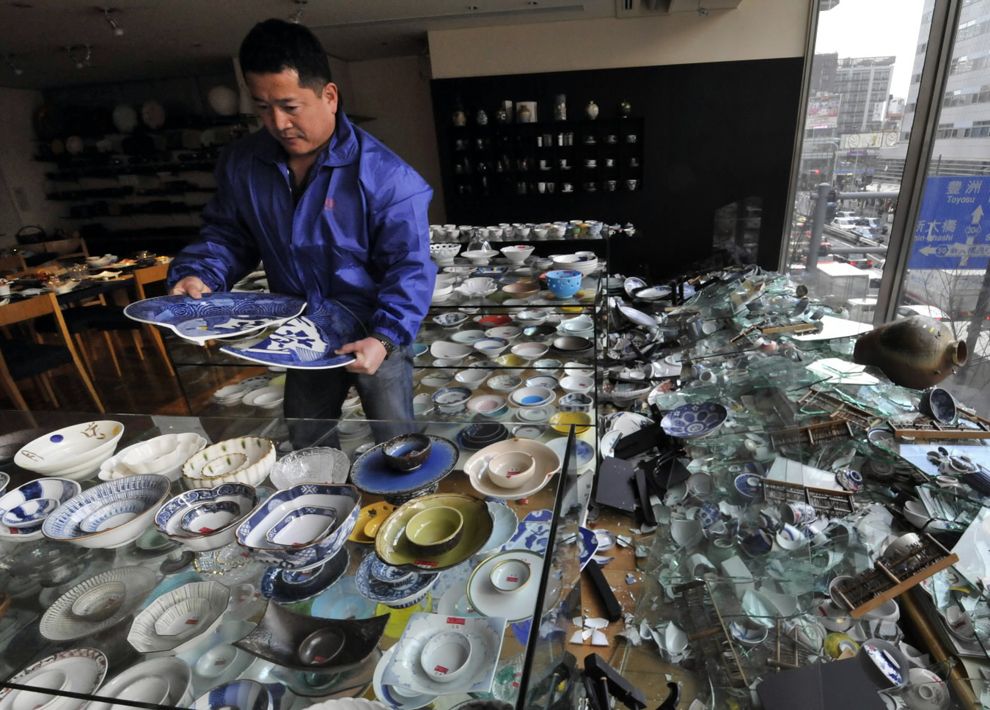
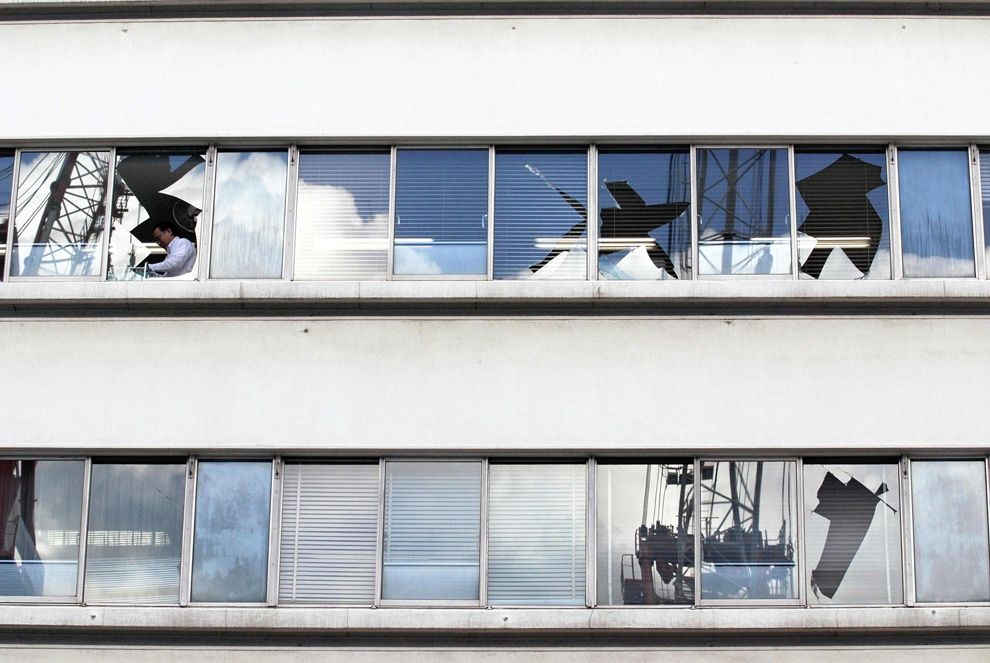
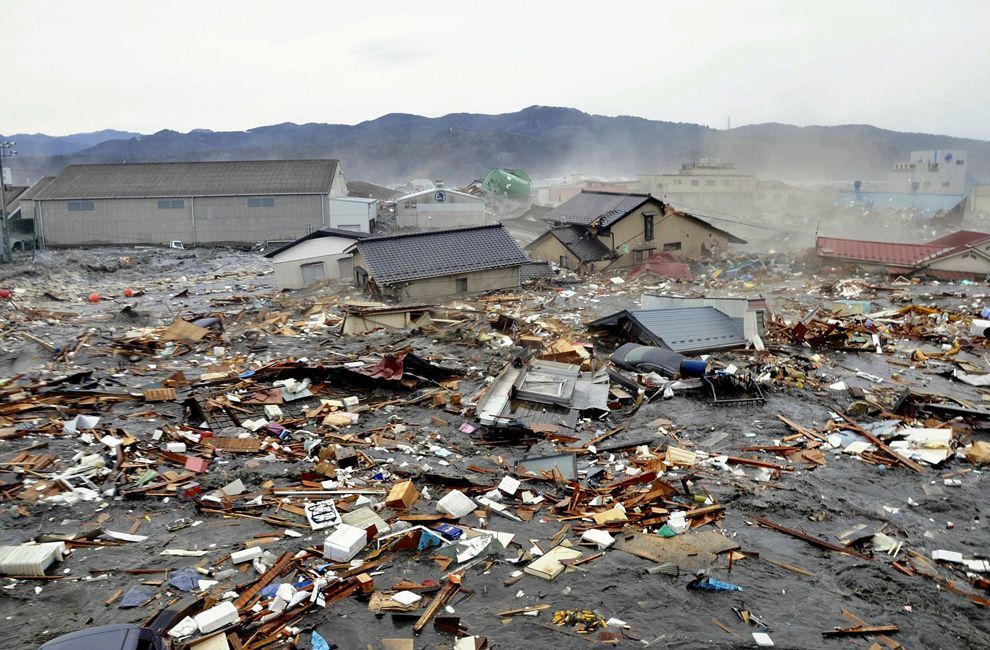
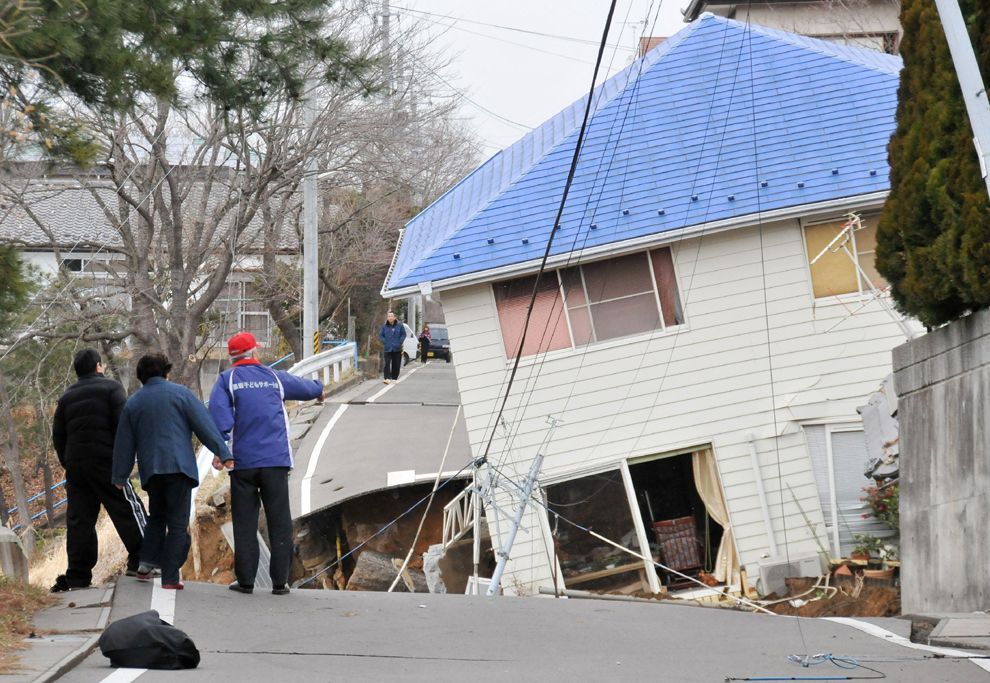
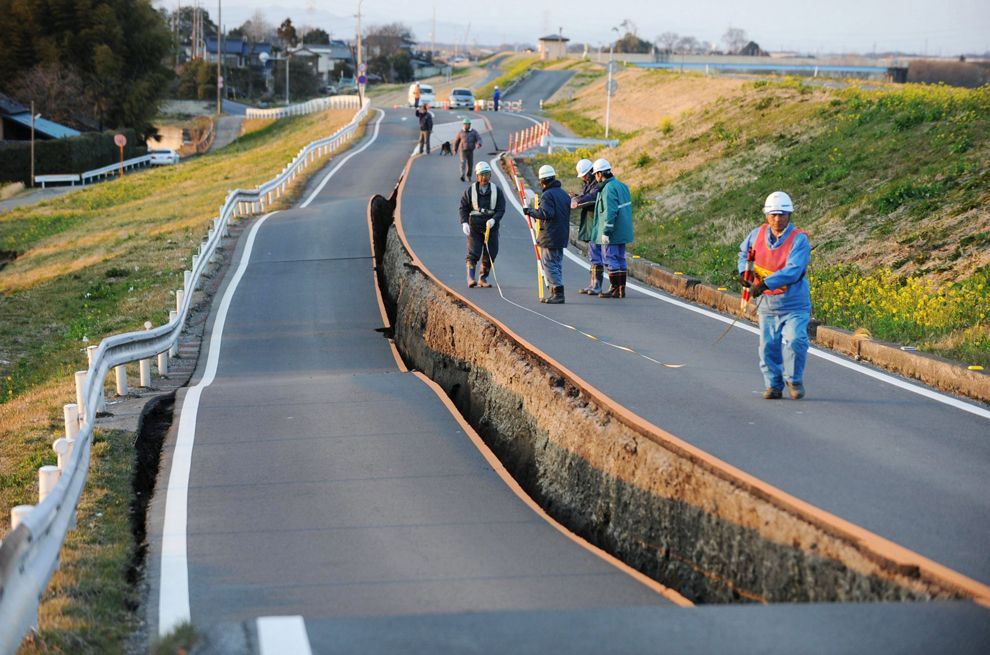
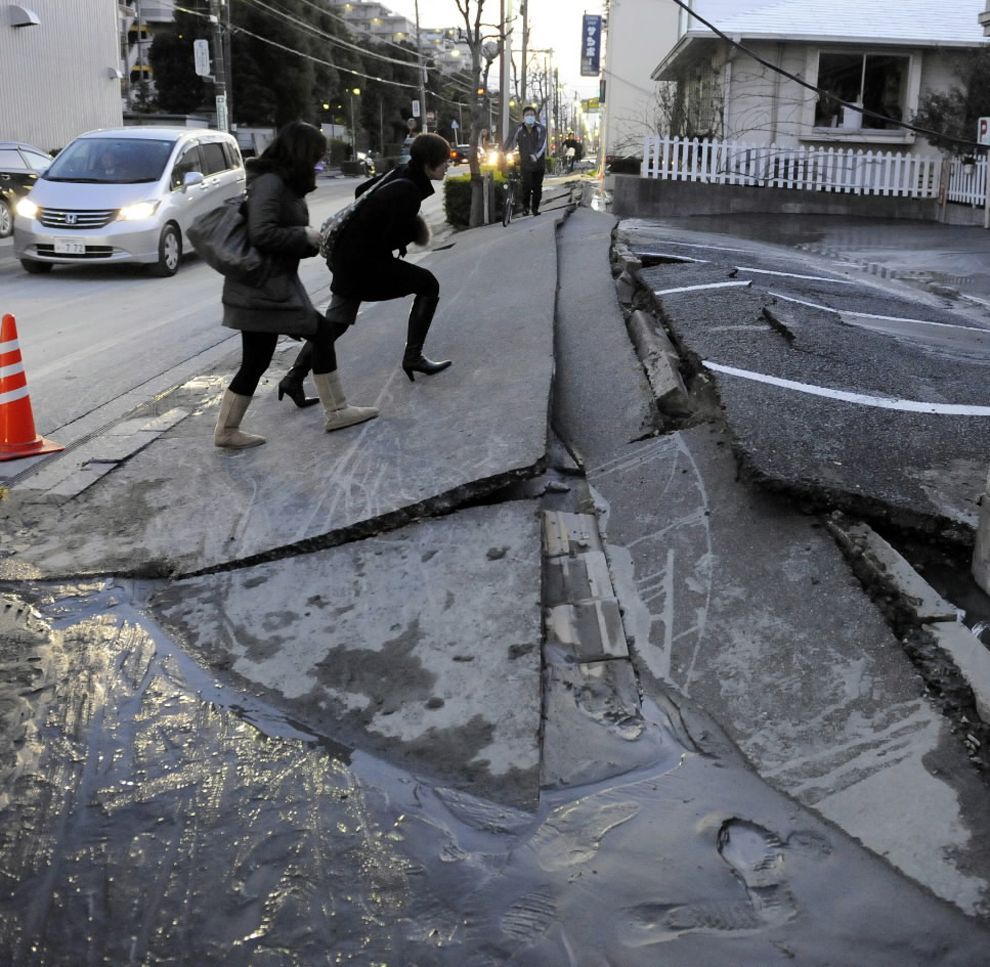
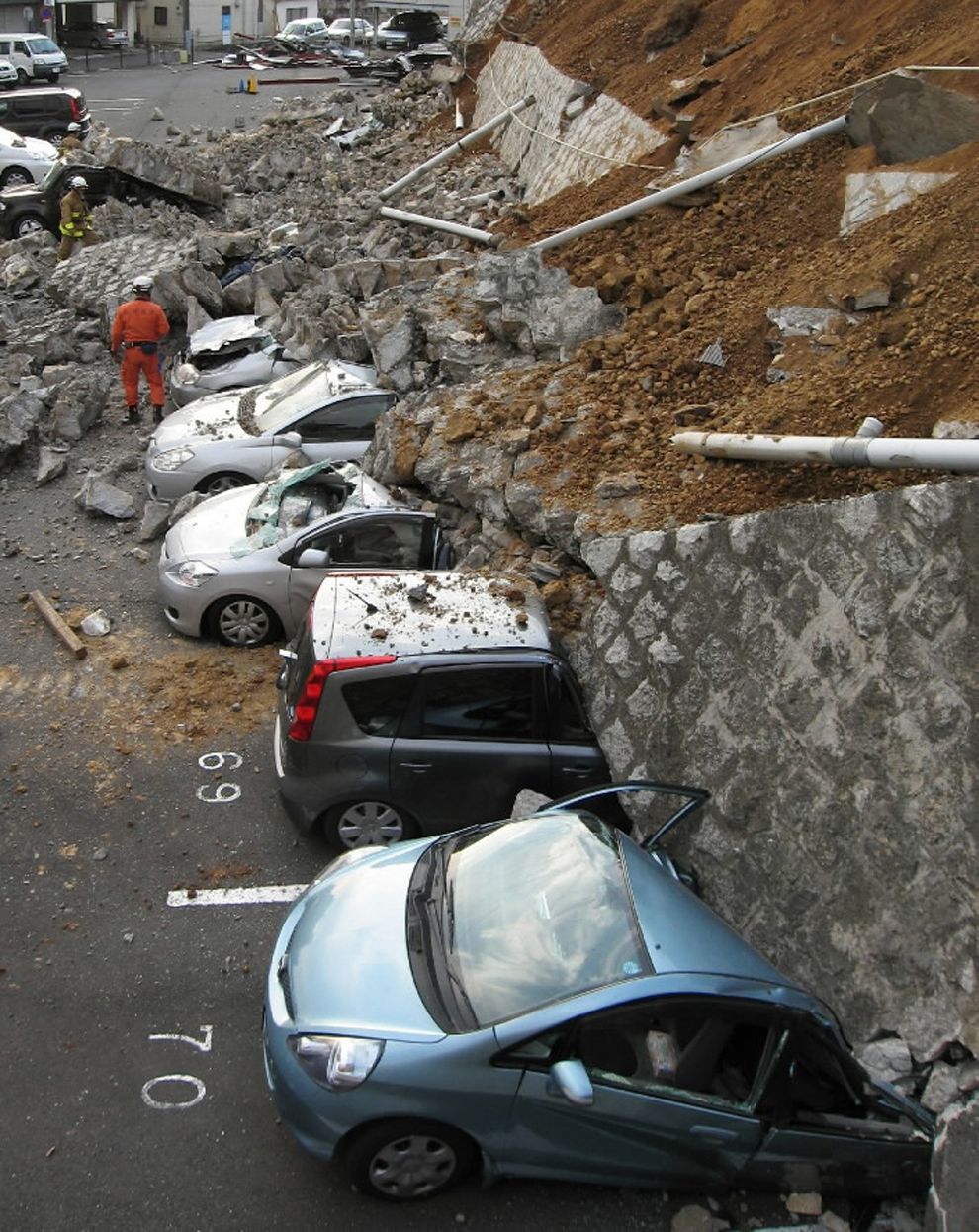
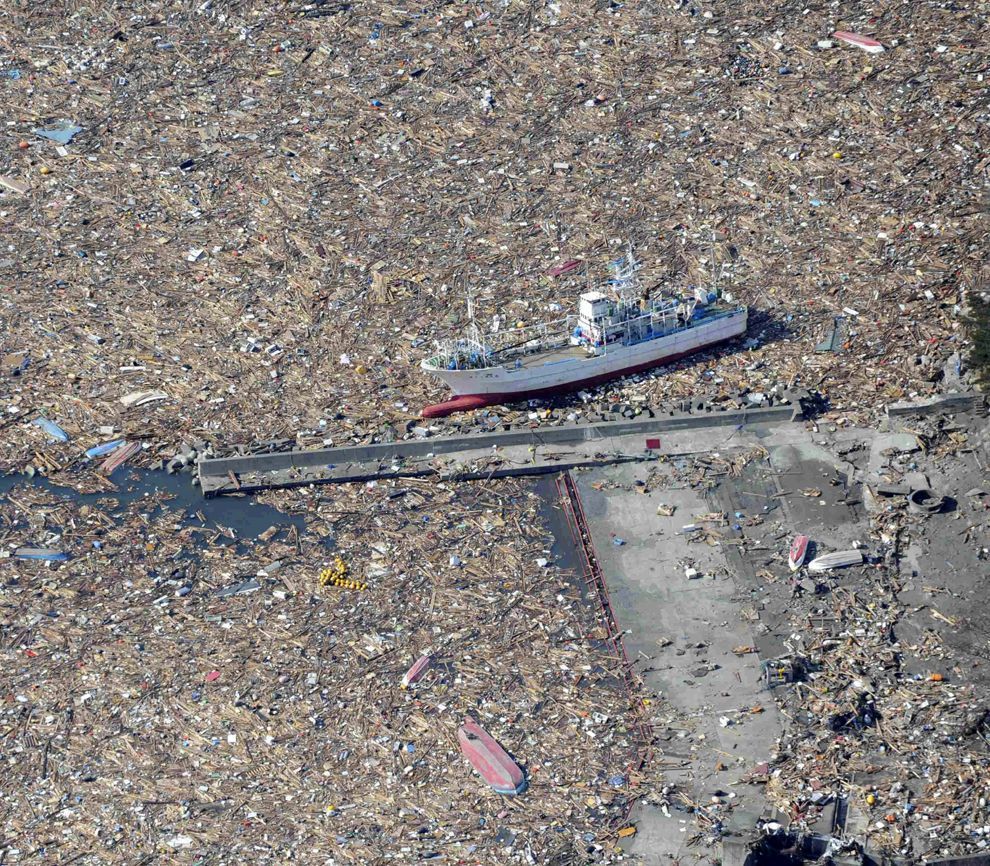
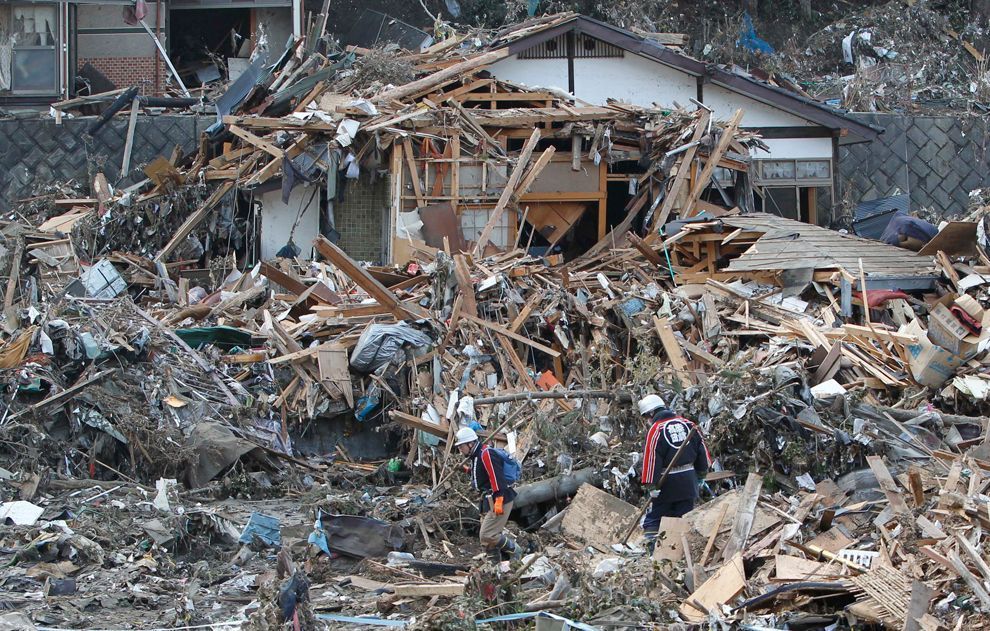
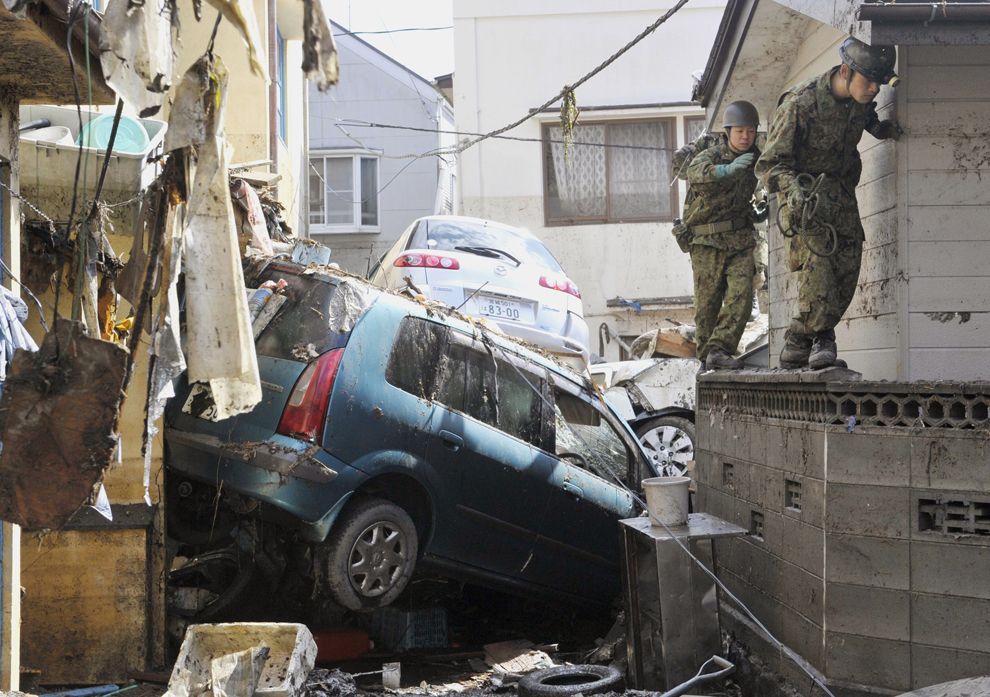
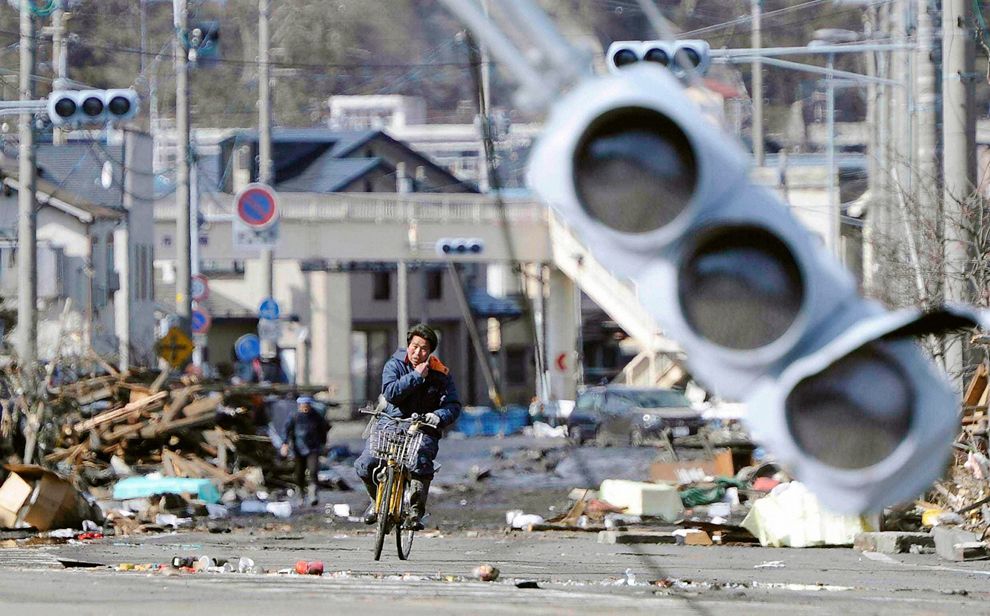
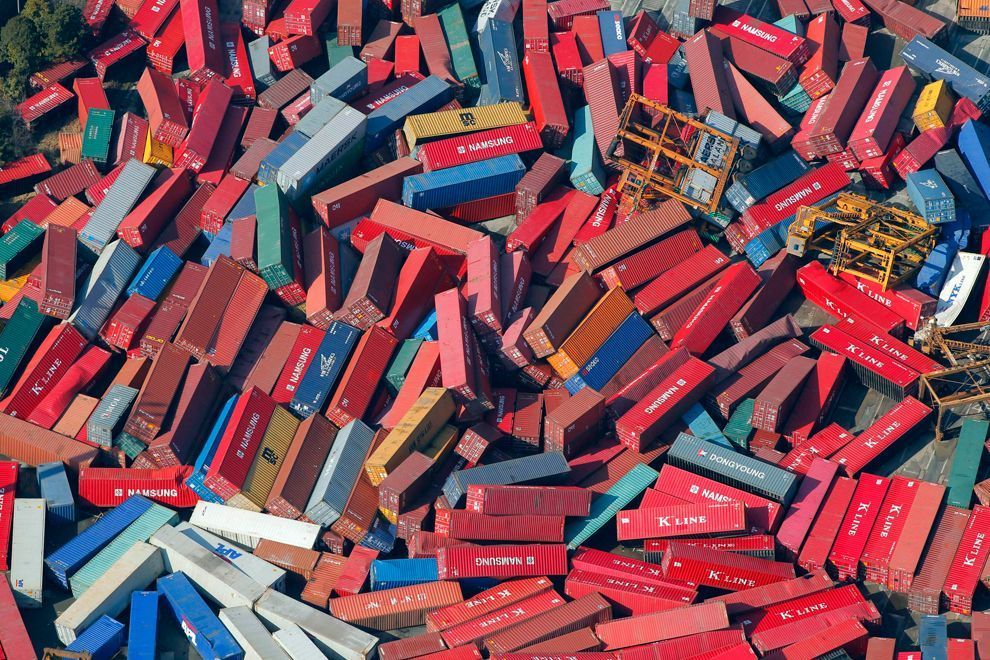
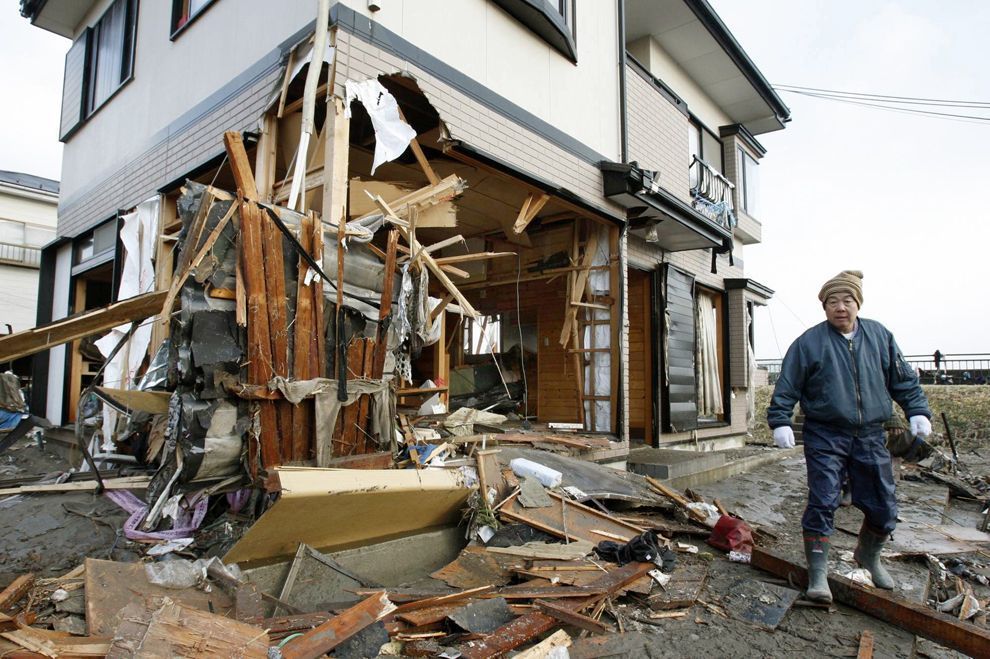
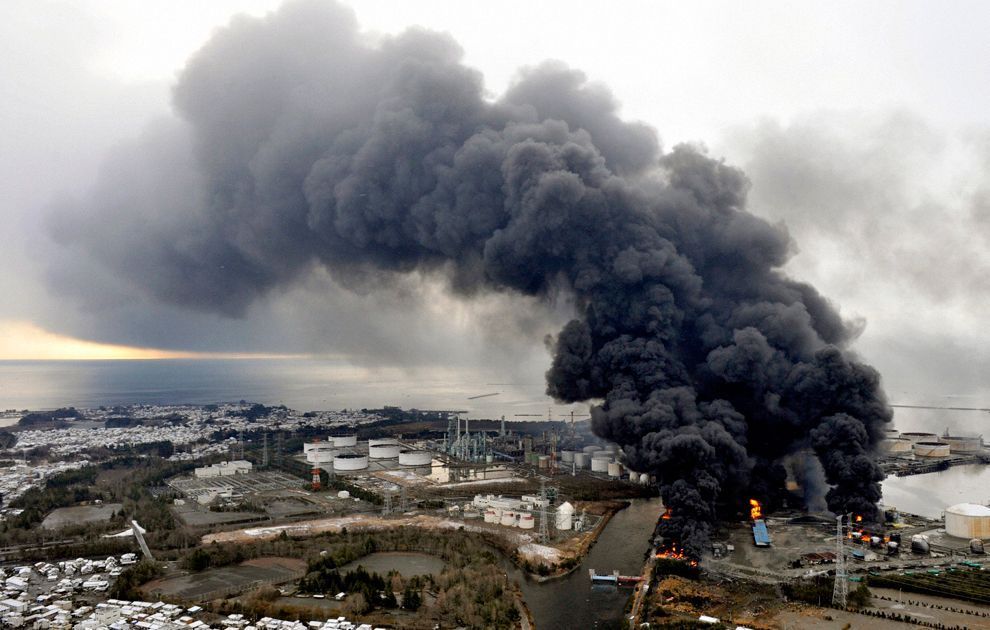
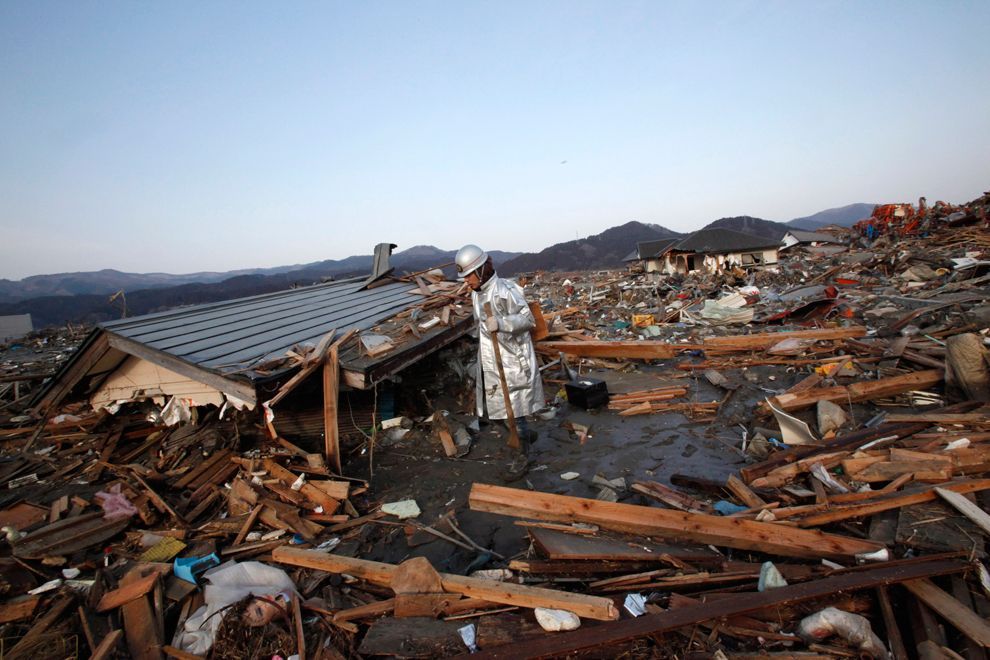
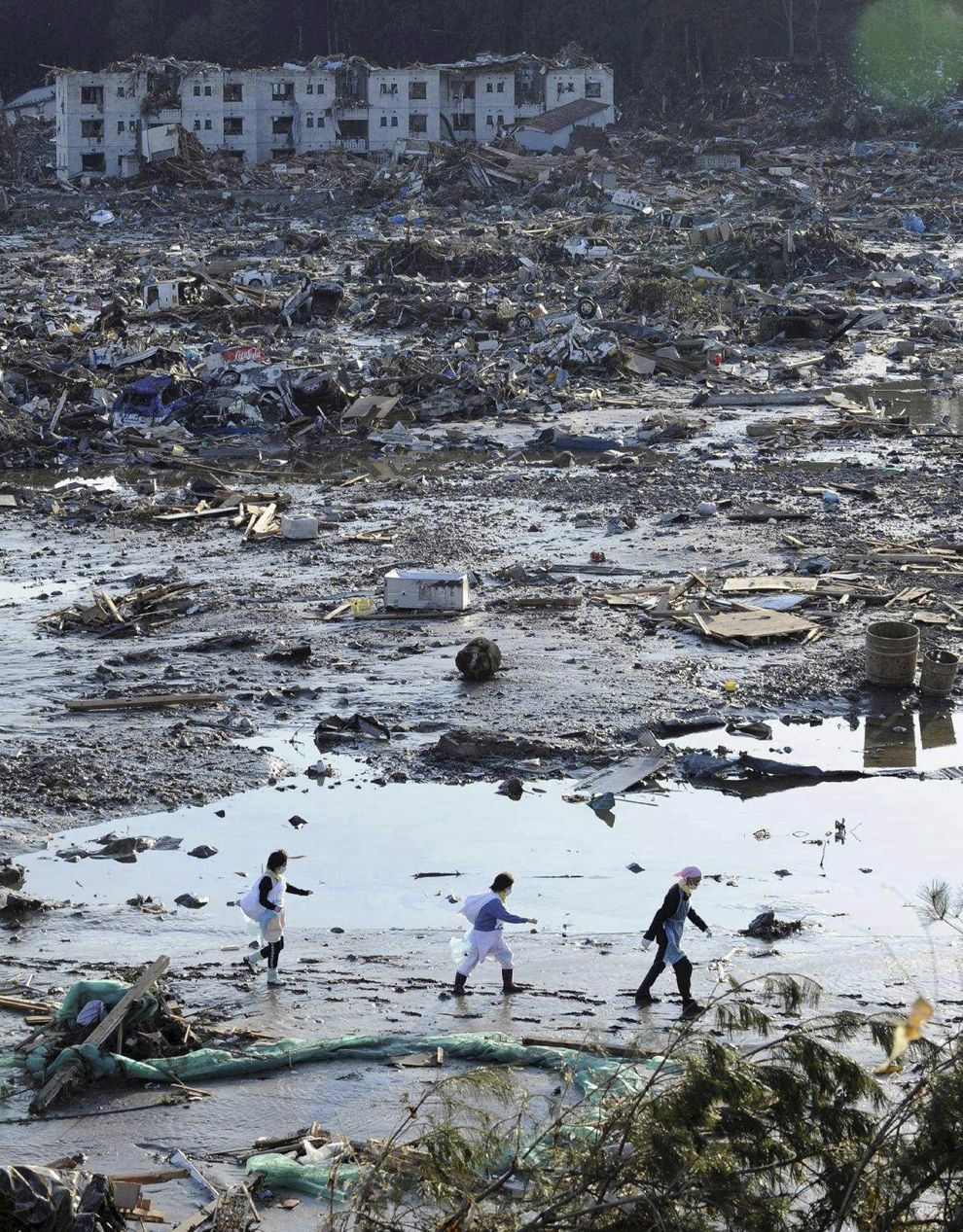
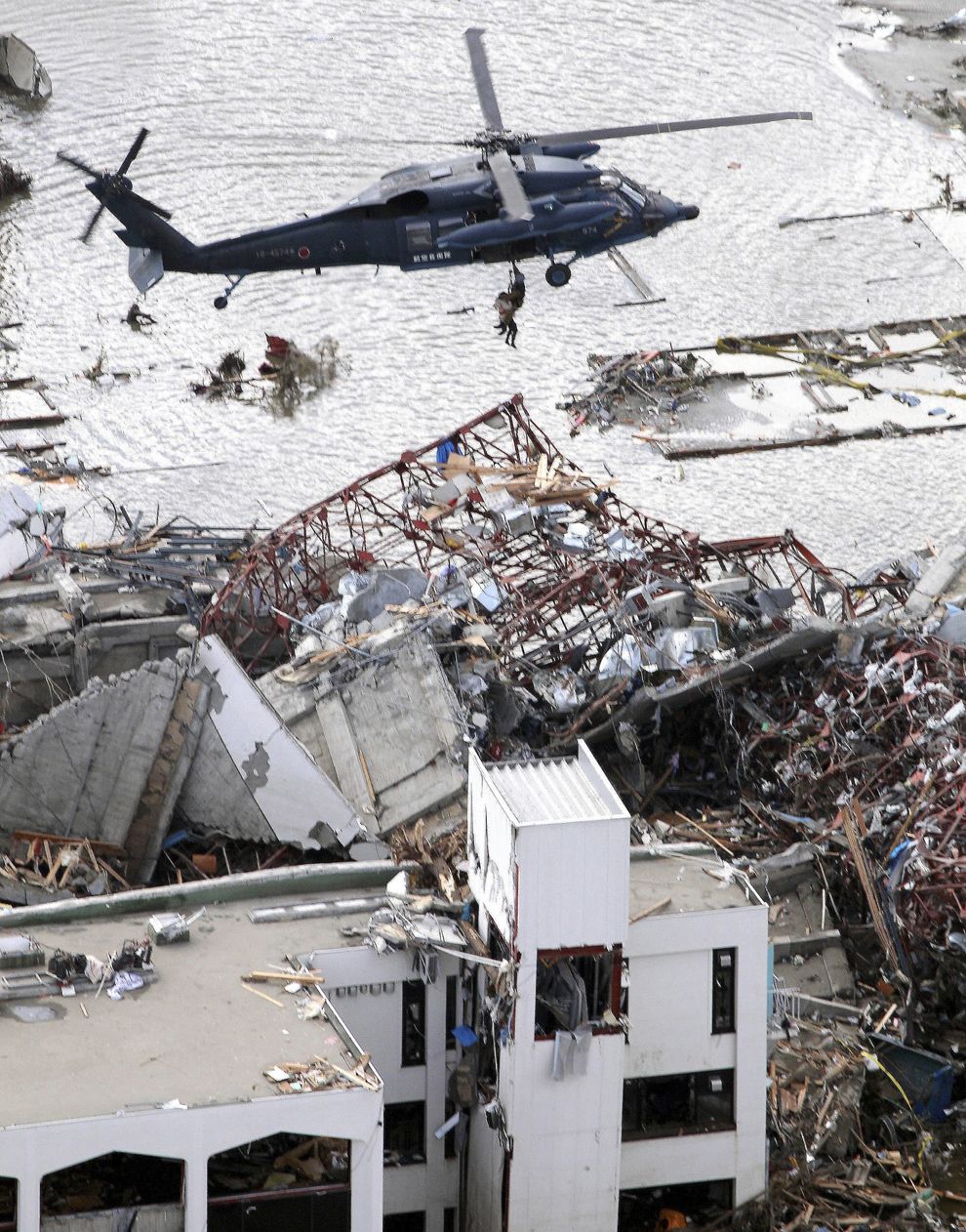
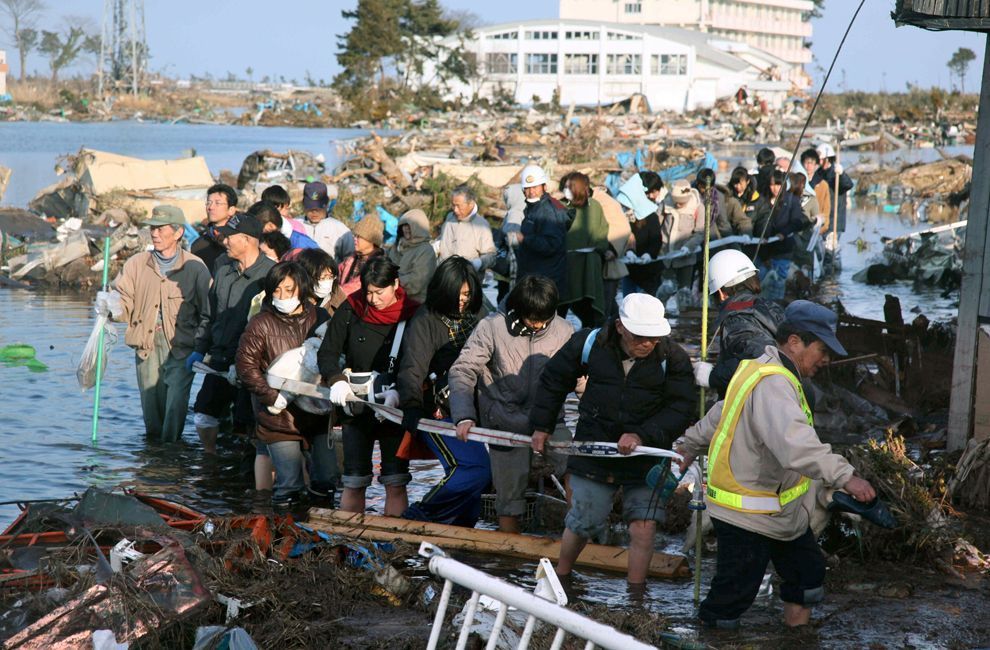
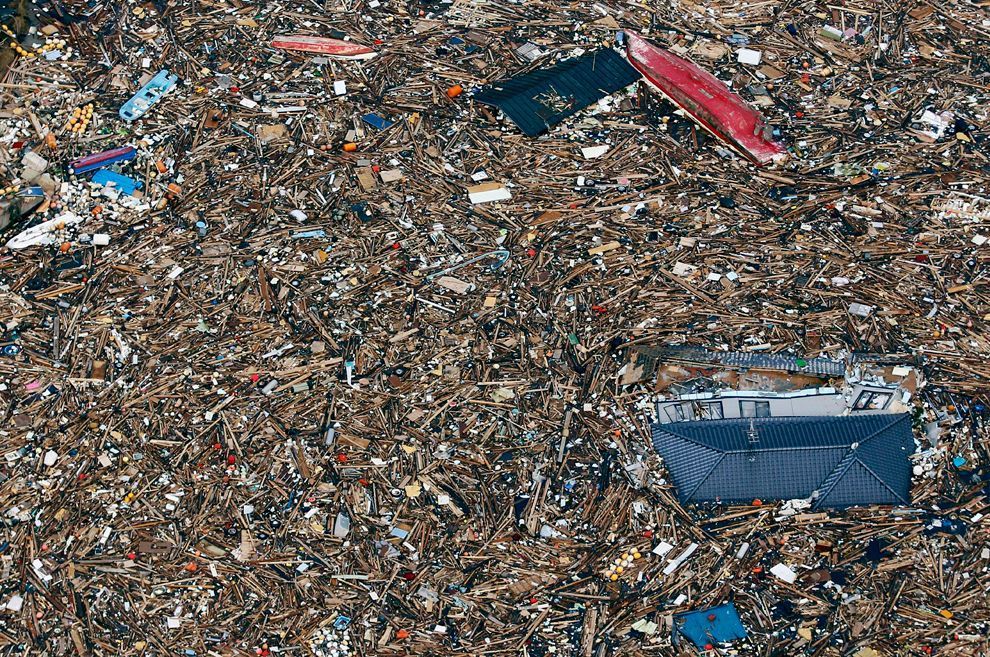
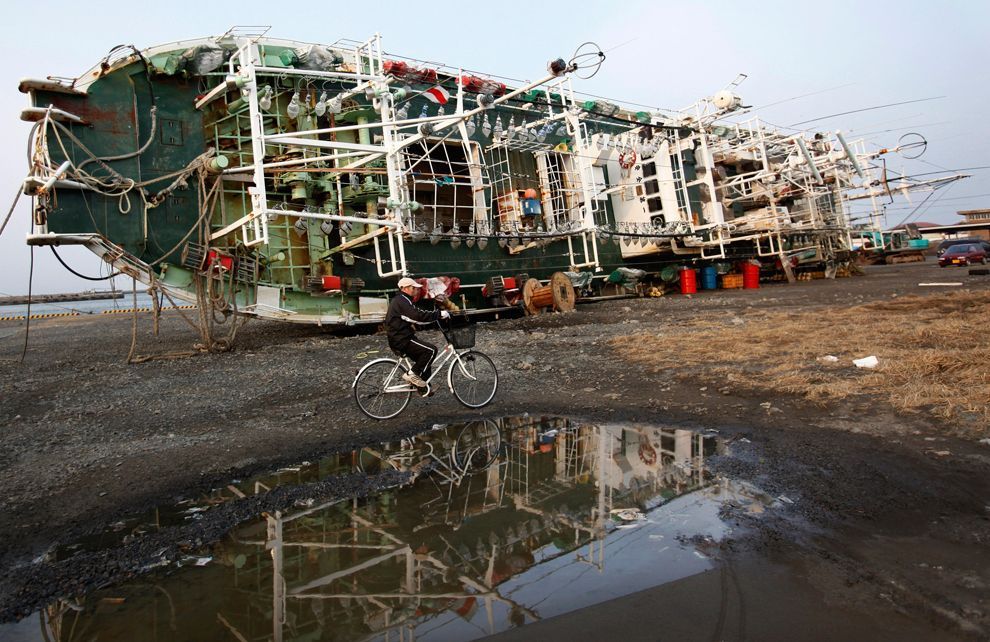
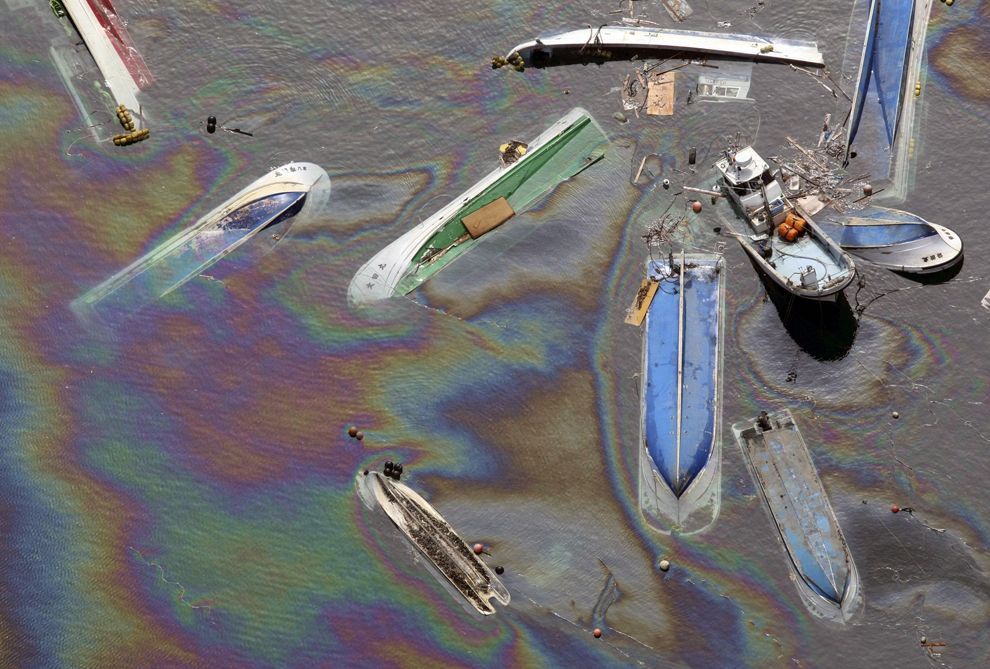
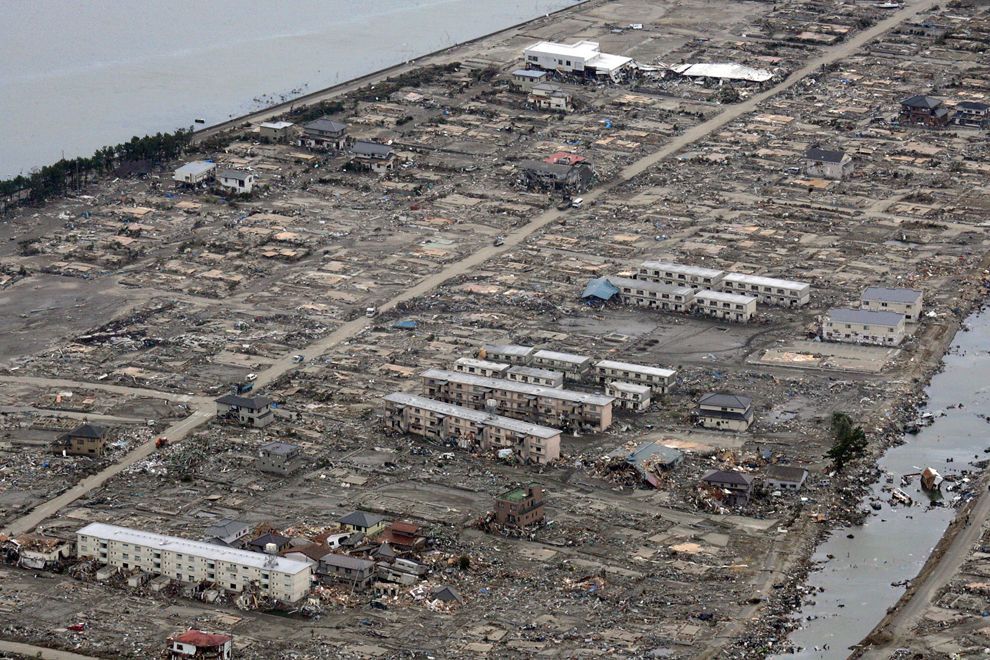
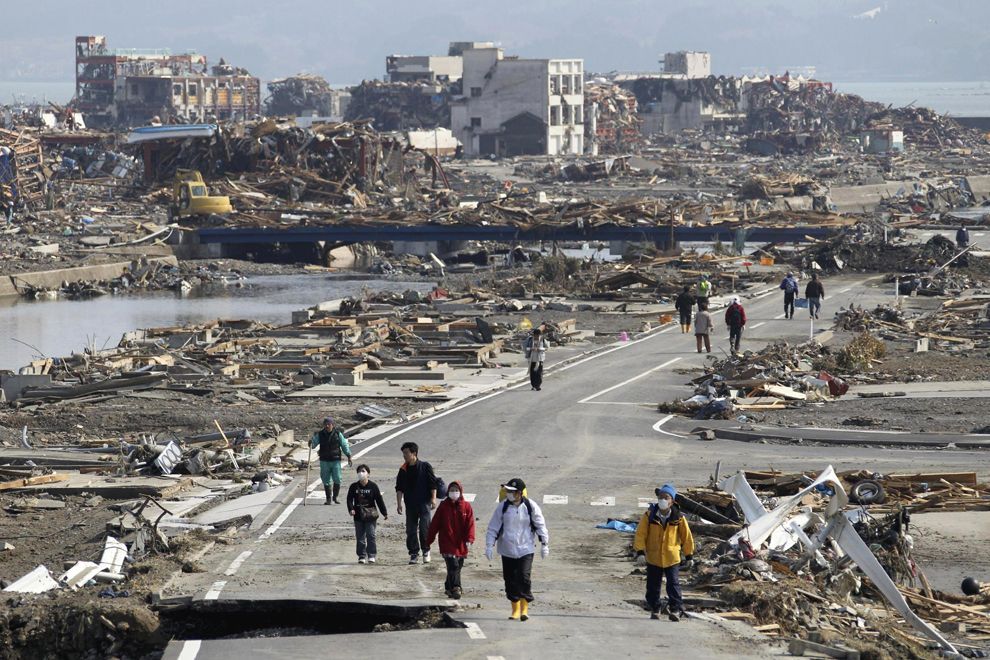
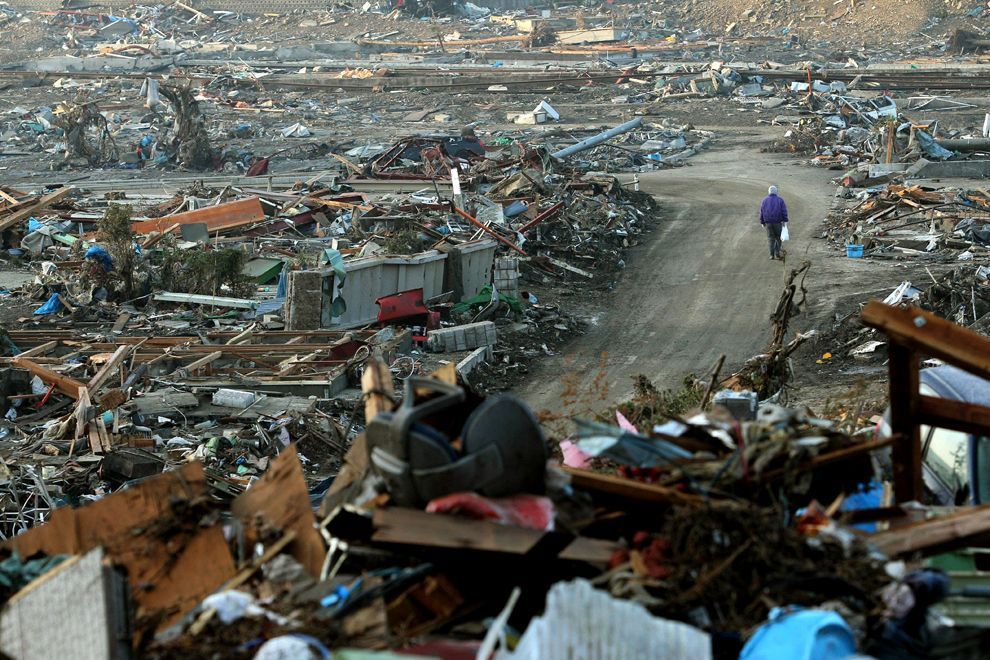
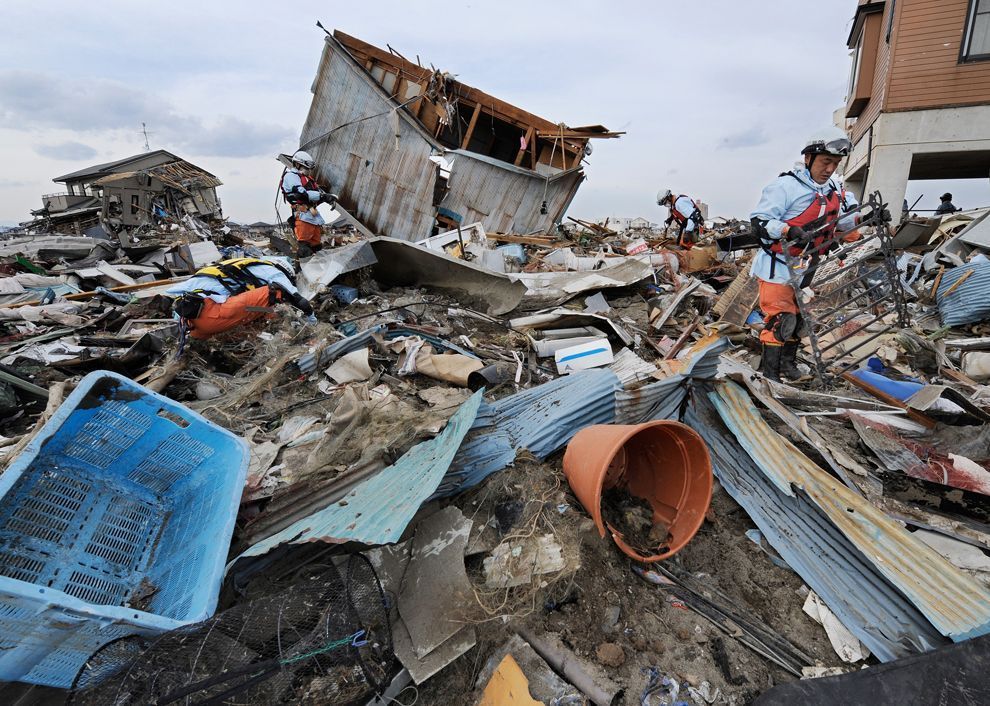
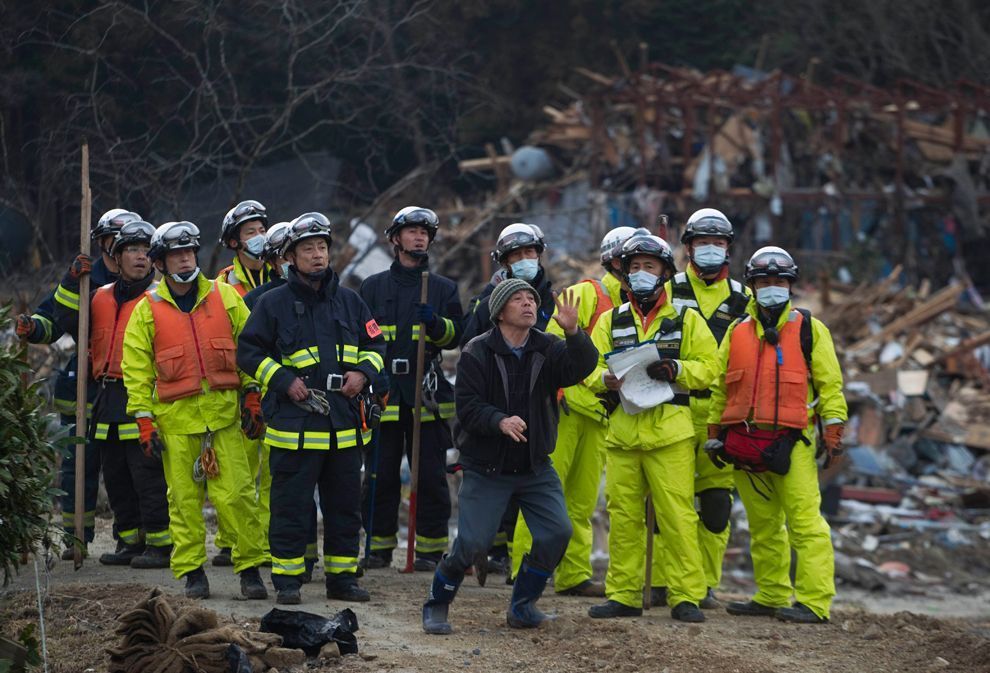
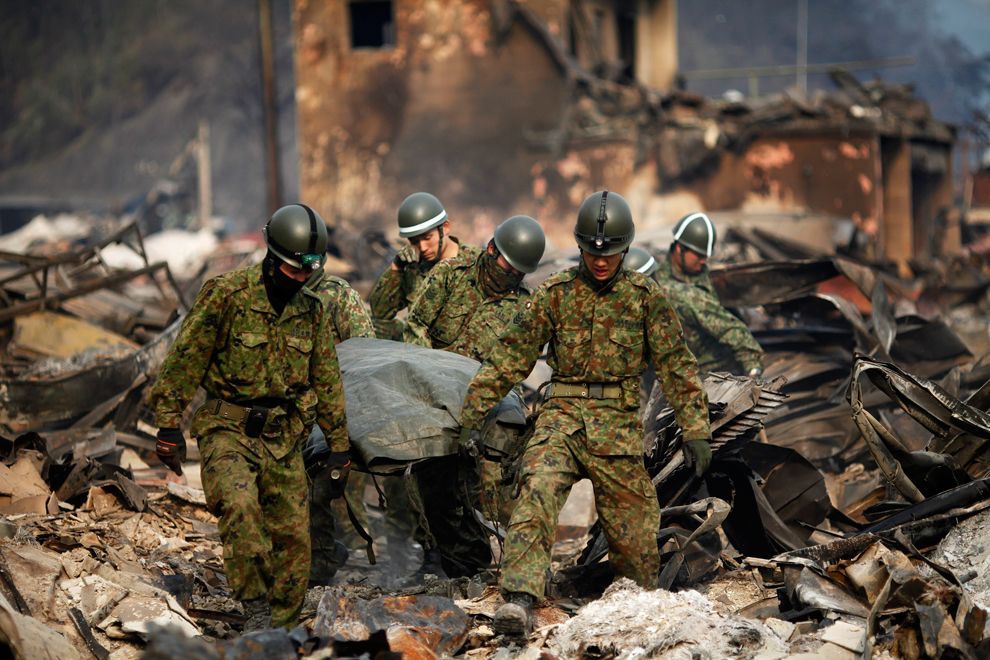
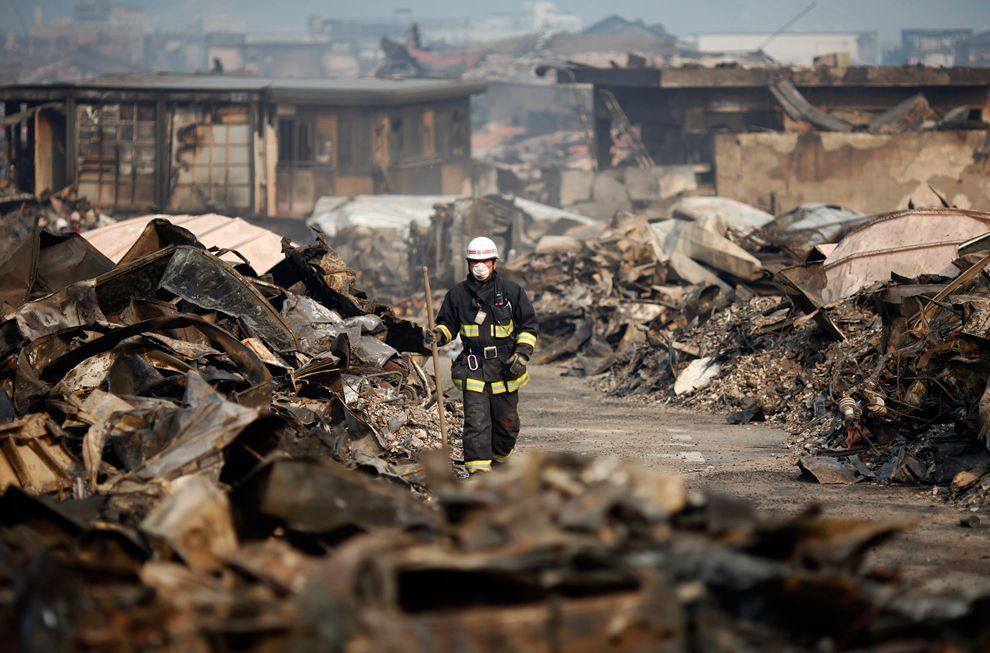
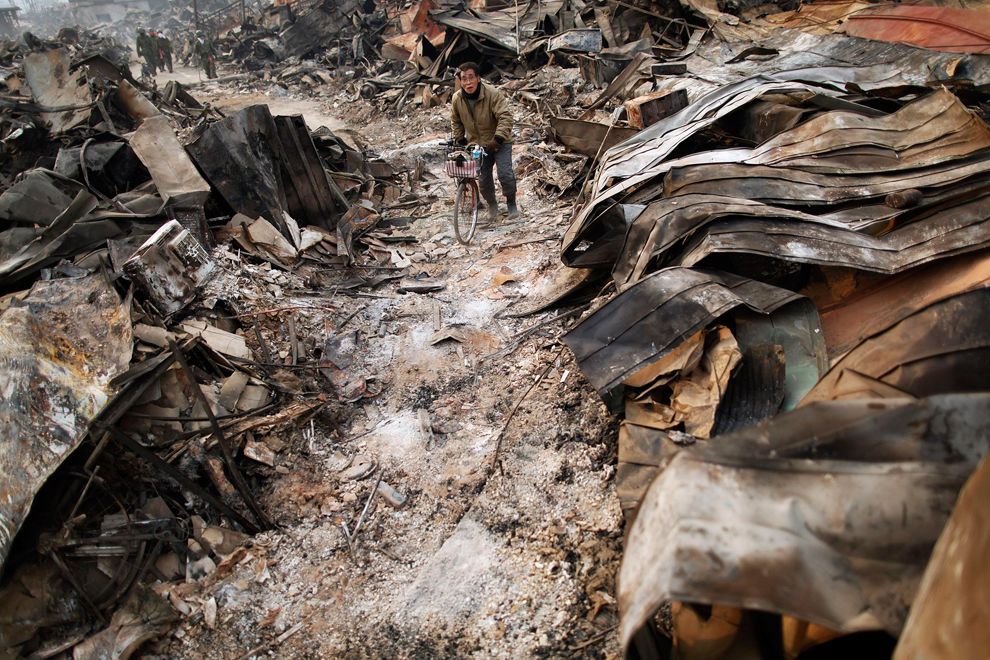
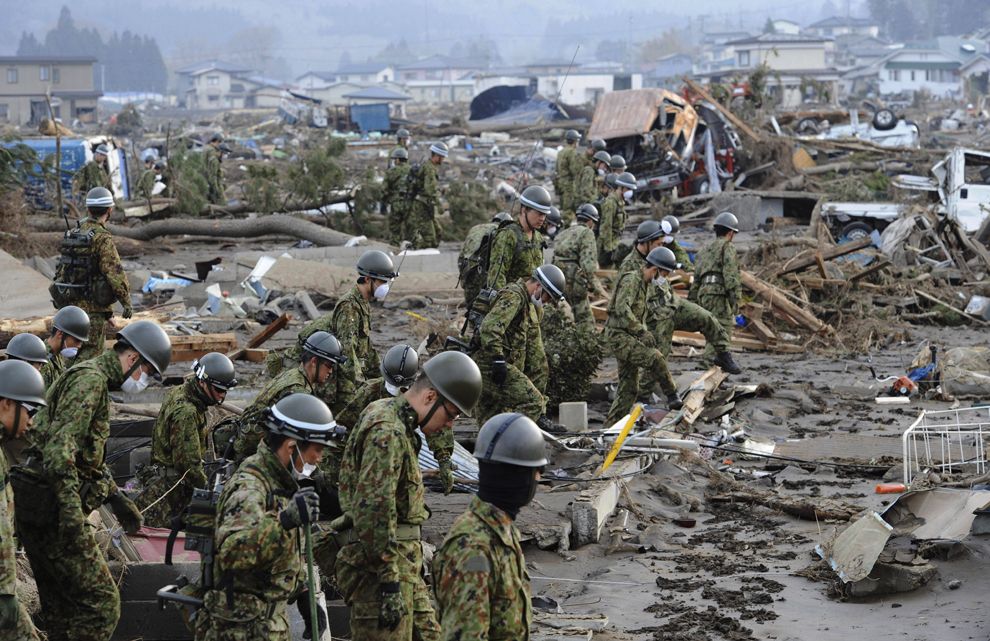
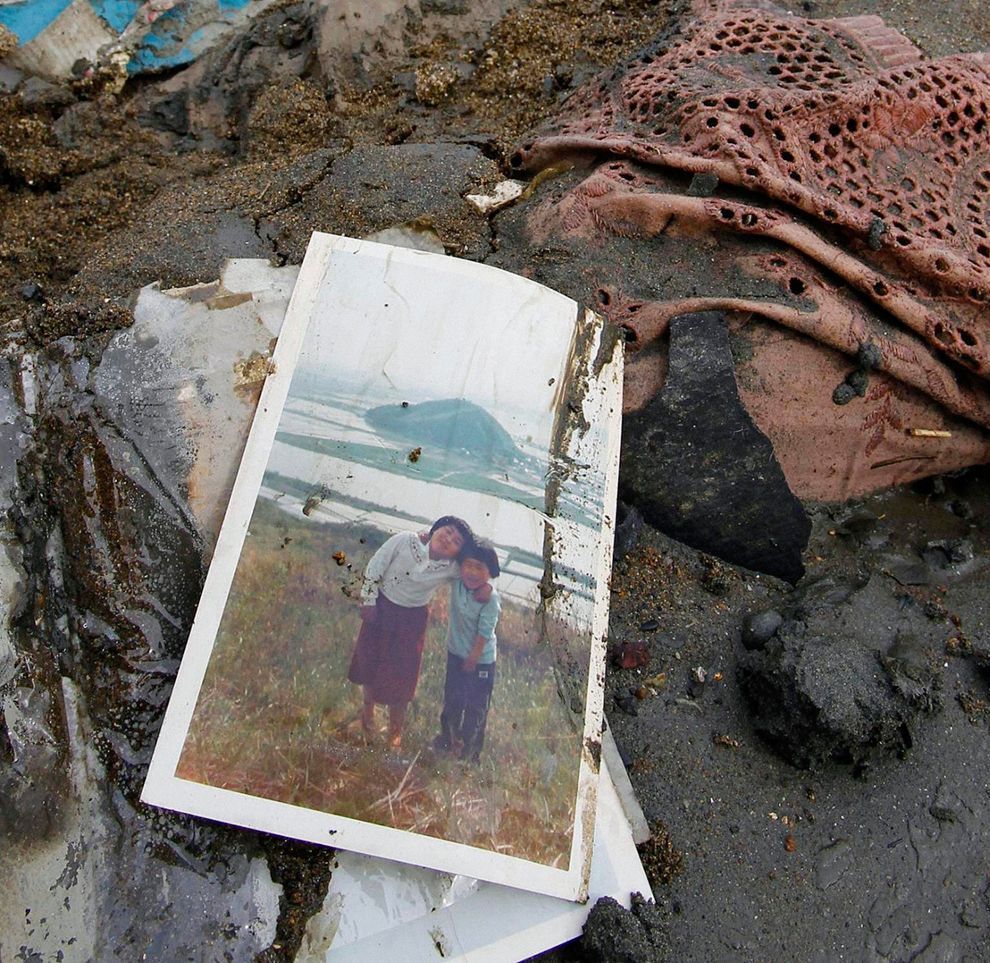
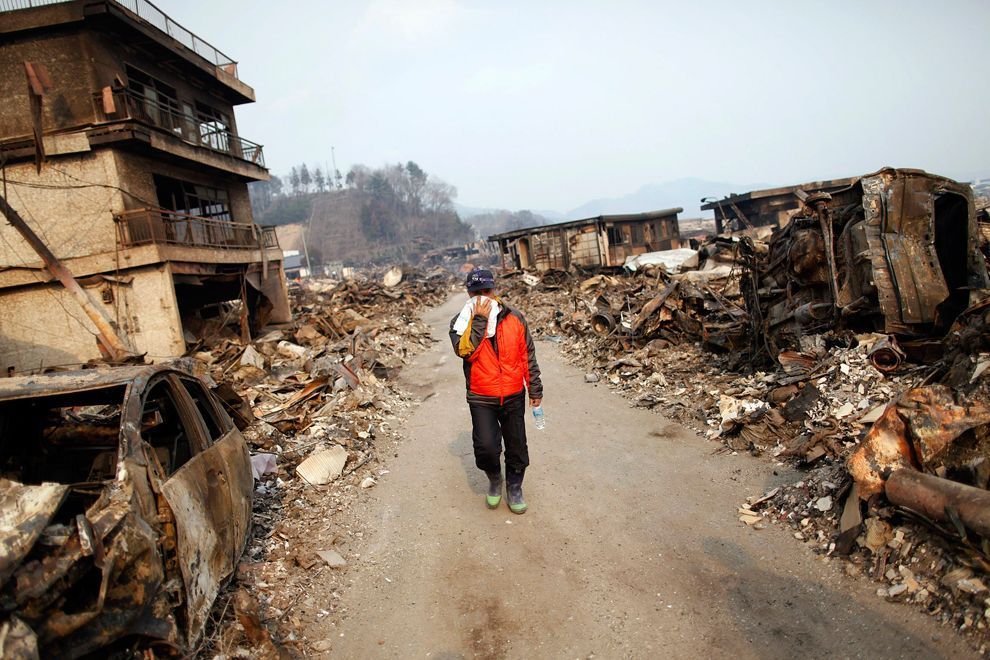
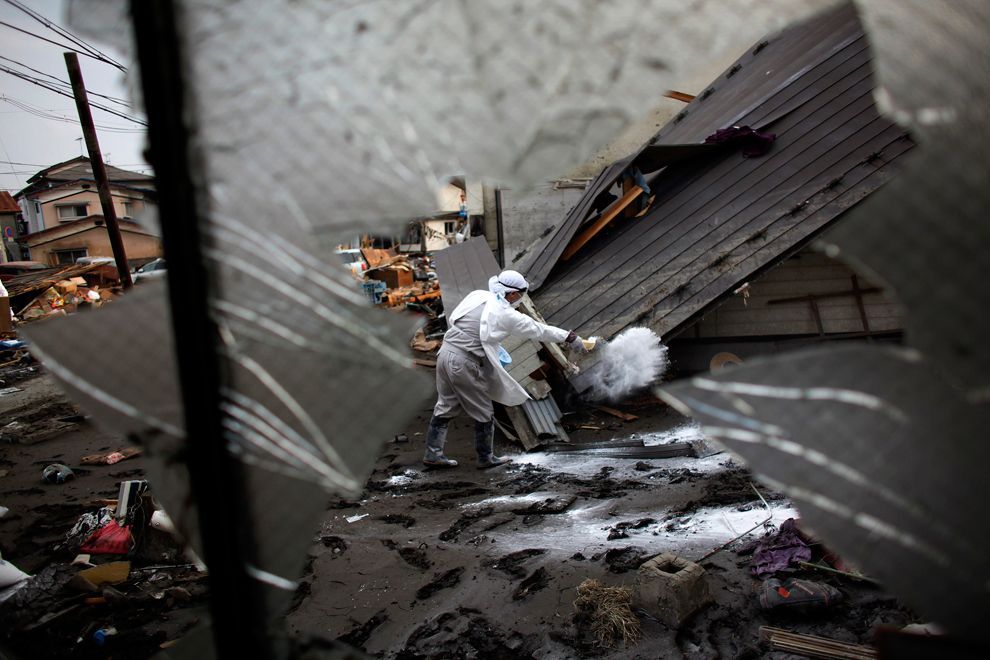
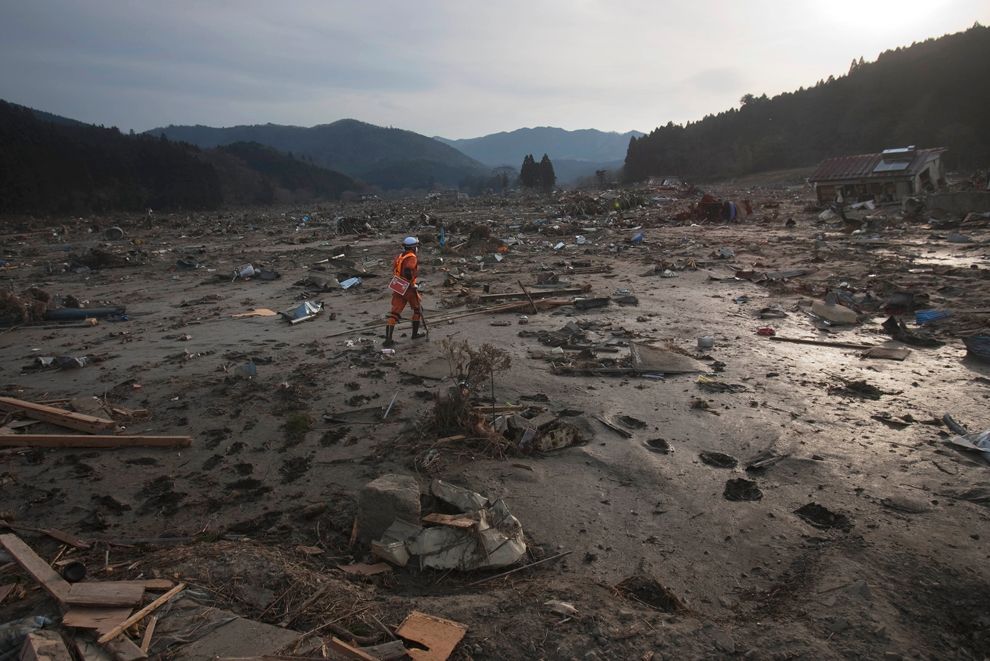
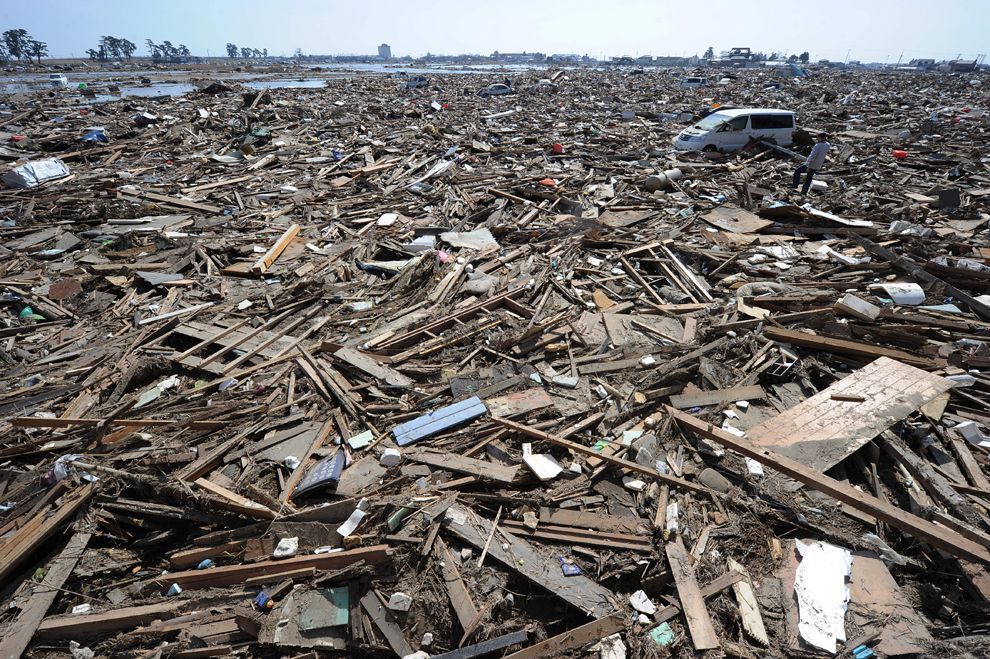
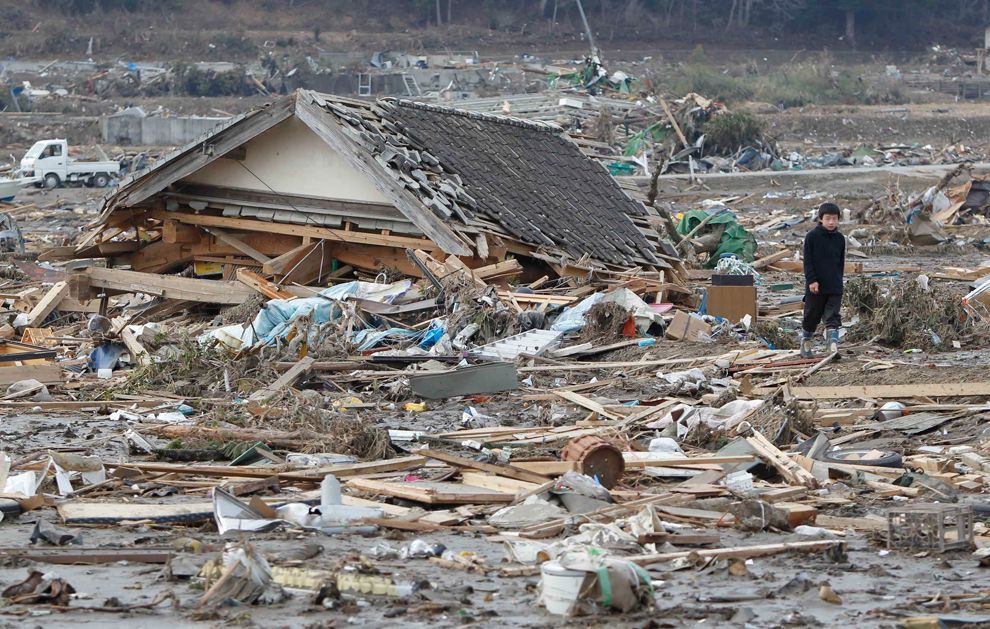
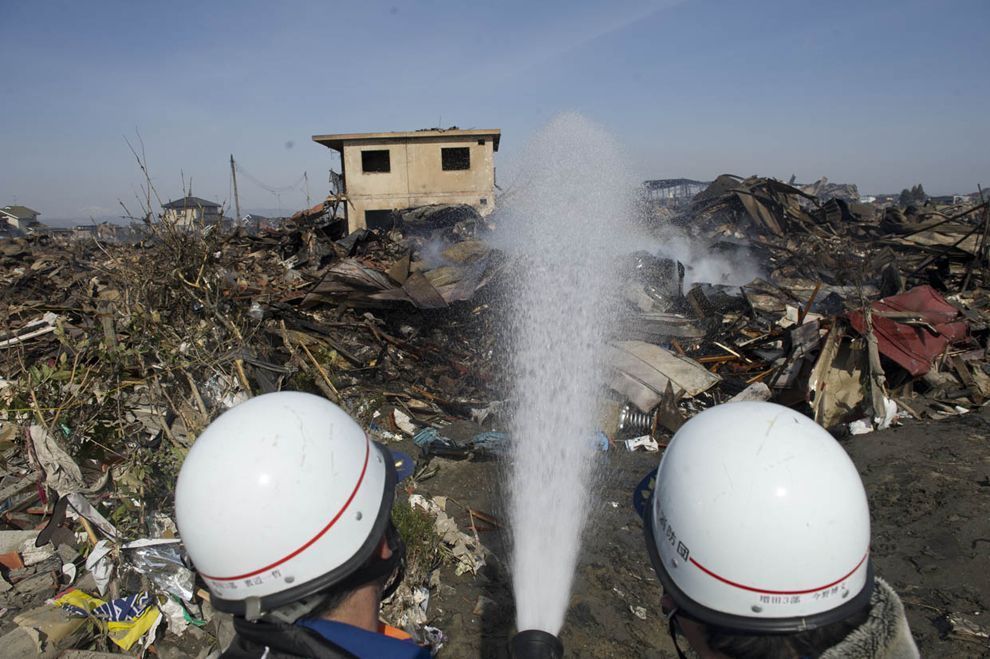
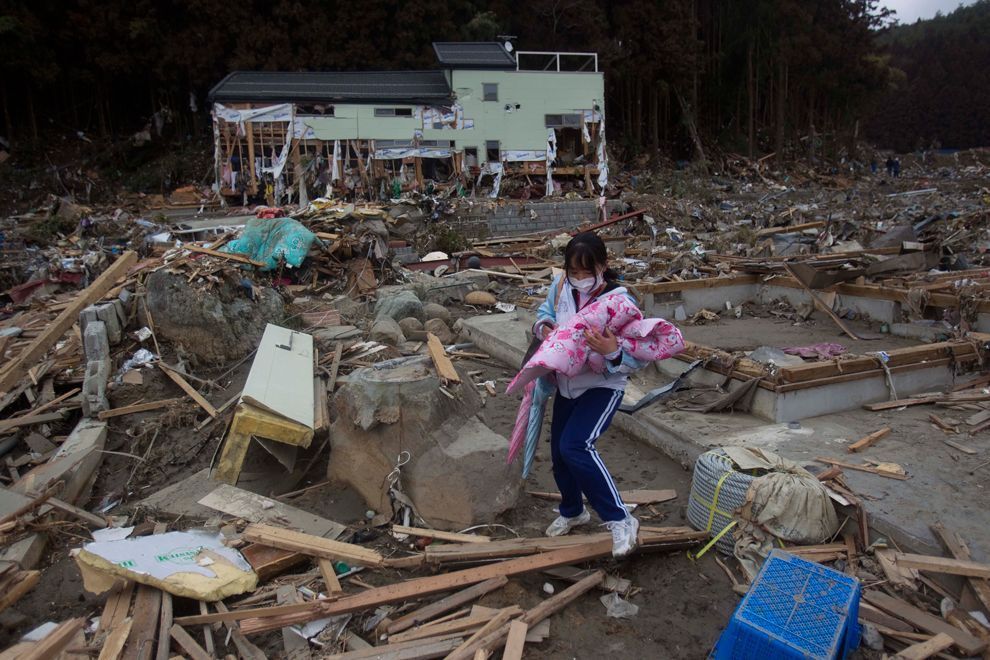
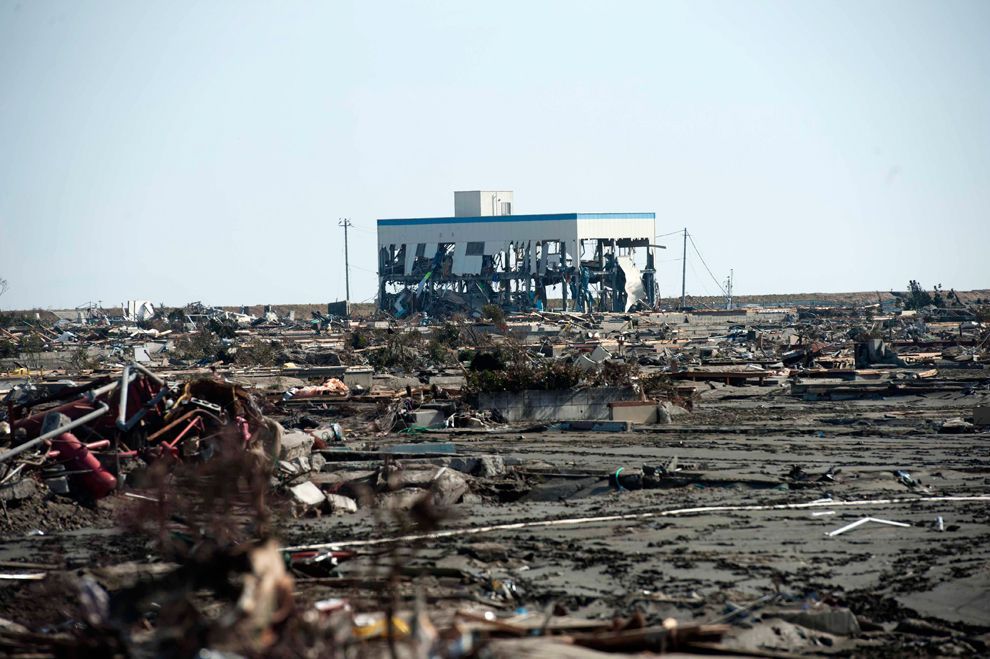
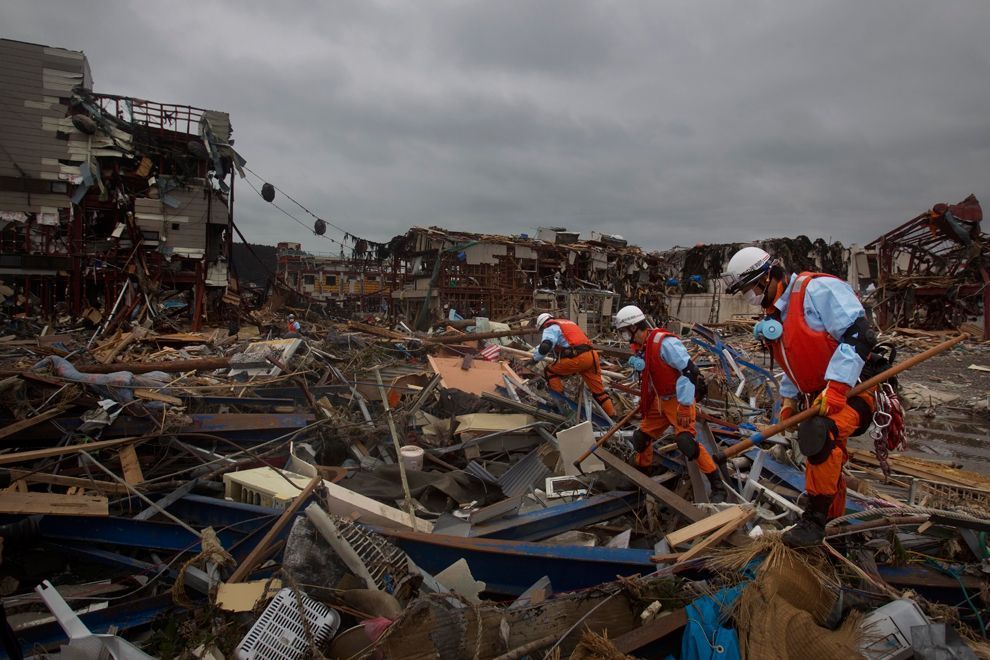
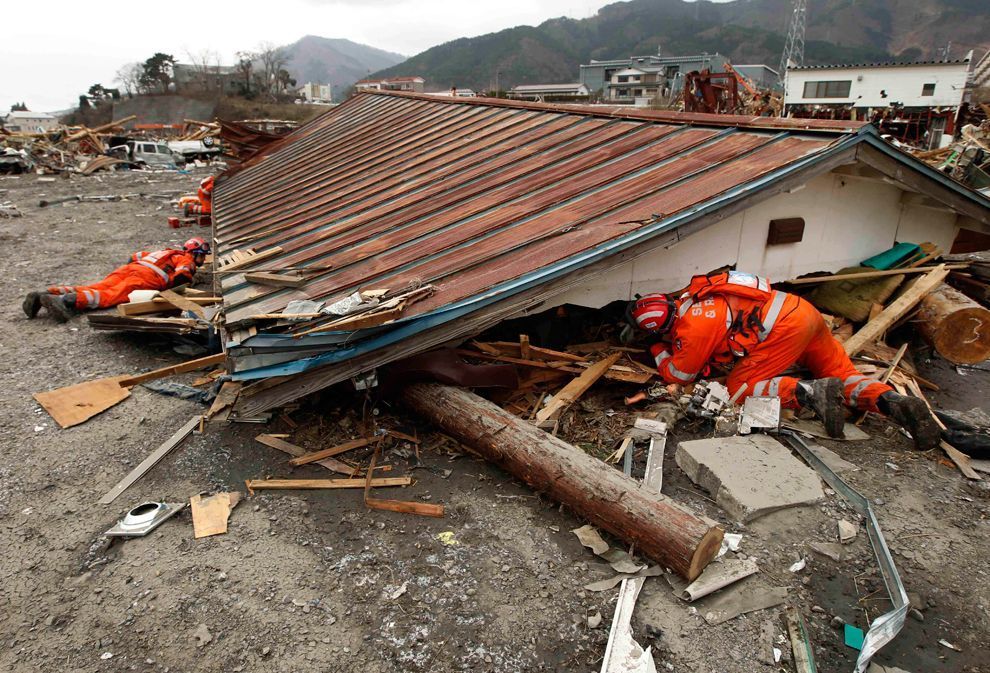
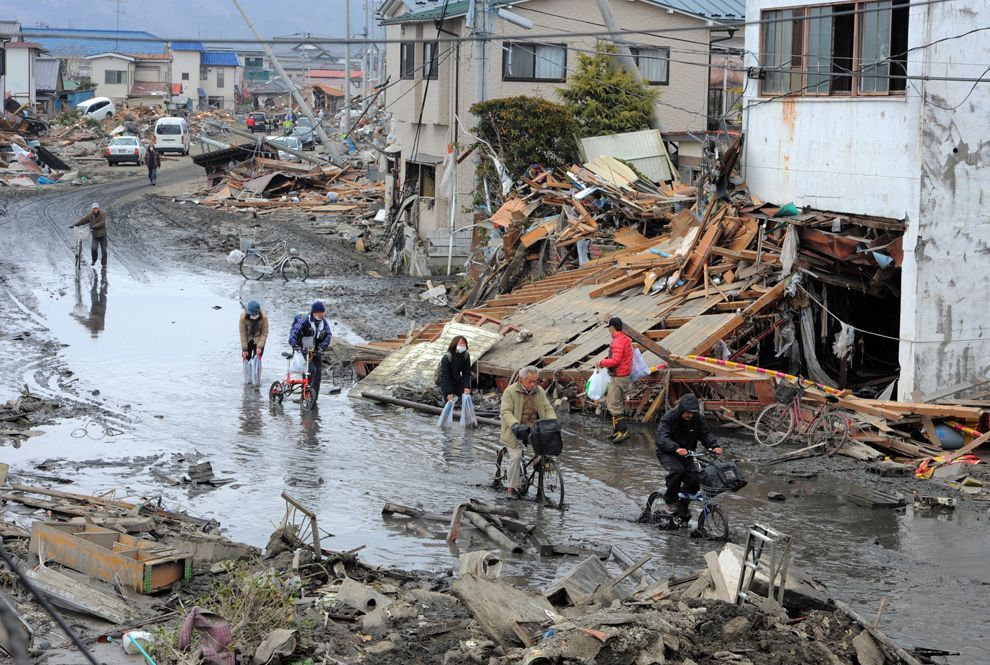
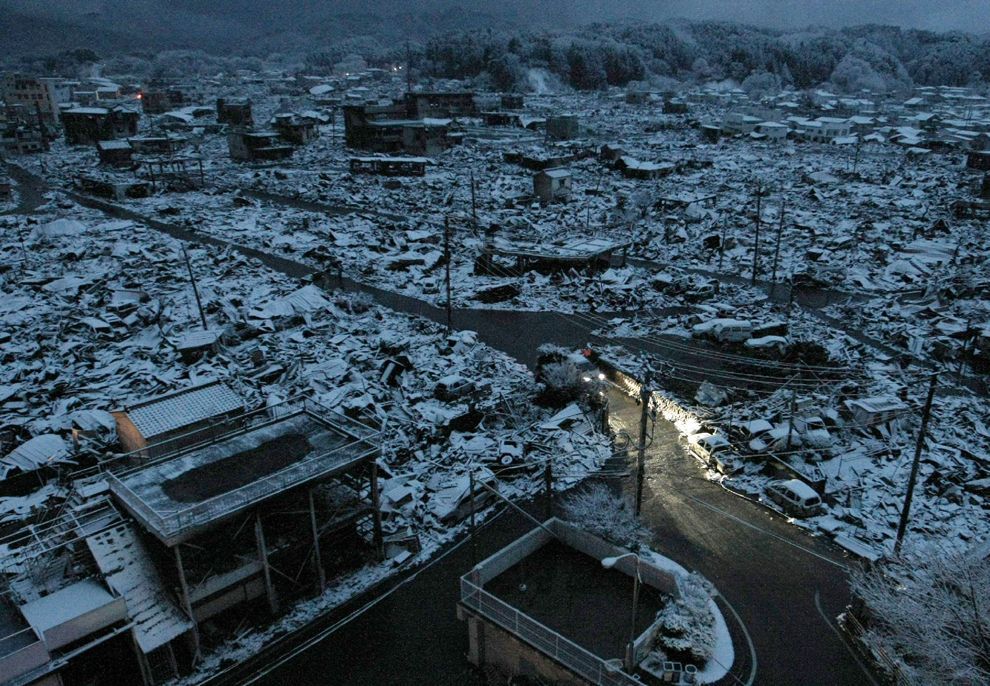
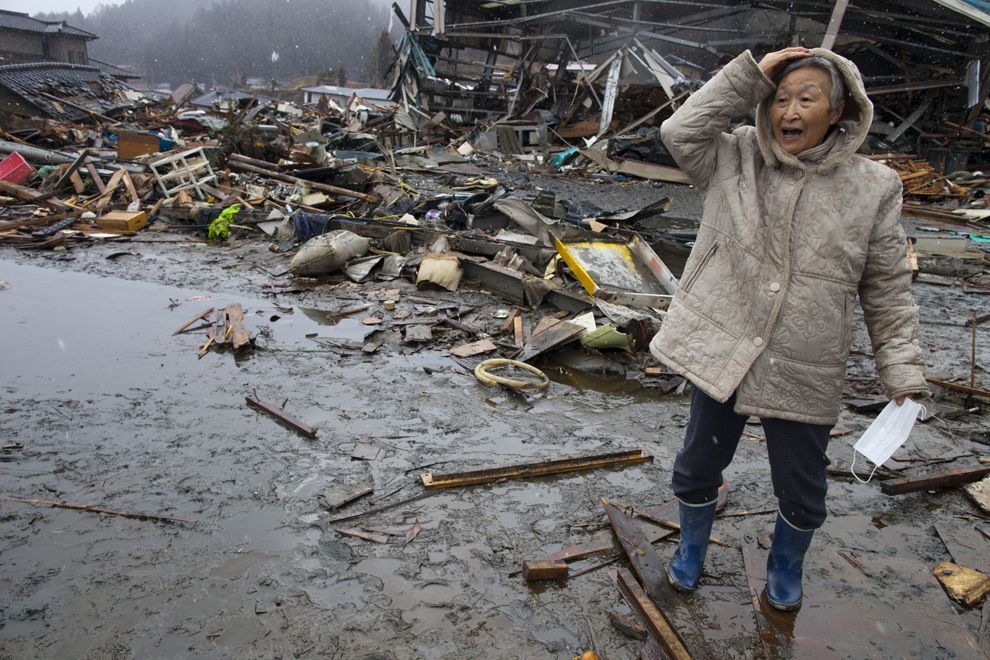
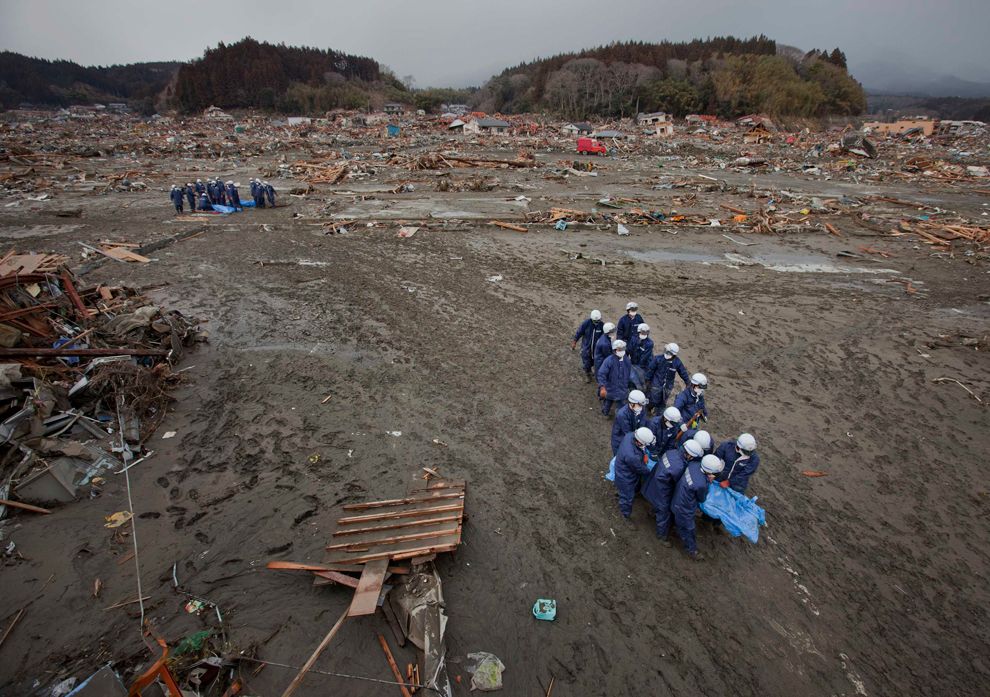
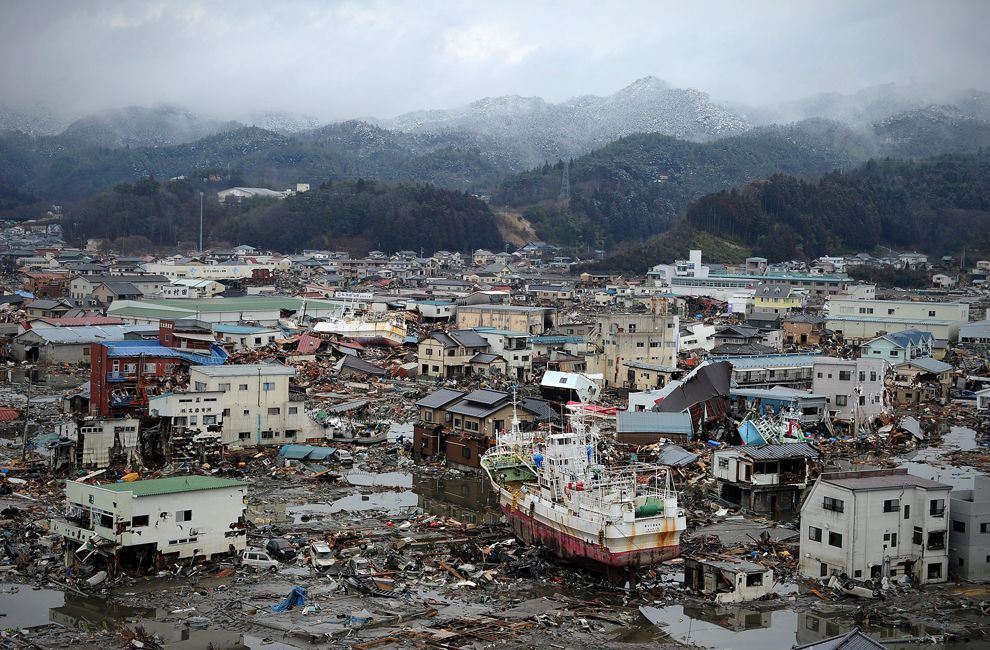
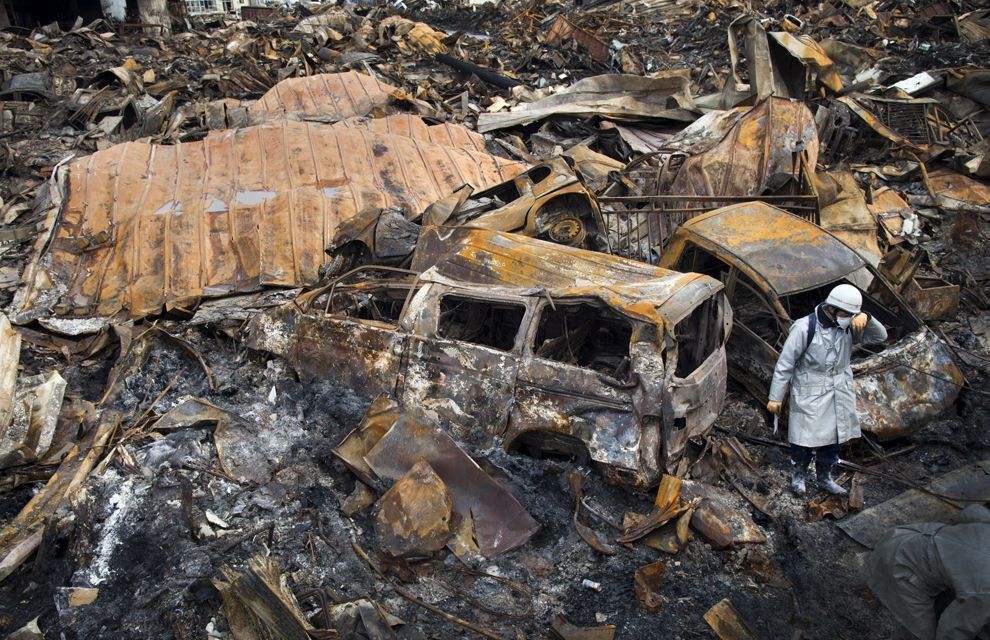
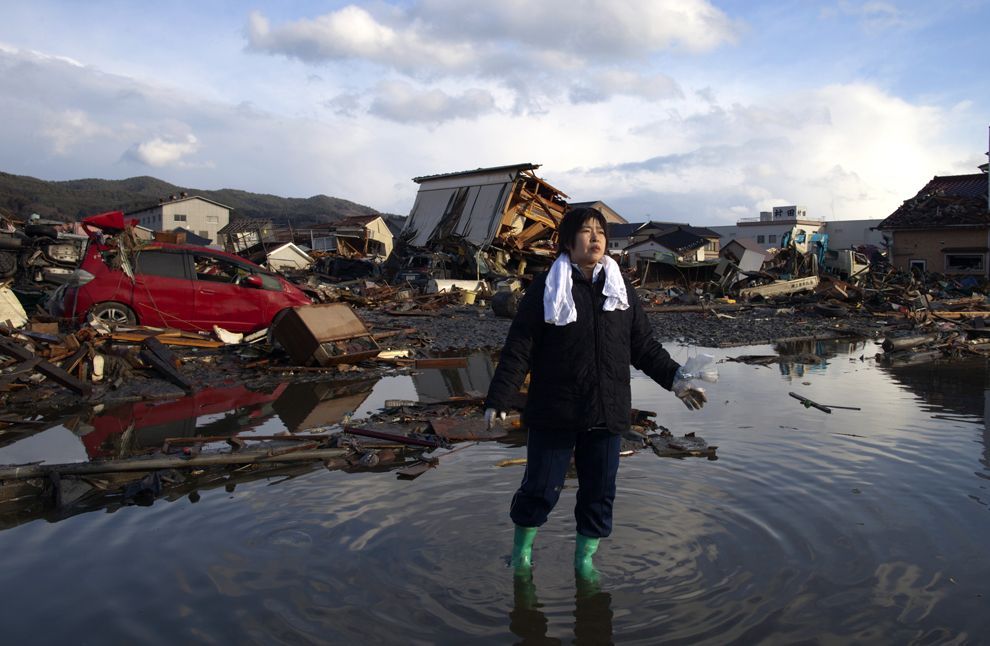
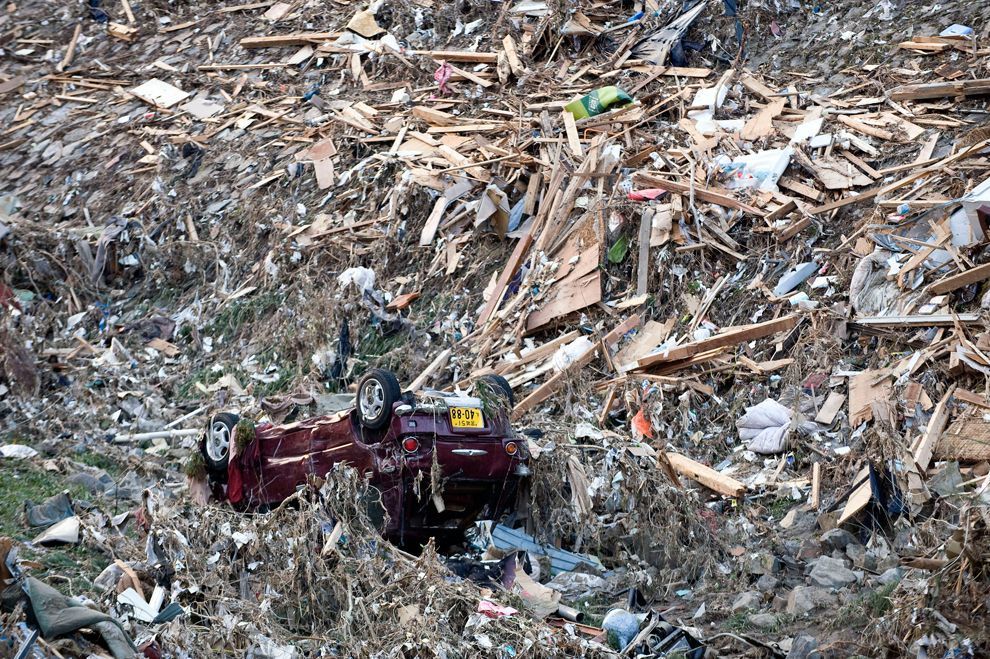
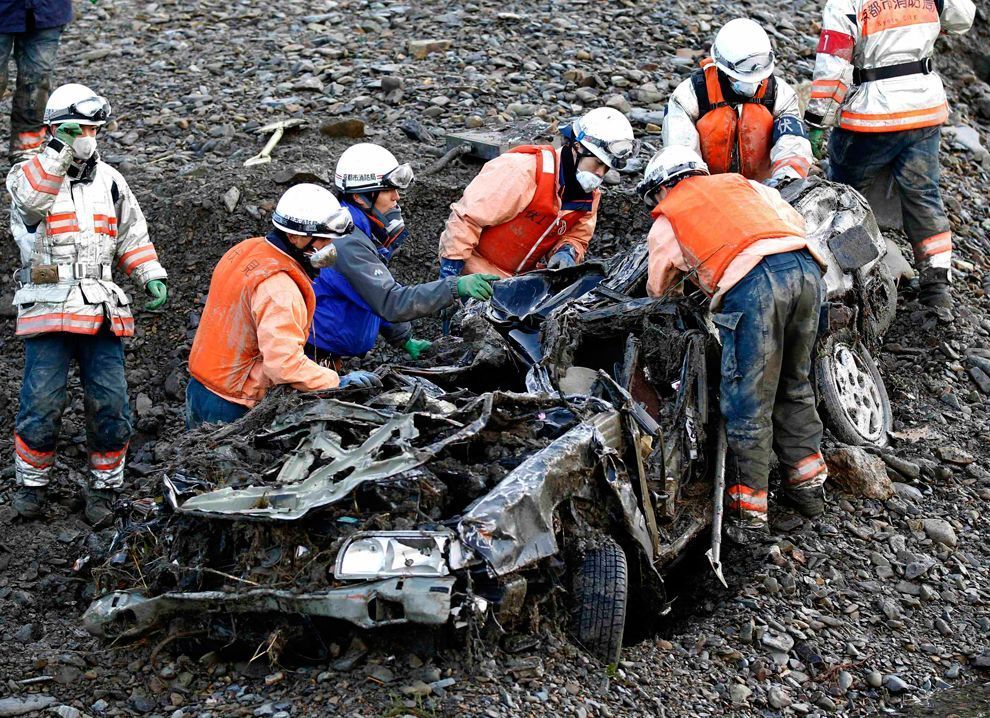
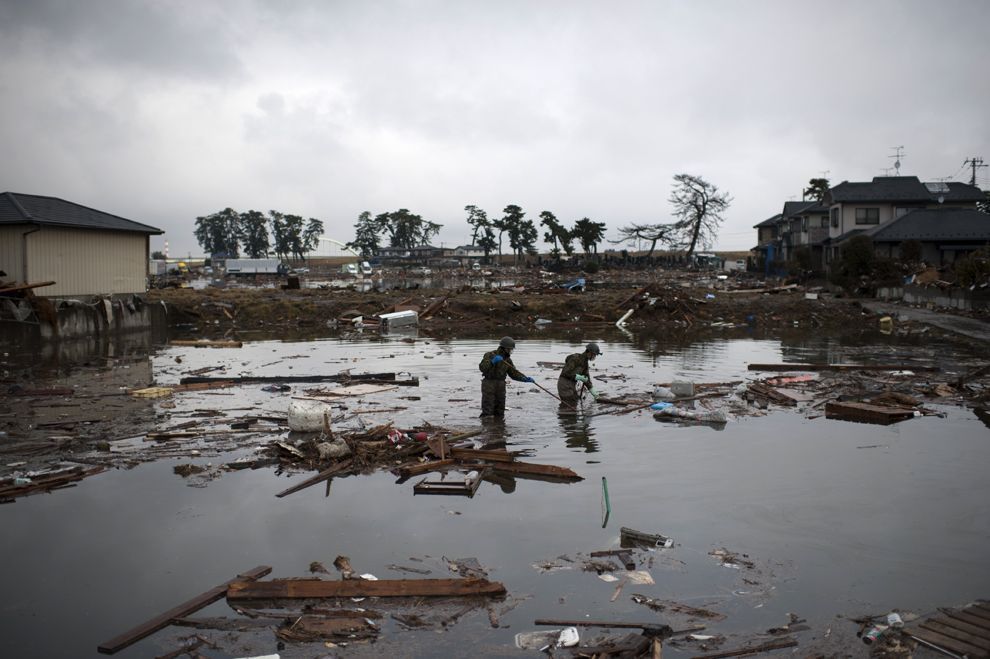
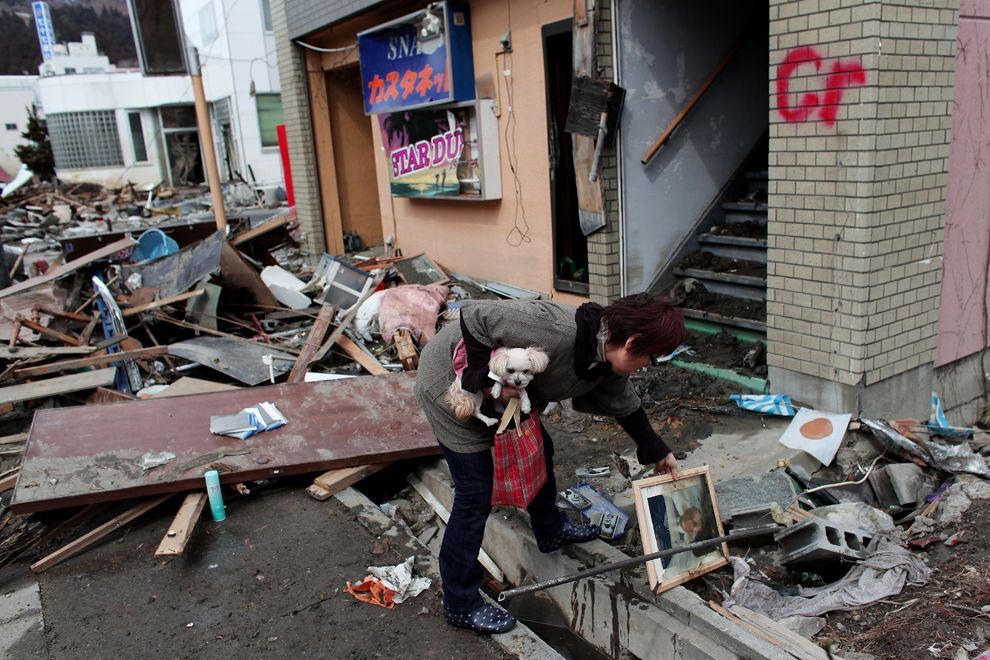
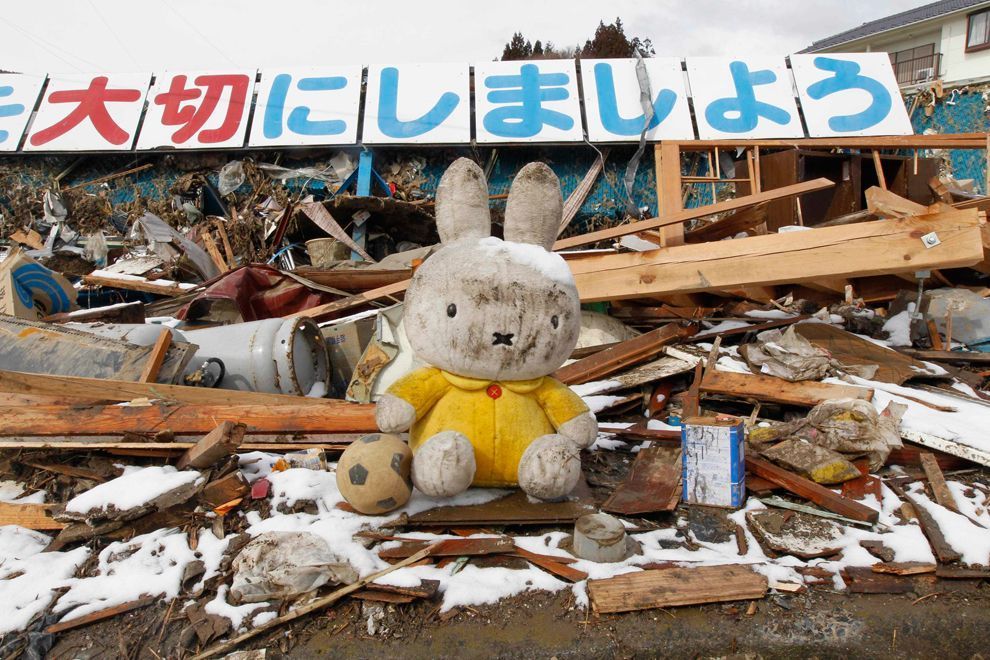
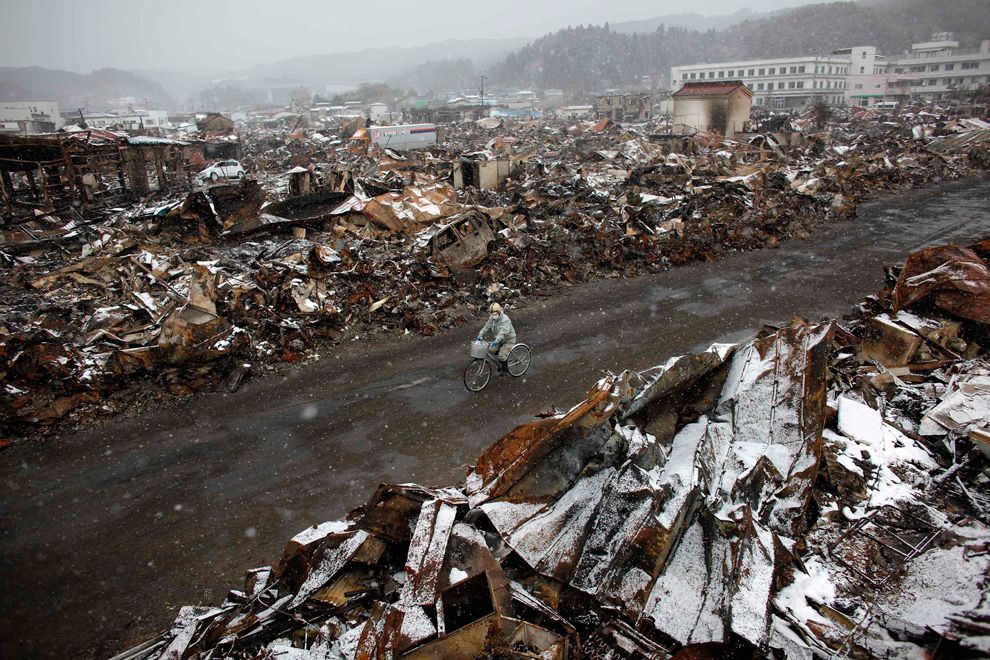
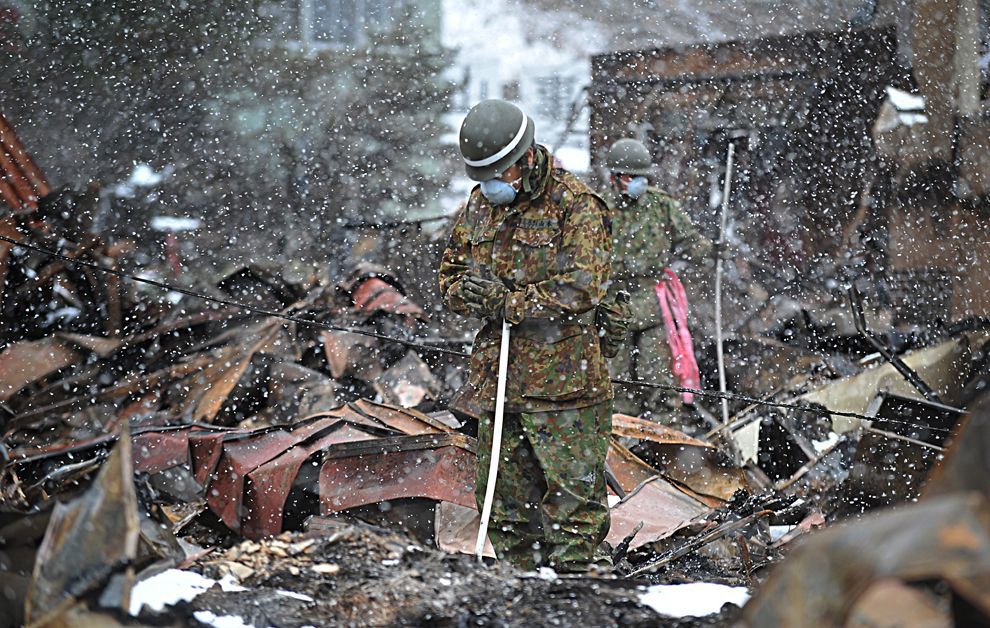
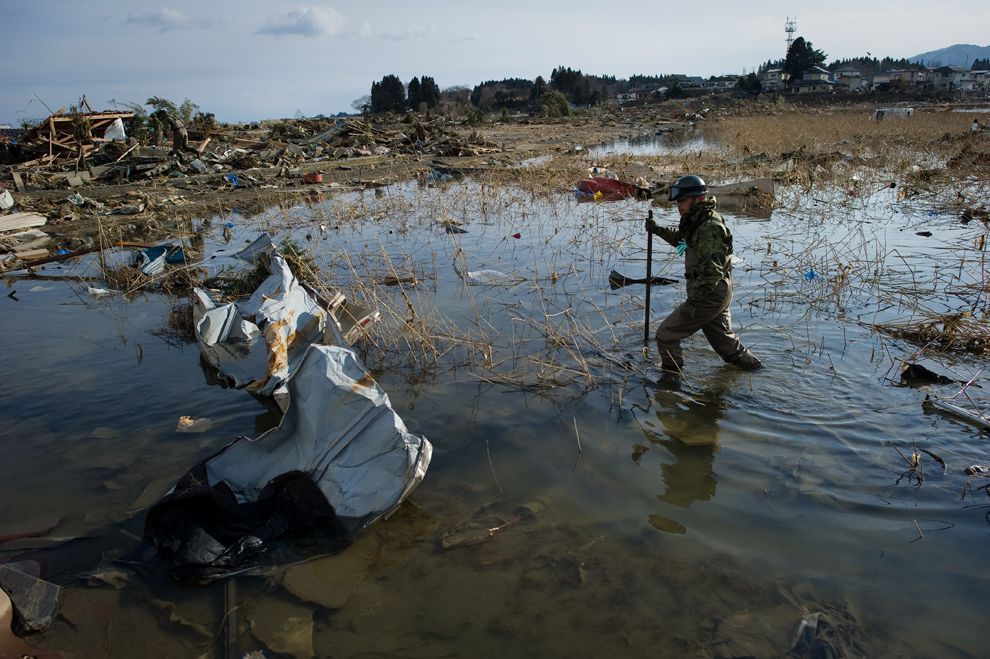
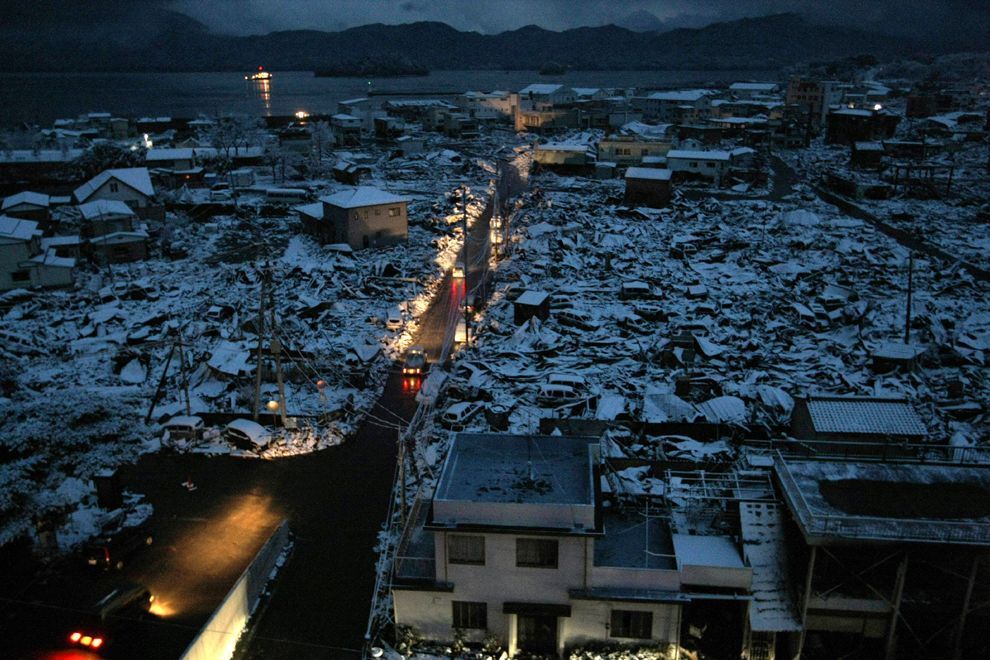
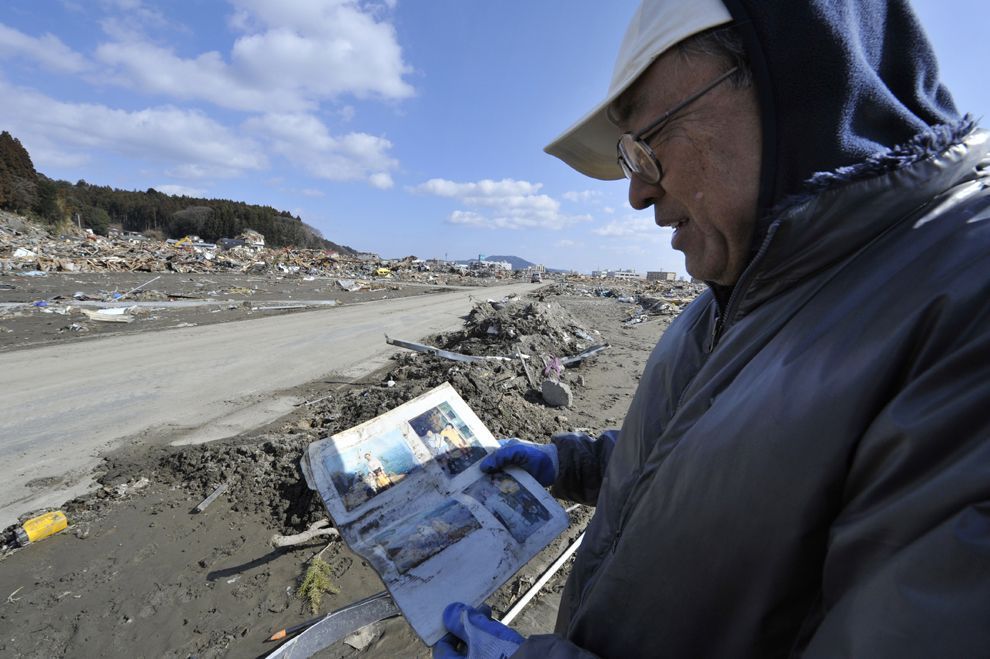
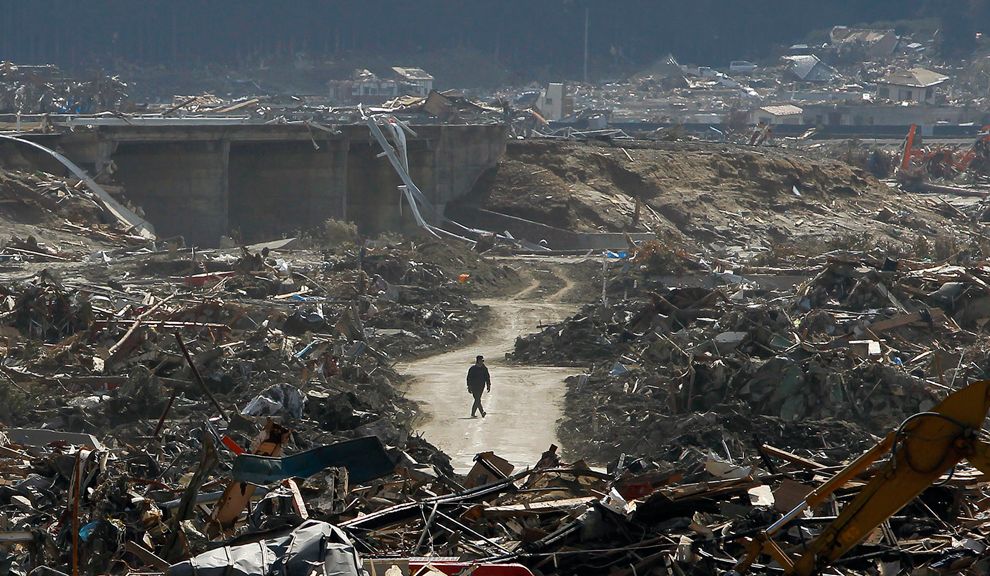
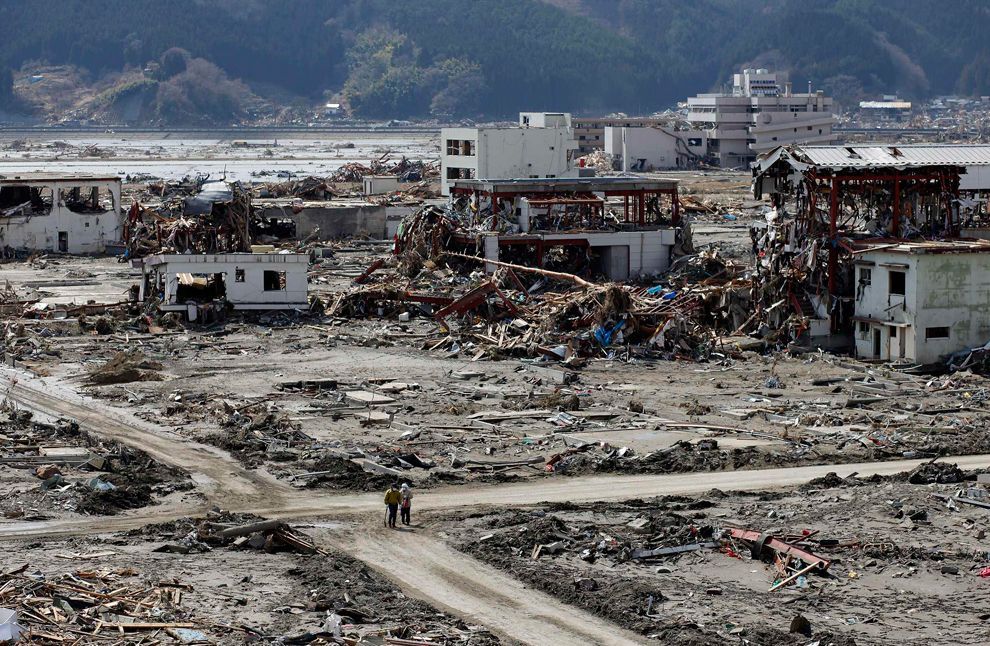
The degree and extent of damage caused by the earthquake and resulting tsunami were enormous, with most of the damage being caused by the tsunami. Video footage of the towns worst affected shows little more than piles of rubble, with almost no parts of any structures left standing. Estimates of the cost of the damage range well into the tens of billions of US dollars; before-and-after satellite photographs of devastated regions show immense damage to many regions. Although Japan has invested the equivalent of billions of dollars on anti-tsunami seawalls which line at least 40% of its 34,751 km (21,593 mi) coastline and stand up to 12 m (39 ft) high, the tsunami simply washed over the top of some seawalls, collapsing some in the process.
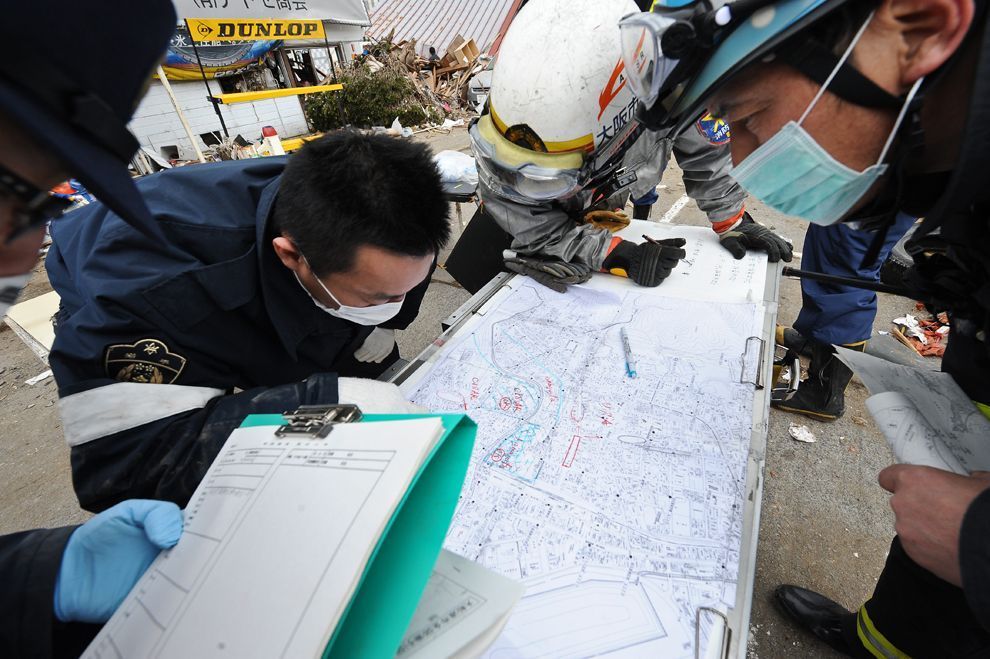
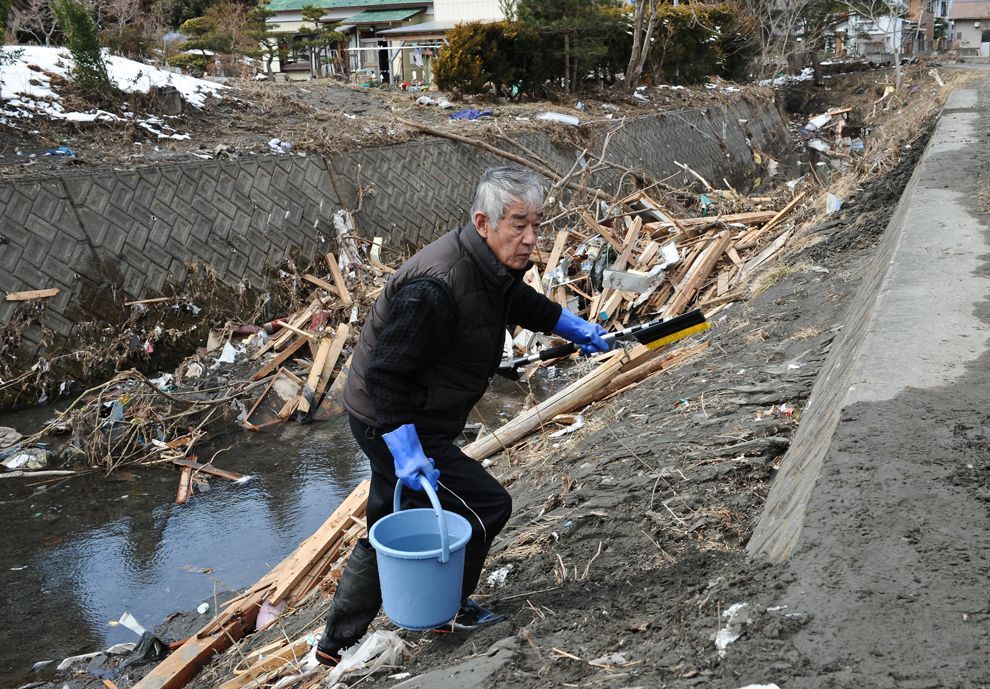
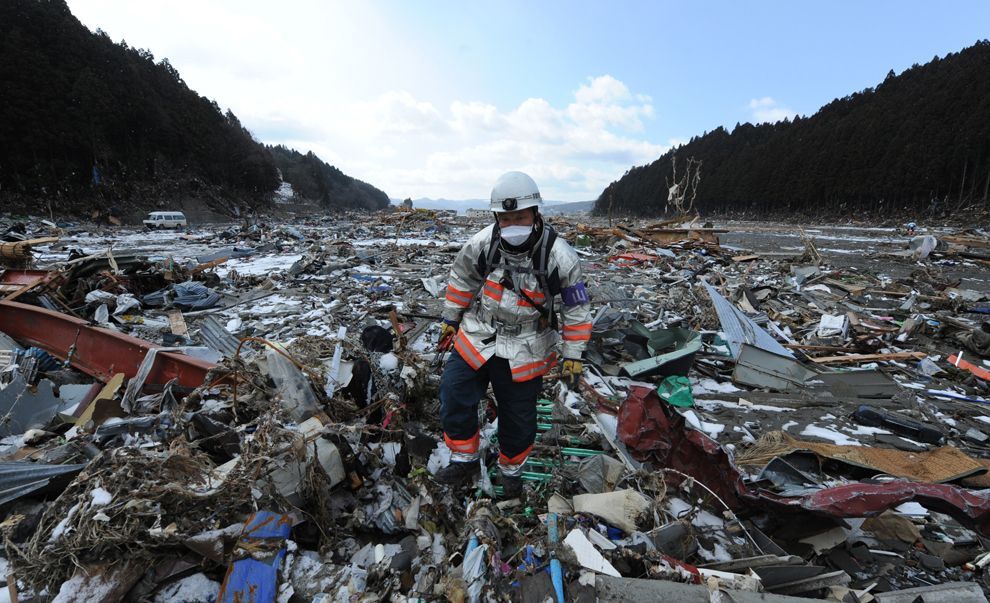
Japan's National Police Agency said on 3 April 2011, that 190,000 buildings were destroyed or damaged by the quake and tsunami. Of those, 45,700 were destroyed. The damaged buildings included 29,500 structures in Miyagi Prefecture, 12,500 in Iwate Prefecture and 2,400 in Fukushima Prefecture. The earthquake and tsunami created an estimated 25 million tons of rubble and debris in Japan.
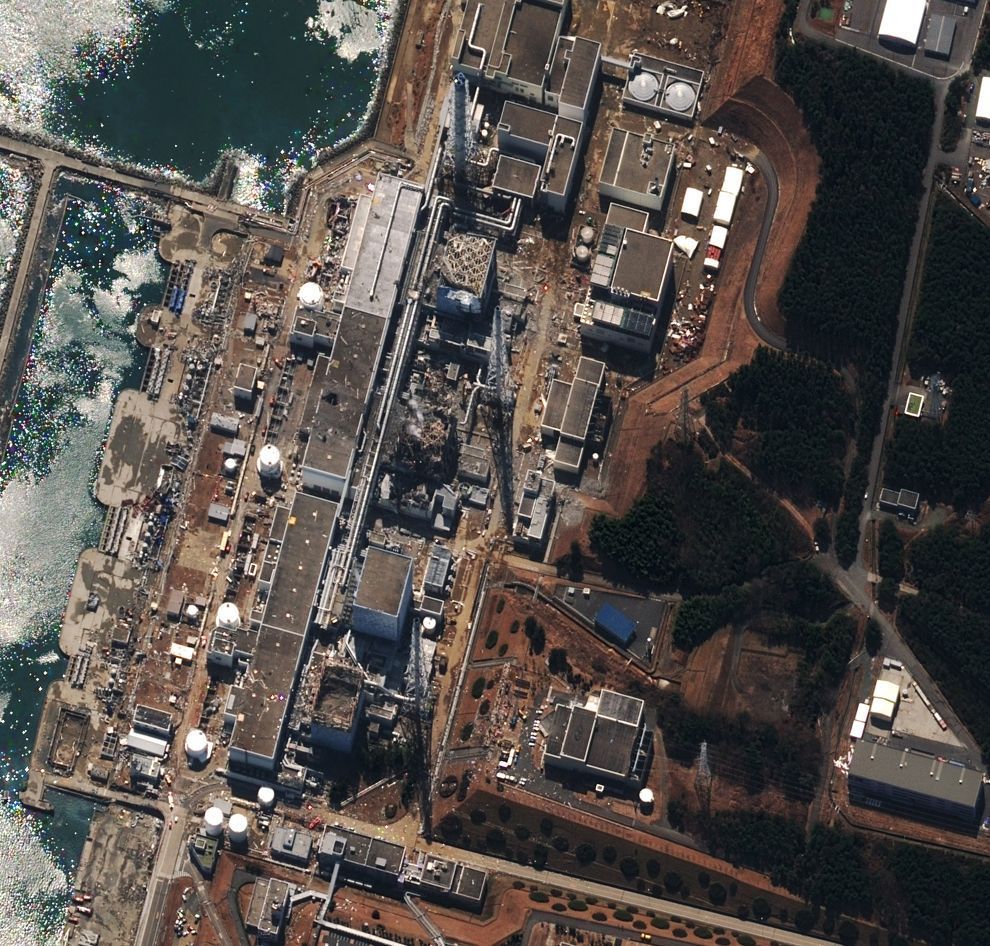
 The Fukushima I Nuclear Power Plant after the 2011 Tōhoku earthquake and tsunami.
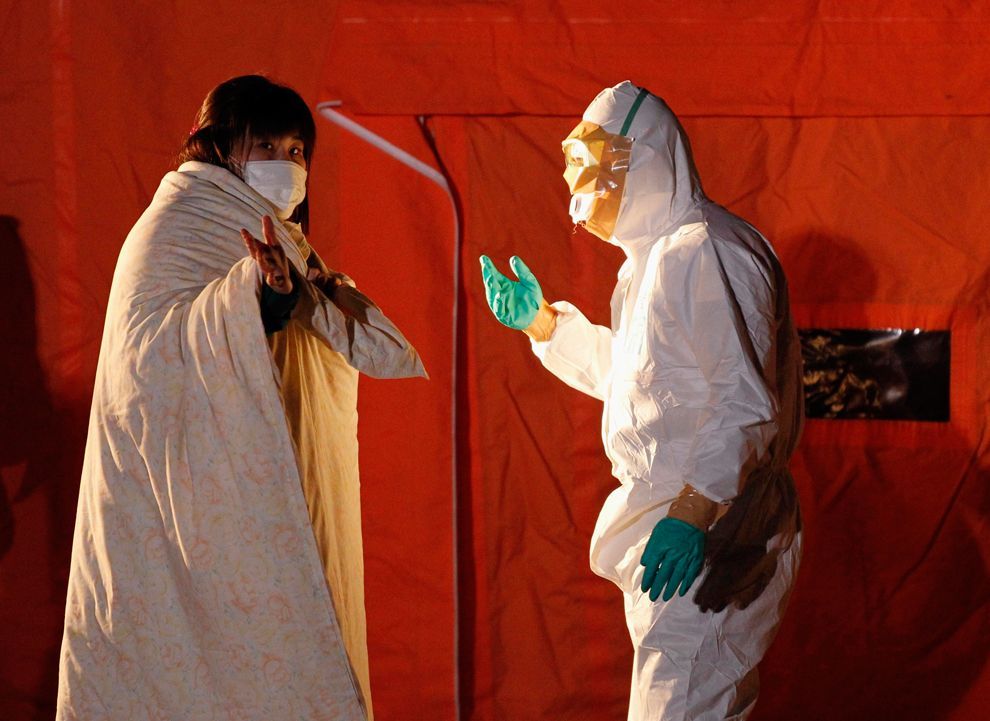
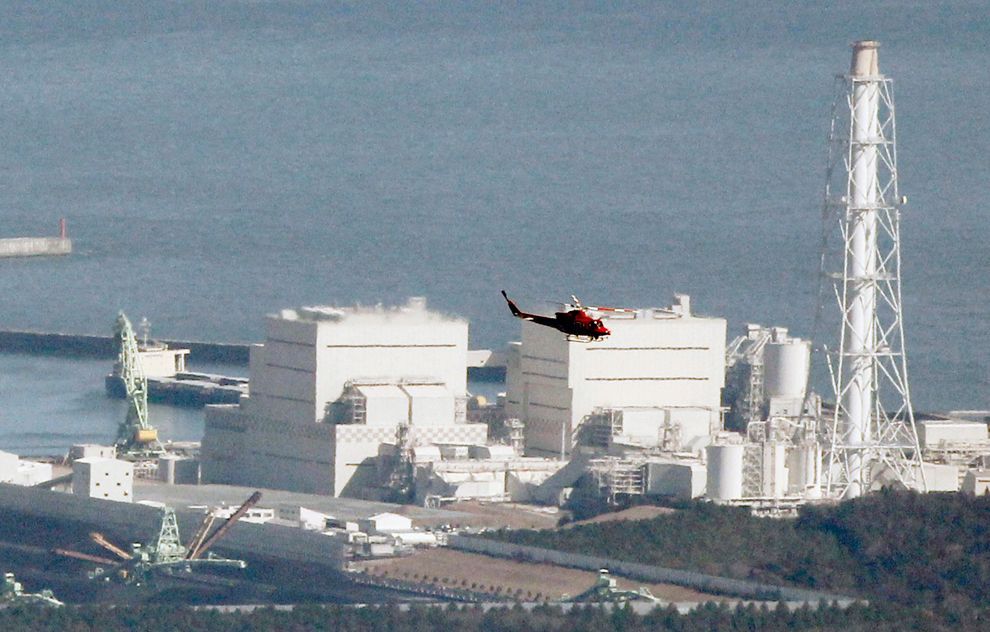
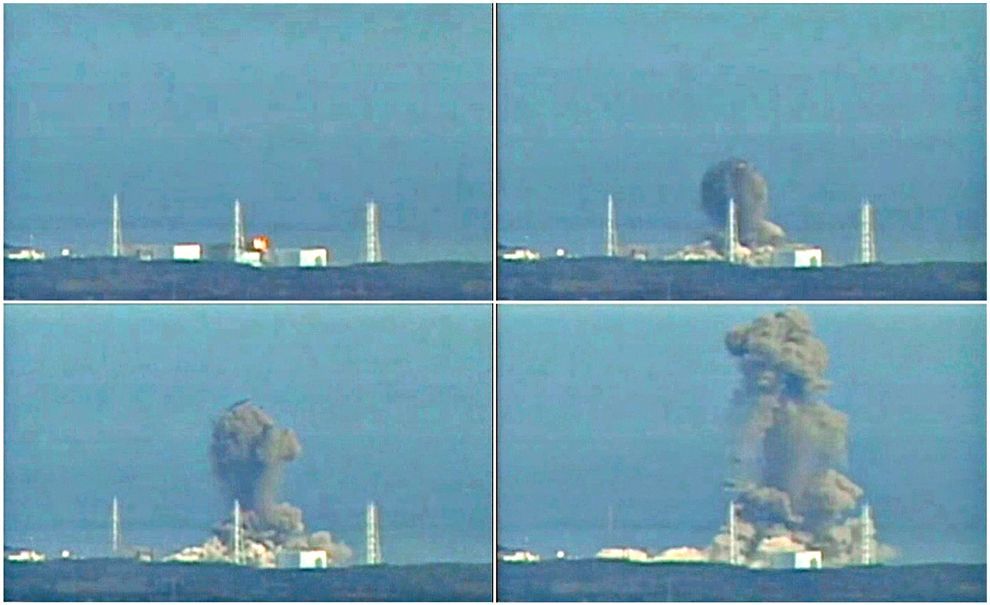
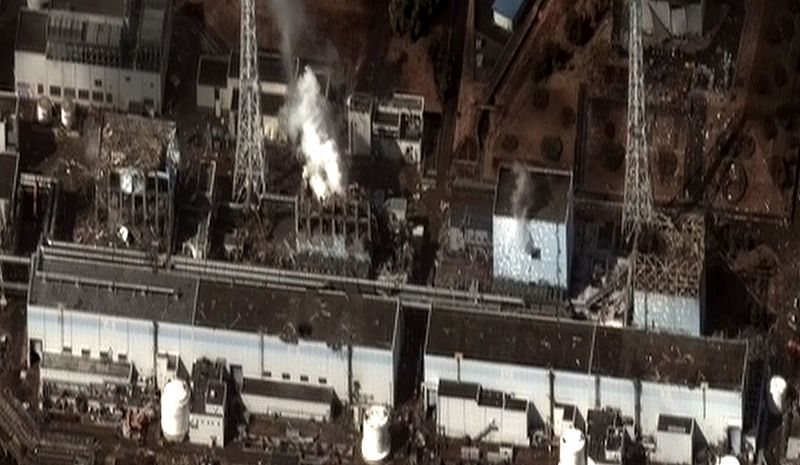
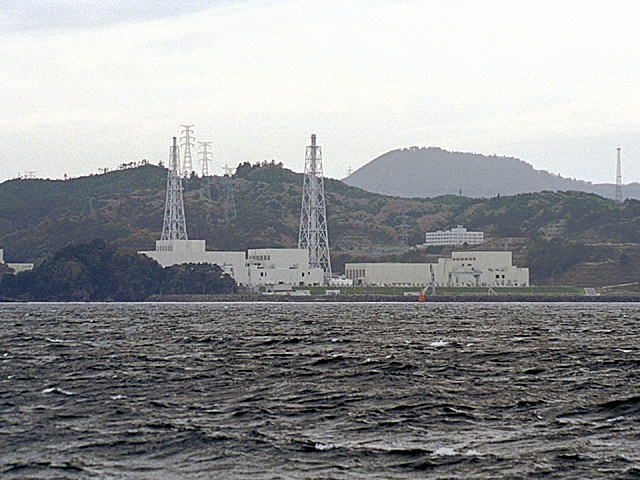
The Fukushima I, Fukushima II, Onagawa Nuclear Power Plant and Tōkai nuclear power stations, consisting of a total eleven reactors, were automatically shut down following the earthquake. Higashidōri, also on the northeast coast, was already shut down for a periodic inspection. Cooling is needed to remove decay heat after a reactor has been shut down, and to maintain spent fuel pools. The backup cooling process is powered by emergency diesel generators at the plants and at Rokkasho nuclear reprocessing plant. At Fukushima I and II tsunami waves overtopped seawalls and destroyed diesel backup power systems, leading to severe problems at Fukushima I, including three large explosions and radioactive leakage. Over 200,000 people were evacuated.
The April 7 aftershock caused the loss of external power to Rokkasho Reprocessing Plant and Higashidori Nuclear Power Plant but backup generators were functional. Onagawa Nuclear Power Plant lost 3 of 4 external power lines and lost cooling function for as much as 80 minutes. A spill of a couple liters of radioactive water occurred at Onagawa.
Europe's Energy Commissioner Günther Oettinger addressed the European Parliament on 15 March, explaining that the nuclear disaster an "apocalypse". As the nuclear crisis entered a second month, experts recognized that Fukushima I is not the worst nuclear accident ever, but it is the most complicated.
Fukushima I and II Nuclear Power Plants
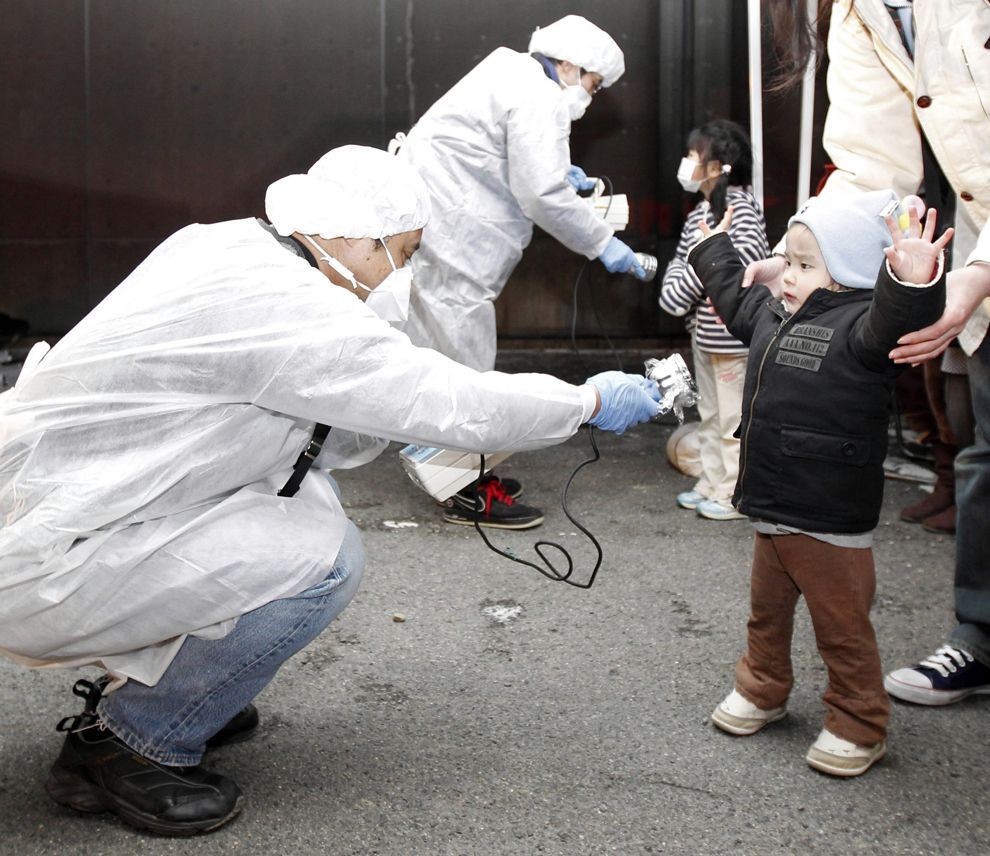
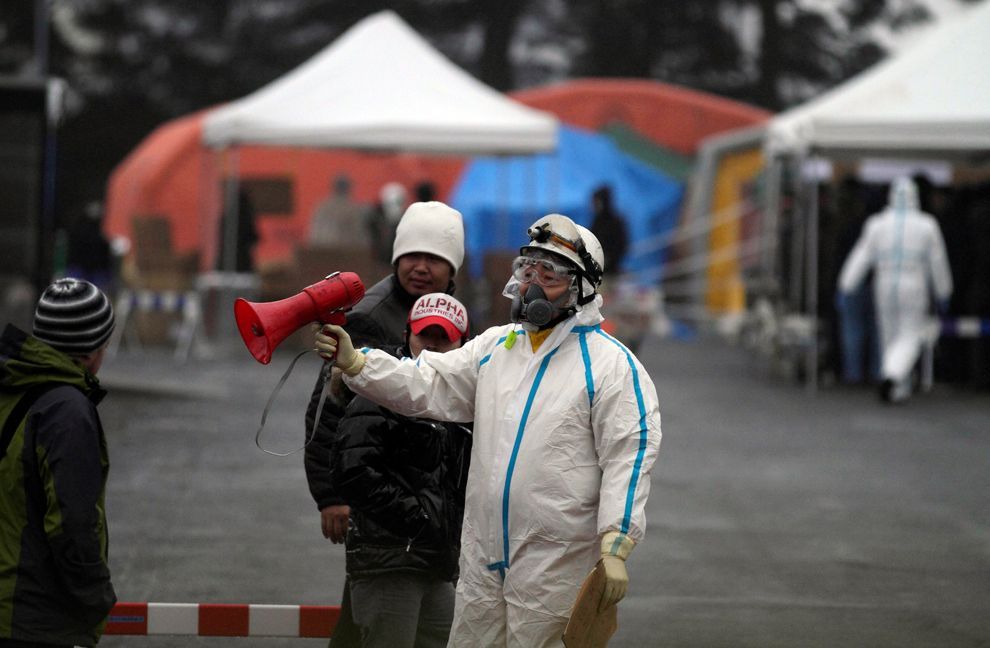
Japan declared a state of emergency following the failure of the cooling system at the Fukushima I Nuclear Power Plant, resulting in the evacuation of nearby residents. Officials from the Japanese Nuclear and Industrial Safety Agency reported that radiation levels inside the plant were up to 1,000 times normal levels, and that radiation levels outside the plant were up to 8 times normal levels. Later, a state of emergency was also declared at the Fukushima II nuclear power plant about 11 km (7 mi) south. This brought the total number of problematic reactors to six.
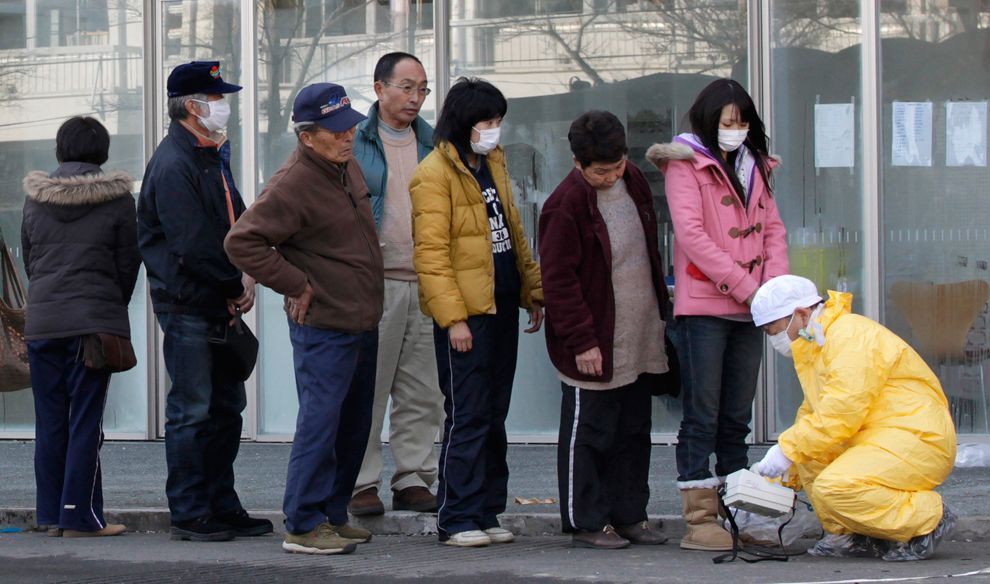
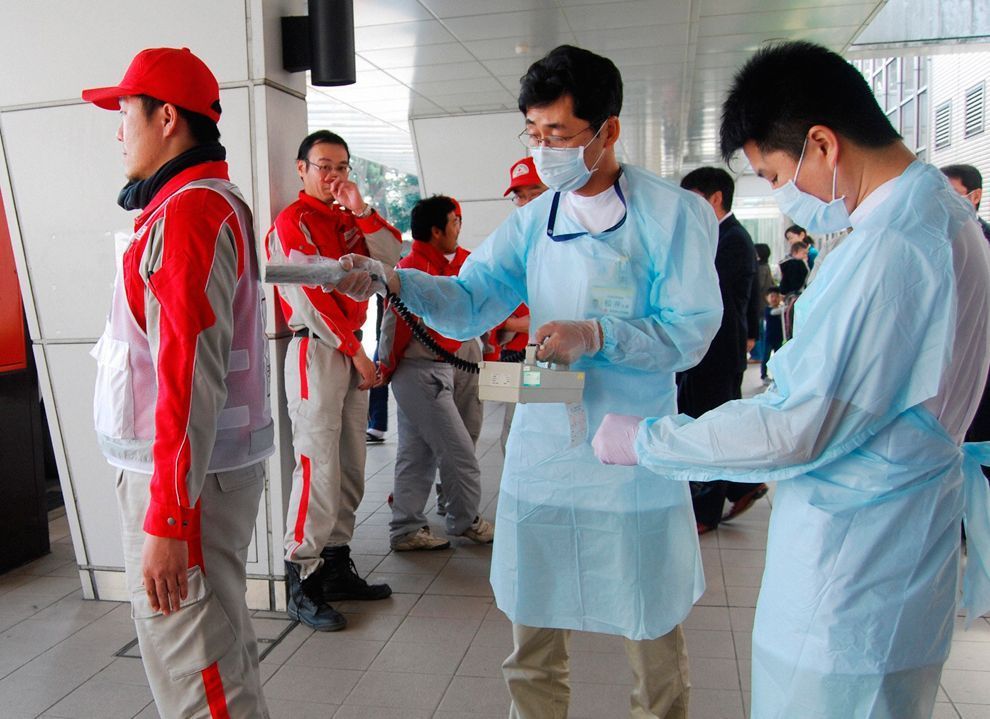
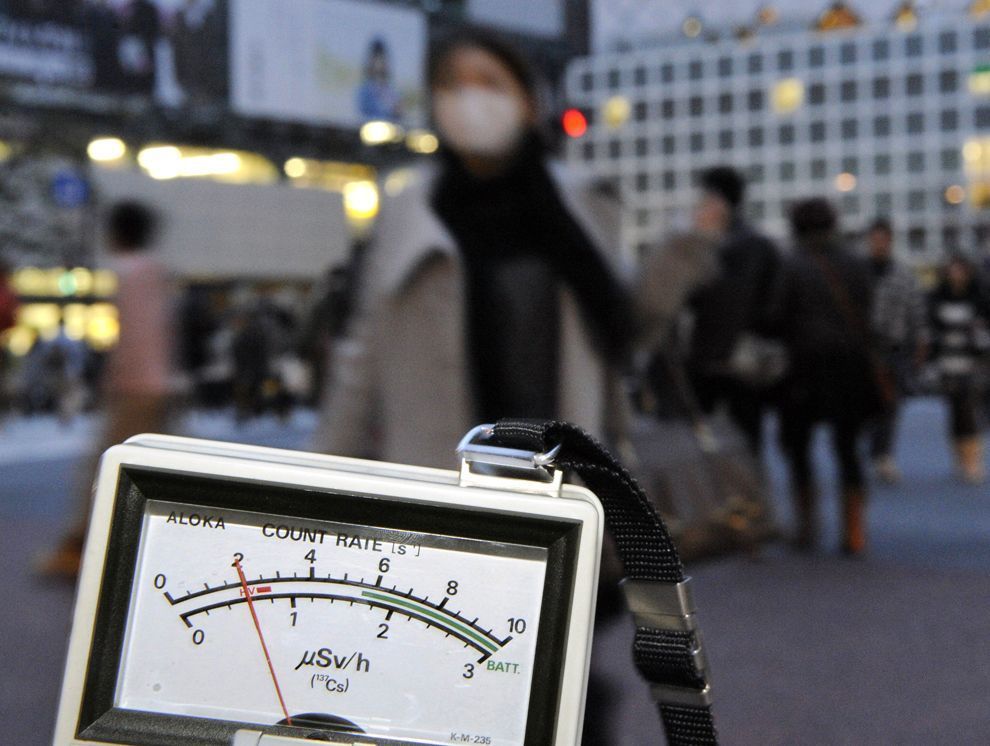
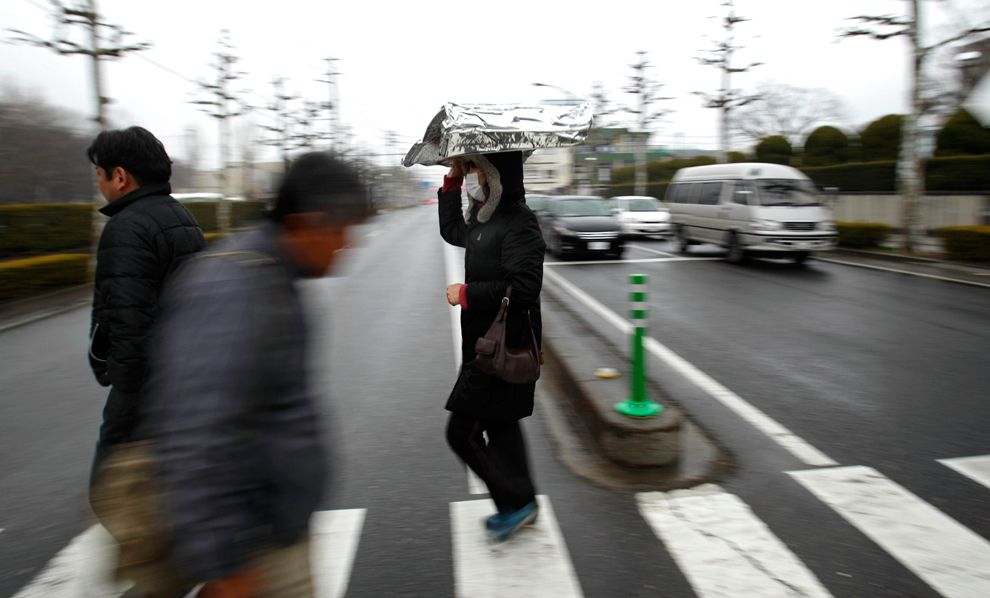
It was reported that radioactive iodine was detected in the tap water in Fukushima, Toshigi, Gunma, Tokyo, Chiba, Saitama, and Niigata, and radioactive cesium in the tap water in Fukushima, Tochigi and Gunma. Radioactive cesium, iodine, and strontium were also detected in the soil in some places in Fukushima. There may be a need to replace the contaminated soil. Food products were also found contaminated by radioactive matter in several places in Japan. On April 5, 2011, the government of the Ibaraki Prefecture banned the fishing of sand lance after discovering that this species was contaminated by radioactive cesium above legal limits.
 Onagawa Nuclear Power Plant on November 16th 2003.
A fire occurred in the turbine section of the Onagawa Nuclear Power Plant following the earthquake. The blaze was in a building housing the turbine, which is sited separately from the plant's reactor, and was soon extinguished. The plant was shut down as a precaution.
On 13 March the lowest-level state of emergency was declared regarding the Onagawa plant as radioactivity readings temporarily exceeded allowed levels in the area of the plant. Tohoku Electric Power Co. stated this may have been due to radiation from the Fukushima I nuclear accidents but was not from the Onagawa plant itself.
As a result of the April 7 aftershock, Onagawa Nuclear Power Plant lost 3 of 4 external power lines and lost cooling function for as much as 80 minutes. A spill of a couple liters of radioactive water occurred at Onagawa.
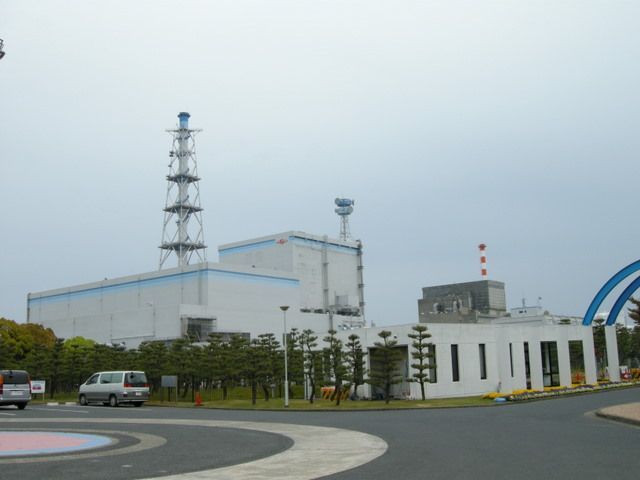
 Tōkai Nuclear Power Plant, Unit 1 and 2. May 2009
The number 2 reactor at Tōkai Nuclear Power Plant was shut down automatically. On 14 March it was reported that a cooling system pump for this reactor had stopped working; however, the Japan Atomic Power Company stated that there was a second operational pump sustaining the cooling systems, but that two of three diesel generators used to power the cooling system were out of order.