|
Sam Sheppard: Best Who Done IT
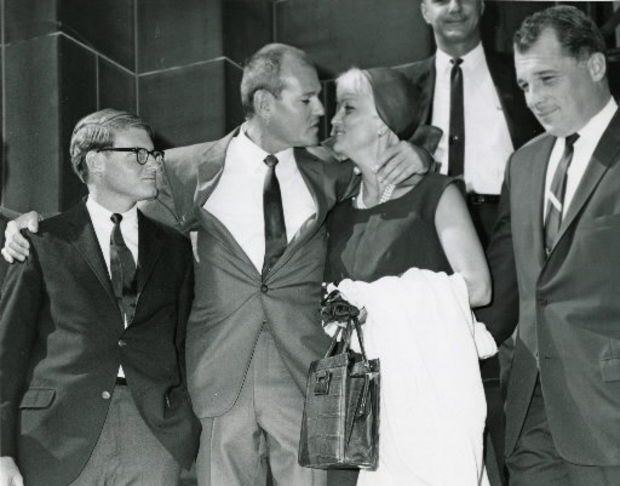
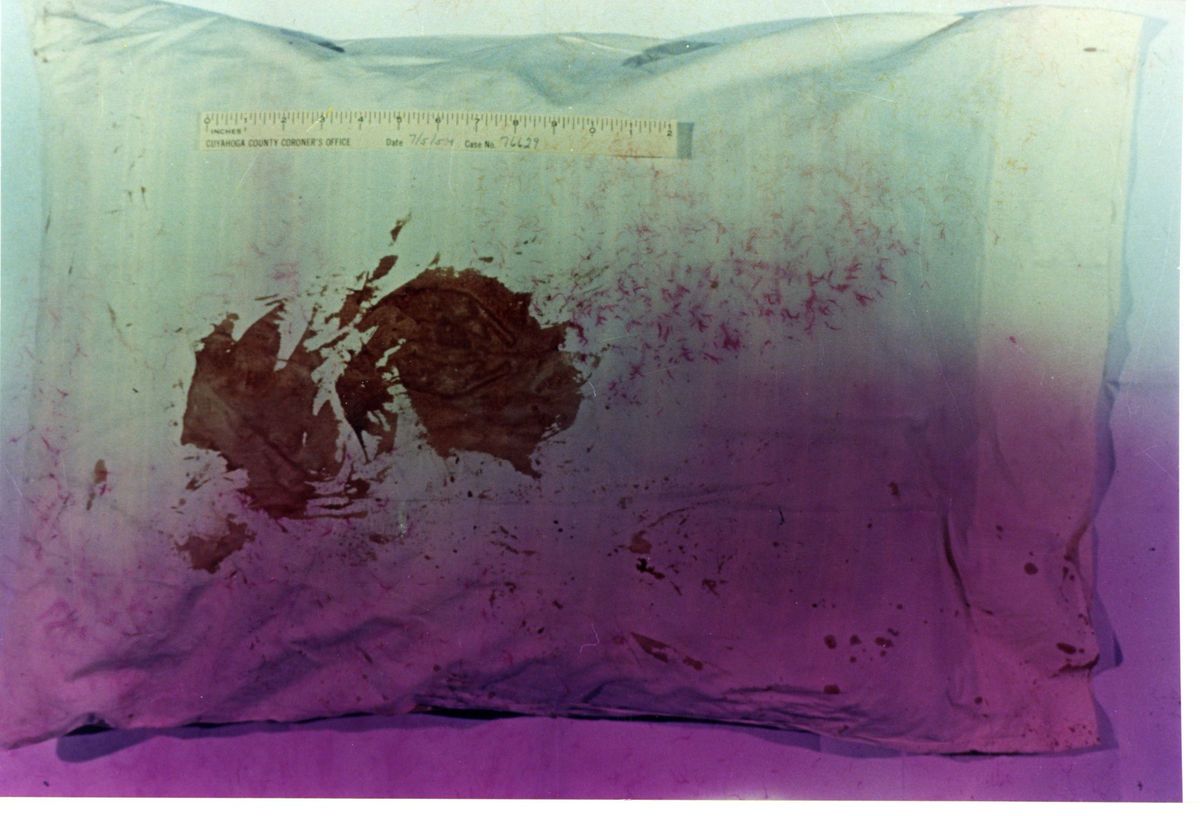
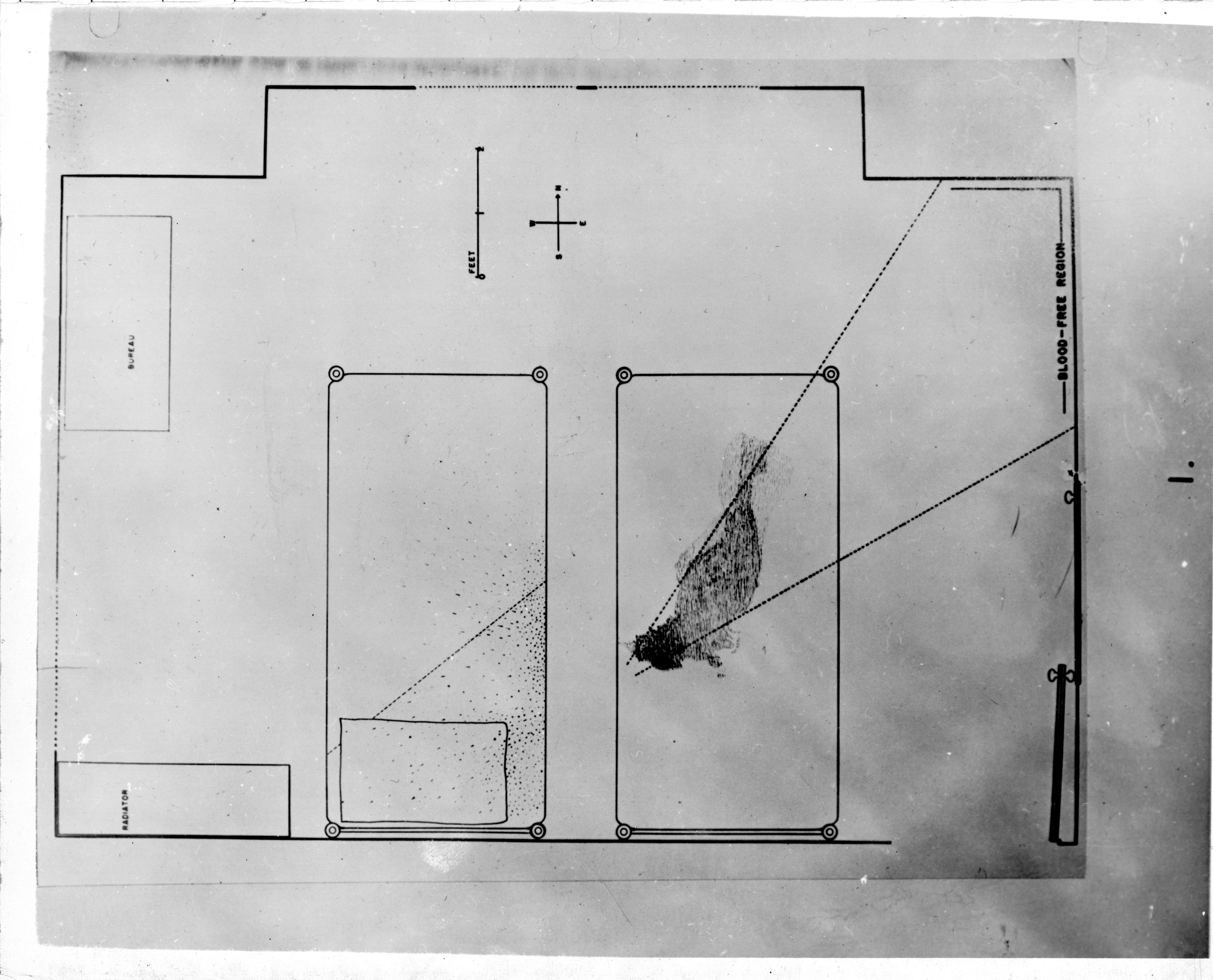
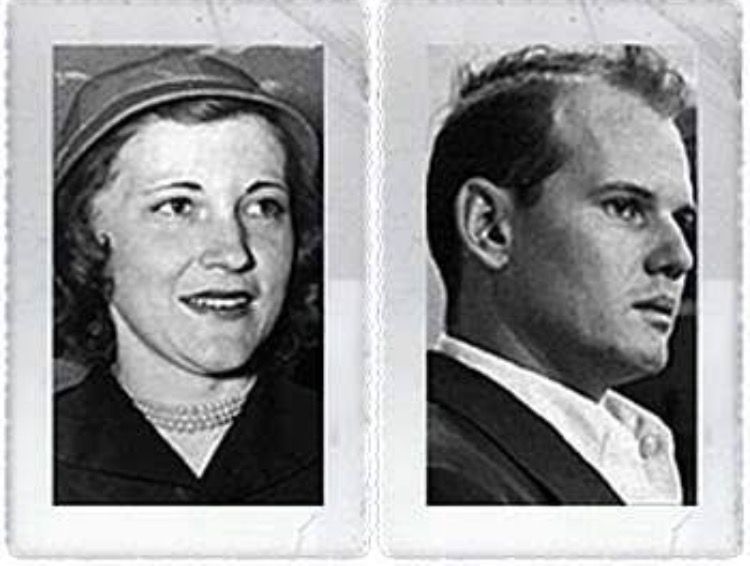
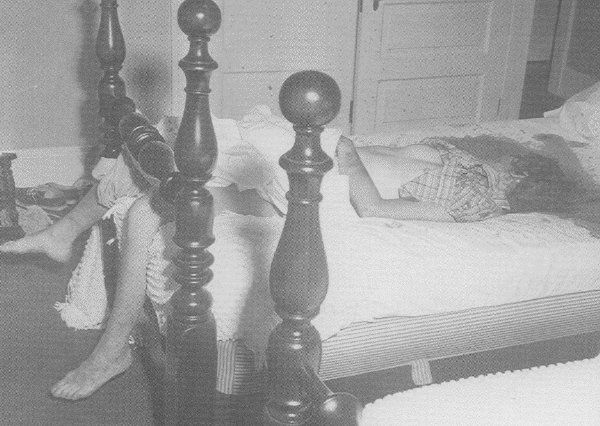
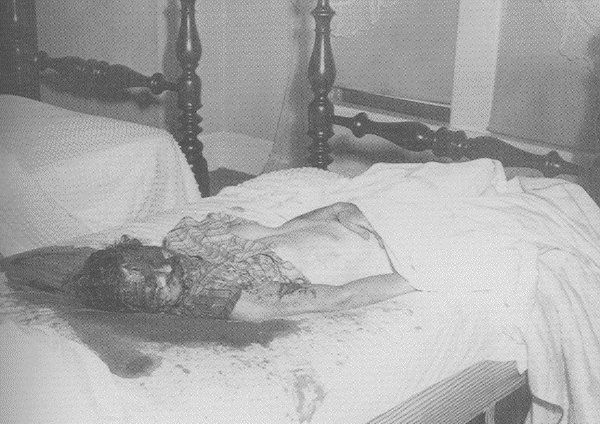
Background On This Case: How The Public, Law, Media/Press Work And The Power They All Have. Some time after midnight on July 4, 1954, Marilyn Sheppard was murdered in her Bay Village home. The home overlooked Lake Erie and had beach access. She was pregnant at the time. Her husband was an osteopathic doctor who worked at his family's hospital. They had a seven year old son, Sam Sheppard, Jr., who went by Chip. The husband, Sam Sheppard, claimed to have seen a "bushy haired" man, whom he tried to unsuccessfully fight off, and eventually passed out on the Lake Erie beach, after receiving a nasty blow to the head. At 5:45 am he called his neighbor, Bay Village Mayor Spencer Houk, stating that someone had killed Marilyn.
Studying the crime scene, the coroner and some of the police had problems believing Sam Sheppard's story. They did not do their best work: they did not try to determine if Marilyn Sheppard had been raped, they let the media traipse through the crime scene, and they may have come to their conclusion before they processed all the evidence.
The local media had a field day with the story. It was a slow summer for news, and the murder of a pretty doctor's wife held the public's attention. The media jumped to the same conclusion as the police did. Bay Village was a small suburb and needed the help of the Cleveland police to help with the case. The pressure by the media and the public to arrest Sheppard was high. In late July, Coroner Gerber held an inquest at Normandy Elementary School in Bay Village to get some answers. He did this after a headline in a local paper appeared, demanding to know why "someone was getting away with murder."
During the inquest when Sheppard was questioned, he denied having an affair or ever thinking of divorcing his wife. This was untrue. During the early part of their marriage, Sam had thought of it. He also had a few affairs. The most notable one was with Susan Hayes, a lab technician from Cleveland who worked at the hospital. She later moved to Los Angeles. She was brought back and questioned about her relationship with Sheppard. Many people felt that this was the damning evidence to prove that Sheppard killed his wife.
Shortly after the inquest, Sheppard was arrested for the murder of his wife. He hired attorney Will Corrigan and assembled a defense team which included Fred Garmone, Arthur Petersilge (who was already the family's attorney before the murder), and Will Corrigan Jr. who had recently graduated from law school.
The prosecution team consisted of Saul Danaceau, John Mahon, Frank Cullitan, and Thomas Parrino. Notably, Mahon was also trying to get elected to be a judge in November 1954. Judge Edward Blythin presided over the court. He told Dorothy Kilgallen, a famous journalist who covered the case, that he was certain of Sheppard's guilt before the case started.
Jurors were selected in October 1954. Their names, photos, and addresses were printed in the local newspapers. The jurors received mail from people, telling them to convict Sheppard.
The trial started in late October. The media had unprecedented access to the case. People lined up to get a seat in the courtroom. Sheppard initially felt that he would be found innocent. His extended family was extremely supportive. His two brothers and father came to court every day, alternating their times so that someone could be at the hospital. His sister-in-laws came every day. Marilyn's family believed he was innocent as well.
The trial went until mid-December. On December 21, 1954, the jury convicted Sheppard. Sheppard received a sentence of life in prison. Shortly after the conviction, his mother committed suicide, his father died of a bleeding ulcer, and Marilyn's father committed suicide in 1963. Chip Sheppard went to live with Steve and Betty Sheppard.
Corrigan died in 1961. F. Lee Bailey took over as counsel. In 1964, after several attempts to appeal the decision, one was granted. In 1966, the Supreme Court heard the case Sheppard v. Maxwell, and came to the conclusion that Sheppard was denied due process and had an unfair trial, mainly due to the media circus that permeated the original trial. The court also found that blame lay with Judge Blythin who had refused to sequester the jurors and did not tell them to disregard the media. After his death:
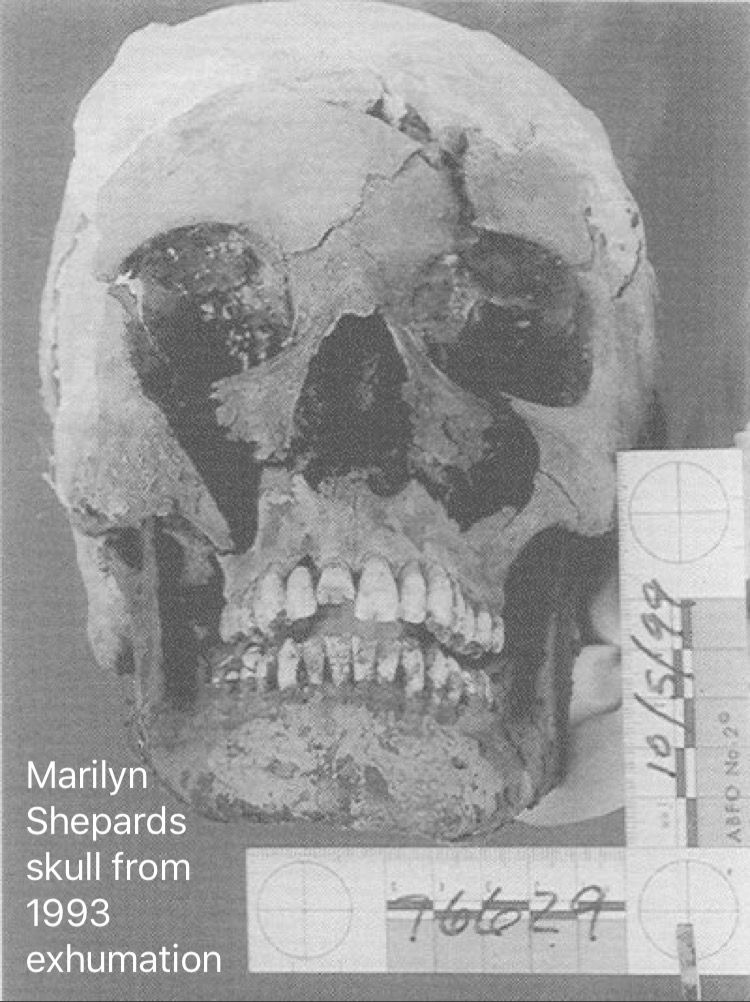
His son has made many efforts to clear his father's name. During the 1990s, he tried to get prosecutor Stephanie Tubbs-Jones to reopen the case. She refused. In 1999, he filed suit against the state of Ohio, where he tried to have his father declared innocent, instead of not guilty. He also filed charges of wrongful imprisonment. The prosecution argued that Sheppard committed the crime. The defense tried to highlight Richard Eberling, a man who had washed the windows at the Sheppard's home days before the murder, and had been convicted of other murders. Susan Hayes, now a grandmother, was brought back to testify. The bodies of both Marilyn and Sam Sheppard were exhumed. Sheppard was found not guilty, but was not found to be wrongfully imprisoned. Coroner's Inquest Transcript - A coroner's inquest is an infrequently used procedure by which the coroner can investigate a suspicious death. (1) The coroner acts as presiding officer (judge) and interrogator, and reaches a determination on the cause and manner of death. The coroner's inquest pertaining to the death of Marilyn Sheppard took place over three days in the Normandy School gym in Bay Village, Ohio starting July 22, 1954. Later, two additional witnesses were questioned at the Coroner's office.
The U.S. Supreme Court case (2) finding that the judge failed to protect Sam Sheppard against prejudicial pretrial publicity described the inquest as follows:
"It was staged the next day in a school gymnasium; the Coroner presided with the County Prosecutor as his advisor and two detectives as bailiffs. In the front of the room was a long table occupied by reporters, television and radio personnel, and broadcasting equipment. The hearing was broadcast with live microphones placed at the Coroner's seat and the witness stand. A swarm of reporters and photographers attended.
Sheppard was brought into the room by police who searched him in full view of several hundred spectators. Sheppard's counsel were present during the three-day inquest but were not permitted to participate. When Sheppard's chief counsel attempted to place some documents in the record, he was forcibly ejected from the room by the Coroner, (3)who received cheers, hugs, and kisses from ladies in the audience. Sheppard was questioned for five and one-half hours about his actions on the night of the murder, his married life, and a love affair with Susan Hayes. At the end of the hearing the Coroner announced that he ‘could’ order Sheppard held for the grand jury, but did not do so."
Seventeen witness were questioned under oath by Coroner Sam Gerber, including Sam Sheppard's brothers, their wives, Sam's father, and Marilyn's father. Sam Sheppard testified about struggling with an intruder in the house the night of Marilyn's murder. The coroner questioned Sam about an affair with Susan Hayes. Sam denied the affair, a lie that would later be used to impeach his credibility at trial.
Coroner Gerber's verdict named Sam Sheppard as the murderer.
1 - Ohio Revised Code 313.17.
2 - Sheppard v. Maxwell, 384 U.S. 333, 86 S. Ct. 1507, 16 L. Ed. 2d 600 (1966)
3 - The ejectment of Sam's attorney occurred during the recall testimony of Dorothy Sheppard on July 26, 1954 (p. 496 of the transcript)
This comes in three pdfs, the first one:
Transcript of Coroner's Inquest (Part 1)
Cuyahoga County Coroner's Office
Coroner's Inquest Transcript, p. 1-182, July 22, 1954
Includes testimony of J. Spencer Houk, mayor of Bay Village and friend of the Sheppards; Esther Houk, J. Spencer Houk's wife; Fred F. Drenkhan, Bay Village Police patrolman; John P. Eaton, Bay Village Police chief; Jay H. Hubach, Bay Village Police sergeant; Don and Nancy Ahern, friends of the Sheppards who were at the Sheppard home on the evening of July 3
Description
Transcript of Coroner's inquest, p. 189-351, July 22, 1954 to July 23, 1954
Includes testimony of Dr. Samuel H. Sheppard
Transcript of Coroner's Inquest (Part 3)
Cuyahoga County Coroner's Office
Coroner's Inquest Transcript, p. 352-578, July 23, 1954 to July 26, 1954
Testimony of Ronald L. Callihan, volunteer fireman in Bay Village; Dr. Stephen Allen Sheppard, Sam Sheppard's brother; Dr. Richard N. Sheppard, Sam Sheppard's brother; Dorothy Sheppard, Sam Sheppard's sister-in-law; Betty Sheppard, Sam Sheppard's sister-in-law; Richard Sommer, Bay Village Fire Department; Richard A. Lease, administrator for Bay View Hospital; Thomas S. Reese, Marilyn Sheppard's father; Dr. Richard Hexter, physician at Lutheran Hospital who examined Sam Sheppard on July 4; Nancy Ahern, friend of the Sheppards who was at the Sheppard home on the evening of July 3; Ethel Sheppard, Sam Sheppard's mother; Dr. Richard A. Sheppard, Sam Sheppard's father; Samuel Reese (Chip) Sheppard, Sam Sheppard's son; Gervase Charles Flick, osteopathic physician who examined x-rays taken of Dr. Sam Sheppard
Additional testimony of Sam Reese Sheppard and Dr. Gervase Flick took place in the Coroner's office in Cleveland, Ohio on other dates in July, 1954
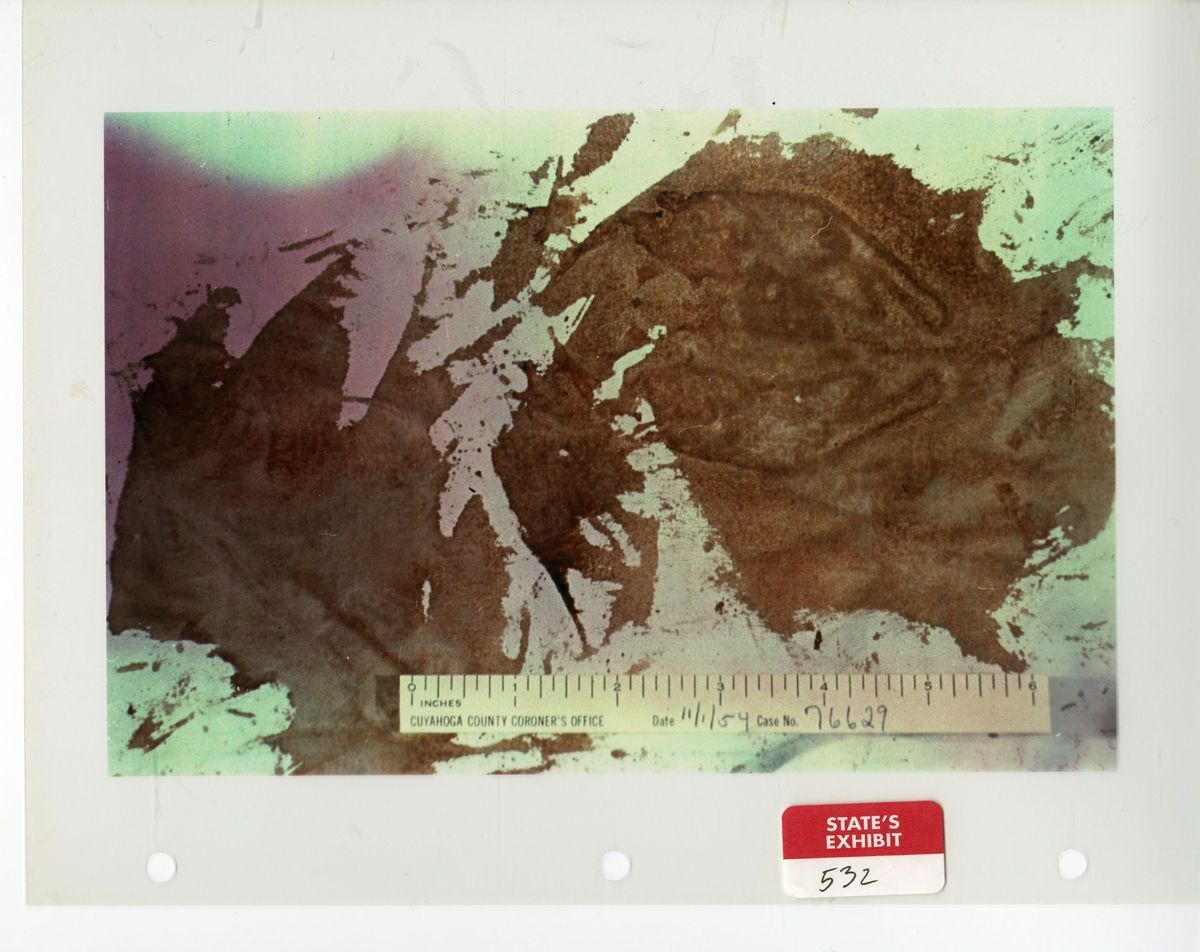
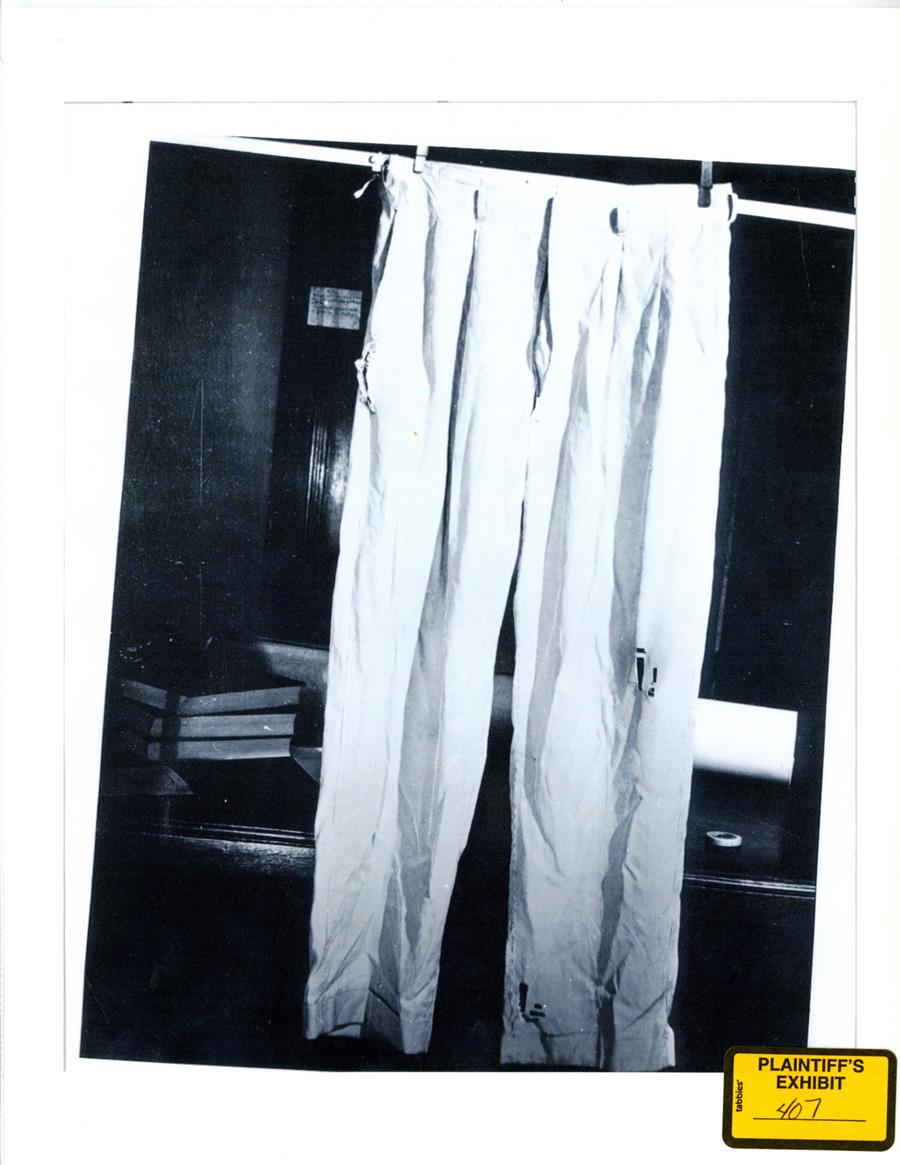
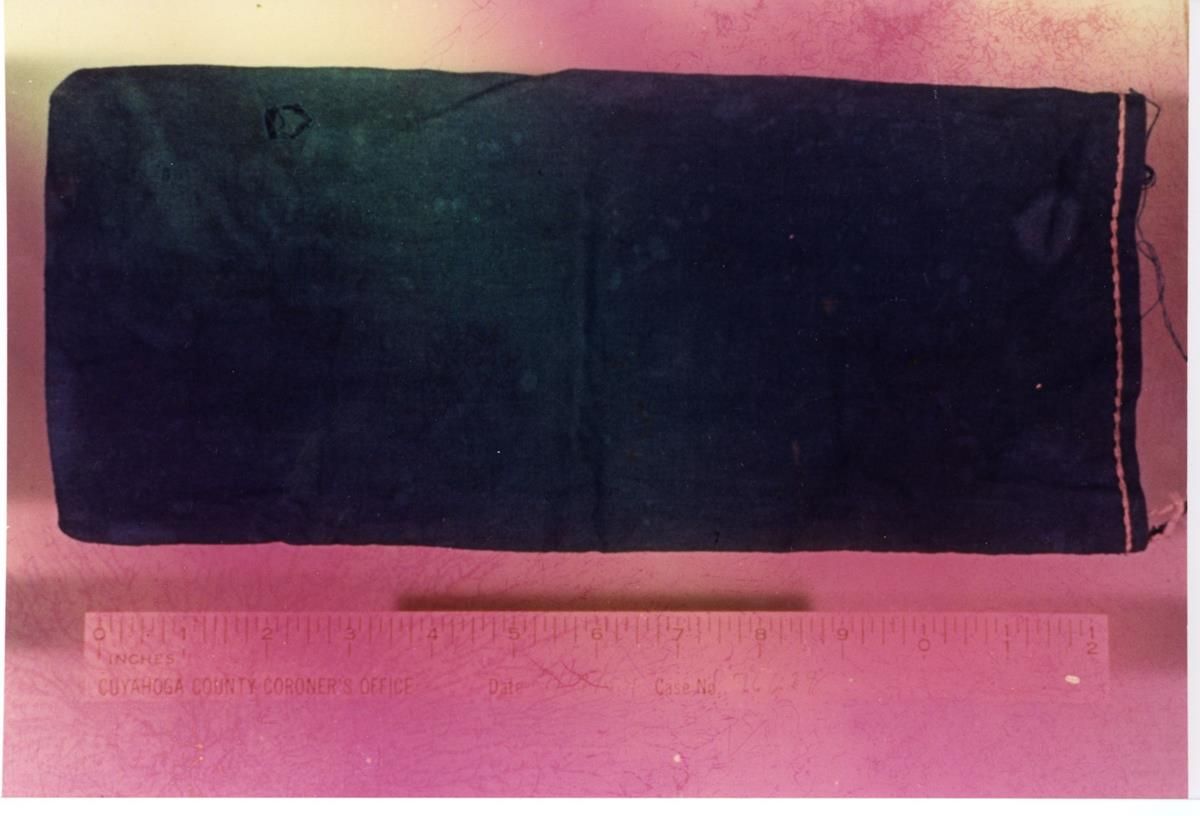
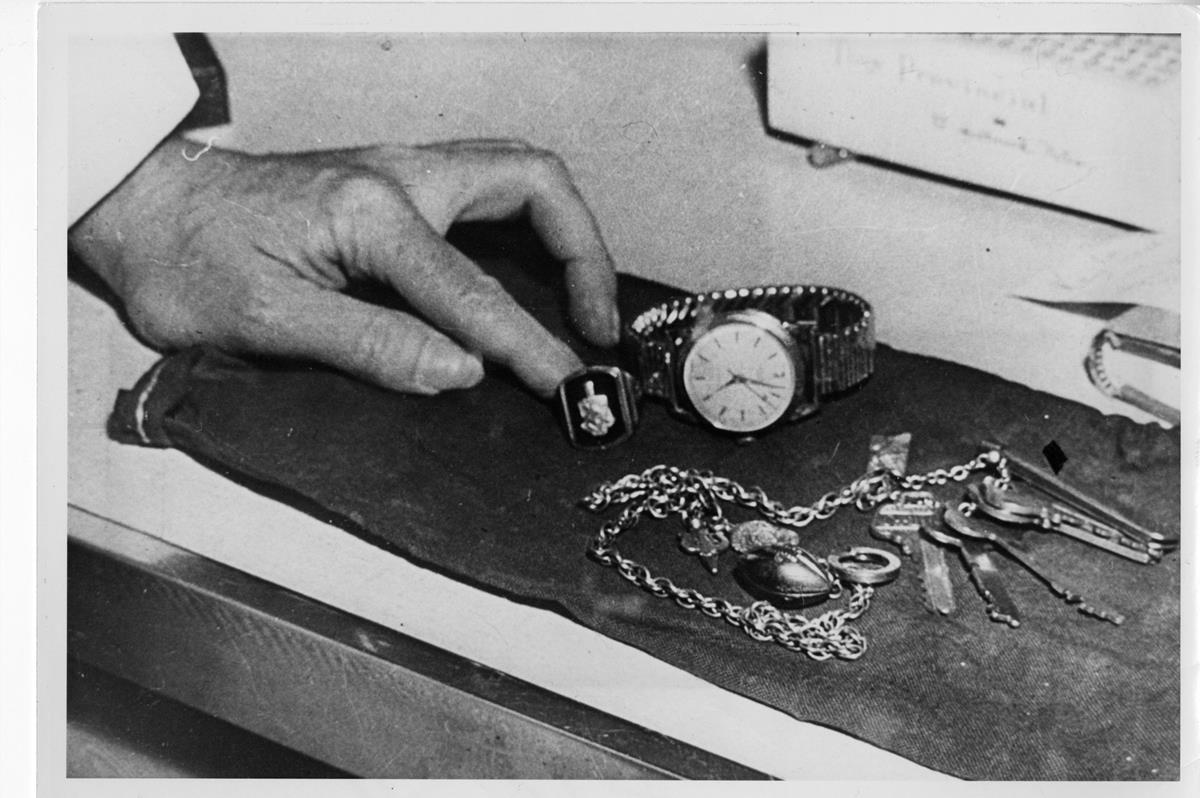
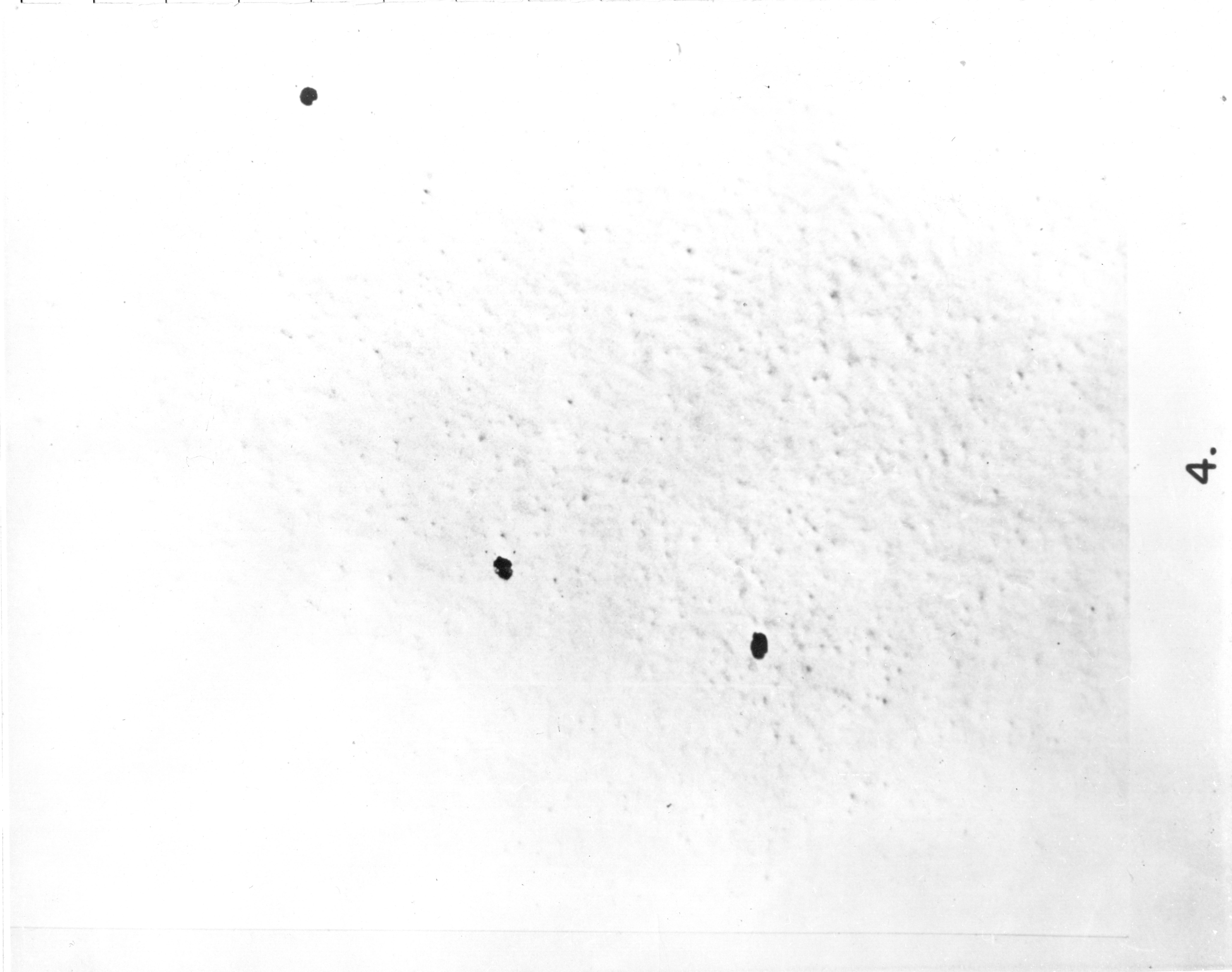
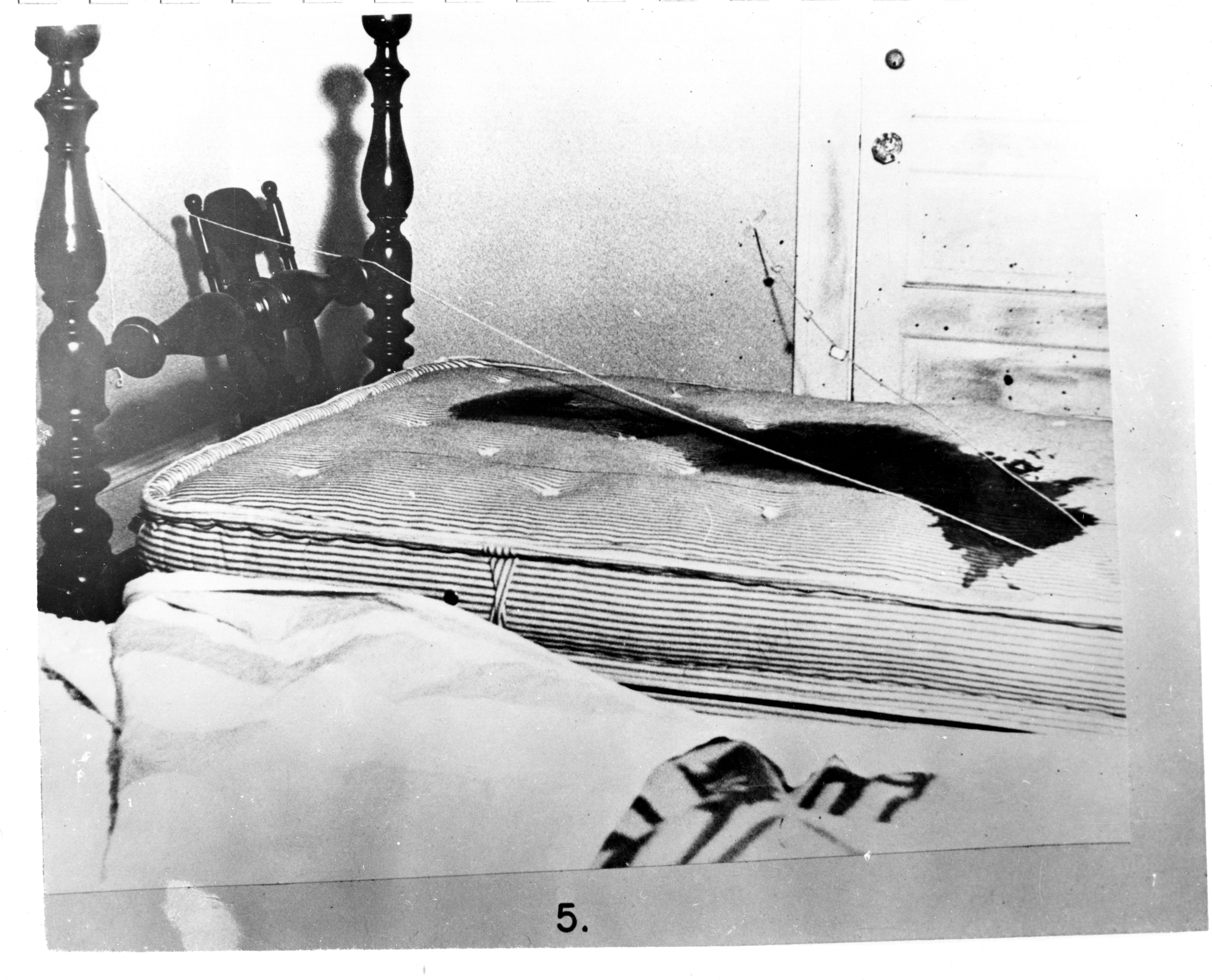
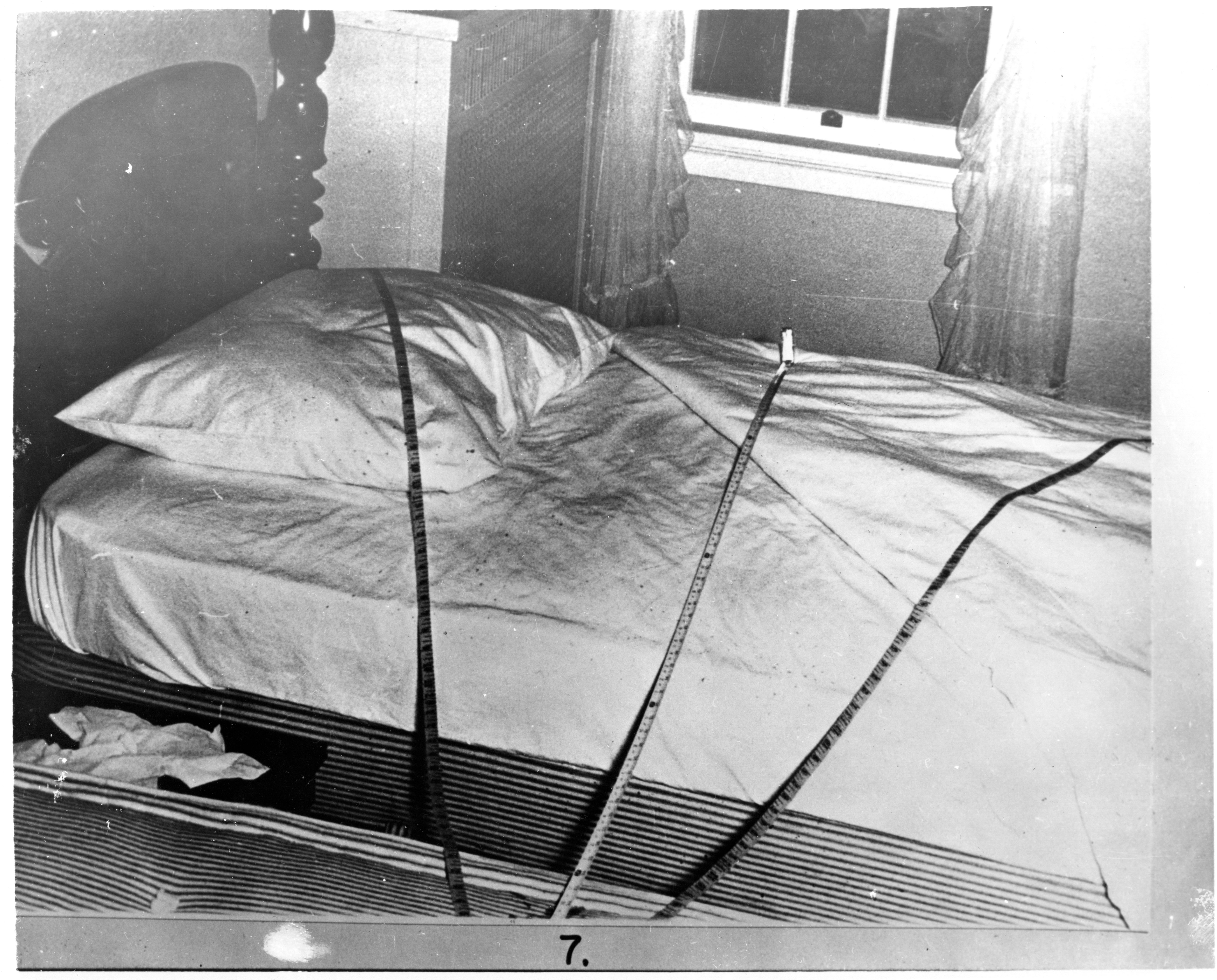
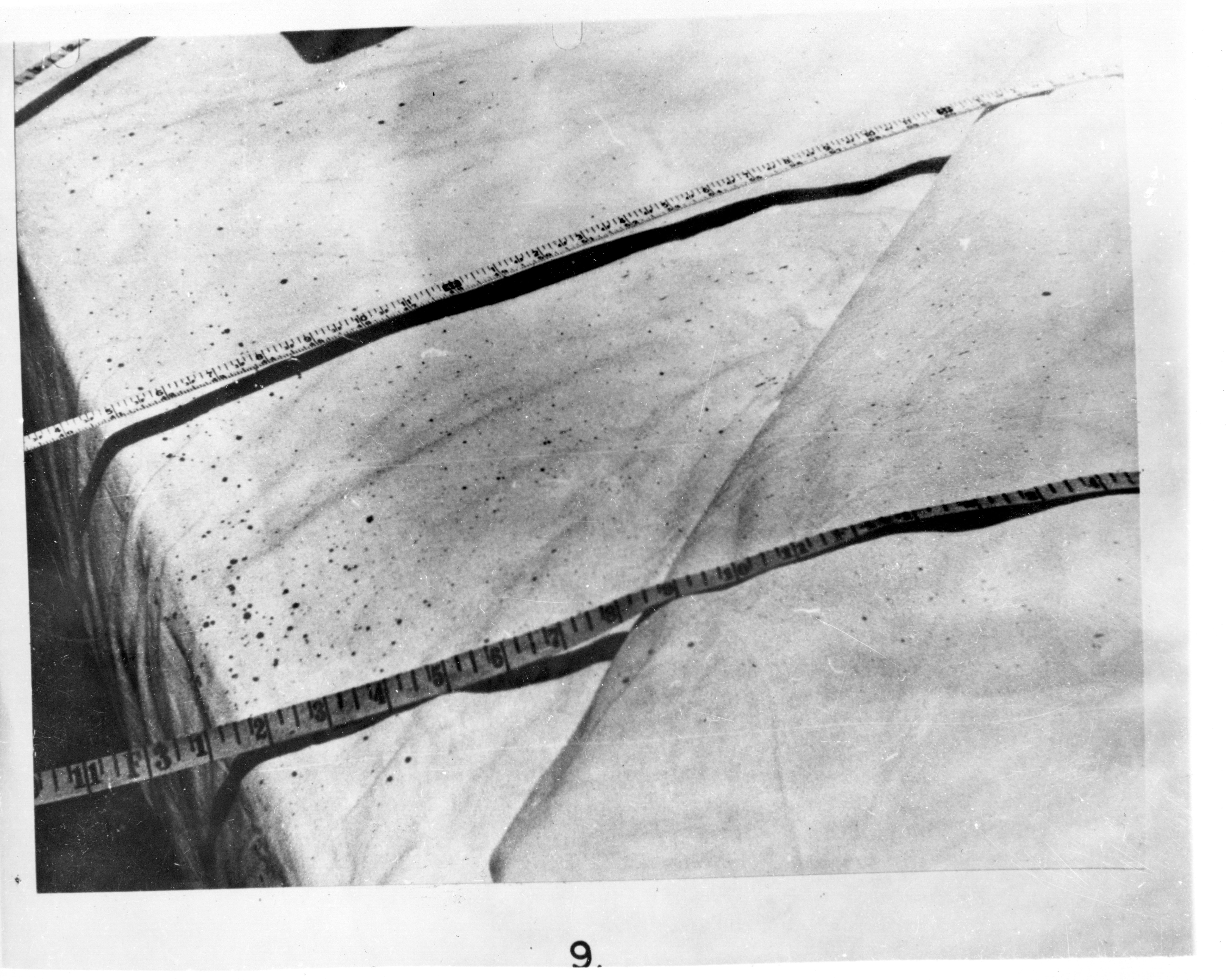
Also included here is the fingerprints, X Rays, and Protocols from the Autopsy. Among the many items of interest:
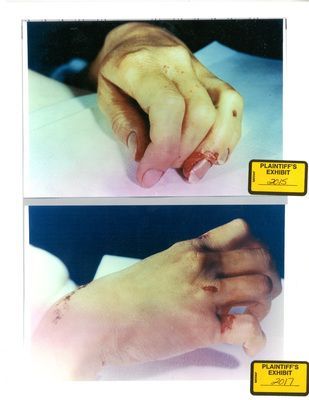
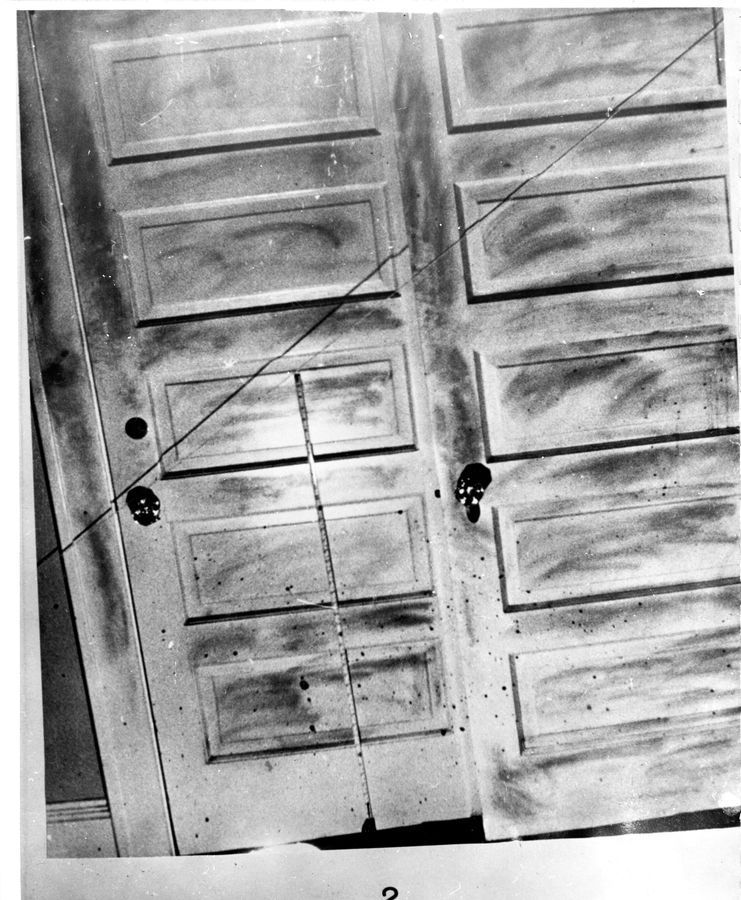
• Cuyahoga County Coroner Dr. Samuel Gerber's autopsy report detailing the injuries to Marilyn Sheppard, who was killed in the bedroom of her Bay Village home on July 4, 1954.
• Police reports and witness statements, including those of the Sheppard's neighbors, J. Spencer and Esther Houk, who were the first to arrive on the scene after receiving a phone call from Sheppard.
• The 7,192-page transcript from the 1954 trial in which a jury, after four days of deliberations, found Sheppard guilty of murder.
Sheppard, a doctor who said he wrestled with a "bushy-haired intruder" that night and claimed innocence, was sentenced to life in prison.
He spent 10 years in prison before a federal court ruled that pretrial publicity prevented a fair trial. The U.S. Supreme Court determined that Sheppard was denied due process and had an unfair trial, mainly due to the media circus that permeated the original trial and the failure of the presiding judge to sequester the jurors and shield them from media reports.
Sheppard was retried in 1966 and found not guilty. The transcript of that trial is also online.
Sheppard died April 6, 1970.
No one has been implicated in the murder, although some believed a man who did work around the house for the Sheppards was guilty. In 1998, that man died in prison, where he was incarcerated on an unrelated charge.
Numerous books and documentaries have been written about the case over the decades. It also spawned the long-running television series "The Fugitive," and the movie of the same name.
Sheppard's son, Sam Reese Sheppard, sued for wrongful imprisonment on the estate's behalf in 1996.
On April 12, 2000, when the 12-week trial was completed, 76 witnesses had testified, more than 600 exhibits had been presented, and 19 experts had taken the stand, testifying on subjects including forensic pathology, blood spatter, DNA and forensic photography.
A Cuyahoga County jury decided against the estate. The 8th Ohio District Court of Appeals declined to hear the appeal, saying wrongful-imprisonment claims can be filed only by the person claiming to have been wrongfully incarcerated and must be filed within the six-year statute of limitations.
In 2002, the Ohio Supreme Court refused to hear an appeal by lawyers for Sheppard's estate, letting stand the appellate court decision. Original University Hospitals of Cleveland lab report results regarding Marilyn Sheppard's blood profiles. The blood data profile of her blood specimen confirmed that her blood was O, Rh negative, type MS. The memo from laboratory director Roger Marsters also explains the various test reactions for her blood specimen along with the lab's protocol using known positive control bloods. Blood-Profile-Letter.pdf
County Coroner's Vital Statistic Report containing details of the deceased, Marilyn Sheppard. File includes personal identification details and list of thirty-five (35) coroner notations with physical detail descriptions of Marilyn Sheppard's body. Vital-Statistic-Report-of-Marilyn-Sheppard.pdf
Letter sent from University Hospitals of Cleveland's Rh (blood) lab director Roger Marsters, Ph.D. with blood lab results regarding Marilyn Sheppard. The letter is almost identical to the letter sent from Marsters to Coroner Gerber, except this letter contains an additional last paragraph describing the results of the fetal blood testing (from deceased fetus of Marilyn Sheppard). Blood-Profile.pdf ... |