|
#1
●
06-17-2024, 02:11 AM
|
 ✝Mudderator from Hell✝ Poster Rank:10 e-mail Join Date: Oct 2006 Posts: 96,781
Contributions: 902
96,781Posts 544,287Thanked 10,383Quoted 479Mentioned 902Contrib. |
|
The Loneliest Plant in the World
The Encephalartos woodii is a cycad believed to be extinct in the wild. Only one specimen was discovered and it has since been propagated in botanical gardens. However, existing specimens are clones originating from this single plant and all are male. With the female specimen undiscovered AI in the Sky partakes in the search for the female using drone technology and artificial intelligence (AI). AI in the Sky builds from Living Dead: On the Trail of the Female (2022) that explored the use of drone aerial mapping to search for a female partner for one of the rarest plants in the world, the cycad - Encephalartos woodii (E. woodii). The survey focused on a very small portion of the forest and showed promising potential in using drone technology to locate rare and endangered species. AI in the Sky expands the search area and uses machine learning analysis together with synthetic data to improve how the maps are searched. The synthetic images and data created using a generative model are used to create maps and visualisations of the cycad in the search area. AI in the Sky focuses on a rare cycad, E. woodii, on the verge of extinction. Only one specimen has ever been found in the wild in 1895 in the Ngoye Forest. It was feared that this plant would be destroyed so it was removed but it died years later while in protective government enclosure. Luckily, few offsets from the main stem had been sent to a handful of botanical gardens before its demise. All existing specimens are clones of this plant and, just like the last wild specimen, they are all males. Both sexes are needed for reproduction and since no female has ever been found - cloning from offsets is the only way it survives as a true species. The Ngoye Forest, where the E.woodi was discovered, is vast with many unexplored areas leaving the question: What if a female is still out there? A second drone survey was undertaken on 22 January 2024 covering a larger area of the Ngoye Forest. The mission was conducted by Dr Debbie Jewitt of Ezemvelo KZN Wildlife, Tim Baker and Neolan Munien of The Greater Together Foundation. For the drone flight, a DJI Matrice 300 was equipped with a Micasense RedEdge-MX multispectral sensor and programmed to fly in a grid over two selected areas covering a total area of 195 acres collecting a total of 15,780 images. The multispectral camera used in the drone missions captures images from five discrete wavelength bands. Each time the sensor was triggered, five photos were taken of the same area and each of them at a particular wavelength band: blue, green, red (visible to us), Red edge and Near InfraRed (invisible to us). Each band is good at distinguishing different features. Data from the drone missions were compiled to produce an extensive collection of photos. These photos were stitched together to create mosaic maps, which were visually analysed for the presence of cycads. Each plant has its own unique spectral signature and it's hoped that this can be used to more easily spot a cycad in the forest. The project’s approach to AI focuses on the visual identification of cycads. YOLO-V8, an advanced image recognition algorithm, was used and our training dataset, enriched with manually embedded and annotated cycad images, was the foundational input for the training. For species like, E. woodii, believed to be ‘extinct in the wild’, the use of Generative AI to create ‘synthetic’ visual and maps allowed us to incorporate cycads into various environments. By ‘introducing’ cycads into different canopy settings through synthetic imagery, we could train our AI to detect these plants. This training process includes manual labelling of our synthetic datasets, improving the model’s ability to recognise cycads within diverse ecological contexts. As the project continues to evolve, the next phase focuses on refining our technological toolkit, further expanding the integration of AI methodologies and enhancing the precision of our aerial search capabilities. AI in the Sky opens discourses around the critical issue of biodiversity loss and technology’s role in environmental conservation. The project explores how AI, sensors and simulation can provide alternative ways of interpreting the world of plants and the use of drone technology to help map and understand the environment. Ultimately, this project confronts the reality of species loss, while nurturing a hopeful quest to find a female E. woodii. 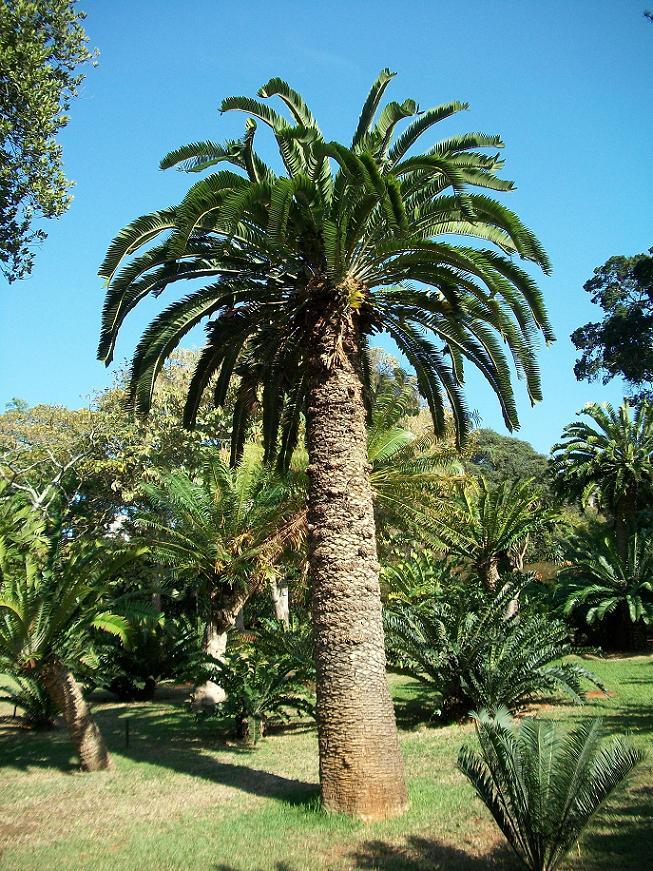 · 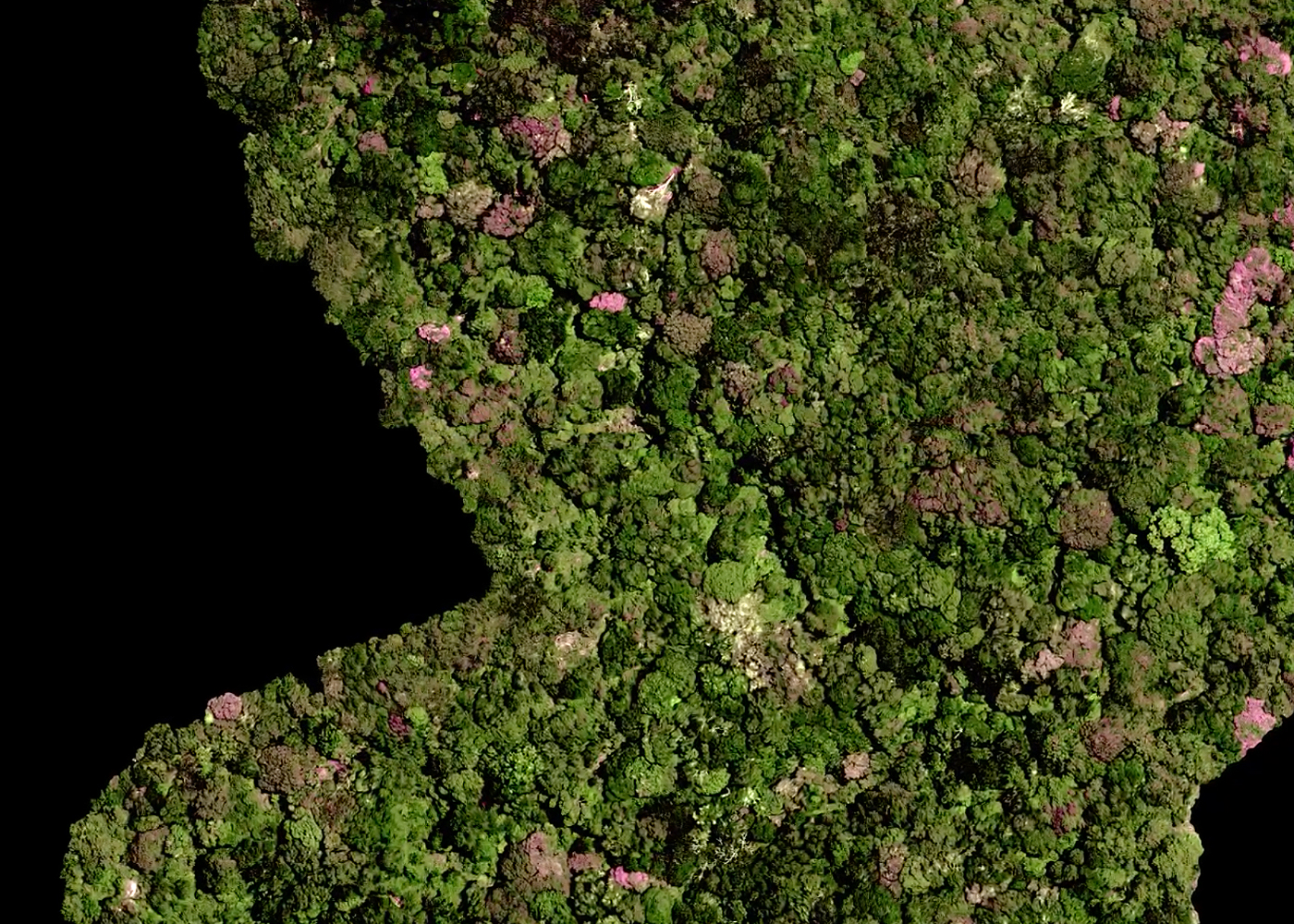 ·  · 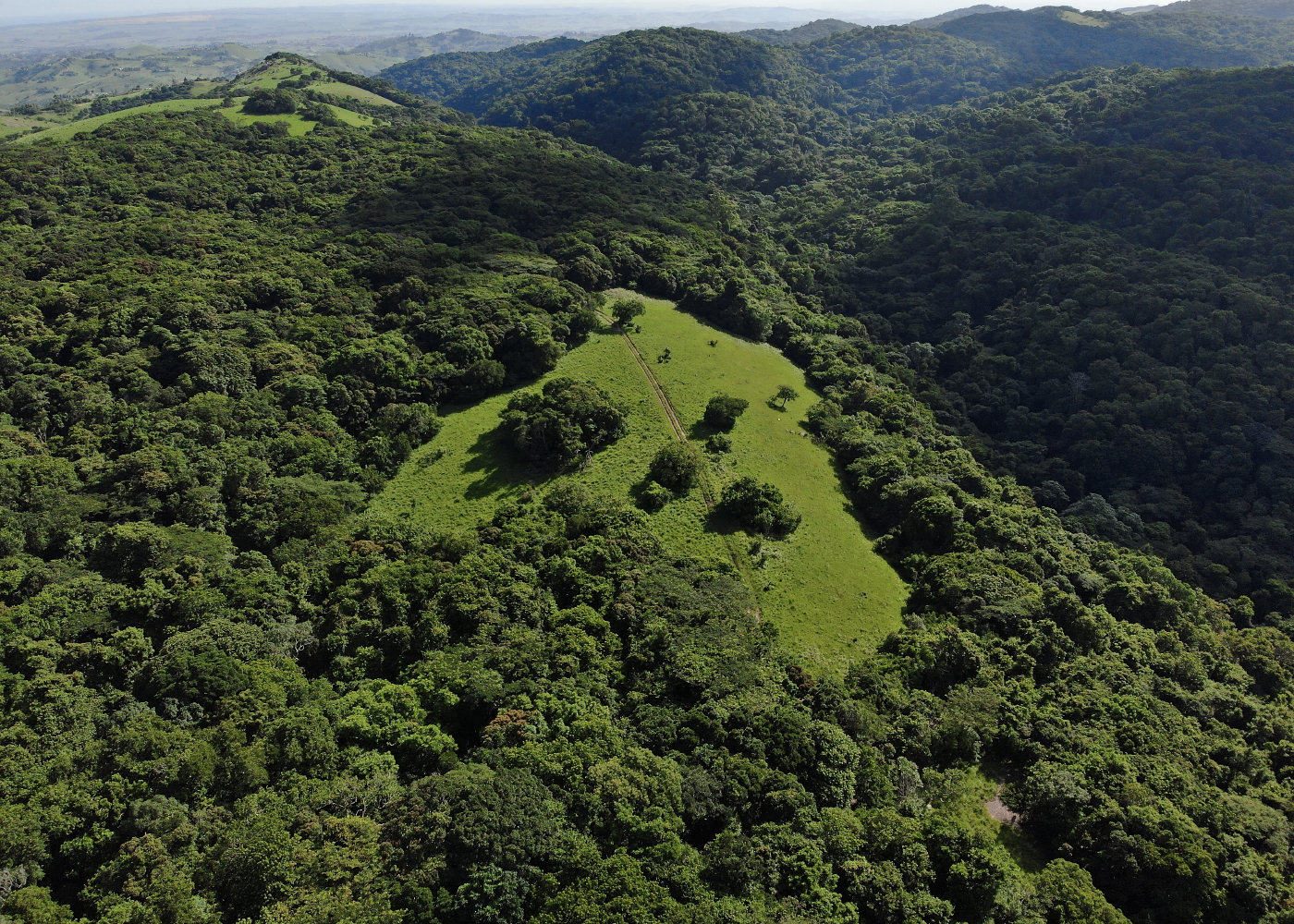 · 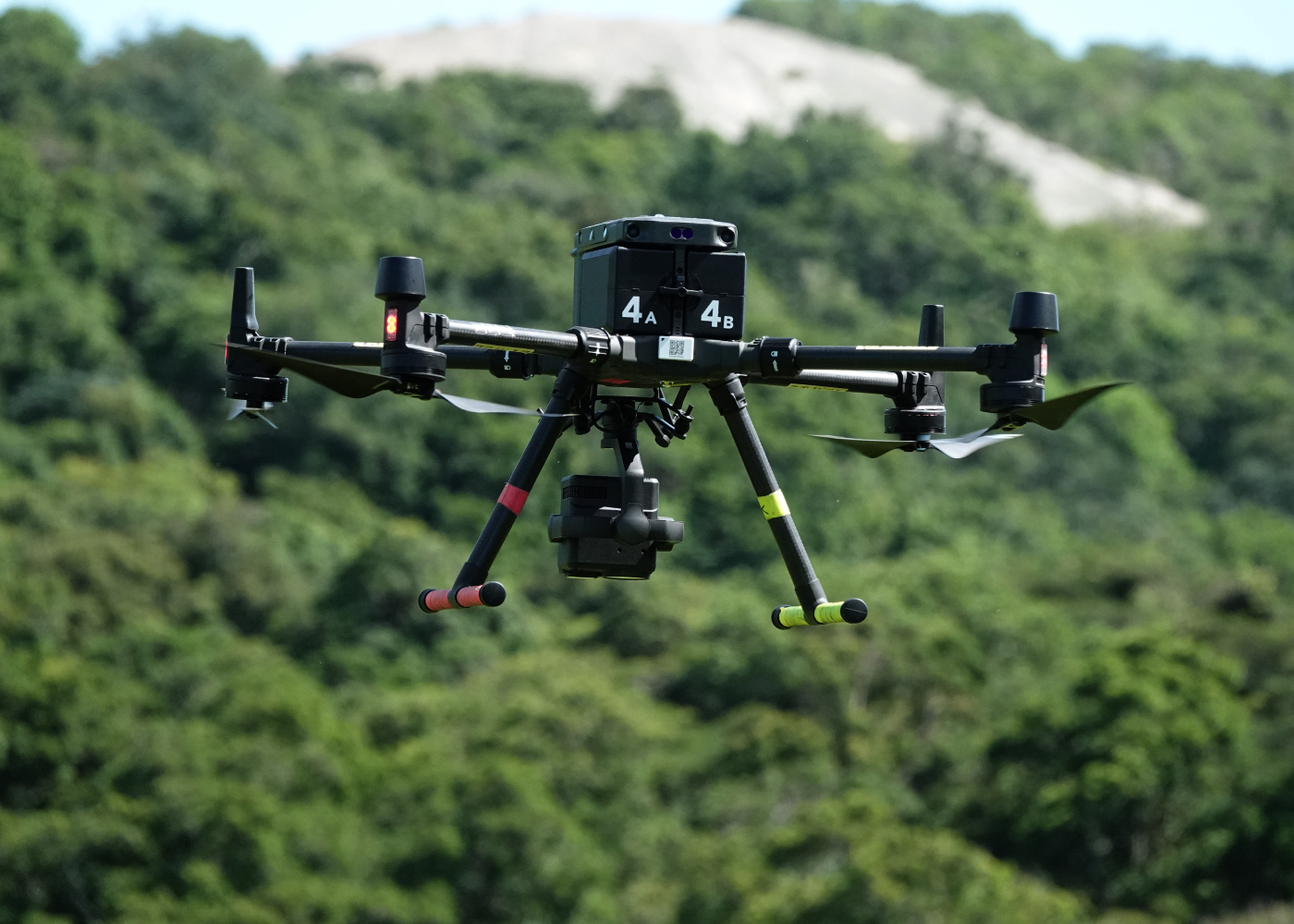 ·  · |
|
#2
●
06-17-2024, 03:47 AM
|
 ♚ Legacy Gold Member ♚ Poster Rank:268 ꓕSIꓤIꓕ∀S ϽINOᗡꓤ∀S Join Date: Feb 2010 Posts: 5,185
Contributions: 8
5,185Posts 31,192Thanked 1,444Quoted 45Mentioned 8Contrib. |
|
Re: The Loneliest Plant in the World
Have they tried searching in the 'woke' part of the jungle? I'm sure there's at least one other lonely male tree that wants to identify or transition to female... it's really working out great with humans.
|
|
#4
●
06-18-2024, 10:42 PM
|
 My Rank: MAJOR Poster Rank:198 male Join Date: Mar 2021 Posts: 7,757
Contributions: 1
7,757Posts 16,743Thanked 1,468Quoted 2Mentioned 1Contrib. |
|
Re: The Loneliest Plant in the World
I think I have one of those trees in my front yard.
|
|
#5
●
06-21-2024, 11:40 PM
|
| ♚ Legacy Gold Member ♚ Poster Rank:92 Male Join Date: Nov 2009 Posts: 17,214 17,214Posts 44,992Thanked 4,711Quoted 8Mentioned 0Contrib. |
|
Re: The Loneliest Plant in the World
Holy CRAP! I think I put one of those in the fireplace at Christmas!! The whole article was, once again, justifying cruising for chicks!  |