|
#1
●
01-18-2023, 03:00 AM
| ||||||||
 These are the rooms Poster Rank:26 of ruin. Join Date: Sep 2014 Posts: 54,011 Mentioned: 145 Post(s) Quoted: 30403 Post(s)
| ||||||||
|
Shewanella Algae Infection Leads to Massive Ulcerated Wound
A female patient is 56 years old and was born in São Tomé and Principe. She has a medical history of human immunodeficiency virus (HIV) infection, diagnosed seven years ago when she moved to Portugal. At the time of diagnosis, the patient’s CD4 T lymphocyte count was 34 cells/μL with no opportunistic infections. The patient was started on antiretroviral therapy (ART) with lamivudine/tenofovir disoproxil fumarate (FTC/TDF) plus dolutegravir (DTG). The patient stopped attending follow-up appointments, and a few months later she was admitted to the hospital’s emergency department, complaining of pain from an ulcer in her right foot that had begun three months prior (Figure 1). After a brief inquiry, she informed the medical team that she had been in São Tomé and Principe for the previous nine months and that she stopped ART during that period. In São Tomé and Principe, the patient lived at her family’s home and was in contact with seawater and river water every day for cleaning and housekeeping purposes. A blood test revealed a haemoglobin level of 11.0 g/dL, a white blood cell count of 8.2 × 10³ cells/μL, and a C-reactive protein level of 3.0 mg/dL. The patient’s HIV-1 viral load was 79,300 copies/mL, and her CD4 T lymphocyte count was 240 cells/μL. The medical team collected pus from the ulcer for microbiologic analysis, and S. algae was isolated. The patient was treated with ciprofloxacin for 6 weeks, and ART was reinstated. The patient was evaluated by a plastic surgeon, and a skin graft was performed four weeks later. Figure 2 depicts the ulcer two weeks after the initiation of antibiotic treatment, and Figure 3 depicts the ulcer after the conclusion of the six-week antibiotic treatment and skin grafting. The patient currently maintains regular follow-up appointments at the infectious disease clinic. Shewanella Algae Found in Humans : Shewanella Algae is found naturally in wildlife such as certain marine environments but can also exist as a pathogen in humans where they live in soft tissue and produce hemolytic substance or exotoxins. Humans with Shewanella Algae in their system can be immunocompromised. The ingestion of this algae through raw seafood can cause it to grow in one's soft tissue and develop these neurotoxins which, if left untreated, can cause infections or disease. Among the several dozen strains of Shewanella Algae, it is found that S. alga is the most commonly found strain in human illnesses. 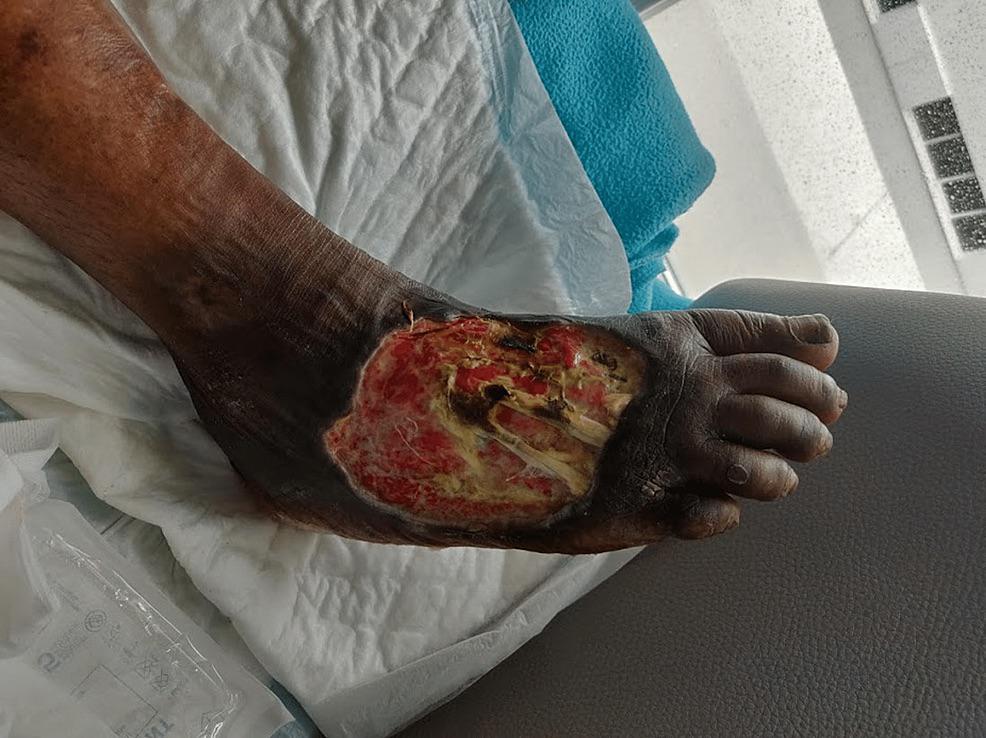 · 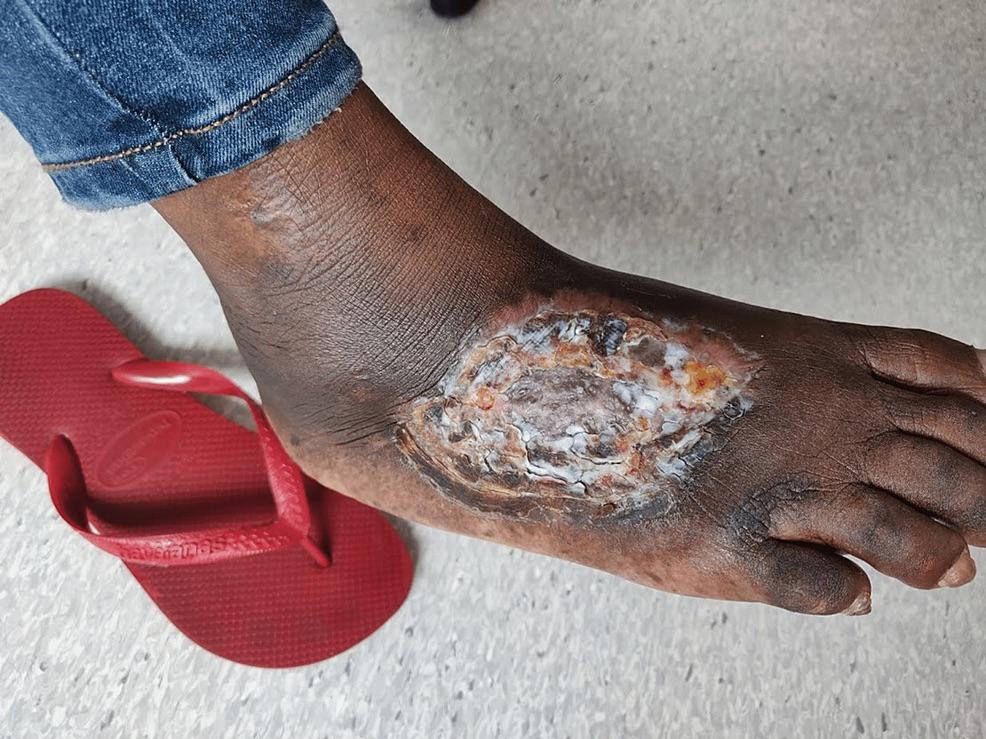 · 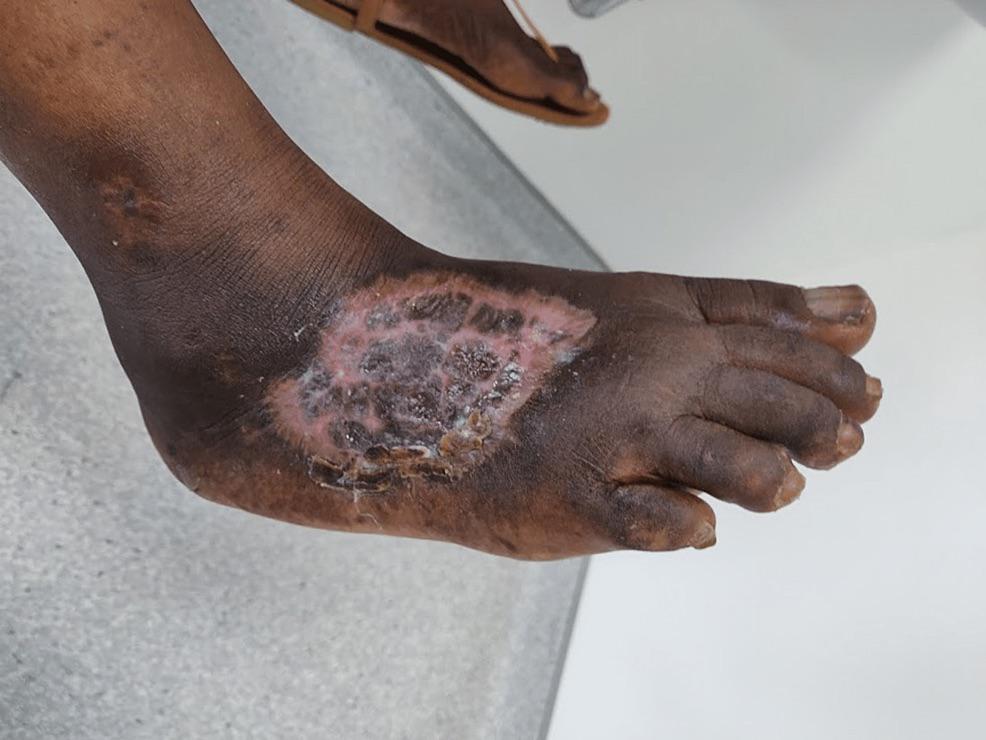 · |
|
#2
●
01-18-2023, 03:35 AM
| ||||||||
 ✝Mudderator from Hell✝ Poster Rank:10 e-mail Join Date: Oct 2006 Posts: 96,642
Contributions: 817
Mentioned: 476 Post(s) Quoted: 10344 Post(s)
| ||||||||
|
Re: Shewanella Algae Infection Leads to Massive Ulcerated Wound
So her immune system was weakened and she stopped art treatment so the immune system can't fight properly against possible harmful bacteria. Lesson learned.  |
|
#3
●
01-18-2023, 04:57 AM
| ||||||||
| These are the rooms Poster Rank:26 of ruin. Join Date: Sep 2014 Posts: 54,011 Mentioned: 145 Post(s) Quoted: 30403 Post(s)
| ||||||||
|
Re: Shewanella Algae Infection Leads to Massive Ulcerated Wound
It's so important to take HIV meds. It's not something you fuck around with.
|