|
#1
●
08-07-2024, 04:31 PM
|
 These are the rooms Poster Rank:26 of ruin. Join Date: Sep 2014 Posts: 54,008 54,008Posts 87,658Thanked 30,403Quoted 145Mentioned 0Contrib. |
|
Myelomeningocele
A female newborn in supervised pregnancy with a prenatal diagnosis of myelomeningocele was born by elective cesarean section at 37 weeks and 3 days of gestation, weighing 4176 g. The APGAR score was 9/10. On neurological examination, the baby was active with spontaneous eye opening, pupils responded equally to light, and she had a flat anterior fontanel. She could move the upper limbs normally; however, there was hypotonia of the lower extremities, foot deformity, and only discrete movements of the legs. The intact myelomeningocele created a globular, fluctuating, and non-tender lumbar swelling with a diameter of approximately 15 cm. The skin surrounding the mass was red, with port wine stains, and was about to rupture at any time (Figure 1). Transfontanellar ultrasound revealed corpus callosum hypoplasia and hydrocephalus, but no signs of Arnold-Chiari malformation. With the diagnosis of MMC with an impeding rupture, the baby was scheduled for urgent surgery to correct the neural tube defect. On physical examination, she was hemodynamically stable, without the need for vasopressors, normopneic (respiratory rate of 45 cycles per minute), and had 96% saturation in breathing air. In pulmonary auscultation, the murmur was symmetric, with no adventitious breath sounds. Chest X-ray, electrocardiogram (ECG), and abdominal ultrasound were normal, as were preoperative hemoglobin concentration, coagulation tests, serum electrolytes, and glycemia. The echocardiogram did not show signs of cardiac or valvular dysfunction. The neonate fasted for three hours for a breast meal and started a maintenance fluid (5% dextrose) at 10.5 ml/h in the intensive care unit (ICU). Twelve hours after birth, she was transferred to the operating room only for surgical repair of MMC. Neurosurgeons decided to evaluate the hydrocephalus after this surgery and the need for correction. In the operating room, heart rate, ECG, pulse oximetry, end-tidal carbon dioxide (EtCO2), minimum alveolar concentration (MAC) of anesthetic gases, neuromuscular depth by train-of-four monitor, rectal temperature, and urine output were monitored. We have access to invasive blood pressure and serial arterial blood gases through the umbilical arterial catheter. The baby had an umbilical venous catheter with two lumens and a 24 G peripheral catheter in her left leg. The operating room temperature was optimized at around 26 ºC, and active warming therapy was started prior to the induction of anesthesia. The baby was placed on a radiant warmer device and on a preheated convective blanket. Due to the large mass on her back, optimizing the supine position was difficult, making bag-mask ventilation and airway management challenging (Figure 2). Sevoflurane inhalation induction was the technique of choice. After confirmation that adequate preoxygenation with a face mask was possible, a bolus of 2 µg/kg of fentanyl and 0.6 mg/kg of rocuronium was administered before intubation. Due to the large size of the myelomeningocele, oral endotracheal intubation was performed in the lateral position. She was successfully intubated with direct laryngoscopy on the first attempt, and a 3.0 size uncuffed endotracheal tube was placed. The symmetric bilateral air entry was confirmed, and the tube was fixed. After intubation, 30 mg/kg of cefazoline was administered as a prophylactic antibiotic. Right away, the newborn was placed in a prone position (symmetric air entry was reconfirmed), and rolls were applied under the chest and pelvis. The head was turned laterally and rested on a pillow. Anesthesia was maintained with sevoflurane in a mixture of O2 and air, titrated according to the age-adjusted MAC value of 0.9-1. The baby was ventilated in pressure-regulated volume control mode with FiO2 between 28% and 35%, a tidal volume of 6 ml/kg, a respiratory rate of 48 cycles per minute, and a PEEP of 5. EtCO2 was kept between 35 and 40 and StO2 > 95% throughout the surgery. During the intraoperative period, a fentanyl infusion was started at 1 µg/kg/h. Extra boluses of fentanyl (1 µg/kg) were given, for a total of three, justified by surgical stimulus. For fluid management, 5% dextrose was kept at 16 ml/h for maintenance therapy and warmed 0.9% sodium chloride was started at 5 ml/kg/h and gradually titrated (to a maximum of 10 mL/kg/h) according to surgical losses. The surgery began with the gradual drainage of 750 ml of cerebrospinal fluid (CSF) from the lumbar collection with ultrasound support. Subsequently, the newborn’s systolic blood pressure fell below 50 mmHg with no response from three isotonic crystalloid boluses (10 ml/kg) and two 5% albumin boluses (20 ml/kg). So, noradrenaline infusion was started at 0.1 µg/kg/min and titrated to maintain systolic blood pressure around 60-65 mmHg (reaching a maximum of 0.25 µg/kg/min). At that time, arterial blood gas was collected without any relevant clinical findings. The result of arterial blood gas and the intraoperative monitoring trends are recorded in Table 1. The surgery proceeded with opening the skin through a vertical incision and identifying the plasmodium. It was dissected from the surrounding structures (Figures 3-4), and the neural tube was reconstructed by closing the plasmodium (Figure 5). The defect was reinforced by two layers of dermis dissected from the excess skin, and then the skin was closed (Figure 6). 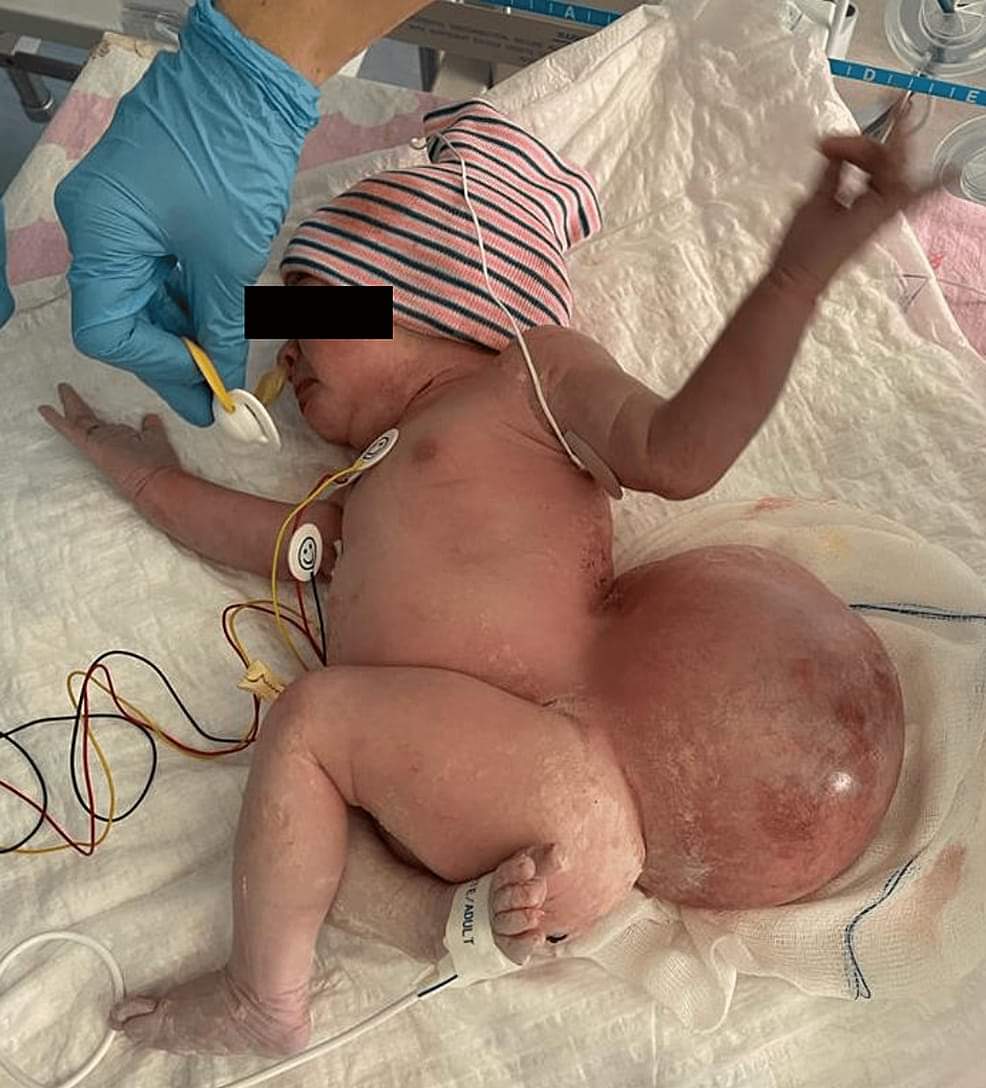 · 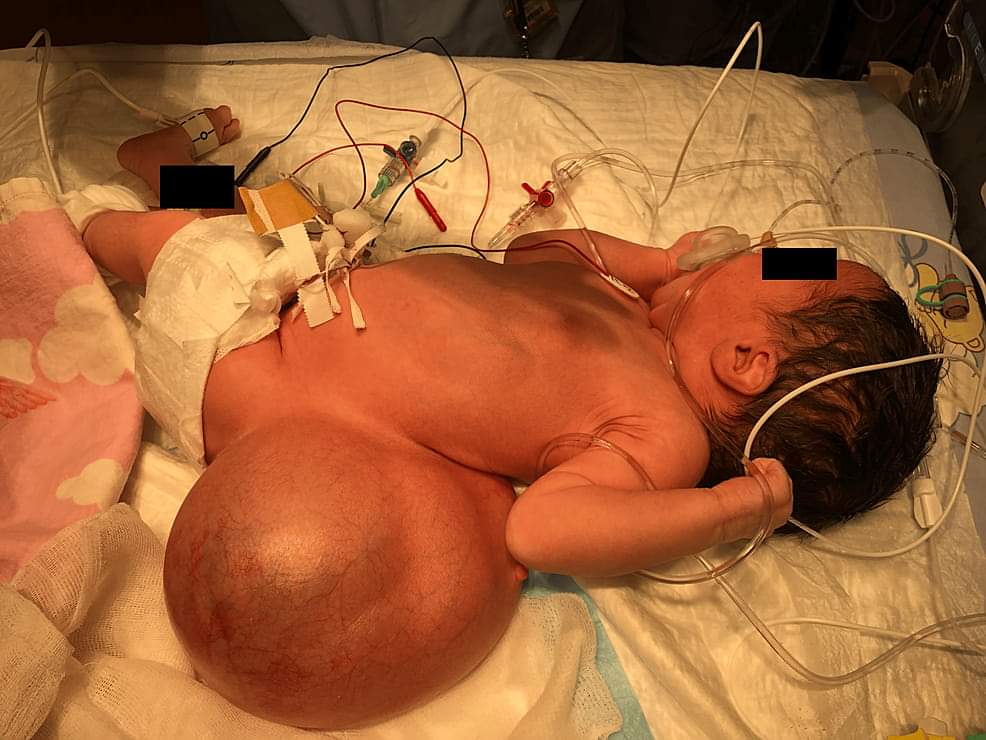 · 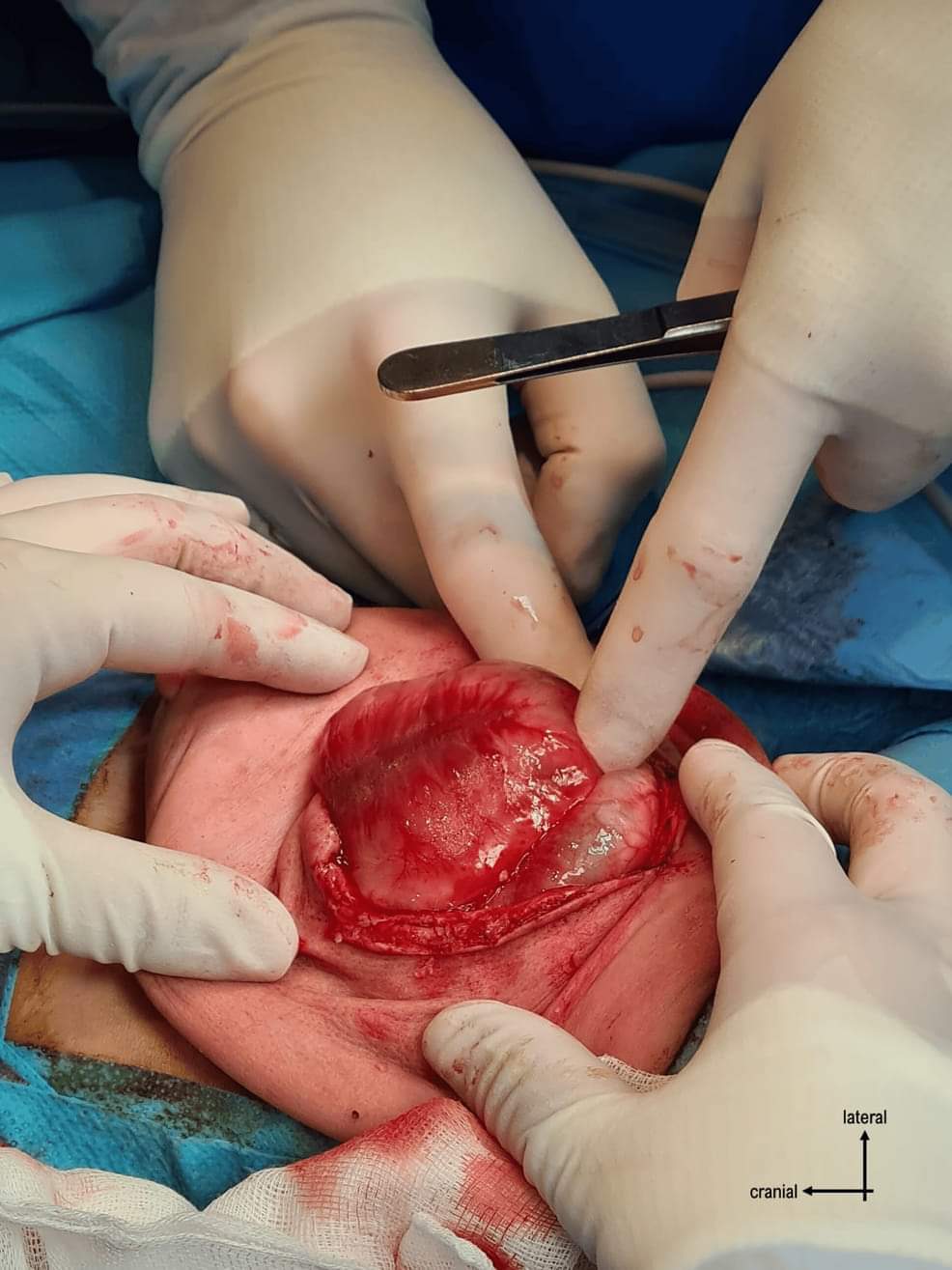 · 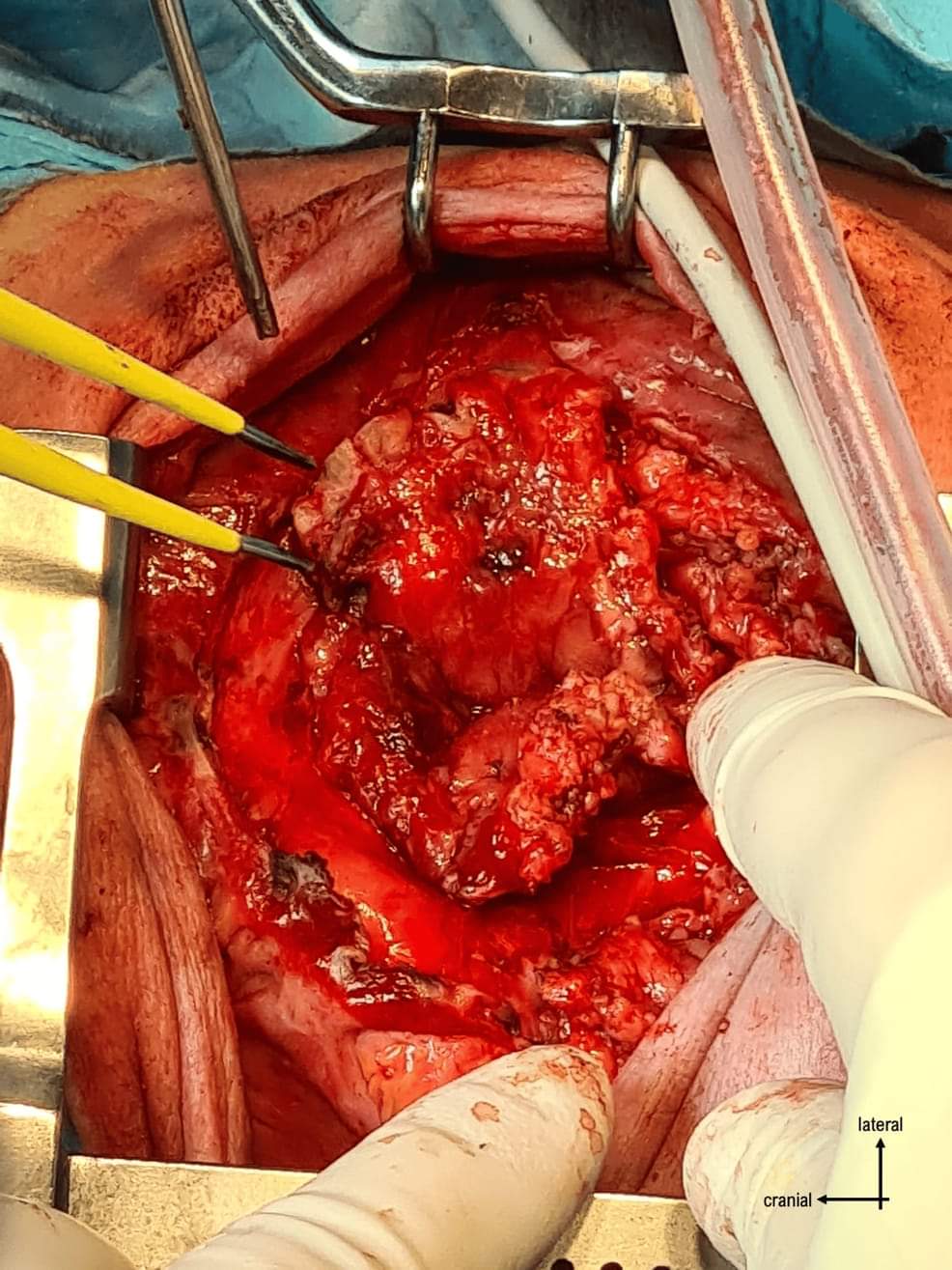 · 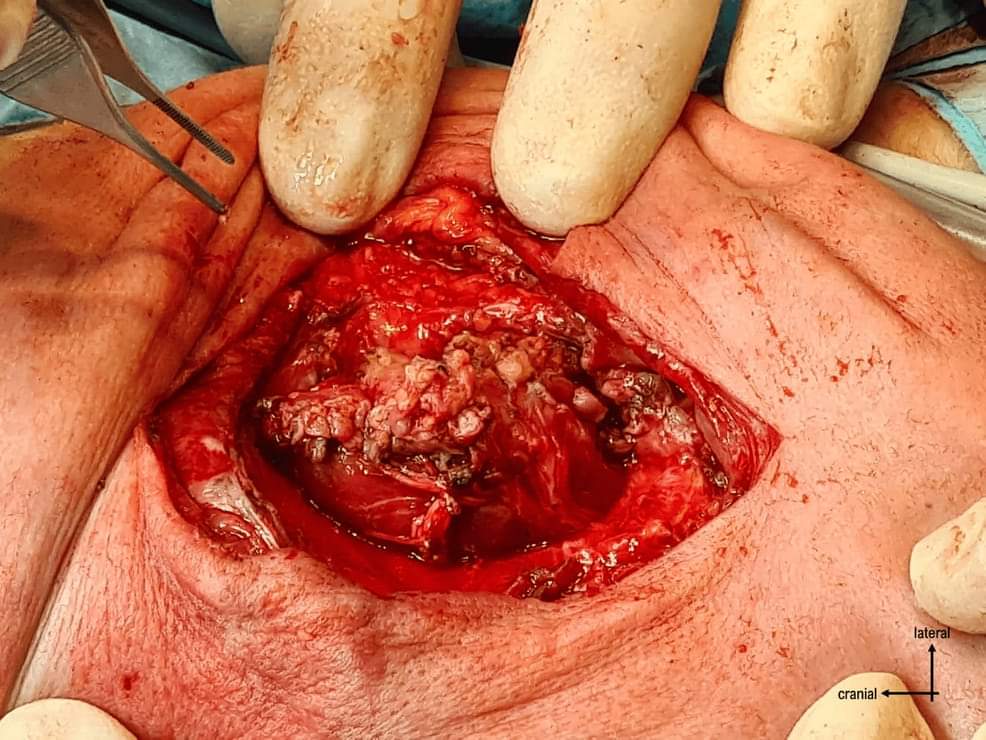 · 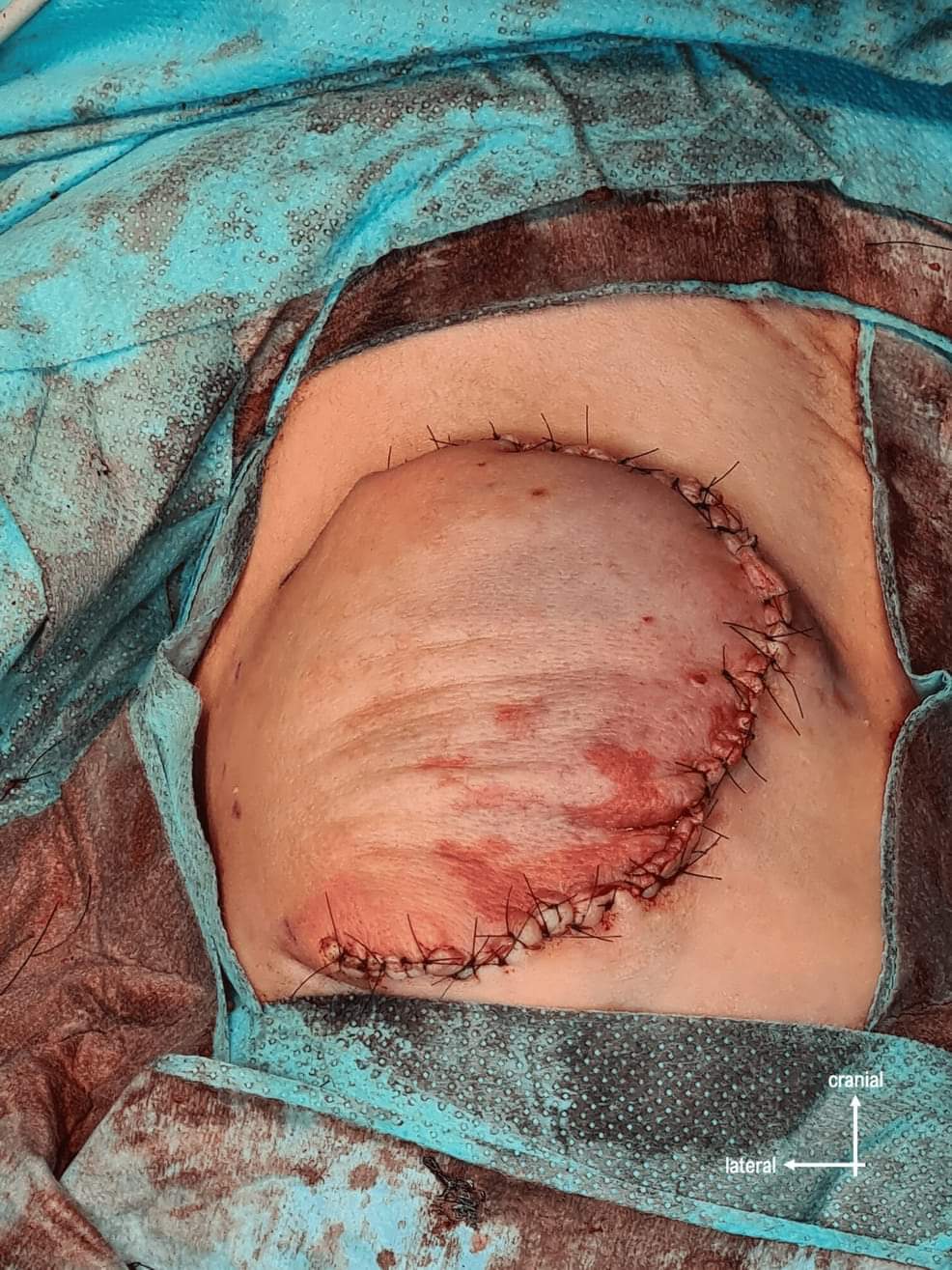 · |
|
#2
●
08-07-2024, 10:45 PM
|
 ♚ Legacy Gold Member ♚ Poster Rank:1299 Femme fatale Join Date: May 2024 Posts: 474 474Posts 825Thanked 191Quoted 1Mentioned 0Contrib. |
|
Re: Myelomeningocele
Poor little one  hopefully things only get better for the baby girl. hopefully things only get better for the baby girl.
|