|
#1
●
06-18-2024, 04:48 PM
| ||||||||
 These are the rooms Poster Rank:26 of ruin. Join Date: Sep 2014 Posts: 54,011 Mentioned: 145 Post(s) Quoted: 30403 Post(s)
| ||||||||
|
Epignathus
An 8-h-old newborn (birth weight, 2450g) was admitted to the neonatal intensive care unit by a gravida 1para 1mother (G1P1) without medical follow-up of her pregnancy (prenatal diagnosis has not been performed) and medical delivery was followed with good adaptation to extrauterine life. The general examination found a toned pink newborn reactive. Silverman score was estimated at 3/10th. Clinical examination of the oral cavity revealed a 6 cm long mass with a pinkish, cystic and heterogeneous appearance associated with the visualization of hairs attached to the base of the tongue with a large implantation surface of about 2 cm. This formation exerts a traction effect on the tongue (Fig. 1, Fig. 2, Fig. 3, Fig. 4). Fortunately, the mass did not cause severe respiratory distress, but it did cause feeding difficulties. A CT scan was performed and confirmed the diagnosis of a teratoma located at the base of the tongue without extension into the oral cavity. A successful resection of the lingual mass has been achieved. Histological examination showed a mixed mature and immature (7%) true teratoma with no evidence of malignant changes. The diagnosis of a congenital epignathus was confirmed. There were no complications such as infection, bleeding or residual recurrence following surgery. After 6 months follow-up, there was no recurrence of the epignathus. 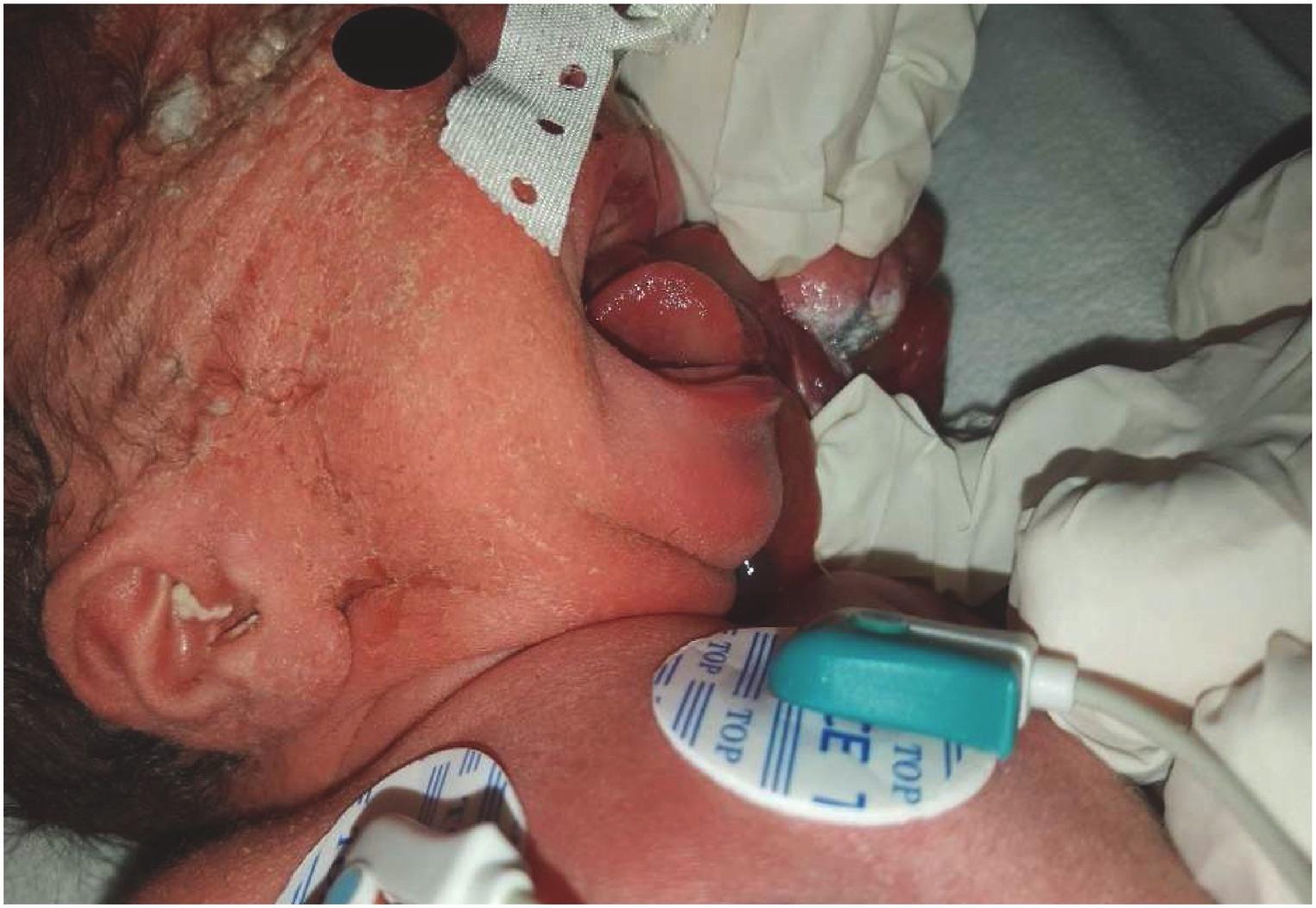 · 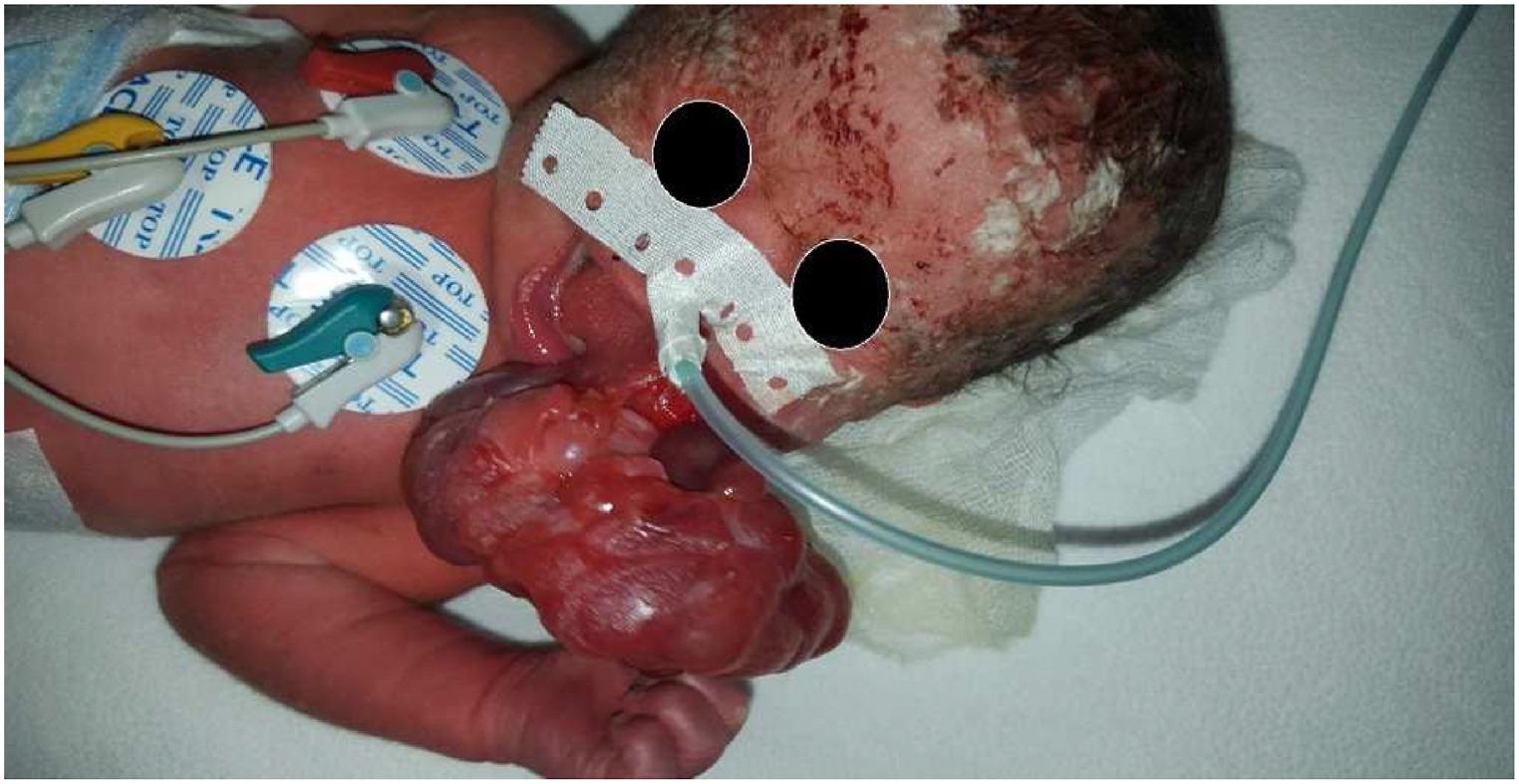 · 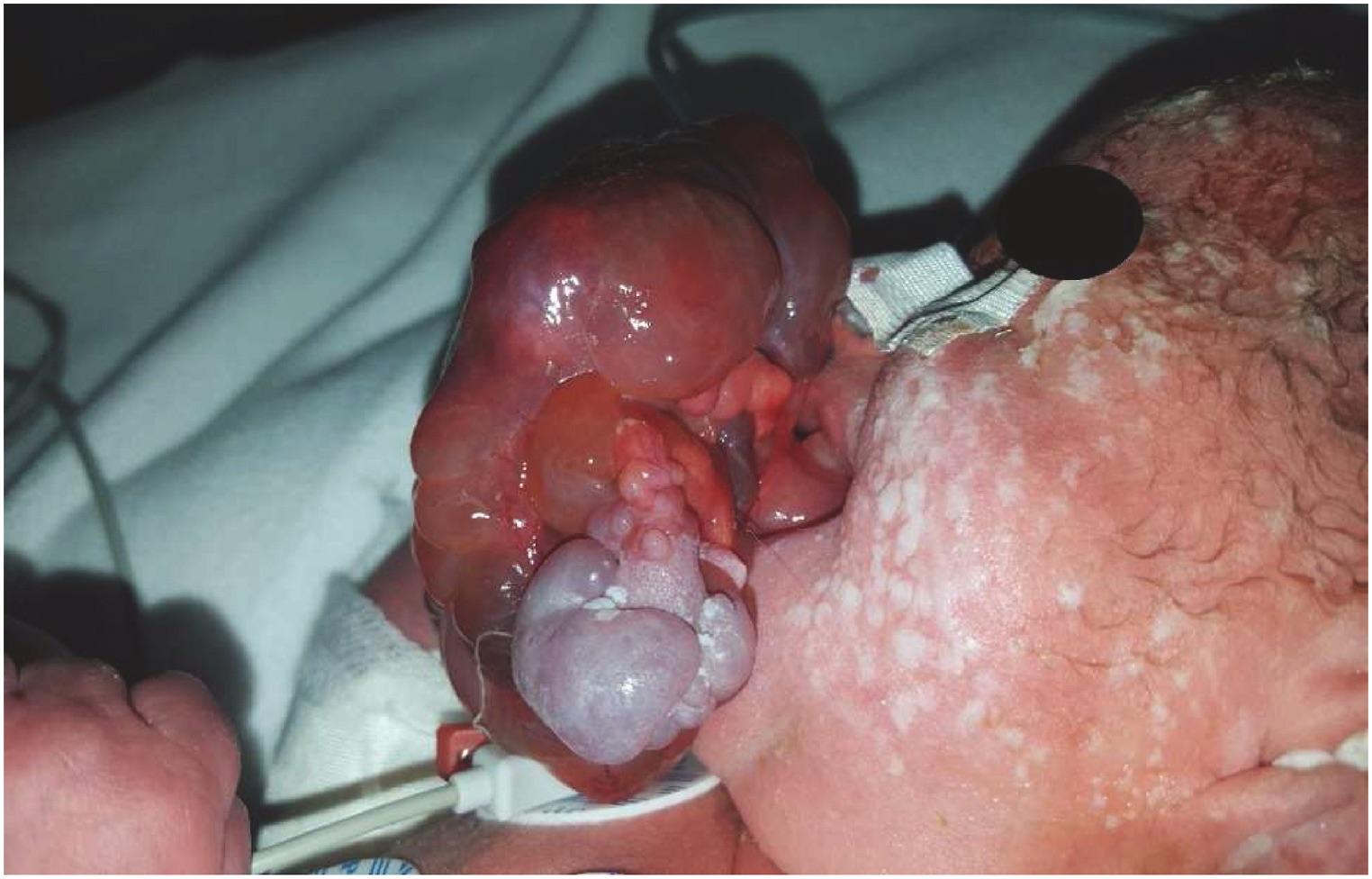 · 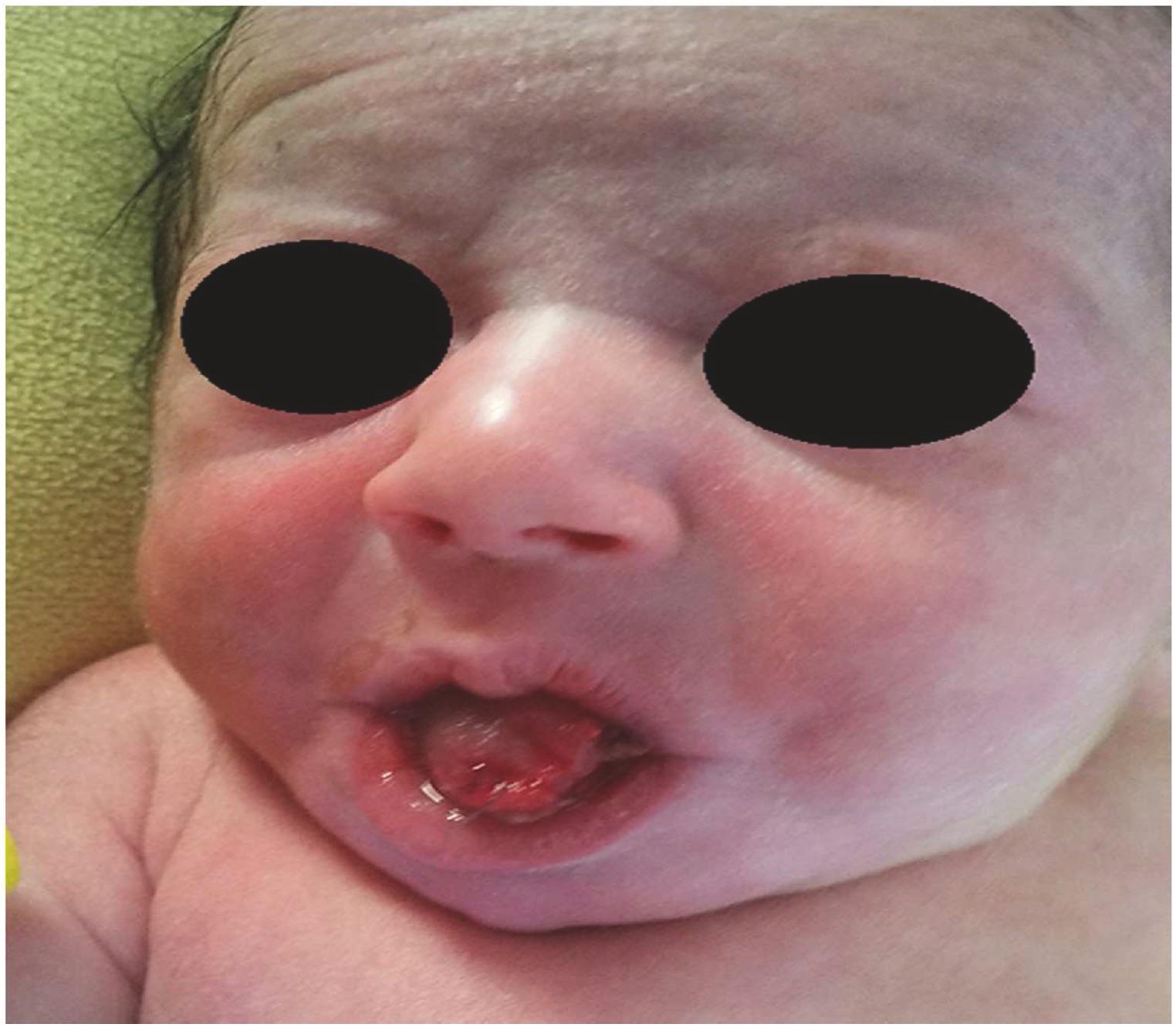 · |
|
#2
●
06-18-2024, 10:21 PM
| ||||||||
 ★ Legacy Member ★ Poster Rank:252 So many choices now Join Date: Jul 2015 Posts: 5,548 Mentioned: 15 Post(s) Quoted: 2120 Post(s)
| ||||||||
|
Re: Epignathus
Not the best start to life. Lets hope it gets better from here.
|