|
#1
●
01-13-2013, 10:42 AM
|
 My Rank: MAJOR Poster Rank:12 Join Date: Jun 2009 Posts: 93,062
Contributions: 239
93,062Posts 137,685Thanked 2,009Quoted 91Mentioned 239Contrib. |
|
9 Year Old Girl Dies from Electric Shock
Couldn't find any better images.  ·  · 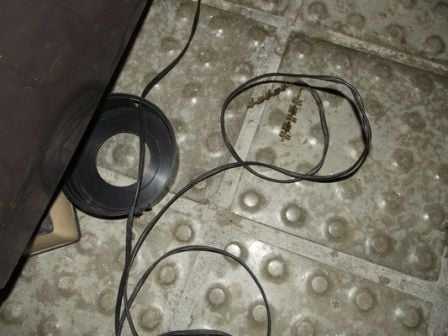 ·  · |
|
#5
●
01-13-2013, 12:26 PM
|
| My Rank: PRIVATE FIRST CLASS Poster Rank:3626 Female...i think Join Date: Oct 2009 Posts: 94 94Posts 55Thanked 3Quoted 0Mentioned 0Contrib. |
|
Re: 9 Year Old Girl Dies from Electric Shock
That's just sad. I wonder how she came to be electrocuted.
|
|
#6
●
01-13-2013, 12:42 PM
|
 My Rank: SERGEANT Poster Rank:980 Join Date: Sep 2012 Posts: 725 725Posts 924Thanked 79Quoted 1Mentioned 0Contrib. |
|
Re: 9 Year Old Girl Dies from Electric Shock
Well - when I was like 10 my parents saw me idly chewing at a electric wire from a tabletop lamp while I was watching TV, not realising what I was actually doing. I got a shock just a second before they stood up to ask wtf I was doing - I'll never forget the pain. so. Kids do the darnddest things when unattended  |
|
#8
●
01-13-2013, 01:52 PM
|
 ★ Legacy Member ★ Poster Rank:433 Male Join Date: Sep 2009 Posts: 2,692 2,692Posts 4,356Thanked 331Quoted 2Mentioned 0Contrib. |
|
Re: 9 Year Old Girl Dies from Electric Shock
That third pic is what you have left when you bust the plastic off a cheap extension cord. How she got those burns on her arm is beyond me, unless she wrapped it round her arm deliberately??  |
|
#9
●
01-13-2013, 01:52 PM
|
| ★ Legacy Member ★ Poster Rank:433 Male Join Date: Sep 2009 Posts: 2,692 2,692Posts 4,356Thanked 331Quoted 2Mentioned 0Contrib. |
|
Re: 9 Year Old Girl Dies from Electric Shock
That third pic is what you have left when you bust the plastic off a cheap extension cord. How she got those burns on her arm is beyond me, unless she wrapped it round her arm deliberately?? |