|
#251
●
11-29-2023, 11:07 PM
| ||||||||
 ★ Legacy Member ★ Poster Rank:324 Join Date: Dec 2017 Posts: 3,938 Mentioned: 26 Post(s) Quoted: 1971 Post(s)
| ||||||||
|
Re: Whiskey's Briefing Room III
“Russian Military received two new submarines. The strategic nuclear submarine "Alexander III" (project 955A, "Borey-A") became the seventh ship in the series of the "Borey" / "Borey-A" project, code 955/955A, and the multi-purpose "Krasnoyarsk" became the fourth in the series of ships of the "Yasen" project "/ "Yasen-M", code 885/885M.” 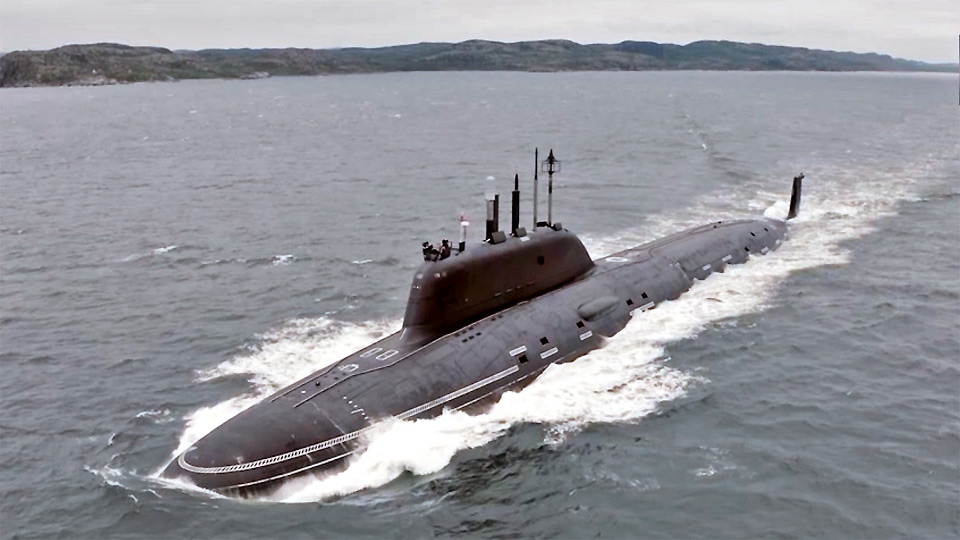 · 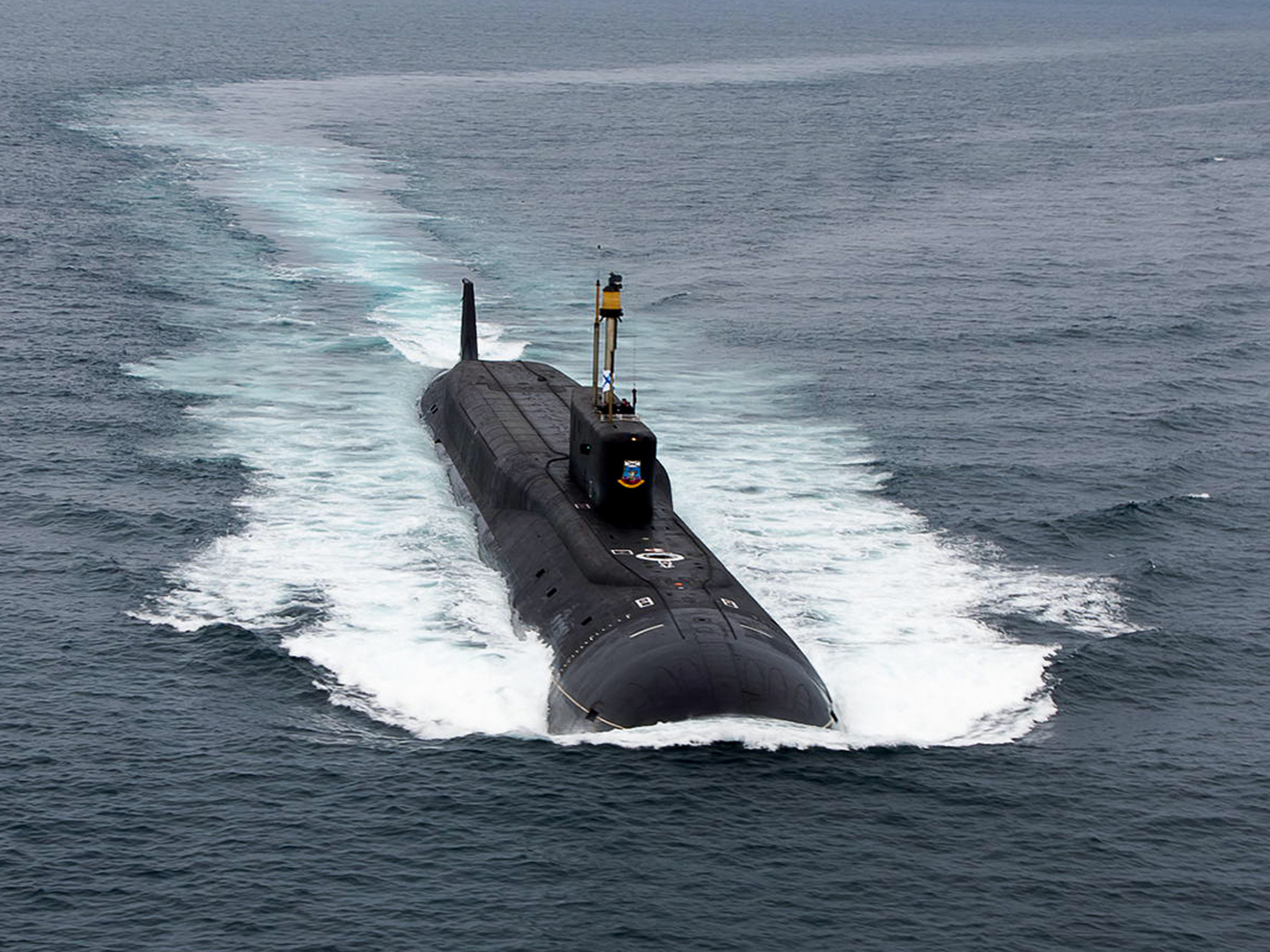 · |
|
#252
●
11-29-2023, 11:17 PM
| ||||||||
| ★ Legacy Member ★ Poster Rank:324 Join Date: Dec 2017 Posts: 3,938 Mentioned: 26 Post(s) Quoted: 1971 Post(s)
| ||||||||
|
Re: Whiskey's Briefing Room III
“ The extent of the Russian Federation use of electronic warfare (EW) to safeguard its military assets is literally visible from space. The powerful electromagnetic interference has been reflected in the images made by a satellite employing Synthetic Aperture Radar (SAR) technology. For a brief reminder, SAR enables image acquisition through radar, enabling it to "see" through clouds, fog, smoke, and regardless of how much sunlight illuminates the surface (i.e., at night as well).” Defense Express. There were also errors in the AIS (automatic identification system) suggesting several ships and boats have "teleported" 8 km into dry land. 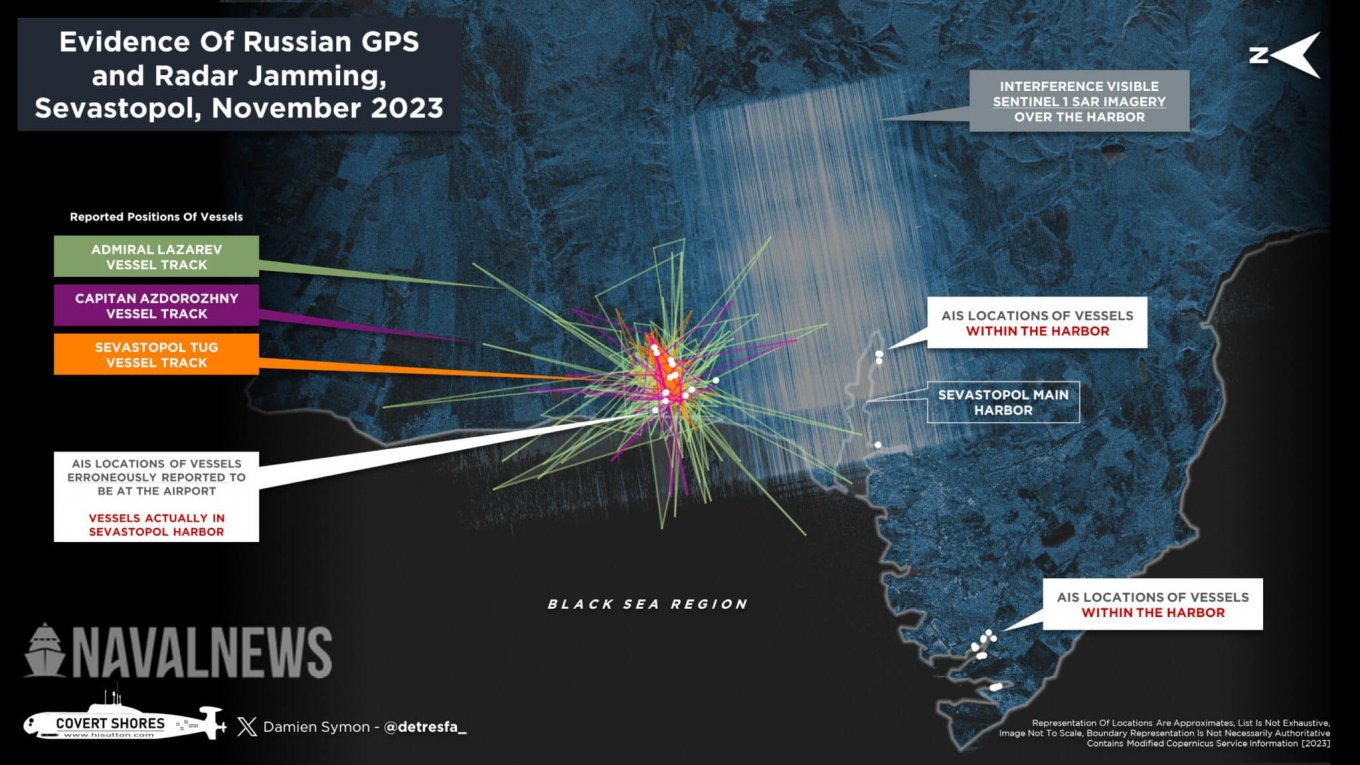 · 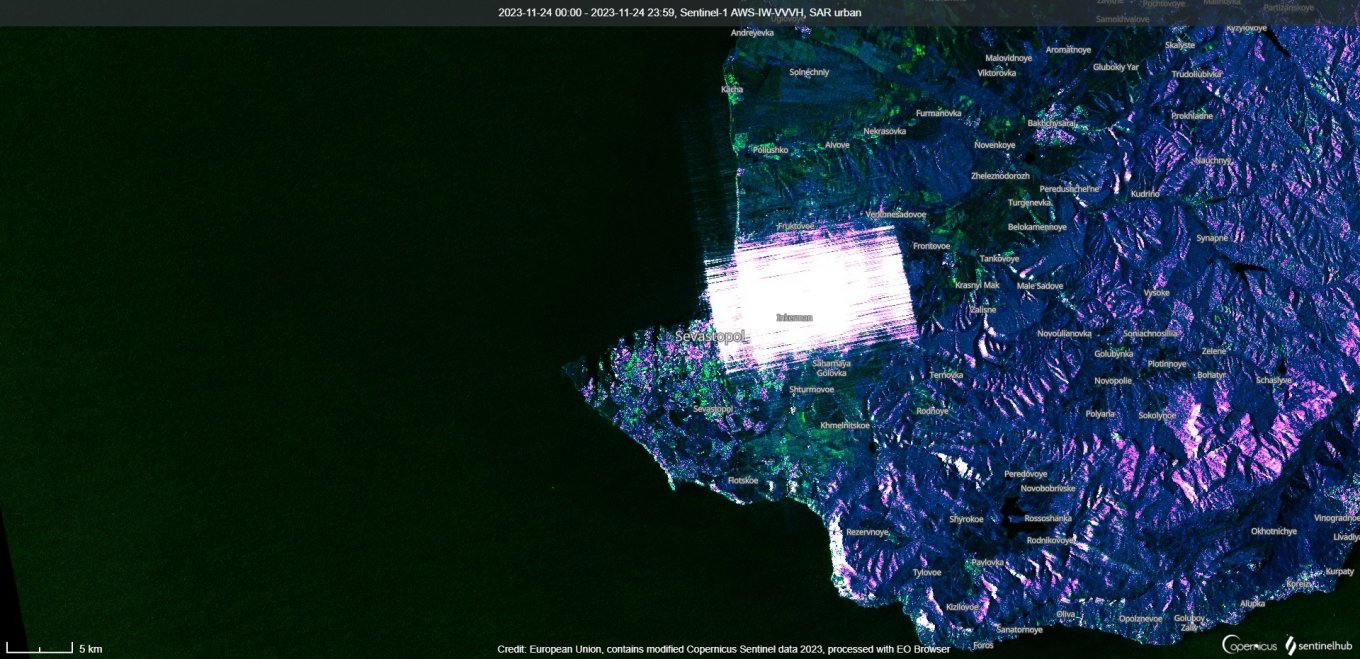 · |
|
#253
●
11-30-2023, 01:40 AM
| ||||||||
 ☾ Administrator ☽ Poster Rank:76 ஜᎻᎬᎩᎾᏦᎪஜ Join Date: Dec 2011 Posts: 19,650
Contributions: 32
Mentioned: 181 Post(s) Quoted: 6920 Post(s)
| ||||||||
|
Re: Whiskey's Briefing Room III
"The Wall Street Journal (https://www.wsj.com/world/putin-has-...w_article_pos3) on the opportunities and military challenges we face as we enter the coming year. ℹ️ Putin is still a long way from conquering the Ukrainian regions claimed by Russia, let alone achieving his larger goal of conquering all of Ukraine. The material advantages in 2024 are mostly on Russia's side, but they do not seem decisive enough for Russia to be able to achieve its political goals...It is incorrect to assume that Russia will win the war. However, unless the right choices are made next year regarding Ukraine's approach and Western resources, Ukraine's prospects for success look dim , says Michael Kofman, a senior fellow at the Carnegie Endowment for International Peace. ℹ️ The US, the European Union and the UK have an annual economy of $45 trillion - 20 times the size of Russia's economy - and superior technology. On paper, Ukraine's supporters are much stronger, but Russia is putting in much more effort. ℹ️ The budget plan of the Russian government for 2024-26 shows that the country allocates an increasingly large share of resources to war. Next year, military spending will rise to more than $100 billion, the highest level since Soviet times. Factories are reorienting production from civilian goods to tanks and drones. Civilian sectors pay a price for this: shortages of capacity and workers lead to rising inflation. But the stimulus from military spending supports the Russian economy, offsetting the impact of Western sanctions. ℹ️ Mass production has allowed Russia to catch up with Ukraine in the production of small combat drones, an area where Ukrainian innovation previously gave it an edge, but Ukraine's dependence on small workshops and volunteers is showing its limitations. ℹ️ The West has taken only limited steps to increase military production. The US is increasing the production of artillery shells, but the EU countries are unable to coordinate the placement of orders and attract investments in new defense production. ℹ️ European countries are running out of stocks of weapons and ammunition that they can provide to Ukraine. Political rifts in Washington have already slowed U.S. shipments. Shells from South Korea helped the Russian artillery achieve parity. Now the Ukrainian military says that they are once again at a disadvantage. ℹ️ Ukraine's economy has withstood the Russian onslaught better than expected, even growing somewhat this year after a deep slump when Russia invaded in early 2022. But Ukraine relies on Western money to cover civil budget expenditures. ℹ️ In Kyiv, the "failure" of the counteroffensive in the summer of this year with the aim of recapturing the regions occupied by Russia exacerbated the contradictions between the military and political leadership. Valery Zaluzhny, Commander-in-Chief of the Armed Forces of Ukraine, said that the war is in a "stalemate" phase, which drew criticism from President Volodymyr Zelenskyi, who wants to demonstrate to public opinion and Western allies that Ukraine can move forward. ℹ️ The military impasse reinforces the view in Germany, which is Kyiv's most important European supporter, that a ceasefire and negotiations with Moscow would be in Ukraine's interests. However, Berlin does not want to put pressure on Zelenskyi. ℹ️ The problem for hopes of a cease-fire remains that Putin has little reason to halt his invasion at a time when Western cohesion is weakening. Even if Putin agrees to a ceasefire, Kyiv fears he will use it to build up his forces and attack again. ℹ️ Many Western officials believe that Putin is waiting to see who will win the US presidential election a year from now. If it is Donald Trump, European governments fear that he may end military support to Ukraine from the US and even the North Atlantic Treaty Organization. ℹ️ A generation of EU politicians who for years underestimated Putin's challenge to the continent's post-Cold War world order is struggling to adapt to the return of full-scale war between European powers. ℹ️ The lack of ammunition also means that Ukraine is unlikely to mount another major offensive for some time. The creation of a bridgehead by Ukrainian troops on the eastern bank of the Dnieper in the Kherson region is a bright spot, albeit a small one. ℹ️ The Russian army is also struggling to make any significant breakthroughs, despite its numerical superiority in troops and equipment. Her infantry and equipment are often older and of worse quality than the forces with which she began the invasion. ℹ️ Both sides are struggling to advance through open, heavily mined terrain under a sky buzzing with drones. ℹ️ Russia has concentrated its reserves in the east of Ukraine, where it is trying to break through at several points, but without much success. Even near Avdiivka, her troops advance at the cost of huge human and material losses. ℹ️ According to Ukrainian officers and Western experts, depleted Ukrainian forces can still mount an effective defense along a 600-mile front if they mobilize their resources. " ===== "The White House has released information on which states benefit from the billions of dollars spent on military aid to Ukraine. This is how they are trying to attract the support of republicans who previously voted against aid to Kyiv. ▪️For example, Pennsylvania received the most - $2.3 billion in the form of expenditures and investments in the production of weapons and ammunition. At the same time, 3/8 of the Republican members of Congress from the state voted against the allocation of funds to Ukraine. ▪️ Texas received $1.4 billion for the production of 155-mm shells and other weapons. Although 18/25 representatives of the Republicans also opposed aid to Ukraine. ▪️ Arizona received $2.1 billion — and 3/6 representatives of the Republican Party also did not support financing Ukraine. Joe Biden recently emphasized that weapons for Ukraine are new jobs for Americans. Another part of the funds is provided to American companies to replace equipment sent abroad. Reuters (https://www.reuters.com/world/us/us-...as-2023-11-28/) reminds that Pennsylvania and Arizona are critical states for Biden in the 2024 election. Pictured is a worker at an arms factory in Scranton, Pennsylvania, ABC News" 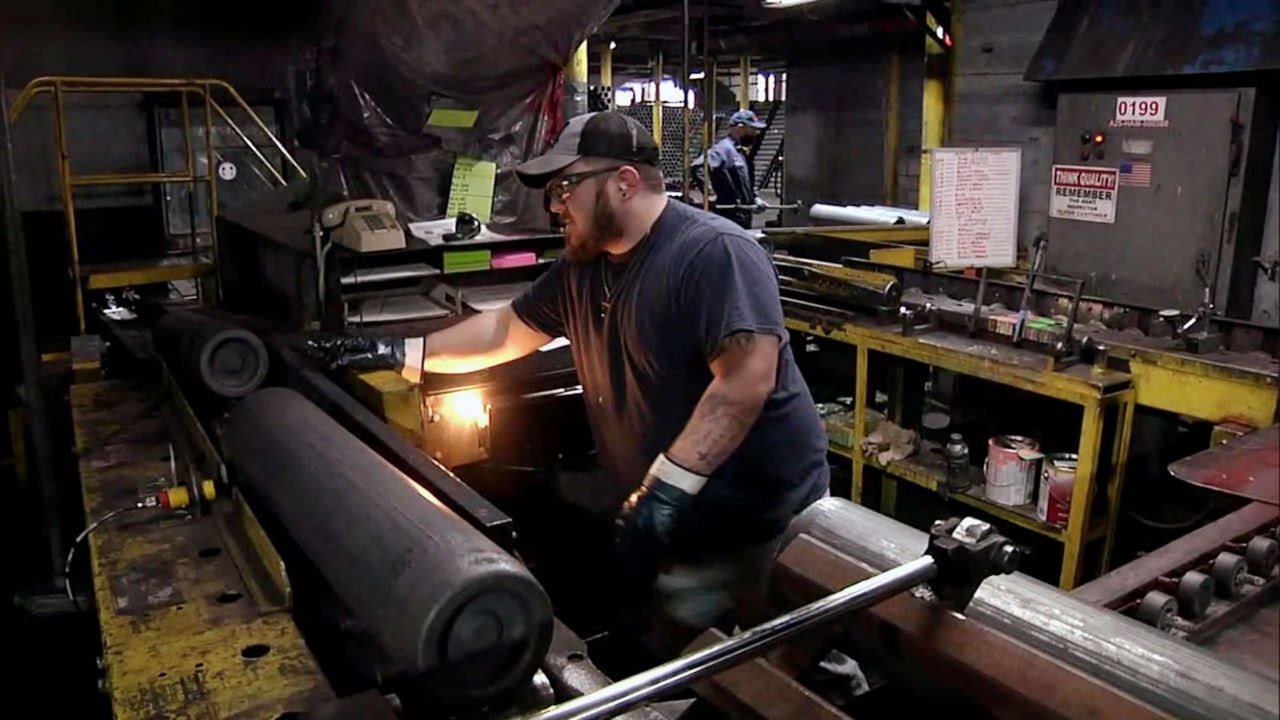
__________________ 💜🧿See Human | Be Human🧿💜 (War Section Hashtags) |
|
#254
●
11-30-2023, 02:01 AM
| ||||||||
| ☾ Administrator ☽ Poster Rank:76 ஜᎻᎬᎩᎾᏦᎪஜ Join Date: Dec 2011 Posts: 19,650
Contributions: 32
Mentioned: 181 Post(s) Quoted: 6920 Post(s)
| ||||||||
|
Re: Whiskey's Briefing Room III
"Zelensky publishes a video of the awarding of soldiers who are taking/participated in the naval operation on the left bank of the Kherson region to create bridgeheads (including Krynk) You can see the sleeve emblems: - 137th separate battalion of marines (as part of the 35th Brigade) - 124th Separate Territorial Defense Brigade (which is interesting) - 73rd Naval Special Operations Center And maybe someone knows what kind of armband the warrior has at 00:51 sec?" #zelenskyy
__________________ 💜🧿See Human | Be Human🧿💜 (War Section Hashtags) |
|
#255
●
11-30-2023, 02:59 PM
| ||||||||
| ★ Legacy Member ★ Poster Rank:324 Join Date: Dec 2017 Posts: 3,938 Mentioned: 26 Post(s) Quoted: 1971 Post(s)
| ||||||||
|
Re: Whiskey's Briefing Room III
Forbes - the biggest problem with Ukraines M-1 tanks: They don’t like staying dirty. Problem is in its filters which tank crews would have to clean every 12 hours or else engine could be damaged and will have to be send to Poland https://www.forbes.com/sites/davidax...h=6a29be3051f6 EDIT: WhiskeyOutpost is that a real problem, or just a whistle in the air? 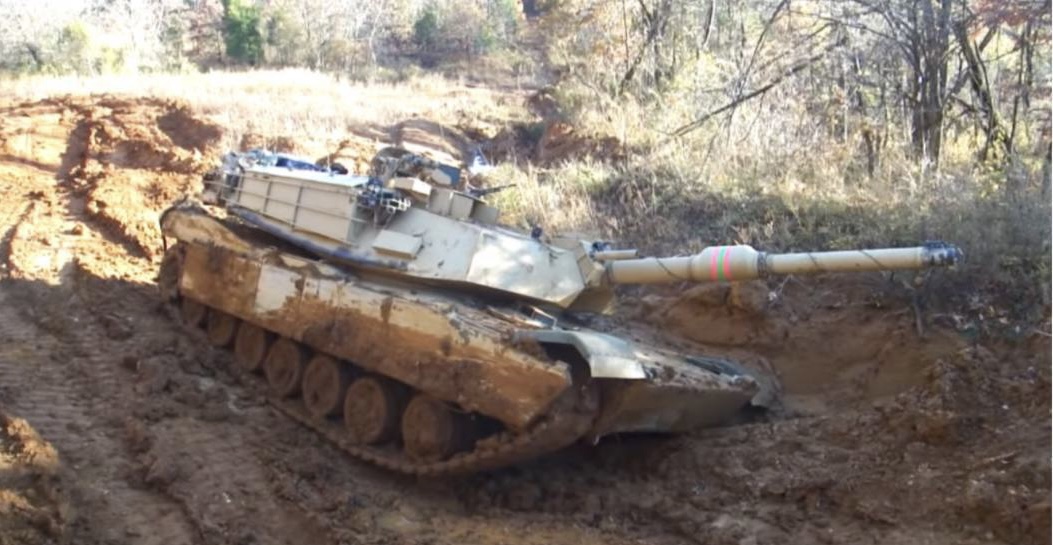 · |
|
#256
●
11-30-2023, 03:33 PM
| ||||||||
 ♚ Legacy Gold Member ♚ Poster Rank:206 Former US Soldier Join Date: Aug 2019 Posts: 7,275 Mentioned: 65 Post(s) Quoted: 3250 Post(s)
| ||||||||
|
Re: Whiskey's Briefing Room III
This is half correct, but the every 12 hours thing is more meant for persistent desert conditions. Like Iraq. During the winter and wet conditions in Ukraine, the issue of sand and debris getting into the engine will be less, so less maintenance hours. Regarding mobility in muddy and wet conditions - no tanks do well in that (especially underpowered Soviet era tanks). A true thing the media has been saying about Abrams tanks - they are very maintenance heavy, even for tank standards, and are gas guzzlers. It's a literal jet engine powering it - not a more economical turbo diesel like a Leopard 2. But its engine (Honeywell AGT1500) is likely the most capable engine in any main battle tank on the planet. I'm most concerned with the Ukrainian Army's ability to keep these beasts fed with enough fuel. That is no small task - after I was an M1 Platoon leader I was an XO. When Abrams hit the Ukranian battlefields, we will likely see Lancet drones hitting fuel tankers. If Ukrainian Army is able to keep these M1's fed and fixed, and with good crews, they are certified murder machines. |
|
#257
●
12-01-2023, 01:26 AM
| ||||||||
| ☾ Administrator ☽ Poster Rank:76 ஜᎻᎬᎩᎾᏦᎪஜ Join Date: Dec 2011 Posts: 19,650
Contributions: 32
Mentioned: 181 Post(s) Quoted: 6920 Post(s)
| ||||||||
|
Re: Whiskey's Briefing Room III
"Forbes writes (https://forbes.ua/innovations/ukrain...20112023-17379) about the Ukrainian FPV industry. ℹ️ Ukrainian companies produce approximately 50,000 FPV drones every month, Russians produce six times more, says Maksym Sheremet, the founder of DroneSpace. With the estimate that one engineer assembles about 50 FPV drones, the industry consists of about 1,000 people. ℹ️ FPV drone manufacturers lack 2,000 engineers, says Vadym Yunyk, president of the Technological Forces of Ukraine drone manufacturers association and chairman of the supervisory board of the FRDM defense and technical company. To scale six times, you need six times as many engineers. That is, the industry should consist of 6,000 engineers. ℹ️ In total, there are about 200 manufacturers of drones of various types in Ukraine. They provide only 10-15% of the total needs of the army. FPV drones alone need about 200,000 units per month. ℹ️ Ukrainian manufacturers lack engineers in avionics, EW and narrower specialties. In particular, there is a shortage of computer vision and digital signal processing engineers, as well as specialists involved in the development of embedded software and mathematical modeling. ℹ️ At the beginning of the full-scale invasion of Ukraine, there were seven models of drones approved for use in the Armed Forces. Since February 24, the number has increased to 62. ℹ️ The lion's share of Ukrainian engineers were educated in the USSR and worked at enterprises such as Antonov. ℹ️ Drone assembly engineers in Ukraine receive from UAH 30,000. The market average is UAH 50,000. A specialist who can independently design an airplane or a copter earns from $2,000 to $5,000 per project and can work with different manufacturers at the same time. He estimates the salaries of EW specialists at $5,000–10,000." Source posts again with this: "I will add 2 points from myself: ℹ️ I don't know where the figure came from that the Russians produce x6 times more, but given the number of videos with FPV damage, this is an exaggeration. We use such drones more often (so far) and the number of fixed FPV hits from our side is also higher. ℹ️ The article contains a figure about the need for 200,000 FPV drones. Now let's count. That's 6,000 drones every day. A figure that +- repeats the intensity of work of Ukrainian artillery in the summer (peak) period, if we count by shells. We are witnessing history when classical artillery begins to be replaced by the massive use of high-precision means. It's not the first time we've seen when a dozen FPV drones can easily "clear" a trench position (VOP). How many shells would have to be placed to achieve the same result?" 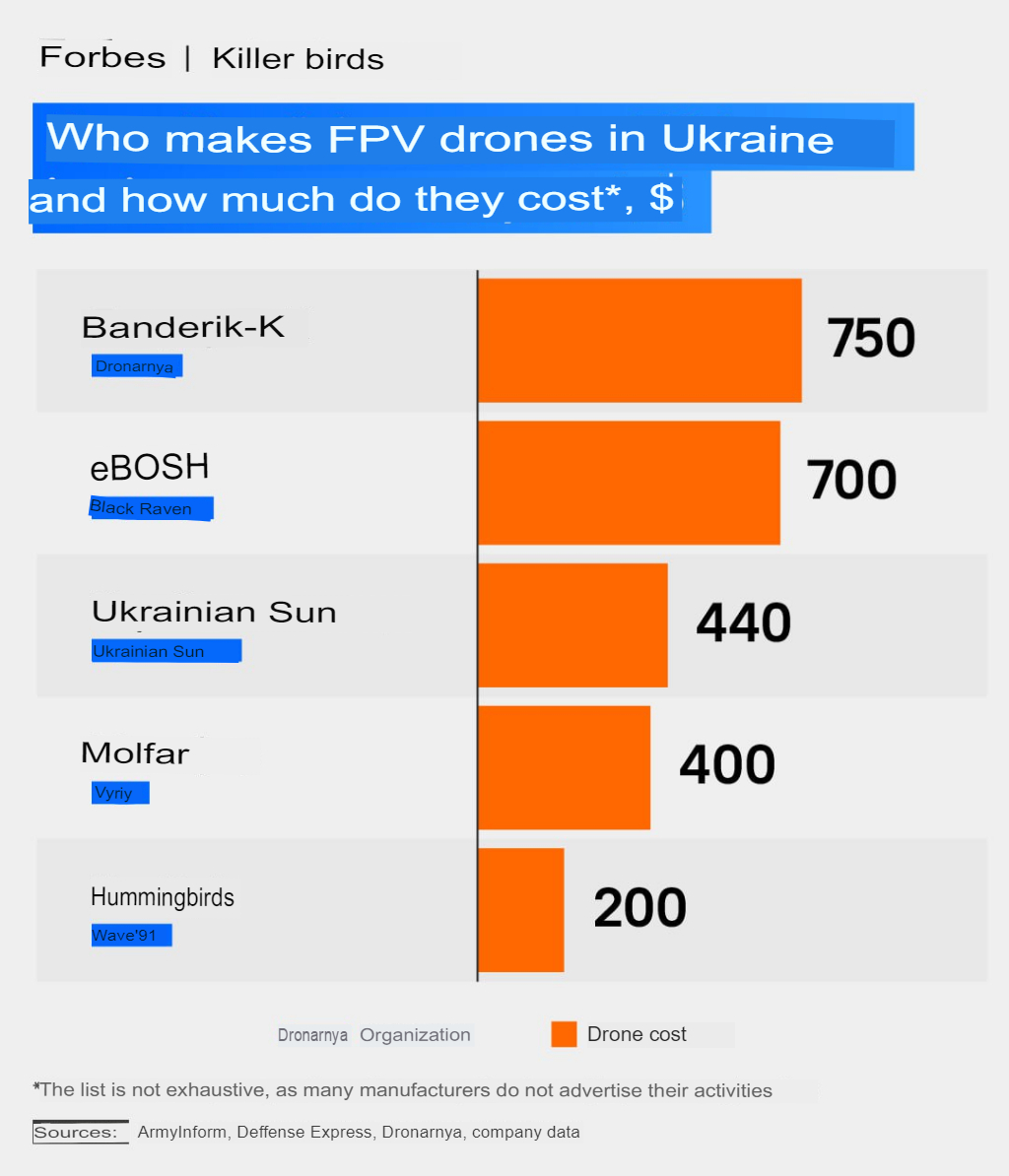
__________________ 💜🧿See Human | Be Human🧿💜 (War Section Hashtags) |
|
#258
●
12-01-2023, 01:27 AM
| ||||||||
| ☾ Administrator ☽ Poster Rank:76 ஜᎻᎬᎩᎾᏦᎪஜ Join Date: Dec 2011 Posts: 19,650
Contributions: 32
Mentioned: 181 Post(s) Quoted: 6920 Post(s)
| ||||||||
|
Re: Whiskey's Briefing Room III
NO MEDIA: Columnist Mark A. Thiessen for The Washington Post (https://www.washingtonpost.com/opini...economy-boost/) ℹ️ Most of the funds allocated for military support to Ukraine are spent in the United States. This money does not go directly to Ukraine, but is used in the US to create new weapons or replace weapons sent to Kyiv from US stocks. ❗️ Of the 68 billion dollars in military aid that Congress approved after the Russian invasion of Ukraine, almost 90% of the interest remains in America . ℹ️ At a time when both major US parties are vying to capture the working-class vote and strengthen the manufacturing base, military aid to Ukraine is accomplishing this task by providing a significant infusion of cash into factories across the country, directly benefiting American workers. It also creates jobs and creates opportunities for local suppliers, shops, restaurants and other businesses that support gun manufacturing plants. ℹ️ An analysis of contracts, press releases, and interviews with defense industry experts, diplomats, and Pentagon officials reveal that dollars are "flowing" into 117 production lines in at least 31 states and 71 US cities. Our aid to Ukraine not only creates US jobs, but also restores our dangerously atrophied defense industrial base ℹ️ The United States has not built any new Stinger anti-aircraft missiles since 2005. The terrorists that the Americans fought in recent decades did not have jet fighters, so production slowed down. Now, thanks to Ukraine's aid, the Pentagon last year signed a $624.6 million contract to build Stinger missiles in Tucson to replace about 1,400 missiles sent to Ukraine. ℹ️ Another example is the $600 million that was used to build two weapons systems for Ukraine in St. Charles, Missouri. One of them is the Joint Direct Attack Munition-Extended Range (JDAM ER) – a guided missile with a range of up to 45 miles. ℹ️ Workers in West Plains, Missouri, are using Ukrainian help to build a tracking radar for the Patriot missile system that shocked the world this year by shooting down an "unreachable" Russian hypersonic missile. ℹ️ Among the most shocking examples of the decline of the American defense industry is the situation with the production of 155 mm artillery shells. Ukraine produces from 6,000 to 8,000 such shells per day, and Israel orders tens of thousands of them. But before Russia invaded Ukraine last year, the United States produced fewer than 15,000 missiles a month. So the Pentagon allocated $1.5 billion to increase production by 500% and intends to increase production to 100,000 per month. ℹ️ The United States also creates incentives for NATO allies to donate their old US-made and Soviet-era weapons systems to Ukraine, allowing the sale of new, modern American-made systems to replace them. For example, Poland sent 250 Soviet and German tanks to Ukraine and in April 2022 signed a $4.75 billion deal to buy 250 replacement M1A2 Abrams tanks to be produced at a plant in Lima, Ohio. ℹ️ Finland, which struck a $9.4 billion deal to buy 64 F-35s, said the new planes would allow it to transfer its aging F/A-18 Hornet fighter jets to Ukraine. Norway, which transferred old F-16 fighters to Ukraine, is purchasing 52 F-35s. Denmark and the Netherlands donate 61 F-16s to Ukraine and replace them with additional F-35s. ℹ️ Overall, the analysis found that there are at least 13 production lines in 10 states and 11 US cities that are producing new US-made weapons for NATO allies instead of the equipment they sent to Ukraine" AND "Interesting (https://twitter.com/Havoc_Six/status...46012625662235) about the production of artillery shells in the USA and the EU. ℹ️ The US was able to increase the production of artillery 155-mm shells faster than predicted. In order to continue the forward pace in the US, Congress is expected to approve a bill on additional funding in the amount of $3.1 billion for 2024. However, the vote may be delayed due to bipartisan disputes over further aid to Ukraine. ℹ️ Note: The US has a slight advantage in projectile production, as the relevant facilities are state-owned. Therefore, capacity expansion and investment attraction is somewhat easier. By 2025, the US plans to produce 1.2 million 155mm shells each year. ℹ️ The EU collectively produces 230,000 shells each year, and plans to increase this figure to 300,000 by February next year. Potentially, by the end of 2024, this figure could reach 1 million shells, but there are restraining factors. Unlike the US, the production of projectiles is mainly in the hands of private companies, so investment or the construction of new plants is a longer and more complicated process."
__________________ 💜🧿See Human | Be Human🧿💜 (War Section Hashtags) |
|
#260
●
12-01-2023, 05:18 AM
| ||||||||
 ✝Mudderator from Hell✝ Poster Rank:11 e-mail Join Date: Oct 2006 Posts: 95,411
Contributions: 817
Mentioned: 473 Post(s) Quoted: 10156 Post(s)
| ||||||||
|
Re: Whiskey's Briefing Room III
Speech, 30 November 2023. Brussels Keynote speech by President von der Leyen at the EDA Annual Conference 2023: Powering up European Defence: |