|
#1521
●
04-09-2023, 10:50 PM
| ||||||||
 ☾ Administrator ☽ Poster Rank:77 ஜᎻᎬᎩᎾᏦᎪஜ Join Date: Dec 2011 Posts: 19,442
Contributions: 32
Mentioned: 169 Post(s) Quoted: 6799 Post(s)
| ||||||||
|
Re: Whiskey's Briefing Room
"Techia Foundation donated UAH 5.2 million worth of clothes and accessories to the Armed Forces of Ukraine in three months of 2023 Among the purchased items are 2.5 thousand fleece jackets, 1.5 thousand sets of underwear, 1.2 thousand long sleeves, 1 thousand first aid kits and other important things. Everything is made in Ukrainian factories. Oleg Krot, director of the Techia Foundation and managing partner of the TECHIIA holding, calls it a win-win project: Ukrainian production is loaded with orders, taxes go to the local budget, and defenders and defenders receive the necessary assistance. Last year, by order of a public organization, the factories produced 14.5 thousand units of products with a total value of UAH 5.4 million." 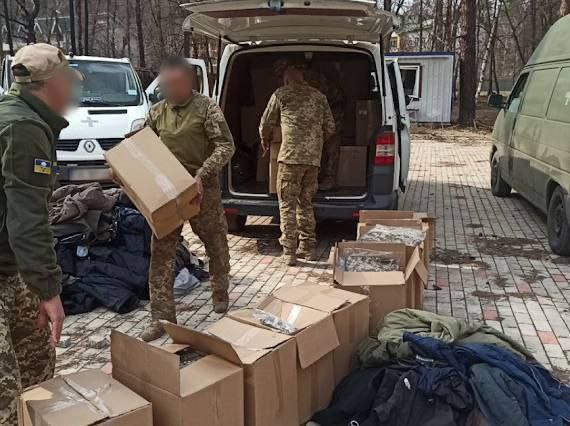 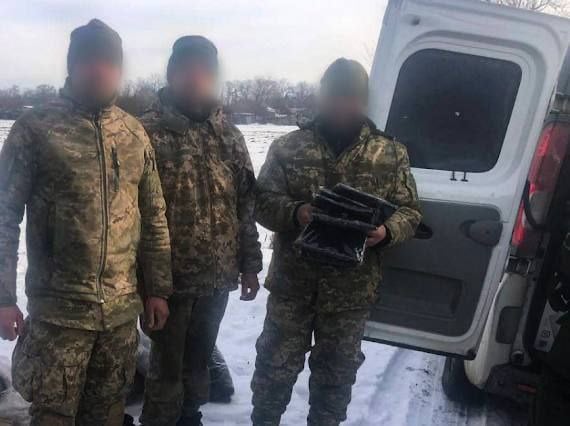 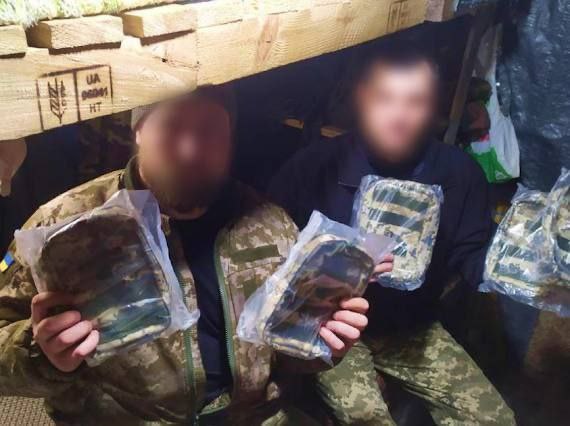
__________________ 💜🧿See Human | Be Human🧿💜 (War Section Hashtags) |
|
#1522
●
04-09-2023, 11:03 PM
| ||||||||
| ☾ Administrator ☽ Poster Rank:77 ஜᎻᎬᎩᎾᏦᎪஜ Join Date: Dec 2011 Posts: 19,442
Contributions: 32
Mentioned: 169 Post(s) Quoted: 6799 Post(s)
| ||||||||
|
Re: Whiskey's Briefing Room
"Another 12 Ukrainians were released from captivity: 10 military and two civilians, SBU exclusive video This is the result of the work of the Joint Center for the Coordination of the Search and Release of Prisoners of War, which implemented the decision of the Coordination Staff on the Treatment of Prisoners of War. The life of every Ukrainian is the highest value! We are working to fulfill the instructions of the President of Ukraine and return every Ukrainian from captivity!"
__________________ 💜🧿See Human | Be Human🧿💜 (War Section Hashtags) |
|
#1523
●
04-09-2023, 11:06 PM
| ||||||||
| ☾ Administrator ☽ Poster Rank:77 ஜᎻᎬᎩᎾᏦᎪஜ Join Date: Dec 2011 Posts: 19,442
Contributions: 32
Mentioned: 169 Post(s) Quoted: 6799 Post(s)
| ||||||||
|
Re: Whiskey's Briefing Room
" Another 31 children deported by Russia were returned to Ukraine This was announced by the executive director of the "Save Ukraine" charity Mykola Kuleba. In a few hours, the children will be in Kyiv."
__________________ 💜🧿See Human | Be Human🧿💜 (War Section Hashtags) |
|
#1524
●
04-10-2023, 08:55 AM
| ||||||||
 ✝Mudderator from Hell✝ Poster Rank:10 e-mail Join Date: Oct 2006 Posts: 94,990
Contributions: 817
Mentioned: 472 Post(s) Quoted: 10081 Post(s)
| ||||||||
|
Re: Whiskey's Briefing Room
Target missed by a few meters and some fireworks does more damage as this thing in this vid.  |
|
#1525
●
04-10-2023, 01:38 PM
| ||||||||
| ☾ Administrator ☽ Poster Rank:77 ஜᎻᎬᎩᎾᏦᎪஜ Join Date: Dec 2011 Posts: 19,442
Contributions: 32
Mentioned: 169 Post(s) Quoted: 6799 Post(s)
| ||||||||
|
Re: Whiskey's Briefing Room
"Prigozhin, head of Wagner PMC, speaks about Ukrainian counteroffensive."
__________________ 💜🧿See Human | Be Human🧿💜 (War Section Hashtags) |
|
#1526
●
04-10-2023, 01:46 PM
| ||||||||
| ☾ Administrator ☽ Poster Rank:77 ஜᎻᎬᎩᎾᏦᎪஜ Join Date: Dec 2011 Posts: 19,442
Contributions: 32
Mentioned: 169 Post(s) Quoted: 6799 Post(s)
| ||||||||
|
Re: Whiskey's Briefing Room
"Ukraine conducted a rescue mission, bringing home 24 children from Kherson region from Russia. They were met by the head of the region, Oleksandr Prokudin. Volunteers of the Save Ukraine charity foundation who were involved in the return said it was one of the most difficult rescue missions. The Russians interrogated the children for 13 hours and then forced them to appear in a propaganda report."
__________________ 💜🧿See Human | Be Human🧿💜 (War Section Hashtags) |
|
#1527
●
04-10-2023, 01:49 PM
| ||||||||
| ☾ Administrator ☽ Poster Rank:77 ஜᎻᎬᎩᎾᏦᎪஜ Join Date: Dec 2011 Posts: 19,442
Contributions: 32
Mentioned: 169 Post(s) Quoted: 6799 Post(s)
| ||||||||
|
Re: Whiskey's Briefing Room
"Ukraine has returned 100 servicemen from Russian captivity, including sailors, border guards and national guards, the head of the Presidential Office reports. These are the defenders of Mariupol, Azovstal, Gostomel, Chongar, Zmeinyi Island, ZNPP and Chornobyl NPP. Some of them were seriously injured." 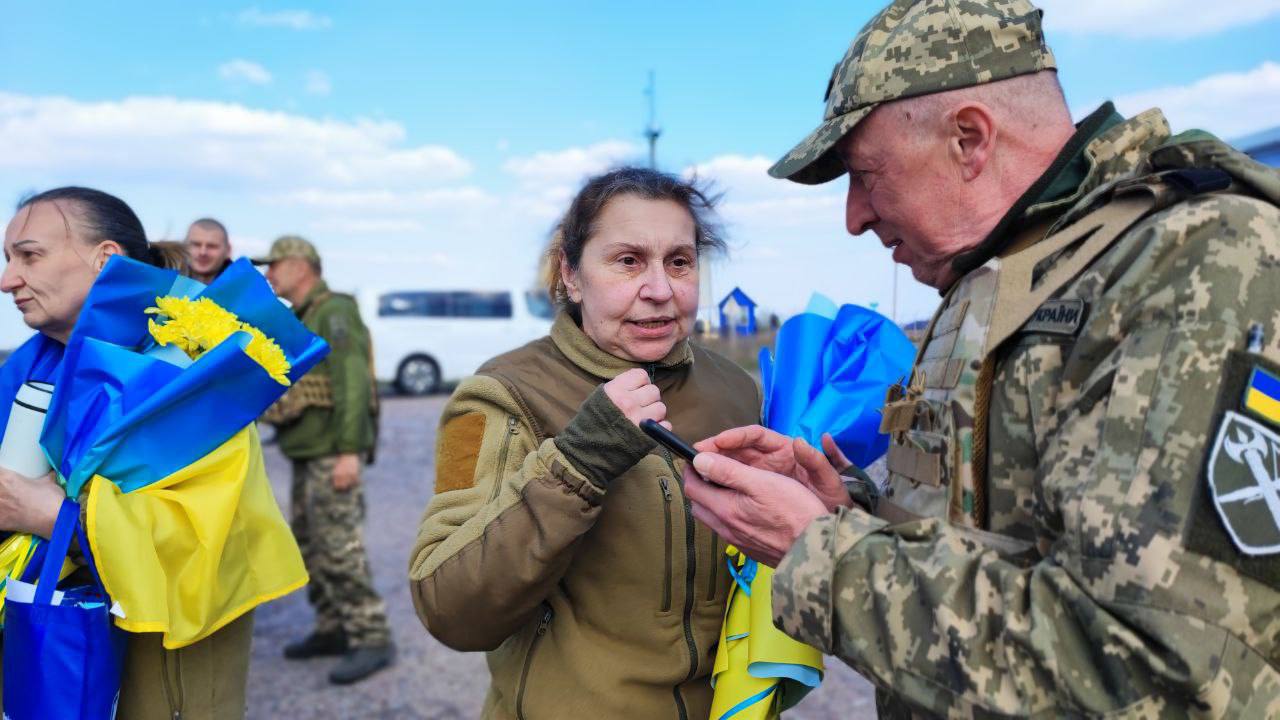 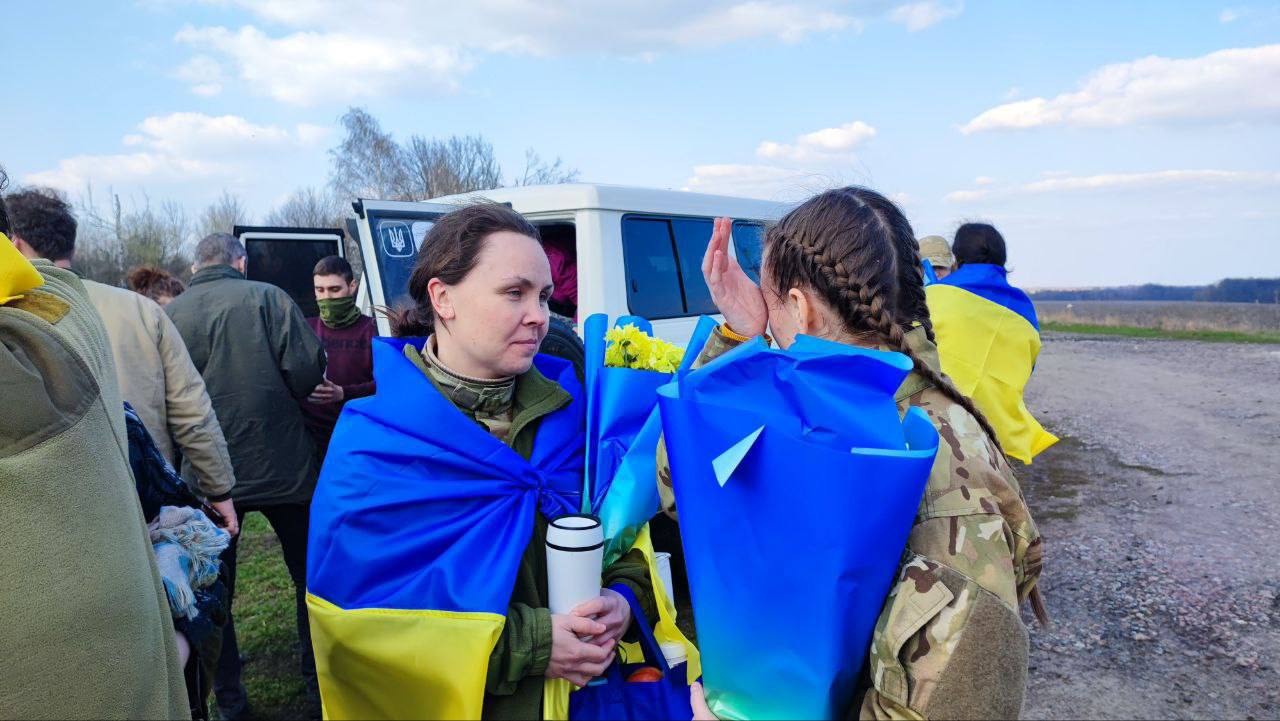 And video below. "An Azov soldier and writer Valeria Karpylenko was released from captivity. She was defending Mariupol. On May 5, while at Azovstal, Valeria got married to border guard Andriy Subotin, who also defended the plant. At the time, their photos of them wearing foil wedding rings went viral, but three days later, Andriy was killed." 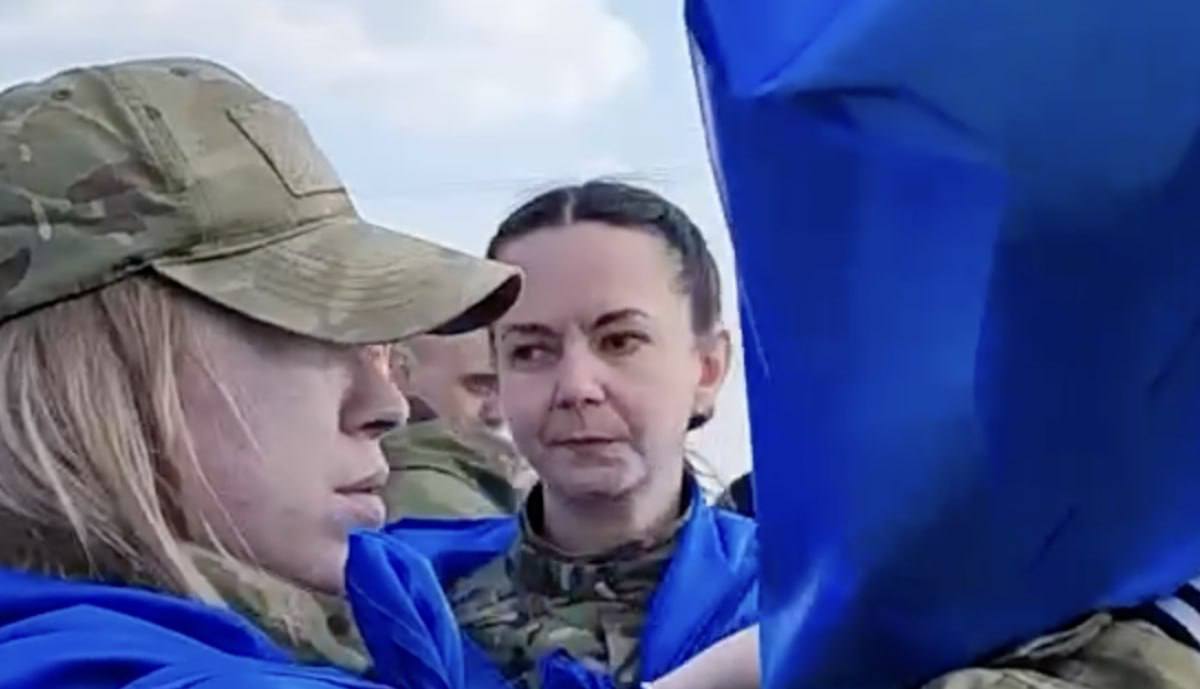 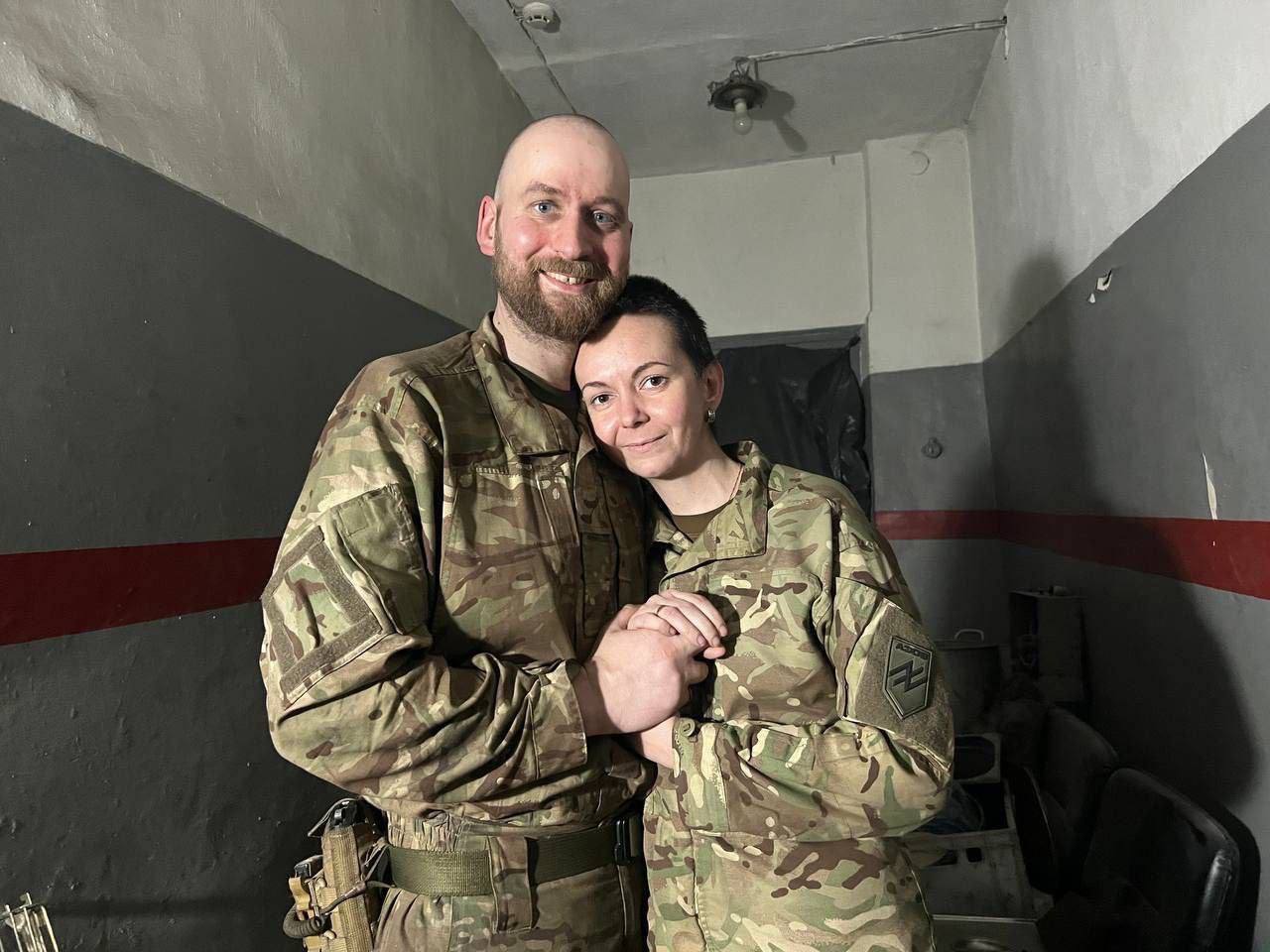 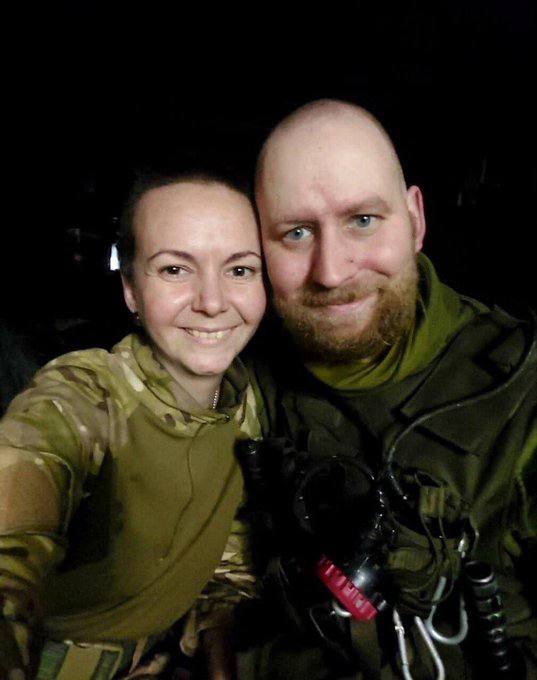 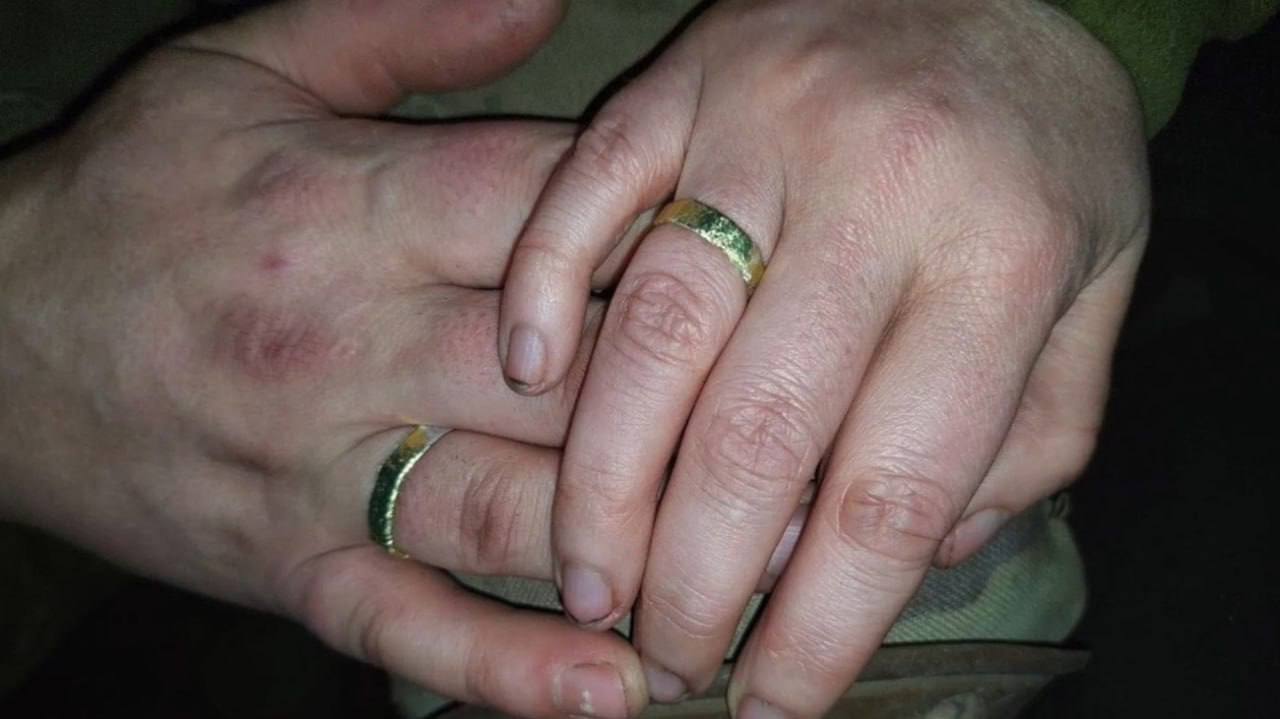
__________________ 💜🧿See Human | Be Human🧿💜 (War Section Hashtags) |
|
#1529
●
04-10-2023, 04:02 PM
| ||||||||
| ☾ Administrator ☽ Poster Rank:77 ஜᎻᎬᎩᎾᏦᎪஜ Join Date: Dec 2011 Posts: 19,442
Contributions: 32
Mentioned: 169 Post(s) Quoted: 6799 Post(s)
| ||||||||
|
Re: Whiskey's Briefing Room
I've posted the article below: ‘They’re starting to die’: fears Ukraine’s drone supremacy may soon be over Frontline drone operators say Russia is close to countering their most popular models – setting off a race to find replacements Mon 10 Apr 2023 09.07 EDT Crouching in a freezing basement or risking it all on top of a nine-storey building, the drone squads in the war zone of Bakhmut are ubiquitous. Some are forced to lurk a few hundred metres from, or even on, the frontline. Without them, Ukraine’s efforts to hold on to the embattled city would be much harder, perhaps impossible. But the concern for Ukraine, according to three frontline drone operators deployed in the city over the winter, is that the Russians are close to countering the most popular models in operation, those made by the Chinese manufacturer DJI. “They’re adept and they are manufacturing these special jamming systems,” said Yaroslav, 31. “So actually, I believe like in three, four months, DJI will not be usable,” the drone specialist said. It means a scramble has been going on to look for replacements, prompting countless Ukrainian initiatives in probably the most dynamic aspect of the near 14-month war, a conflict in which drones have so far largely helped defenders. Yaroslav and Maksym, both from Kharkiv, met on the steps of a recruiting office in the days after the war began. Neither had any military experience, but after moving their families to safety farther west in the country, the two men were recruited into Ukraine’s 63rd brigade, operating in the summer around Mykolaiv to the south – before switching to the hot zone of Bakhmut in December and January. 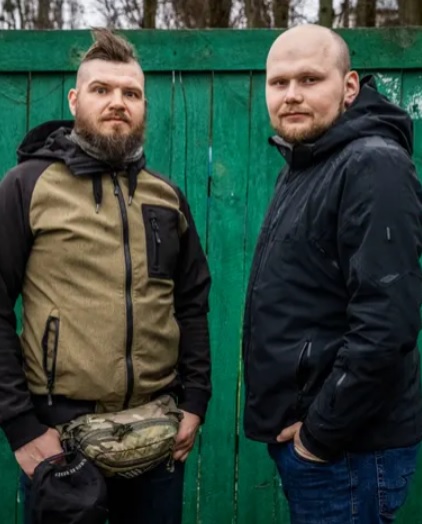 Drone operators Maksym (left) and Yaroslav. Photograph: Ed Ram/The Guardian Their day in Bakhmut would typically start before dawn, where working in a group of two or three, the men would have brought at least a pair of drones to their forward position, most likely a simple DJI Mavic 3 quadcopter (which costs £1,399 in the UK) or perhaps a more advanced DJI Matrice 30T (£12,098) – and a pile of 20 to 30 batteries, because “in winter, the battery life is about half an hour”, said Maksym. To say the work in Bakhmut, scene of the heaviest fighting in the war, is intense is an understatement. Maksym described watching a Russian attack that lasted “seven hours, with wave after wave of attackers” coming at Ukrainian positions in small groups “from the morning until about 3pm”, each being sought out from above to give Ukrainian soldiers a chance to stop them. It is terrifying and dehumanising, watching the violence from overhead and dropping bombs down below. “When you are watching movies, you think you must feel something when you are killing people. But in the war, there are no emotions, you just totally do what you need to do,” said Yaroslav, although both admitted the three-week break they have had from the frontline had not been long enough. Drone operators such as Maksym and Yaroslav, embedded within frontline battalions, are asked to conduct reconnaissance, monitoring enemy attacks, or search for higher-value targets such as artillery pieces, although in Bakhmut the Russians only briefly fire these about 3 miles (5km) behind enemy lines. “You only have a couple of minutes to catch and destroy them,” Yaroslav said. They also help Ukrainian gunners correct their aim, and occasionally use armed drones if required. Hundreds of war videos filmed from above demonstrate the military capability of drones. They are used as propaganda vehicles by both sides, and in Ukraine it is common for brigades or battalions to have a videographer to help produce such content. Images of the detail of the devastation of Bakhmut illustrate what can be seen. In theory, DJI drones were banned in Ukraine and Russia by the company nearly a year ago, with DJI saying it “abhors any use of our drones to cause harm”. But in practice they are bought in large numbers by donors from Europe and the US – the Star Wars actor Mark Hamill fronts one fundraising campaign – and shipped across the border, because they have proved the most effective for local-level reconnaissance and can be easily modified to carry grenades to bomb from above. But the drone operators report the DJI craft are gradually becoming less effective, as Russian electronic warfare techniques diminish their range. The environment in Bakhmut, where sight lines are restricted by the remaining buildings, is also often more difficult, as was the winter weather, but a frontline drone squad may only cover a few hundred metres, whereas before their effective range was 10 or 20 times more. “In Mykolaiv we had 15km to cover, and in Bakhmut only 500 metres – and even for these 500 metres it was tough to cover with two drones,” Yaroslav said, adding that on the southern front in the autumn it was possible to cross 6km (3.7 miles) beyond the frontline, but in Bakhmut “1km maximum, sometimes it was not possible to cross the border”. Combat losses are also considerable, with friendly fire a particular problem, as nervous infantry on the ground know the presence of a drone loitering for a moment above can be a prelude to accurate incoming artillery. Sometimes a drone does not last a day, other times it can be preserved for several months. Operators are considered key targets; Maxsym has shrapnel embedded in his right arm from a shell that landed near him while on duty in Bakhmut. Yevhen, 38, another drone operator from Kharkiv, is a friend of Maksym and Yaroslav, and like them was deployed in Bakhmut for three months over the winter. Like them, he believes the days of the frontline DJI drone are numbered. “Frankly speaking for me, Mavics are already starting to die. In December we were able to fly 3km, so we were not working from the zero point [the frontline]. Now the guys are saying they cannot fly further than 500 metres,” he said. 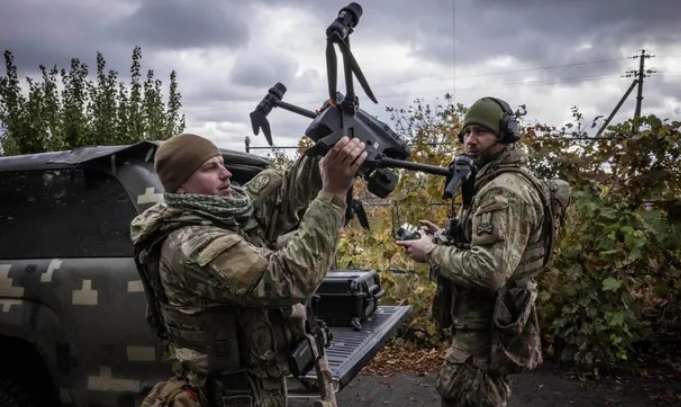 Soldiers prepare a drone for a reconnaissance mission in Kherson region in October last year. Photograph: Ed Ram/The Observer As a result, Yevhen, a computer programmer before the war, has moved away from frontline work to help develop new types of drones to overcome what is likely to be a looming battlefield problem. He is involved in testing a longer-range Ukrainian-made Windhover drone with the country’s army, although the three-pronged six-rotor device has been in development since before the war – one of many homegrown drone projects taking place around the country. Yevhen predicts that replacing DJIs in the frontline will require a mixture of longer-range but more expensive fixed-wing reconnaissance drones operating from further in the rear, such as the Leleka-100, which costs about $50,000 (£40,000) and has a range of up to 100km, combined with “FPY” (first person view) kamikaze drones: light, high-speed racing drones with bombs attached, often controlled via headsets. Ukraine has sought 1,000, although their effectiveness in volume is not yet proven. Samuel Bendett, a drone expert with the US Center for Naval Analyses, says the likely change in technology could favour Ukraine. The “Russians are very concerned that Ukrainians have the advantage” when it comes to the FPV drones, worried that a large number will be used to support a Ukrainian counteroffensive, and that Moscow may not have enough pilots or technological know-how to keep up. “This is a technology race not just between the militaries, but also between the volunteers with their own technology arsenals,” he added.
__________________ 💜🧿See Human | Be Human🧿💜 (War Section Hashtags) |
|
#1530
●
04-10-2023, 04:13 PM
| ||||||||
| ☾ Administrator ☽ Poster Rank:77 ஜᎻᎬᎩᎾᏦᎪஜ Join Date: Dec 2011 Posts: 19,442
Contributions: 32
Mentioned: 169 Post(s) Quoted: 6799 Post(s)
| ||||||||
|
Re: Whiskey's Briefing Room
"Germany is one of the leaders in supporting Ukraine, supplying equipment and weapons - both from Bundeswehr warehouses and supplies from (German) industry, which are financed from the German Federal Government's Capacity Building Initiative. Another batch of weapons has arrived. - 4 DACHS armored engineering vehicles; - 60 Zetros trucks; - 42 mobile antenna support systems; - 32 reconnaissance drones; - 83,520 cartridges of 40-mm caliber. This is what was officially said."
__________________ 💜🧿See Human | Be Human🧿💜 (War Section Hashtags) |