|
#281
●
10-18-2022, 11:58 PM
| ||||||||
 ★ Legacy Member ★ Poster Rank:324 Join Date: Dec 2017 Posts: 3,938 Mentioned: 26 Post(s) Quoted: 1971 Post(s)
| ||||||||
|
Re: Russia/Ukraine War Mobilization, Protests & Sabotage Media
ummm I have one female leader in my life already, so its a big NO  |
|
#282
●
10-19-2022, 12:06 AM
| ||||||||
 ☾ Administrator ☽ Poster Rank:77 ஜᎻᎬᎩᎾᏦᎪஜ Join Date: Dec 2011 Posts: 19,443
Contributions: 32
Mentioned: 169 Post(s) Quoted: 6801 Post(s)
| ||||||||
|
Re: Russia/Ukraine War Mobilization, Protests & Sabotage Media
That's the "beauty" in cults. The leader charms you with her wisdom and charisma... you don't even realize you're falling right into her hands... until it's too late and you're all drinking poisonous grape kool-aid. Muahhahahahhahh  I'm kidding. I don't do cults.
__________________ 💜🧿See Human | Be Human🧿💜 (War Section Hashtags) |
|
#283
●
10-19-2022, 01:31 AM
| ||||||||
 ♚ Legacy Gold Member ♚ Poster Rank:71 Join Date: Jul 2008 Posts: 21,961 Mentioned: 76 Post(s) Quoted: 11512 Post(s)
| ||||||||
|
Re: Russia/Ukraine War Mobilization, Protests & Sabotage Media
Love how the French protesters appear to be much better prepared than lets say the Russian protesters, with their little helmets and all
|
|
#284
●
10-19-2022, 02:16 AM
| ||||||||
 ✝Mudderator from Hell✝ Poster Rank:10 e-mail Join Date: Oct 2006 Posts: 94,998
Contributions: 817
Mentioned: 472 Post(s) Quoted: 10081 Post(s)
| ||||||||
|
Re: Russia/Ukraine War Mobilization, Protests & Sabotage Media
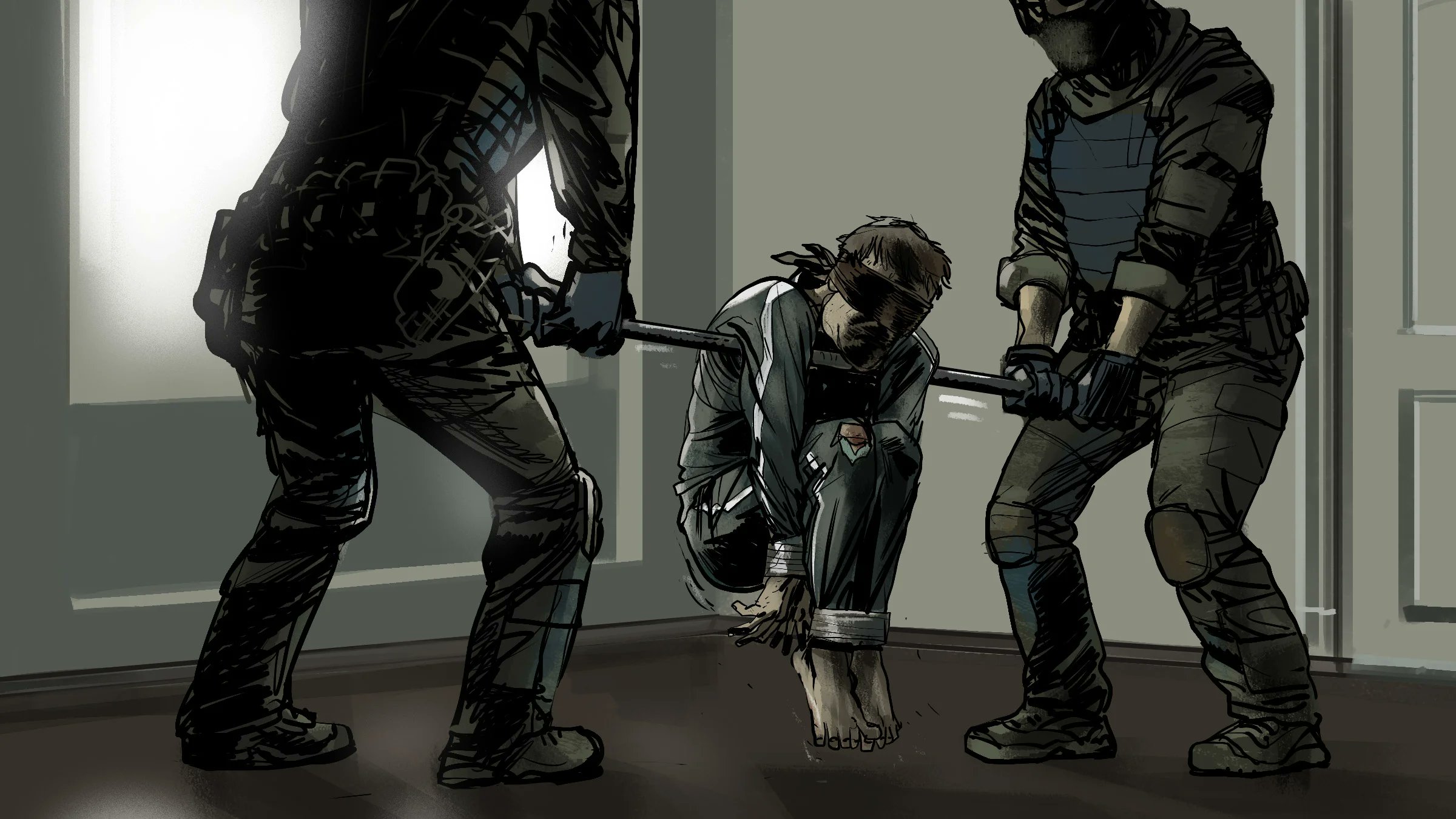
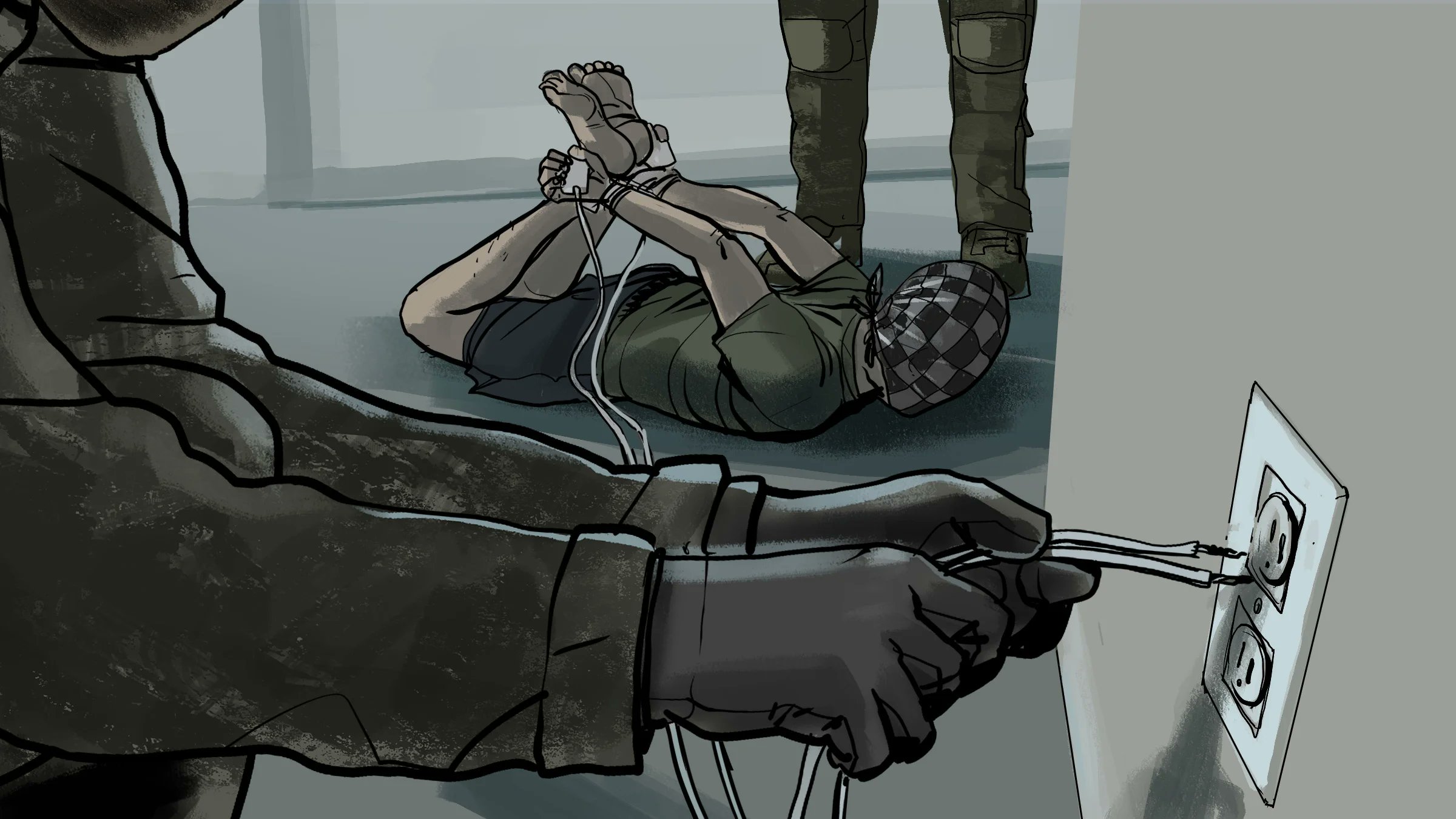
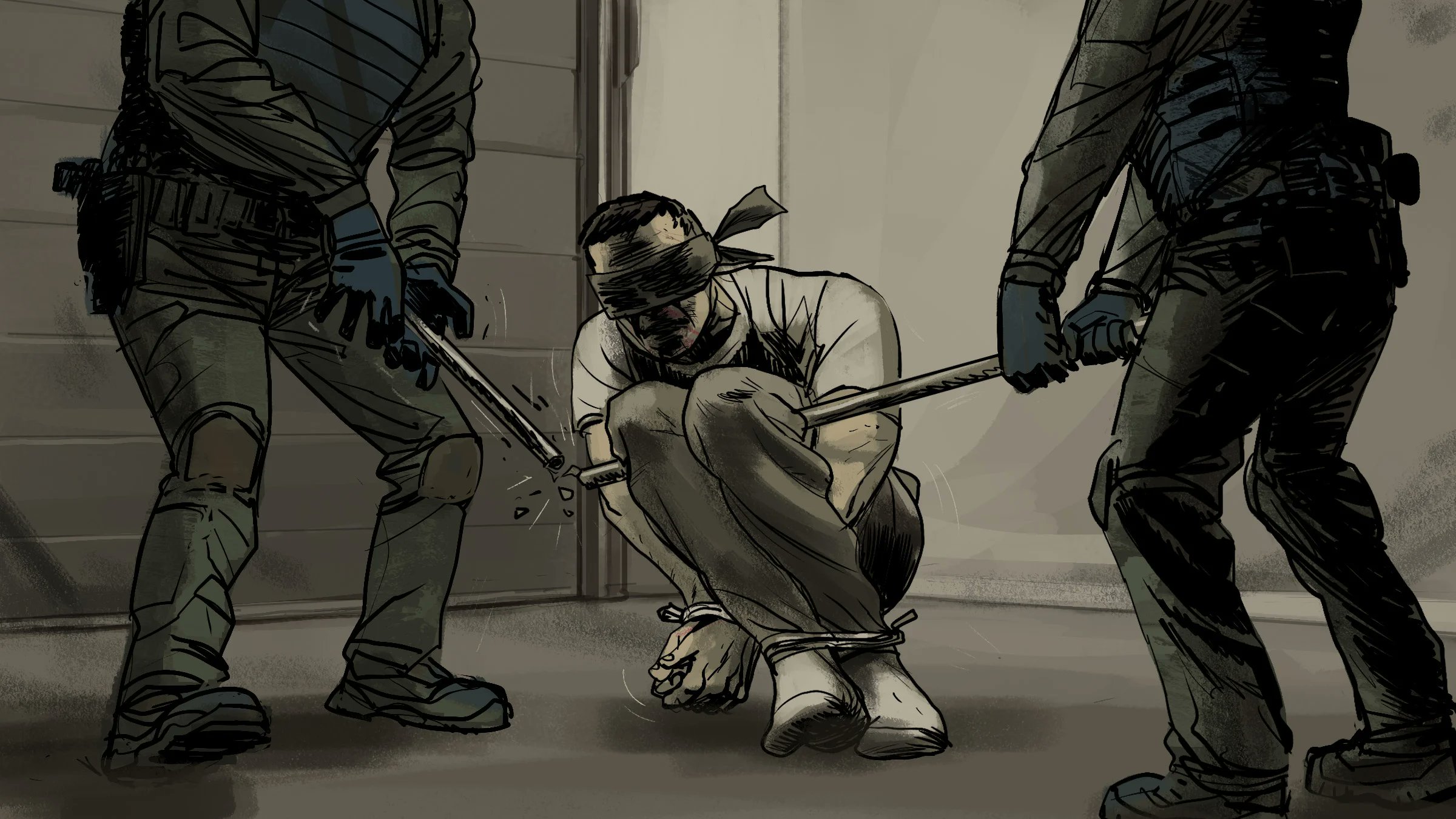
Wish we could say that when it comes to Ukrainian prisoners/civilians. More with pics etc.: https://www.hrw.org/news/2022/10/19/...zium-detainees |
|
#285
●
10-19-2022, 03:09 AM
| ||||||||
| ☾ Administrator ☽ Poster Rank:77 ஜᎻᎬᎩᎾᏦᎪஜ Join Date: Dec 2011 Posts: 19,443
Contributions: 32
Mentioned: 169 Post(s) Quoted: 6801 Post(s)
| ||||||||
|
Re: Russia/Ukraine War Mobilization, Protests & Sabotage Media
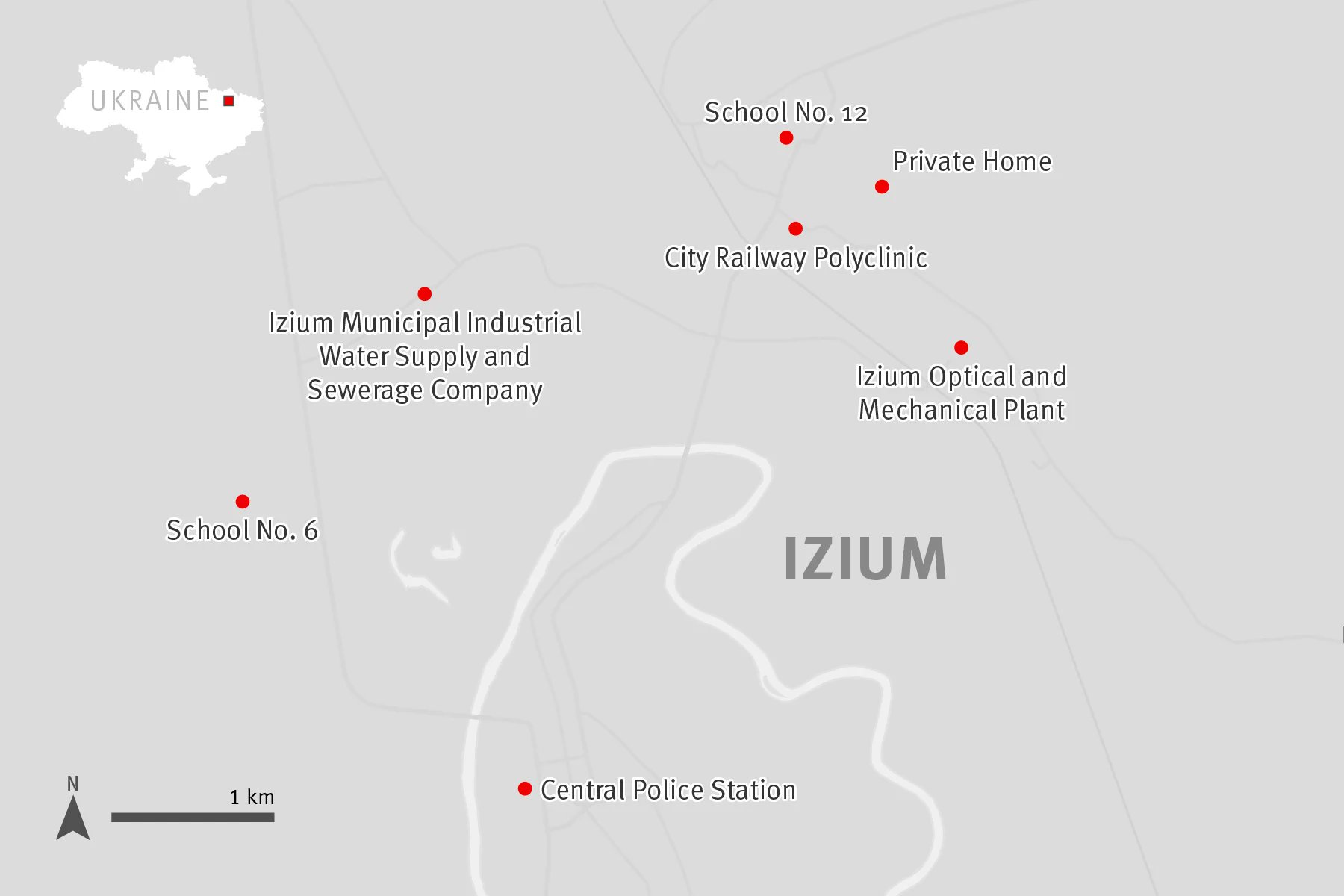
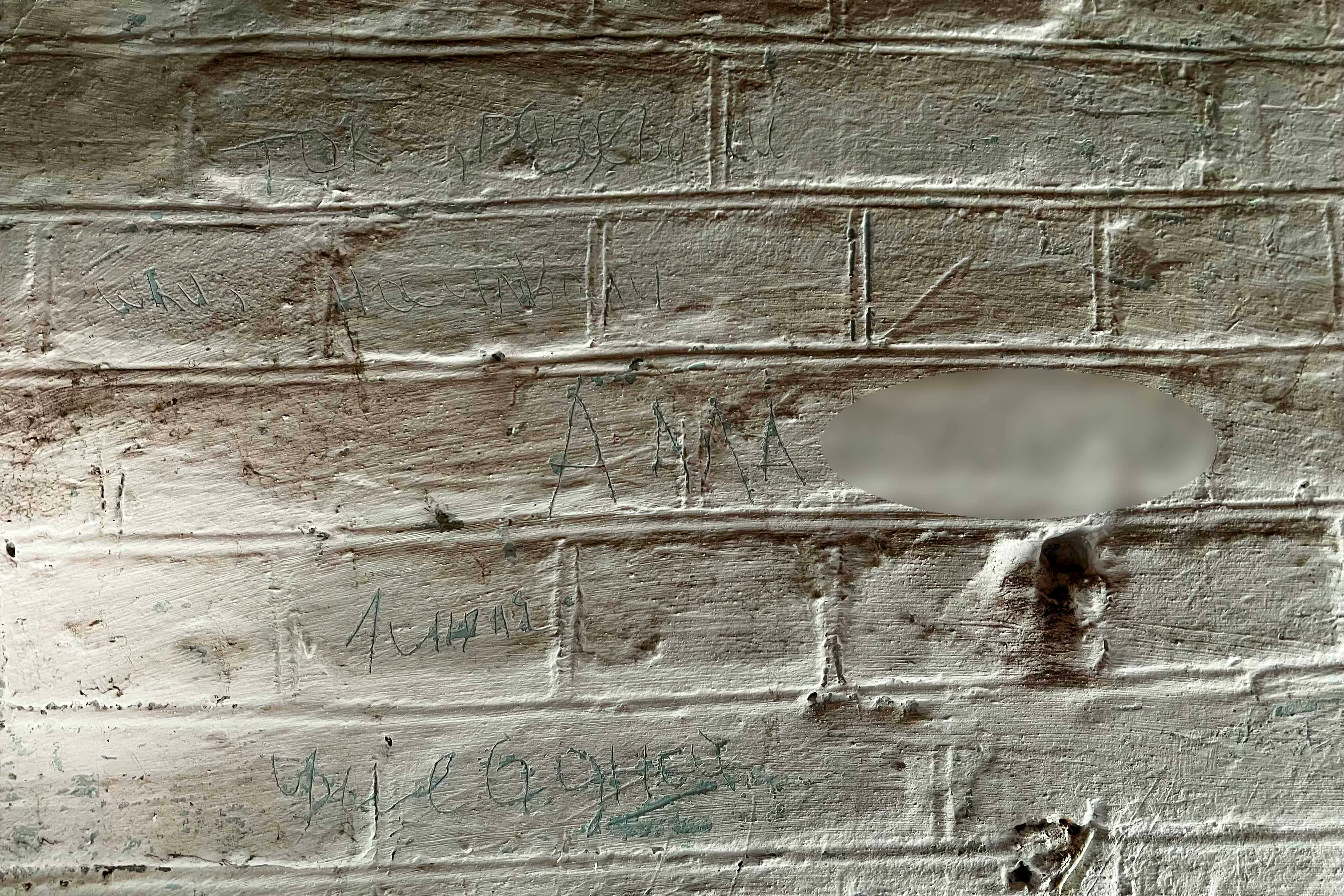
Found a tweet from someone from HRW related to what Kelly posted. (Video 1) "After 6 months of Russian occupation, residents of HRW about the unlawful detentions and torture they were subjected to. (Photos 1-3) Survivors described being subjected to electric shock, waterboarding, severe beatings, threats at gunpoint, and being forced to hold stress positions for extended periods by Russian forces. (Photo 4) Survivors identified at least seven locations in Izium, including two schools, where they said Russian soldiers had detained and abused them. (Photo 5) A woman who was held & repeatedly raped carved her name and words and phrases “electricity, undressed or raped,” “barely alive,” “murdered,” “very painful,” and “help” into wall of room she was held in. She considered trying to kill herself in detention. (No Media) HRW spoke to relatives & friends of 2 men detained by Russian forces – one for about two days in late June and another in June for a day or two and again in July for three days. Both men took their own lives by hanging a day or two after their release. Multiple victims shared with HRW credible accounts of similar experiences of torture during interrogation in facilities under the control of Russian forces and their subordinates, indicating this treatment was part of a policy and plan. Medical institutions should urgently establish services in de-occupied areas to support victims of torture, including psychosocial (mental health) support and specialist services for survivors of sexual violence. Those responsible for abuses should be prosecuted for war crimes." (Video 2) "Armed men tried to mobilize a man in Donetsk but passers-by helped him get free."
__________________ 💜🧿See Human | Be Human🧿💜 (War Section Hashtags) |
|
#286
●
10-19-2022, 03:21 AM
| ||||||||
| ♚ Legacy Gold Member ♚ Poster Rank:71 Join Date: Jul 2008 Posts: 21,961 Mentioned: 76 Post(s) Quoted: 11512 Post(s)
| ||||||||
|
Re: Russia/Ukraine War Mobilization, Protests & Sabotage Media
“On the wall in one of the hospital rooms researchers found an emblem and the German words “Truth Sets You Free” written on the wall in what could have been a reference to the Nazis’ use of “Work Sets You Free” – the slogan on the gate to Auschwitz and other Nazi concentration camps. A former employee of the hospital told researchers that the emblem and phrase appeared on the walls after.” They could have let that part out IMO |
|
#287
●
10-19-2022, 05:07 AM
| ||||||||
 My Rank: MASTER GUNNERY SERGEANT Poster Rank:369 Join Date: Feb 2010 Posts: 3,201 Mentioned: 4 Post(s) Quoted: 553 Post(s)
| ||||||||
|
Re: Russia/Ukraine War Mobilization, Protests & Sabotage Media
Careful, you're showing us your feminine side DTZ.
|
|
#288
●
10-19-2022, 05:21 AM
| ||||||||
| My Rank: MASTER GUNNERY SERGEANT Poster Rank:369 Join Date: Feb 2010 Posts: 3,201 Mentioned: 4 Post(s) Quoted: 553 Post(s)
| ||||||||
|
Re: Russia/Ukraine War Mobilization, Protests & Sabotage Media
I'm sure the pro ruskies will read this & think, conspiracy n all lies like the normal rhetoric that is likely to follow. We could add it to DTZ book, Alice in Wonderland Chapter 2 as he defiantly needs help with his Putinist story time telling !  |
|
#289
●
10-19-2022, 08:23 PM
| ||||||||
| ☾ Administrator ☽ Poster Rank:77 ஜᎻᎬᎩᎾᏦᎪஜ Join Date: Dec 2011 Posts: 19,443
Contributions: 32
Mentioned: 169 Post(s) Quoted: 6801 Post(s)
| ||||||||
|
Re: Russia/Ukraine War Mobilization, Protests & Sabotage Media
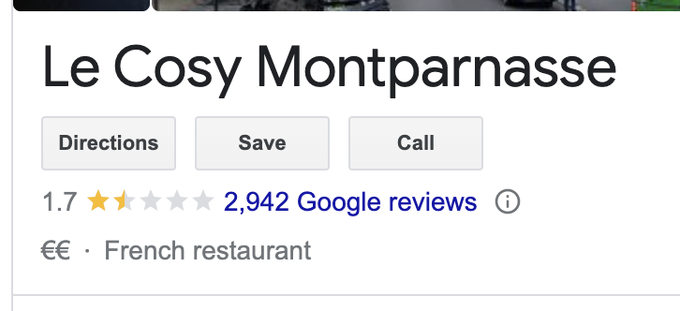
In Paris, two Ukrainian refugees are kicked out of a Paris restaurant that seems to favor Putin. 10 minutes later their rating on yelp went to 1.5 stars. (photo) EDIT: Video 2 ( )"The restaurant owner from Paris, who was filmed earlier today saying “Viva Putin” while kicking out 2 Ukrainian refugee women was also visited by 2 Ukrainian men tonight. He apologized to the Ukrainian nation and said “Putin is a douchebag”. Quick change"
__________________ 💜🧿See Human | Be Human🧿💜 (War Section Hashtags) |
|
#290
●
10-19-2022, 10:09 PM
| ||||||||
 My Rank: STAFF SERGEANT Poster Rank:735 Military Aged Male Join Date: Mar 2010 Posts: 1,105 Mentioned: 2 Post(s) Quoted: 313 Post(s)
| ||||||||
|
Re: Russia/Ukraine War Mobilization, Protests & Sabotage Media
found a whole channel of translated goodies.
|