|
#1
●
07-21-2026, 04:50 PM
| ||||||||
 ★ ★ GENERAL ★ ★ Poster Rank:37 male Join Date: Oct 2006 Posts: 42,046
Contributions: 35
Mentioned: 2256 Post(s) Quoted: 21186 Post(s)
| ||||||||
|
The Boston Chinatown Massacre Case
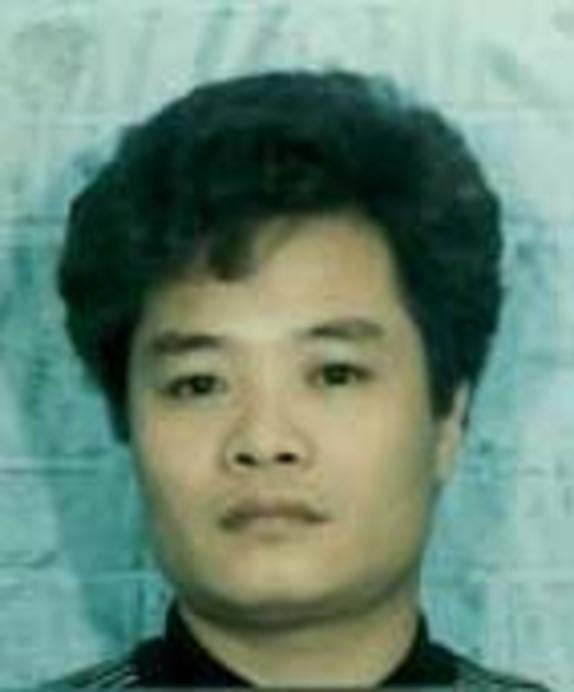
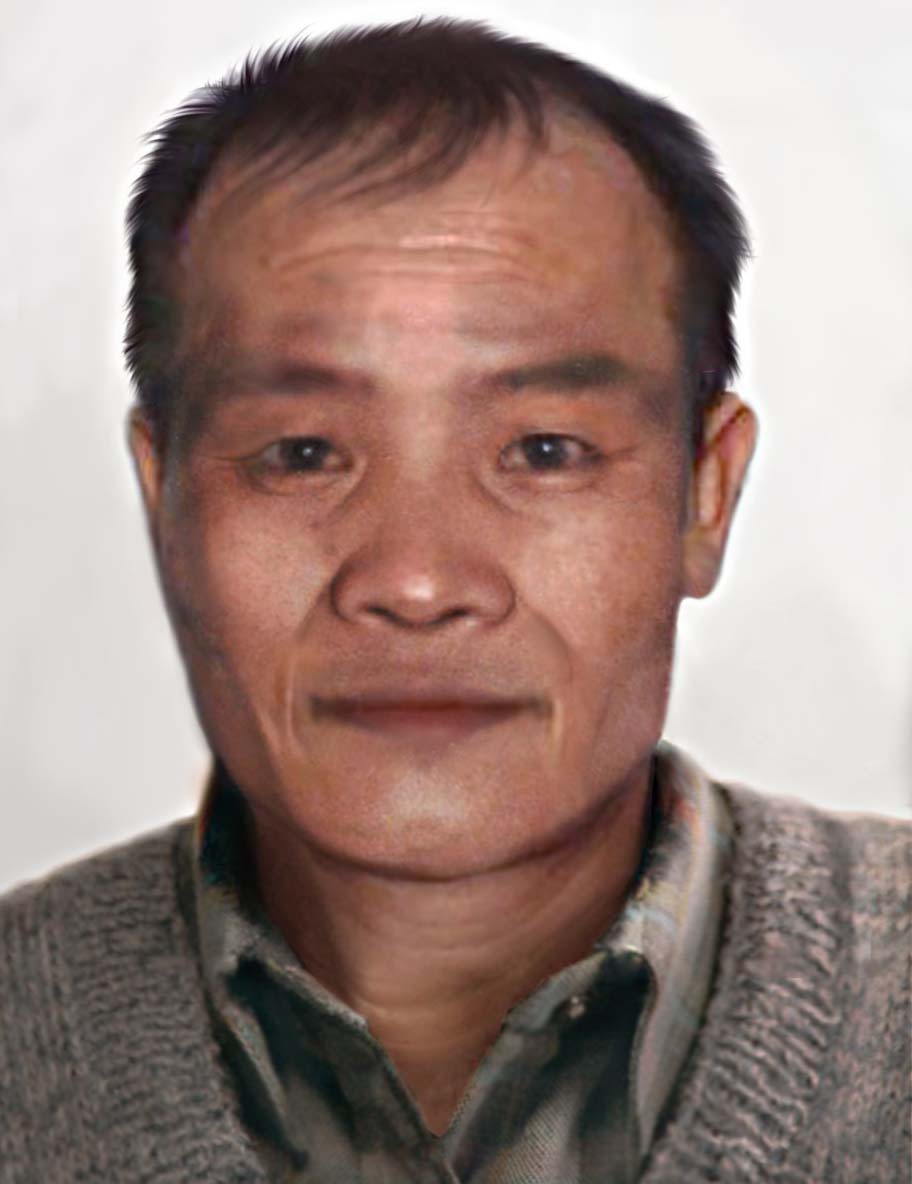
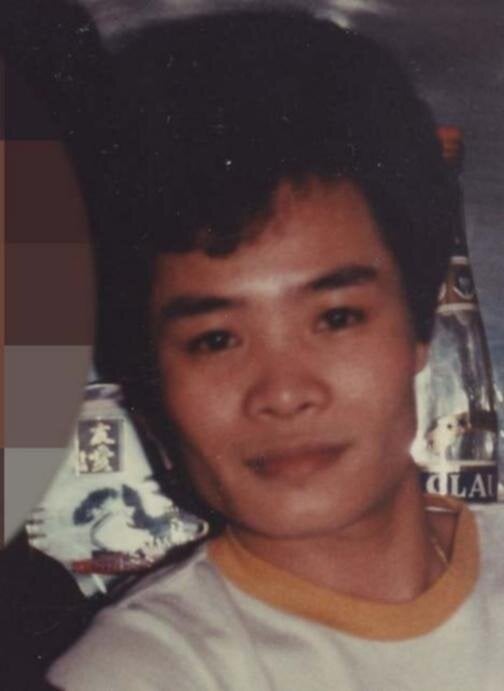
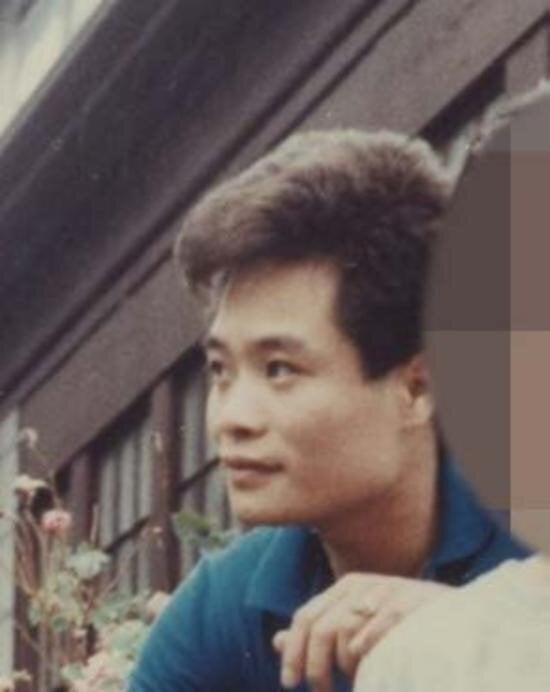
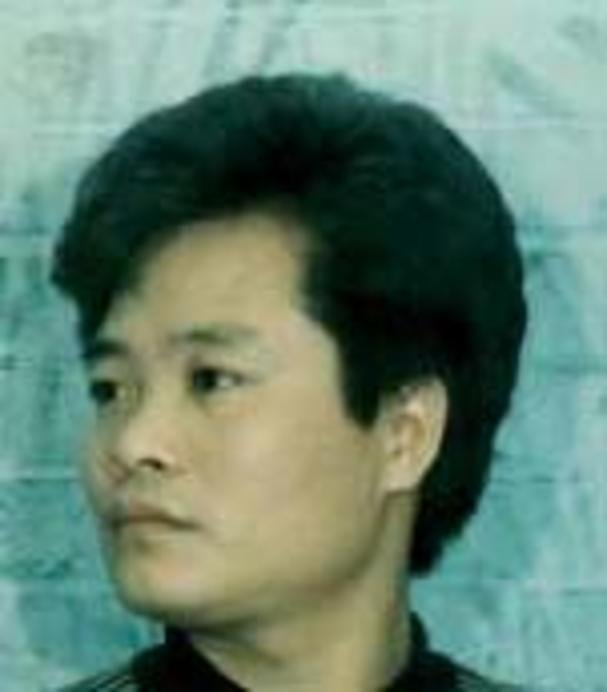
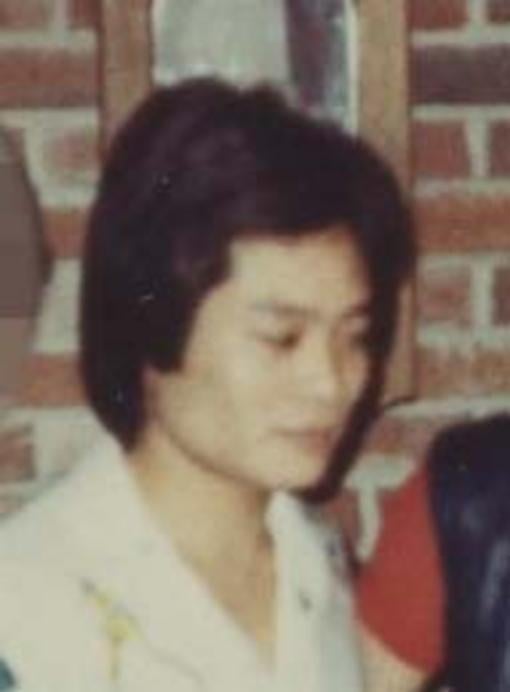
Some time after three in the morning on January 12, 1991, a man named Pak Wing Lee came to on the floor of a basement in Boston's Chinatown with a bullet in his head. Friends called him Bruce. A few feet from where he lay were five other men, and none of them were moving. The round that hit Lee had not gone through to his brain. He got to his knees, then to his feet, found the back door, and pushed out into the parking lot behind 85A Tyler Street, where he called for help. He spent about a week in the hospital. Two days after that night he gave the police three names. That is how FBI Boston Special Agent in Charge Joseph Bonavolonta described Hung Tien Pham in 2021, thirty years to the day after the killings. The first two words are the ones to hold onto. As alleged. Pham has been charged with five murders and he has never been tried. The club The killings happened in the basement of 85A Tyler Street, in the middle of Chinatown, inside an illegal after-hours gambling club. Whoever ran it screened the door with a video camera. The men who came there were largely ethnic Chinese immigrants, many of them restaurant workers, the kind of place where a card game ran deep into the night after the kitchens closed. On this night six of them were at a table playing cards. Five of the six were killed. Chung Wah Son was 58. Man Cheung was 55. Van Tran was 31. David Quang Lam was 32. Cuong Khanh Luu was 26. Every one of them was shot in the head or the face at close range. A note on the names before this goes any further, because the case sets a trap here: the 31-year-old victim, Van Tran, is a different man from Siny Van Tran, one of the three later convicted of the shooting. They share part of a name and nothing else, and court records state they were no relation. The night At around 3:30 a.m., three armed men walked into the club and shot the six men at the table at close range, execution-style, while they played cards. Five died where they sat. The sixth was Pak Wing Lee. The evidence Lee is the reason this case has names attached to it at all. Two days after he was shot in the head, from a hospital bed, he identified the three shooters as Hung Tien Pham, Nam The Tham, and Siny Van Tran. That identification, from the one man at the table who lived, is the central piece of evidence in the case. There was not much else. Three handguns were used and only two were ever recovered. Gunpowder residue on the victims showed the shots were fired at close range. No usable fingerprints were lifted from the scene. What the scene did not give up, the airlines did. Records introduced at trial showed Nam The Tham departing New York's JFK airport on January 31, 1991, and Pham and a passenger listed as Wah Tran departing the next day, February 1, both routed through Narita in Japan with open return dates. Nobody came back on those tickets. The investigation A Suffolk County arrest warrant for Pham was issued on January 18, 1991, after a grand jury indicted him on five counts of murder, one count of armed assault with intent to murder, one count of conspiracy, and one count of carrying a firearm without a license. All three suspects went onto the Boston Police most-wanted list, and the case was featured on America's Most Wanted in the spring of 1991. Then-Boston Police Commissioner Paul F. Evans called it one of the most violent crimes he had seen in thirty years of police work. The other two men were run down slowly. Nam The Tham and Siny Van Tran were arrested in China in 1998, and a federal grand jury indicted them on June 29, 1999. The United States had no extradition treaty with China, so the two governments made a trade: China handed over Tham and Tran in exchange for Qin Hong, a fraud fugitive the FBI had arrested in New York. Tham and Tran were deported through Hong Kong in October 2001 and were back in the United States that December. At a Suffolk Superior Court trial that ran from mid-September to October 5, 2005, each was convicted of five counts of first-degree murder and one count of armed assault with intent to murder, and each was sentenced to five consecutive life terms. The Massachusetts Supreme Judicial Court upheld both convictions on September 14, 2011, and a later federal challenge to the denial of their habeas petitions was rejected. That is two of the three shooters. The third has never been caught. The manhunt Investigators say that after the shooting the three men drove to Atlantic City to gamble, then went on to New York, and that Pham boarded a flight out of New York bound for Hong Kong on February 1, 1991, routed through Tokyo. On February 15, 1991, a federal warrant was issued in the U.S. District Court for the District of Massachusetts charging him with unlawful flight to avoid prosecution. The FBI says that when he ran he left behind two young children and their mother. Since then he has been a name on a poster. The FBI describes Pham as roughly 5 feet 2 inches to 5 feet 4 inches tall, about 115 to 135 pounds, with black hair and brown eyes, and considers him armed and dangerous. He speaks Vietnamese, Chinese, and English, uses multiple aliases, and has been tied by the bureau to San Francisco, Chicago, Philadelphia, and Toronto, with family connections in the Bay Area, South Korea, and Vietnam. His last confirmed sighting was in Thailand in the mid-to-late 1990s. On January 12, 2021, the 30th anniversary of the massacre, the FBI announced a $30,000 reward for information leading to his arrest and conviction and opened an international publicity campaign, with wanted posters printed in Vietnamese, Chinese, and Thai and age-progressed photos meant to show how a man last seen young might look near 60. The FBI has published a wanted poster and several photographs of Pham, including an age-progression image built to age him decades past the crime. The theories Pham has never been tried, so nothing about why five men died in that basement is settled. Everything in this section is theory, not fact. The motive was never officially established. The killings played out during a fight for control of Chinatown's rackets after the Ping On syndicate, which had long run those rackets, fell apart. Ping On declined in the late 1980s after its leader Stephen Tse fled to Hong Kong in 1989, and rival factions were jockeying for the territory around the time of the massacre. Accounts differ over who the shooters were actually there for. One version points to the operator of the gambling den, Yu Man Young. Another, put forward by former gang associate John Willis, holds that victim Cuong Khanh Luu was the intended target over a gang debt and that the others died around him. No credible source pins the killings on Tse or on Ping On's leadership, who had already scattered by 1991, and the bureau has only ever described Pham as a known associate of the syndicate, not as anyone's confirmed triggerman. Where it stands On the 35th anniversary, in January 2026, the FBI and Boston Police renewed the search and the standing $30,000 reward. Pham remains a fugitive. He has never been captured, would be about 65 now, and is still the only one of the three named shooters who has not answered for that night. The two men who were convicted, Nam The Tham and Siny Van Tran, are still serving their life sentences. Anyone with information on Hung Tien Pham can contact the FBI at 1-800-CALL-FBI (1-800-225-5324), submit a tip at tips.fbi.gov, or reach out to the nearest U.S. embassy or consulate.
__________________ Support the site and our continued existance by upgrading to a Green Name |