|
#1
●
11-05-2026, 05:43 PM
|
 ★ ★ GENERAL ★ ★ Poster Rank:37 male Join Date: Oct 2006 Posts: 42,943
Contributions: 36
42,943Posts 102,505Thanked 21,374Quoted 2,290Mentioned 36Contrib. |
|
Braniff Flight 352 Crash Near Dawson, Texas, ATC and Cockpit Audio
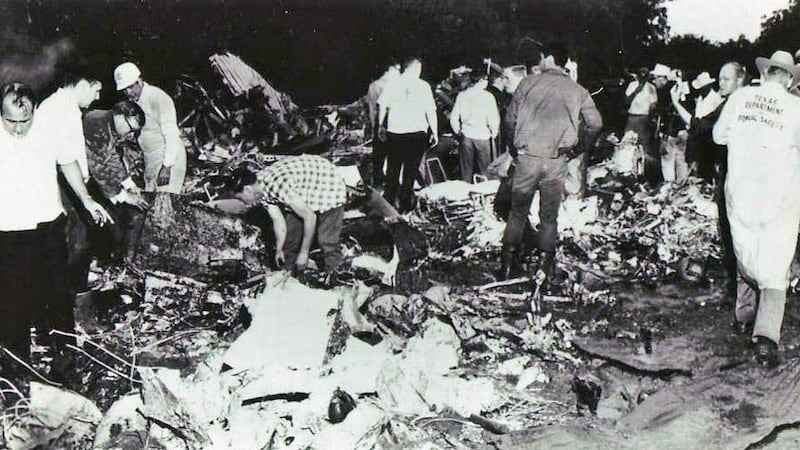
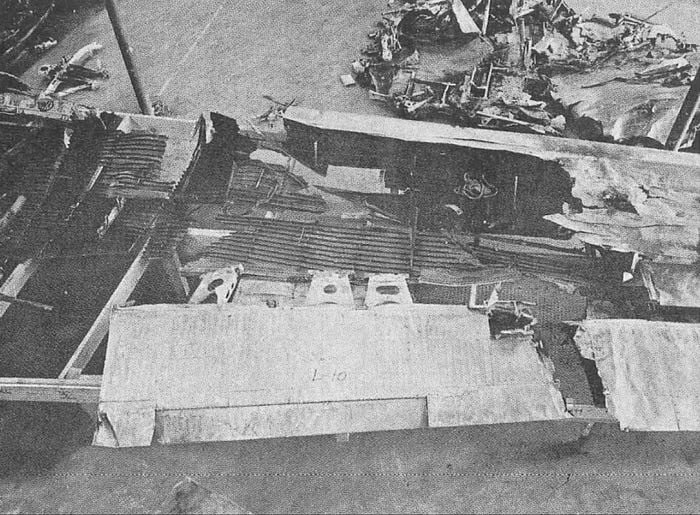
Braniff Flight 352 broke apart in a thunderstorm near Dawson, Texas, on May 3, 1968, killing all 80 passengers and five crew members aboard. The Lockheed L-188 Electra was flying from Houston to Dallas when storm turbulence upset the aircraft and an attempted recovery pushed its structure beyond its strength. The regularly scheduled flight left Houston Hobby Airport at 4:11 p.m., with stops planned after Dallas at Tulsa, Fort Smith and Little Rock. Capt. John Phillips, 46, had more than 10,000 flight hours and had passed a Braniff currency check the previous day. First Officer John Foster, 32, and flight engineer Donald Crossland, 28, also had experience in the Electra. While cruising at 20,000 feet, the crew detected a storm on radar about 60 miles ahead. Phillips chose to turn west, and Foster requested clearance. Fort Worth Center controller Glenn Wilson suggested going east, where other aircraft were diverting. With no conflicting traffic to prevent a westward turn, Wilson approved the request and later cleared the flight to descend to 14,000 feet. Another Braniff Electra, Flight 154, went east. Phillips told the passengers that radar would help him take the aircraft below and west of the thundershowers, and he turned on the seat belt signs. But the route led into severe weather. As the flight entered the storm area, the crew believed there might be an opening ahead. Phillips eventually decided to reverse course. During the turn, turbulence rolled the aircraft beyond 110 degrees of bank, and it entered a steep dive. The attempt to pull out overloaded the structure. The right wingtip broke off, escaping fuel ignited, and the rest of the right wing and aircraft came apart. The main wreckage fell into a field about half a mile east of Dawson, near State Highway 31. Debris extended along a three-mile line. No one on the ground was injured. Rescuers arrived from nearby cities, assisted by the National Guard, and the Dawson high school gym became a temporary morgue. Recovery of the remains took two days. It was then the deadliest airplane crash in Texas history. The National Transportation Safety Board examined both flight recorders and interviewed 75 ground witnesses. Although witnesses described lightning and an explosion, investigators found no evidence of a lightning strike, an in-flight explosion or fire before the structural failure. Earlier Electra crashes had involved engine-mount flutter, prompting Lockheed to strengthen the fleet's engine mounts and wings. Investigators ruled out flutter in Flight 352. The right wing had failed upward in a single overload event, with no evidence of fatigue. The NTSB traced the accident to structural overstress during recovery from an upset induced by thunderstorm turbulence, following the crew's decision to enter known severe weather. The course reversal also departed from company turbulence procedures calling for straight-and-level flight. Aircraft that went east of the storm line encountered smooth air. The NTSB recommended keeping at least 20 nautical miles from severe thunderstorms and using airborne weather radar to avoid storms rather than find a path through them. This thread contains two documents, a case file and reports; 44 photos of people and places in the case; and two audio recordings.
__________________ Support the site and our continued existence by upgrading to a Green Name |