
|
#1
●
05-19-2009, 07:53 AM
| ||||||||
 Super ********* Poster Rank:90 Join Date: Nov 2008 Posts: 17,425 Mentioned: 5 Post(s) Quoted: 99 Post(s)
| ||||||||
|
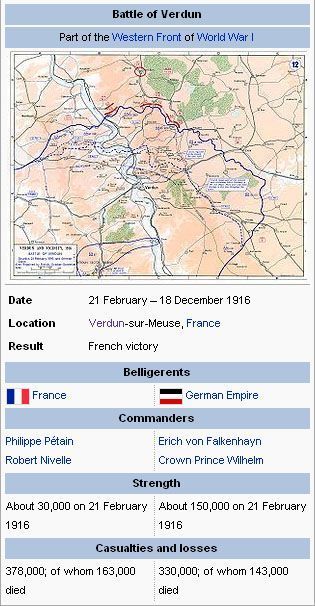
WWI - Verdun: The Nightmare
|
|
#4
●
05-19-2009, 07:54 AM
| ||||||||
| Super ********* Poster Rank:90 Join Date: Nov 2008 Posts: 17,425 Mentioned: 5 Post(s) Quoted: 99 Post(s)
| ||||||||
|
Re: WWI - Verdun: The Nightmare
Part 4 they start discussing shell shock at 6:15 |
|
#5
●
05-19-2009, 07:54 AM
| ||||||||
| Super ********* Poster Rank:90 Join Date: Nov 2008 Posts: 17,425 Mentioned: 5 Post(s) Quoted: 99 Post(s)
| ||||||||
|
Re: WWI - Verdun: The Nightmare
Part 5
|
|
#9
●
05-20-2009, 12:23 PM
| ||||||||
 ★ CUNT ★ Poster Rank:138 Join Date: Jan 2009 Posts: 12,118 Mentioned: 0 Post(s) Quoted: 28 Post(s)
| ||||||||
|
Re: WWI - Verdun: The Nightmare
really good post, enjoyed watching part 3 most, the old french man made me laugh, "no wine, no men" and i found it eerie at around 6 mins or so with the buildings in ruins today
|




 Hope they get working soon


