|
#1
●
02-13-2014, 07:40 PM
|
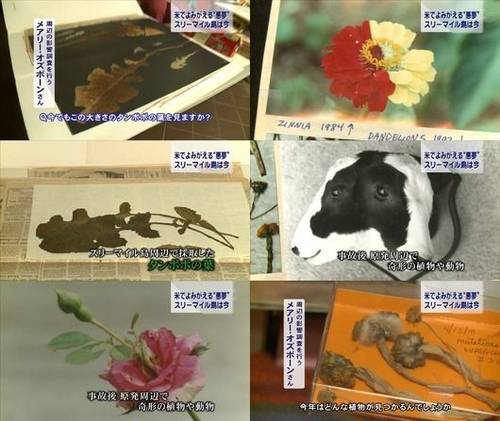
 My Rank: MASTER SERGEANT Poster Rank:538 Female. Join Date: Mar 2009 Posts: 1,893
Contributions: 8
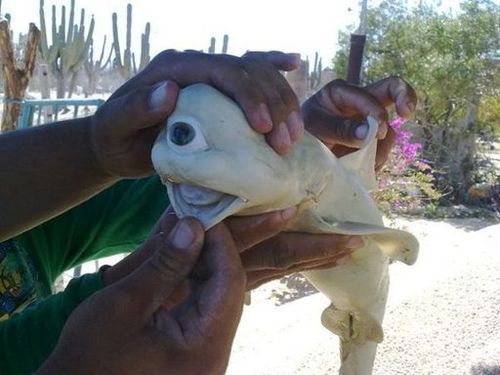
1,893Posts 3,778Thanked 794Quoted 35Mentioned 8Contrib. |
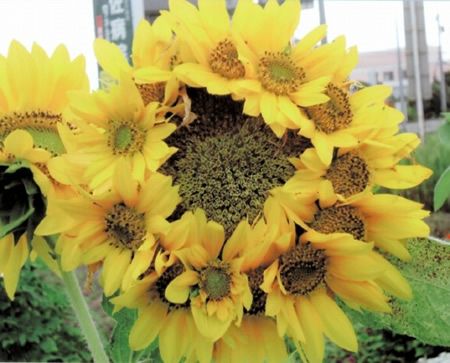
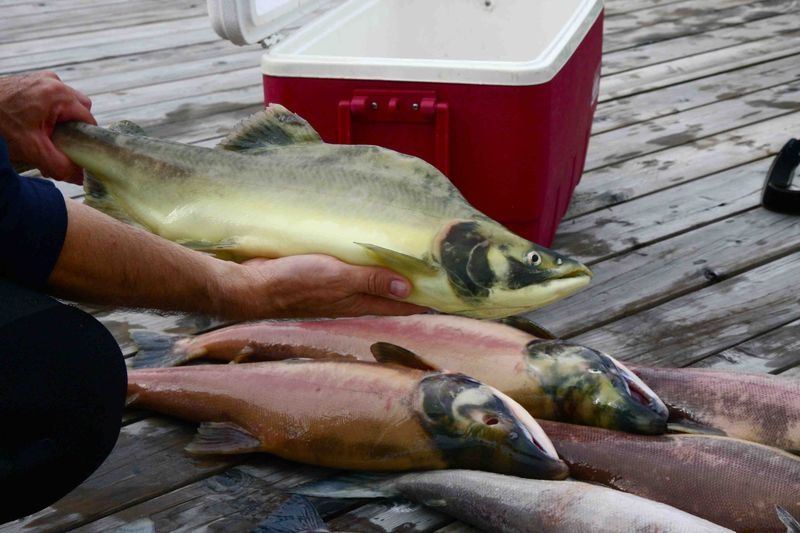
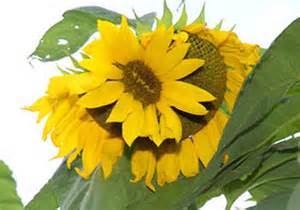
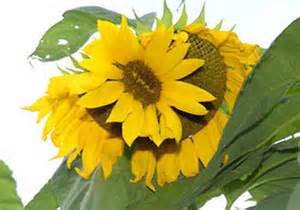
|
What the Fukishima??? Mutations
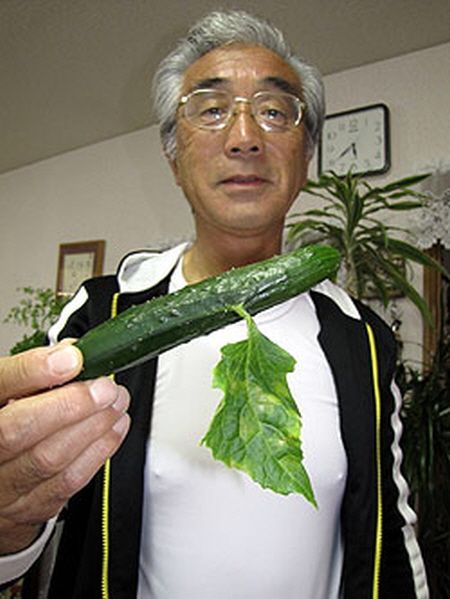
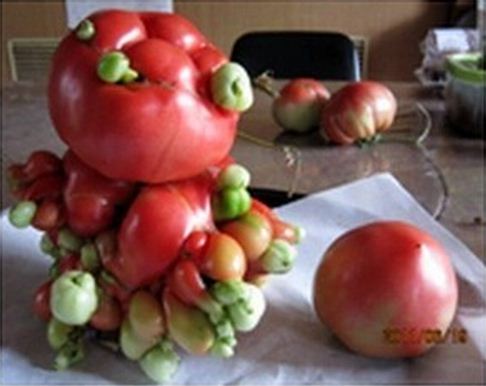
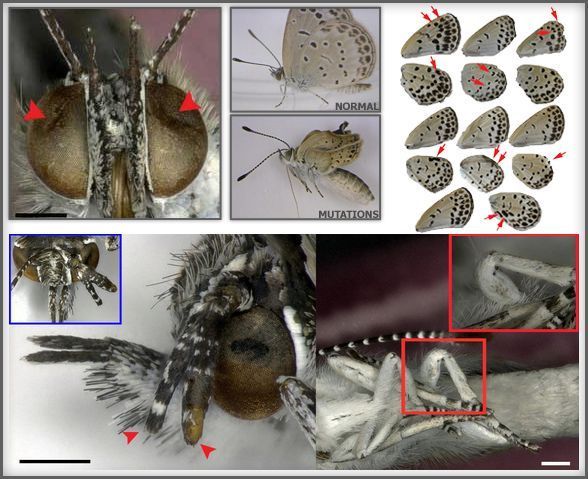
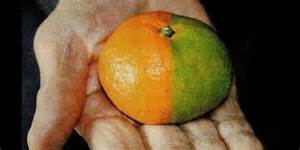
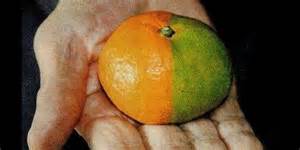
What the fukishima??? These are mutant fruits, plants and fish from japan. The one eyed cutie was supposed to be a shark..they think. They are claiming that these came from the nuclear disaster. In general, accidents do happen, and genes get screwed up, but since that disaster, the area of and around Fukishima has seen a sharp increase.
 ·  ·  ·  ·  ·  ·  ·  · |
|
#2
●
02-13-2014, 07:53 PM
|
 Sexican Poster Rank:229 Resident Nympho Join Date: Dec 2013 Posts: 6,409
Contributions: 2
6,409Posts 8,090Thanked 3,970Quoted 25Mentioned 2Contrib. |
|
Re: What the Fukishima??? Mutations
wow. Mutation and evolution is beautiful. I see most of these as improvements, as long as no one eats the fruit! (Biomagnification). Pic number three kinda leads me to believe we may of giant mutant fruits that may soon begin to move and devour us. But where is godzilla?
|
|
#4
●
02-13-2014, 08:09 PM
|
| My Rank: MASTER SERGEANT Poster Rank:538 Female. Join Date: Mar 2009 Posts: 1,893
Contributions: 8
1,893Posts 3,778Thanked 794Quoted 35Mentioned 8Contrib. |
|
Re: What the Fukishima??? Mutations
i live in an area of vast usage of orchard sprays, and nuclear waste disposal so see many plant mutations anyway, however this recent increase since the disaster is a bit alarming. I have spared the birth defects as some of those I placed in the medical section, but I must say those hornets would suck. Having been chased down the banks of the potomac, fishing pole in hand, screaming, running from a four foot snakehead fish of chinese origins, I am not ready for any added biodiversity in this area yet.
 ·  · |
|
#5
●
02-13-2014, 08:14 PM
|
| My Rank: MASTER SERGEANT Poster Rank:538 Female. Join Date: Mar 2009 Posts: 1,893
Contributions: 8
1,893Posts 3,778Thanked 794Quoted 35Mentioned 8Contrib. |
|
Re: What the Fukishima??? Mutations
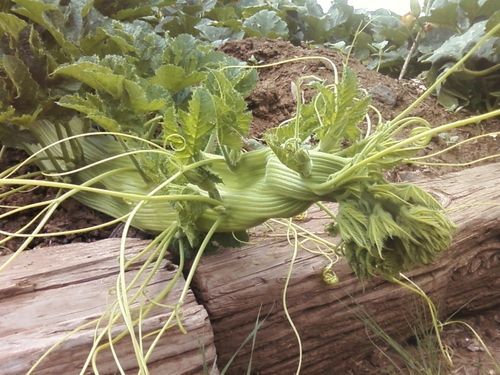
My knowledge of botany tells me this was supposed to be a dandelion or at least from that family once.
 · |
|
#6
●
02-13-2014, 08:17 PM
|
| My Rank: MASTER SERGEANT Poster Rank:538 Female. Join Date: Mar 2009 Posts: 1,893
Contributions: 8
1,893Posts 3,778Thanked 794Quoted 35Mentioned 8Contrib. |
|
Re: What the Fukishima??? Mutations
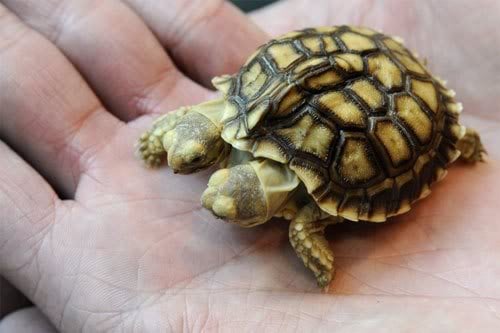
i've seen this type of thing with no need of nuclear fallout. questionable but interesting.
 · |
|
#7
●
02-14-2014, 12:40 AM
|
 ★ Legacy Member ★ Poster Rank:64 male Join Date: Jun 2012 Posts: 24,199 24,199Posts 20,160Thanked 11,648Quoted 169Mentioned 0Contrib. |
|
Re: What the Fukishima??? Mutations
That shark was found in mexico... I assume most of the other images also don't come from fukushima or are related in any way. Mutations are a natural thing.   |
|
#8
●
02-14-2014, 02:13 AM
|
| My Rank: MASTER SERGEANT Poster Rank:538 Female. Join Date: Mar 2009 Posts: 1,893
Contributions: 8
1,893Posts 3,778Thanked 794Quoted 35Mentioned 8Contrib. |
|
Re: What the Fukishima??? Mutations
kinda thought maybe the shark looked a little off being there were cactus plants in the back. I do however know that the salmon that are canary yellow have been tested for high amounts of radiation and found most recently on the west coast of canada, supposidly from fukishima radiation. I got the sunflower from a japanese blog of a man living near the power plant. Mutations have been happening for billions and billions of years, and is how life came to be to begin with most likely. This thread is just full of things people are blaming on the incident , and there is valid documentation documenting an increase in mutation rate in the area, but I am not sure if this is due to radiation, or people looking for it more because of the accident.
|
|
#9
●
02-14-2014, 02:55 AM
|
| ★ Legacy Member ★ Poster Rank:64 male Join Date: Jun 2012 Posts: 24,199 24,199Posts 20,160Thanked 11,648Quoted 169Mentioned 0Contrib. |
|
Re: What the Fukishima??? Mutations
I doubt it, seems like all the sites that claim this are apart of the tinfoil hat brigade. There are no doubt elevated levels of radiation but the amount is so minute. I am not dismissing the issues along with this but alarmist tinfoil hat folk are not the people I would be listening to. The problem with the tinfoil hat brigade is they don't know how to research and jump to the most alarmist conclusion to the problem. They then fabricate and throw pictures around in the hopes people dont look into the bullshit they are spewing. Id bet the photos of the salmon are just regular salmon with an infection causing jaundice that has been happening forever, there have even been studies done on this mainly in coho salmon down in chile. These infections are becoming an issue in farmed salmon and are probably spreading into wild populations. |
|
#10
●
02-14-2014, 11:17 AM
|
 You holdin....? Poster Rank:14 Join Date: May 2010 Posts: 69,938
Contributions: 40
69,938Posts 92,017Thanked 25,273Quoted 263Mentioned 40Contrib. |
|
Re: What the Fukishima??? Mutations
sorry... but most of these are fake or are natrual occurances that have nothing to do with Fukishima. this one, for example: 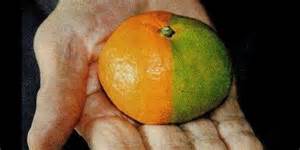 this is an example of a fruit with chimera (is a single organism composed of genetically distinct cells), ironically enough. this particular specimen was grown in Amakusa, Kumamoto (source) which is about a thousand miles away from Fukishima  this: is also not uncommon. we had a garden when i was a kid and this happened rather frequently  (^^ not my picture but one i found that isnt from japan) This one: is again something that isnt rare or unique to the Fukishima area. This is a Reisetomate Tomato. This is actually not a mutation (anymore...) but a specific species of tomato. they all look like that.    This one: comes from a home again around a thousand miles from Fukashima and has a malformation caused by heat (source) this one is kinda funny to me: uh...look at the background.... since when did they have cactus growing in Japan   This picture was documented by National Geographic (source). It was confirmed to be a shark with cyclopia found in Mexico..... This picture was documented by National Geographic (source). It was confirmed to be a shark with cyclopia found in Mexico.....im not going to go through all the pictures but it's fairly obvious that this is just a scare tactic and that this pictures arent real. sorry.  |