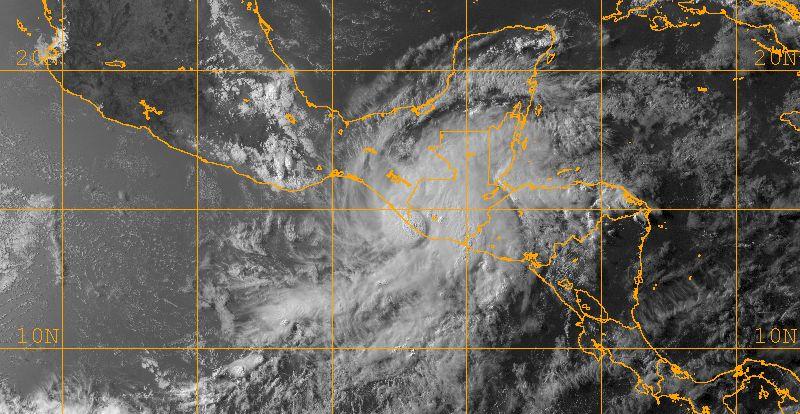
Tropical Storm Agatha was a weak, but catastrophic tropical cyclone that brought widespread floods to much of Central America and was the deadliest tropical cyclone in the eastern Pacific since Hurricane Pauline in 1997. The first storm of the 2010 Pacific hurricane season, Agatha originated from the Intertropical Convergence Zone, which is a region of thunderstorms across the tropics. It developed into a tropical depression on May 29, and dissipated on May 30, reaching top winds of 45 mph (75 km/h) and a lowest pressure of 1000 mbar (hPa; 29.53 inHg). It made landfall near the Guatemala–Mexico border on the evening of May 29. Agatha produced torrential rain all across Central America, which resulted in the death of one person in Nicaragua. In Guatemala, 152 people were killed and 100 left missing by landslides. 13 deaths also occurred in El Salvador. It soon dissipated over Guatemala.
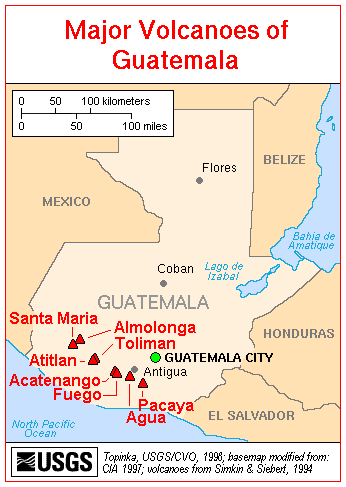
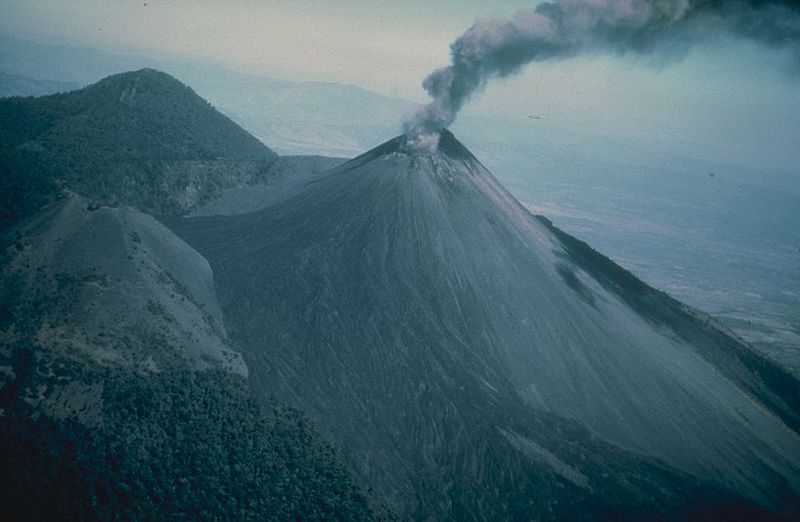
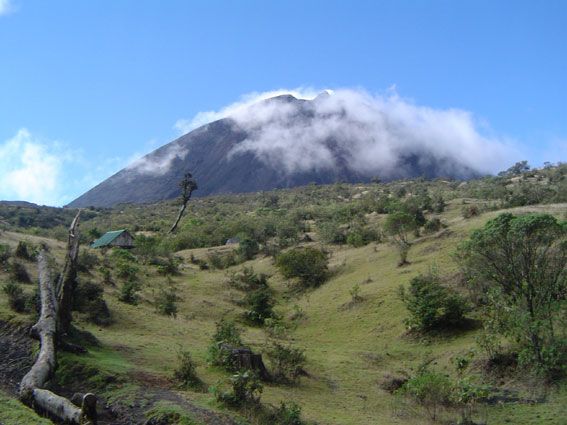
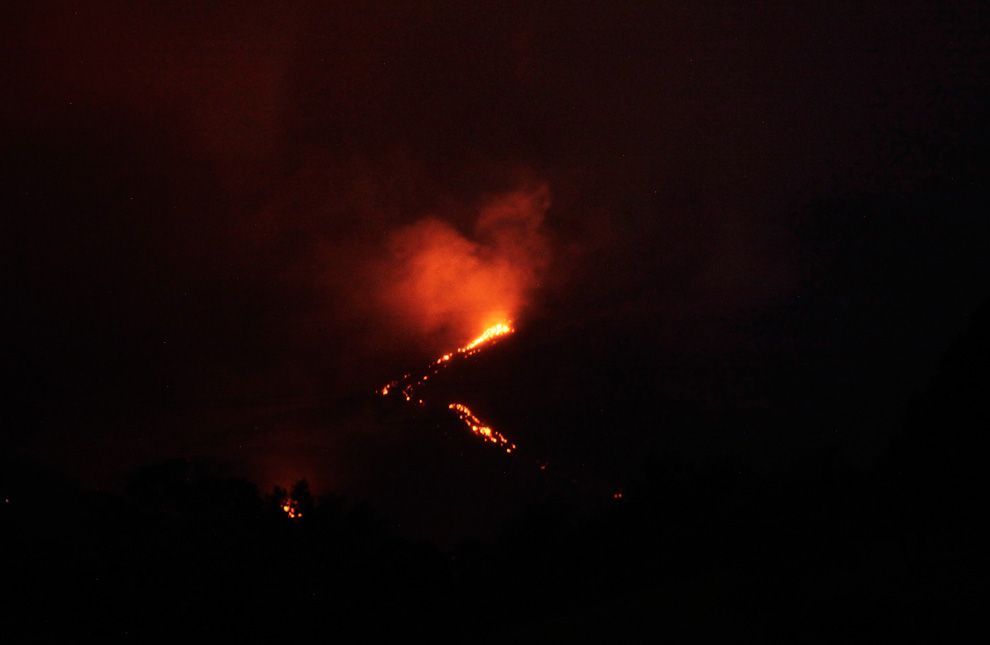
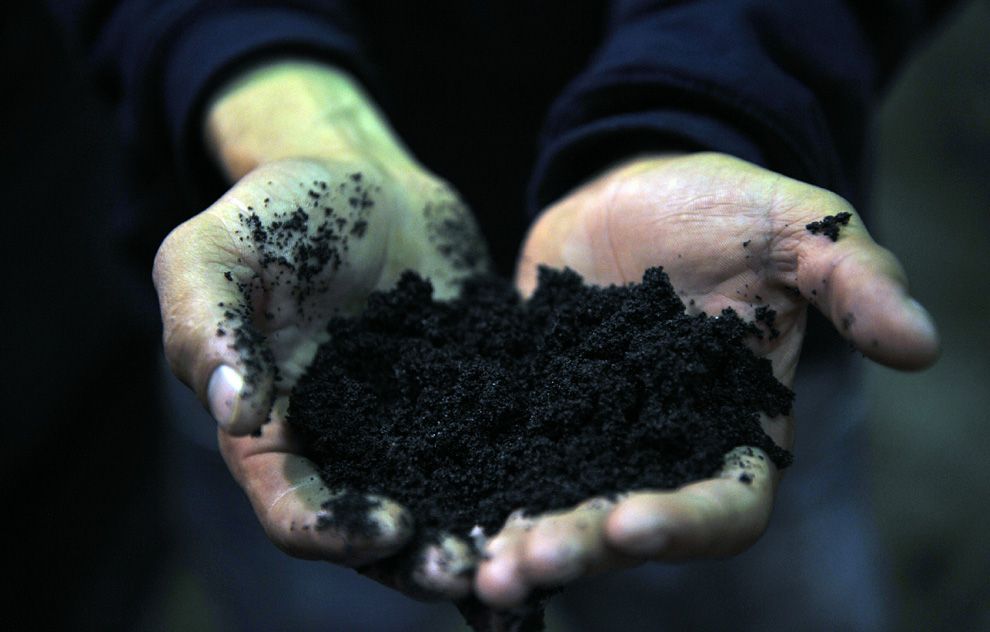
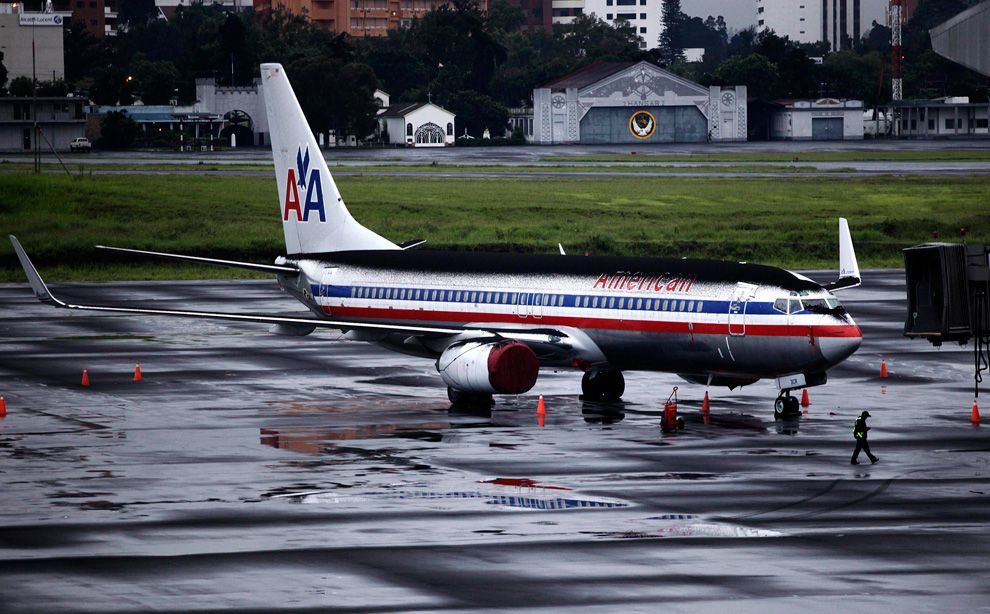
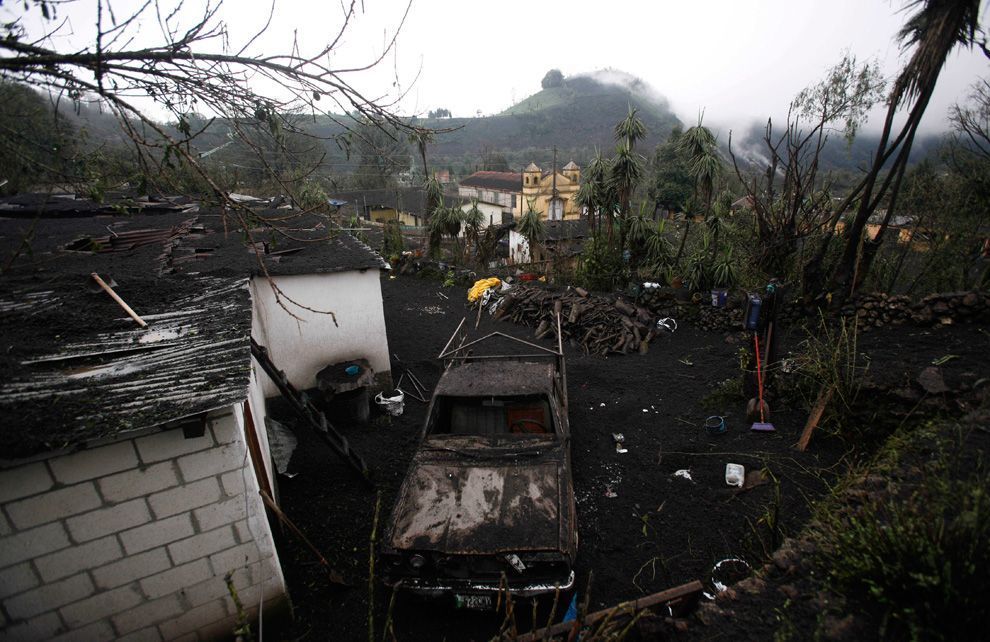
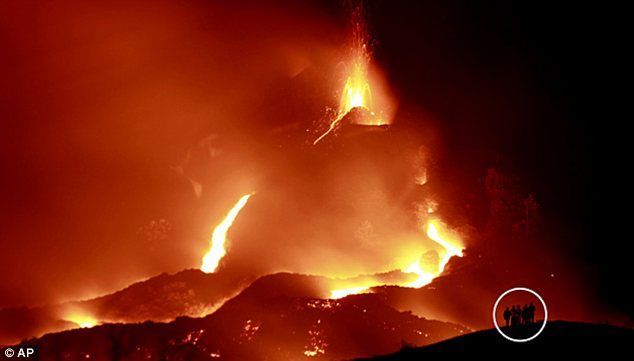
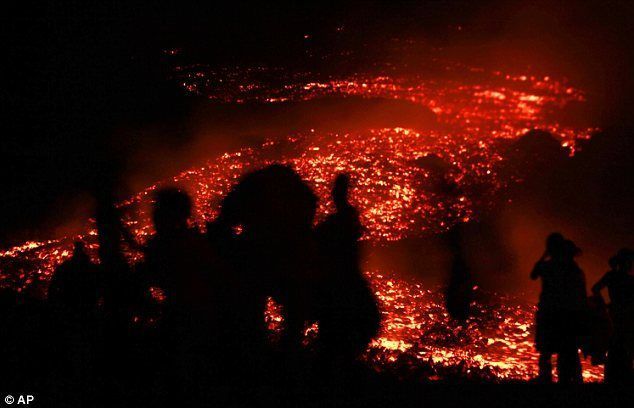
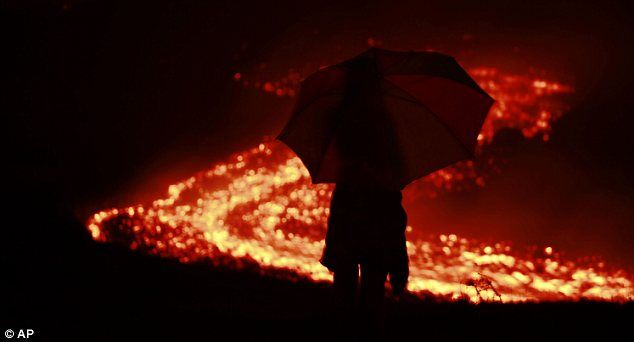
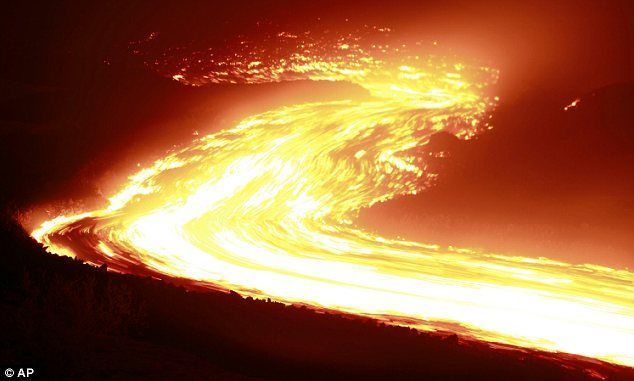
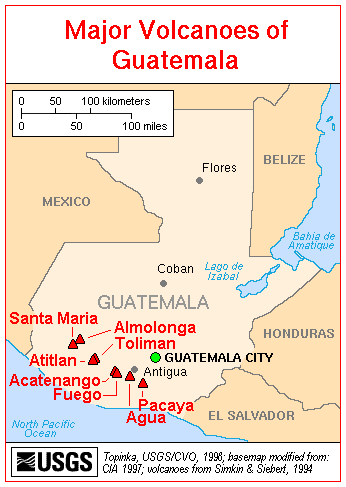
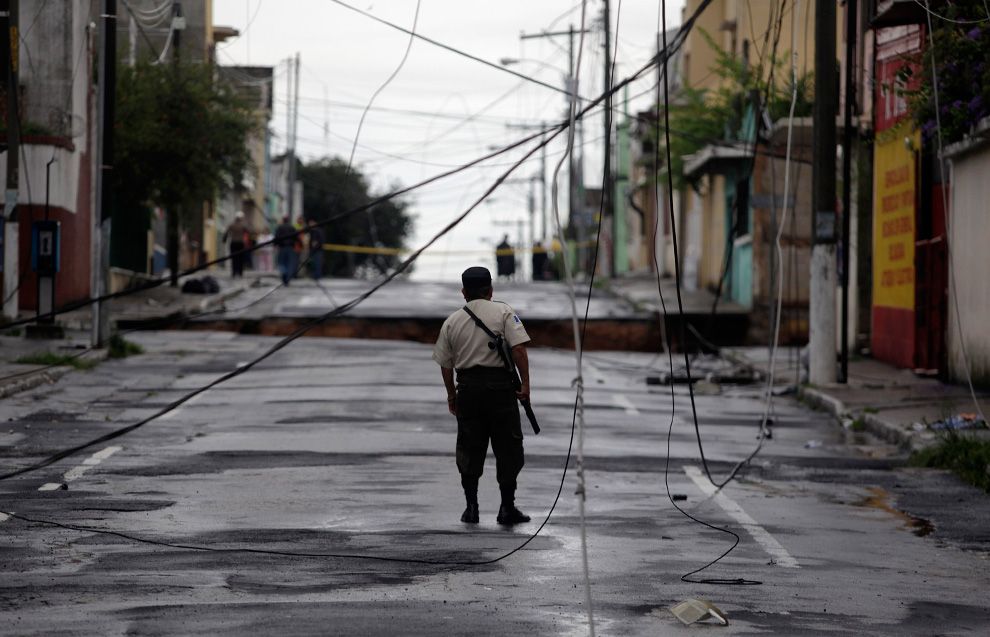
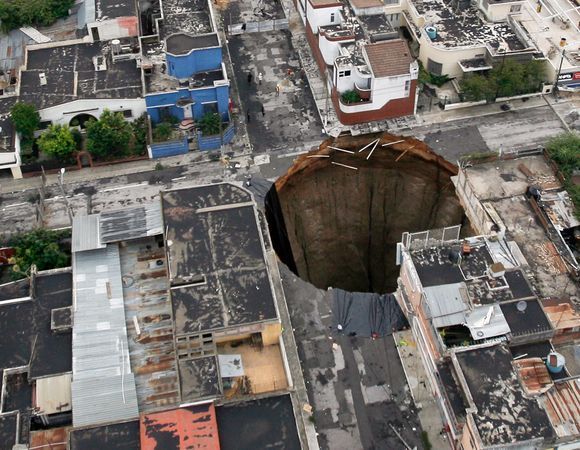
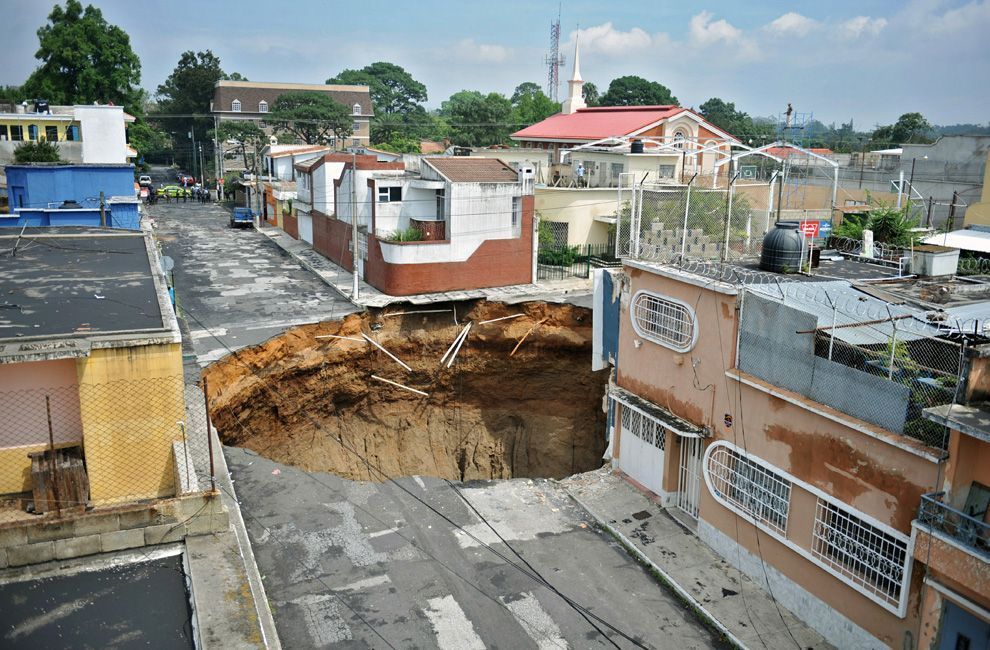
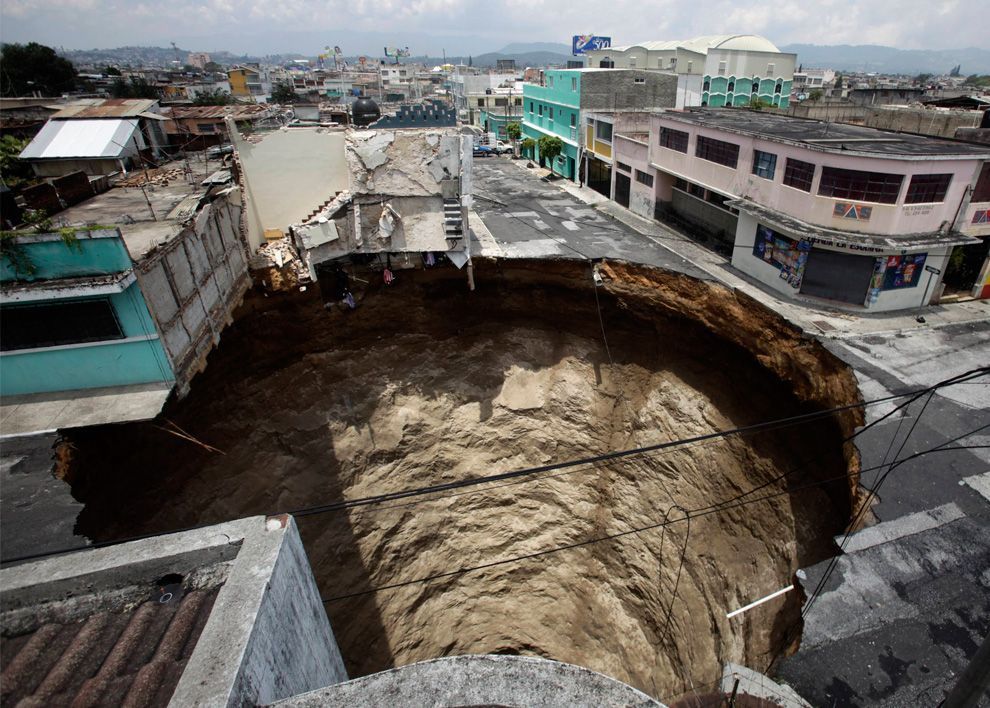
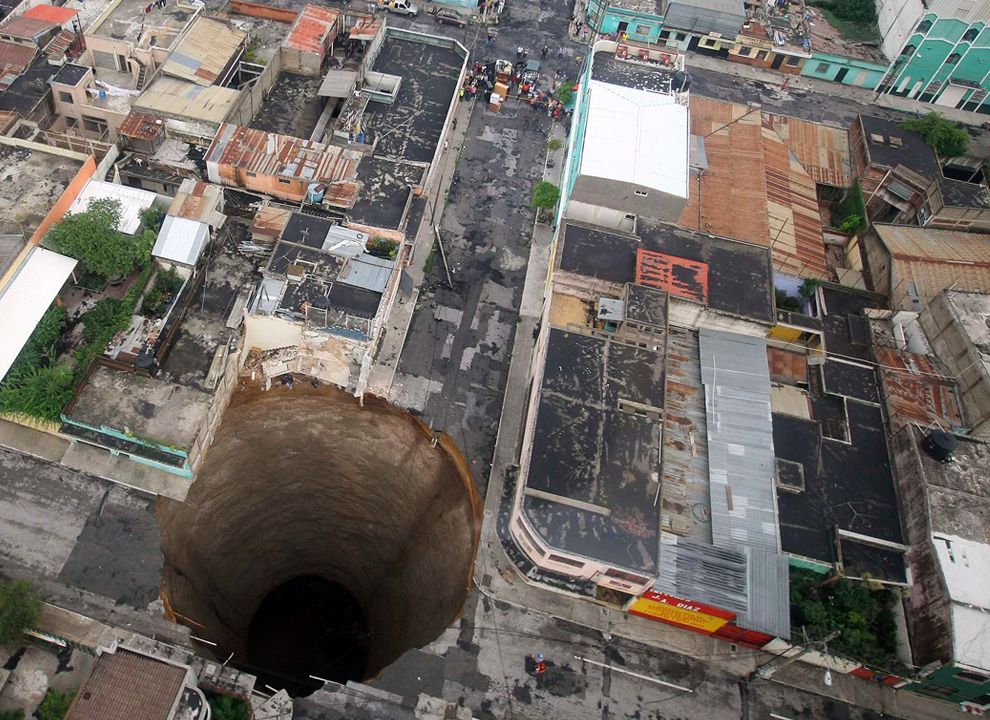
Two days before landfall, the Pacaya volcano, roughly 25 mi (40 km) south of Guatemala City, erupted on May 27, killing one person and forcing over 2,000 people to evacuate, and causing the temporary closing of the main international airport. Excessive rainfall from Agatha in the region could exacerbate the situation and trigger lahars. However, people working in coffee fields considered the rain brought by the storm to be helpful, removing ash from their trees. According to meteorologists in Guatemala, at least 14 in (360 mm) of rain had fallen by the evening of May 29. Several landslides blocked roadways across southern areas of the country, hindering traffic. Following the storm, a three-story building was swallowed by a 30-meter (100-ft) diametre sinkhole caused by Agatha's rainfall.
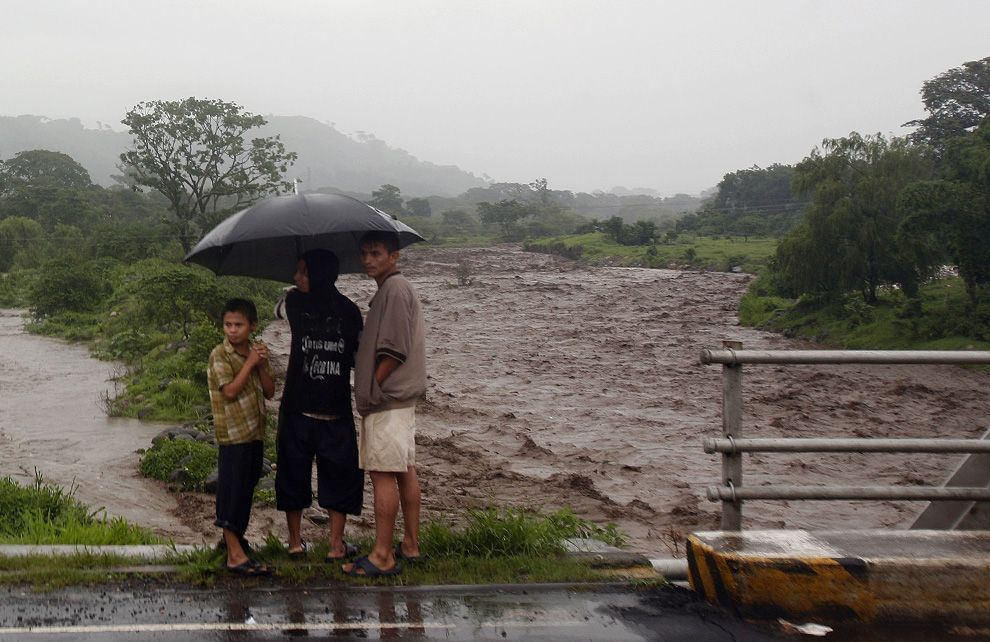
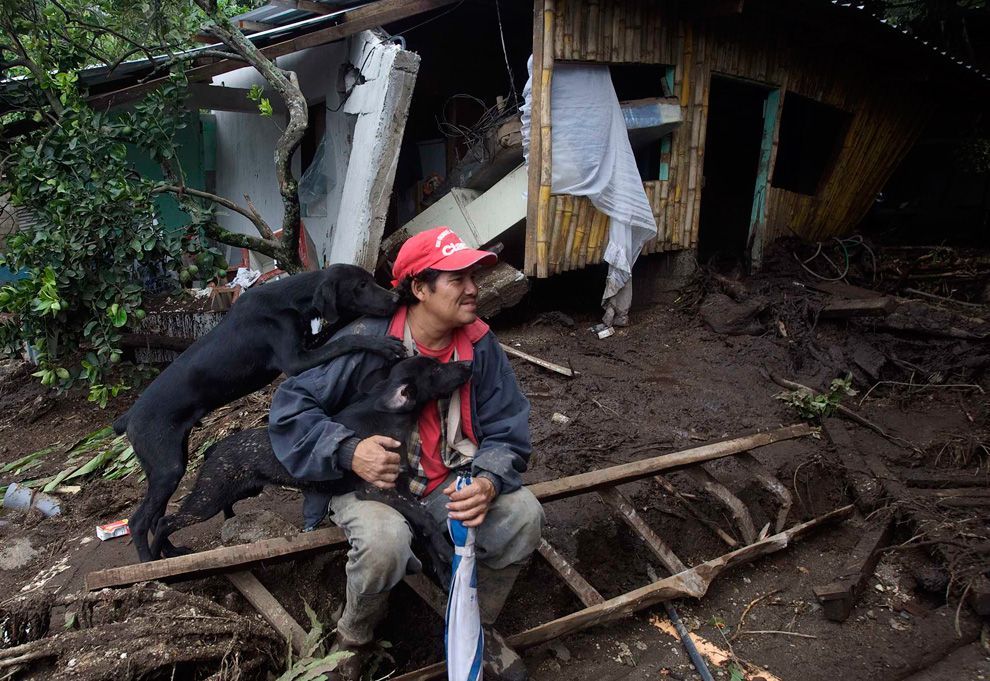
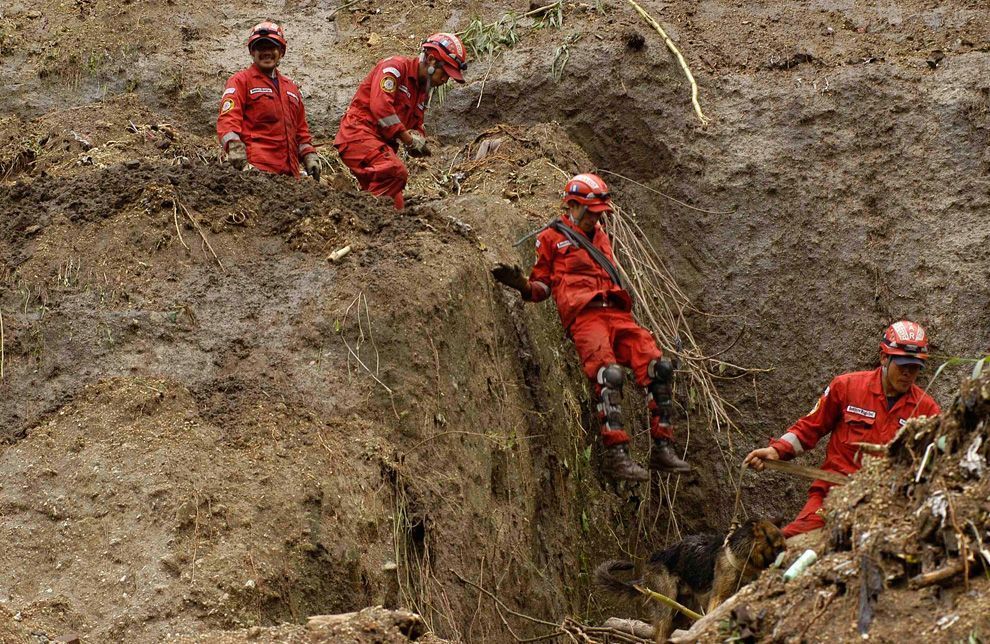
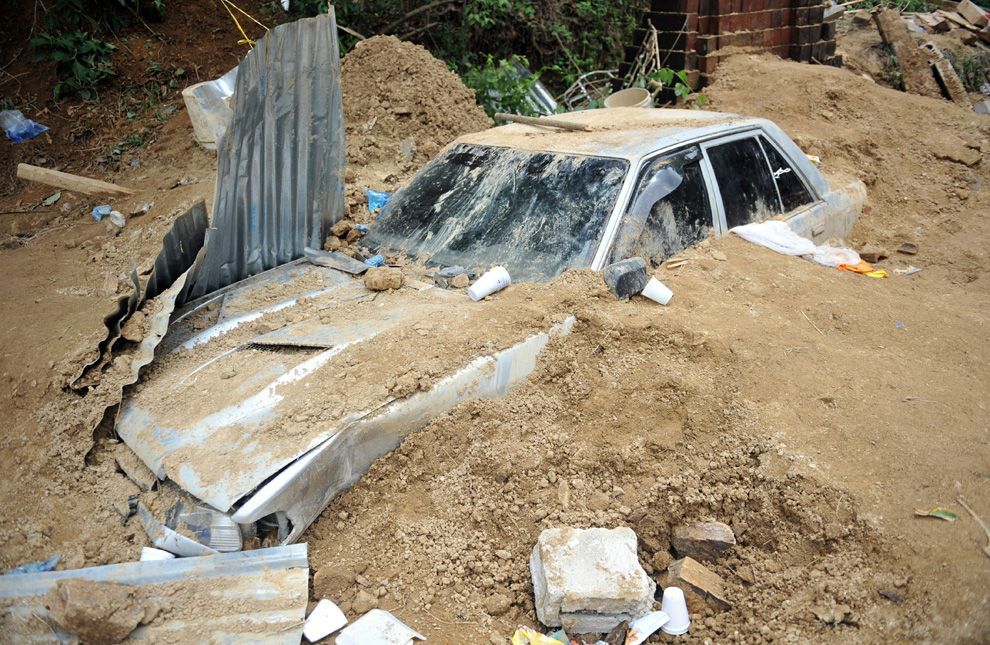
In the town of Almolonga, department of Quetzaltenango, a mudslide triggered by the storm killed four people after destroying their home, and in total twelve people were killed in Guatemala, while another landslide left 11 people missing. Officials in the country declared a state of emergency during the afternoon of May 29 as conditions worsened. Many rivers in the country were already swollen and close to over-topping their banks. Many other homes were destroyed in widespread floods and dozens of emergency rescues had to be made. In a press report, President Álvaro Colom stated that, "We believe Agatha could wreak more damage in the country than Hurricane Mitch and Hurricane Stan". These storms were two of the most devastating tropical cyclones to impact the country, killing 384 and 1,513 people respectively.
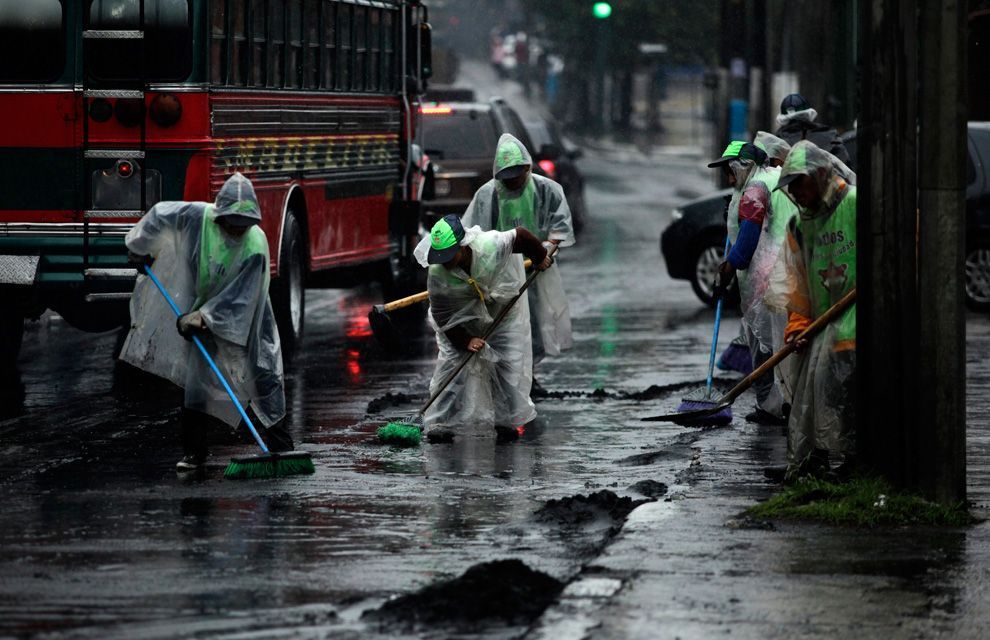
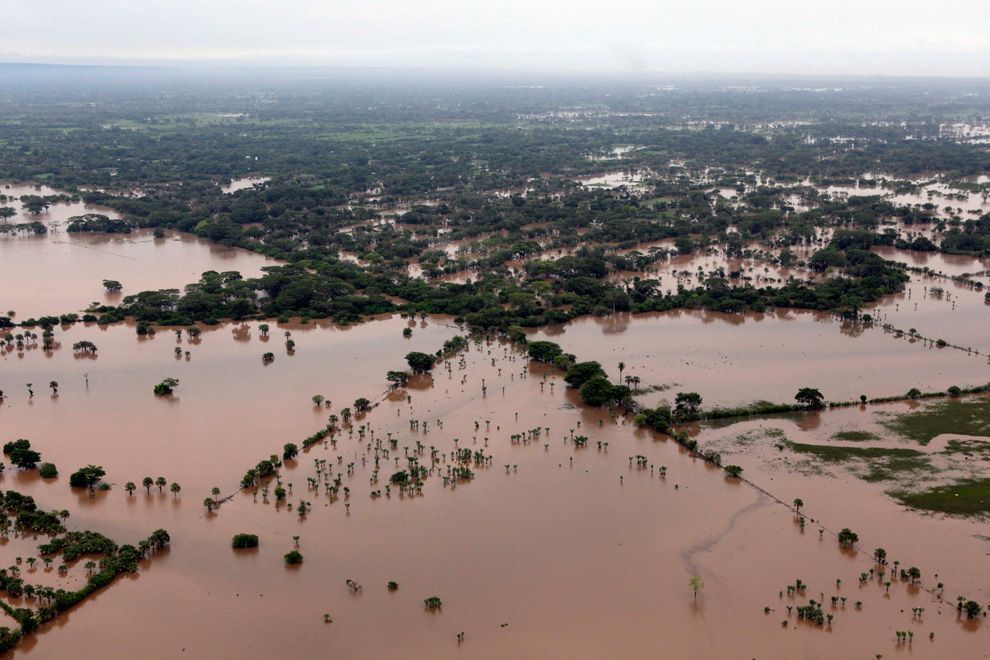
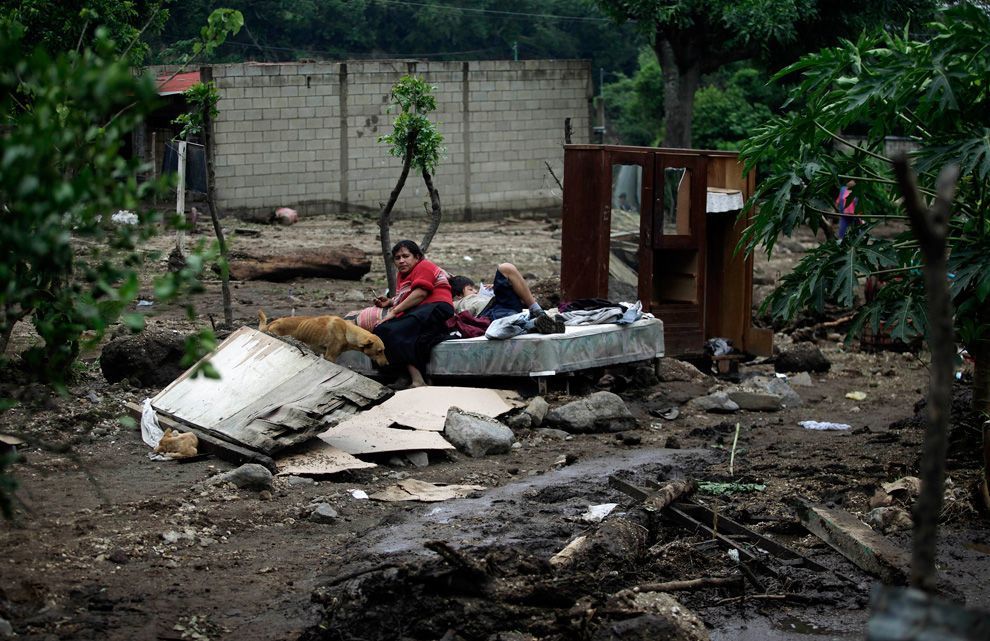
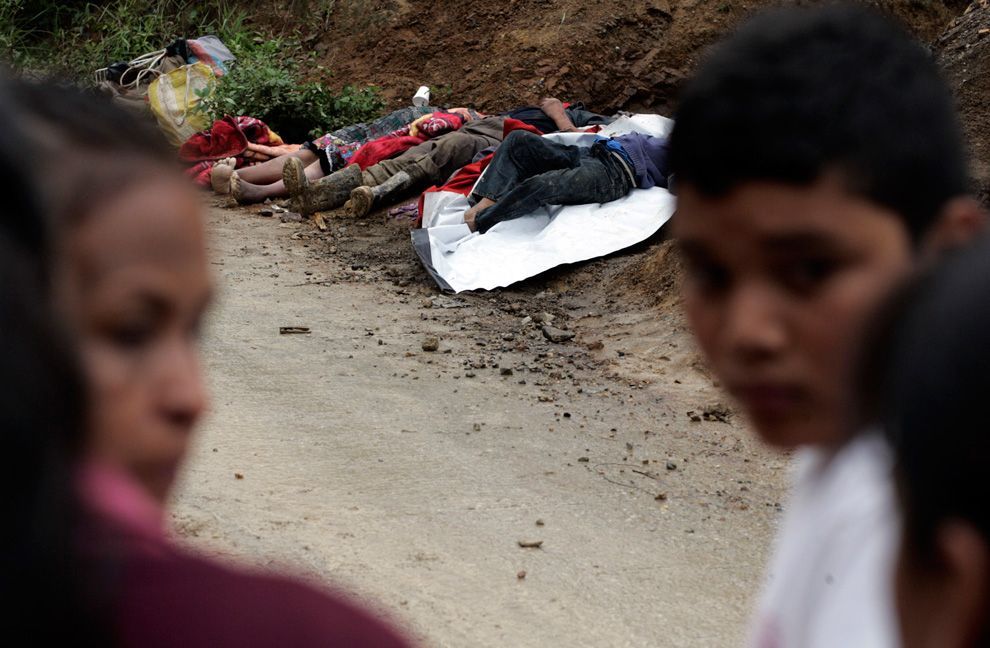
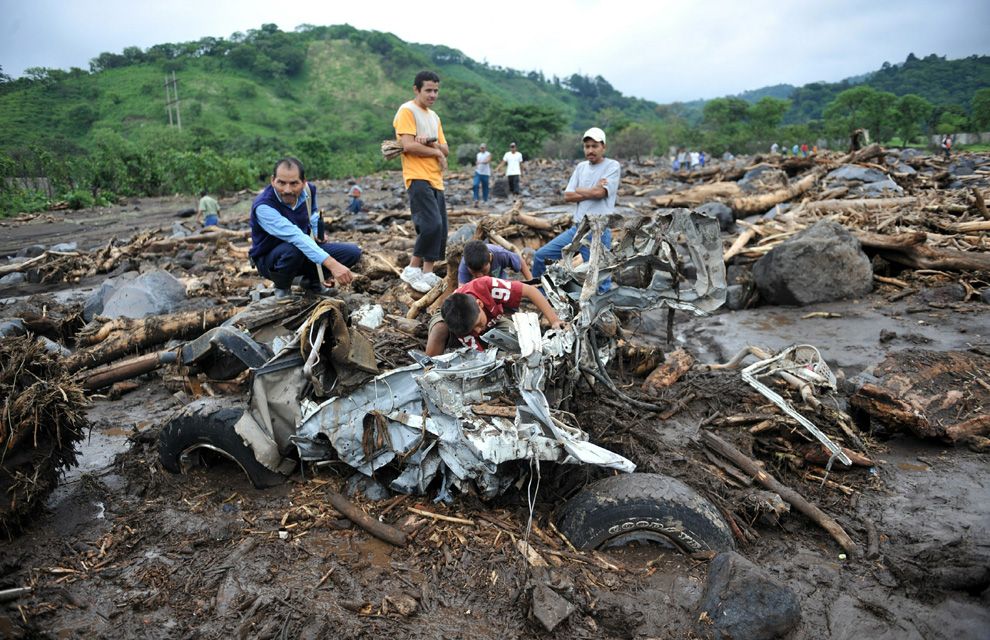
By the afternoon of May 30, reports from the region stated that 15 people had been killed and 22 others were missing throughout Guatemala. Preliminary damage assessments showed that at least 3,500 homes were damaged. A total of 112,000 people were evacuated. Additionally, at least 20,000 people have been left homeless as a result of the storm. Some areas recorded the heaviest rainfall in over 60 years, measuring more than 36 in (910 mm). This also ranks Agatha as the wettest known tropical cyclone to ever strike the country, surpassing Hurricane Mitch. By the next day, the death toll had risen to 92, with another 95 people injured.
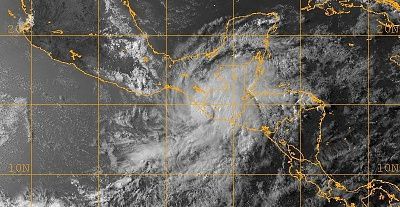
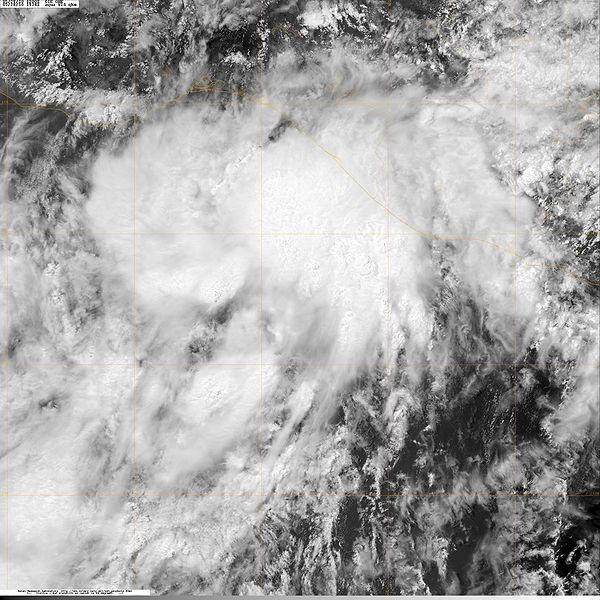
Tropical Storm Agatha at 1000mb on May 29, 2010 making landfall near the Mexico-Guatemala border.
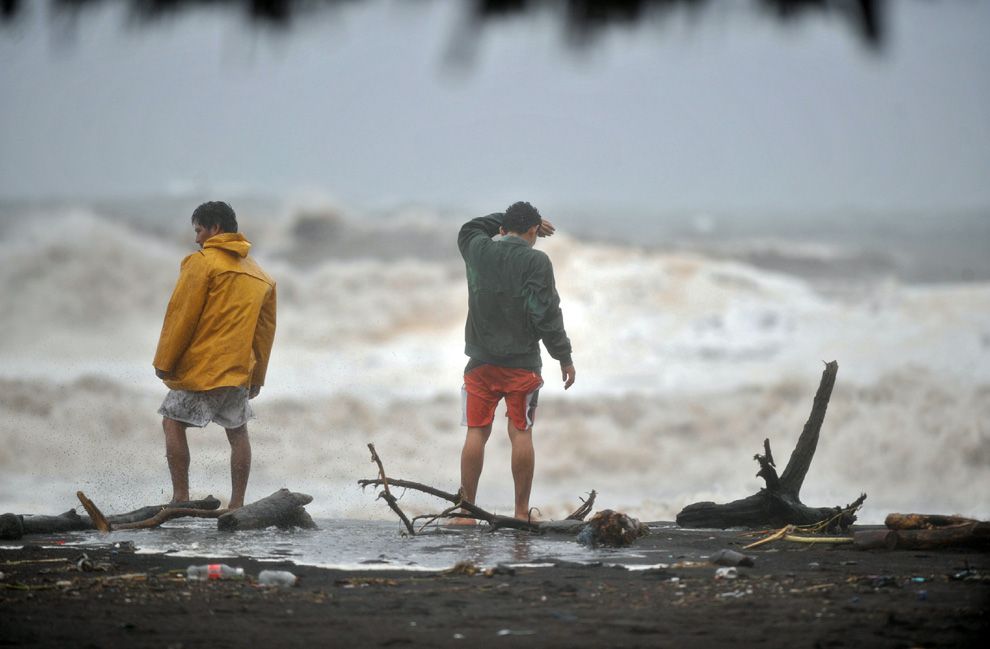
Two men watch a heavy swell on May 29, 2010, in San Jose port, Escuintla, 110 kilometers south of Guatemala City as the season's first tropical storm named Agatha approached bringing drenching rain, mudslides and floods.
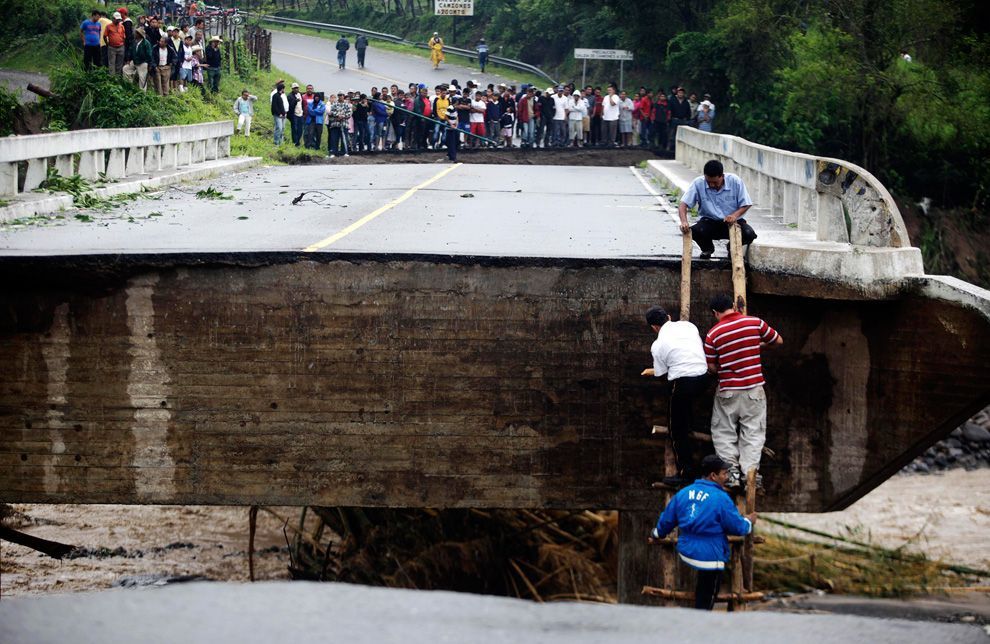
People climb up onto a bridge after a portion of it was washed away by rain water after Tropical Storm Agatha, in Barberena, Guatemala May 30, 2010.
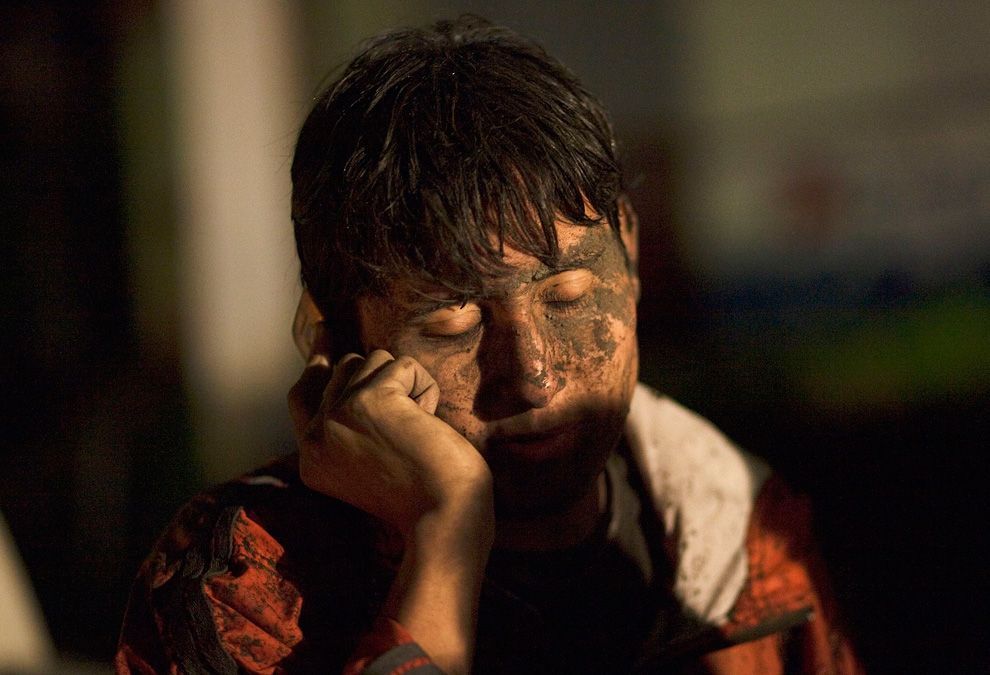
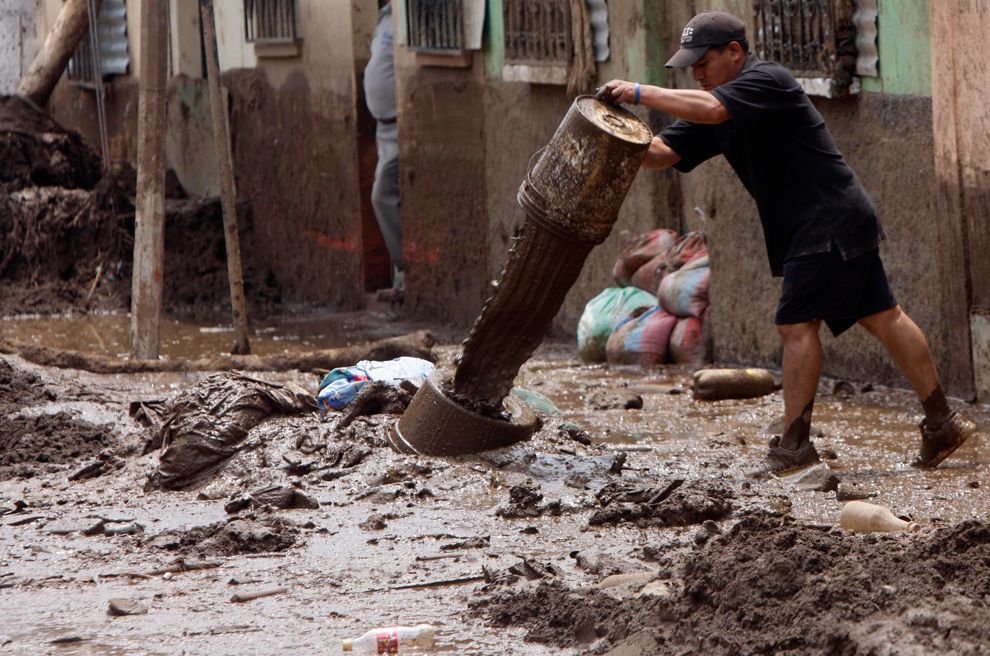
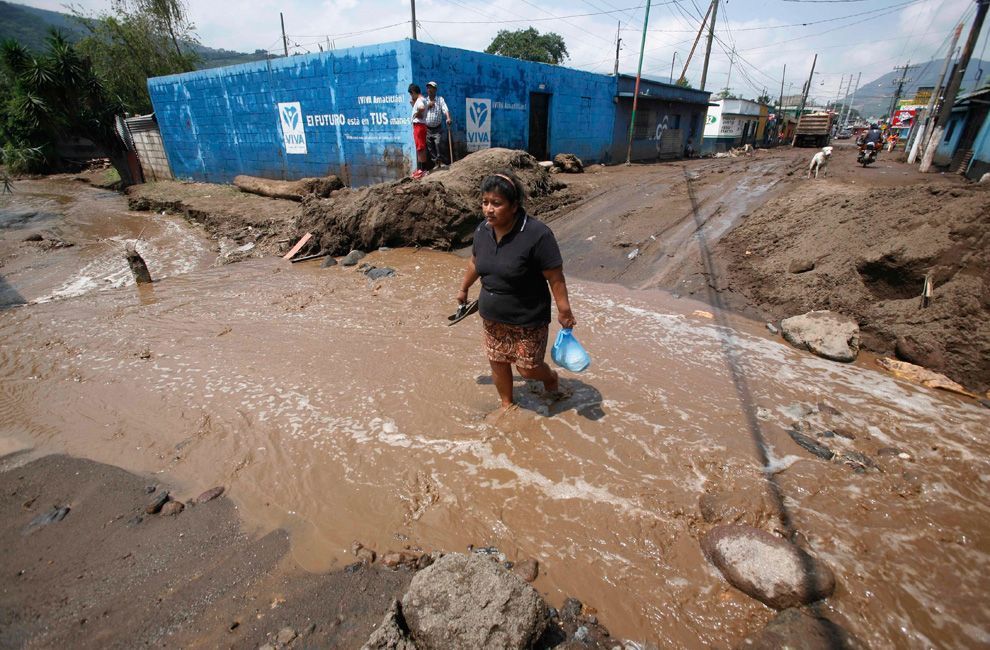
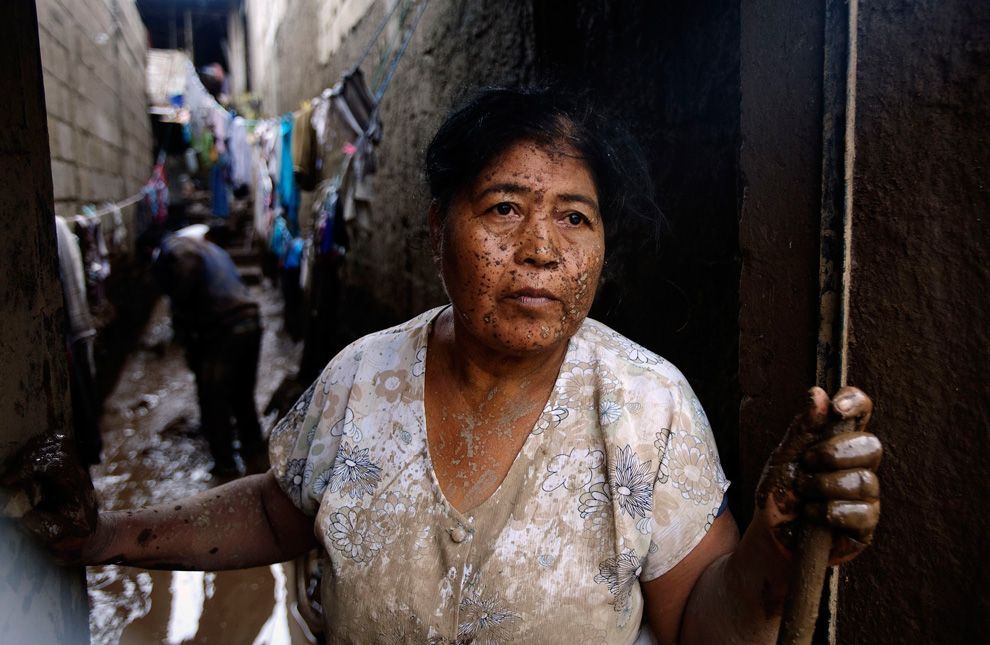
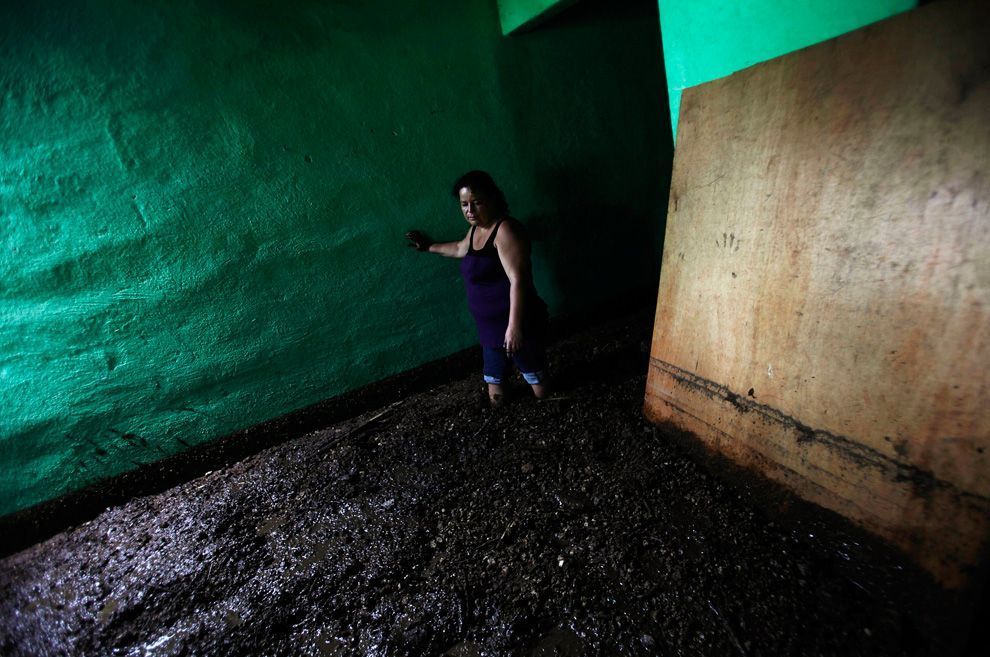
A resident dumps mud removed from his house after the Mico river overflowed due to heavy rains from Tropical Storm Agatha in Amatitlan, Guatemala, Tuesday June 1, 2010.
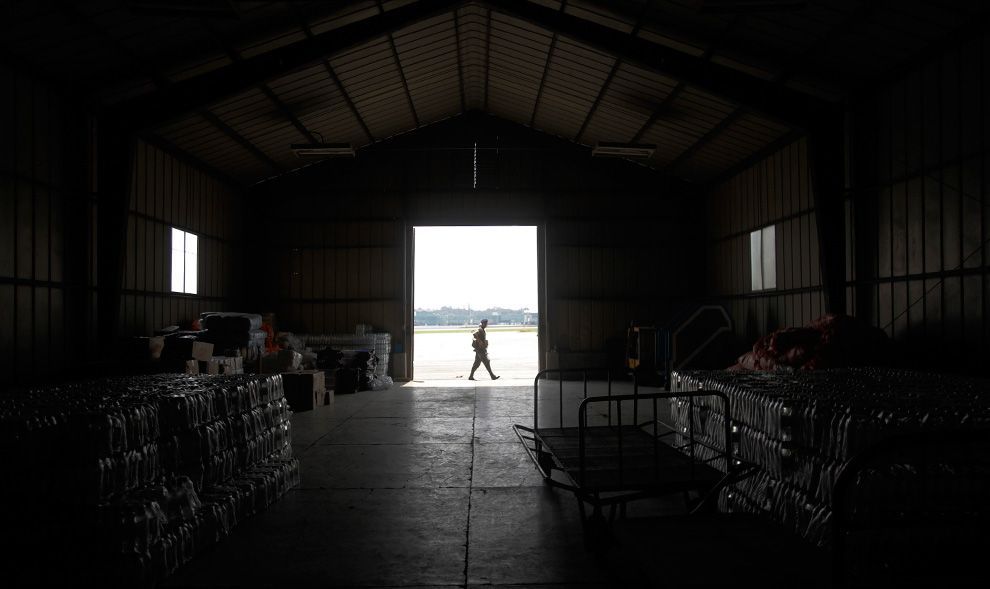
A soldier guards food supplies that will be sent to victims of Tropical Storm Agatha in Guatemala City June 1, 2010.
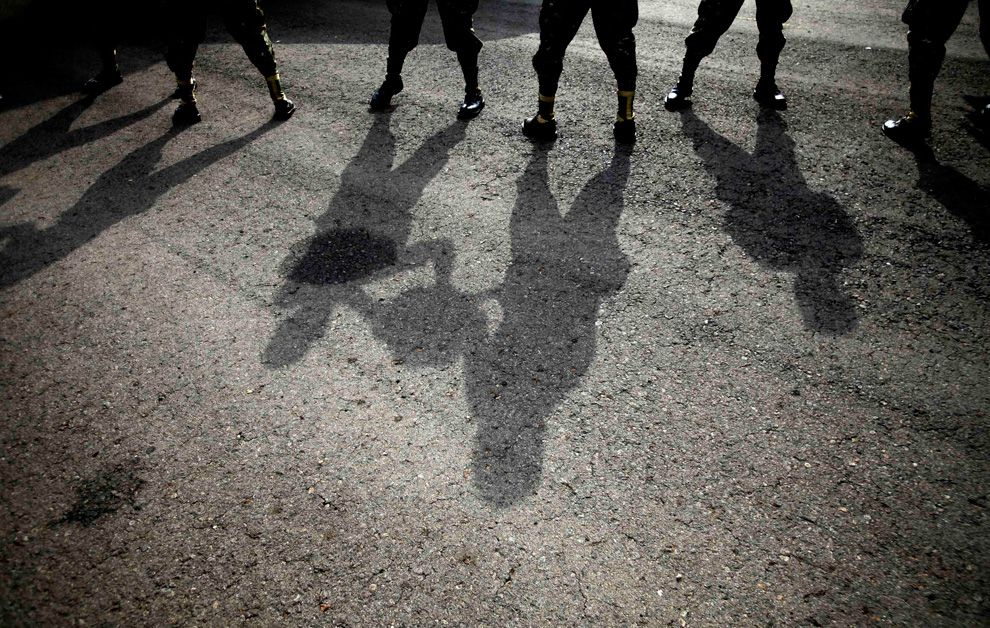
Soldiers unload food supplies for victims of Tropical Storm Agatha in Retauhleu, Guatemala June 1, 2010. Collapsed roads and highway bridges complicated rescue efforts in Guatemala on Tuesday after Agatha drenched Central America, burying homes under mud and killing at least 179 people.