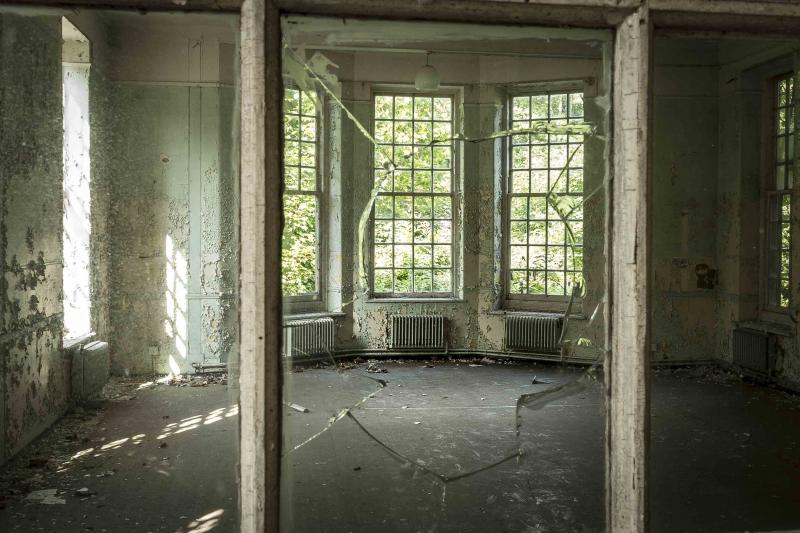
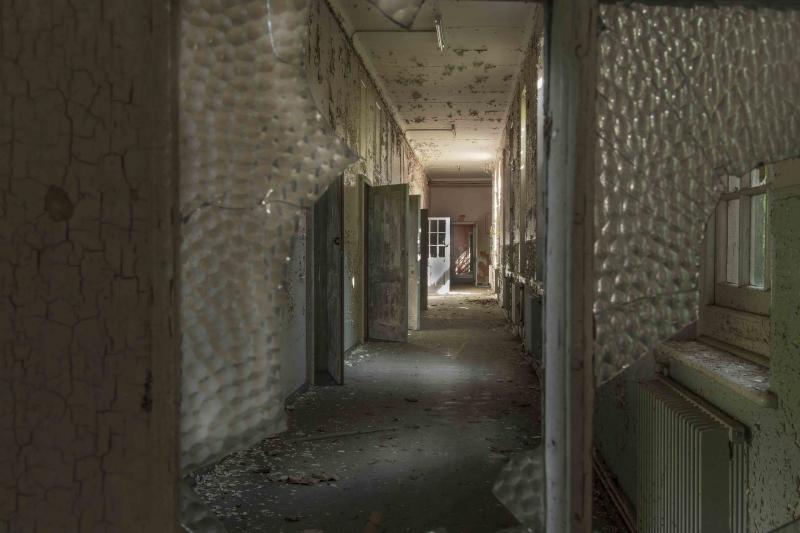
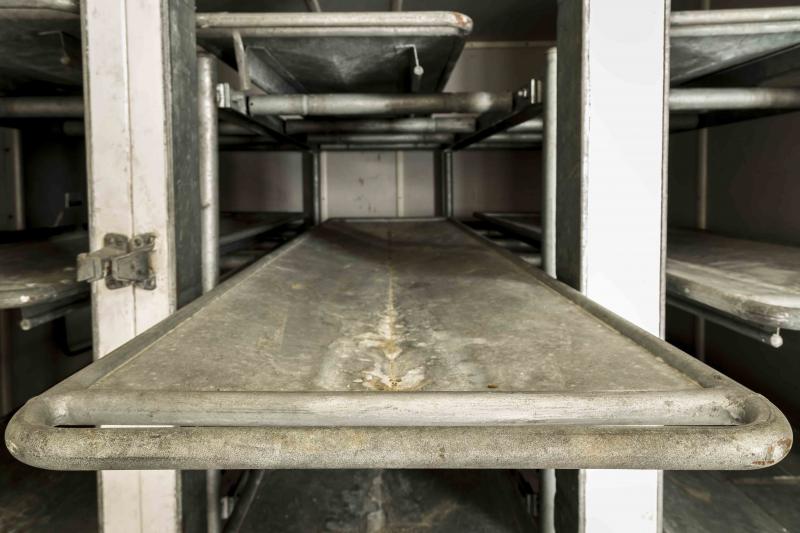
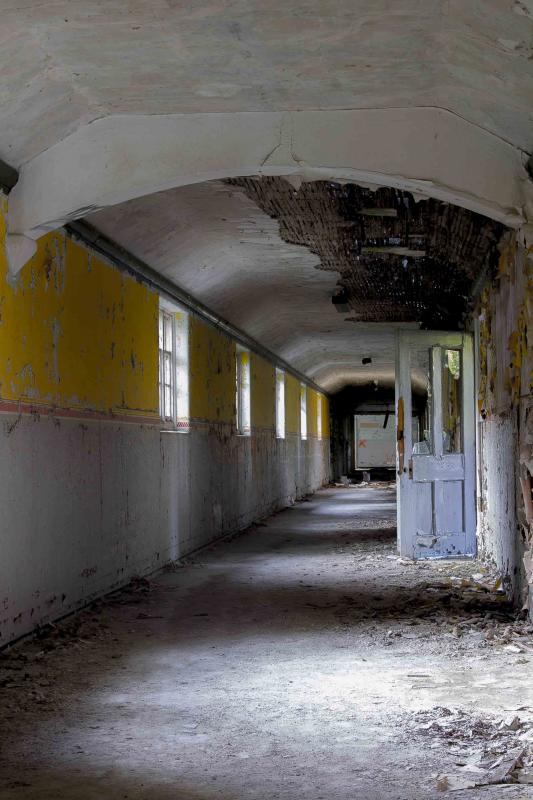
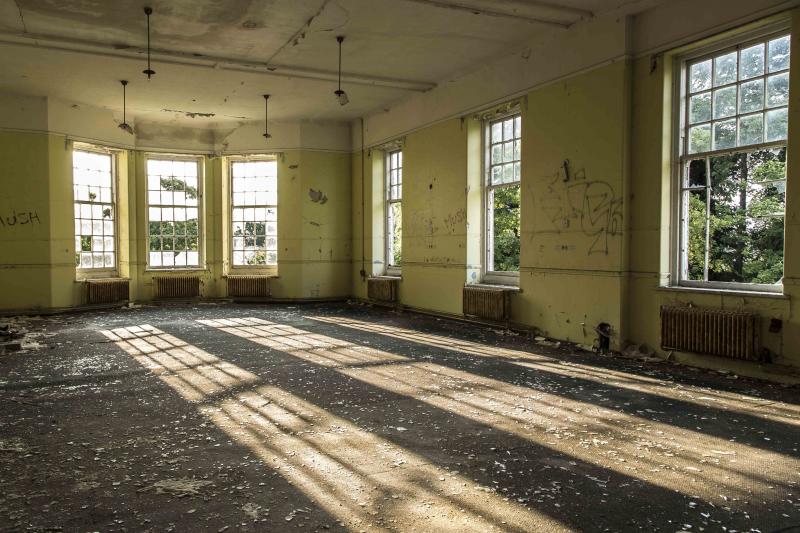
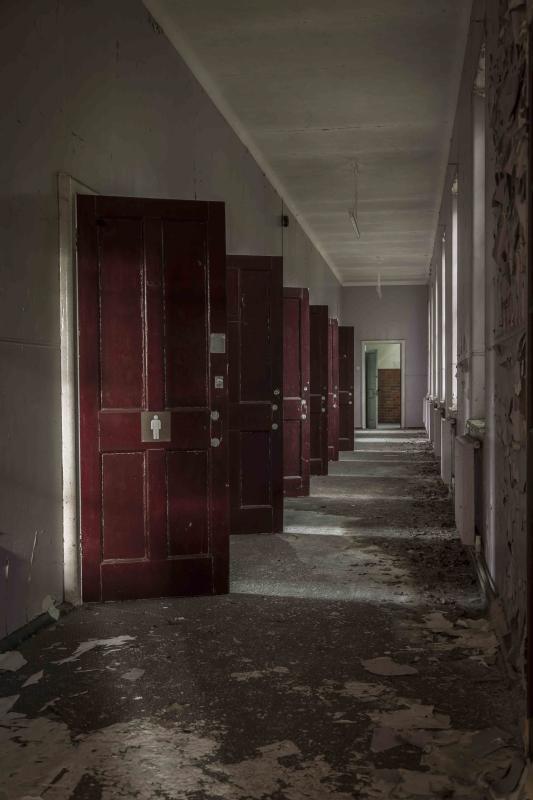
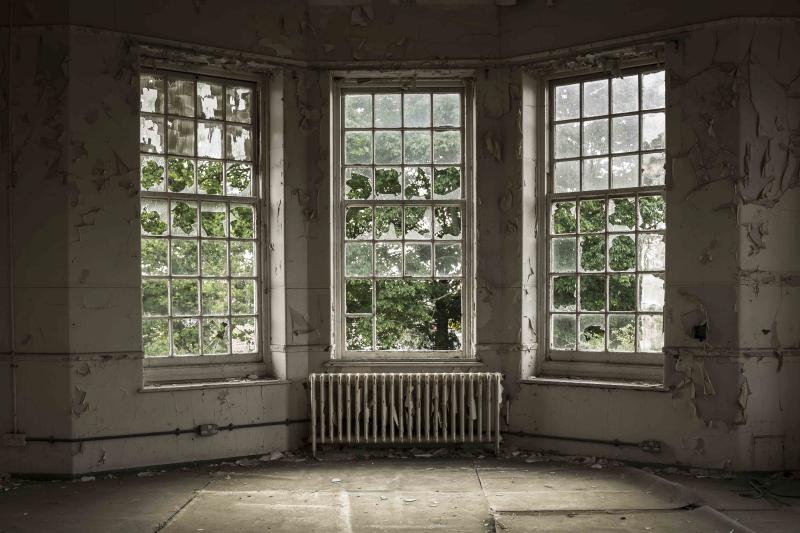
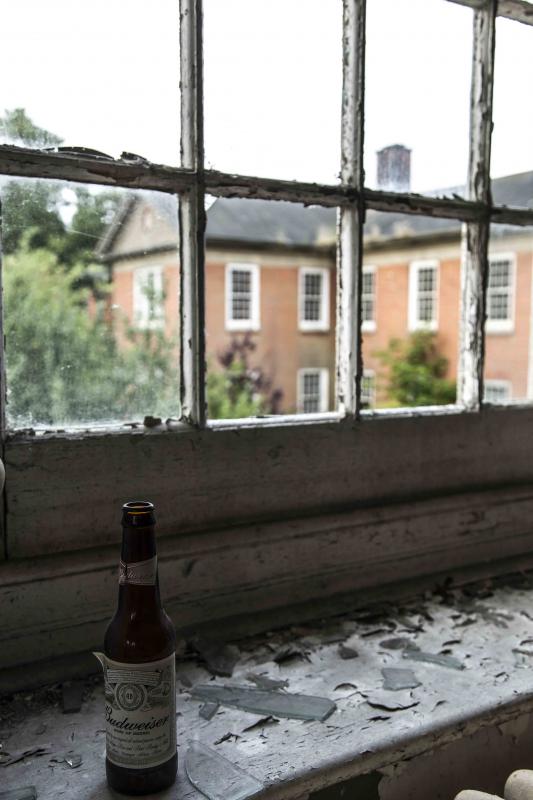
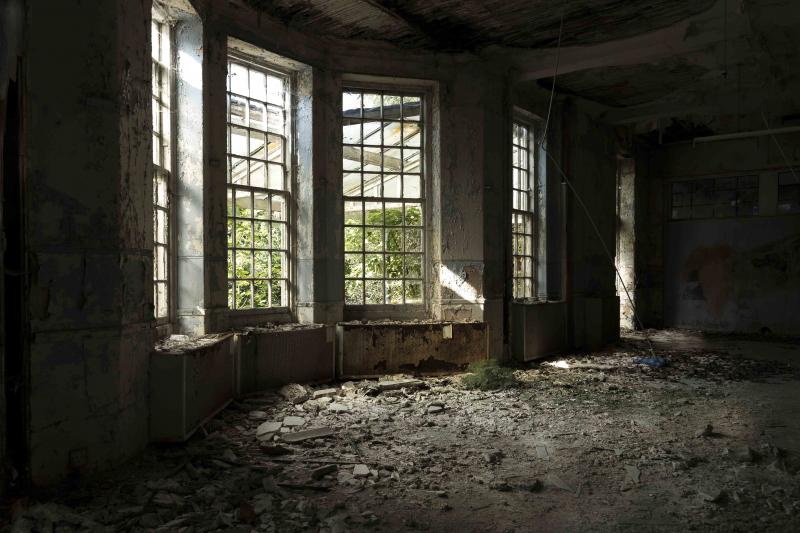
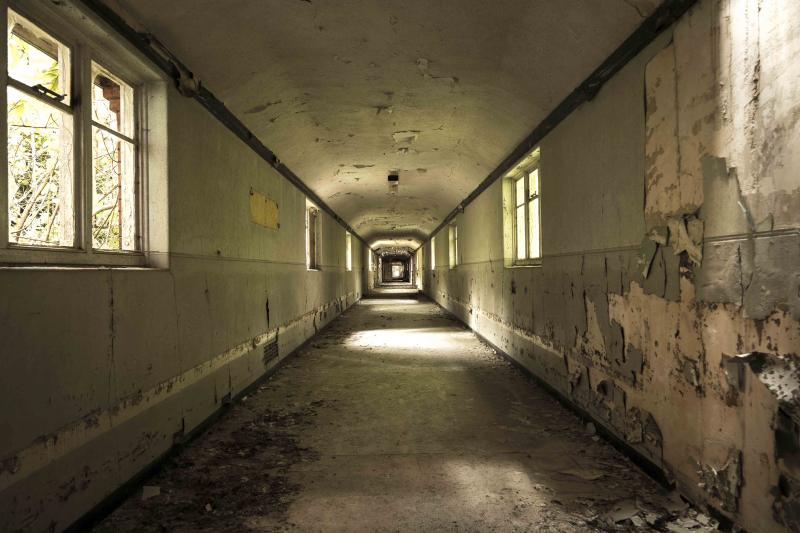
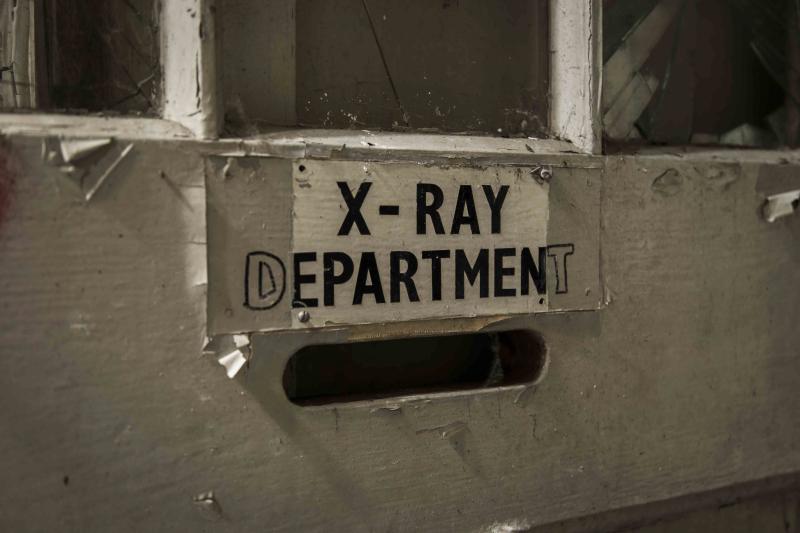
The 300-acre (120 ha) site housed some 2000 patients and was based on the "Echelon plan" - a specific arrangement of wards, offices and services within easy reach of each other by a network of interconnecting corridors. This meant that staff were able to operate around the site without the need to go outside in bad weather. Unlike modern British hospitals, patients in Severalls were separated according to their gender. Villas were constructed around the main hospital building as accommodation blocks between 1910 and 1935. Most of the buildings are in the Queen Anne style, with few architectural embellishments, typical of the Edwardian period. The most ornate buildings are the Administration Building, Larch House and Severalls House (originally the Medical Superintendent's residence).
Psychiatric experiments
Psychiatrists were free to experiment with new treatments on patients seemingly at will, using practices now considered unsuitable such as electro-convulsive therapy (ECT) and the use of frontal lobotomy. The use of these treatments peaked in the 1950s. In her book Madness in Its Place: Narratives of Severalls Hospital, 1913-1997, Diana Gittins notes that often women were admitted by their own family, sometimes as the result of bearing illegitimate children or because they had been raped. As they would not always (or were unable to) carry out daily tasks, they were considered to be insane and some were even subjected to ECT and lobotomy. A change in management during the 1960s (and likely a change in social acceptance) saw reforms introduced including the creation of art and music therapy programs and the widespread use of drugs and medication.
Closure
The hospital closed as a psychiatric hospital in the early 1990s following the closure of other psychiatric institutions. However, a small section remained open until 20 March 1997 for the treatment of elderly patients suffering from the effects of serious stroke, etc., as a temporary building for nearby Colchester General Hospital which was in the process of building an entire new building for these patients. A few of the satellite villas as of 2013 are still operational as research facilities on the edge of the site. This includes "Chestnut Villa" (originally Children's Villa), which provides laboratory services, and "Willow House" (originally Male Acute Ward), and Severalls House (originally the Medical Superintendent's residence). "Rivendell", a more modern building is still in use at the entrance to the site. Apart from Chestnut Villa, all remaining Buildings still in use are owned and run by North Essex Partnership University Foundation Trust (NEPFT).
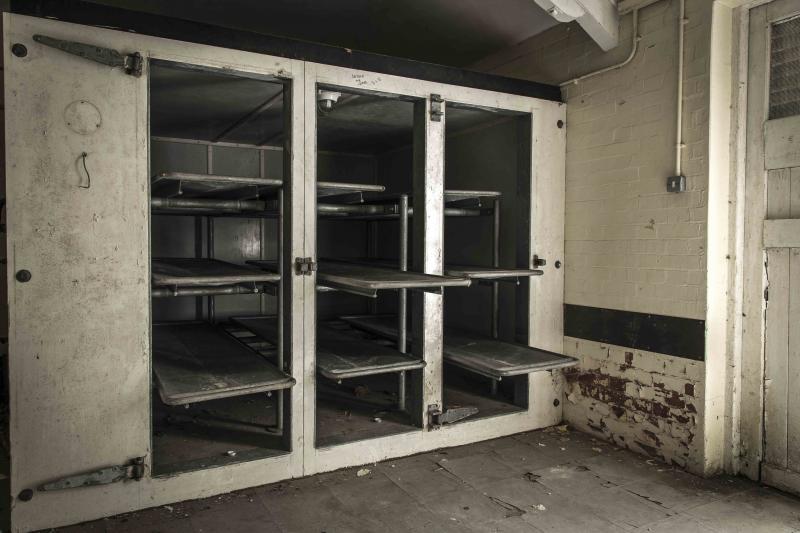
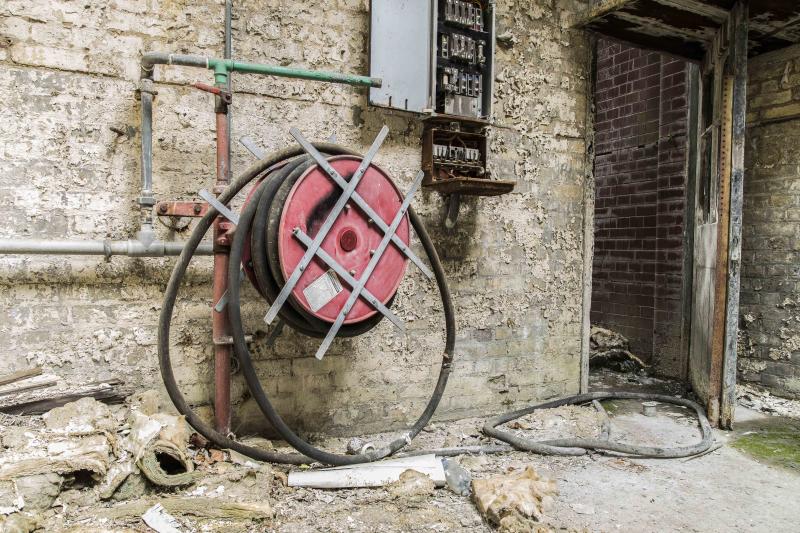
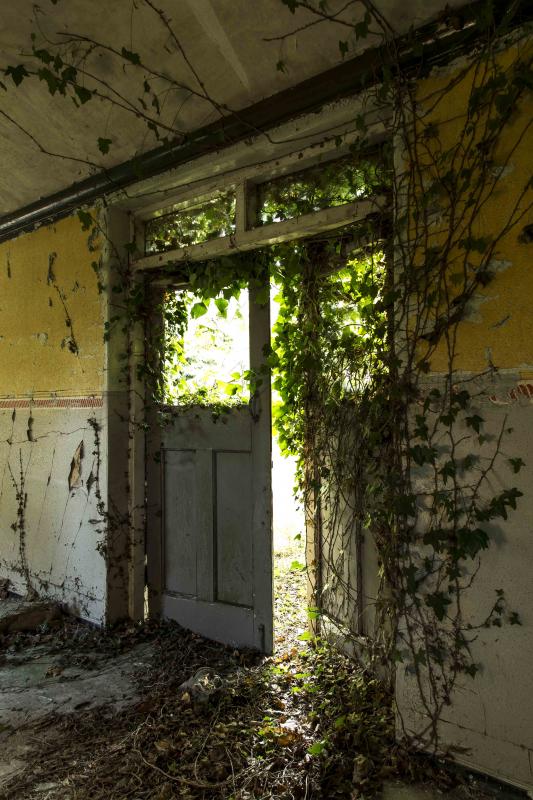
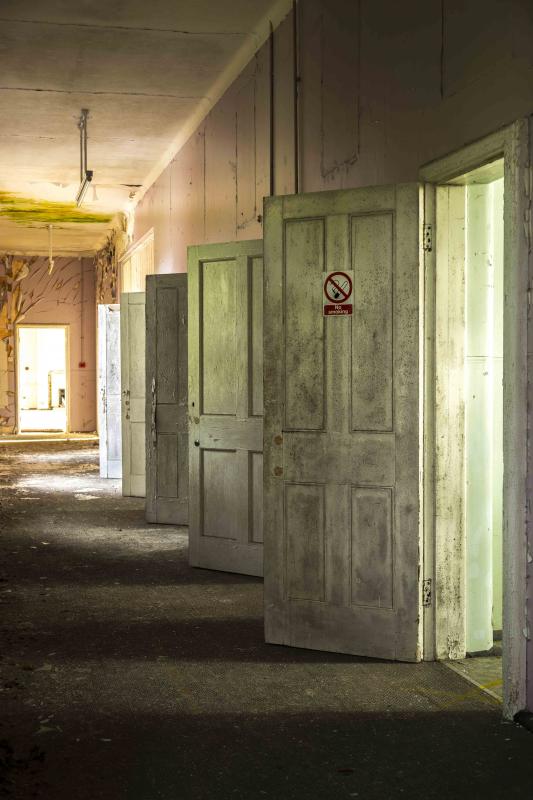
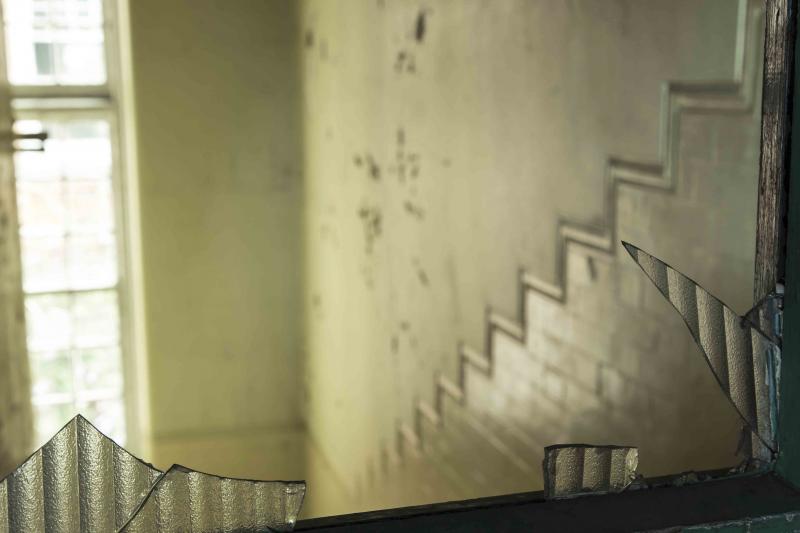
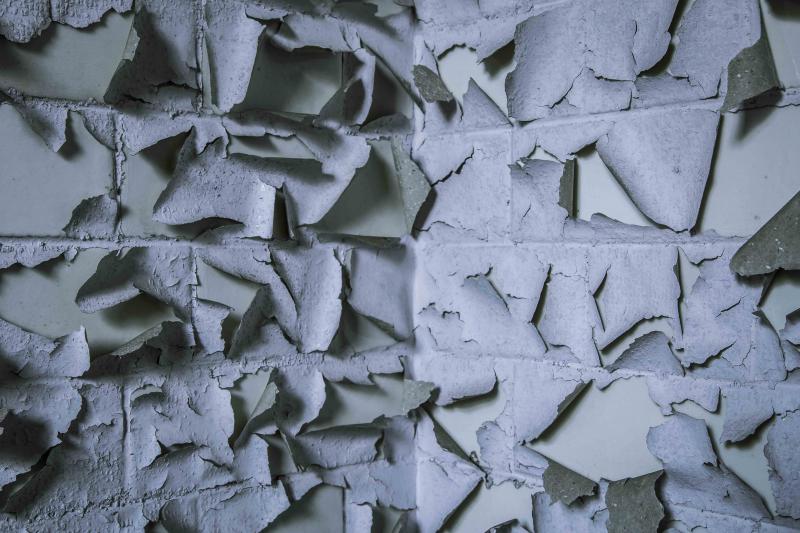
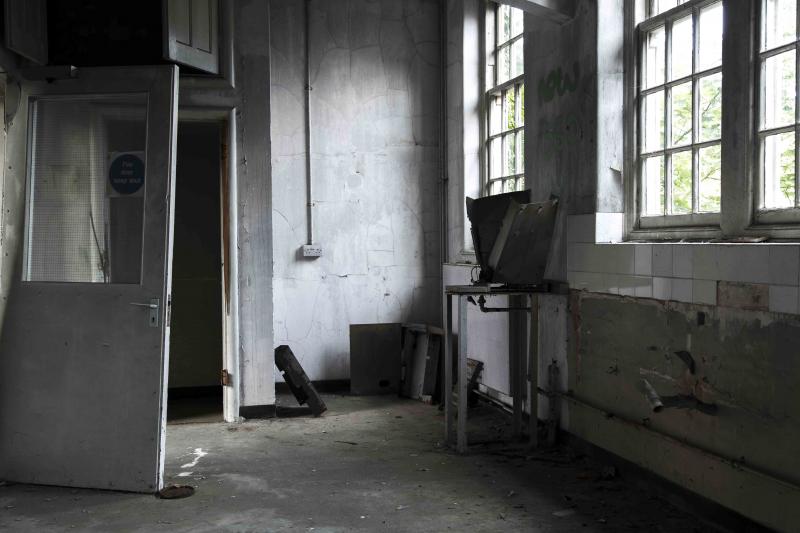
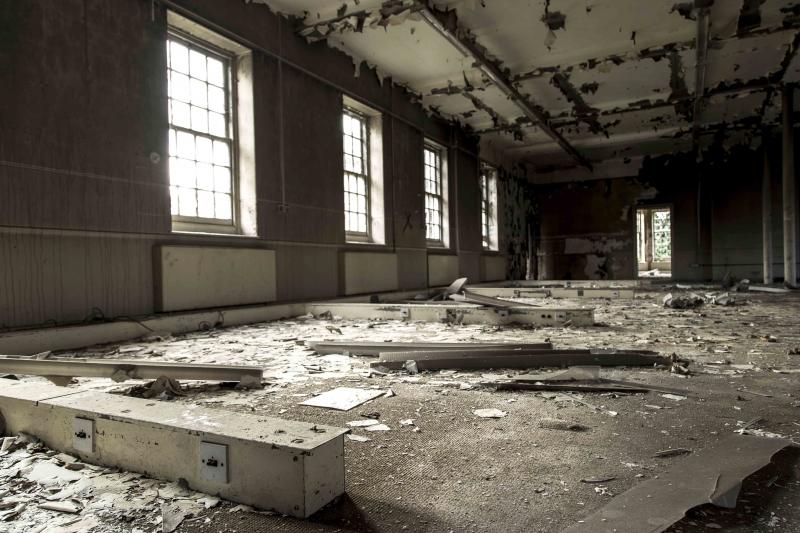
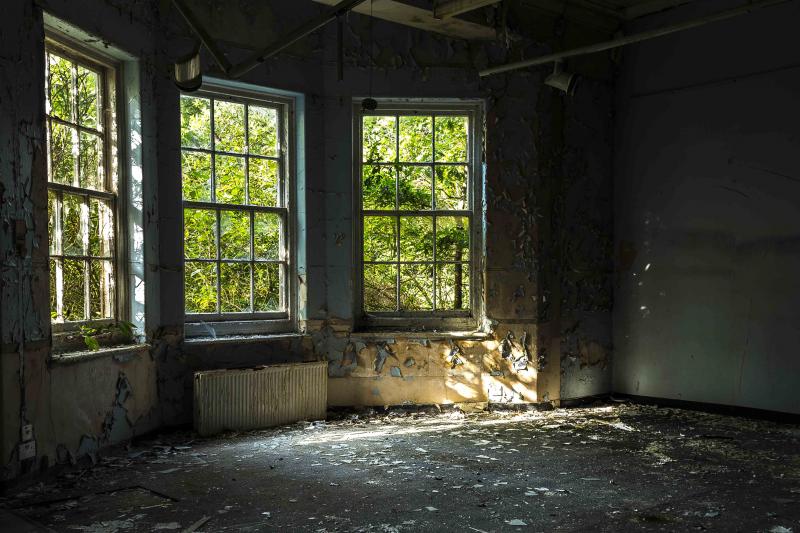
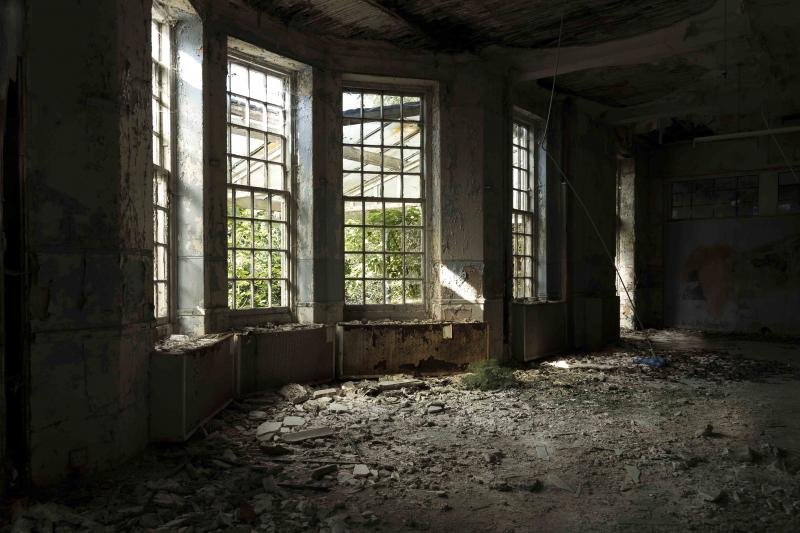
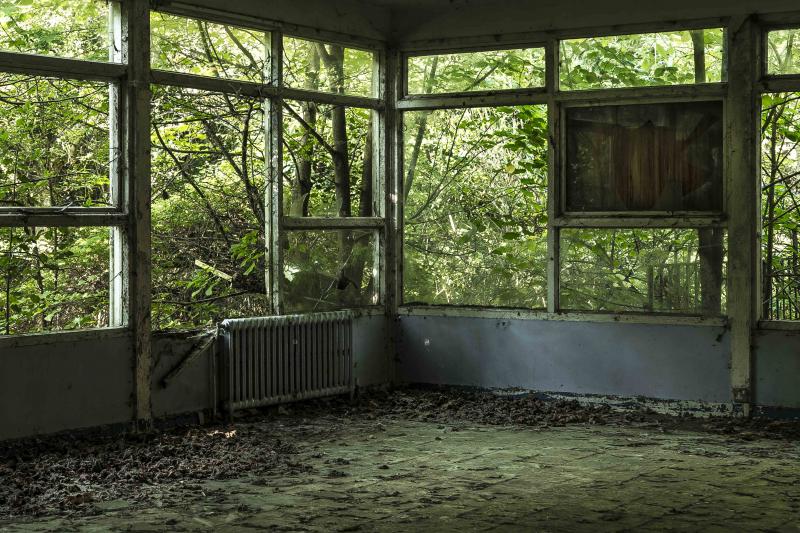
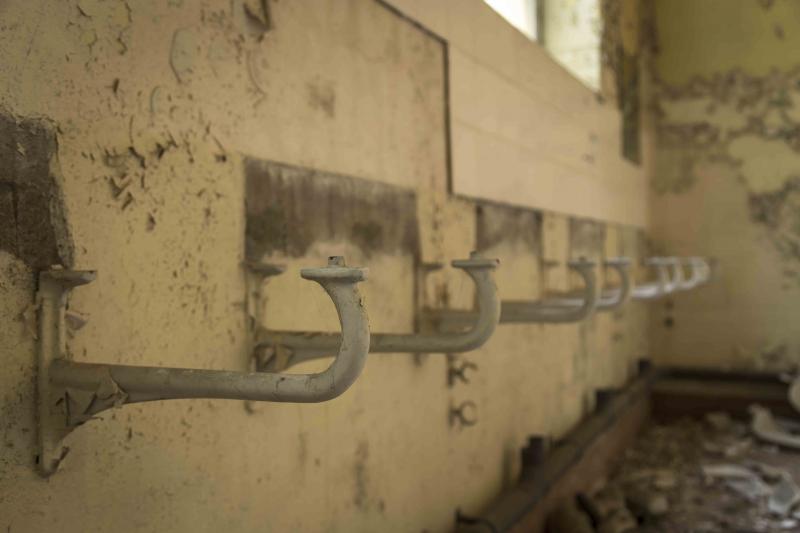
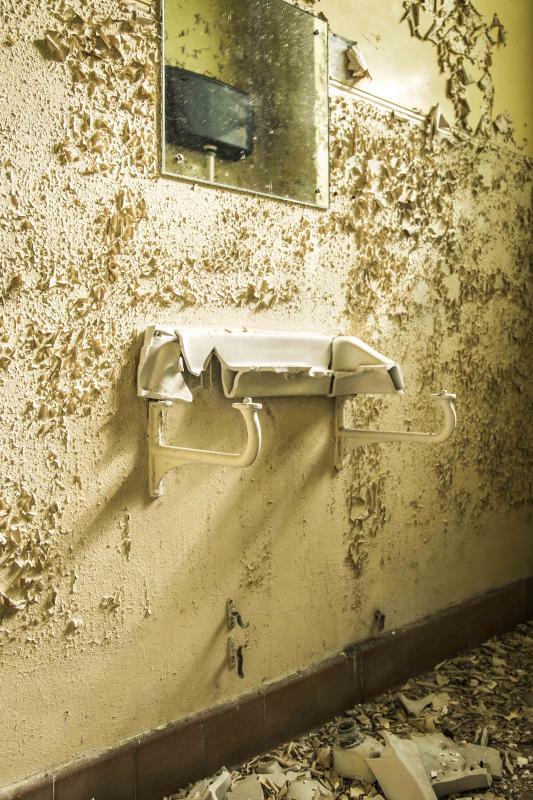
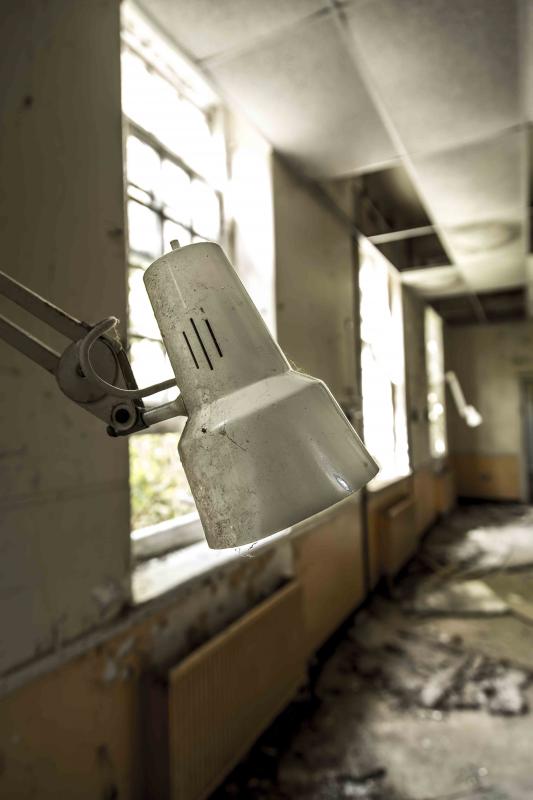
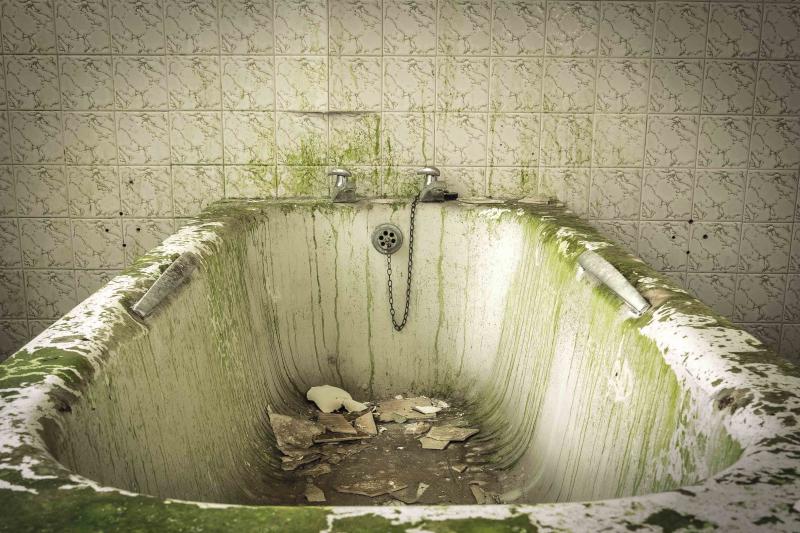
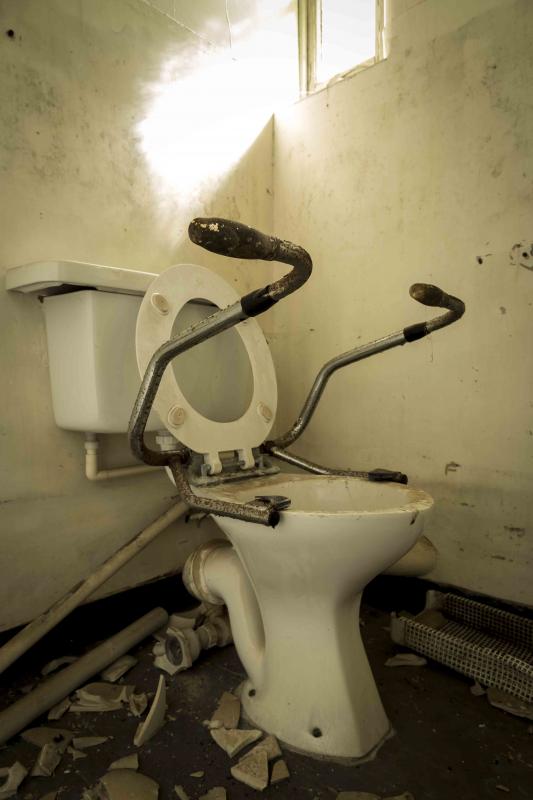
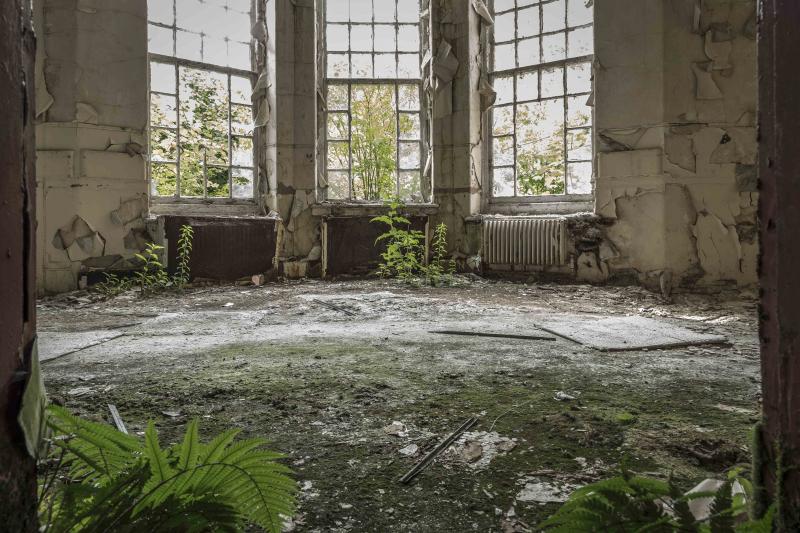
Since 1997 the remaining structures have changed little. Architecturally, the site remains an excellent example of a specific asylum plan. However, the buildings have suffered greatly from vandalism. In 2005 the main hall was subjected to an arson attack and in 2007 the charred building was demolished for safety reasons. The five boilers were removed from the Central Boiler House in 2007.
In 2008, the sale of the hospital site, including its extensive grounds, collapsed due to the slow-down in the building industry.