|
#1
●
10-05-2012, 12:13 AM
| ||||||||
 My Rank: MASTER SERGEANT Poster Rank:565 Horny Male Join Date: Jan 2010 Posts: 1,751 Mentioned: 0 Post(s) Quoted: 8 Post(s)
| ||||||||
|
Packard Car Plant!
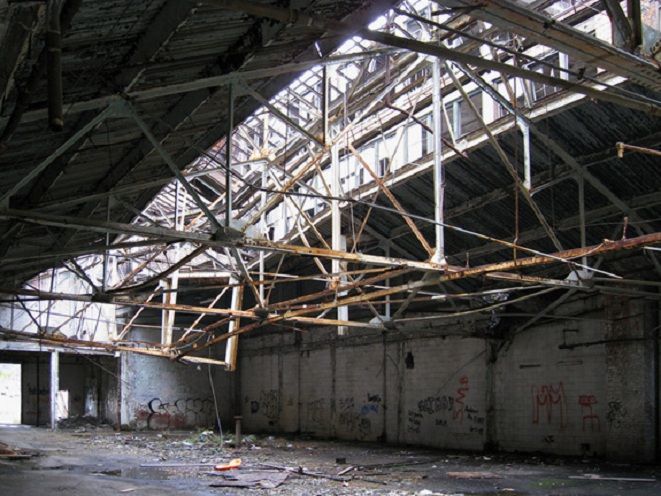
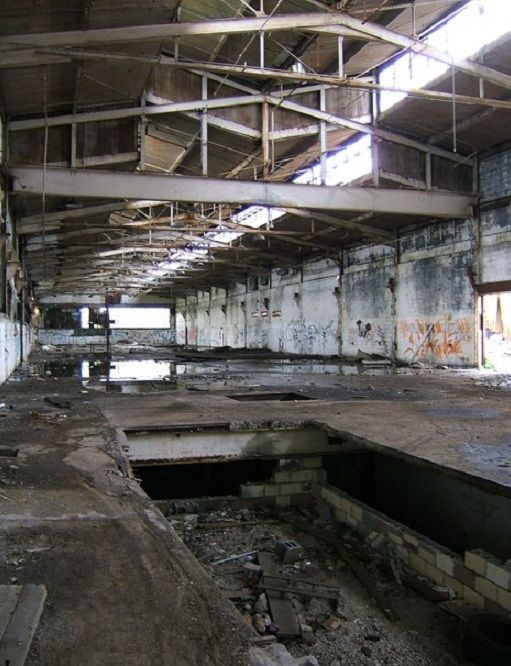
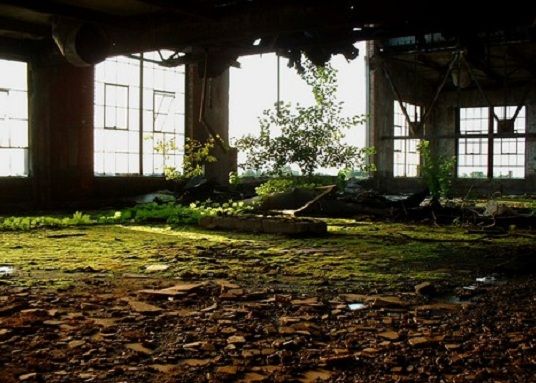
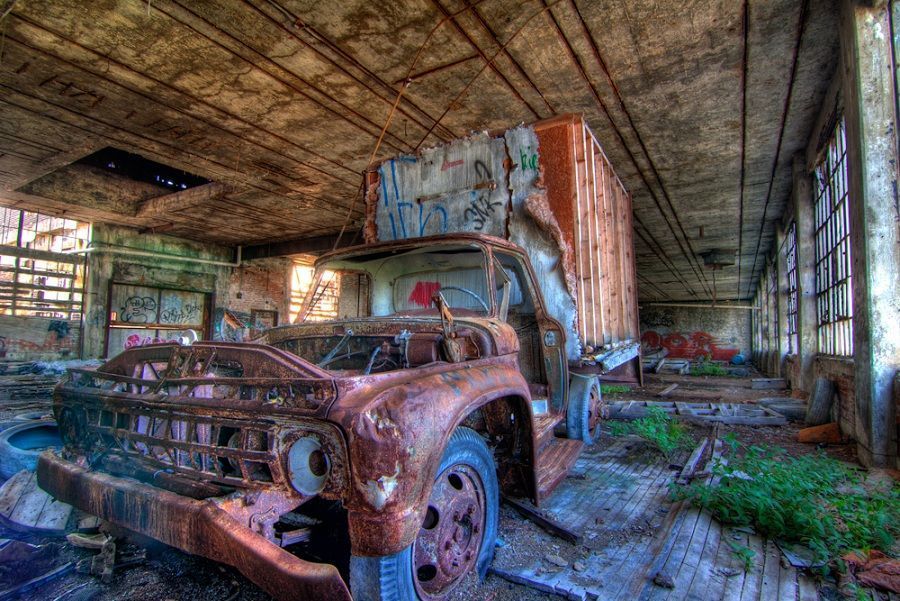
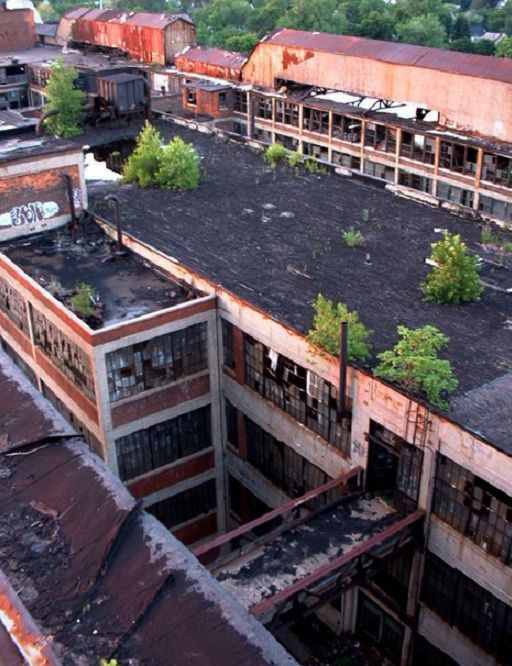
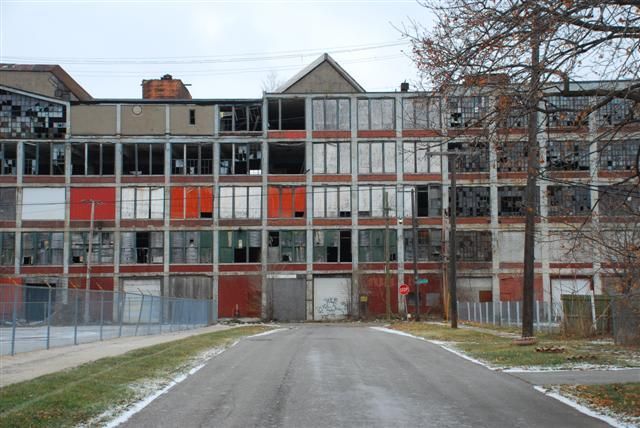
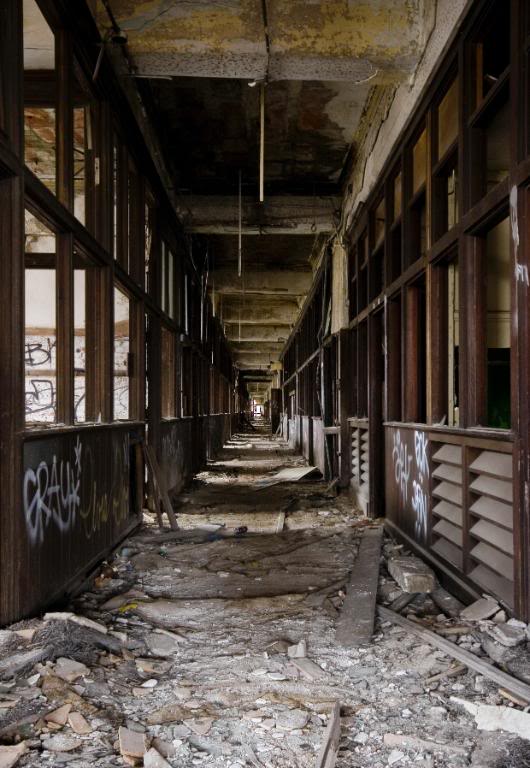
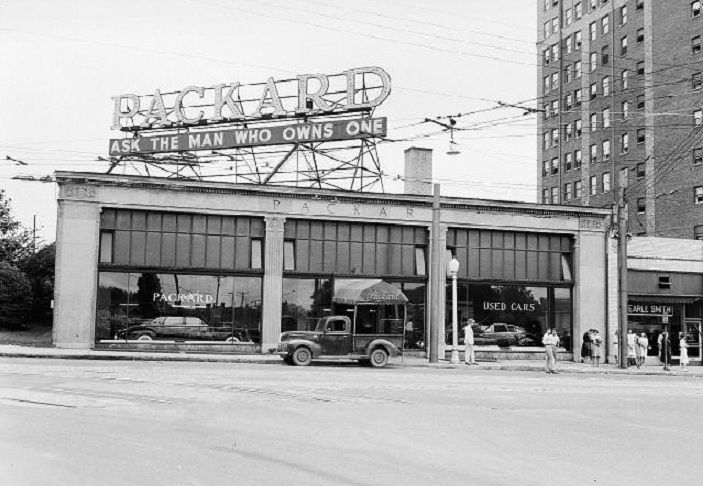
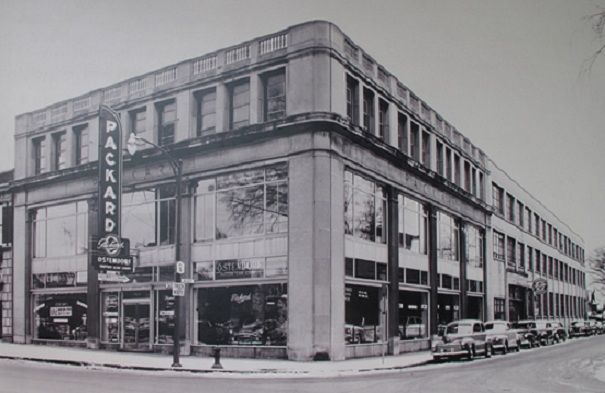
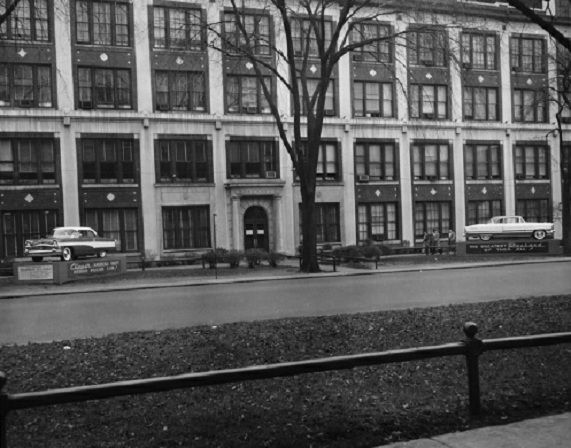
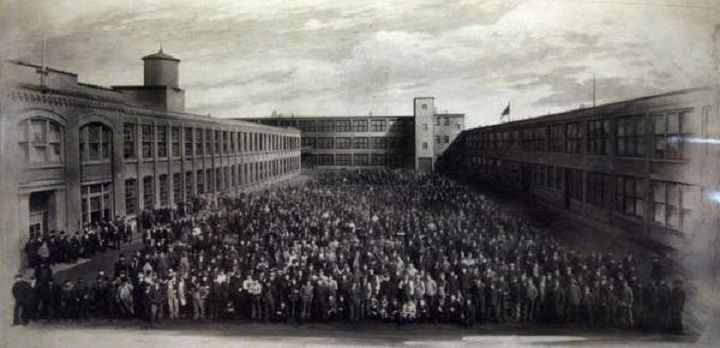
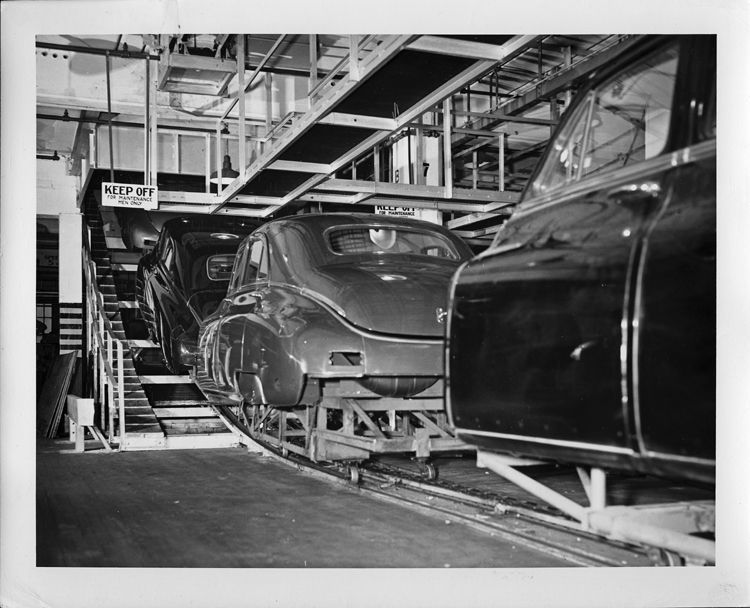
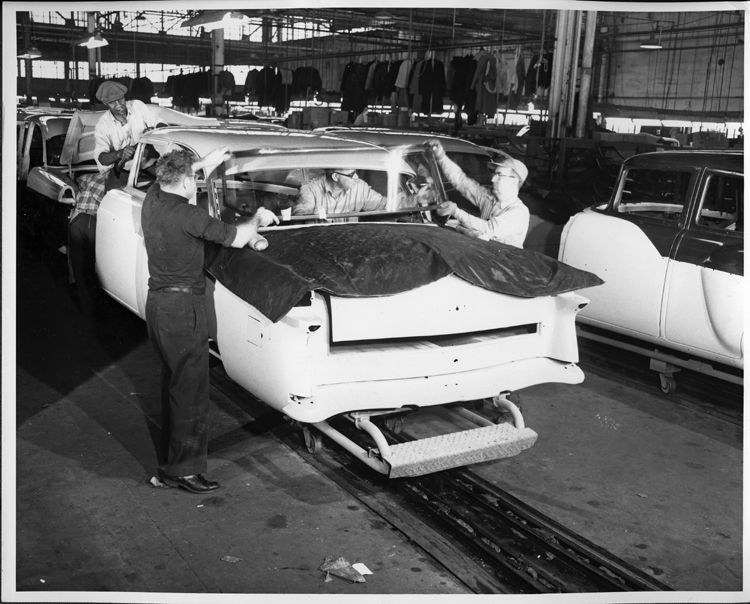
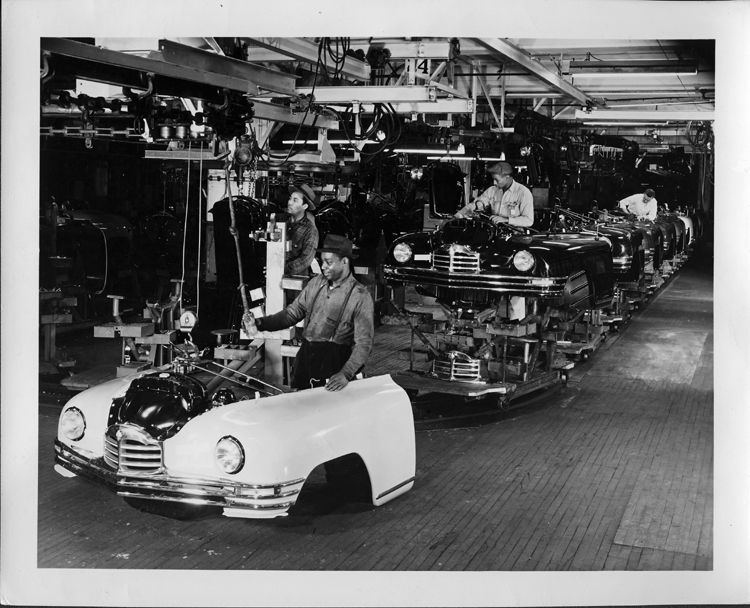
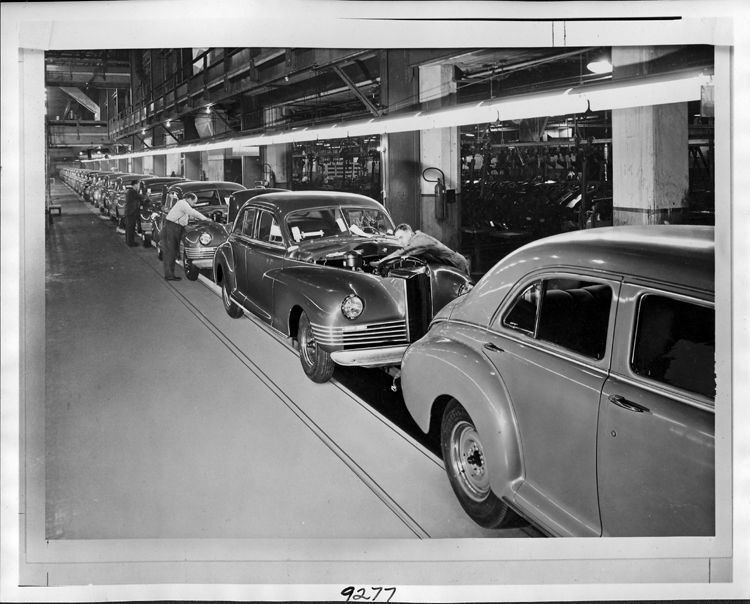
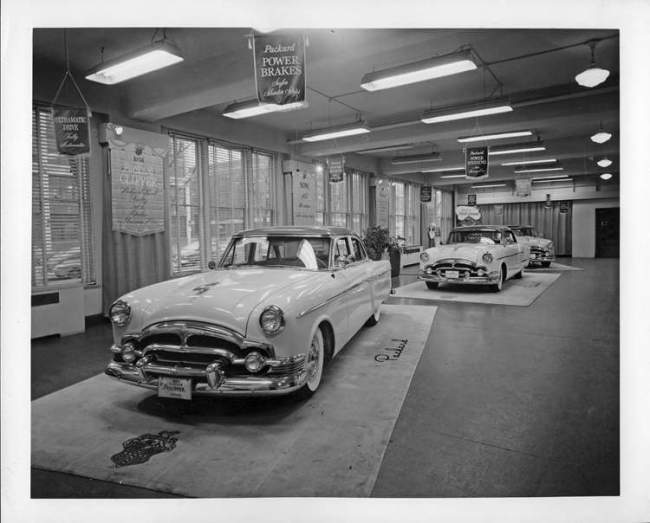
Despite its various and sundry dangers, urban spelunking has become something of a rite of passage for adventuresome types living in and around Detroit. And while Corktown's legendary Michigan Central Station is probably illicit explorers' favorite quarry, the derelict 3.5-million square foot Packard Plant is likely a close second. Built in 1903, the sprawling Albert Kahn factory complex hasn't churned out any Packard Motor Company vehicles since the plant was closed in 1958, and it's long been on the city's "To Do" list to force the plant's owners to raze the area. In fact, the city ordered the plant's leveling in April of last year. According to The Detroit News, that long-in-coming demolition day appears to be close at hand, as the facility's purported owner (there has been much debate about who is actually responsible for the 40-acre complex), Dominic Cristini, says he plans to start the teardown process within a month and is working to obtain the necessary permits. According to the report, Cristini estimates it will take $6 million to tear down the Packard Plant, but he believes that recovered scrap metal will be enough to pay for the dismantling. Cristini further states that his crew may try to save historically significant portions of the facility if possible. It isn't immediately clear what – if anything – Cristini plans to do with the land once the Packard Plant's remains have been cleared. 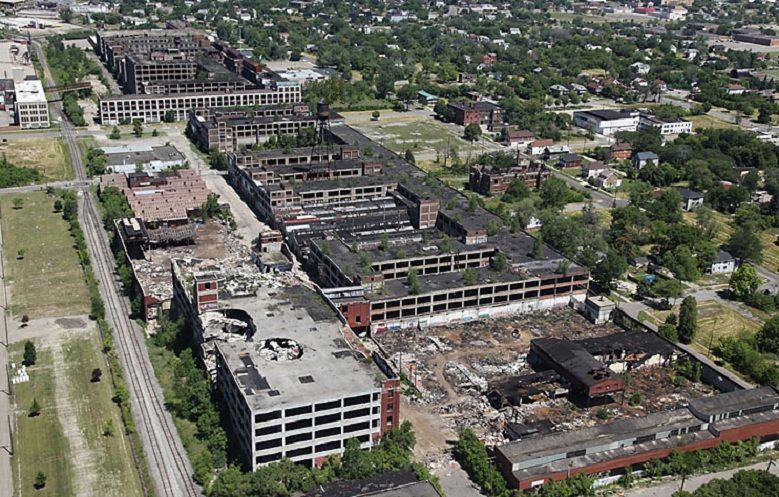 · 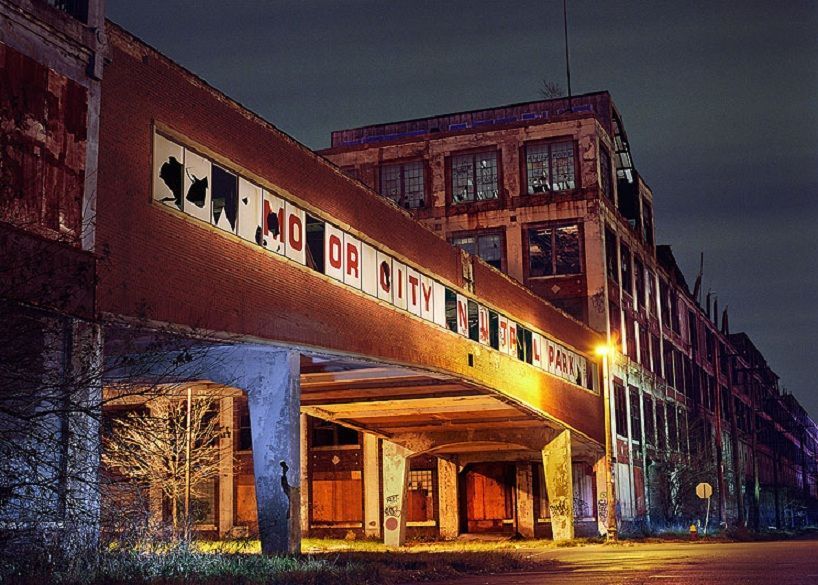 · 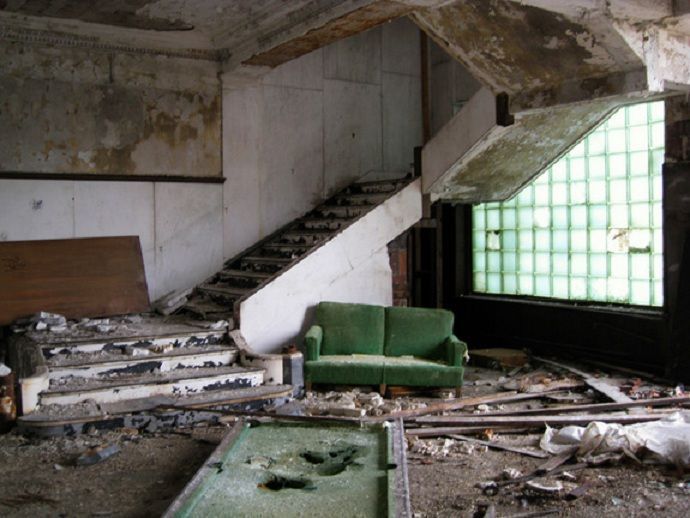 · 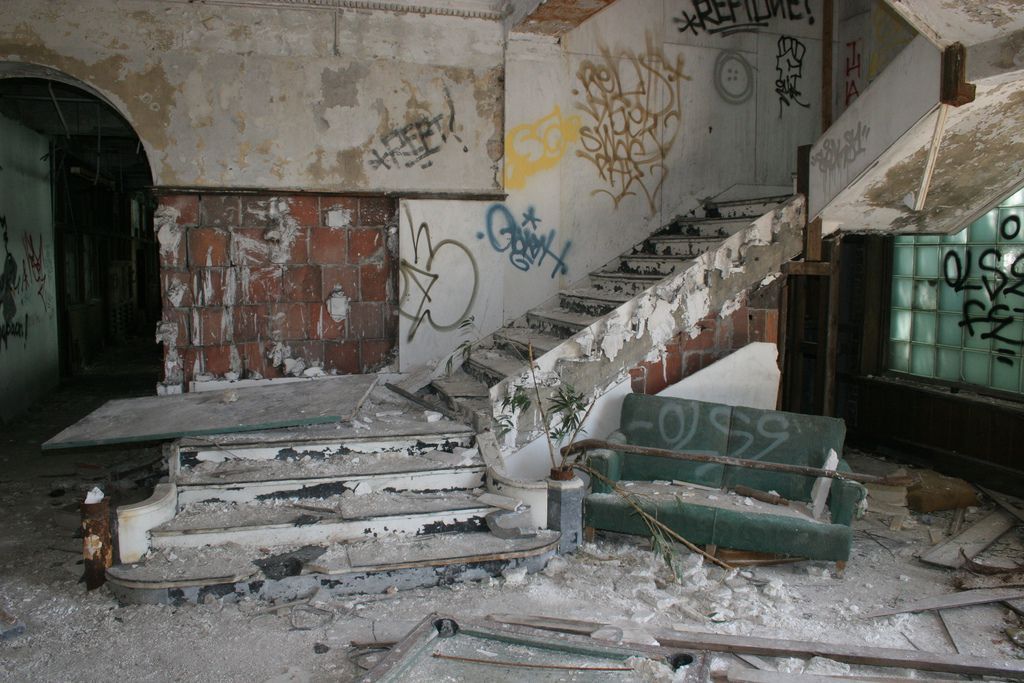 · 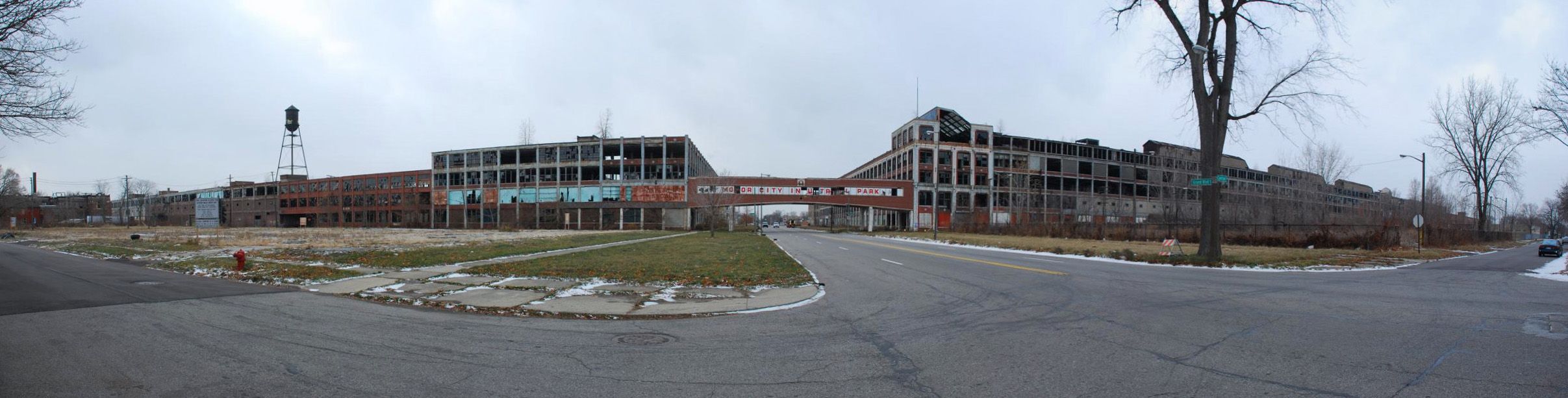 · 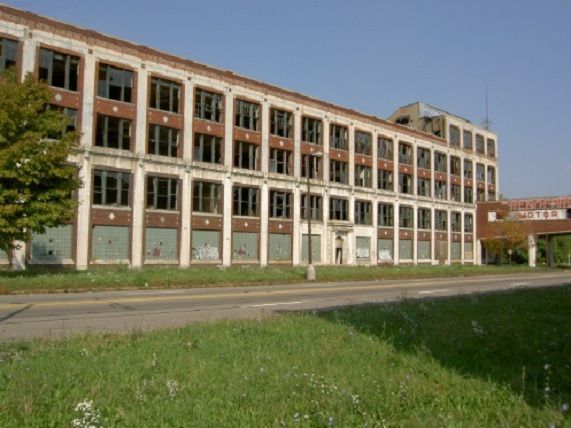 · 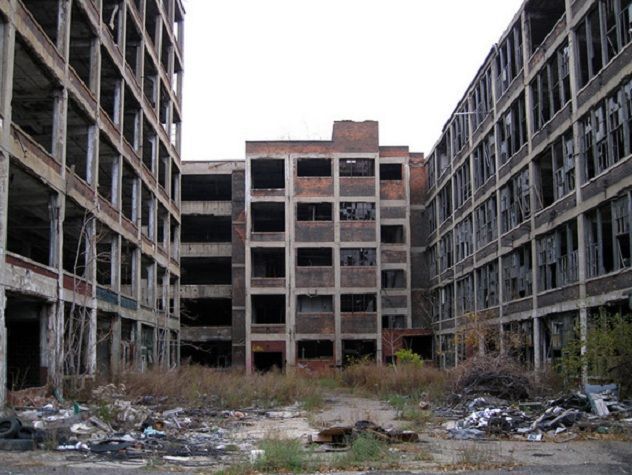 · 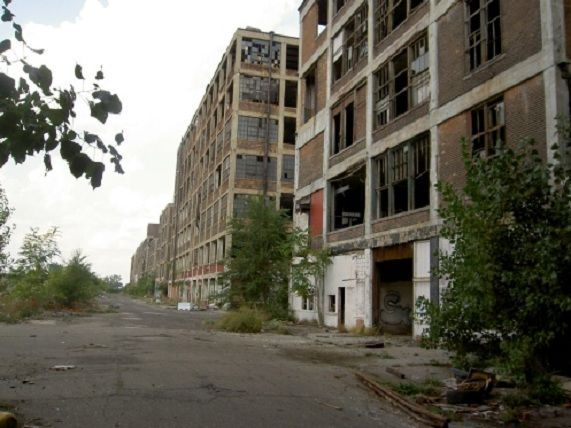 · 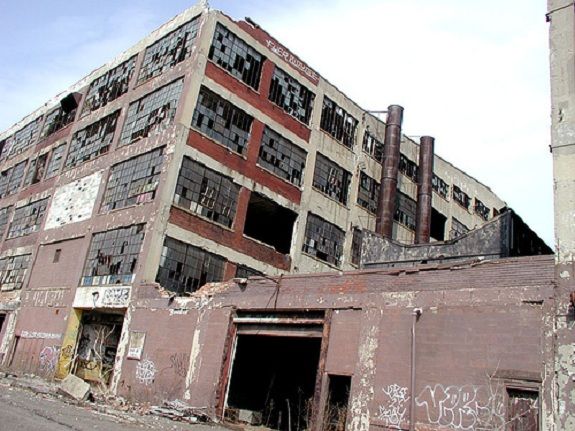 · 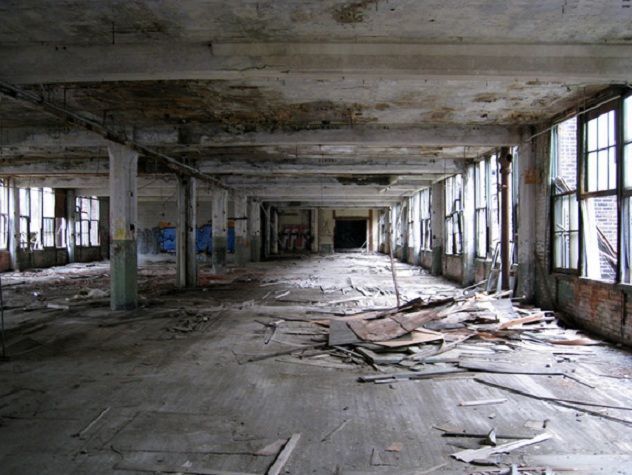 · |
|
#2
●
10-05-2012, 12:17 AM
| ||||||||
| My Rank: MASTER SERGEANT Poster Rank:565 Horny Male Join Date: Jan 2010 Posts: 1,751 Mentioned: 0 Post(s) Quoted: 8 Post(s)
| ||||||||
|
Re: Packard Car Plant!
  ·  ·  ·  ·  ·  ·  ·  ·  ·  ·  · |
|
#3
●
10-05-2012, 12:21 AM
| ||||||||
| My Rank: MASTER SERGEANT Poster Rank:565 Horny Male Join Date: Jan 2010 Posts: 1,751 Mentioned: 0 Post(s) Quoted: 8 Post(s)
| ||||||||
|
Re: Packard Car Plant!
  ·  ·  ·  ·  ·  ·  ·  ·  ·  ·  ·  ·  · |