|
#12
●
07-24-2009, 02:40 AM
| ||||||||
| My Rank: PRIVATE Poster Rank:13316 Join Date: May 2009 Posts: 7 Mentioned: 0 Post(s) Quoted: 1 Post(s)
| ||||||||
|
Re: Formol Preservation.
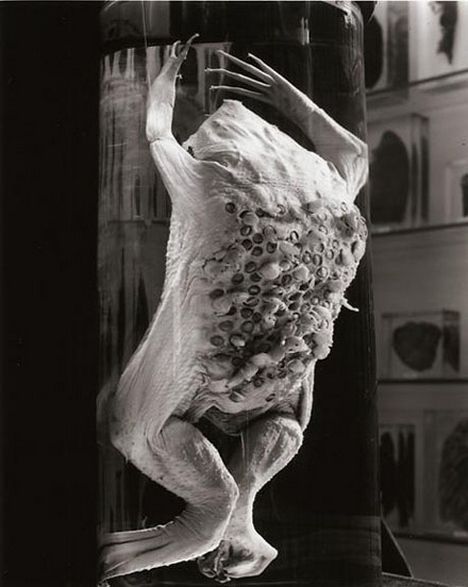
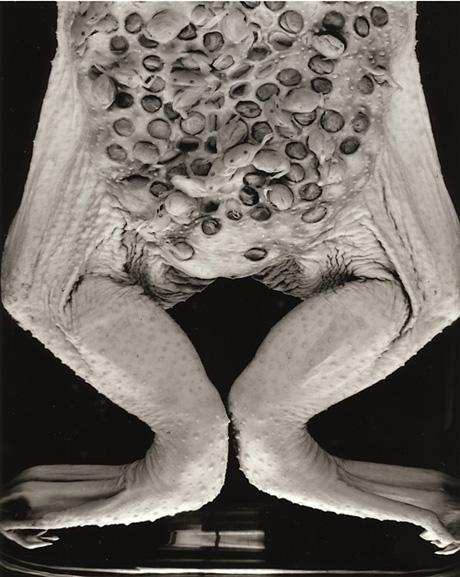
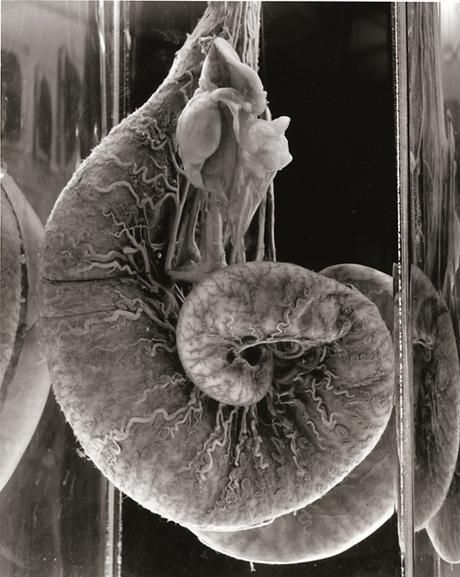
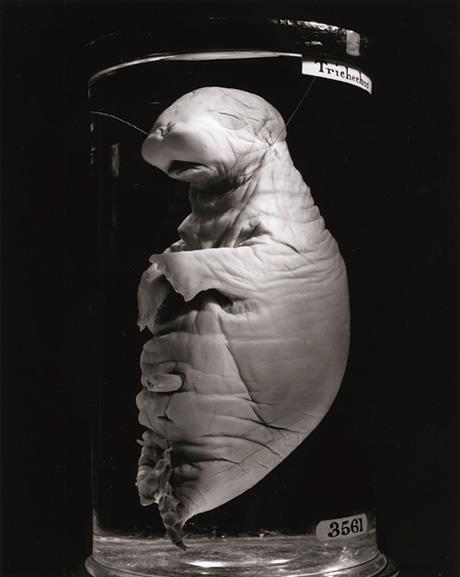
Africian Clawed Frog. The eggs get pressed into the mother's back and they hatch and live in the openings until they are big enough to come out. You can see all the little babies. Weirdness...
|
|
#16
●
08-26-2015, 06:15 PM
| ||||||||
| My Rank: LANCE CORPORAL Poster Rank:2719 Male Join Date: Jun 2009 Posts: 151 Mentioned: 0 Post(s) Quoted: 68 Post(s)
| ||||||||
|
Re: Formol Preservation.
Umm, think it's a called Surinam Toad and found in upper South America. Formalin is a generic name for Formaldehyde mixed with near absolute alcohol and then either acetic,propionic acid, calcium phosphate or other buffers. The Formaldehyde and alcohol will draw out water out of the cells and cause shrinkage. Usually acetic acid is used to balance that out. Different soups for different preserved specimens based on fat content, plant material, and what it will be used for later, i.e. display or used for tests later. Neat subject as well as careful series of alcohols with decreasing water content to carefully dehydrate without disrupting the cellular structure. Especially if it's going to be sectioned as a specimen at some later time embedded in wax. I spent a good part of my grad school years doing this with plant material. |