|
#11
●
07-10-2009, 03:25 PM
| ||||||||
 ★ CUNT ★ Poster Rank:134 Join Date: Jan 2009 Posts: 12,119 Mentioned: 0 Post(s) Quoted: 28 Post(s)
| ||||||||
|
Re: Famous Images
Albert Einstein (1951) Albert Einstein is probably one of the most popular figures of all times. He is considered a genius because he created the Theory of Relativity, and so, challenged Newton's laws, that were the basis of everything known in physics until the beginning of the 20th century. But, as a person, he was considered a beatnik, and this picture, taken on March 14, 1951 proves that. 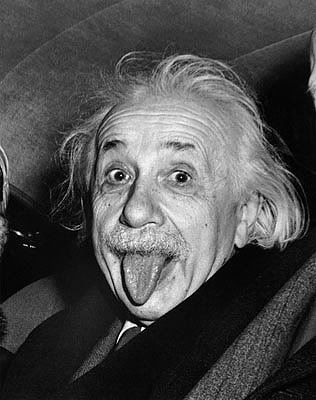 · |
|
#12
●
07-10-2009, 03:27 PM
| ||||||||
| ★ CUNT ★ Poster Rank:134 Join Date: Jan 2009 Posts: 12,119 Mentioned: 0 Post(s) Quoted: 28 Post(s)
| ||||||||
|
Re: Famous Images
Nagasaki (1945) This is the picture of the "mushroom cloud" showing the enormous quantity of energy. The first atomic bomb was released on August 6 in Hiroshima (Japan) and killed about 80,000 people. On August 9 another bomb was released above Nagasaki. The effects of the second bomb were even more devastating - 150,000 people were killed or injured. But the powerful wind, the extremely high temperature and radiation caused enormous long term damage. 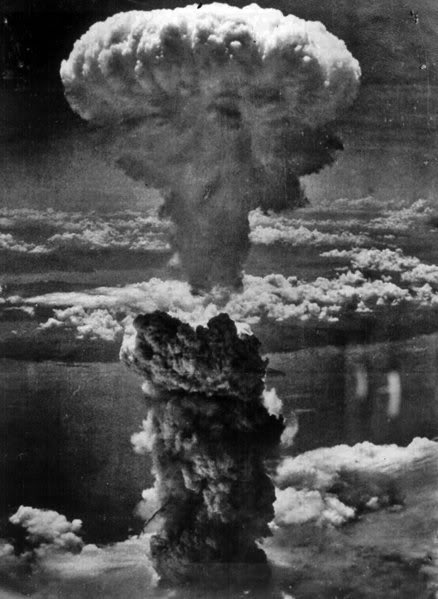 · |
|
#13
●
07-10-2009, 03:31 PM
| ||||||||
| ★ CUNT ★ Poster Rank:134 Join Date: Jan 2009 Posts: 12,119 Mentioned: 0 Post(s) Quoted: 28 Post(s)
| ||||||||
|
Re: Famous Images
Hiroshima, three weeks after the bomb (1945) Americans -- and everyone -- had heard of the bomb that "leveled" Hiroshima, but what did that mean? When the aerial photography was published, that question was answered. 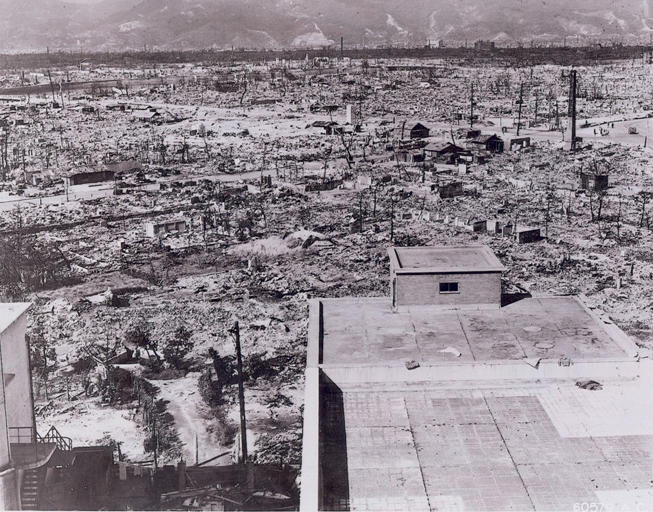 · 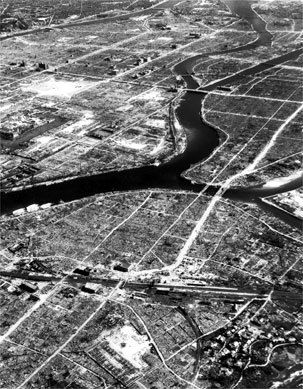 · |
|
#14
●
07-10-2009, 03:33 PM
| ||||||||
| ★ CUNT ★ Poster Rank:134 Join Date: Jan 2009 Posts: 12,119 Mentioned: 0 Post(s) Quoted: 28 Post(s)
| ||||||||
|
Re: Famous Images
Dead On The Beach (1943) Haunting photograph of a beach in Papua New Guinea on September 20, 1943, the magazine felt compelled to ask in an adjacent full-page editorial, "Why print this picture, anyway, of three American boys dead upon an alien shore?" Among the reasons: "words are never enough . . . 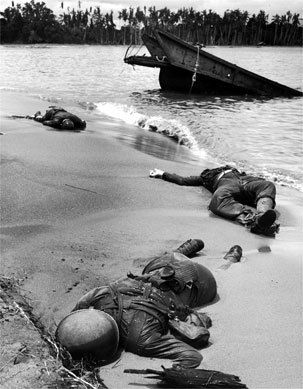 · |
|
#15
●
07-10-2009, 03:36 PM
| ||||||||
| ★ CUNT ★ Poster Rank:134 Join Date: Jan 2009 Posts: 12,119 Mentioned: 0 Post(s) Quoted: 28 Post(s)
| ||||||||
|
Re: Famous Images
Buchenwald (1945) George Patton's troops when they liberated the Buchenwald concentration camp. Forty-three thousand people had been murdered there. Patton was so outraged he ordered his men to march German civilians through the camp so they could see with their own eyes what their nation had wrought. 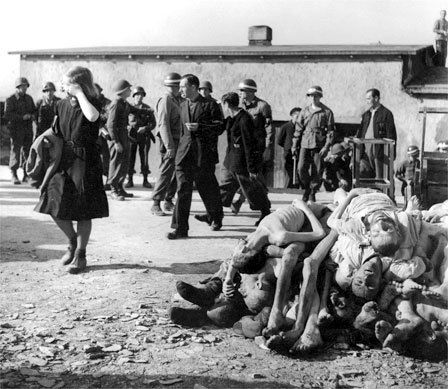 · |
|
#16
●
07-10-2009, 03:37 PM
| ||||||||
| ★ CUNT ★ Poster Rank:134 Join Date: Jan 2009 Posts: 12,119 Mentioned: 0 Post(s) Quoted: 28 Post(s)
| ||||||||
|
Re: Famous Images
Anne Frank (1941) Six million Jews died in the Holocaust. For many throughout the world, one teenage girl gave them a story and a face. She was Anne Frank, the adolescent who, according to her diary, retained her hope and humanity as she hid with her family in an Amsterdam attic. In 1944 the Nazis, acting on a tip, arrested the Franks; Anne and her sister died of typhus at Bergen-Belsen only a month before the camp was liberated. The world came to know her through her words and through this ordinary portrait of a girl of 14. She stares with big eyes, wearing an enigmatic expression, gazing at a future that the viewer knows will never come. 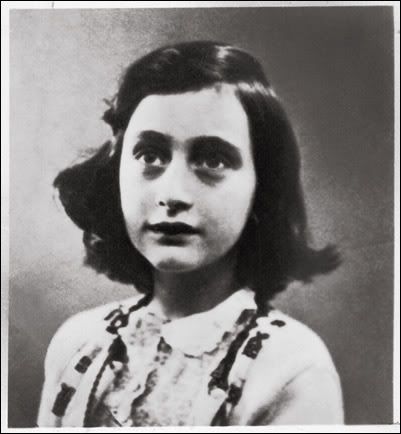 · |
|
#17
●
07-10-2009, 03:40 PM
| ||||||||
| ★ CUNT ★ Poster Rank:134 Join Date: Jan 2009 Posts: 12,119 Mentioned: 0 Post(s) Quoted: 28 Post(s)
| ||||||||
|
Re: Famous Images
V-J Day, Times Square (1945) or "The Kiss", at the end of World War II, in US cities everybody went to the streets to salute the end of combat. Friendship and unity were everywhere. This picture shows a sailor kissing a young nurse in Times Square. The fact is he was kissing every girl he encountered and for that kiss, this particular nurse slapped him. 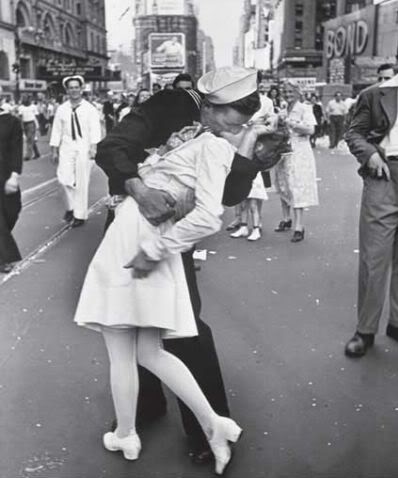 · |
|
#18
●
07-10-2009, 03:42 PM
| ||||||||
| ★ CUNT ★ Poster Rank:134 Join Date: Jan 2009 Posts: 12,119 Mentioned: 0 Post(s) Quoted: 28 Post(s)
| ||||||||
|
Re: Famous Images
Casualties of War (1991) Image of a young US sergeant at the moment he learns that the body bag next to him contains the body of his friend, killed by "friendly fire". The widely published photo became an iconic image of the 1991 Gulf war - a war in which media access was limited by Pentagon restrictions. 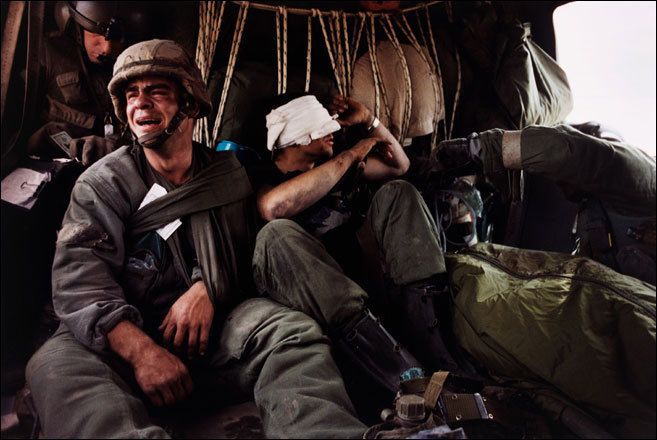 · |
|
#19
●
07-10-2009, 03:44 PM
| ||||||||
| ★ CUNT ★ Poster Rank:134 Join Date: Jan 2009 Posts: 12,119 Mentioned: 0 Post(s) Quoted: 28 Post(s)
| ||||||||
|
Re: Famous Images
The Falling Man (2001) The powerful and controversial photograph provoked feelings of anger, particularly in the United States, in the immediate aftermath of the September 11 attacks. The photo ran only once in many American newspapers because they received critical and angry letters from readers who felt the photo was exploitative, voyeuristic, and disrespectful of the dead. This led to the media's self-censorship of the photograph, preferring instead to print photos of acts of heroism and sacrifice. Drew commented about the varying reactions, saying, "This is how it affected people's lives at that time, and I think that is why it's an important picture. I didn't capture this person's death. I captured part of his life. This is what he decided to do, and I think I preserved that."9/11: The Falling Man ends suggesting that this picture was not a matter of the identity behind the man, but how he symbolized the events of 9/11. 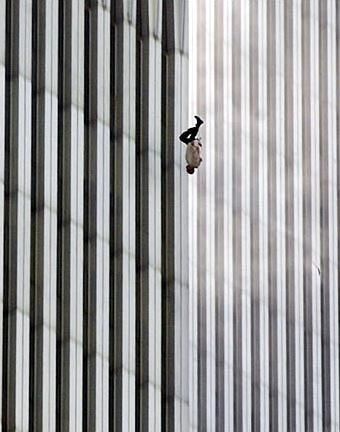 · |
|
#20
●
07-10-2009, 03:50 PM
| ||||||||
| ★ CUNT ★ Poster Rank:134 Join Date: Jan 2009 Posts: 12,119 Mentioned: 0 Post(s) Quoted: 28 Post(s)
| ||||||||
|
Re: Famous Images
U.S. Marines Raising The Flag On Iwo Jima (1945) Raising the Flag on Iwo Jima is a historic photograph taken on February 23, 1945, by Joe Rosenthal. It depicts five United States Marines and a U.S. Navy corpsman raising the flag of the United States atop Mount Suribachi during the Battle of Iwo Jima in World War II. The photograph was extremely popular, being reprinted in thousands of publications. Later, it became the only photograph to win the Pulitzer Prize for Photography in the same year as its publication, and ultimately came to be regarded as one of the most significant and recognizable images of the war, and possibly the most reproduced photograph of all times. 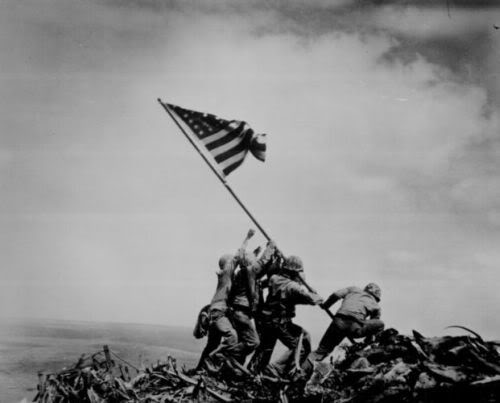 · |