for more threads like this one :
http://www.documentingreality.com/fo...me-line-45276/
Also see :
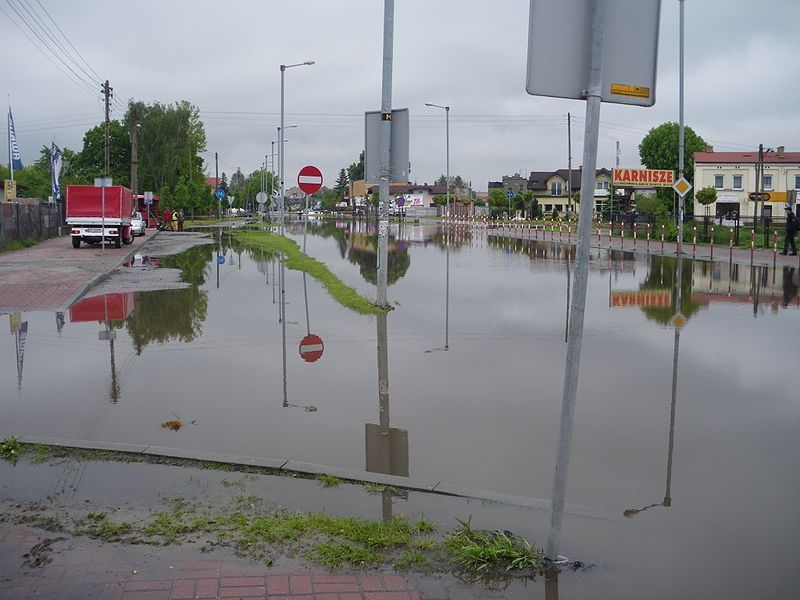
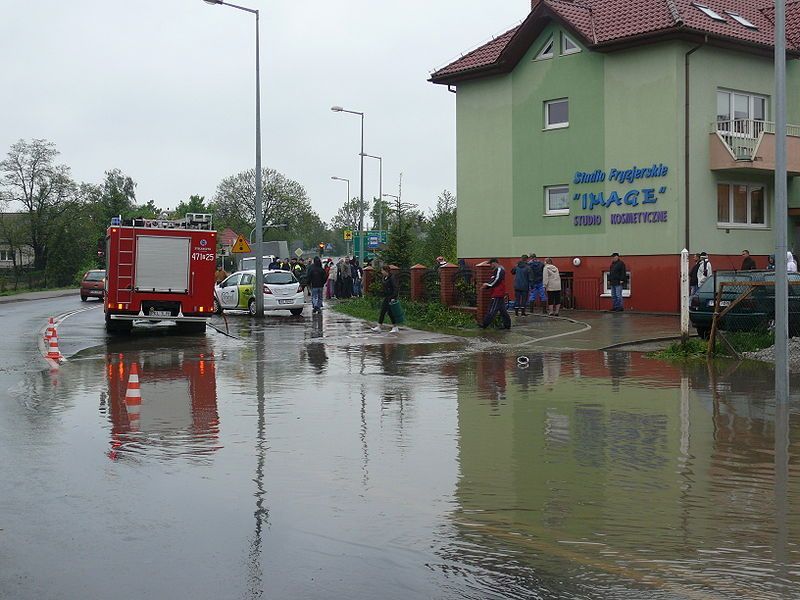
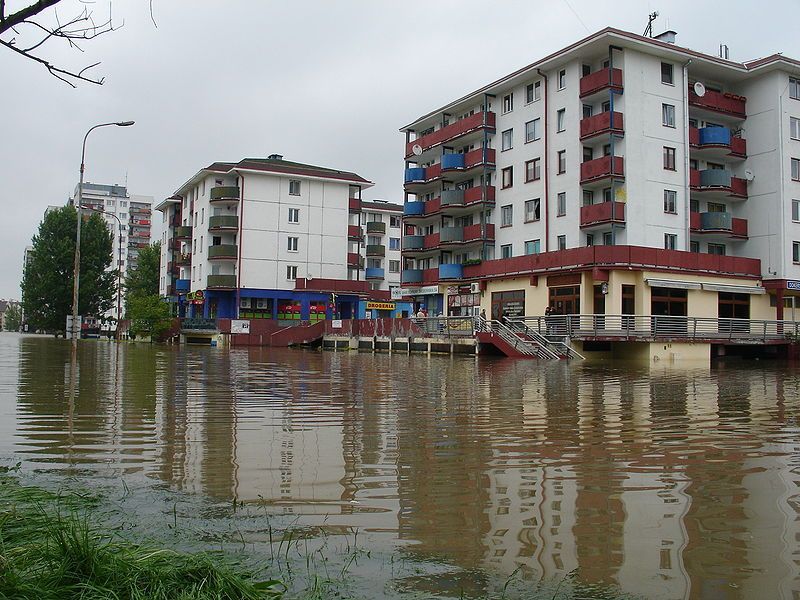
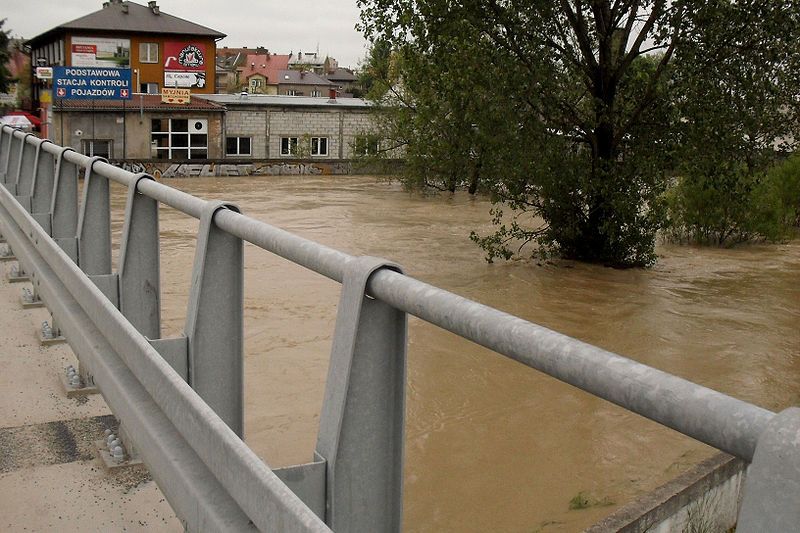
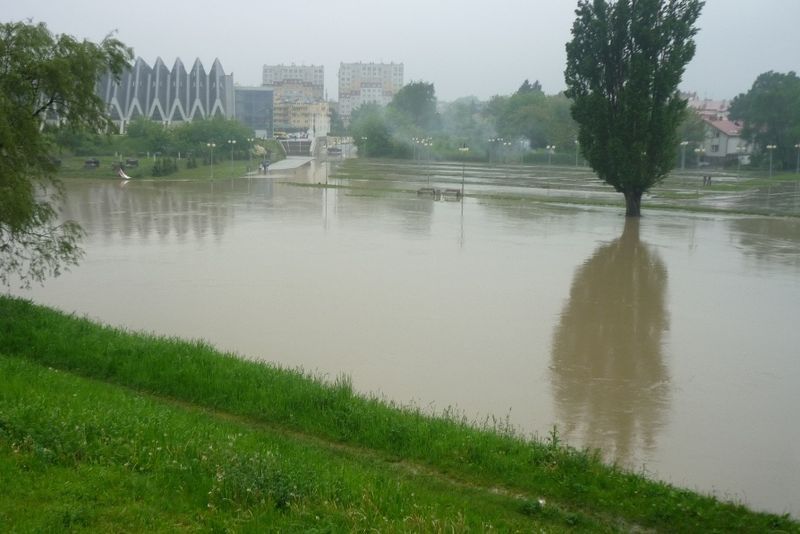
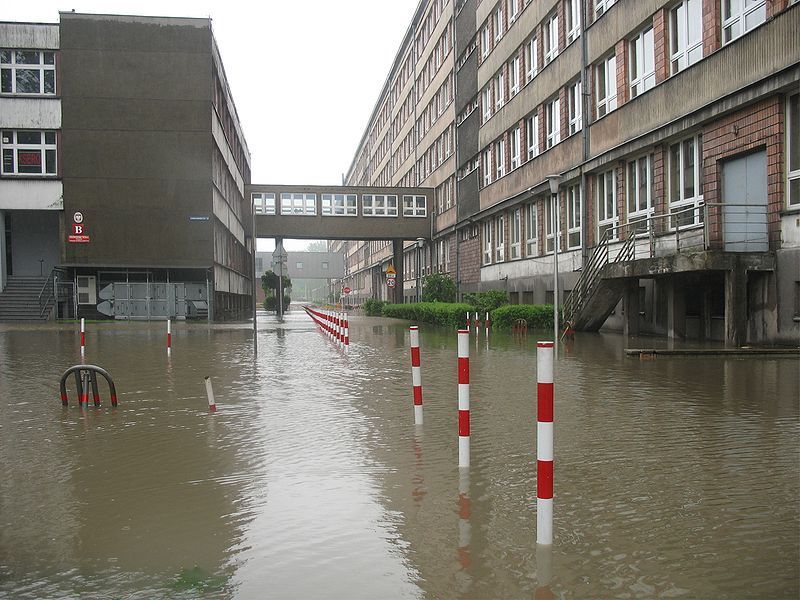
http://www.documentingreality.com/fo...-2010-a-54472/ The May 2010 Central European floods was a particularly devastating series of weather events which occurred across several Central European countries in May 2010. Poland was the worst affected. Austria, Czech Republic, Germany, Hungary, Slovakia, Serbia and Ukraine were also affected.
At least eighteen people died in the floods and approximately 23,000 people were evacuated. The city of Kraków declared a state of emergency.
The floods forced the closure and relocation of items from the Auschwitz concentration camp museum. On 20 May, aid began arriving to Poland from several European Union countries.
Damage
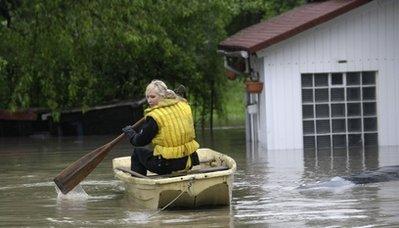
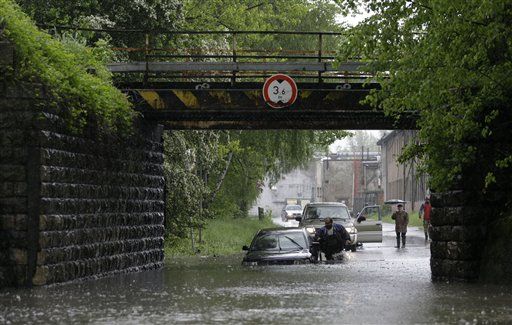
The floods caused the death of at least fifteen people. Approximately 23,000 people were evacuated and the estimated economic cost was 2.5 billion euros. Poland's Prime Minister Donald Tusk informed the Sejm that ongoing flooding was "the worst natural disaster in the nation's history ... without precedent in the past 160 years". Germany, Slovakia, Czech Republic and Hungary were also affected.
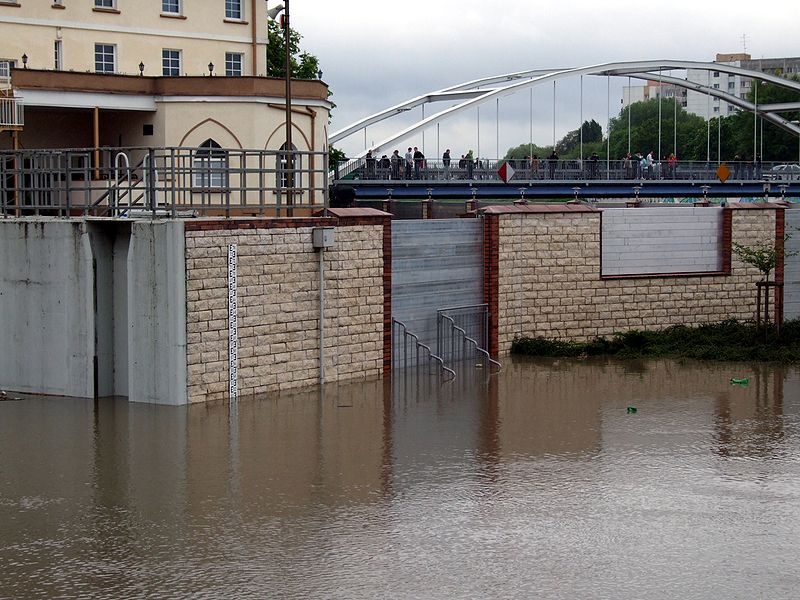
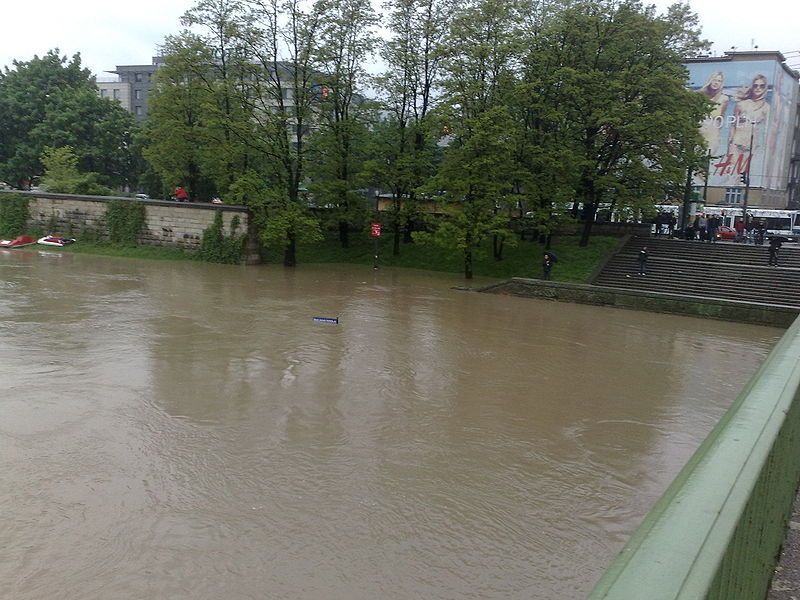
Two months worth of rain poured down over one twenty-four hour period. In the Czech Republic, the heaviest rain for eight years was reported.The floods forced the closure of the Auschwitz-Birkenau State Museum. Museum staff relocated important artifacts to higher ground as floodwaters approached. Kraków, a popular attraction with tourists, announced a state of emergency. On 18 May, due to the high level reached by the Vistula river in Kraków the Dębnicki bridge, located in the center of the city, was closed. The Nowohucki bridge was also closed.
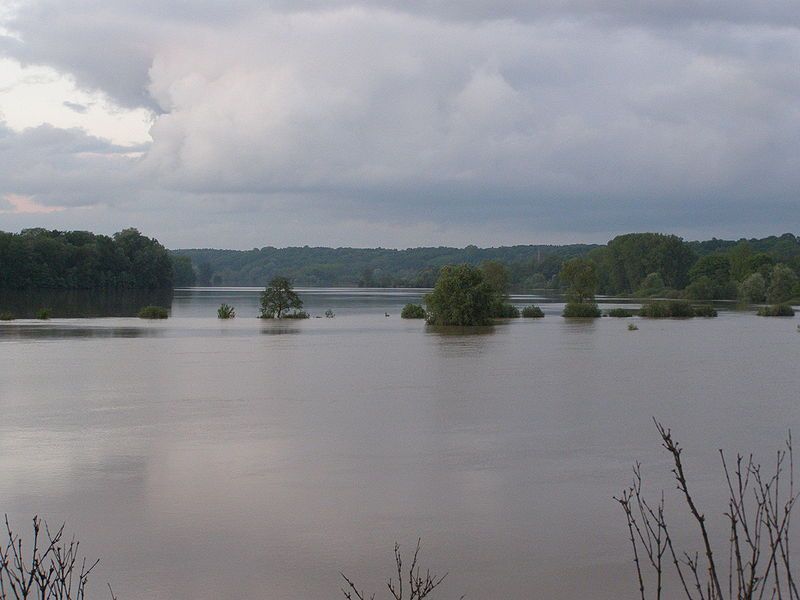
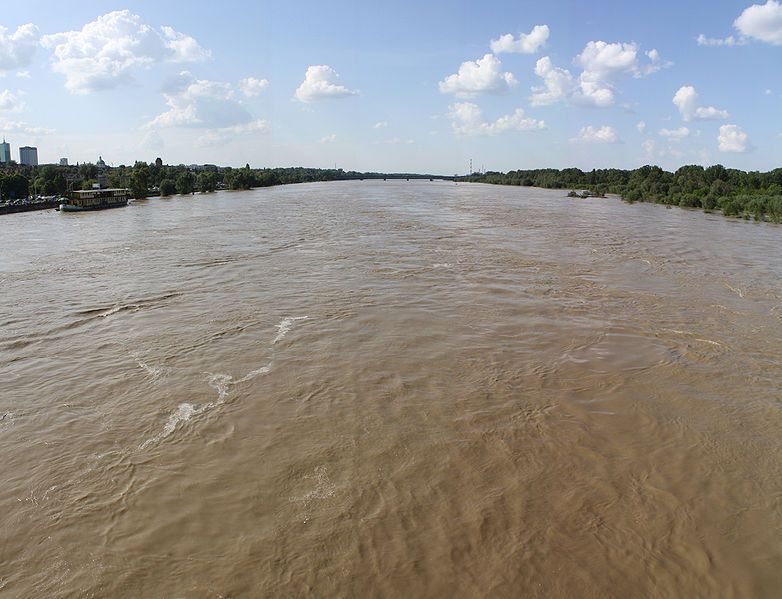
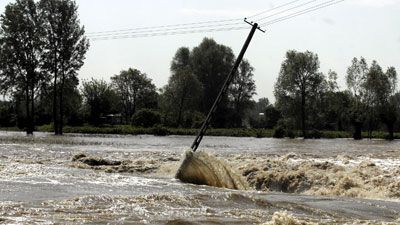
The flooding lasted for a number of days, and escalated on 20 May when the Vistula River broke its banks and spilt into the town of Sandomierz. This caused residents to be stranded in their homes while power outages affected telecommunication. The Vistula basin had its last major flood in 1997 but is not considered as bad as the current flooding.
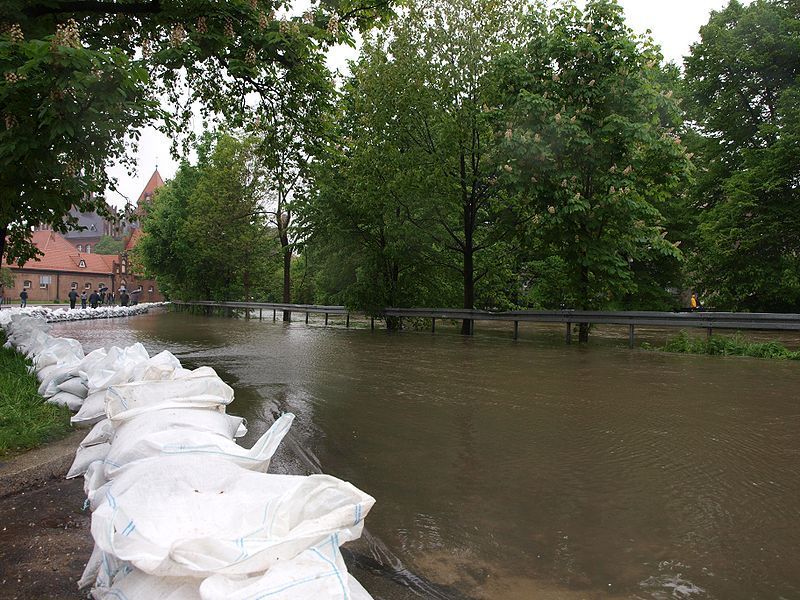
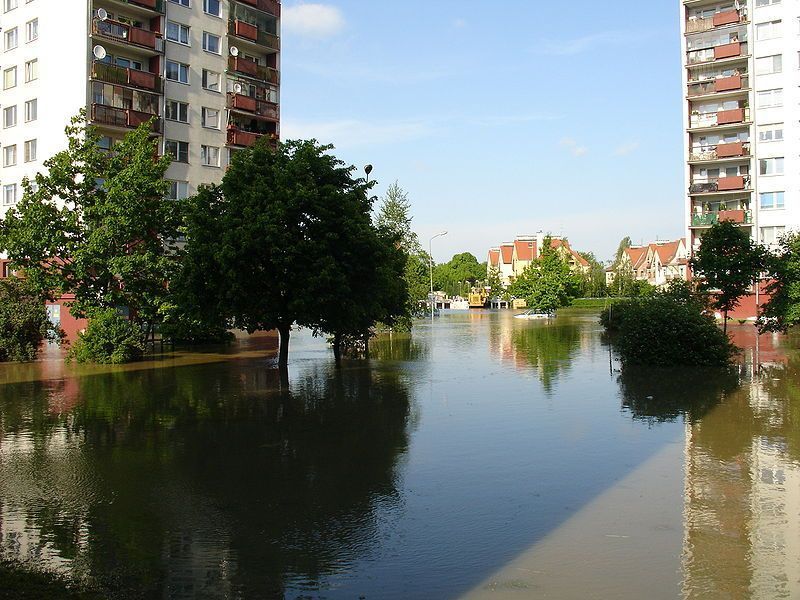
The flood alert was also declared in Wrocław where the level of the Oder river on 22 May reached 665cm in Trestno. The housing estate district Kozanów in Wrocław was flooded after a temporary anti-flood sandbag wall was broken.
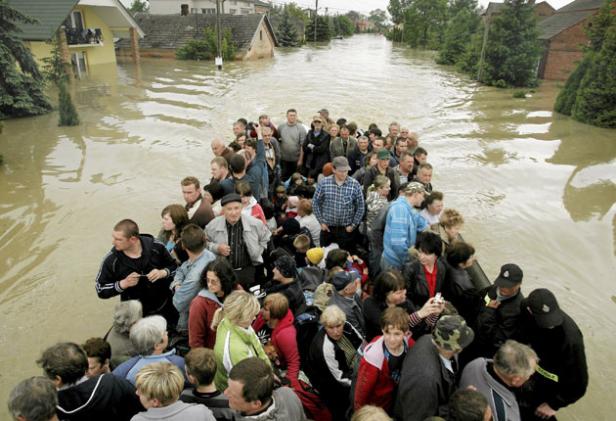
On Sunday 23 May the Wisła river broke a retaining wall and flooded Świniary near Płock, and other near villages like Szady, Wiączemin Polski, Nowy Wiączemin and Nowosiodło. In total 22 villages in the Płock area have been either flooded or are facing imminent flooding. Around 4,000 people and 5,000 animals are being evacuated with many more facing a similar fate. In Płock the street Gmury was flooded.
In the Lublin Voivodeship the river Chodelka flooded in the Gmina Wilków and 800 people had to be evacuated. 23 villages in the area are already flooded with 4-5 meters of water and the situation continues to worsen through Sunday 23.
Numerous other places in Poland are flooded too.
Recovery
Poland asked for assistance from other European Union nations. They came to the rescue from 20 May onwards, with France, Germany, Lithuania, Latvia and Estonia, as well as the Czech Republic, despite that country being affected by the floods too.
Fatalities
On 17 May, the death toll reached five people. Four of these were in Poland and included a fireman. The other, an elderly woman, was in the Czech Republic when she drowned.
On 21 May, the death toll in Poland had reached at least nine people with the whereabouts of three others being unknown. On 24 May the death toll in Poland was 15 confirmed dead.
Source : wikipedia