|
#1
●
03-03-2009, 12:19 AM
| ||||||||
 ★ Legacy Member ★ Poster Rank:358 Join Date: Feb 2009 Posts: 3,404 Mentioned: 3 Post(s) Quoted: 74 Post(s)
| ||||||||
|
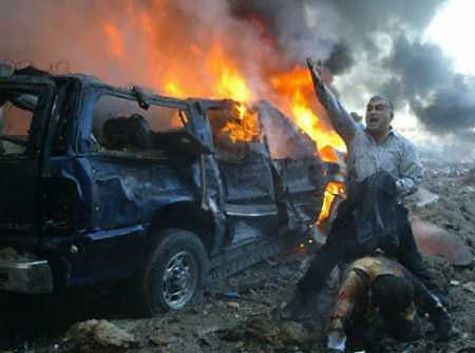
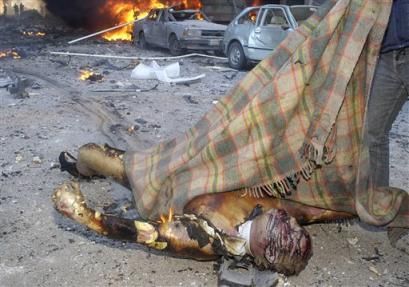
Footage Captured From The Assassination of Rafik Hariri
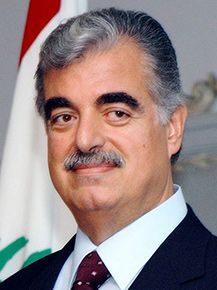
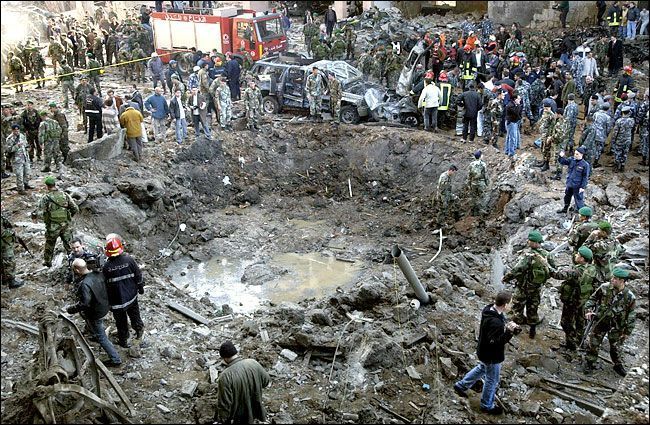
Rafik Bahaa El Deen Al-Hariri, was a self-made billionaire and business tycoon, was Prime Minister of Lebanon from 1992 to 1998 and again from 2000 until his resignation, 20 October 2004. On 14 February 2005 Hariri was killed, along with 21 others, when explosives equivalent of around 1,000 kg of TNT were detonated as his motorcade drove near the St. George Hotel in Beirut. Among the dead were several of Hariri's bodyguards and his friend and former Minister of the Economy Bassel Fleihan. Rafiq Hariri was buried along with his bodyguards, who died in the bombing, in a location near Mohammad Al-Amin Mosque. The latest progress report by Brammertz has indicated that DNA evidence collected from the crime scene suggests that the assassination might be the act of a young male suicide bomber. |
|
#2
●
03-03-2009, 12:48 AM
| ||||||||
 ✖ The Antique Christ ✖ Poster Rank:105 Gonzo Punk Join Date: Jan 2009 Posts: 15,488
Contributions: 58
Mentioned: 23 Post(s) Quoted: 2046 Post(s)
| ||||||||
|
Re: Footage Captured From The Assassination of Rafik Hariri
That's one hell of a crater. The bomber was packing some serious shit wasn't he? Good post.  Edit: There's no video showing. |
|
#4
●
03-03-2009, 01:24 AM
| ||||||||
| ✖ The Antique Christ ✖ Poster Rank:105 Gonzo Punk Join Date: Jan 2009 Posts: 15,488
Contributions: 58
Mentioned: 23 Post(s) Quoted: 2046 Post(s)
| ||||||||
|
Re: Footage Captured From The Assassination of Rafik Hariri
I don't know but you should check the link itself. It doesn't look right.
|
|
#8
●
07-04-2009, 08:59 AM
| ||||||||
 So Fucking Banned Poster Rank:380 Male Join Date: May 2009 Posts: 3,101 Mentioned: 0 Post(s) Quoted: 0 Post(s)
| ||||||||
|
Re: Footage Captured From The Assassination of Rafik Hariri
I'm not suprised it took DNA evidence to figure out it might have been a suicide bomber. Bet there was nothing left of him.
|