|
#1
●
09-11-2022, 02:47 PM
| ||||||||
 NOT THE BOSS Poster Rank:31 ᴀᴅᴍɪɴɪᴤᴛʀᴀᴛᴏʀ Join Date: May 2013 Posts: 47,742
Contributions: 79
Mentioned: 19 Post(s) Quoted: 4195 Post(s)
| ||||||||
|
1973 Chilean Coup D'état - Mapocho River Bodies & Short Clip
The 1973 Chilean coup d'état, a watershed moment in both Chilean and Cold War history, occurred on September 11, 1973. This event led to the overthrow of the democratically elected president Salvador Allende and marked the beginning of the military dictatorship under General Augusto Pinochet. The coup was the culmination of a prolonged period of social and political unrest in Chile, involving economic strife, widespread protests, and political polarization. Salvador Allende, the first Marxist to become president of a Latin American country through open elections, was elected in 1970. His presidency was marked by radical reforms under his socialist agenda, including nationalization of industries, land reform, and efforts to redistribute wealth and power in Chilean society. These policies, while popular among his supporters, faced fierce opposition from domestic right-wing elements and the United States, which was vehemently opposed to a Marxist government in the Western Hemisphere during the Cold War era. The coup was led by a military junta, headed by Army Chief Augusto Pinochet. On the morning of September 11, the Chilean military launched a coordinated attack on Santiago, including an assault on the Presidential Palace, La Moneda. President Allende famously delivered his last radio broadcast to the nation during this attack, before reportedly committing suicide as the coup forces closed in. Following the coup, General Augusto Pinochet assumed power, establishing a military dictatorship that lasted until 1990. The Pinochet regime was characterized by systematic suppression of political opposition, censorship, and human rights abuses, including the torture, disappearance, and murder of thousands of political opponents. The regime's human rights violations have been well-documented, leading to ongoing legal and social repercussions in Chile and internationally. The United States' role in the coup, particularly the involvement of the CIA, has been a subject of considerable controversy. Declassified documents have shown that the U.S. government worked covertly to destabilize the Allende government and supported the coup plotters, motivated by the aim to eliminate a Marxist regime in the region. There have been conferences, book launches, plays, photo exhibits, documentaries and performances. Over the weekend, human rights activists hung banners on several of the capital’s bridges over the Mapocho River, where dozens of victims’ bodies were dumped in the first few months after the coup, and have painted murals along the river bank. One of the banners reads, “Where are the disappeared?” 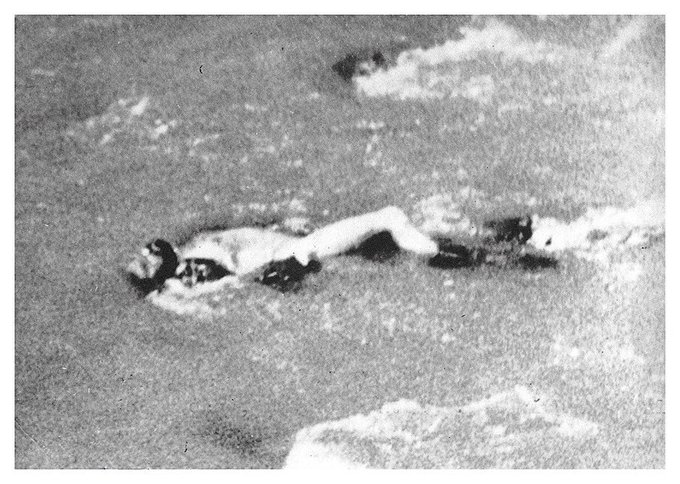 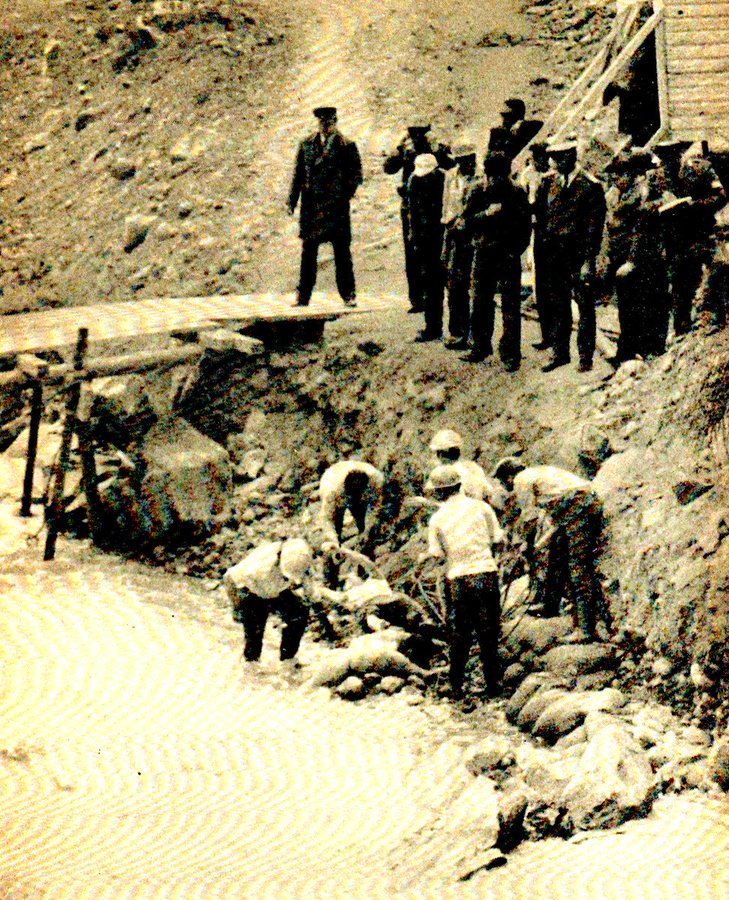 |
|
#2
●
09-12-2022, 09:31 PM
| ||||||||
 ★ Legacy Member ★ Poster Rank:1196 XY Join Date: Aug 2011 Posts: 528 Mentioned: 3 Post(s) Quoted: 192 Post(s)
| ||||||||
|
Re: 1973 Chilean Coup D'état - Mapocho River Bodies & Short Clip
Good shit, Susan. Congrats on your promotion and appreciate the quality content including the Meghan Markle avatar. She is smoking hot.
|
|
#3
●
10-14-2022, 04:37 PM
| ||||||||
 ♚ Legacy Gold Member ♚ Poster Rank:644 Woman Join Date: Apr 2011 Posts: 1,354 Mentioned: 3 Post(s) Quoted: 142 Post(s)
| ||||||||
|
Re: 1973 Chilean Coup D'état - Mapocho River Bodies & Short Clip
Holy hell, I have never even heard of this! Gonna go find some more info on it. I like these dark past cases. Thanks for the post!
|