|
#1
●
01-01-2014, 09:41 AM
| ||||||||
 My Rank: MAJOR Poster Rank:12 Join Date: Jun 2009 Posts: 93,128
Contributions: 226
Mentioned: 91 Post(s) Quoted: 2009 Post(s)
| ||||||||
|
Post Mortem Photography
Dressed in his Sunday best, a Victorian gentleman with a faraway look in his eyes sits in a chair while his photograph is taken. But if his posture seems rather unnatural, it is for good reason. He is dead. These remarkable pictures show the morbid way that the deceased were remembered in the late 19th century. 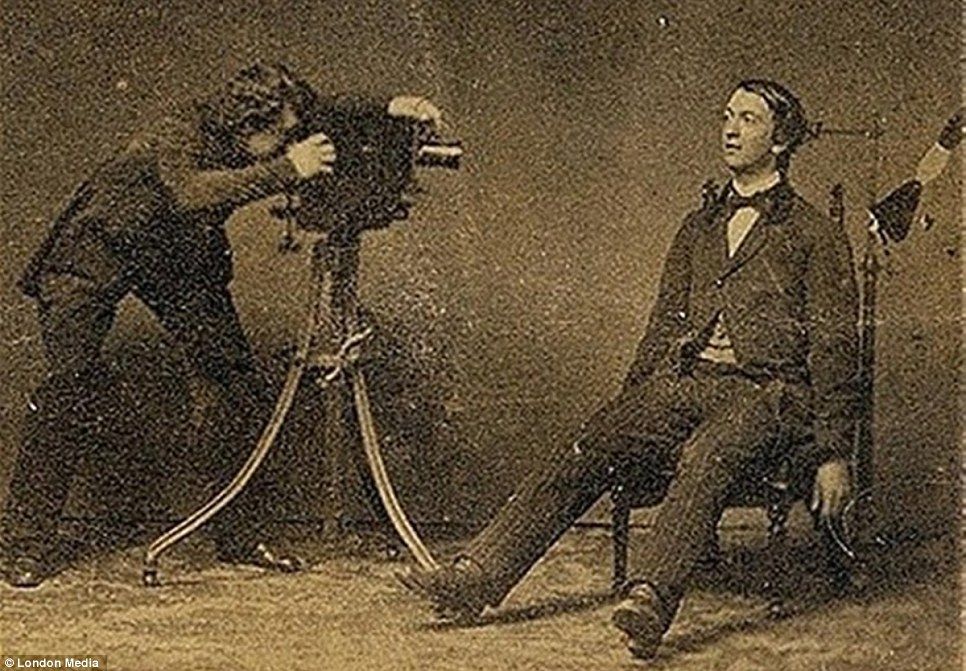 Known as post-mortem photography, Victorians had pictures taken of the recently deceased - sometimes staged to look as if they were still alive. 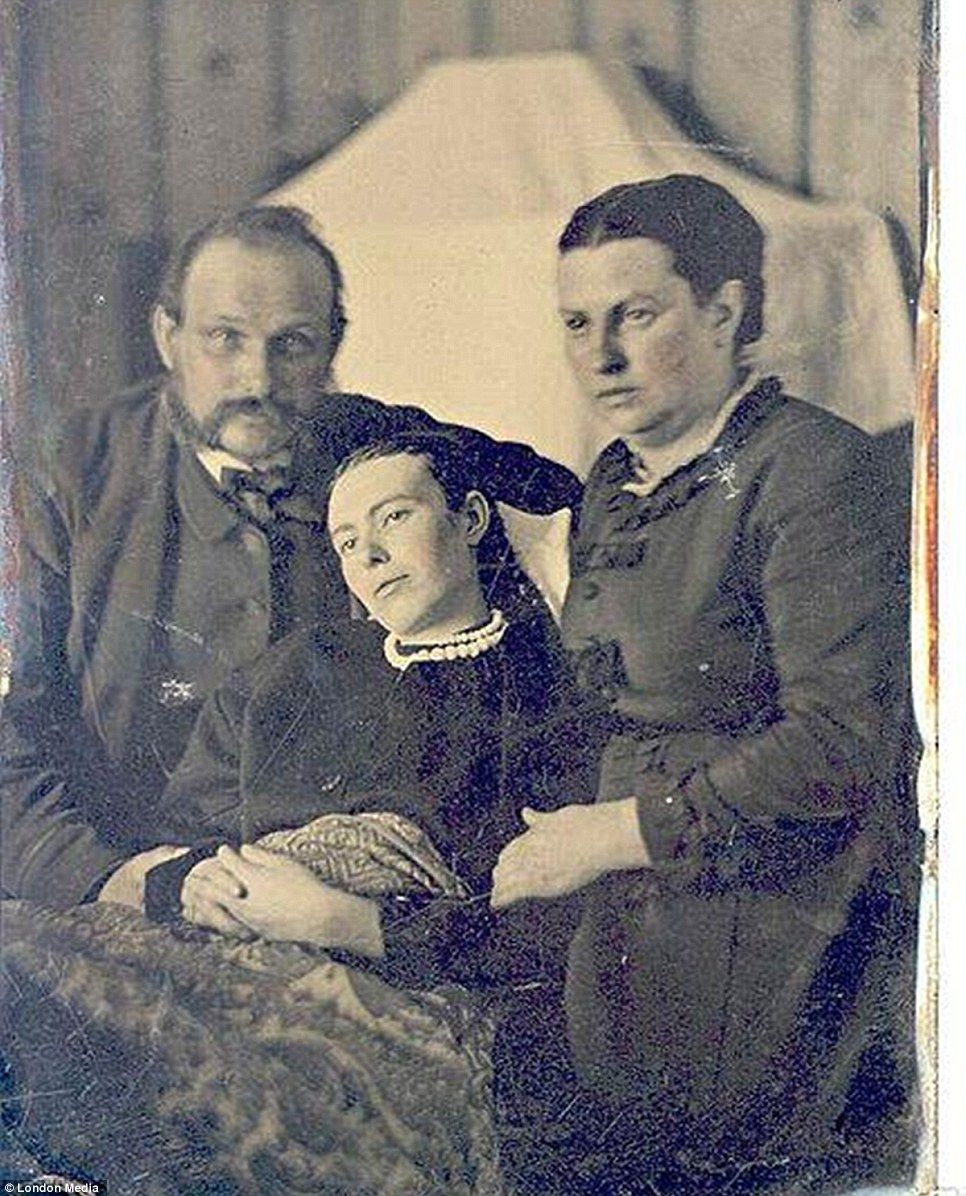 Children were often shown in repose on a couch or in a crib. 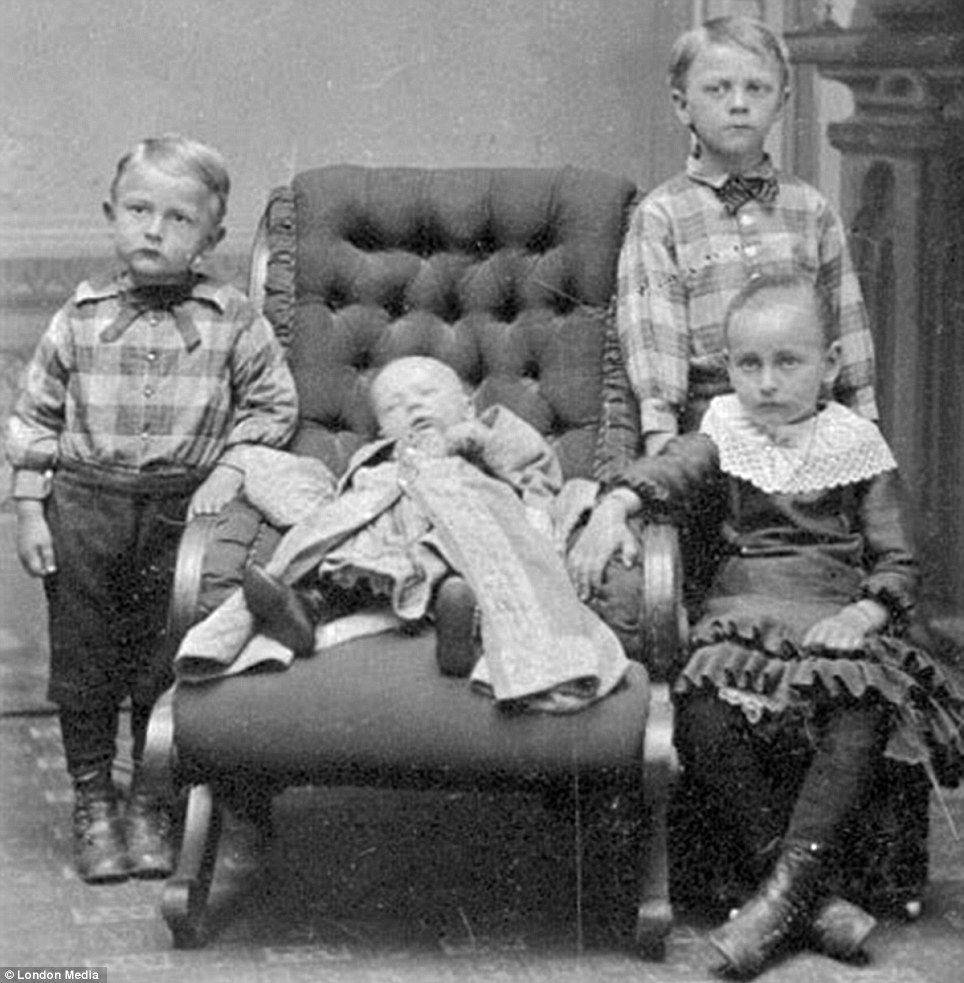 The invention of the daguerreotype - the earliest photographic process - in 1839 brought portraiture to the masses. It was far cheaper and quicker than commissioning a painted portrait and it enabled the middle classes to have an affordable, cherished keepsake of their dead family members. Known as post-mortem photography, some of the dearly departed were photographed in their coffin. This particular style, often accompanied by funeral attendees, was common in Europe but less so in the United States. However, in others, they were made to look like they were in a deep sleep or even life-like as they were positioned next to family members. It was an age of high infant mortality rates - and children were often shown in repose on a couch or in a crib, while adults were more commonly posed in chairs. 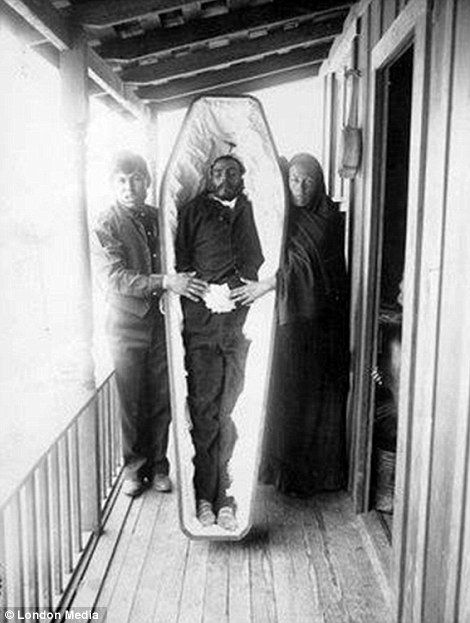 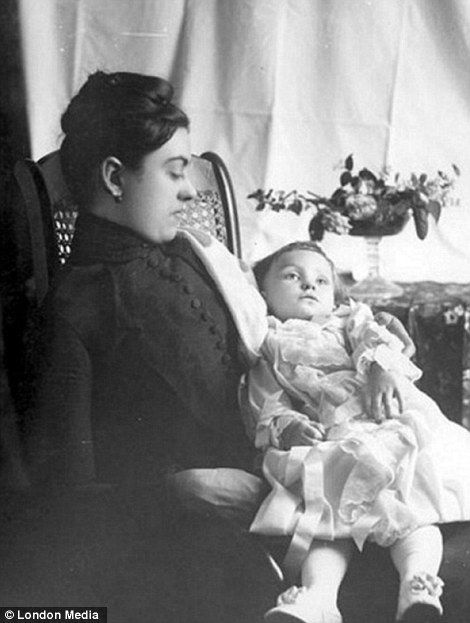 Sometimes the subject's eyes were propped open or the pupils were painted onto the print to give the effect they were alive. In early images, a rosy tint was added to the cheeks of corpses. By the early 20th century, the practice fell out of fashion as photos became more commonplace with the arrival of the snapshot. The images were uploaded to photo sharing website Reddit. 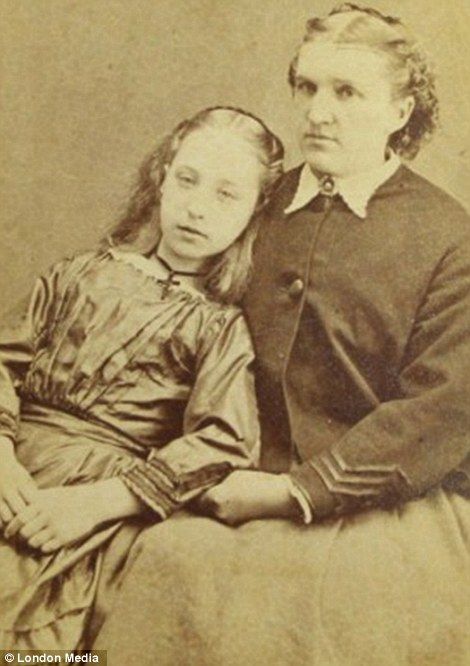 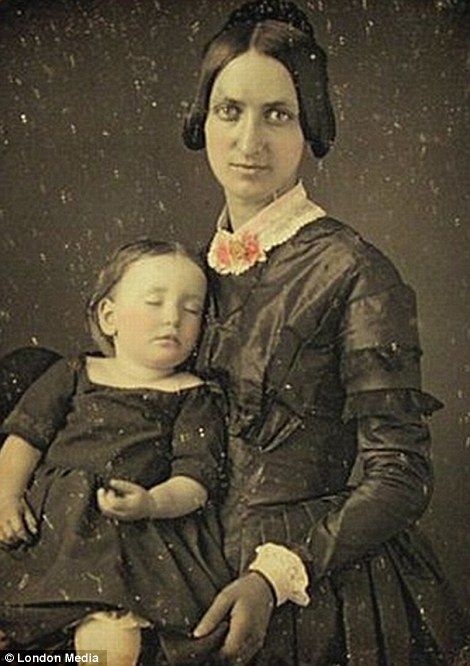 |
|
#4
●
01-03-2014, 08:29 AM
| ||||||||
 My Rank: PRIVATE FIRST CLASS Poster Rank:3861 female Join Date: Jul 2011 Posts: 84 Mentioned: 0 Post(s) Quoted: 1 Post(s)
| ||||||||
|
Re: Post Mortem Photography
I own all three sleeping beauty books by the Burns Archive and I am a collector. I feel drawn to these pictures. They are beautiful. I have many I could post........here are a few 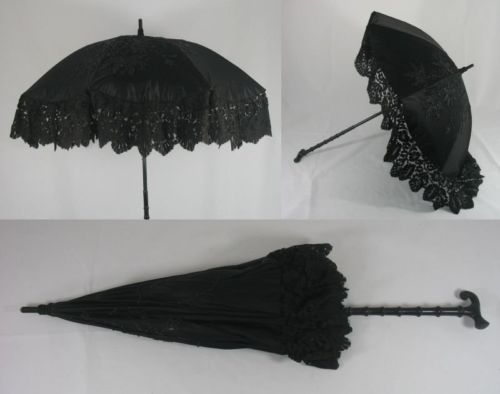 · 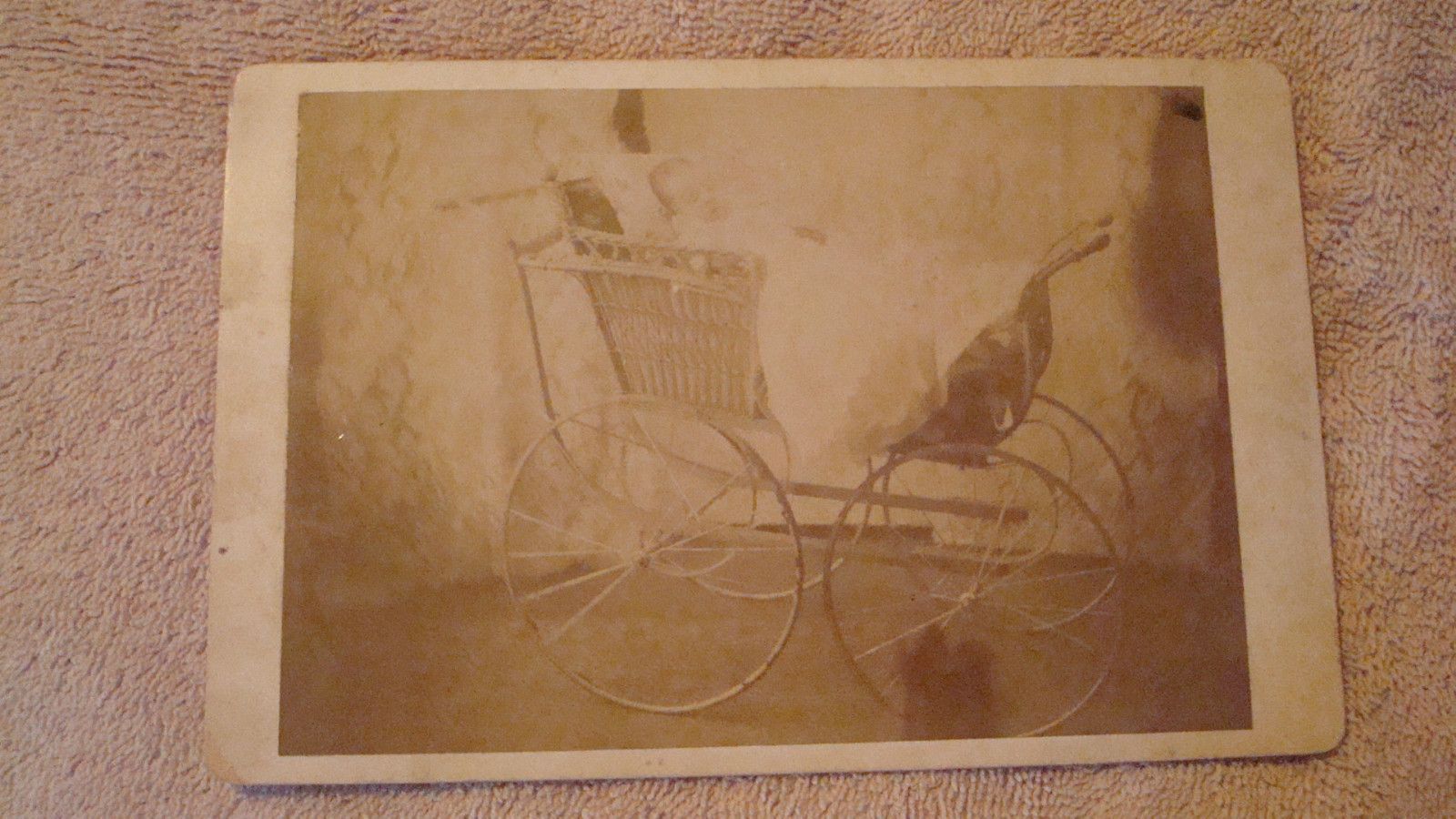 · 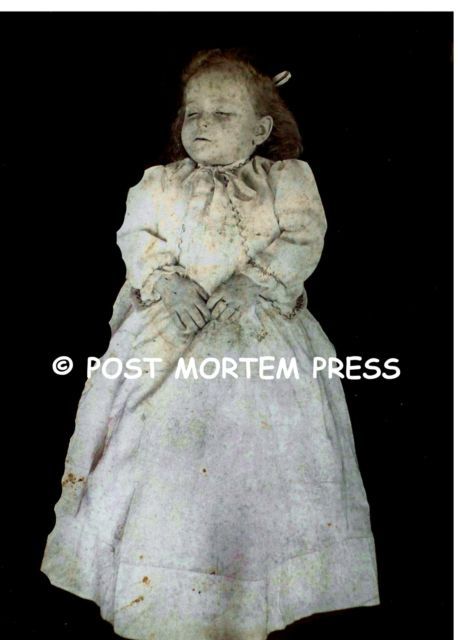 · 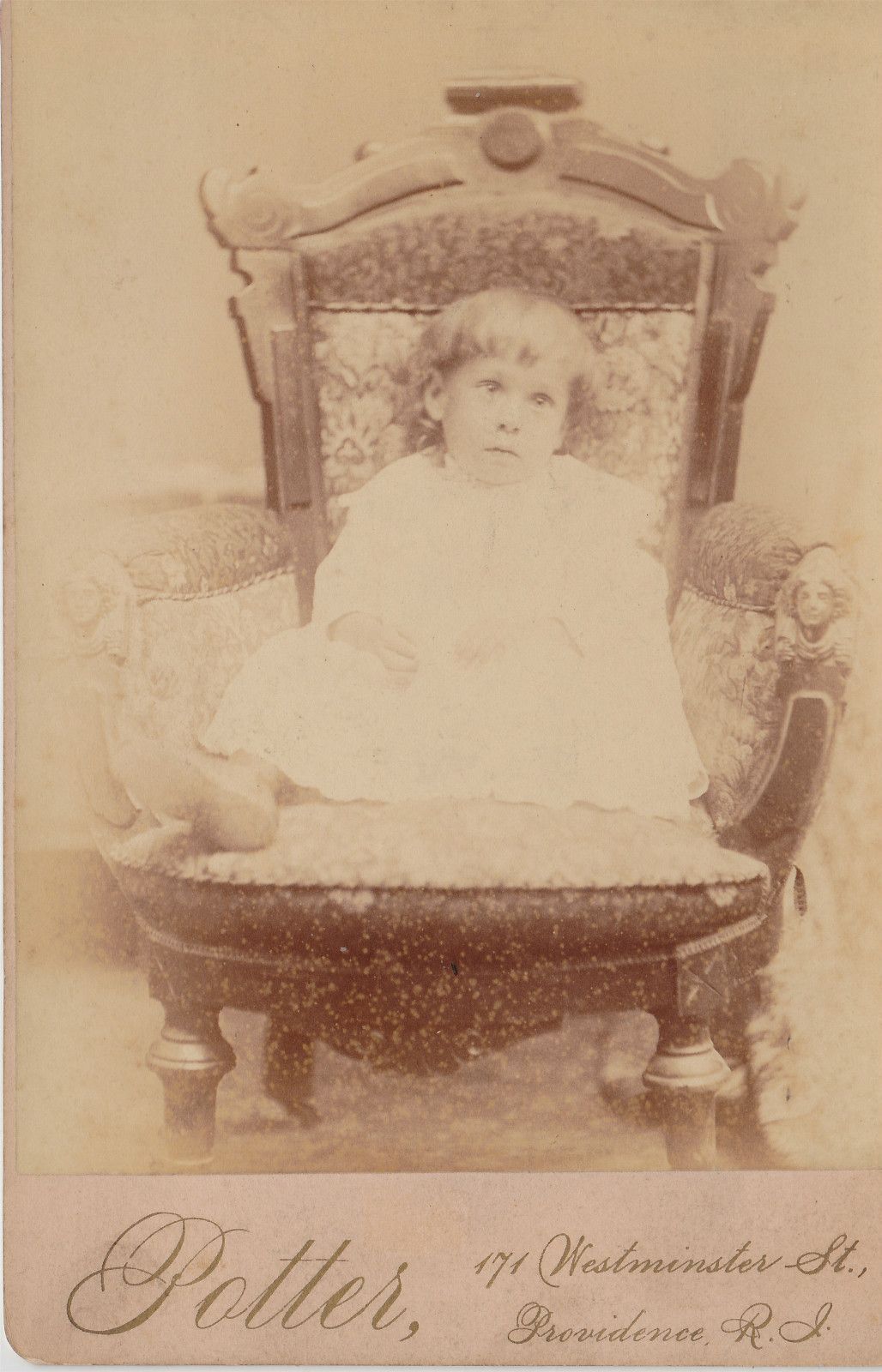 · 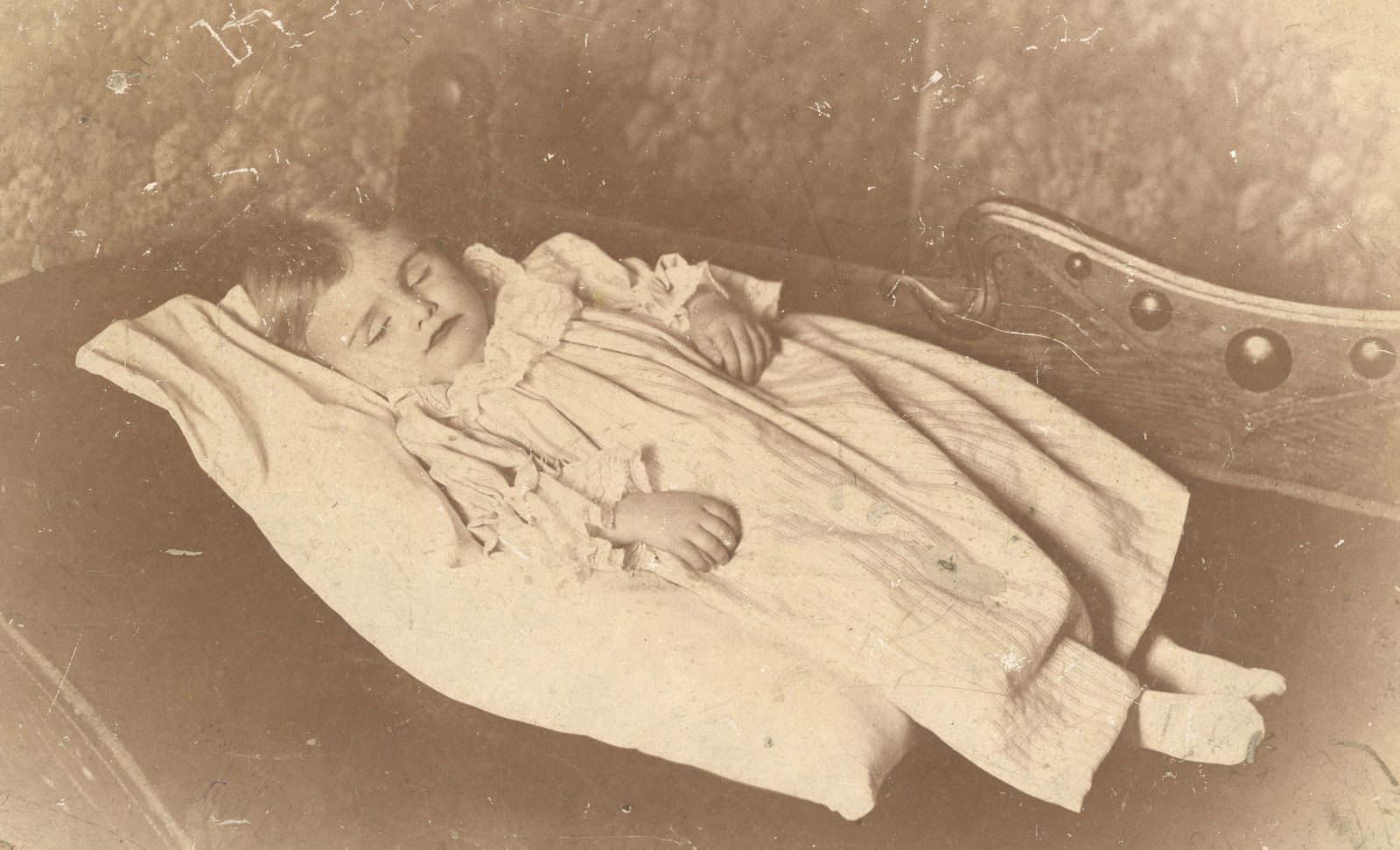 · |
|
#7
●
01-04-2014, 09:48 PM
| ||||||||
| My Rank: PRIVATE FIRST CLASS Poster Rank:3861 female Join Date: Jul 2011 Posts: 84 Mentioned: 0 Post(s) Quoted: 1 Post(s)
| ||||||||
|
Re: Post Mortem Photography
People didn't have cameras. So they had to have a photographer come in. Many could not afford this luxury. So post postmortems were the often only picture a family would have.
|
|
#9
●
01-10-2014, 03:02 AM
| ||||||||
 My Rank: GUNNERY SERGEANT Poster Rank:652 Male Join Date: May 2013 Posts: 1,336 Mentioned: 3 Post(s) Quoted: 169 Post(s)
| ||||||||
|
Re: Post Mortem Photography
Pretty cool   @ the shot with the casket tipped all up. They could have taken him out of there for his last moment! @ the shot with the casket tipped all up. They could have taken him out of there for his last moment!
|