|
#1
●
12-07-2010, 12:08 PM
| ||||||||
 My Rank: GUNNERY SERGEANT Poster Rank:615 Male Join Date: Mar 2010 Posts: 1,473 Mentioned: 0 Post(s) Quoted: 3 Post(s)
| ||||||||
|
The Philippine–American War
It was also known as the Philippine Insurrection from 1899 to 1902. It was fought by a group of Filipino revolutionaries and the United States in which the First Philippine Republic sought to gain independence following annexation by the United States. The war was preceded by the Spanish American war in 1898. The Philippine Islands, prior to the Spanish American War, were a colony of Spain. The United States Annexed the Philippines because they were the spoils of war and Spain agreed to concede them as part of the peace agreement with the United States. The Filipino rebels, of course didn't like this and began a revolution in order to break free from now American colonial rule versus Spanish colonial rule. It is estimated that some 34,000 Filipino soldiers lost their lives and as many as 200,000 civilians may have died directly or indirectly as a result of the war, most due to a major cholera epidemic that broke out near its end. The American forces lost an estimated 4,165 killed with about 75% of those dying from disease. The Philippine Constabulary suffered about 2,000 killed or wounded in the war as they were allied with the Americans. After military rule was terminated on July 4, 1901, the Philippine Constabulary gradually took over from United States army units the responsibility for suppressing guerrilla and bandit activities. Some Americans, notably William Jennings Bryan, Mark Twain, Andrew Carnegie, Ernest Crosby, and other members of the American Anti-Imperialist League, strongly objected to the annexation of the Philippines. Anti-imperialist movements claimed that the United States had become a colonial power, by replacing Spain as the colonial power in the Philippines. Other anti-imperialists opposed annexation on racist grounds. Among these was Senator Benjamin Tillman of South Carolina, who feared that annexation of the Philippines would lead to an influx of non-white immigrants into the United States. As news of atrocities committed in subduing the Philippines arrived in the United States, support for the war flagged. The Roman Catholic Church was disestablished and a considerable amount of church land was purchased and redistributed. The United States opened the Philippine Normal School (now Philippine Normal University) and the Philippine School of Arts and Trades in 1901, and reopened the Philippine Nautical School, established in 1839 by the Board of Commerce of Manila under Spain. By the end of 1904, primary courses were mostly taught by Filipinos under American supervision. From the very beginning, United States Presidents and their representatives in the islands defined their colonial mission as tutelage: preparing the Philippines for eventual independence. Except for a small group of "retentionists," the issue was not whether the Philippines would be granted self-rule, but when and under what conditions. Thus political development in the islands was rapid and particularly impressive in light of the complete lack of representative institutions under the Spanish. The Philippine Organic Act of July 1902 stipulated that, with the achievement of peace, a legislature would be established composed of a lower house, the Philippine Assembly, which would be popularly elected, and an upper house consisting of the Philippine Commission, which was to be appointed by the president of the United States. Due to the Second World War, recognition of the independence of the Republic of the Philippines and the relinquishment of American sovereignty over the Philippine Islands wasn't completed until 1946. tl;dr: Dead people here and a Chocolate Cookie will be given to the next to last person who finds the waterboarding photo.  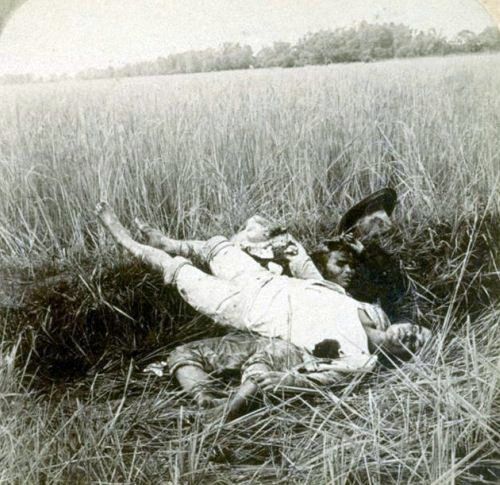 · 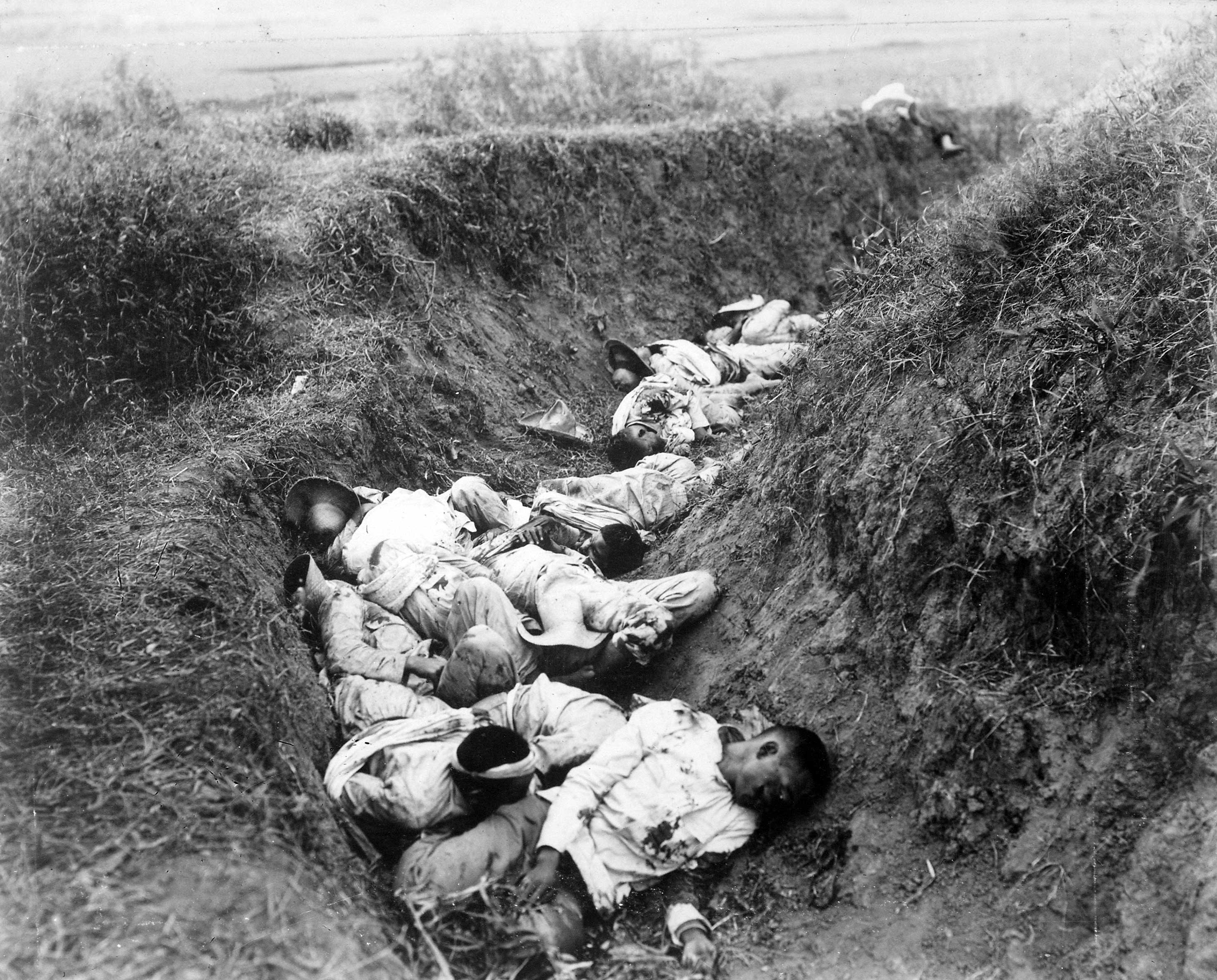 · 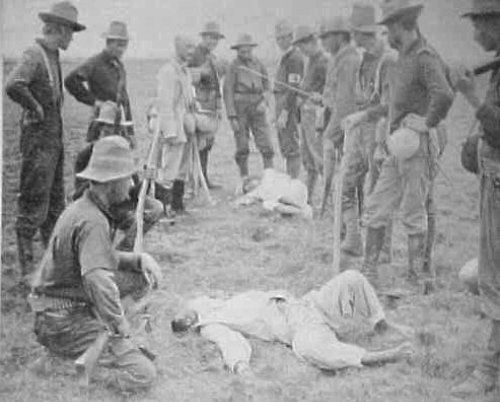 · 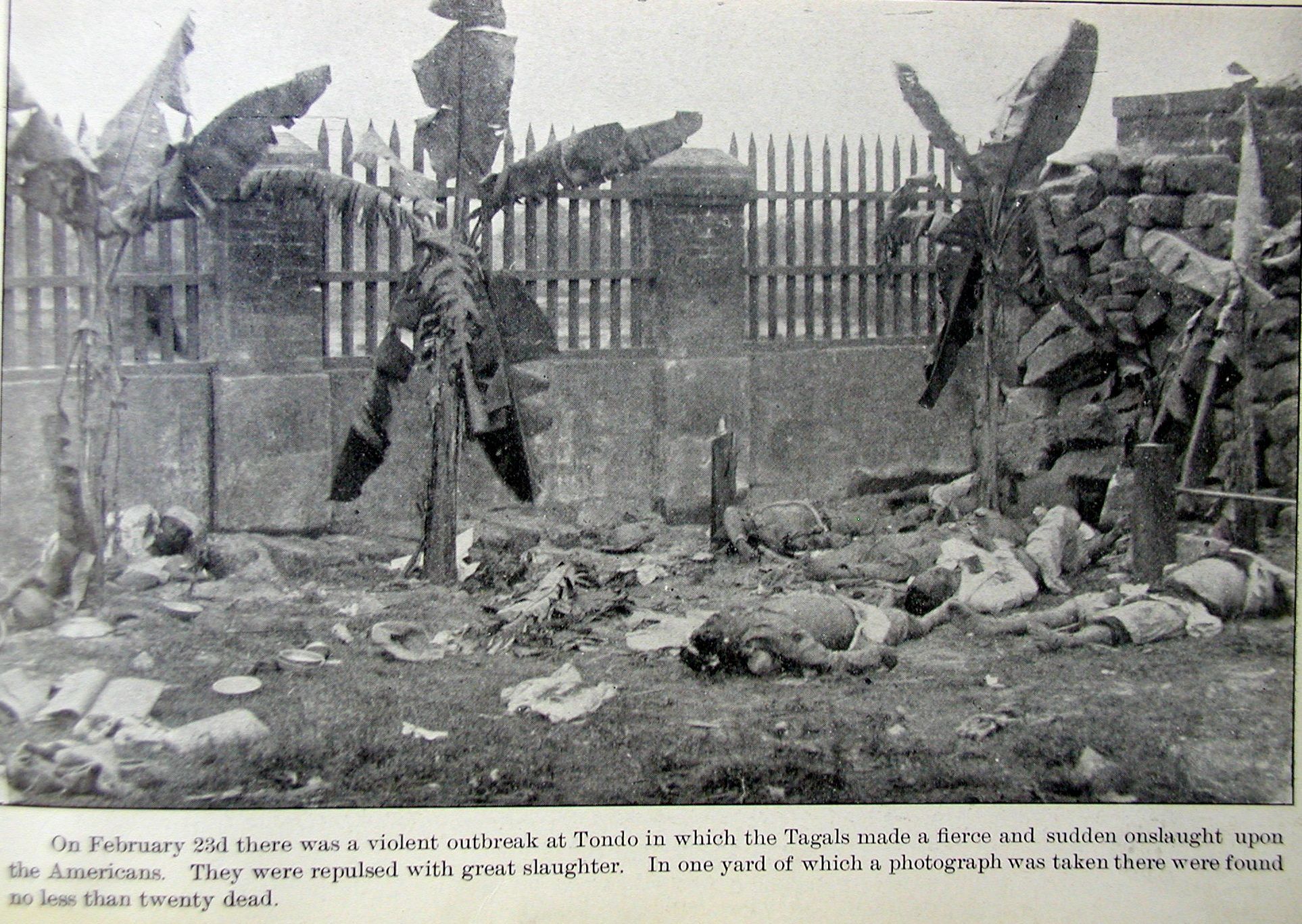 · 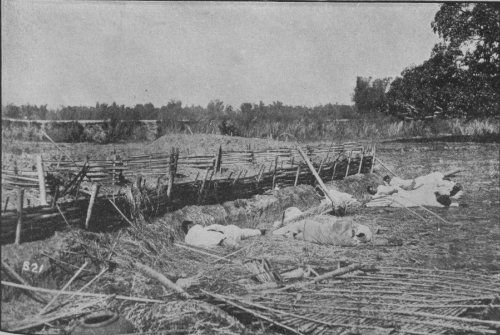 ·  · 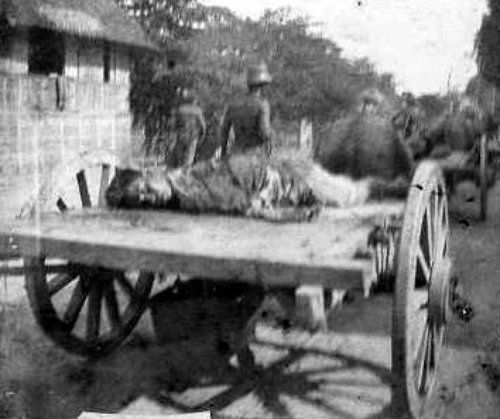 · 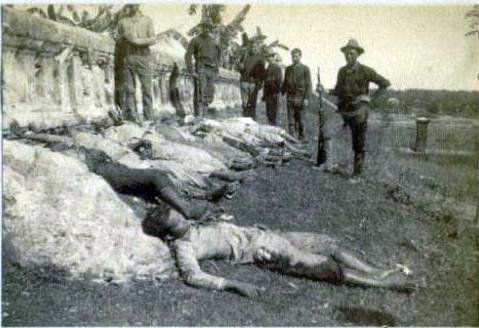 ·  · 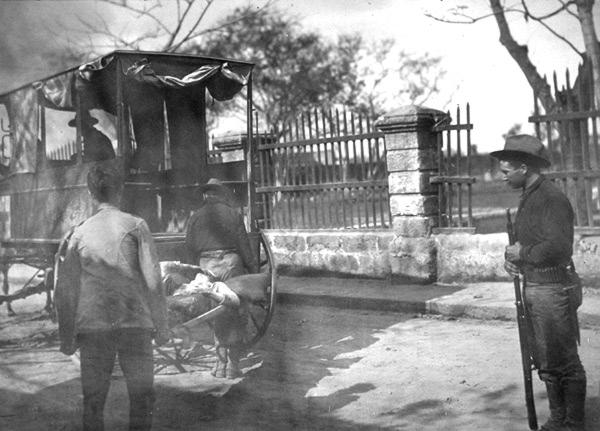 · 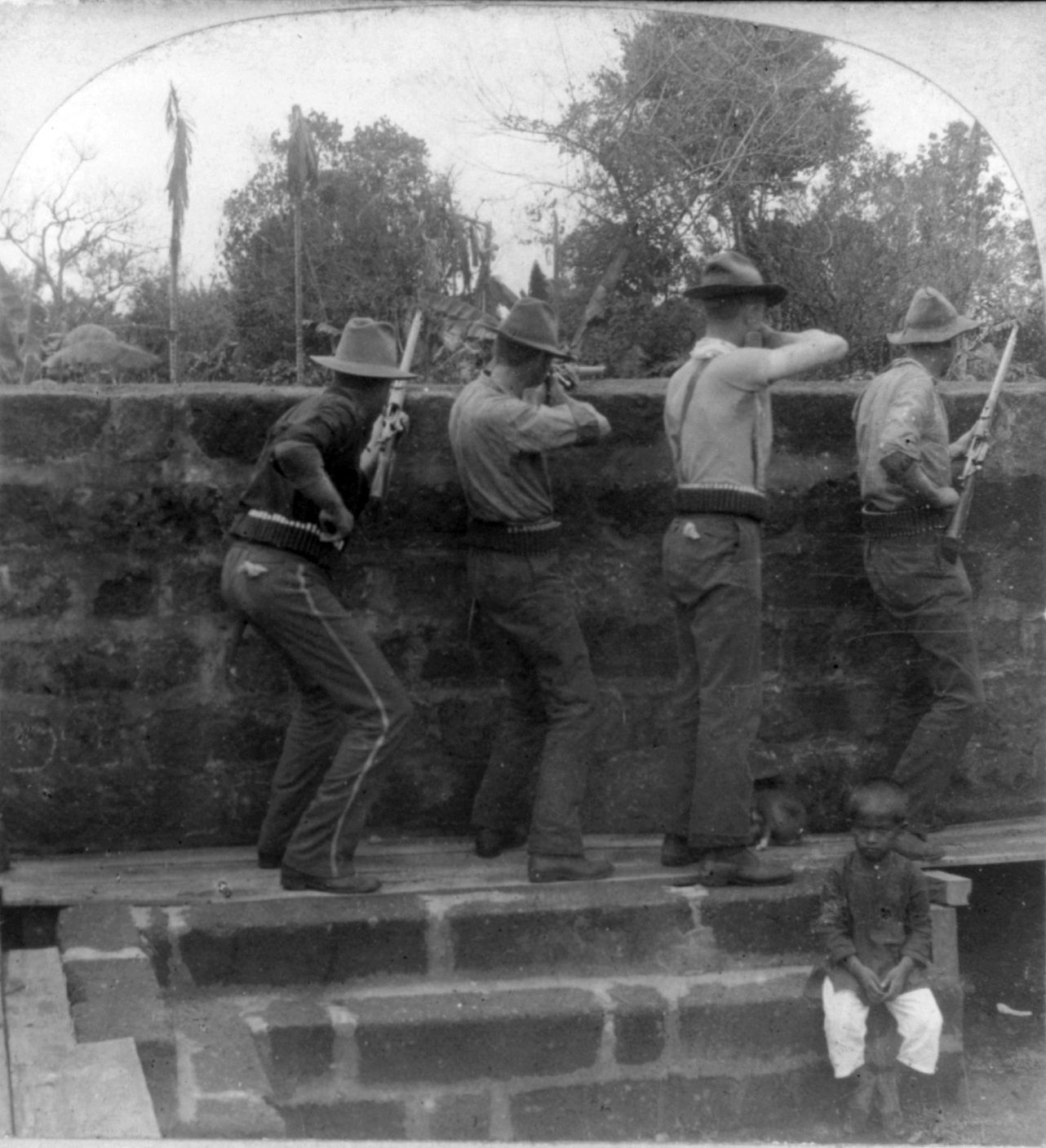 · 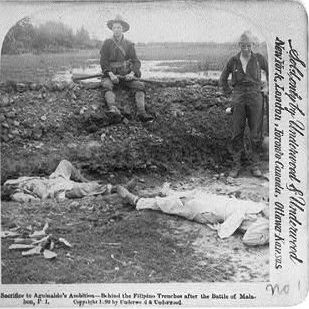 · 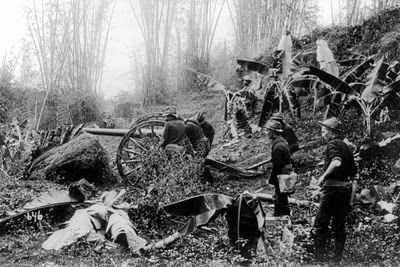 · 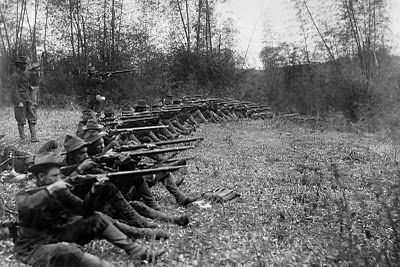 · |
|
#8
●
12-07-2010, 05:08 PM
| ||||||||
 My Rank: PRIVATE Poster Rank:7523 male Join Date: Oct 2009 Posts: 25 Mentioned: 0 Post(s) Quoted: 9 Post(s)
| ||||||||
|
Re: The Philippine–American War
Why not? Like Hawaii. It was quite possible until World War II. Check the history of Pacific war. For USA it would have been perfect strategic position and for Philippines great way to be part of "rich" world.  |