|
#1
●
07-21-2014, 07:46 PM
| ||||||||
 ✖ The Antique Christ ✖ Poster Rank:105 Gonzo Punk Join Date: Jan 2009 Posts: 15,488
Contributions: 58
Mentioned: 23 Post(s) Quoted: 2046 Post(s)
| ||||||||
|
Crucifixion and Beheading in Japan
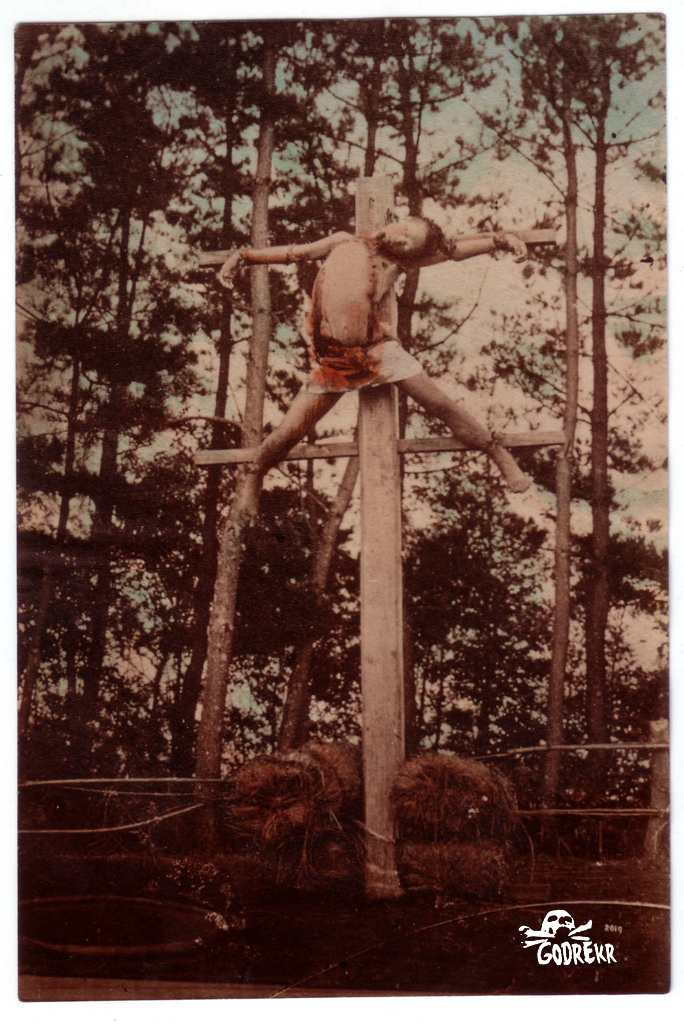 Bakumatsu or early Meiji period crucifixion (c. 1865–1868), Yokohama, Japan. A 25-year-old servant, Sokichi, was executed by crucifixion for murdering his employer's son during the course of a robbery. He was affixed by tying, rather than nailing, to a stake with two cross-pieces. 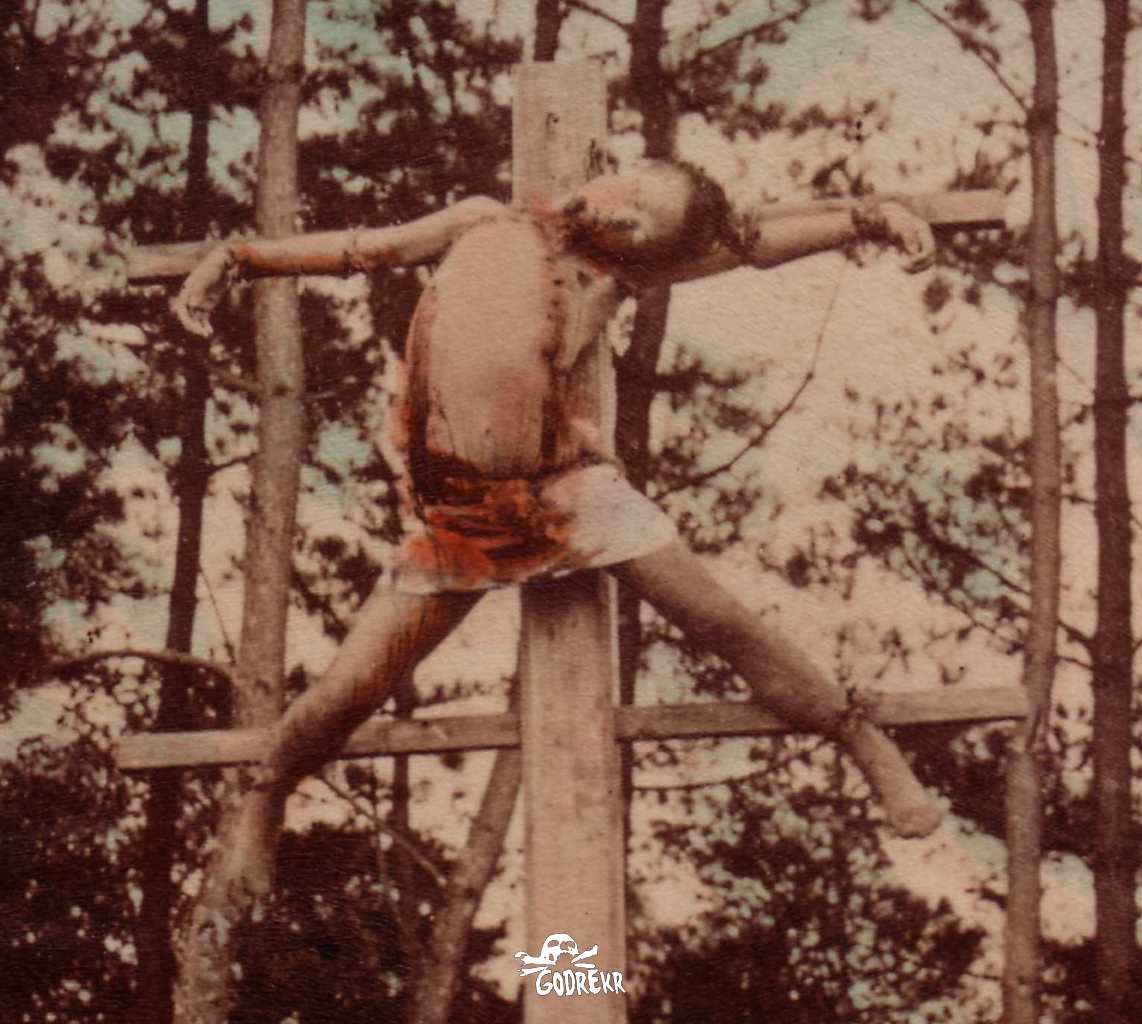 Close Up 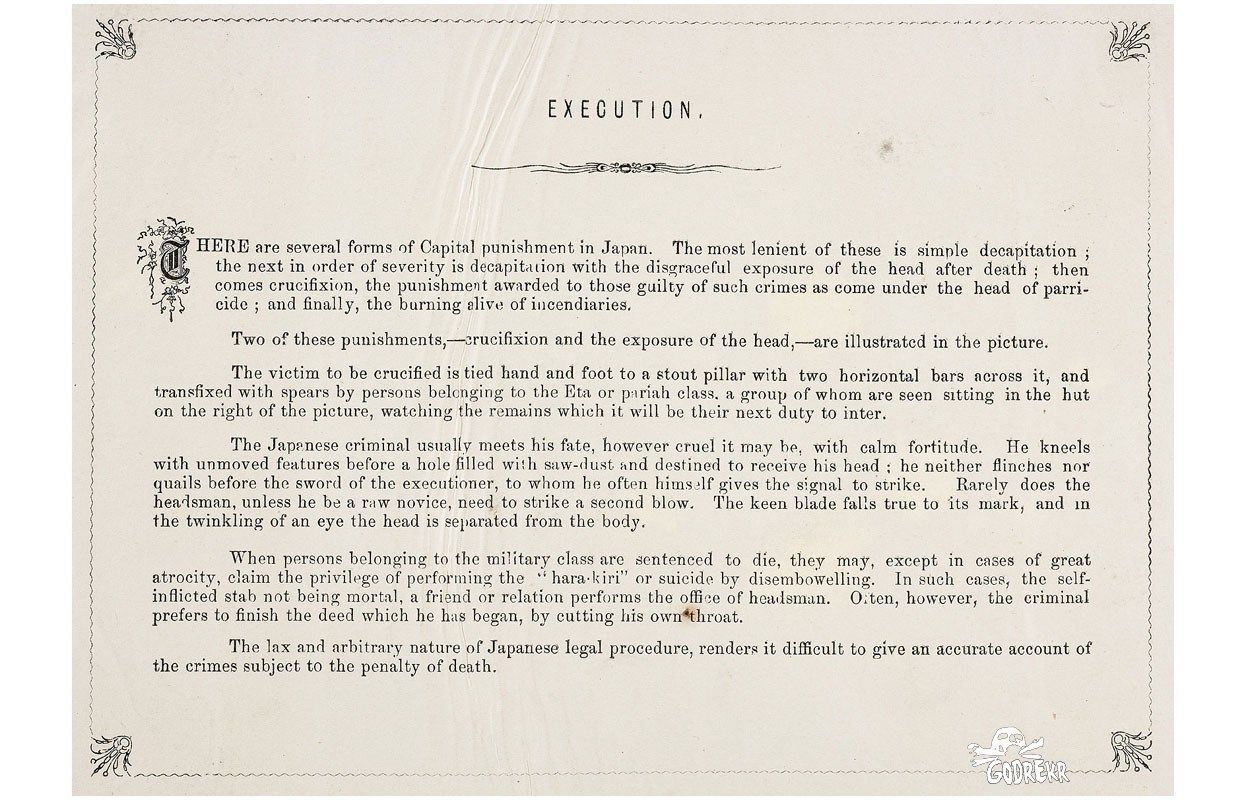 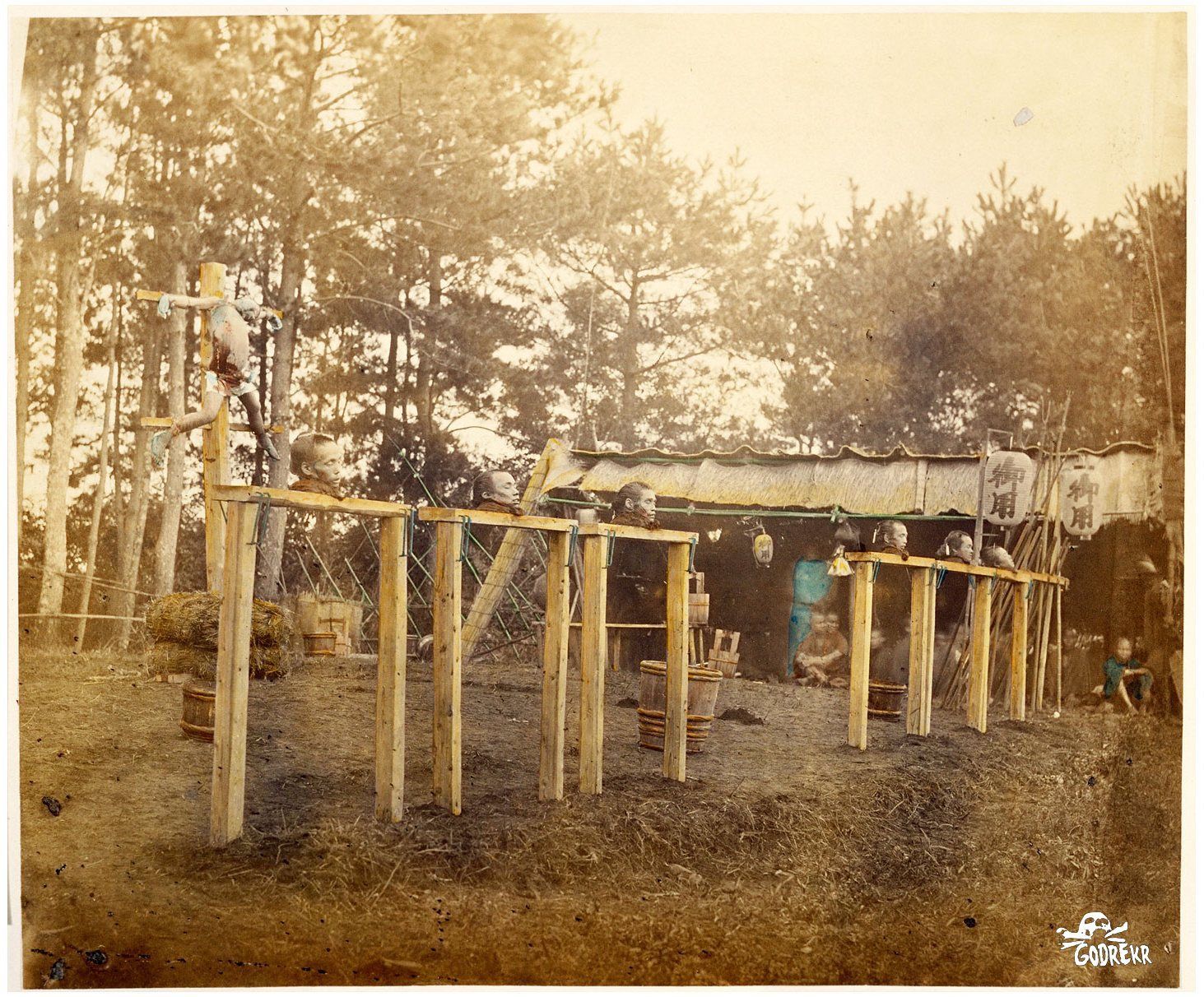 Execution ground (notice crucifixion in background) 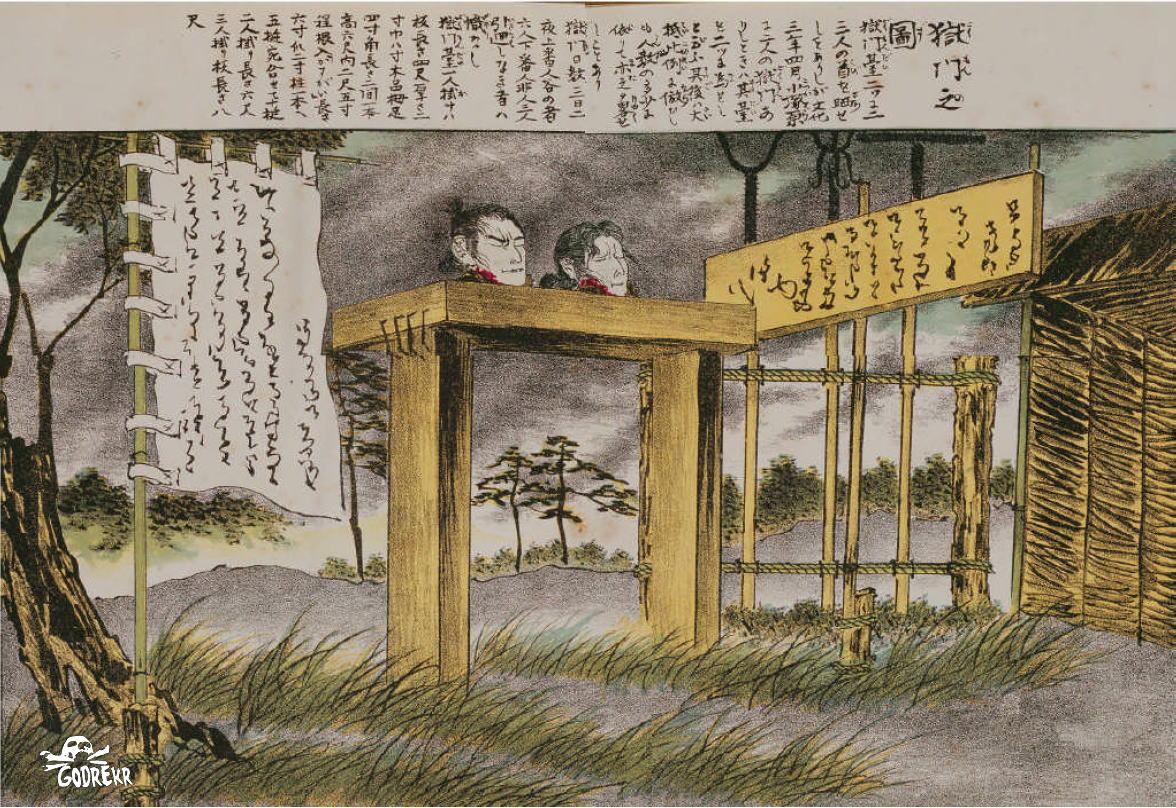 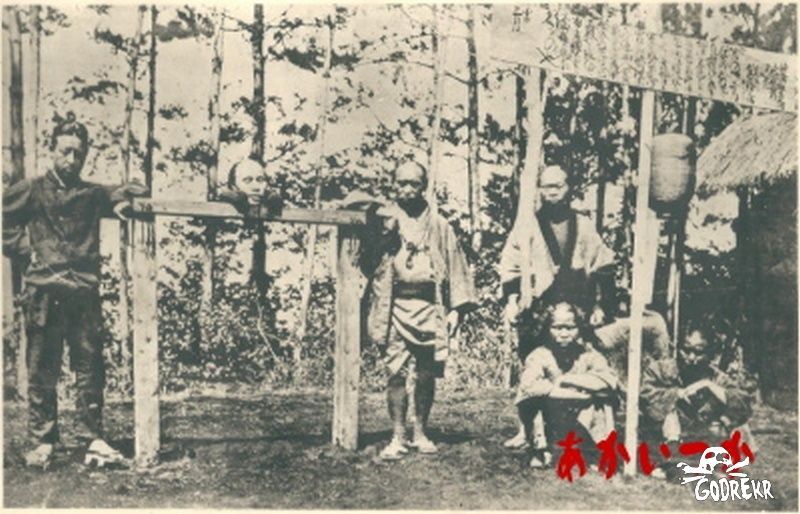 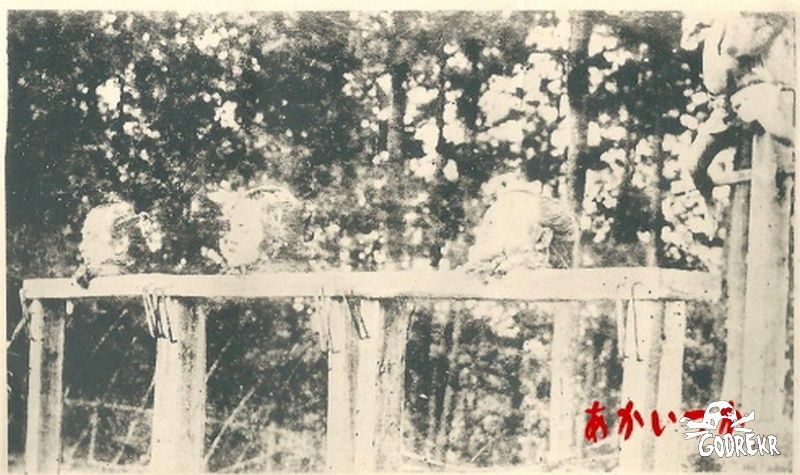  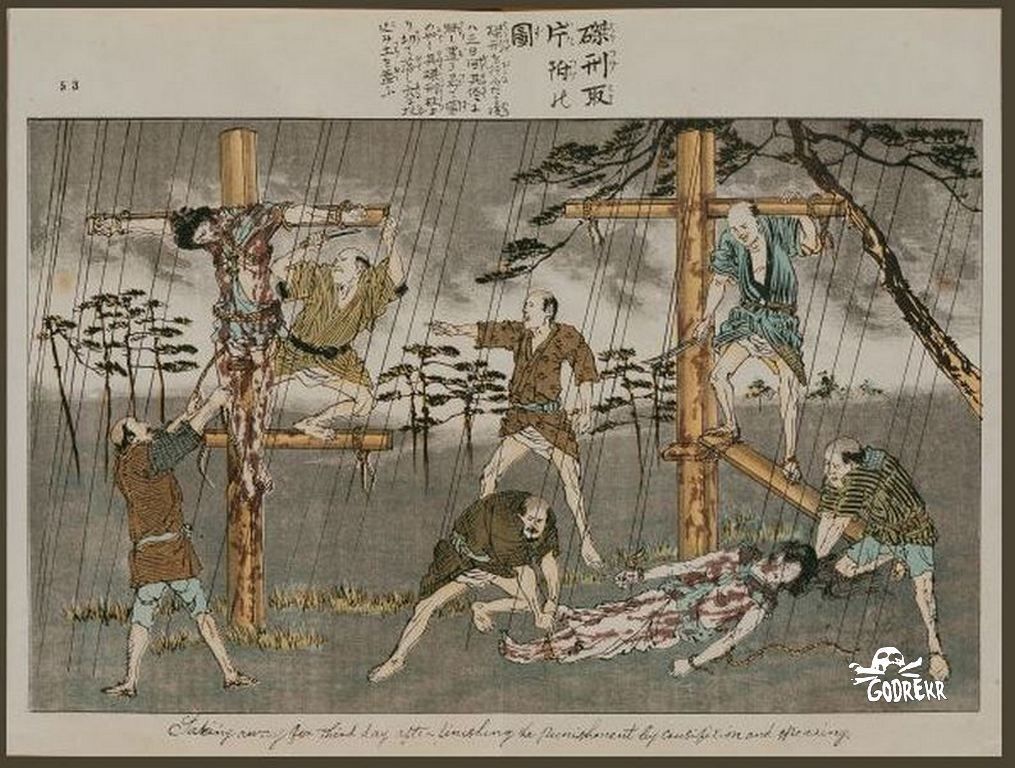 Cleaning up after Crucifixion  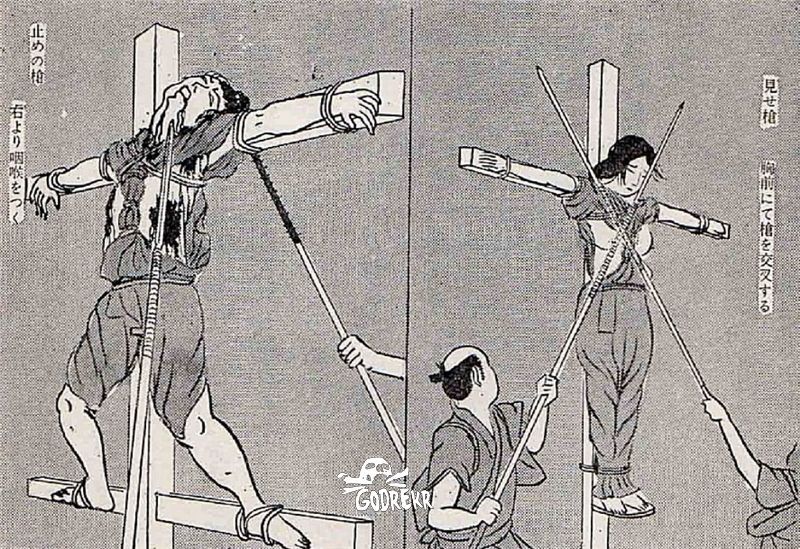 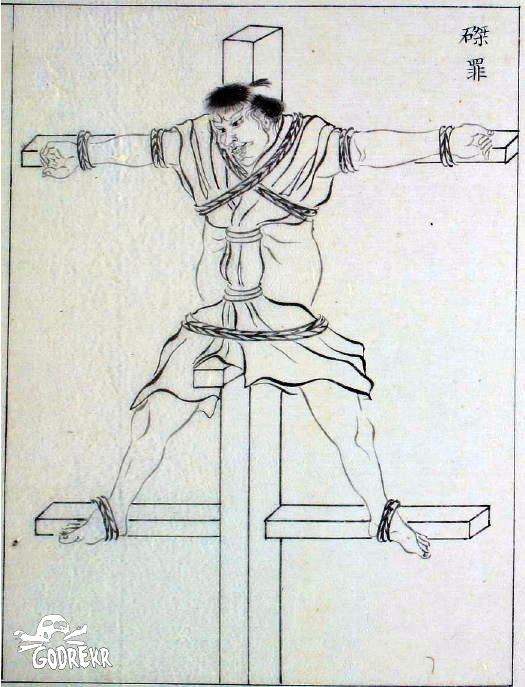 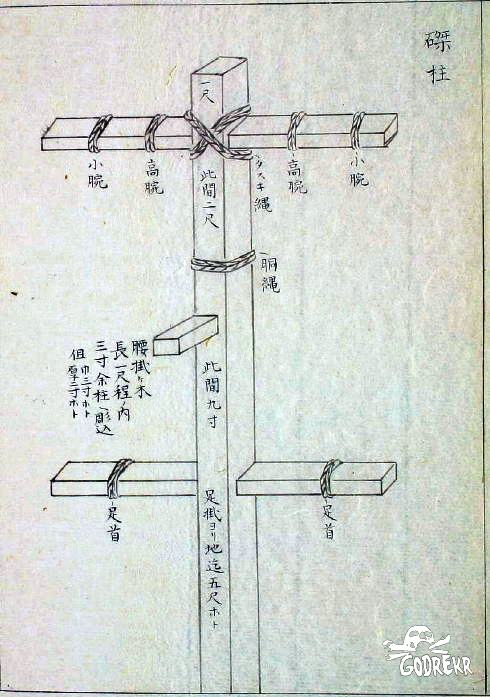 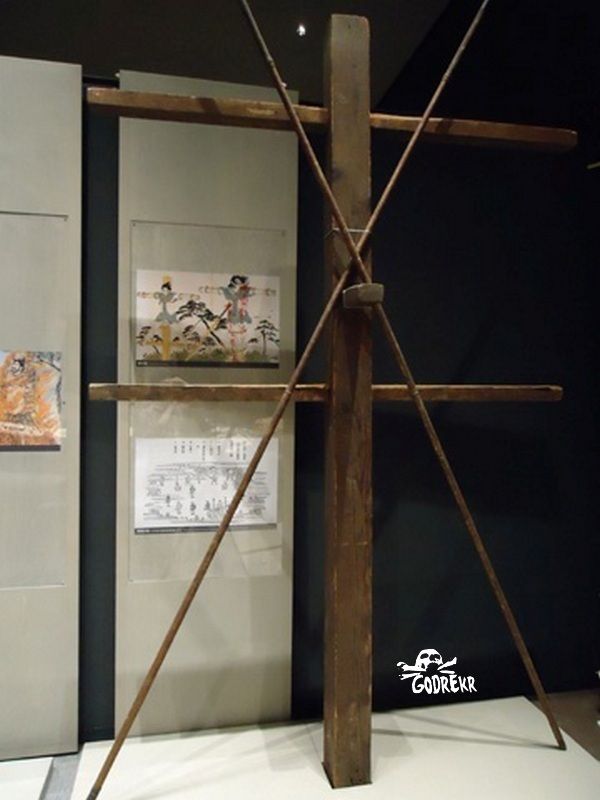 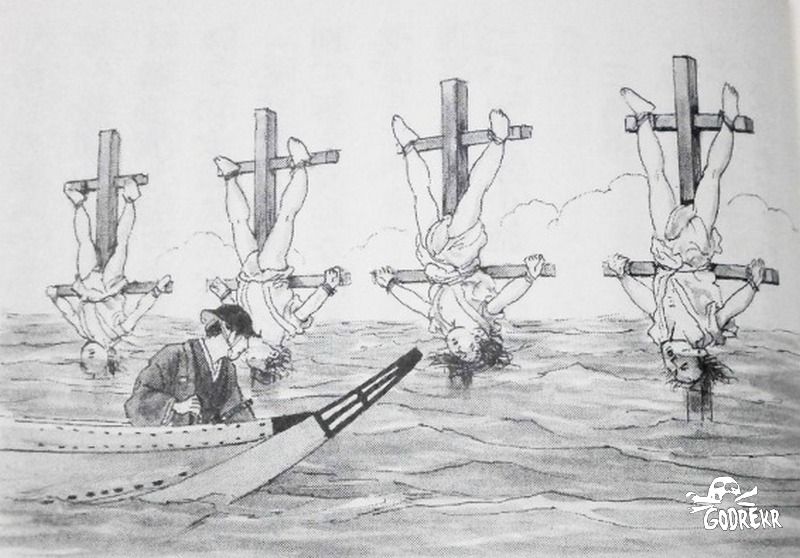 Water crucifixion 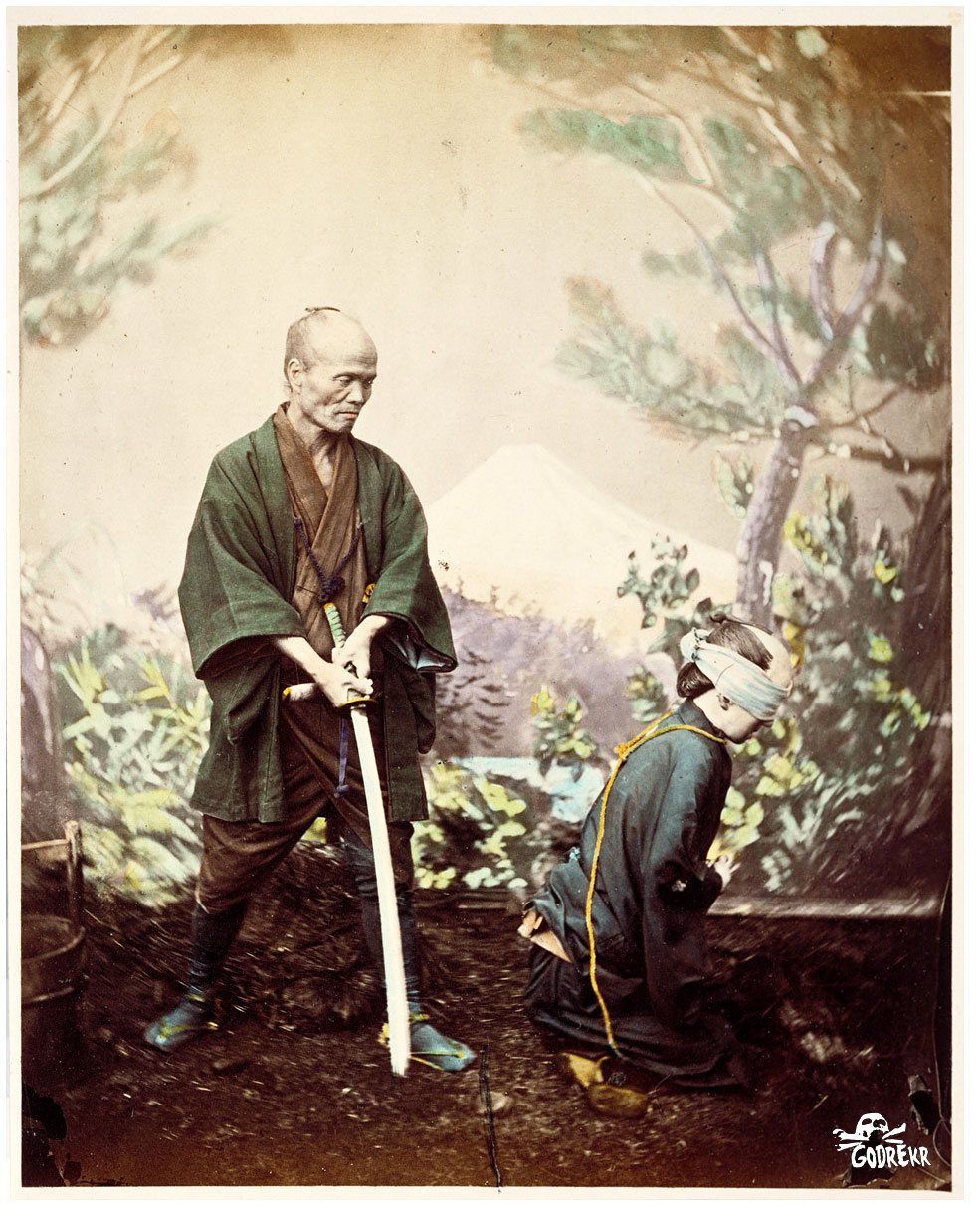 Felice A. Beato, photographer (ca. 1833–ca. 1909), staged a studio portrait of a nameless executioner with sword raised ready to decapitate a criminal. The scene is imaginary but draws from a real incident. Decapitation, Murray’s caption explains, is the most common form of capital punishment. The background view of serenely colored mountains is “representative of the execution ground” outside Yokohama where the “notorious” Shimidzu Seiji was executed in 1868 for murdering two British officers, Major Baldwin and Lieutenant Bird, four years earlier. 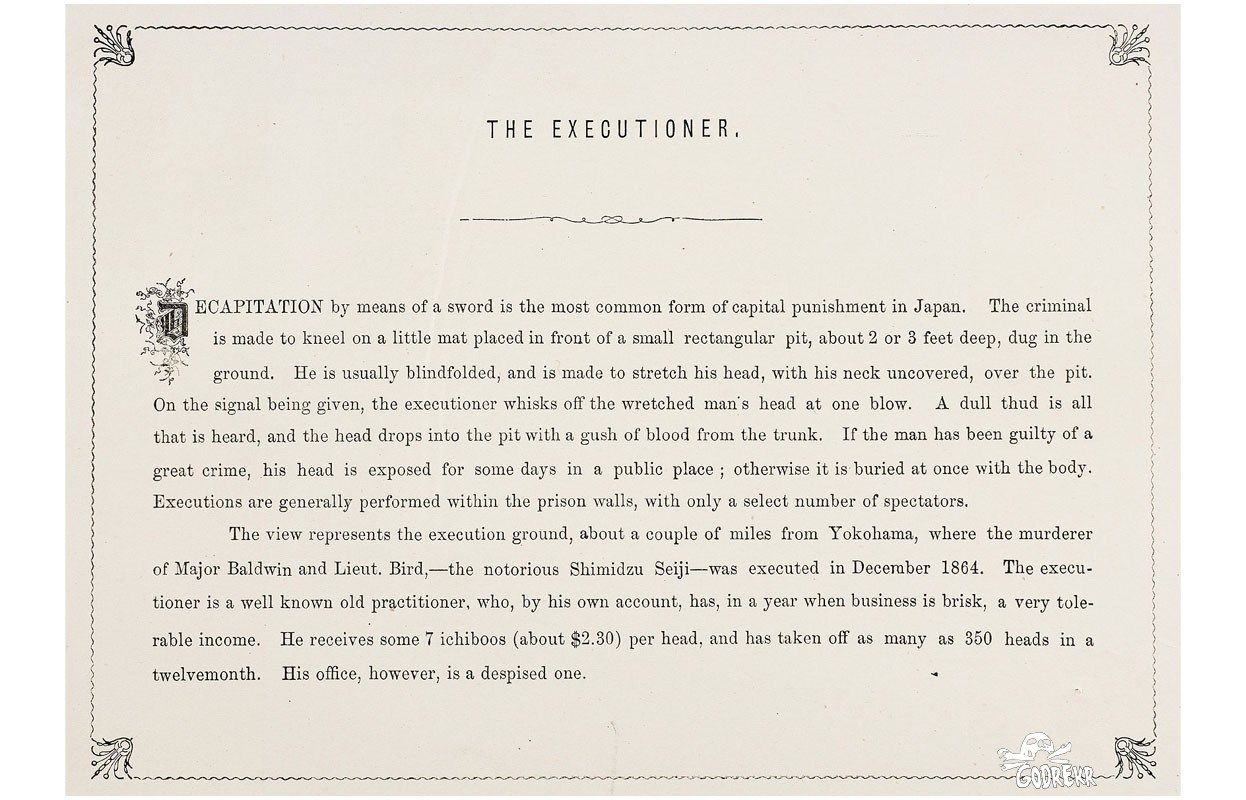 From Midshipman McCausland's Diary(1869 - 1870): Crucifixion was introduced into Japan during the Sengoku period (1467–1573), after a 350-year period with no capital punishment. It is believed to have been suggested to the Japanese by the introduction of Christianity into the region. Known in Japanese as haritsuke, crucifixion was used in Japan before and during the Tokugawa Shogunate. Several related crucifixion techniques were used. Petra Schmidt, in "Capital Punishment in Japan", writes: In 1597 twenty-six Christians were nailed to crosses at Nagasaki, Japan. Among those executed were Saints Paulo Miki, Philip of Jesus and Pedro Bautista, a Spanish Franciscan who had worked about ten years in the Philippines. The executions marked the beginning of a long history of persecution of Christianity in Japan, which continued until its decriminalization in 1871. Crucifixion was used as a punishment for prisoners of war during World War II. Ringer Edwards, an Australian prisoner of war, was crucified for killing cattle, along with two others. He survived 63 hours before being let down. The historical novel "Silence" by Shusaku Endo gives an account of the 17th century Christian persecutions based upon the oral histories of contemporary Kakure Kirishitan communities. |
|
#7
●
07-23-2014, 03:18 AM
| ||||||||
 ♚ Legacy Gold Member ♚ Poster Rank:195 Female Join Date: Nov 2009 Posts: 7,765 Mentioned: 5 Post(s) Quoted: 709 Post(s)
| ||||||||
|
Re: Crucifixion and Beheading in Japan
Yeah I noticed that too. Maybe that's why he's sort of folded forward unlike those in the pics who are relatively straight!   |