|
#1
●
03-19-2018, 10:14 AM
| ||||||||
 Für Immer Verloren Poster Rank:50 Boredom + Despair Join Date: Sep 2017 Posts: 30,253
Contributions: 666
Mentioned: 136 Post(s) Quoted: 10332 Post(s)
| ||||||||
|
Bedlam (Bethlem Royal Hospital)
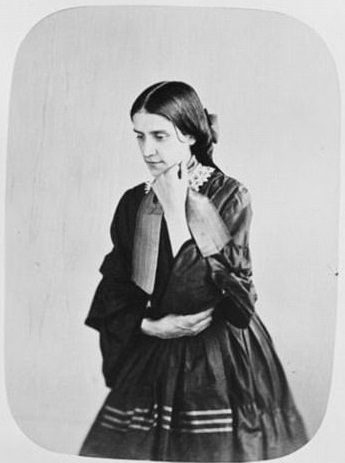 Sarah Gardner, a domestic servant, was admitted in 1857 when she was 26-years-old, after she suffered from 'great mental depression'. 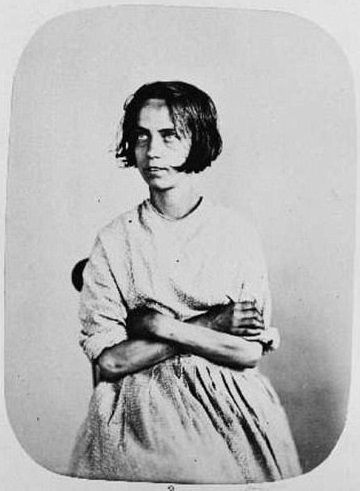 Harriet Jordan was admitted in 1858. She was later diagnosed with acute mania. 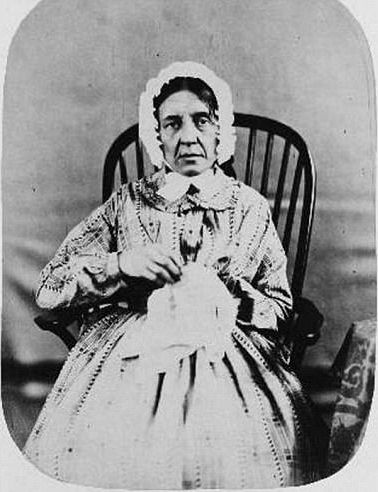 Fanny Barrett arrived at the hospital in 1858 + was diagnosed with intermittent mania. 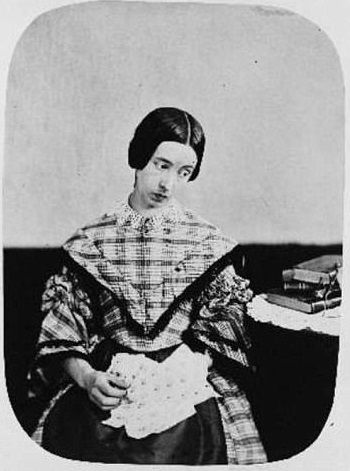 Eliza Camplin was admitted in 1857 + diagnosed with acute mania. 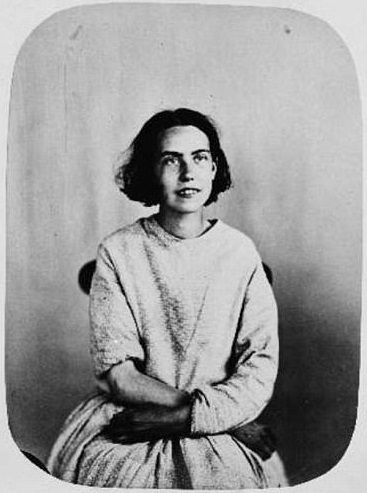 Eliza Griffin was admitted in 1855 + diagnosed with acute mania. 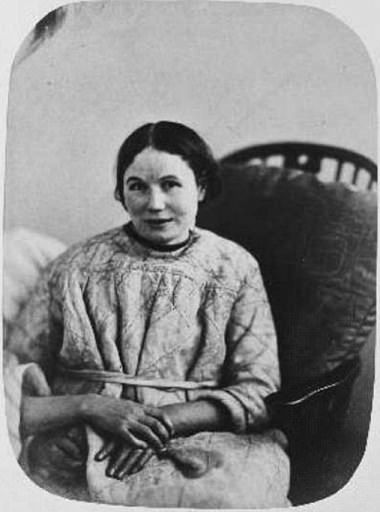 Eliza Josolyne was admitted in 1857 + diagnosed with acute melancholia. 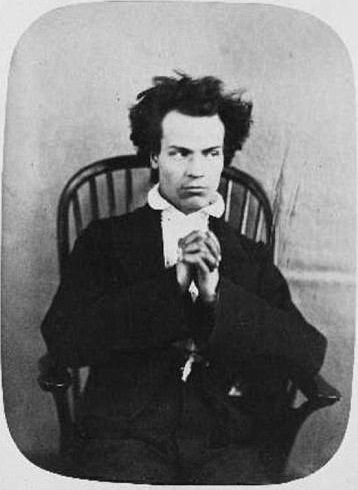 William Thomas Green was admitted in 1857 + diagnosed with acute mania. 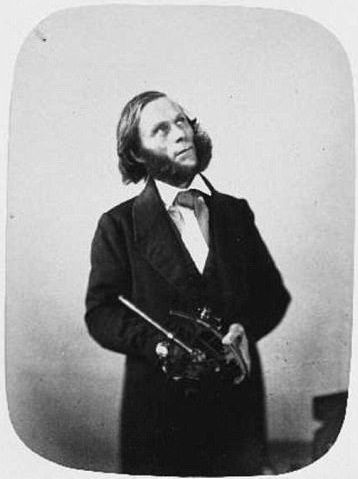 Captain George Johnston went to Bedlam in 1846 after suffering with mania. 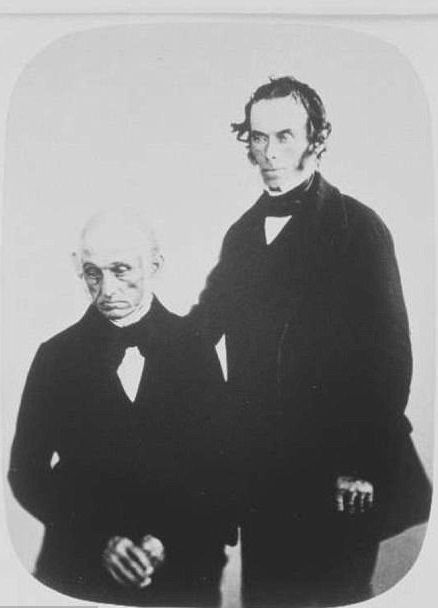 John Bailey + his son Thomas were both admitted in 1858 with acute melancholia. 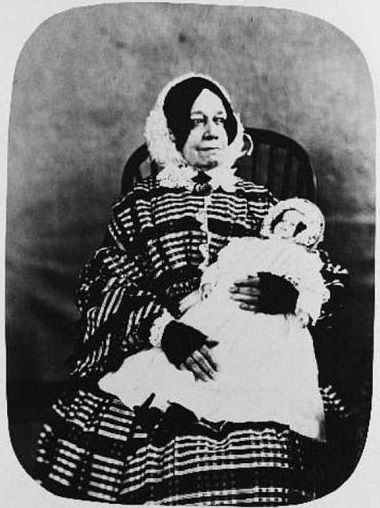 Esther Hannah Still arrived in 1858 + was diagnosed with chronic mania and delusions. Following unknown: 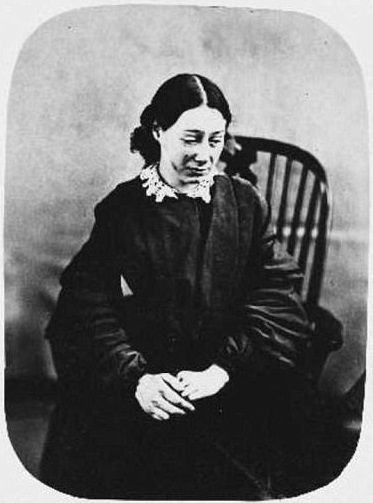 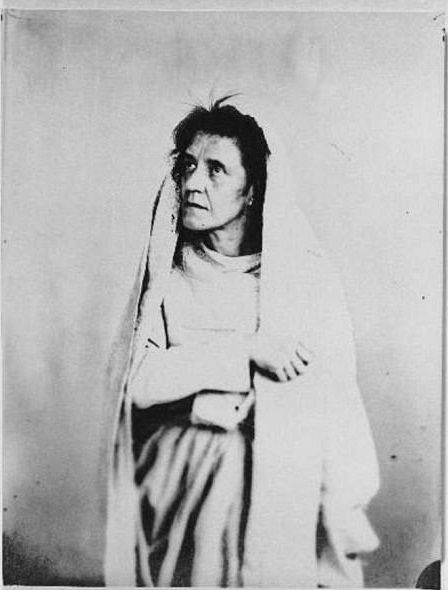 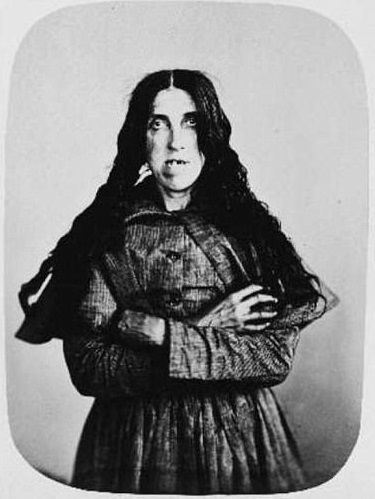 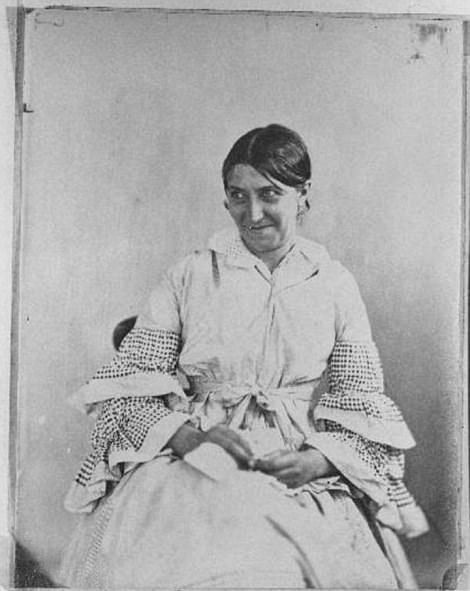 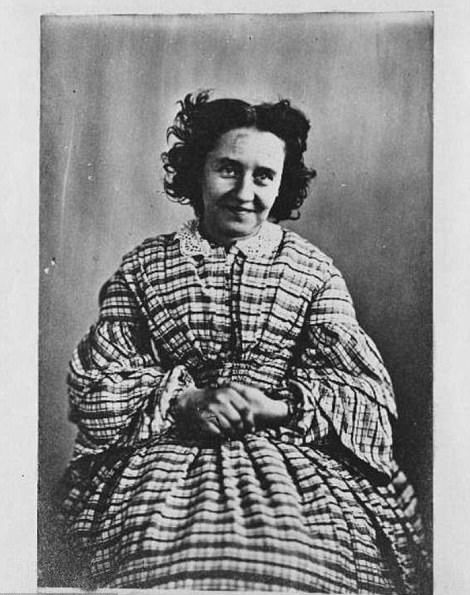 |
|
#3
●
03-19-2018, 10:33 PM
| ||||||||
| My Rank: STAFF SERGEANT Poster Rank:858 Join Date: Jul 2014 Posts: 881 Mentioned: 2 Post(s) Quoted: 405 Post(s)
| ||||||||
|
Re: Bedlam (Bethlem Royal Hospital)
Even today there is half-assed care for the mentally disturbed...  |
|
#4
●
03-20-2018, 03:39 AM
| ||||||||
 ✝Mudderator from Hell✝ Poster Rank:11 e-mail Join Date: Oct 2006 Posts: 96,289
Contributions: 817
Mentioned: 476 Post(s) Quoted: 10304 Post(s)
| ||||||||
|
Re: Bedlam (Bethlem Royal Hospital)
Bethlem Royal Hospital, to give it its full name, is Europe’s oldest psychiatric hospital and has been in operation for over 600 years. Unlike other hospitals of the time, the ward was largely dedicated to the treatment of the “insane”. The controversial institution first captured the attention of the public in the Victorian era, where it became known as Bedlam. The psychiatric facility held patients who had been diagnosed with all manner of conditions, including “melancholy”, “hysteria” and “raving madness”. Those suffering from schizophrenia were housed in the same space as epileptics and people suffering from learning difficulties. Patients were often chained up or restrained and put through a number of questionable procedures. One “healing” approach was rotational therapy, where the tortured patients were hung from the ceiling and span around until they vomited. Some accounts accused Bethlem doctors of starving, beating and leaving the diagnosed in ice cold baths for hours. Disturbingly, members of the public could pay a small fee to take a peek inside the wards of Bedlam. Visitors walked around and gawped at the unfortunate souls incarcerated in the hospital and it soon became one of the biggest tourist attractions in London. In the mid-19th century, society photographer Henry Hering was commissioned to take portraits of the patients. Governing bodies hoped that examining the faces of Bedlam victims would help to evaluate the conditions in the mental health institution. Some of the patients were snapped twice, once when they were admitted and again when they were discharged. Hering's poignant photos put a face to the victims of the hellish system and drew attention to the need for hospital reforms. The historical hospital claimed to have a recovery rate of 57 per cent, but there’s no doubt that the harrowing conditions would’ve proven traumatic for the incarcerated. In the past 100 years, Bethlem Royal Hospital has undertaken numerous reforms and changes. There have also been major advancements in mental health research. Today, Bethlem offers up a number of specialist services, including the National Psychosis Unit. Even though the institution has changed for the better, the history of Bedlam remains at the forefront of public consciousness. It has been the inspiration for countless horror novels and films and is still visited by members of the public. The Bethlem Museum of the Mind offers a peek into the history of the facility and also houses a permanent collection of art created by the patients. |
|
#6
●
03-21-2018, 12:15 PM
| ||||||||
 My Rank: CORPORAL Poster Rank:1328 Male Join Date: Apr 2010 Posts: 455 Mentioned: 0 Post(s) Quoted: 124 Post(s)
| ||||||||
|
Re: Bedlam (Bethlem Royal Hospital)
Sounds like a lot of mania was going around in the 1800's.
|
|
#7
●
03-21-2018, 09:17 PM
| ||||||||
 ★ Legacy Member ★ Poster Rank:184 female Join Date: Oct 2013 Posts: 8,135 Mentioned: 19 Post(s) Quoted: 1185 Post(s)
| ||||||||
|
Re: Bedlam (Bethlem Royal Hospital)
Yeah, husbands could get rid of their wives, claiming they were 'hysterical' and dump them there until they wanted them out, or some family member heard about it and got them out.  |
|
#8
●
03-22-2018, 06:32 PM
| ||||||||
 ♚ Legacy Gold Member ♚ Poster Rank:34 Female Join Date: Nov 2008 Posts: 43,396
Contributions: 204
Mentioned: 95 Post(s) Quoted: 2281 Post(s)
| ||||||||
|
Re: Bedlam (Bethlem Royal Hospital)
That would be astounding to see  |