|
#1
●
04-12-2012, 12:56 PM
| ||||||||
 ★ ★ GENERAL ★ ★ Poster Rank:36 male Join Date: Oct 2006 Posts: 41,969
Contributions: 35
Mentioned: 2237 Post(s) Quoted: 21124 Post(s)
| ||||||||
|
The 911 Tape CRESA Didn't Want Released
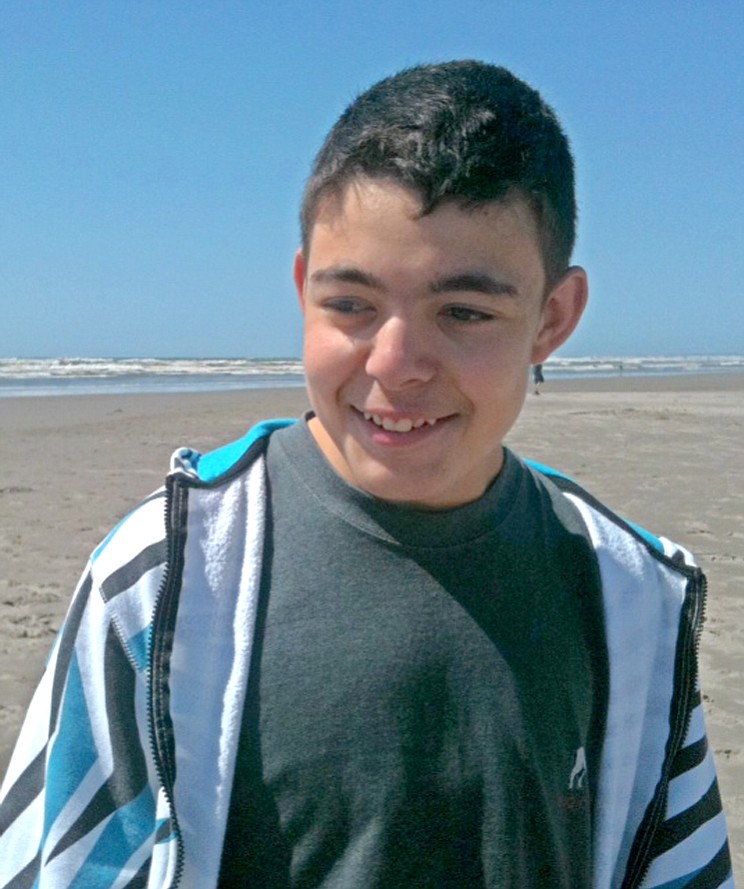
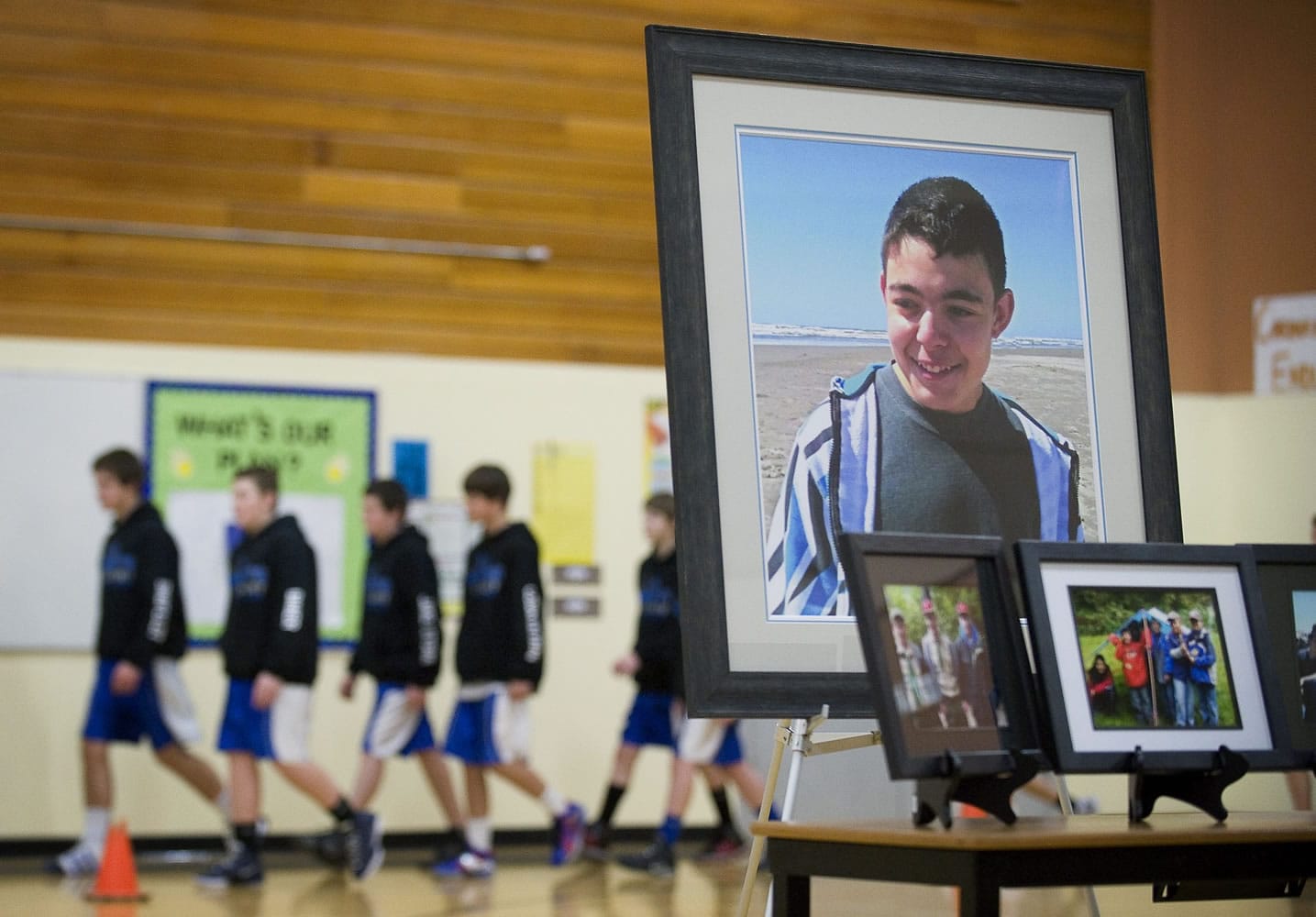
A dispatcher for the Clark Regional Emergency Services Agency twice told rescuers to keep performing CPR on a collapsed 14-year-old rather than reach for the school's defibrillator, according to the 911 recording of a January 2012 emergency at La Center Middle School in southwest Washington. Cody Sherrell, an eighth-grader, suffered sudden cardiac arrest on Jan. 3, 2012, moments before coaches were set to end the first day of basketball tryouts in the school gym, according to The Columbian of Vancouver. He had no known history of heart trouble and had passed a sports physical, school officials said. He died six days later, on Jan. 9, at Randall Children's Hospital at Legacy Emanuel in Portland. Assistant coach Greg Hall placed the 911 call. Head coach Tom Rice and Greg Morgan, the father of one of the players, performed CPR while waiting for medics, according to the newspaper and school officials. Doctors said the compressions kept the boy alive long enough to reach the hospital. The response became a source of dispute in the weeks after Sherrell's death. La Center school officials said the dispatcher told the coaches not to use an automated external defibrillator. CRESA disputed that account, saying the dispatcher had instructed rescuers to perform CPR and then use the device. The agency at first refused to release the call, arguing that the dispatcher was a 'health care provider' and that the tape contained protected health information. The Columbian obtained the recording in late March 2012 after challenging the refusal. Eric Stahl, an attorney for the newspaper, said 911 recordings are generally subject to disclosure under Washington's Public Records Act and that the agency's claim was not supported by state law. Dr. Lynn Wittwer, the county's emergency medical services medical program director, said the agency was not stonewalling and had only sought to avoid violating privacy law. The recording, roughly nine minutes long, showed the dispatcher working from a standard script, twice advising the caller to continue CPR before telling rescuers to open the AED about six minutes in. By then the men could not locate the machine's pads and never applied it, according to the tape. Paramedics used a defibrillator after they arrived, more than nine minutes into the call. Wittwer said protocol calls for about two minutes of CPR before a defibrillator is used on a prepubescent patient, and that it was unclear whether that applied to Sherrell. Wittwer said no one was to blame, but added, 'I would have liked to have seen the AED go on the patient before the first paramedics got there.' Whether earlier use would have changed the outcome, he said, was 'anybody's conjecture.' The Multnomah County Medical Examiner's Office did not perform an autopsy, and the cause of the boy's cardiac arrest was not publicly determined.
__________________ Support the site and our continued existance by upgrading to a Green Name |