|
#1
●
04-13-2023, 06:28 PM
| ||||||||
 ✖ The Antique Christ ✖ Poster Rank:106 Gonzo Punk Join Date: Jan 2009 Posts: 15,488
Contributions: 58
Mentioned: 23 Post(s) Quoted: 2046 Post(s)
| ||||||||
|
Updated- Man with Metal Bar Impaled Through the Ass
An 81-year-old male patient who was hospitalized in a nursing hospital was transferred to Pusan National University Hospital. The patient presented with a metallic pipe that pierced through his anus into the lower back of the iliac crest level about 1 hour before admission. There were no other witnesses of the accident, and the patient stated that he fell in an attempted suicide and was accidentally impaled with an iron pipe. However, the patient could not describe the accident precisely. The patient had been undergoing treatment for depression and had mild cognitive impairment. During the initial physical examination, the patient’s vital signs were stable and laboratory findings were within the normal range, including the hemoglobin level, platelet count, prothrombin time, and activated partial thromboplastin time. Anal tone and reflex could not be determined because of the foreign body, but no other neurologic deficits were identified. A contrast-enhanced computed tomography (CT) scan was performed to accurately examine the internal damage. The CT scan showed that the foreign body entered the anus, perforated the rectum, and entered the body of the fourth right sacral vertebra. The metallic pipe was bent upward inside the sacrum, penetrated the lamina of the second sacrum, and exited through the skin at the level of the fourth lumbar. Urinary bladder retention was also confirmed. Hematoma and an active bleeding focus were also observed on the right lateral side of the mesorectal area. Tetanus vaccination and empirical antibiotics were administered, and the patient was then taken to the operating room. A combination of 2 g of cefotetan and 500 mg of metronidazole via intravenous injection was administered. The patient was transferred to the intensive care unit after surgery, and the neurological findings remained unchanged and were similar to the patient’s presurgical condition. Sphincter electromyography could not be performed due to the sutured anal wound. Antibiotics (500 mg of metronidazole and 2 g of ceftriaxone per day) were administered to the patient intravenously until the 9th day after surgery. The patient’s vital signs were stable without any specific problems on the third day of hospitalization, and thepatient was transferred to the general ward. Wound care was terminated, and the patient was discharged on hospital day 13 to a nursing hospital. The Foley catheter was removed 2 weeks after the injury following a consultation with the urology department, and the colostomy required further management. The patient visited the outpatient department on the 22nd day after the injury. Colostomy function was normal without any specific symptoms such as a fever or pain. However, the patient was not able to urinate and had not recovered his anal sphincter tone. 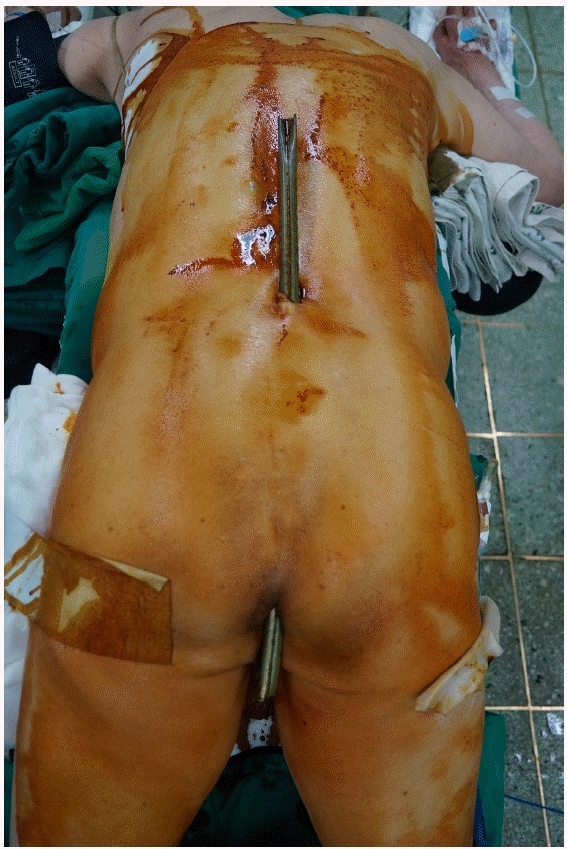 · 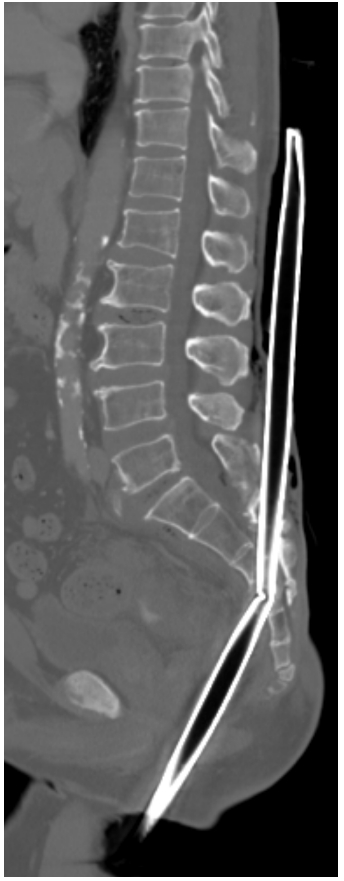 · 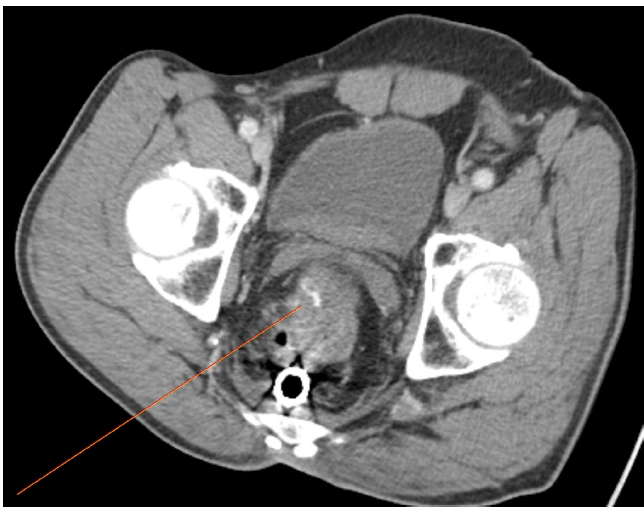 · 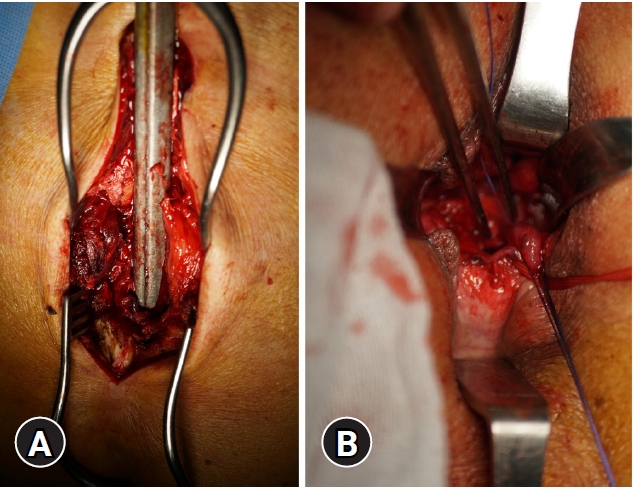 · |
|
#2
●
04-13-2023, 06:50 PM
| ||||||||
 ★ Legacy Member ★ Poster Rank:197 All woman Join Date: Jun 2012 Posts: 7,773 Mentioned: 22 Post(s) Quoted: 1420 Post(s)
| ||||||||
|
Re: Updated- Man with Metal Bar Impaled Through the Ass
OK I'd like to know the backstory to this one....
|
|
#3
●
04-13-2023, 08:26 PM
| ||||||||
 ~So Much Blood~ Poster Rank:123 Gore Hag Join Date: Mar 2010 Posts: 13,158
Contributions: 1
Mentioned: 28 Post(s) Quoted: 822 Post(s)
| ||||||||
|
Re: Updated- Man with Metal Bar Impaled Through the Ass
Literally  |
|
#8
●
04-15-2023, 09:57 AM
| ||||||||
 ✝Mudderator from Hell✝ Poster Rank:10 e-mail Join Date: Oct 2006 Posts: 96,686
Contributions: 817
Mentioned: 476 Post(s) Quoted: 10349 Post(s)
| ||||||||
|
Re: Updated- Man with Metal Bar Impaled Through the Ass
many attempts fail miserably like this one and you even end up worse as feeling before. |