|
#1
●
09-25-2009, 01:50 PM
| ||||||||
 ink freak Poster Rank:685 female Join Date: May 2009 Posts: 1,276 Mentioned: 0 Post(s) Quoted: 9 Post(s)
| ||||||||
|
*SEPSIS BLOOD INFECTION* Has Pics*****
Sepsis is a condition in which the body is fighting a severe infection that has spread via the bloodstream. If a patient becomes "septic," they will likely be in a state of low blood pressure termed "shock." This condition can develop either as a result of the body's own defense system or from toxic substances made by the infecting agent (such as a bacteria, virus, or fungus). People at risk for sepsis * People whose immune systems (the body's defense against microbes) are not functioning well because of an illness (such as cancer or AIDS) or because of medical treatments (such as chemotherapy for cancer or steroids for a number of medical conditions) that weaken the immune system are more prone to develop sepsis. It is important to remember that even healthy people can suffer from sepsis. * Because their immune systems are not completely developed, very young babies may get sepsis if they become infected and are not treated in a timely manner. Often, if they develop signs of an infection such as fever, infants have to receive antibiotics and be admitted to the hospital. Sepsis in the very young is often more difficult to diagnose because the typical signs of sepsis (fever, change in behavior) may not be present or may be more difficult to ascertain. * The elderly population, especially those with other medical illnesses such as diabetes, may be at increased risk as well. The number of people dying from sepsis has almost doubled in the past 20 years. This is most likely due to the increased number of patients who suffer from sepsis. * There has been a large increase in sepsis because doctors have started treating cancer patients and organ transplant patients, among others, with strong medications that weaken the immune system. * Also, because of our aging population, the number of elderly people with weak immune systems has grown. * Finally, because of the increased and often inappropriate use of antibiotics to treat illnesses caused by viruses and not bacteria, many strains of bacteria have become resistant to antibiotics, making the treatment of sepsis more difficult in some cases. Sepsis Causes Many different microbes can cause sepsis. Although bacteria are most commonly the cause, viruses and fungi can also cause sepsis. Infections in the lungs (pneumonia), bladder and kidneys (urinary tract infections), skin (cellulitis), abdomen (such as appendicitis), and other organs (such as meningitis) can spread and lead to sepsis. Infections that develop after surgery can also lead to sepsis. source:www.webmd.com/ --- A sepsis infection is a serious condition. When a sepsis infection has occurred it is because an individual's body has experienced another infection leading up to the sepsis infection. The events leading up to a sepsis infection can vary but bed sores from neglectful nursing home care can eventually cause the dangerous bacterial condition. Despite medical advances and aggressive sepsis infection treatments, nothing as of yet has been able to curb or decrease the fatalities associated to sepsis infection. Every year hundreds of thousands of people suffer from instances of sepsis infection and die. The number of people affected by sepsis infection is expected to continue increasing. With nursing home residents already suffering weakened physical conditions and lower immunity, a sepsis infection can greatly increase the risk of the sepsis infection becoming deadly. source:http://www.nursing-home-abuse-resour...infection.html -- Death statistics for Sepsis: The following are statistics from various sources about deaths and Sepsis: * 5,040 deaths from sepsis were attributable to the patient safety incident in the US 2000-2002 (Patient Safety in American Hospitals, Health Grades 2004) * bacterial sepsis of newborn caused 2.5% of deaths less than 1 year old in USA 1999 [NVSR 2001] * bacterial sepsis of newborn caused 3.5% of deaths for neonates in USA 1999 source:http://www.wrongdiagnosis.com/s/sepsis/deaths.htm ***found this about some years ago when i had an interest in infections, viruses and diseases. been trying to find the website/article about a teen that died after minor surgery. it is an infection that CAN BE prevented. just like any other kind of infection out there..**** 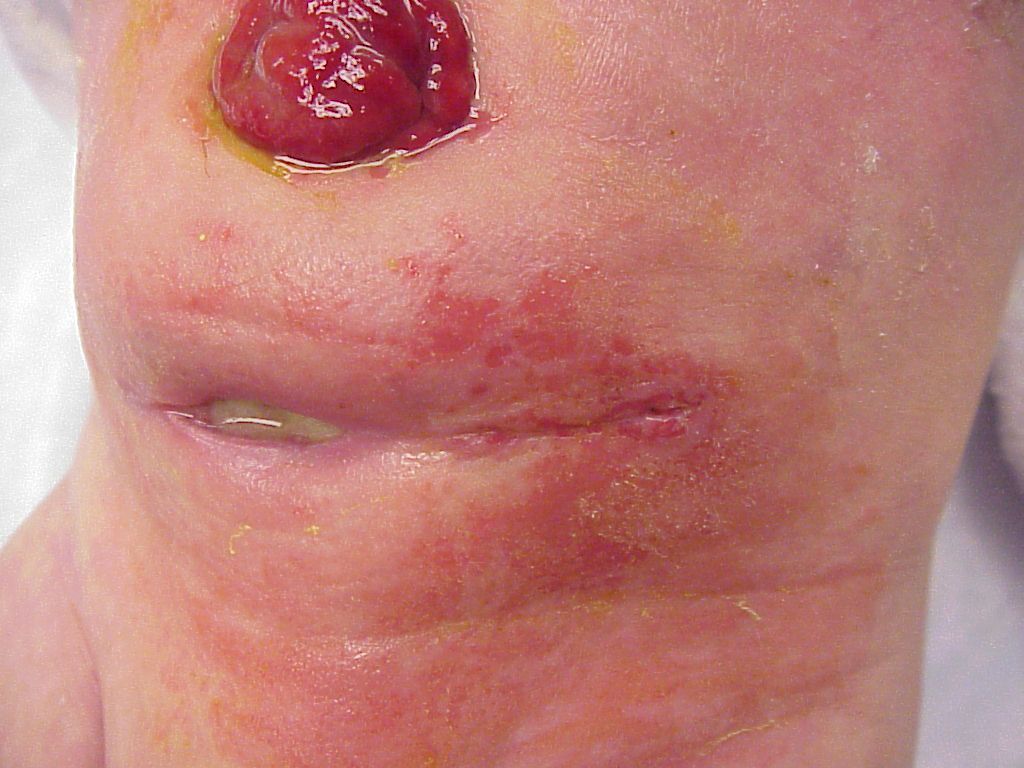 ·  · 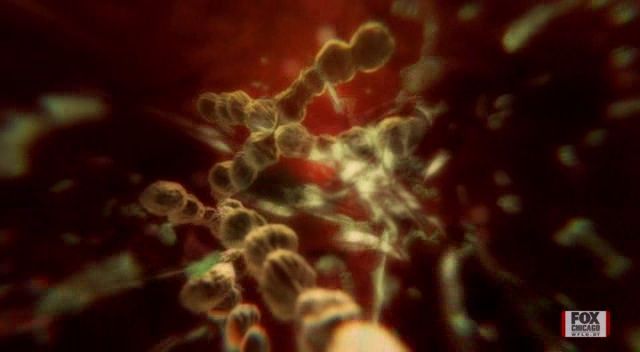 ·  ·  · 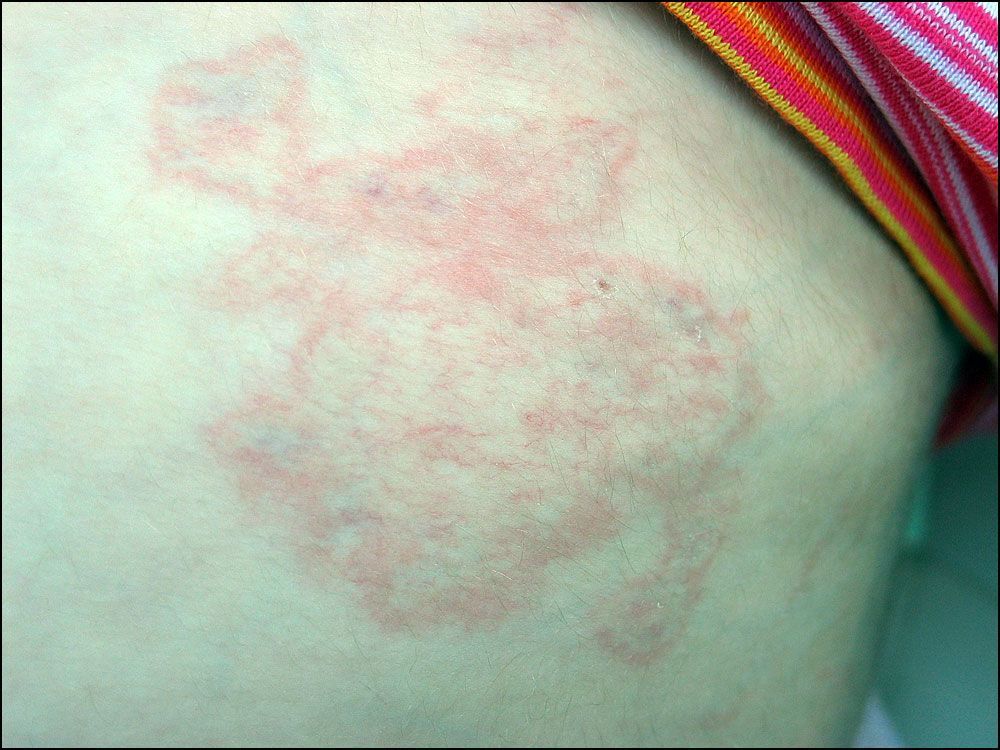 · 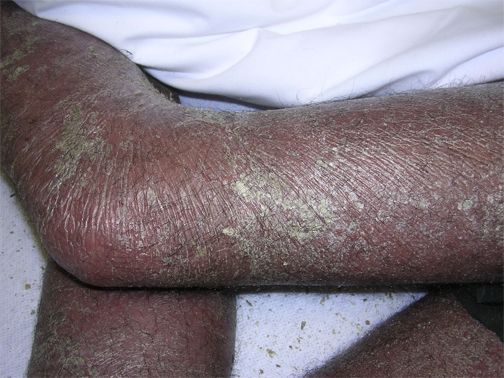 ·  ·  · |
|
#4
●
09-26-2009, 04:35 AM
| ||||||||
 My Rank: LANCE CORPORAL Poster Rank:3236 i have a vagina, kthx. Join Date: Aug 2009 Posts: 115 Mentioned: 1 Post(s) Quoted: 5 Post(s)
| ||||||||
|
Re: *SEPSIS BLOOD INFECTION* Has Pics*****
was the baby born early due to sepsis or does the wee one have it, as well? i'm curious because it has vernix/lanugo which means it was probably early.
|
|
#7
●
09-30-2009, 05:41 AM
| ||||||||
 My Rank: LANCE CORPORAL Poster Rank:2378 Female last I checked Join Date: Feb 2009 Posts: 191 Mentioned: 0 Post(s) Quoted: 2 Post(s)
| ||||||||
|
Re: *SEPSIS BLOOD INFECTION* Has Pics*****
Ive seen a document or something of a woman that had this...I believe its her in the fourth pic. She died of an infection after having that surgery. Fucking horrible if you ask me.  |
|
#8
●
07-02-2012, 10:59 PM
| ||||||||
 ★The Queen★ Poster Rank:68 Female Join Date: Jun 2011 Posts: 23,496
Contributions: 120
Mentioned: 95 Post(s) Quoted: 3083 Post(s)
| ||||||||
|
Re: *SEPSIS BLOOD INFECTION* Has Pics*****
I'm curious about the baby, too, although this is a few years later. I thought I'd bump it up because we seem to be hearing of sepsis a lot lately. Enjoy!
|
|
#9
●
07-02-2012, 11:23 PM
| ||||||||
 ★ PSYCHOPOMP ★ Poster Rank:103 Man Join Date: Oct 2009 Posts: 15,952 Mentioned: 9 Post(s) Quoted: 1298 Post(s)
| ||||||||
|
Re: *SEPSIS BLOOD INFECTION* Has Pics*****
I see that a lot in my work... and I concur that it will become more rampant as time goes on  |
|
#10
●
07-03-2012, 12:47 AM
| ||||||||
 ★ Legacy Member ★ Poster Rank:197 All woman Join Date: Jun 2012 Posts: 7,773 Mentioned: 22 Post(s) Quoted: 1420 Post(s)
| ||||||||
|
Re: *SEPSIS BLOOD INFECTION* Has Pics*****
The problem is we're oversanitizing ourselves. Everything is antibacterial, and new strains of bacteria and infectious organisms are developing resistance. (MRSA and VRSA, anyone?) I remember when I worked in the medical field there were rules galore at the hospital for patient safety regarding workers' personal hygiene. No open-toed shoes, all rings had to be removed before hand washing, hand washing had to be done for at least 30 seconds (sometimes they even made us apply a liquid to our hands that showed where there was still dirt, and we'd have to scrub again. And fingernails could not be over a certain length. (That was a biggie, I live in NOLA, and a lot of the African American workers did have the fancy long nails. Nobody realizes how easy it is for those to harbor bacteria.
|