|
#231
●
10-06-2014, 02:33 AM
| ||||||||
 My Rank: MASTER SERGEANT Poster Rank:536 Female Join Date: Jul 2014 Posts: 1,880 Mentioned: 8 Post(s) Quoted: 997 Post(s)
| ||||||||
|
Re: Random Medical and Weird I Find ALWAYS UPDATED * child warning
up here for thinking  Im no medic but can see clotting 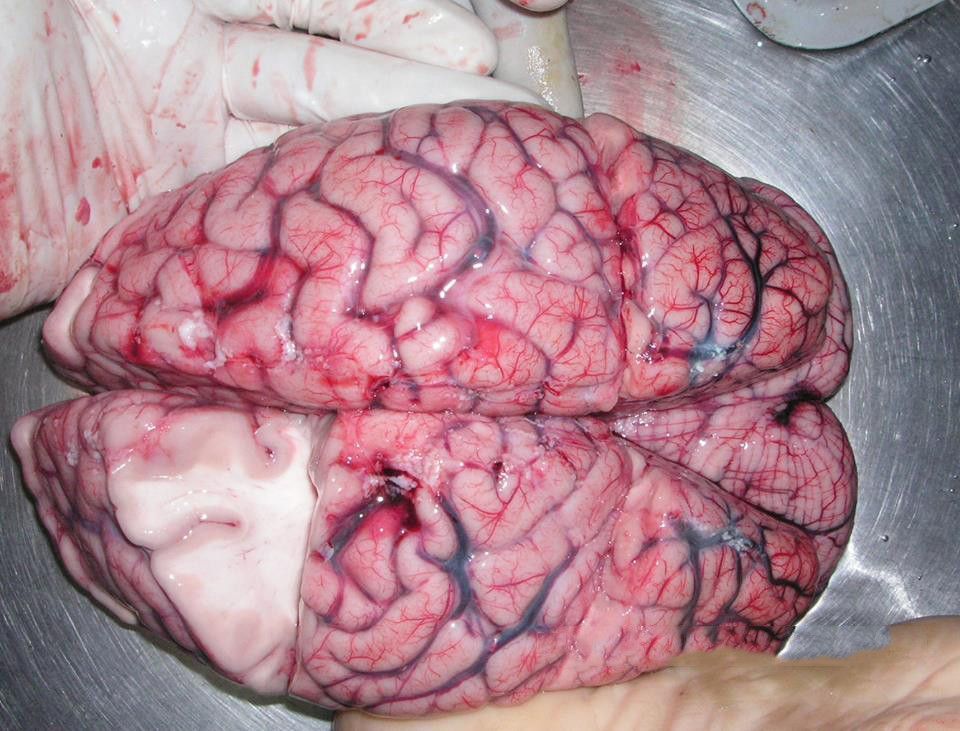 · |
|
#232
●
10-06-2014, 02:35 AM
| ||||||||
 ★ Legacy Member ★ Poster Rank:184 female Join Date: Oct 2013 Posts: 8,138 Mentioned: 19 Post(s) Quoted: 1185 Post(s)
| ||||||||
|
Re: Random Medical and Weird I Find ALWAYS UPDATED * child warning
Hahah! I bet Diamond just loved that eye evisceration post! Thanks for the heart  |
|
#234
●
10-06-2014, 02:53 AM
| ||||||||
| My Rank: MASTER SERGEANT Poster Rank:536 Female Join Date: Jul 2014 Posts: 1,880 Mentioned: 8 Post(s) Quoted: 997 Post(s)
| ||||||||
|
Re: Random Medical and Weird I Find ALWAYS UPDATED * child warning
wow some of these diseases are unheard of - well by me Hailey-Hailey disease, sometimes called ‘familial benign chronic pemphigus’ is a rare hereditary blistering skin disease. It usually appears in the third or fourth decade, although it can occur at any age. It typically begins as a painful erosive skin rash in the skin folds. Common sites include the armpits, groins, and neck, under the breasts and between the buttocks. 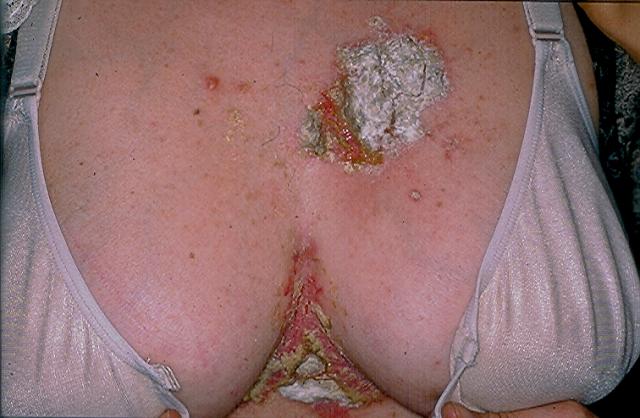 · |
|
#235
●
10-06-2014, 02:55 AM
| ||||||||
| My Rank: MASTER SERGEANT Poster Rank:536 Female Join Date: Jul 2014 Posts: 1,880 Mentioned: 8 Post(s) Quoted: 997 Post(s)
| ||||||||
|
Re: Random Medical and Weird I Find ALWAYS UPDATED * child warning
oh i know someone years ago that had this, its horrible Ichthyosis vulgaris is a skin condition that causes dry, dead skin cells to accumulate in patches on the surface of your skin. It’s also known as “fish scale disease” because the dead skin accumulates in a similar pattern to a fish’s scales. The majority of cases are mild and confined to specific areas of the body. However, some cases are severe and can cover large areas of the body, including the abdomen, back, arms, and legs. What Causes Ichthyosis Vulgaris? As with many other skin conditions, genetics play a role in the transmission of ichthyosis vulgaris. The condition follows an autosomal dominant pattern, meaning that only one parent needs to possess the mutated gene in order to pass it onto his or her child. It is one of the most common of all inherited skin disorders. 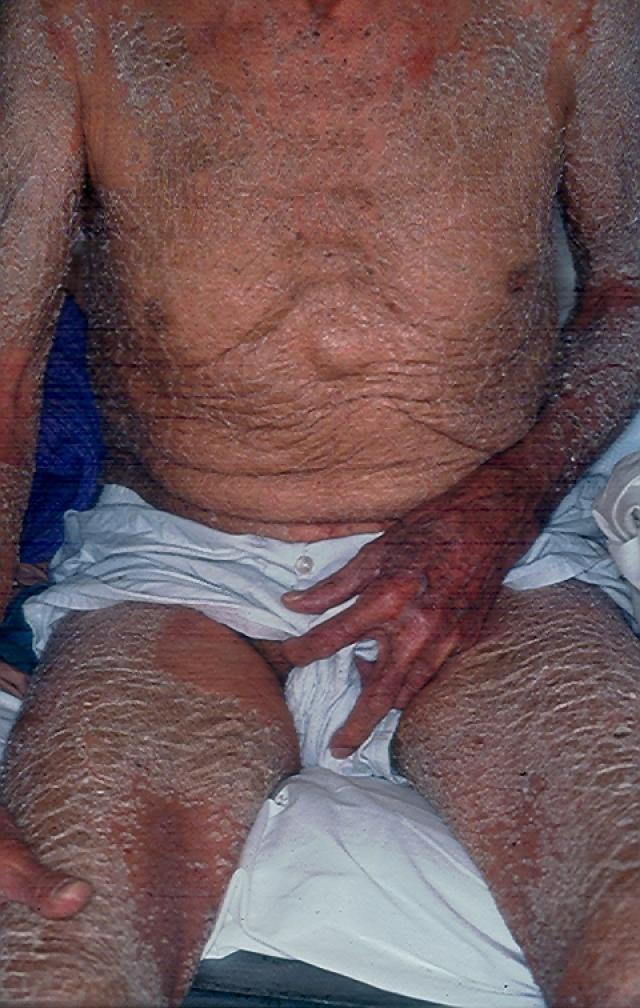 · |
|
#236
●
10-06-2014, 02:56 AM
| ||||||||
| My Rank: MASTER SERGEANT Poster Rank:536 Female Join Date: Jul 2014 Posts: 1,880 Mentioned: 8 Post(s) Quoted: 997 Post(s)
| ||||||||
|
Re: Random Medical and Weird I Find ALWAYS UPDATED * child warning
heres another form X-linked ichthyosis is the second most common type of ichthyosis and one of the most frequent human enzyme deficiency disorders. X-linked ichthyosis is a clinically mild genetic disorder of keratinization, with extracutaneous manifestations in some cases. 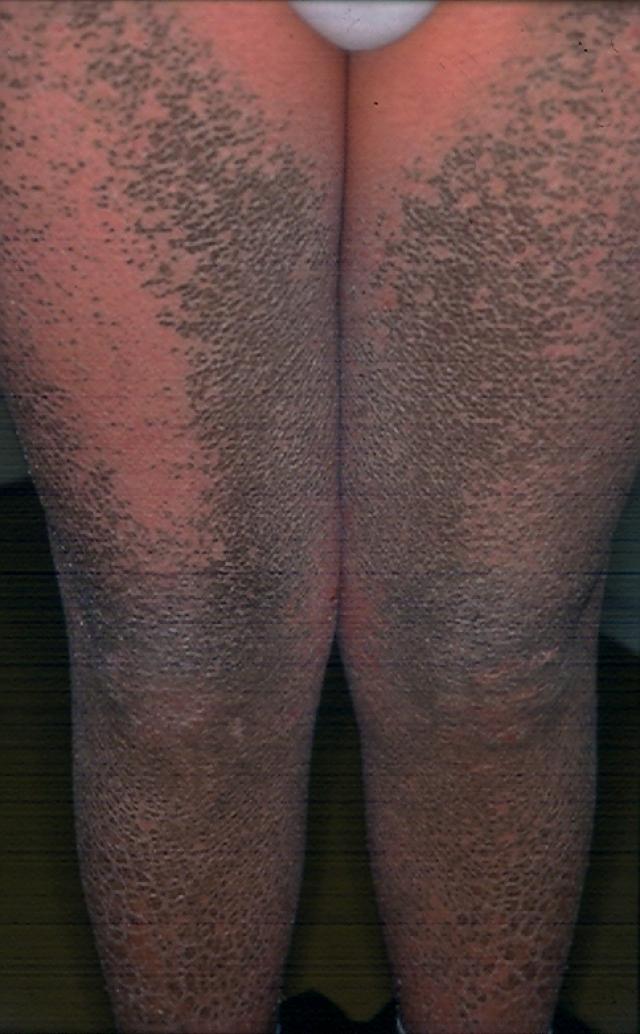 · |
|
#237
●
10-06-2014, 02:58 AM
| ||||||||
| My Rank: MASTER SERGEANT Poster Rank:536 Female Join Date: Jul 2014 Posts: 1,880 Mentioned: 8 Post(s) Quoted: 997 Post(s)
| ||||||||
|
Re: Random Medical and Weird I Find ALWAYS UPDATED * child warning
this one is creepy Acute thyroid orbitopathy presenting with orbital congestion, gross proptosis and ocular surface exposure, right microbial keratitis, and left corneal perforation. 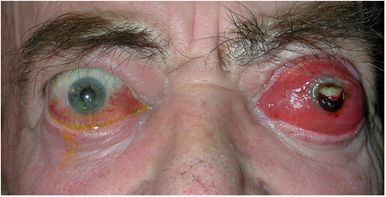 · |
|
#238
●
10-06-2014, 03:03 AM
| ||||||||
| My Rank: MASTER SERGEANT Poster Rank:536 Female Join Date: Jul 2014 Posts: 1,880 Mentioned: 8 Post(s) Quoted: 997 Post(s)
| ||||||||
|
Re: Random Medical and Weird I Find ALWAYS UPDATED * child warning
oh  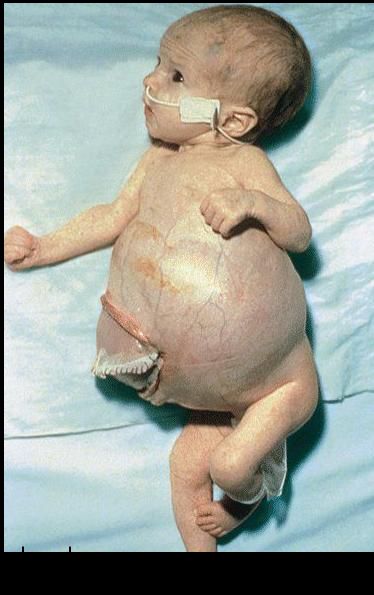 what on earth is that sticking out of the stomach??? 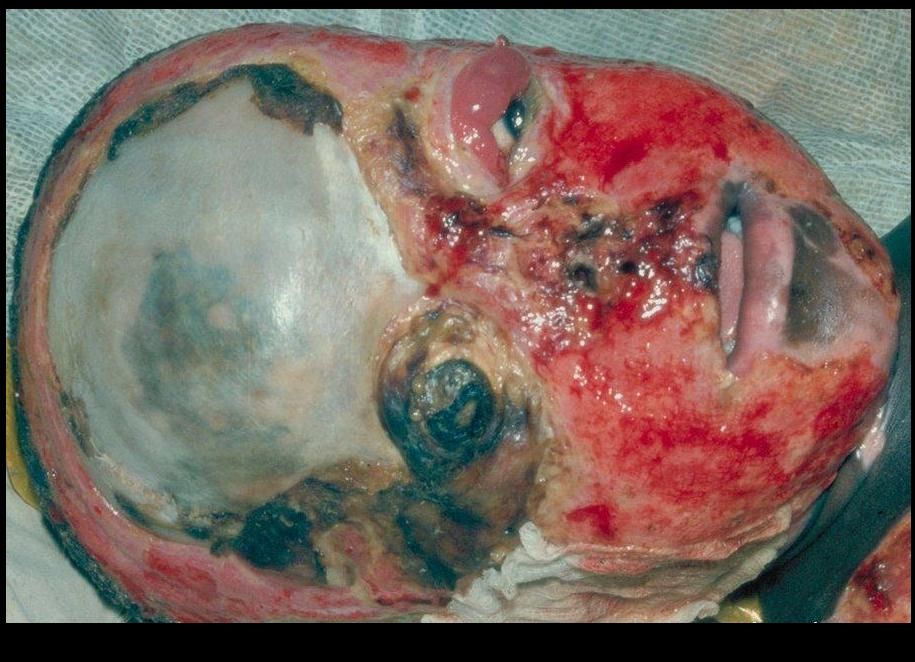 · 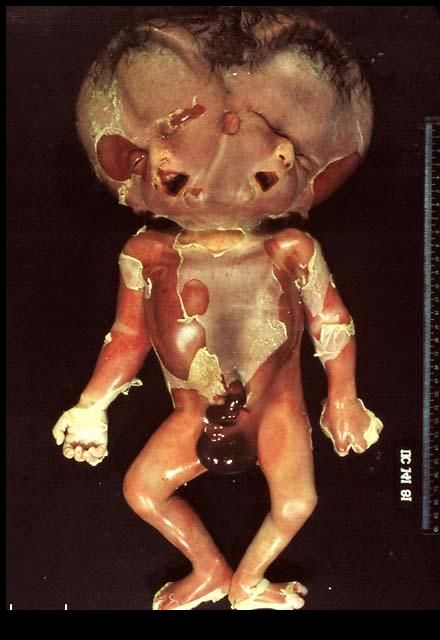 · |
|
#239
●
10-06-2014, 03:05 AM
| ||||||||
| My Rank: MASTER SERGEANT Poster Rank:536 Female Join Date: Jul 2014 Posts: 1,880 Mentioned: 8 Post(s) Quoted: 997 Post(s)
| ||||||||
|
Re: Random Medical and Weird I Find ALWAYS UPDATED * child warning
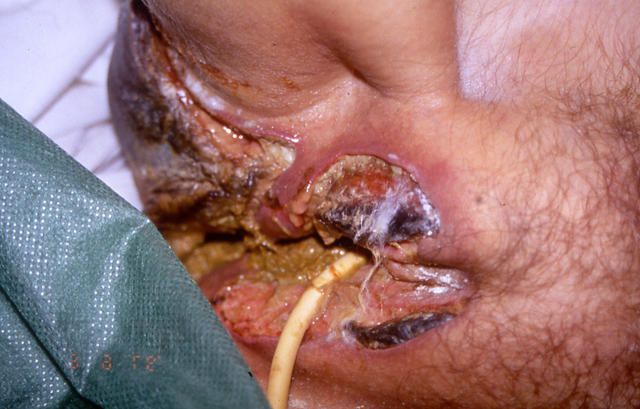
Be mindful when having casual sex peeps - this is a bad case of AIDS syptoms perenial ulcers
 · |
|
#240
●
10-06-2014, 03:21 AM
| ||||||||
| My Rank: MASTER SERGEANT Poster Rank:536 Female Join Date: Jul 2014 Posts: 1,880 Mentioned: 8 Post(s) Quoted: 997 Post(s)
| ||||||||
|
Re: Random Medical and Weird I Find ALWAYS UPDATED * child warning
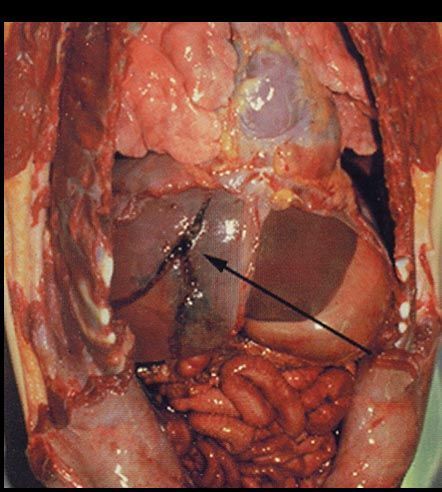
He died from a blow to the abdomen which caused lacerations of the liver.
 · |