|
#1
●
10-20-2016, 10:10 PM
| ||||||||
 So Fucking Banned Poster Rank:195 geemonster is a NONCE Join Date: Oct 2009 Posts: 7,801 Mentioned: 14 Post(s) Quoted: 3583 Post(s)
| ||||||||
|
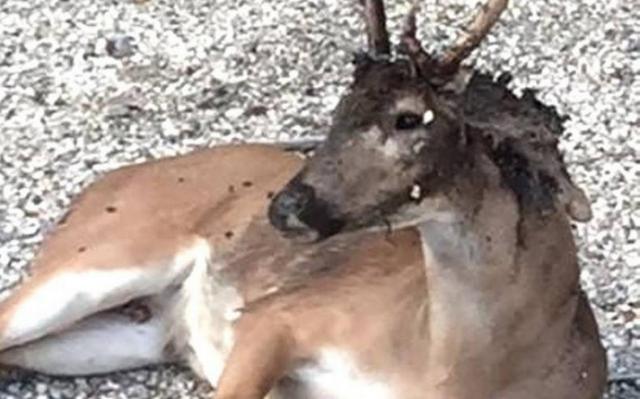
Primary Screwworm
Life Cycle Primary screwworm infestations begin when an adult female fly deposits eggs in an existing wound on an animal. Such wounds can be as small as a tick bite. A single adult female can lay as many as 350 eggs, but not all eggs are deposited in a single wound. The fly only lays its eggs on living animals, differentiating it from all other blow flies in the Americas. These eggs hatch, and the larvae feed on the healthy tissue, causing the wound to enlarge. Their activity can draw in more adult flies, including those of other blow fly species, that can deposit more eggs. Once larvae are fully formed, they drop to the ground where they pupate in the leaf litter or upper soil levels. Adult flies will emerge from the pupae 7 to 10 days later and begin the cycle again. In ideal environmental conditions, primary screwworms can complete their life cycle in 24 days . The primary screwworm is not capable of overwintering in areas that experience low temperatures or extended dry periods. Interestingly, most screwworm females only mate once, making them an ideal candidate for the sterile insect technique described below. Veterinary and Economic Importance Adult primary screwworms, like all blow flies, do not bite animals. Their damage is done through the feeding of the larvae on the wounds of living animals. Screwworms can infest all types of mammals and other warm-blooded animals, including livestock, wildlife, pets and even humans, although they are rarely found in birds. Wild and captive-raised deer also can be affected. Infestation generally occurs at the site of a recent, existing wound, such as a scrape, lesion or even tick feeding site, but also from castration, dehorning, branding, ear tagging, or shearing. In addition, mucous membranes and antlers that are shedding velvet are potential sites of infection. In newborn mammals, it often infects the site of the healing umbilical cord. Because pets can become infested, it is important that owners watch any wounds that do not heal properly. Larvae may not be apparent and a veterinarian should be consulted in such situations. Examination of wildlife is challenging and should be conducted by professionals. If you suspect an infestation of any wildlife, you should contact local Florida Fish and Wildlife Commission personnel. 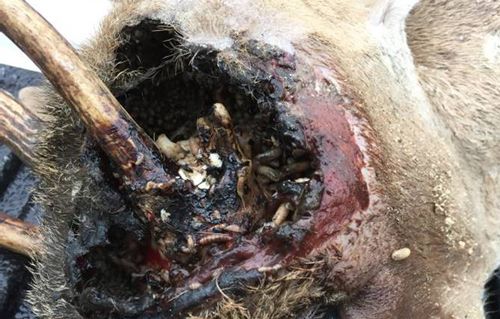 · |
|
#2
●
10-20-2016, 10:15 PM
| ||||||||
| So Fucking Banned Poster Rank:195 geemonster is a NONCE Join Date: Oct 2009 Posts: 7,801 Mentioned: 14 Post(s) Quoted: 3583 Post(s)
| ||||||||
|
Re: Primary Screwworm
Hey, what can I say? It's my seven year anniversary here at "documenting" Wait until you see what your like after 7 years.
 · |
|
#3
●
10-21-2016, 12:50 AM
| ||||||||
 ♾ C O O L E R ♾ Poster Rank:348 ¯\_(ツ)_/¯ Join Date: Jun 2012 Posts: 3,621
Contributions: 9
Mentioned: 8 Post(s) Quoted: 770 Post(s)
| ||||||||
|
Re: Primary Screwworm
Thanks, but this is the third screwworm thread in the last two weeks... and two of them are yours. I think we're solid on screwworms for a while.  Congrats on your anniversary.  |