|
#1
●
04-15-2011, 04:32 PM
| ||||||||
 My Rank: MAJOR Poster Rank:11 Join Date: Jun 2009 Posts: 93,130
Contributions: 226
Mentioned: 91 Post(s) Quoted: 2009 Post(s)
| ||||||||
|
Gynaecomastia
Gynecomastia, pronounced /ˌɡaɪnɨkɵˈmæstiə/, is the abnormal development of large mammary glands in males resulting in breast enlargement. The term comes from the Greek γυνή gyné (stem gynaik-) meaning "woman" and μαστός mastós meaning "breast". The condition can occur physiologically in neonates (due to female hormones from the mother), in adolescence, and in the elderly (Both in adolescence and elderly it is an abnormal condition associated with disease or metabolic disorders). In adolescent boys the condition is often a source of distress, but for the large majority of boys whose pubescent gynecomastia is not due to obesity, the breast development shrinks or disappears within a couple of years. The causes of common gynecomastia remain uncertain, although it has generally been attributed to an imbalance of sex hormones or the tissue responsiveness to them; a root cause is rarely determined for individual cases. The condition may also be caused due to an imbalance of estrogenic and androgenic effects on the breast, resulting in an increased or unopposed estrogen action on breast tissue. Approximately 4 to 10% cases of gynecomastia are due to drugs. Aldactone (spironolactone) is a very commone culprit that has a 17% rate of developing the condition. Both Digoxin and Furosemide are also reported to cause the same condition. Although, chances of gynecomastia could be more if these two drugs are coadministered. Breast prominence can result from hypertrophy of breast tissue, chest adipose tissue (fat) and skin, and is typically a combination. Breast prominence due solely to excessive adipose is often termed pseudogynecomastia or sometimes lipomastia. 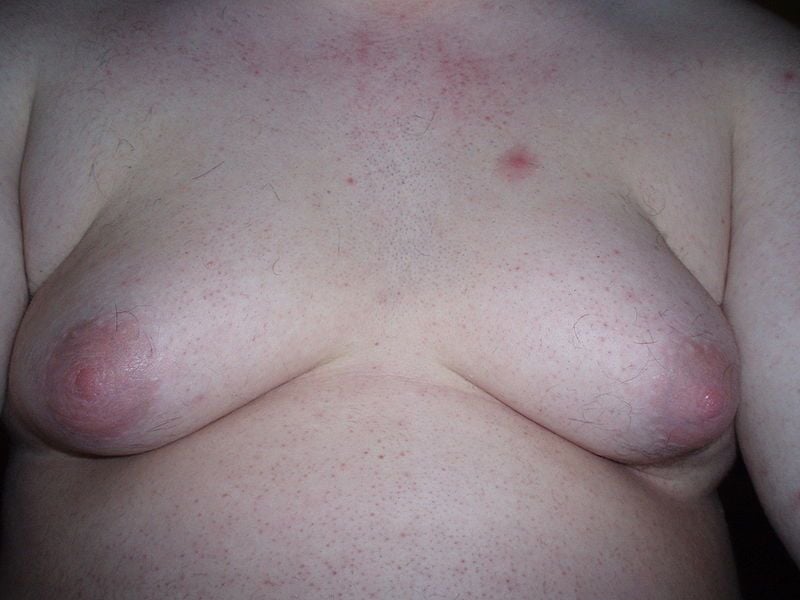 · 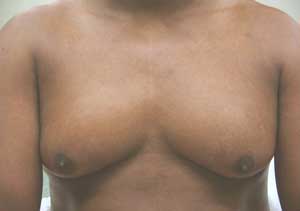 · 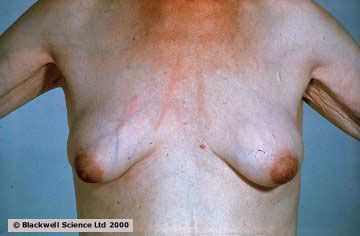 · 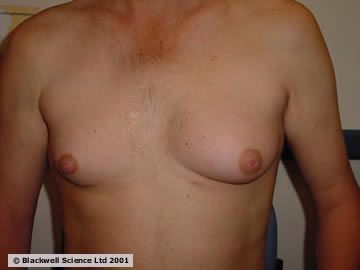 · |
|
#2
●
04-15-2011, 04:40 PM
| ||||||||
| My Rank: MAJOR Poster Rank:11 Join Date: Jun 2009 Posts: 93,130
Contributions: 226
Mentioned: 91 Post(s) Quoted: 2009 Post(s)
| ||||||||
|
Re: Gynaecomastia
<iframe title="YouTube video player" width="480" height="390" src="http://www.youtube.com/embed/3HQYf7YCkz4" frameborder="0" allowfullscreen></iframe> <iframe title="YouTube video player" width="640" height="390" src="http://www.youtube.com/embed/vzZN81MRQ_Q" frameborder="0" allowfullscreen></iframe> |
|
#9
●
04-15-2011, 08:58 PM
| ||||||||
 ★ Legacy Member ★ Poster Rank:383 male Join Date: Jan 2010 Posts: 3,087 Mentioned: 0 Post(s) Quoted: 147 Post(s)
| ||||||||
|
Re: Gynaecomastia
if my mate had a pair of them and id a horn and he fell asleep and i was drunk..fuck man i probably would  but not if i was sober so im not a complete sick fucker but not if i was sober so im not a complete sick fucker |