|
#1
●
07-26-2024, 04:40 PM
|
 These are the rooms Poster Rank:26 of ruin. Join Date: Sep 2014 Posts: 54,008 54,008Posts 87,658Thanked 30,403Quoted 145Mentioned 0Contrib. |
|
Gangrene of the Penis, Scrotum and Perineum
Patient aged 58, was sent to our center from the Institute of Oncology with the suspicion of Fournier’s gangrene. He was treated there because of diagnosis of inoperable rectal cancer. The patient was qualified for radiochemotherapy with an option of treatment effect evaluation and a possible surgery qualification. In May 2011 radiotherapy with photons X was started to penetrate the rectal tumor and its margin. Planned dose for this area was 45 Gy. Then a boost dose was applied to the rectal tumor, giving a total planned dose of 50 Gy. Simultaneously the first chemotherapy cycle with 5–Fluorouracil and Leucovorin was administered. After a few weeks of therapy, swelling and features of necrosis within the scrotum and the penis were noticed. The suspicion of Fournier’s gangrene was propounded so antibacterial treatment with Biodacine and Metronidazole was added. Then, the patient was sent to our center. After admission to the hospital ward the patient was in a poor general condition. The patient was of asthenic build, weakened and suffering severe pain. Swelling around the pubic symphysis and extensive gangrenous changes with necrotic elements involving the scrotum, partially the penis, embracing perineum and anal skin were noticed. On the day of admission the patient underwent treatment of gangrene and removal of necrotic lesions from several wide cuts around the groin and perineum while thick tubing was being placed, The material for culture was collected and empirical antibiotic therapy of Tygacil 100 mg in 100 ml of 5% glucose and metronidazole 500 mg 2 x 1 was started, along with analgesics and irrigation. On the day after surgery the patient was very weak with a fever reaching up to 40 degrees. He reported severe pain. Because of low level of hemoglobin (Hgb – 8.2 g/dl), two blood units were transfused. Over the next few days conservative treatment was applied, as well as daily dressing changes including washing the wound with hydrogen peroxide and local wound cleaning. During hospitalization the patient was still very weak. Pain around the perineum remained severe with a temporary increase in body temperature up to 38 degrees. Blood pressure remained constant at a level of 90/60 mmHg. On the fifth day antibiotic therapy was changed. Tygacil was ablactated and Biotraxon 2 x 1 g added. Despite the applied treatment, deterioration of the patient’s general and local condition was observed. The swelling around the wound became bigger, ne-crotic lesions embraced further perineal areas and skin of the penis. After the next two days, re-surgery was administered. All of the necrotic tissues were radically cut out and the inflamed testes were removed. Because of the necessity of radical excision of the inflammatory and necrotic lesions, tissues around the perineum fell off exposing the rectal stump (Figure 1). Due to the underlying disease – rectal cancer, patient was disqualified from hyperbaric chamber treatment because of the risk of spread of cancer. The last stage of the surgery was to identify the stoma in the transverse colon. Because of significant blood loss during the surgery two blood units were transfused. In the next few days, patient was in a stable condition. Conservative treatment with daily dressing changes was continued. Because of persistent pain, morphine analgesic skin patches were prescribed. On the fourth day after the surgery a light diet was added. The stoma has been working properly. After receiving wound culture result (1. Enterococcus fae-calis, 2. Escherichia coli, 3. Klebsiella pneumoniae ESBL) targeted antibiotic therapy: Zinacef 2 x 1.5 g and Biseptol 2 x 60 mg was started. In the cultures, no anaerobic bacteria were found. In histopathological studies of the removed tissues, tumor cells were not found. Blood culture for aerobic and anaerobic bacteria was sterile. A better general condition and gradual wound healing was achieved. Biseptol and Zinacef were gradually weaned, simultaneously adding Augmentin oral 625 mg 2 x 1 tabl. Conservative treatment with daily changing of dressing was continued. Rehabilitation was implemented. Postoperative wound around the penis and the urethra was clean, without purulent lesions, and with a good blood supply. Pus started to gather around the rectal stump. Culture results from the rectal stump showed: 1. Morganella morgani SSP, 2. Staphylococcus epidemidis. According to the antibiogram intravenous antibiotic therapy– Biseptol 2 x 480 mg and Metronidazole 500 mg 3 x 1 was added. Proper wound healing was obtained (Figure 2). On successive days patient was in a good general condition, without pain in the groin area and with a standard temperature. Intravenous antibiotics were ablactated and Furagin 3 x 2 tbl, added. Due to the local severity of the disease and, thus, lack of possibility of radical treatment, a secondary suture was not used. Conservative treatment of maintaining antibiotic therapy and daily dressing change was continued. Wound healing was proper, without purulent discharge. Patient did not have fever. On the 59th day after the first surgery the patient was discharged home in a good general condition with the order for further treatment at the Institute of Oncology and for constant control at the urology and surgical clinic (Figure 3). After two months, the patient came to the outpatient urology clinic in order to evaluate the wound healing. The wound was healed (Figure 3 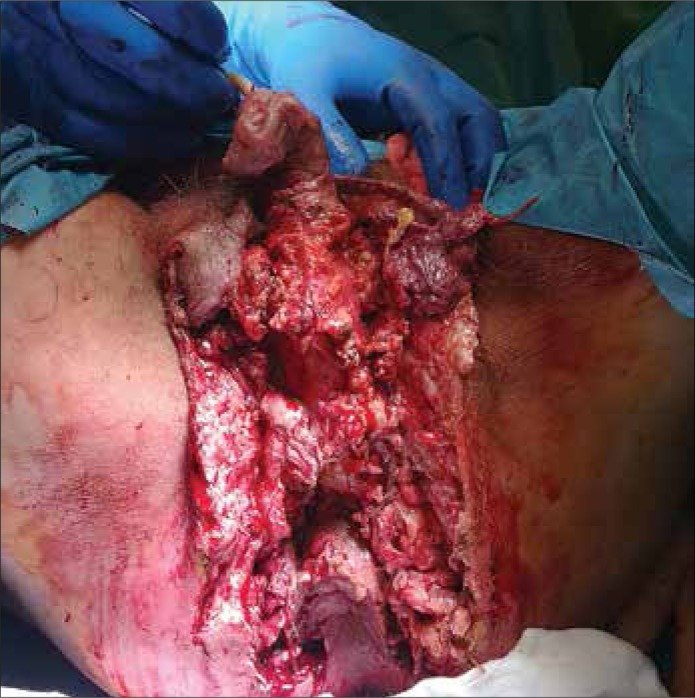 · 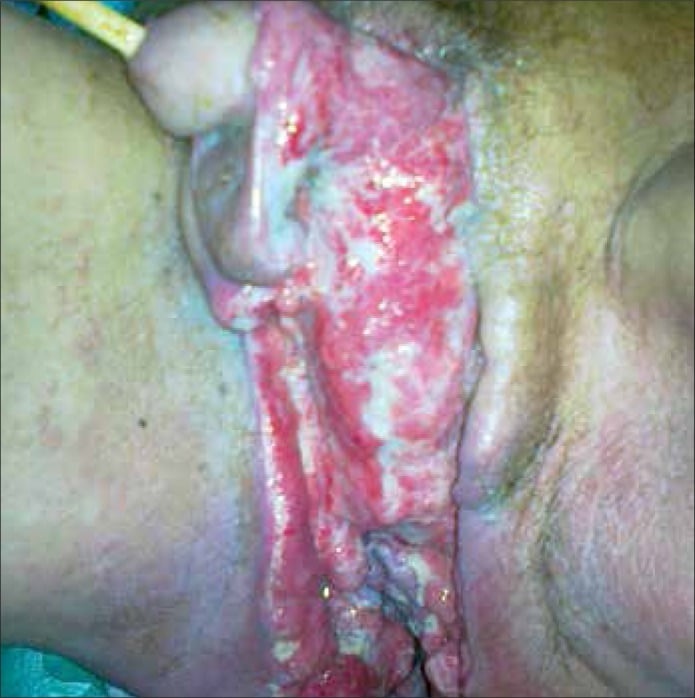 · 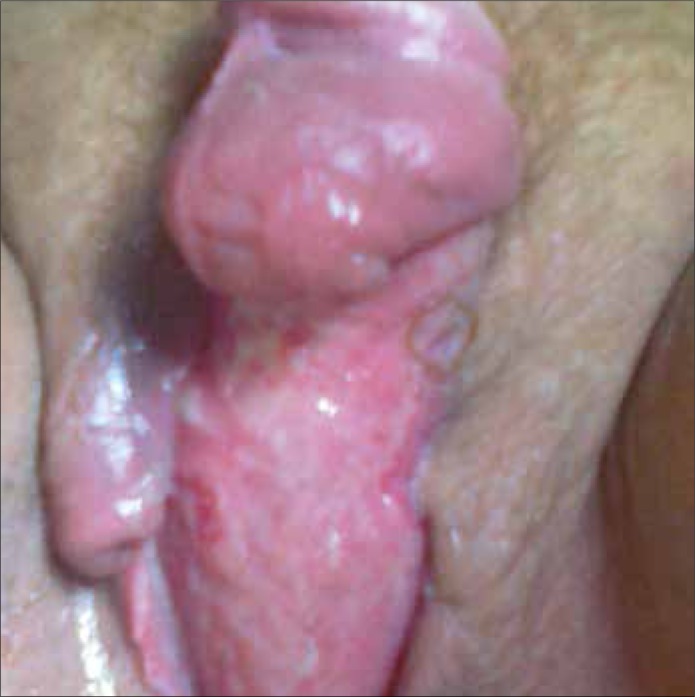 · 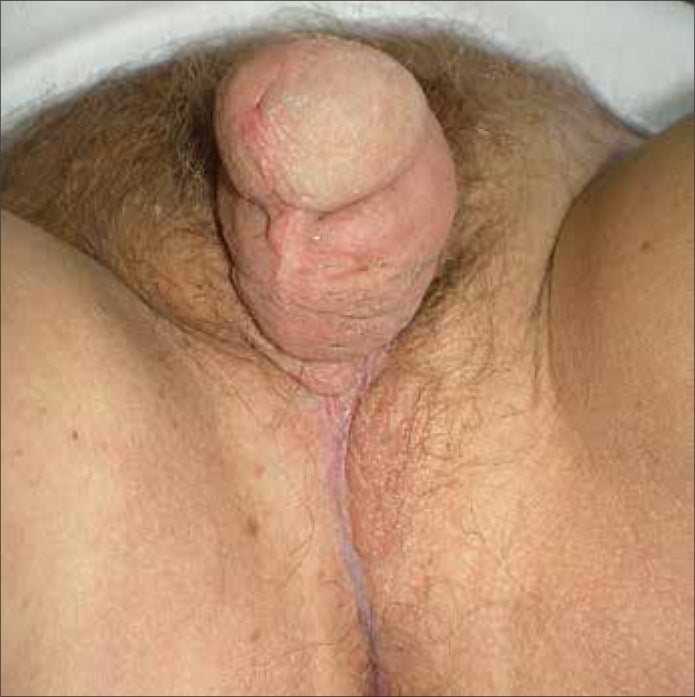 · |
|
#2
●
07-26-2024, 09:20 PM
|
 ★ Legacy Member ★ Poster Rank:110 Secret Agent Join Date: Dec 2009 Posts: 14,850 14,850Posts 49,323Thanked 3,059Quoted 6Mentioned 0Contrib. |
|
Re: Gangrene of the Penis, Scrotum and Perineum
Almost looks like female to male surgery in the last photo.  That’s a helluva kick-ass surgical team.  |
|
#3
●
07-26-2024, 10:03 PM
|
| ♚ Legacy Gold Member ♚ Poster Rank:92 Male Join Date: Nov 2009 Posts: 17,193 17,193Posts 44,964Thanked 4,709Quoted 8Mentioned 0Contrib. |
|
Re: Gangrene of the Penis, Scrotum and Perineum
This is another one where I was assuming I would be reading about the patient's death at the end. They did an awful good job with this patient!  |
|
#4
●
07-27-2024, 01:36 AM
|
 My Rank: MASTER GUNNERY SERGEANT Poster Rank:352 Manly Man Join Date: Sep 2017 Posts: 3,601 3,601Posts 12,427Thanked 700Quoted 0Mentioned 0Contrib. |
|
Re: Gangrene of the Penis, Scrotum and Perineum
That penis's will to live is commendable.  |
|
#5
●
07-27-2024, 09:34 AM
|
 ✝Mudderator from Hell✝ Poster Rank:10 e-mail Join Date: Oct 2006 Posts: 96,702
Contributions: 902
96,702Posts 543,791Thanked 10,372Quoted 479Mentioned 902Contrib. |
|
Re: Gangrene of the Penis, Scrotum and Perineum
wow, all in 2 months  |
|
#6
●
07-27-2024, 03:46 PM
|
 My Rank: MAJOR Poster Rank:120 Male Join Date: Feb 2010 Posts: 13,414 13,414Posts 15,836Thanked 3,535Quoted 15Mentioned 0Contrib. |
|
Re: Gangrene of the Penis, Scrotum and Perineum
Glad he survived the nightmare of going through something like this
|