|
#1
●
03-17-2023, 11:52 PM
| ||||||||
 These are the rooms Poster Rank:26 of ruin. Join Date: Sep 2014 Posts: 54,011 Mentioned: 145 Post(s) Quoted: 30403 Post(s)
| ||||||||
|
Extraskeletal Ewing Sarcoma
Source. This case is out of India: A male in his 50s came to the doctor with right shoulder swelling that had been going on for 10 years. The patient did not experience any pain due to this gradually developing mass. After being examined, the lump was painless, non-tender, and multi-lobulated (Figure 1). During palpation, the mass was found to be fixed. The ultrasonography (USG) of the local portion showed a massive ill-defined lobulated heterogeneous echotexture lesion with low internal vascularity along with the involvement of the right shoulder. This lesion infiltrated the underlying muscles around the shoulder joint. The bony cortex that lies beneath the skin appeared to be healthy. It was hypothesized that a malignant neoplastic etiology was responsible for it, and a sarcomatous lesion was most likely the cause. On June 15, 2021, an MRI of the right shoulder showed a relatively well-defined, mostly multi-loculated, heterogeneous lesion measuring about 17.6 × 16.9 × 22 cm, with internal hemorrhagic areas in the tuberosity and muscle infiltration. Small subchondral cystic changes were seen at the head of the humerus near the greater trochanter, with cortical erosions in the acromion process and the spine of the scapula. The right humeral head revealed a normal contour. The right humeral head and proximal shaft demonstrated normal signal intensity. A few small right axillary lymph nodes, probably reactive lymph nodes, were also noted. After that, a Trucut biopsy was performed on June 24, 2021, and the results led to the possibility of two different types of sarcoma: extraskeletal soft-tissue sarcoma and fibromyxoid sarcoma. At the same time, the high-resolution computed tomography (HRCT) scan of the chest did not show any evidence of metastatic deposits. So, the patient was set to have a major surgery on July 16, 2021, which included a wide local excision, a total scapulectomy, the removal of the lateral one-third of the clavicle, and the rotation of the latissimus dorsi flap (Figure 2). The wide local excision of the tumor, weighing approximately 5 kg, was done. It led to the removal of the lateral one-third of the clavicle, the rotator cuff, and the whole scapula, separate from the humeral head, as the tumor had involved those structures. The brachial plexus, axillary artery, and vein in the proximity were preserved and were not damaged. After that, a latissimus dorsi flap with a skin flap was created with the thoracodorsal pedicle. This flap was placed along the defect after tumor excision. The patient had given negative consent for forequarter amputation, so a mesh (drill beat mesh fixed with Ethibond number 2 {Ethibond Inc., Somerville, NJ}) was done between the remaining clavicle and humerus to aid the postoperative arm movement. The remaining defect was closed with split-thickness grafting (STG) procedure. An approximately 5 kg tumor mass was successfully removed from the right shoulder (Figure 3). The patient was positioned in a right lateral decubitus position, and the procedure to generate a latissimus dorsi flap was performed (Figure 4). After that, the latissimus dorsi flap was sewn into the right shoulder (Figure 5). The wound at the latissimus dorsi site before the skin grafting procedure is depicted in the image below (Figure 6). A skin grafting procedure was later conducted using the skin from the donor’s thigh. This skin graft was carefully placed on the latissimus dorsi donor site (Figure 7). An X-ray of the right shoulder was performed after the EES removal surgery, which showed no visible mass on the right shoulder (Figure 8). Five days after the surgery, a wound gap was found at the site of the latissimus dorsi flap. This was taken care of in a conservative way. Moreover, the histopathology on July 29, 2021, indicated that the skin margins on the superior, inferior, medial, and lateral sides were all clear of tumor. Vincristine, Adriamycin (doxorubicin), actinomycin D (dactinomycin), and cyclophosphamide were the first chemotherapy drugs administered on August 27, 2021. The chemotherapy medications were administered in a total of eight cycles over nine weeks. The postoperative movement at the shoulder was moderate. 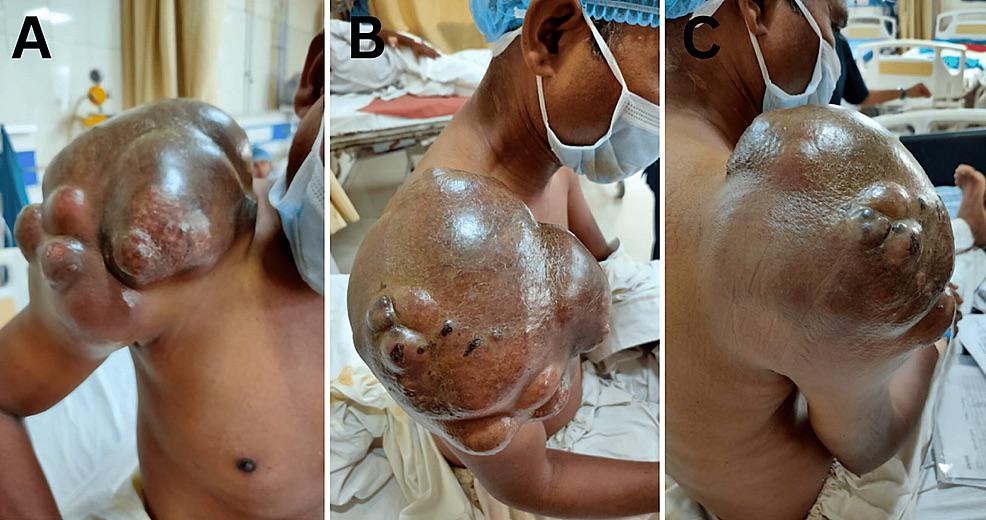 · 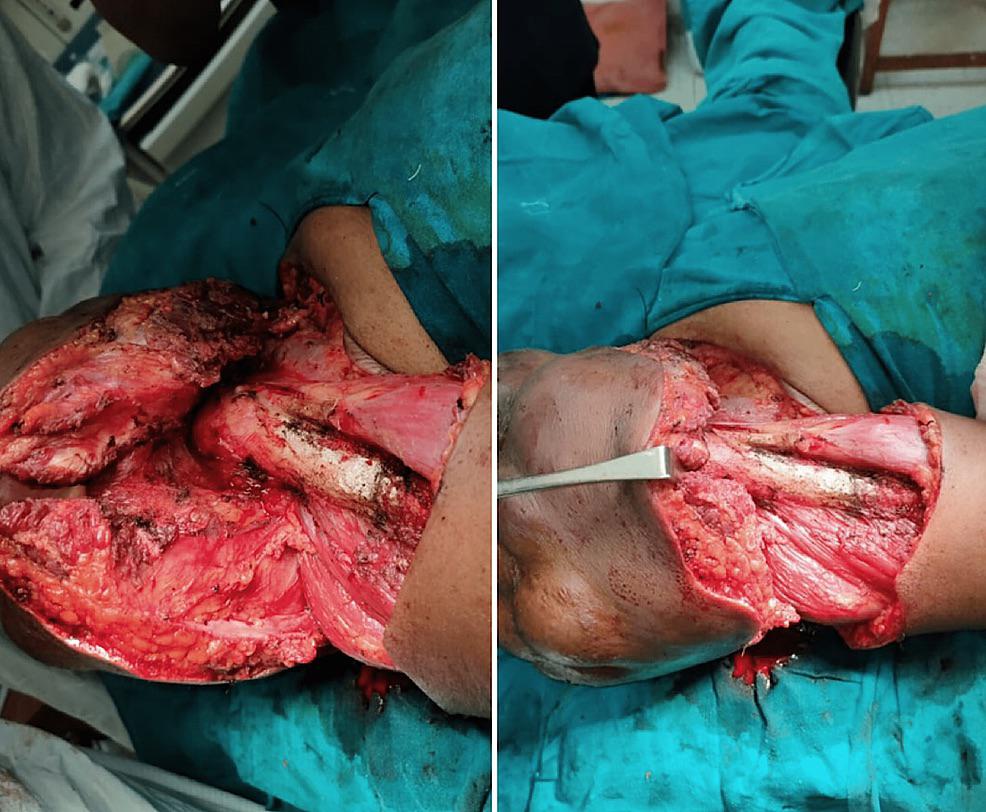 · 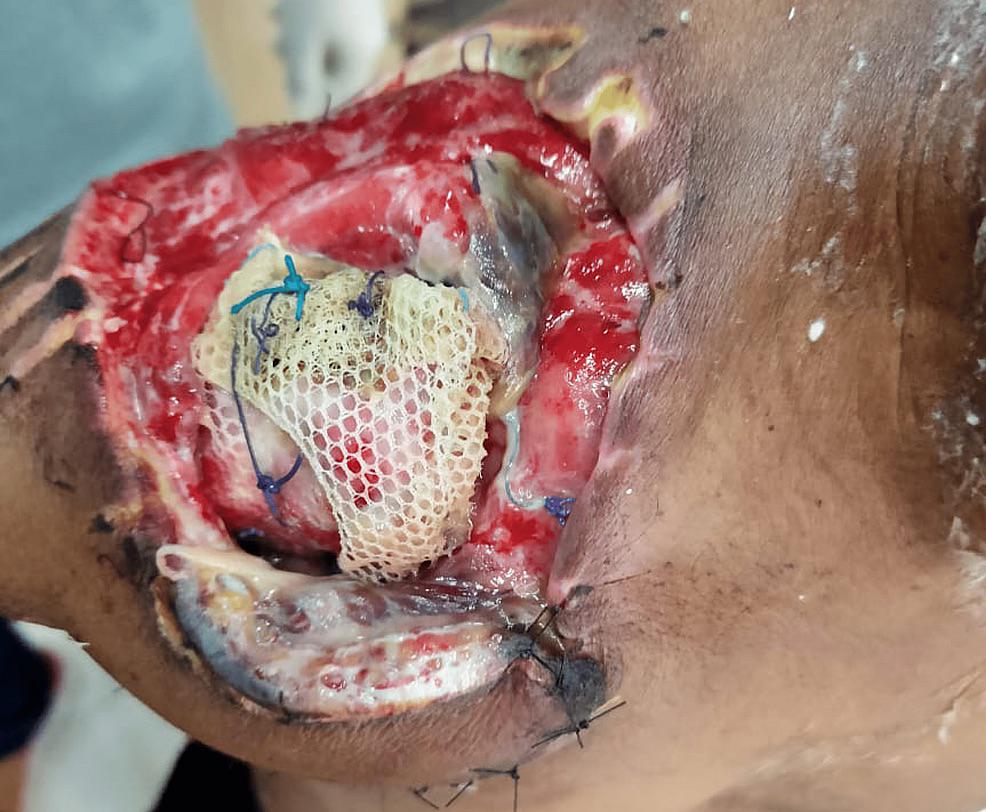 · 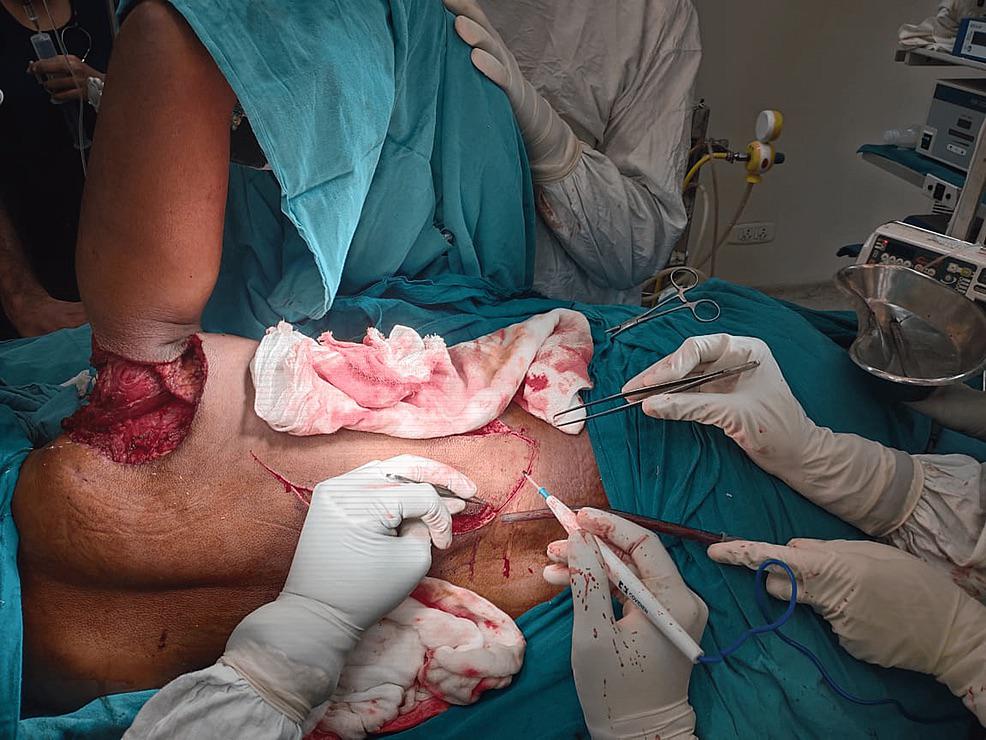 · 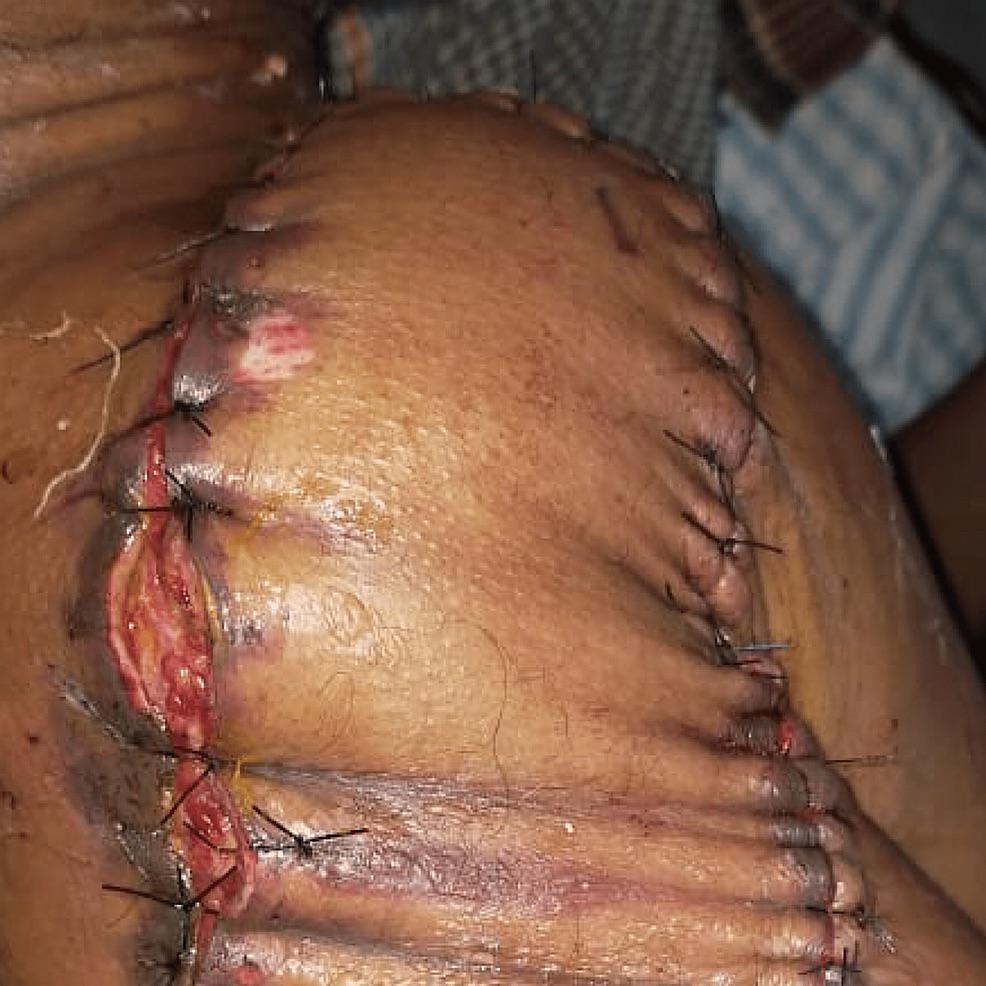 · 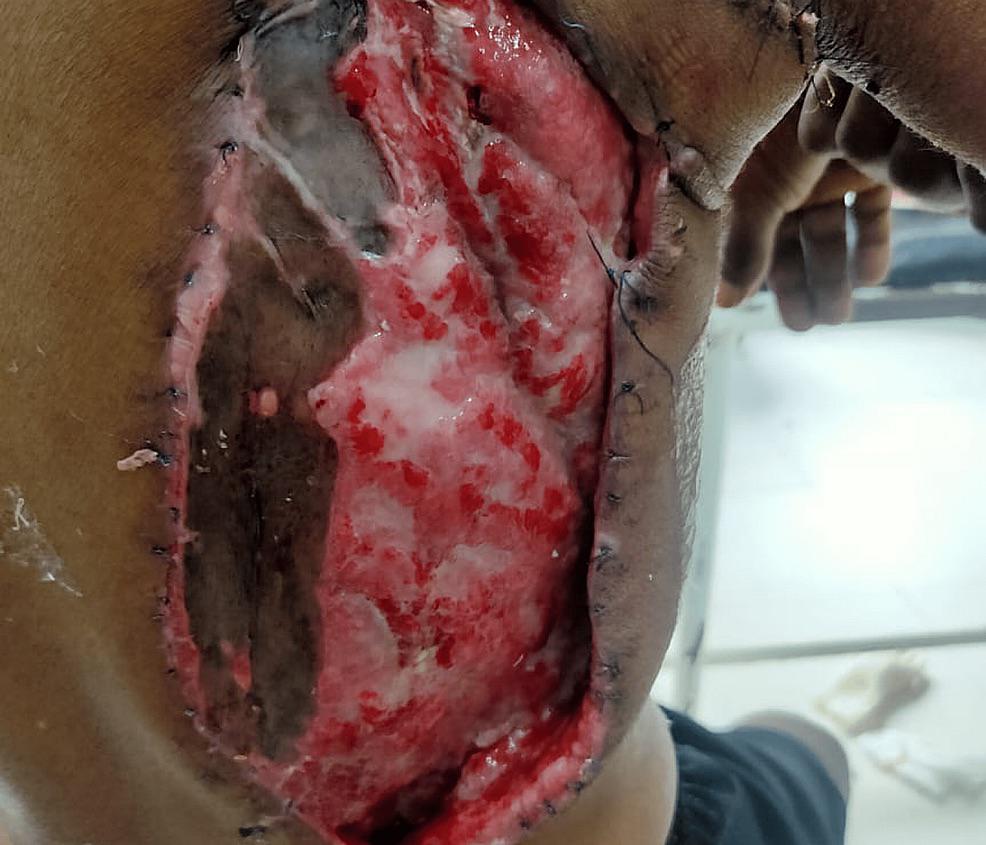 · 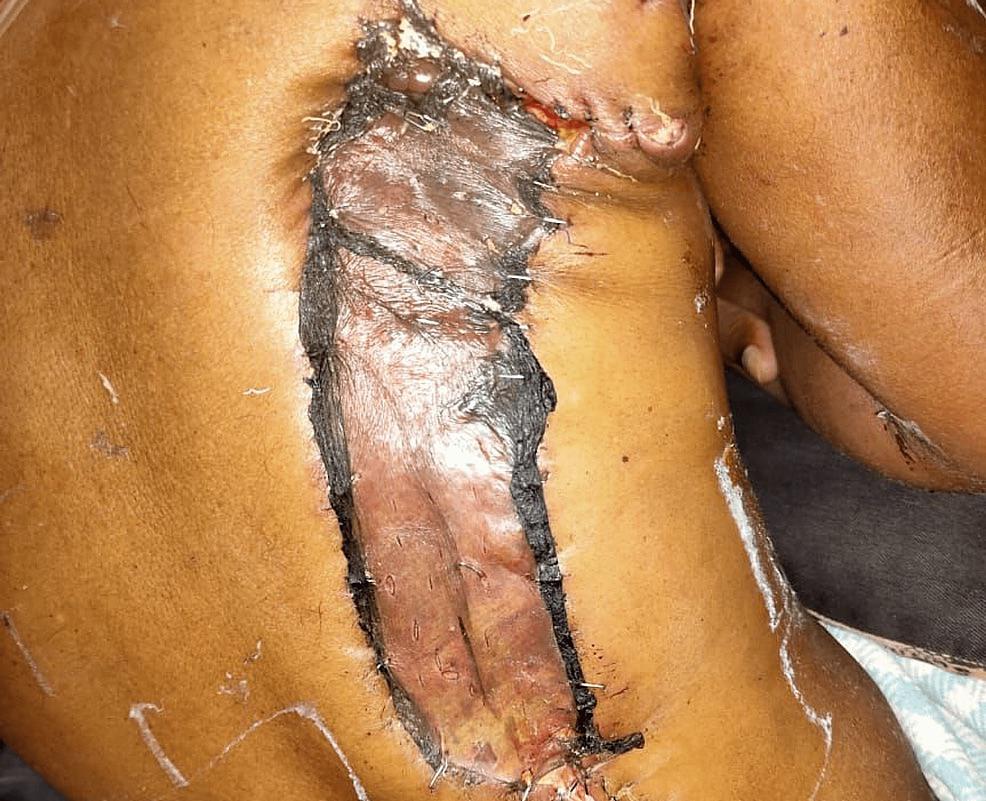 · 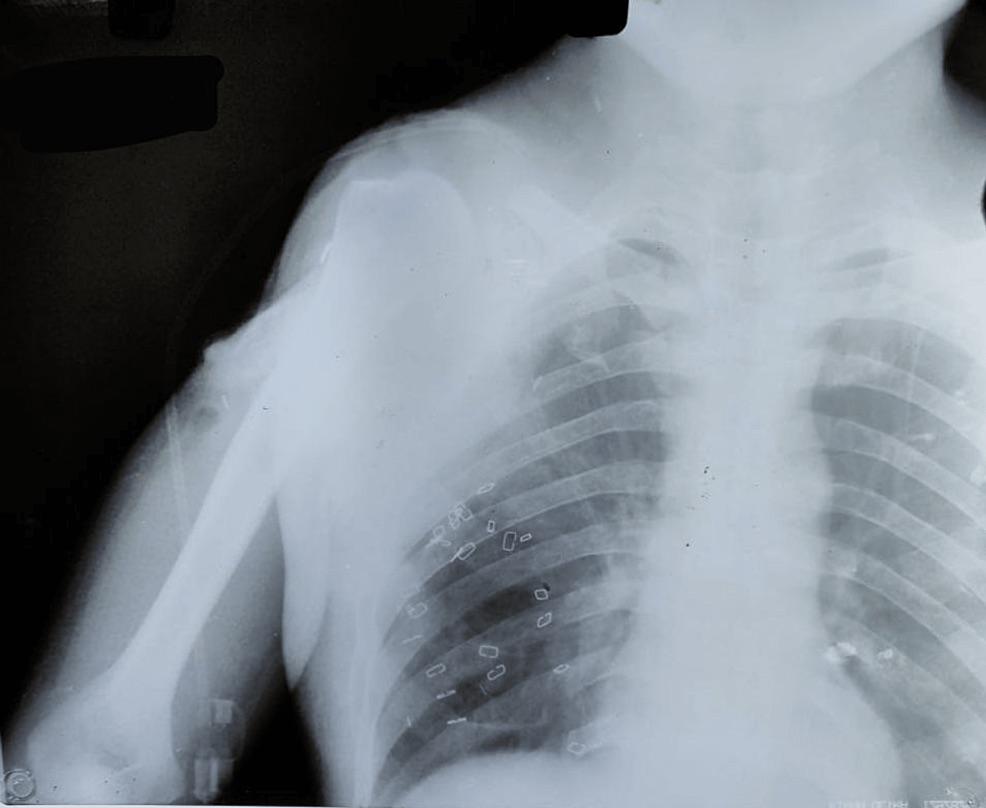 · |
|
#2
●
03-18-2023, 04:52 AM
| ||||||||
 ✝Mudderator from Hell✝ Poster Rank:10 e-mail Join Date: Oct 2006 Posts: 96,686
Contributions: 817
Mentioned: 476 Post(s) Quoted: 10351 Post(s)
| ||||||||
|
Re: Extraskeletal Ewing Sarcoma
10 years letting that tumor grow  |
|
#6
●
03-18-2023, 07:35 PM
| ||||||||
 ★ Legacy Member ★ Poster Rank:252 So many choices now Join Date: Jul 2015 Posts: 5,548 Mentioned: 15 Post(s) Quoted: 2120 Post(s)
| ||||||||
|
Re: Extraskeletal Ewing Sarcoma
Guy had a real big chip on his shoulder.
|