|
#1
●
04-10-2023, 06:21 PM
| ||||||||
 These are the rooms Poster Rank:26 of ruin. Join Date: Sep 2014 Posts: 54,011 Mentioned: 145 Post(s) Quoted: 30403 Post(s)
| ||||||||
|
Benign Tertiary Syphilis
Benign tertiary syphilis (BTS) includes all forms of symptomatic acquired syphilis occurring beyond the secondary and relapsing stages, with the exception of cardiovascular and neurosyphilis.1–5 This group of manifestations is sometimes also called “late benign syphilis.” The characteristic lesion is the gumma, and generally speaking, the longer the interval between initial infection and lesion onset, the more destructive the manifestations will be. The incidence of BTS in untreated cases is set at 16.6% in the Gjestland revision of the Bruusgaard figures, but the incidence in the general population has been steadily falling in the past 50 years, and BTS in any form has become a rare disease. Experience at the Vanderbilt clinic, for example, showed a decline in the average number of cases per five-year period from 130 in 1940 to 17 in 1951.5 No doubt it is significantly lower now. With classically accepted exceptions—the ovary, for example, and the small intestine—BTS can affect virtually any anatomic site. The great majority of lesions are concentrated in the skin, mucous membranes, and bone, however; and the material presented in this section will deal principally with disease in those structures. The distribution of BTS by site in the series of 601 examples collected by Kampmeier6 is shown in Table 13-1. BTS lesions can appear as early as two years and as late as 35 years after the initial infection. The great majority of cases fall in the 2-to 7-year time period. 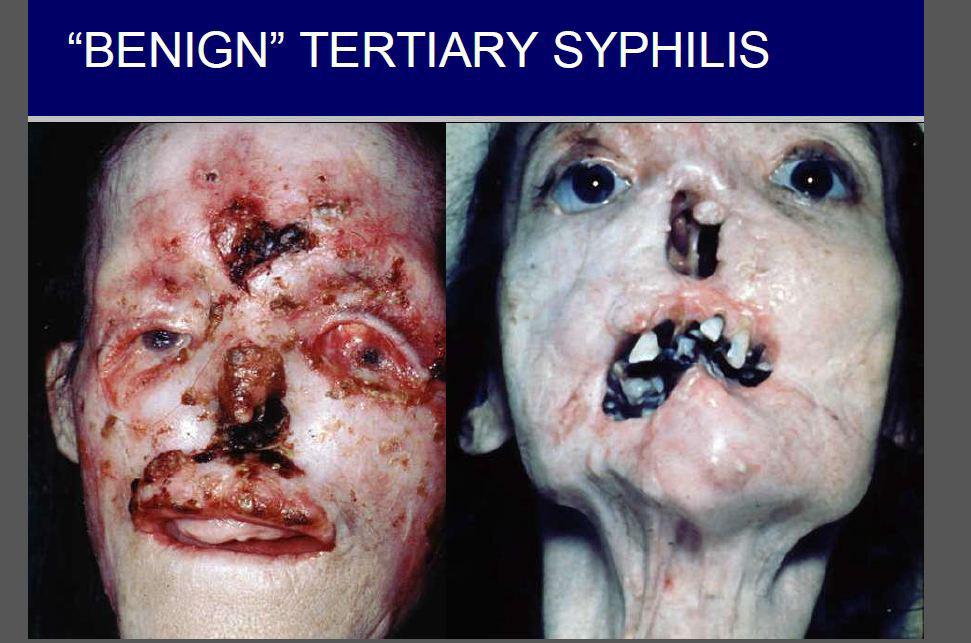 · 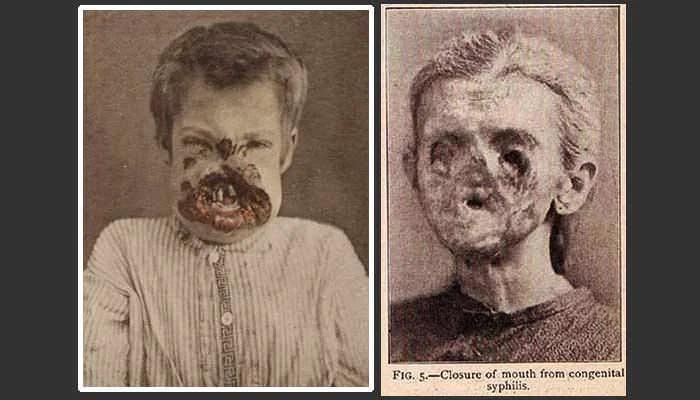 · 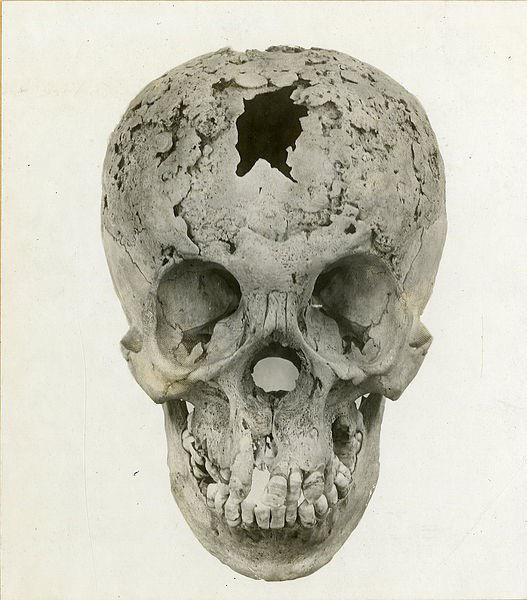 · 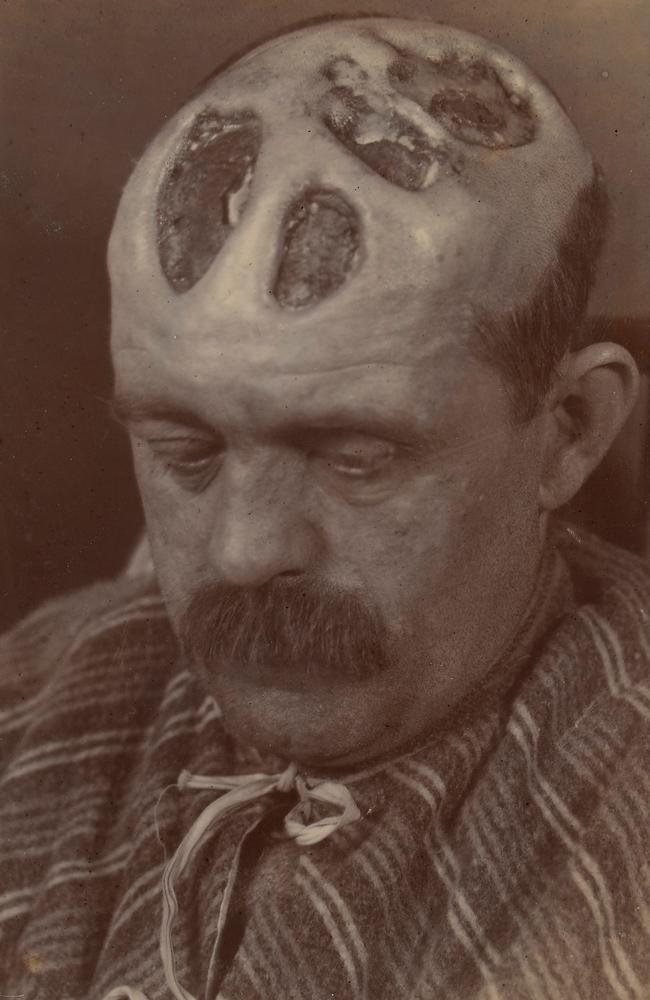 ·  · 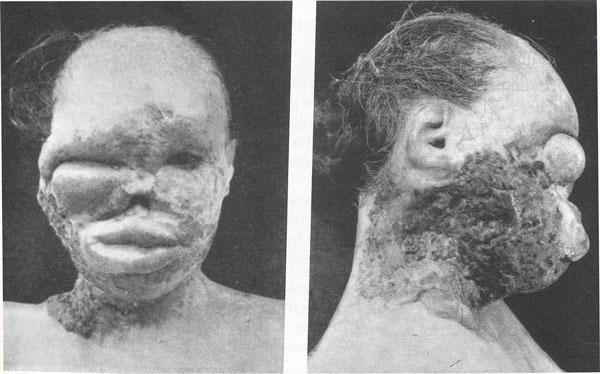 · 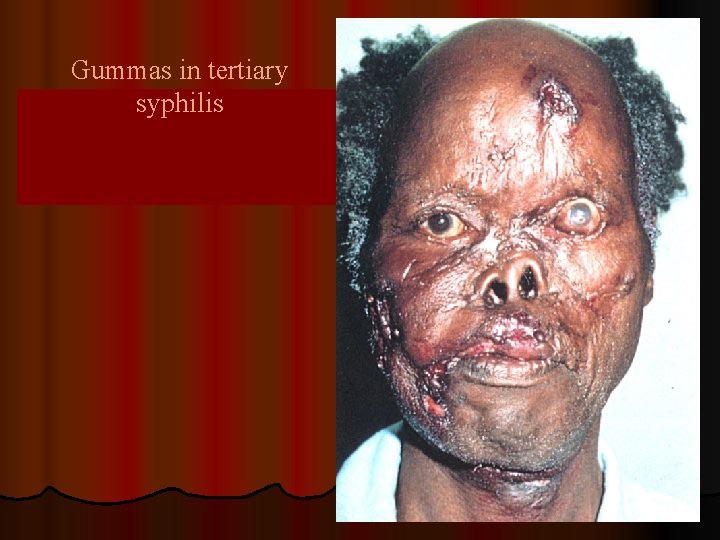 · 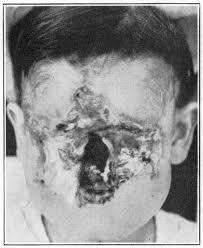 · 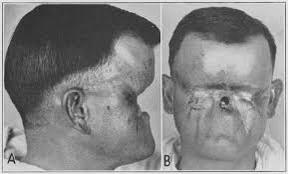 · 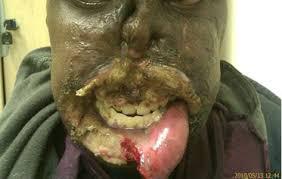 · 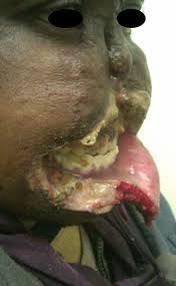 · |
|
#2
●
04-10-2023, 08:57 PM
| ||||||||
 ✖ The Antique Christ ✖ Poster Rank:106 Gonzo Punk Join Date: Jan 2009 Posts: 15,488
Contributions: 58
Mentioned: 23 Post(s) Quoted: 2046 Post(s)
| ||||||||
|
Re: Benign Tertiary Syphilis
Damn, that's gruesome.  |
|
#3
●
04-10-2023, 09:29 PM
| ||||||||
 My Rank: LANCE CORPORAL Poster Rank:2512 Join Date: Sep 2012 Posts: 174 Mentioned: 0 Post(s) Quoted: 43 Post(s)
| ||||||||
|
Re: Benign Tertiary Syphilis
Holy fucking Hell; this is absolutely horrifying. I cannot even begin to fathom how this must feel like, physically and psychologically.
|
|
#5
●
04-10-2023, 10:34 PM
| ||||||||
 ~So Much Blood~ Poster Rank:123 Gore Hag Join Date: Mar 2010 Posts: 13,158
Contributions: 1
Mentioned: 28 Post(s) Quoted: 822 Post(s)
| ||||||||
|
Re: Benign Tertiary Syphilis
Lol at the last picture with the guy's eyes blacked out..
|
|
#9
●
04-11-2023, 01:07 AM
| ||||||||
 My Rank: FIRST SERGEANT Poster Rank:399 Join Date: Apr 2011 Posts: 3,054 Mentioned: 2 Post(s) Quoted: 276 Post(s)
| ||||||||
|
Re: Benign Tertiary Syphilis
If that's benign, I don't want to know what the malignant type is like |