|
#1
●
07-10-2024, 04:31 PM
|
 These are the rooms Poster Rank:26 of ruin. Join Date: Sep 2014 Posts: 54,008 54,008Posts 87,658Thanked 30,403Quoted 145Mentioned 0Contrib. |
|
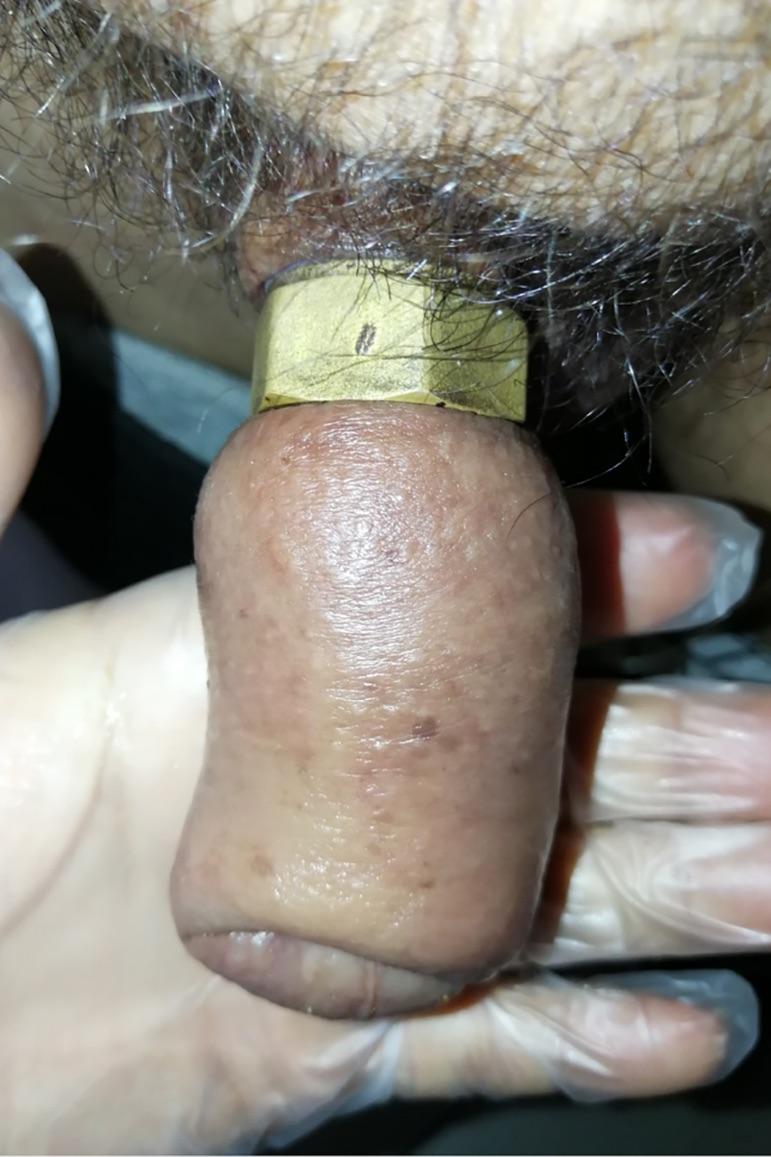
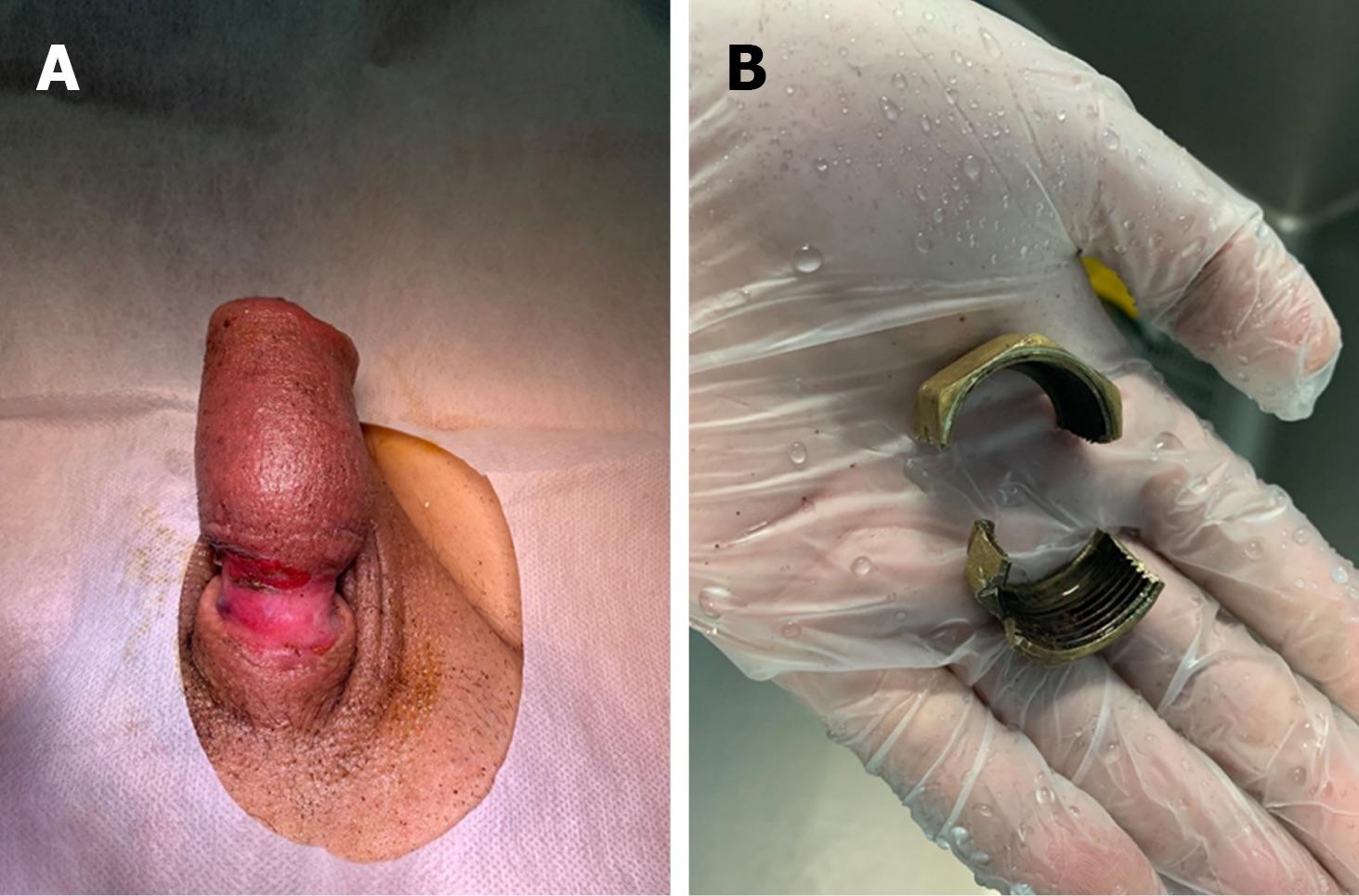
"Accidental" Nut Ring
Patient waited three months to get it removed.
 ·  · |
|
#2
●
07-10-2024, 04:33 PM
|
| These are the rooms Poster Rank:26 of ruin. Join Date: Sep 2014 Posts: 54,008 54,008Posts 87,658Thanked 30,403Quoted 145Mentioned 0Contrib. |
|
Re: "Accidental" Nut Ring
I guess not exactly a nut ring, lol.
|
|
#3
●
07-10-2024, 04:51 PM
|
 ♚ Legacy Gold Member ♚ Poster Rank:268 ꓕSIꓤIꓕ∀S ϽINOᗡꓤ∀S Join Date: Feb 2010 Posts: 5,180
Contributions: 8
5,180Posts 31,174Thanked 1,441Quoted 45Mentioned 8Contrib. |
|
Re: "Accidental" Nut Ring
Just a plumber trying to fix his leaky faucet...
__________________  200+ Additional Smilies Custom DR Search Engine 200+ Additional Smilies Custom DR Search Engine ✦ Live life to it's fullest and leave a sexy corpse ✦ |
|
#4
●
07-10-2024, 07:50 PM
|
 My Rank: MAJOR Poster Rank:88 "That's what." - She Join Date: Sep 2011 Posts: 17,712 17,712Posts 15,752Thanked 6,197Quoted 43Mentioned 0Contrib. |
|
Re: "Accidental" Nut Ring
Should've just put a socket wrench on it and start ratcheting...
|
|
#6
●
07-11-2024, 12:37 AM
|
 My Rank: SERGEANT MAJOR Poster Rank:293 Join Date: Dec 2009 Posts: 4,481 4,481Posts 13,176Thanked 875Quoted 5Mentioned 0Contrib. |
|
Re: "Accidental" Nut Ring
What a dick. Looks like it could have been a hard lesson. The things guys will do when they are looking for a screw. |
|
#7
●
07-11-2024, 12:38 AM
|
| My Rank: SERGEANT MAJOR Poster Rank:293 Join Date: Dec 2009 Posts: 4,481 4,481Posts 13,176Thanked 875Quoted 5Mentioned 0Contrib. |
|
Re: "Accidental" Nut Ring
Might have done better if he used more lube. Hopefully it will be oil right in the end.
|
|
#8
●
07-11-2024, 02:32 AM
|
 My Rank: MASTER GUNNERY SERGEANT Poster Rank:352 Manly Man Join Date: Sep 2017 Posts: 3,601 3,601Posts 12,427Thanked 700Quoted 0Mentioned 0Contrib. |
|
Re: "Accidental" Nut Ring
"Patient waited three months to get it removed. " And I thought my doctor's office was slow... |
|
#10
●
07-13-2024, 03:11 AM
|
 My Rank: FIRST SERGEANT Poster Rank:411 Male Join Date: Nov 2009 Posts: 2,964 2,964Posts 4,915Thanked 448Quoted 18Mentioned 0Contrib. |
|
Re: "Accidental" Nut Ring
At least he didn't use a sharkbite, those things are junk.
|