|
#1
●
04-04-2021, 02:31 PM
|
 ♚ Legacy Gold Member ♚ Poster Rank:914 Join Date: Jul 2020 Posts: 820
Contributions: 13
820Posts 27,649Thanked 173Quoted 13Mentioned 13Contrib. |
|
Suicides by Explosive Fireworks - 3 Case Studies
Translated from Portuguese. Brazil is one of the world’s largest producers of fireworks. The production of fireworks is controlled by the Regulation for the Inspection of Controlled Products (R-105) at the Ministry of the Army and Defense. Accidents in pyrotechnics are very common, not only due to improper use but mainly during the manufacturing process. Most of the fatal accidents in the production industry occur in the filling and mixing sections. Deaths involving explosives may occur intentionally, as in cases of homicides, in terrorist attacks, and wars, and also, in rarer cases, in suicide attempts or even consummated suicides, though the use of explosives in suicides is not common, and there are few cases reported in the literature. - - - Case 1 March 2016 - Belo Horizonte, Brazil. A 37-year-old man was found dead by his father at his residence in the city of Belo Horizonte. The deceased was lying on a mattress in a room he used as a bedroom and his face was badly disfigured. 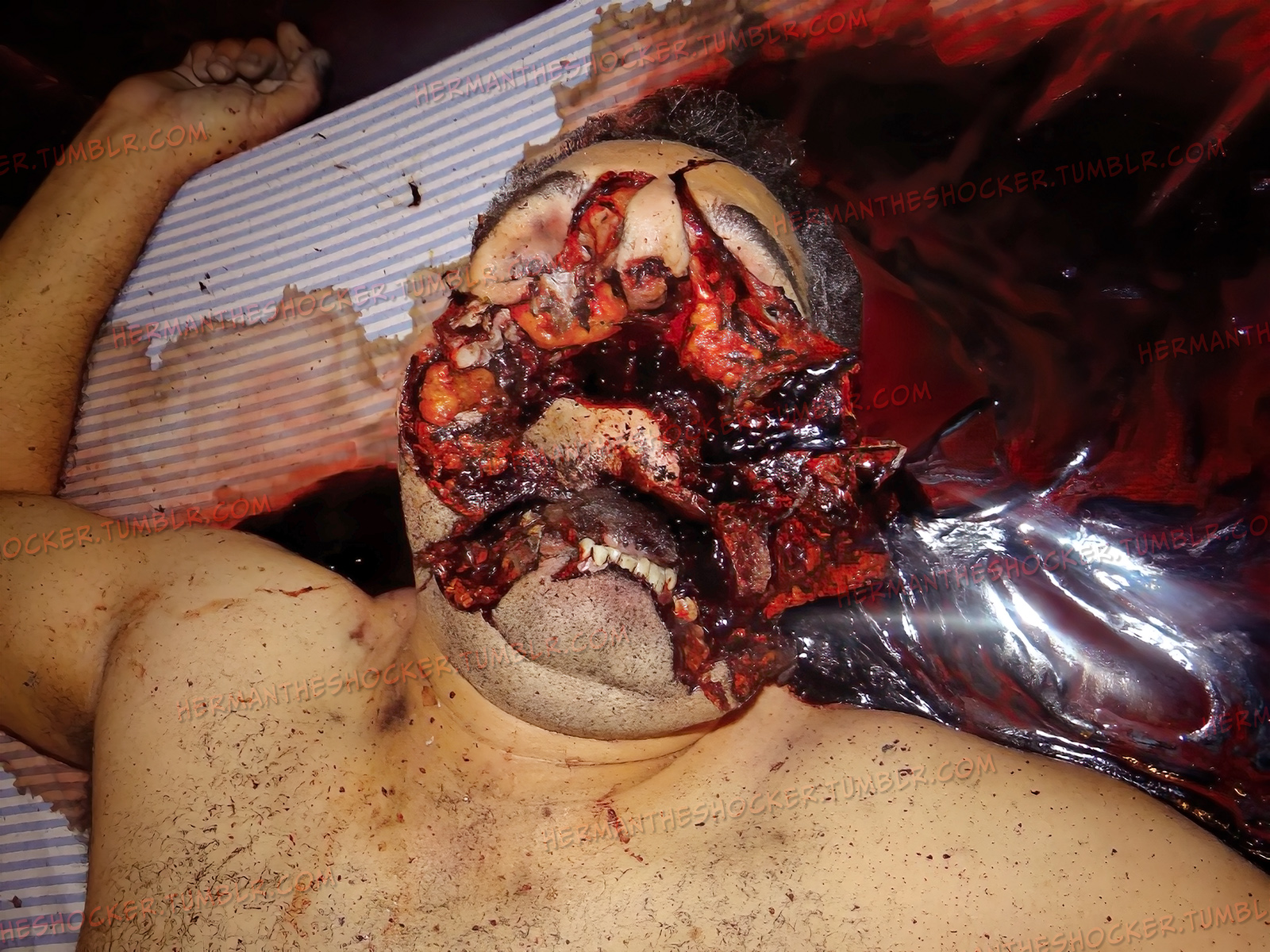 Fig.1 Position and location of the victim. At 11 pm the night before, the father heard a loud bang that sounded like fireworks but didn’t think much of it because the national football team was playing and his son was used to lighting fireworks when the team was playing (The Brazil national men’s football(soccer) team played two games in the World Cup Qualifiers that month, against Uruguay on the 26th and Paraguay on the 30th, both games ended with 2-2 draw -Herman). The investigation revealed that the son found himself in a state of depression with psychiatric problems, made use of prescription drugs, had just finished a romantic relationship recently, and was undergoing financial difficulties. During the site examination, the investigators observed bloodstain impacts on the ceiling, on the back wall of the room, at the bottom of a staircase, and also on his hands and arms. A fragment of a nose and a mouth was found near the victim's feet. On top of some utensils piled under the stairs were some fragments of tissue and an upper dental arch from the victim. A larger fragment of the dental arch was found on the right and posteriorly to the mattress, next to the door to the room. 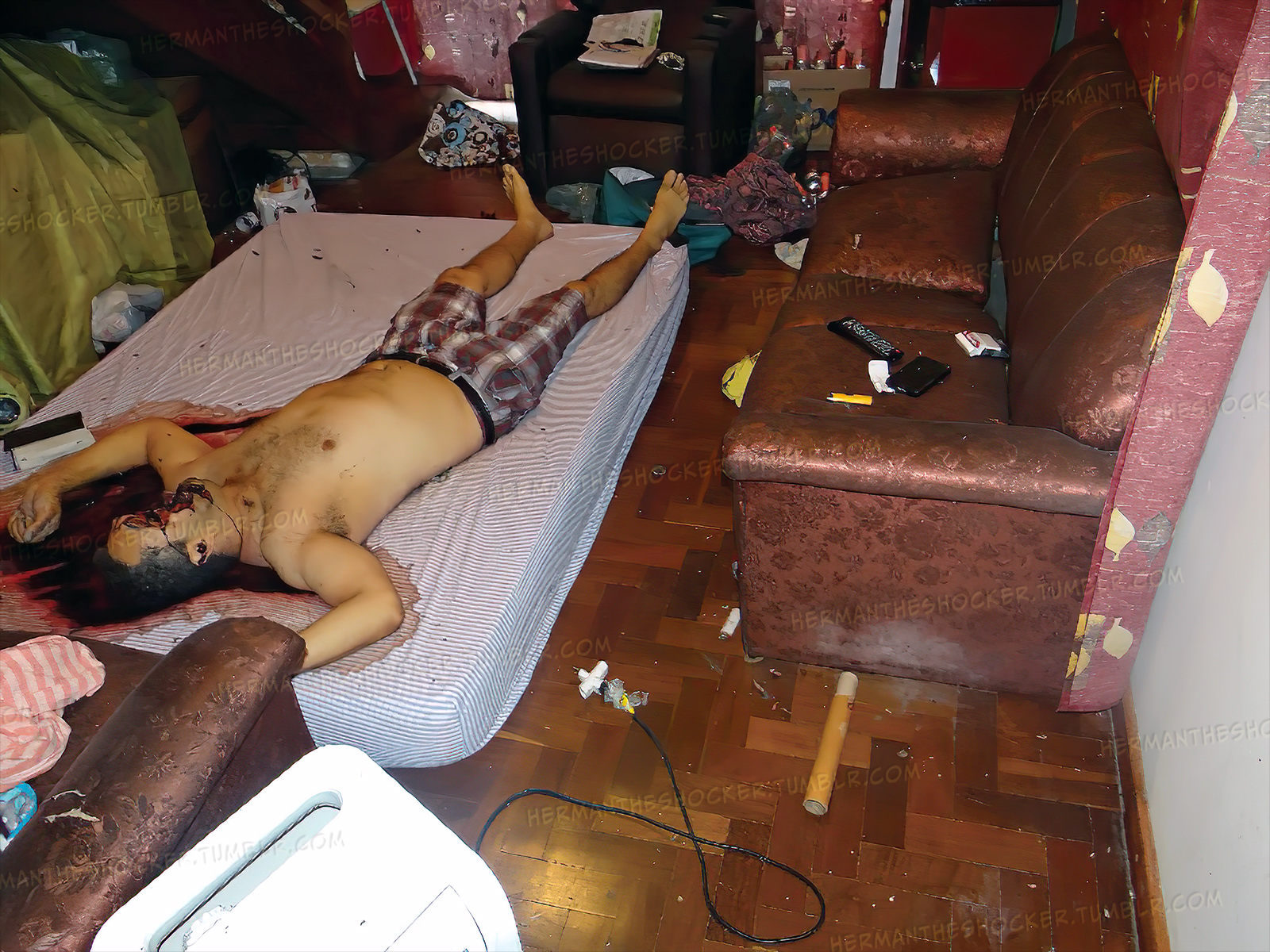 Fig.2 Injuries on the victim's face. On the floor and to the right of the victim's body was a cardboard tube of the type used to launch fireworks and a lighter. Smaller cardboard tubes with blood impregnations were also found on the floor. Next to the victim's body in a plastic bag was some packaging containing the words “Rocket 12 X 1 Shots Fireworks Champion”, with a size corresponding to the tube found on the floor. A bottle containing blackened granules was also found in the room on a piece of furniture, which was identified as the insecticide Aldicarb. The autopsy detailed lesions and the tearing of the face, caused by explosive material with the destruction of facial features: nose, cheeks, upper dental arch, part of the forehead, and mandible. Ingredients similar to those described on the packaging of the fireworks found next to the victim's body were also found at the autopsy, indicating that such firework would have exploded very close to the victim's face, possibly inside the victim's mouth. - - - Case 2 December 2016 - Belo Horizonte, Brazil. Police were called in to investigate a possible suicide that occurred at the Hotel Madrid downtown. The male victim was a 56-year-old retired lieutenant of the Military Police. 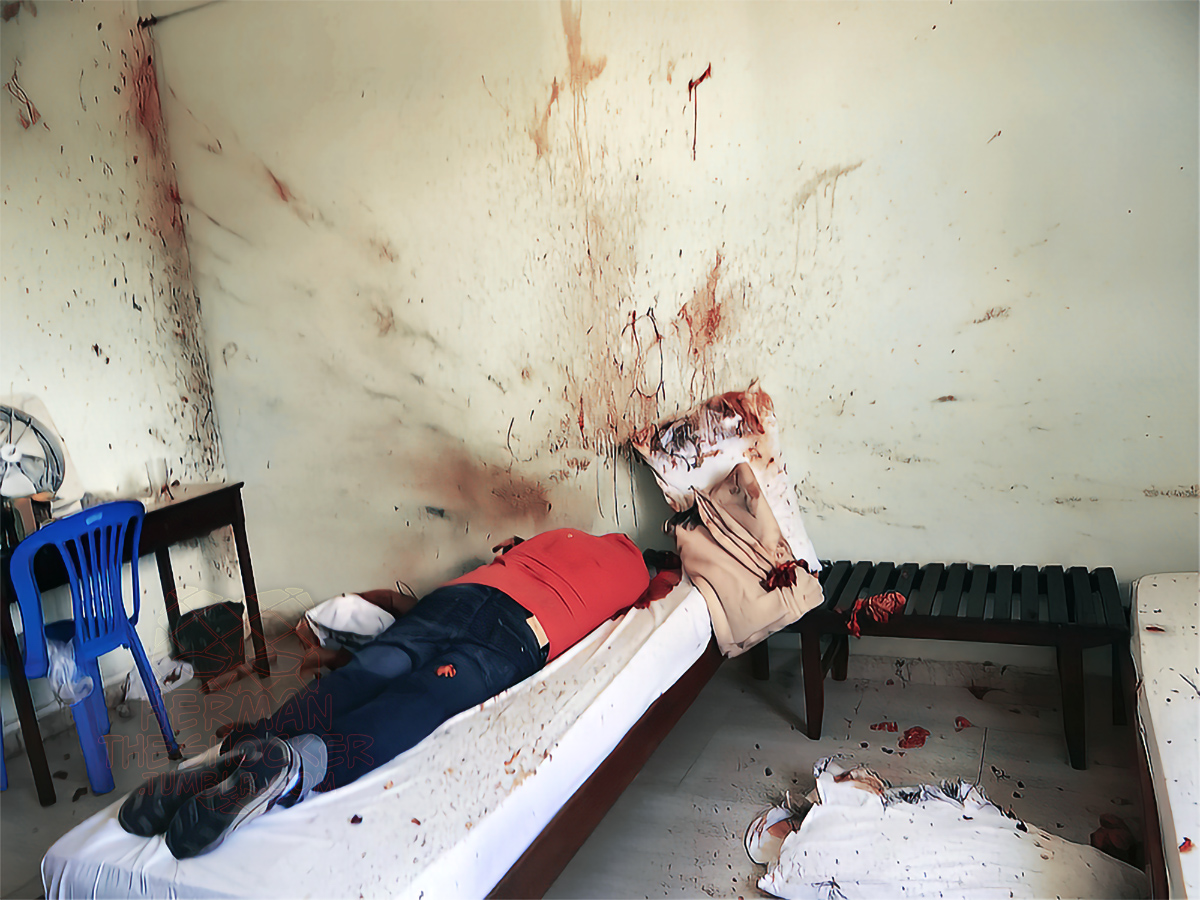 Fig.3 Position of the victim. 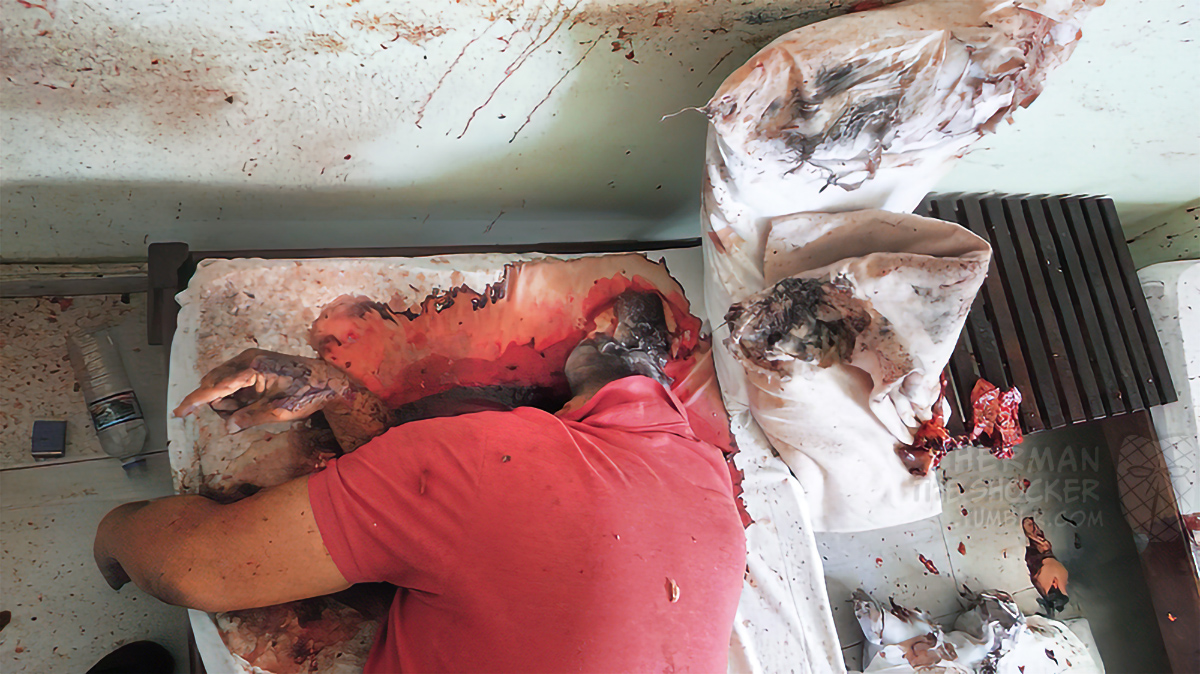 Fig.4 Absence of the victim's head and cervical segment. Right ear can bee seen on the floor. The autopsy revealed the presence of comminuted fractures, with tearing of the entire cephalic and cervical segment, abrasions on the left shoulder, and bruises in the clavicular regions. Burn injuries were present on the forearms and the back of the victim's right hand. The following were found at the scene: skull and tissue fragments, as well as bloodstains throughout the room; soot impregnation in the victim's right upper limb, presence of two partially ignited rocket cartridges; the presence of a box of matches and a cardboard tube of fireworks on the floor, and an empty plastic rodenticide packaging (fig.5). On a table in the room was a black plastic bag containing a box of fireworks. Inside the box were five intact fireworks. It was suggested that the victim ingested the rodenticides and lit the firework inside his mouth. The presence of deltamethrin, chlorpyrifos, and bromadiolone was detected in the viscera, which corroborates the hypothesis that the victim ingested the rodenticides before the explosion. 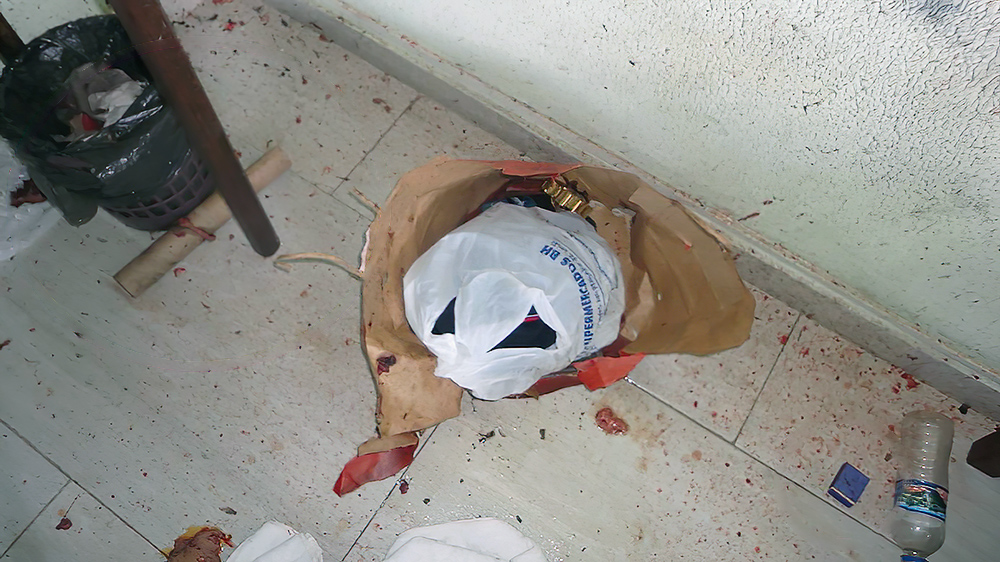 Fig.5 A box of matches and a cardboard tube of fireworks. 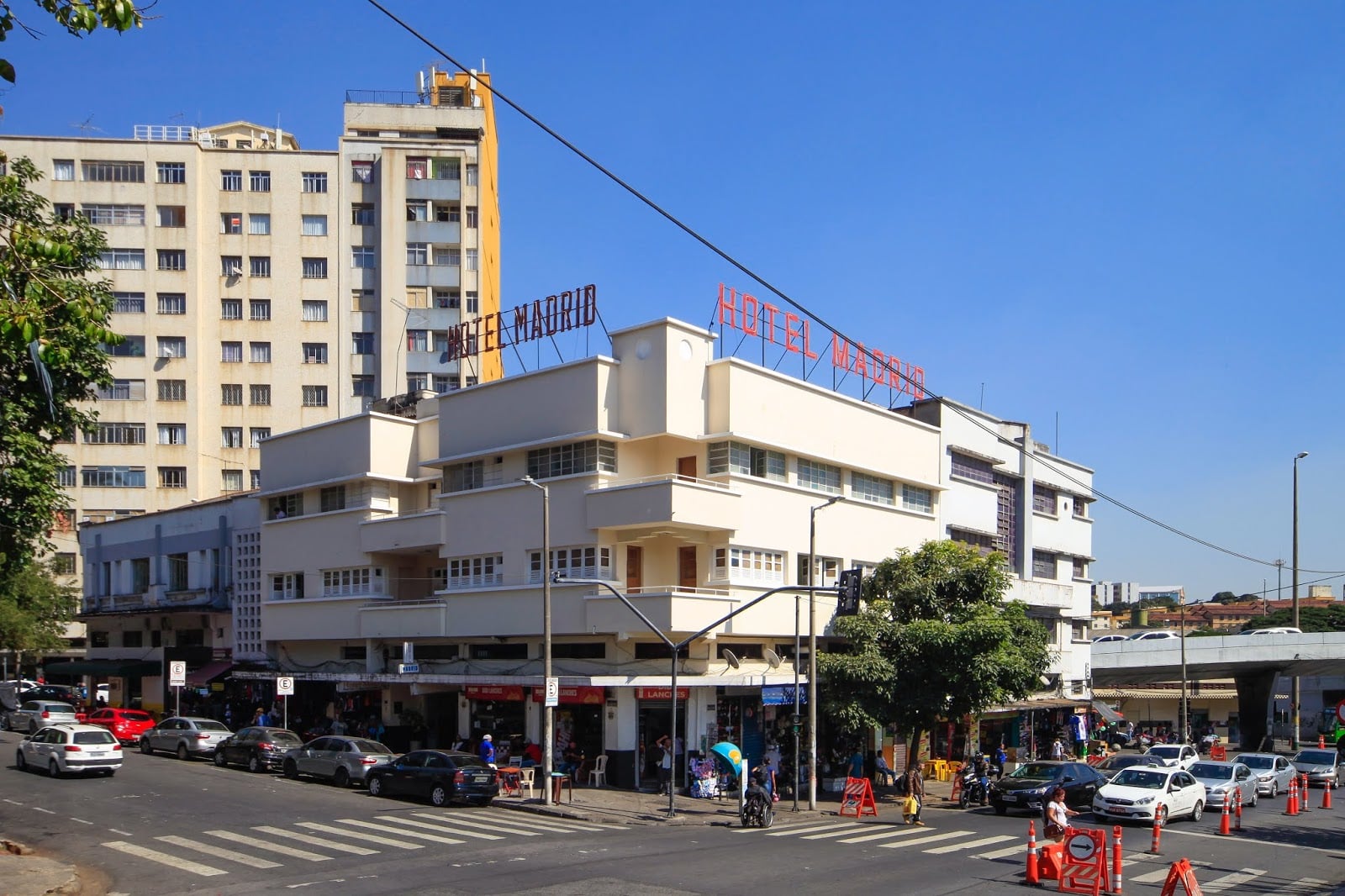 Fig.6 The Hotel Madrid in Belo Horizonte. 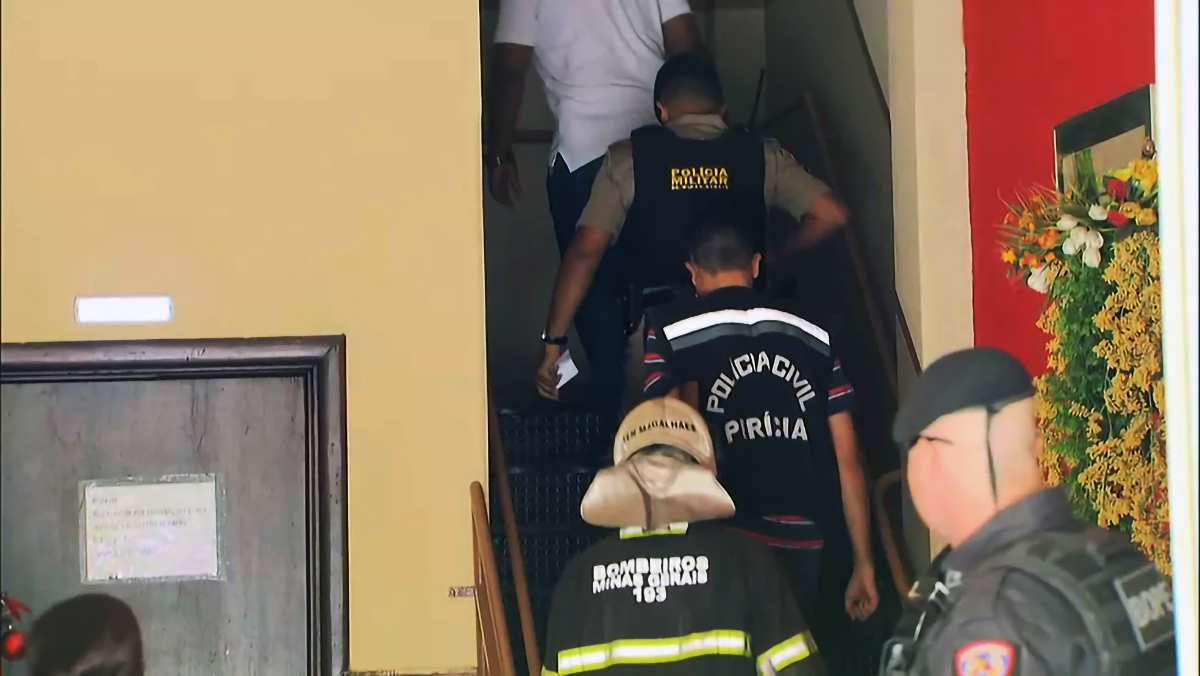 Fig.7 Police at the scene. - - - Case 3 November 2017 - Belo Horizonte, Brazil. A 57-year-old female was found dead in a room in the residence where she lived. According to reports, the neighbours heard an explosion from her apartment. The body was discovered by her daughter who also lived in the apartment. The victim's brother reported that she had previously attempted suicide, by cutting her wrists. The victim was lying on a bed with her head resting on a pillow. The entire face was disfigured with open wounds and lacerations. Smoke residue was found in the thoracic region. 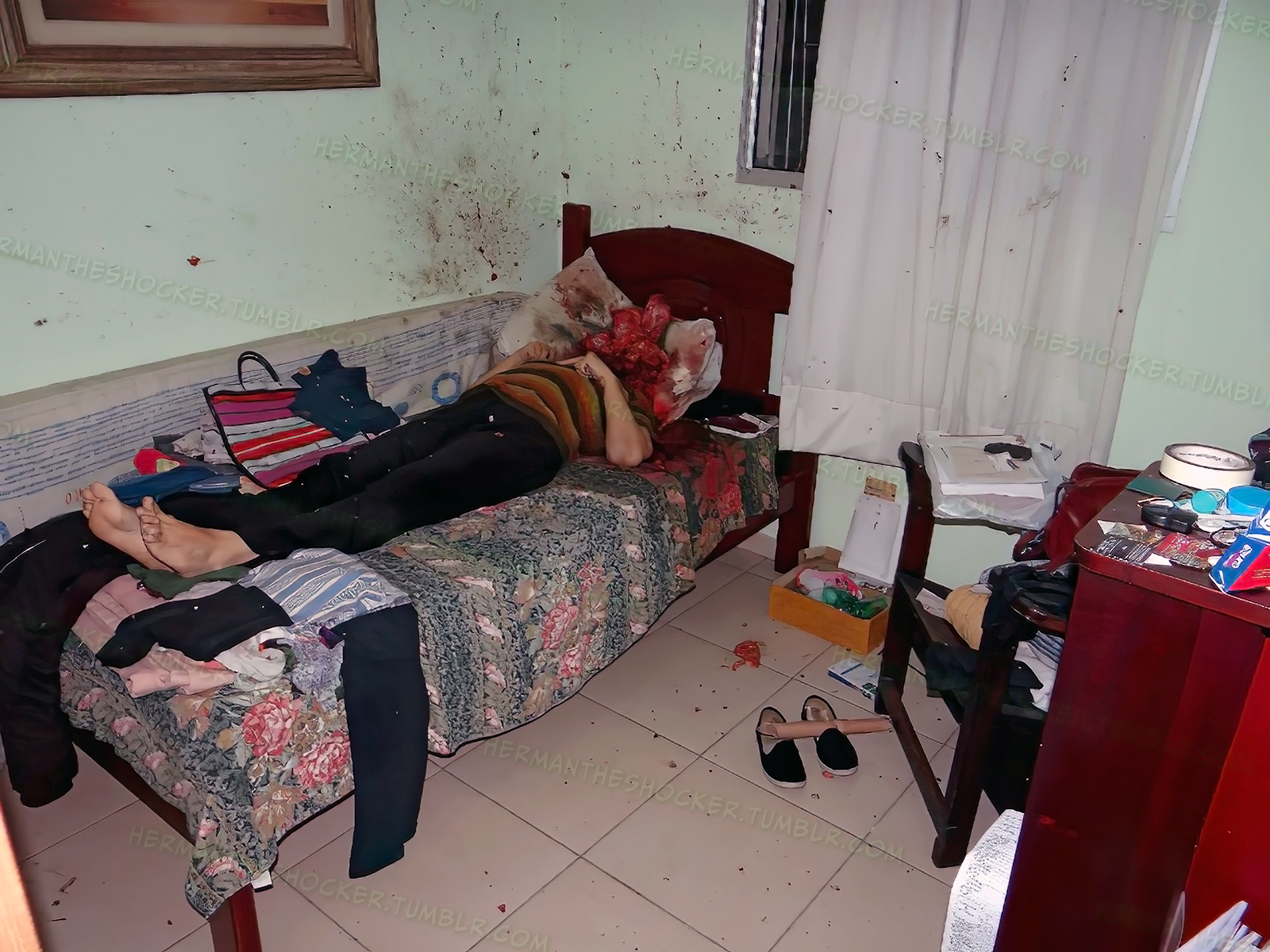 Fig.8 Position of the victim. In the site examination, the investigators were able to verify the presence of bloodstains on the victim's clothes and body, as well as bloodstains by puddling and saturation on the mattress under her body. The presence of bloodstains and fragments of the victim's face was found on the floor, wall, and ceiling of the room, as well as on the wall behind the door, indicating that the room door was closed at the time of the explosion. There was a lighter in the victim's right hand and on the floor next to the bed was a firework that had exploded. Fragments of the firework tubes were found adhered to the victim's hair and a cardboard tube on the bed, close to the wall. The investigators believed that said firework had been placed under the victim's chin to explode and damage the victim's head region. 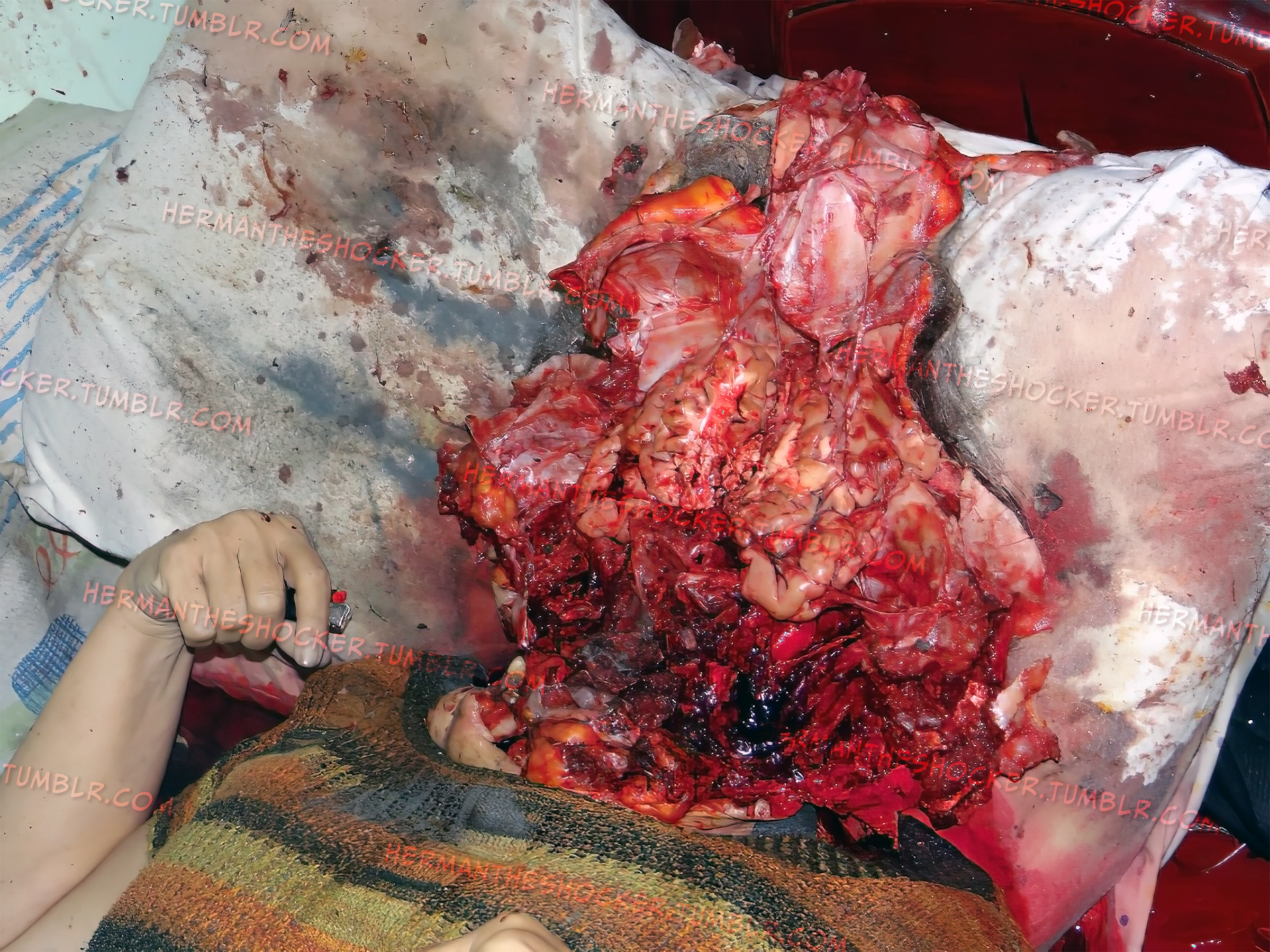 Fig.9 Destruction of victims head. The autopsy was carried out at the Instituto Médico Legal de Belo Horizonte-MG. There were characteristics of second-degree burn in the anterior region of the chest and complete destruction of the cephalic segment with loss of bone tissue, teeth, and brain. The cause of death was determined to be due to traumatic brain injury resulting from the explosion. - - - Discussion Deaths due to explosives generally attract immediate attention due to their characteristics, which include intense noise and the power of destruction. Such deaths can occur due to a variety of situations such as a terrorist attack, work accidents, military maneuvers, war, and less frequently among ordinary citizens. The three cases presented attract attention because they are very unusual deaths and with a very large visual impact due to the aggressiveness of the method. A relevant factor observed in the three cases is the destruction of the heads of the three victims, in addition to blood projections on the ceiling and walls of the rooms, as well as fragments of the faces scattered around, making clear the result of the explosive effect on the cephalic region. Something to consider is that many cases of suicide described in the legal medical literature show that victims when using explosives usually direct the device to the head. Another important point is that the three cases have very similar characteristics, such as the fact that the three victims are found on a bed, the region affected by the firework, the presence of phosphorus or lighter next to the bodies, and the presence of the cardboard tubes from the fireworks. The fact that two cases were observed with male victims and only one with a female victim is compatible with information in the literature since the number of male suicides is higher than in females. Also, other authors present data indicating that men typically use more aggressive suicide methods than women. In none of the three cases was there a suicide letter or elements that could unequivocally prove the suicide act. Something that drew attention in two of the cases was the presence of the insecticides aldicarb and rodenticides. In the second case report, the presence of deltamethrin, chlorpyrifos, and bromadiolone was identified in the toxicological examinations of the victim's viscera. The fact that the victim ingested these compounds prior to the fact suggests an attempted suicidal act before the one that caused the death. Usually after ingesting toxic substances orally, the lethal effect is not immediate, in most cases it is possible to transfer and help the victim. In this case, the victim, after realizing that death would not occur immediately, would have opted for another suicidal method. Another important observation is that the other two victims had a history of depression, and one of them would have already undertaken other suicide attempts. In addition, in none of the scenes were there any signs of burglary or third-party intervention. Some studies have shown that usually, suicides using fireworks have the following characteristics: 1. the target is a specific region such as the head and less frequently the chest and abdomen; 2. a significant level of destruction; 3. frequent involvement of the hands; and 4. the rare presence of wounds distant from the explosion's epicenter. All of these observations are applied to the three cases analyzed. All the information is consistent with the fact that the deaths were caused by suicide. Subjective information related to the victims' mental health and the presence of substances commonly used in suicidal intoxications in the bedrooms also contributes to this conclusion. In any case, the closure of the investigation depends on both the autopsy and subjective investigation of the scene and victims. - - - This post is for educational purposes only and is nonprofit. Under Section 107 of the Copyright Act of 1976; Allowance is made for "Fair Use" for purposes such as criticism, comment, news reporting, teaching, scholarship, and research. No copyright infringement intended. All the images have been upscaled and sharpened/enhanced. Some of the text might have been shortened and simplified, and/or reorganized for online view. Original case report by Ventura C.P., Machado M.M., Vasconcellos F.A. - Revista Brasileira de Criminalística 2020. |
|
#2
●
04-04-2021, 02:47 PM
|
 Für Immer Verloren Poster Rank:50 Boredom + Despair Join Date: Sep 2017 Posts: 30,197
Contributions: 743
30,197Posts 192,618Thanked 10,332Quoted 136Mentioned 743Contrib. |
|
Re: Suicides by Explosive Fireworks - 3 Case Studies
Another quality thread, thank you very much for posting. Keep up the great work.
__________________ "I'd give the world for the chance just to see your face again. Still I pretend that you're still standing by." |
|
#3
●
04-04-2021, 03:50 PM
|
 My Rank: PRIVATE FIRST CLASS Poster Rank:4797 Join Date: Sep 2012 Posts: 58 58Posts 50Thanked 10Quoted 0Mentioned 0Contrib. |
|
Re: Suicides by Explosive Fireworks - 3 Case Studies
An explosive post. Thank you.
|
|
#4
●
04-04-2021, 04:20 PM
|
 My Rank: MASTER SERGEANT Poster Rank:555 Meat 'n two veg Join Date: Apr 2009 Posts: 1,819
Contributions: 1
1,819Posts 2,270Thanked 216Quoted 0Mentioned 1Contrib. |
|
Re: Suicides by Explosive Fireworks - 3 Case Studies
Damn...  |
|
#5
●
04-04-2021, 04:28 PM
|
| So Fucking Banned Poster Rank:302 Join Date: Mar 2010 Posts: 4,310
Contributions: 1
4,310Posts 16,895Thanked 1,445Quoted 2Mentioned 1Contrib. |
|
Re: Suicides by Explosive Fireworks - 3 Case Studies
A great post with lots of interesting background information. Thanks for posting. |
|
#7
●
04-04-2021, 07:28 PM
|
| ♚ Legacy Gold Member ♚ Poster Rank:92 Male Join Date: Nov 2009 Posts: 17,231 17,231Posts 45,017Thanked 4,711Quoted 8Mentioned 0Contrib. |
|
Re: Suicides by Explosive Fireworks - 3 Case Studies
I know that I got a bang out of it.
|
|
#9
●
04-04-2021, 08:34 PM
|
| My Rank: PRIVATE Poster Rank:7210 Join Date: Dec 2020 Posts: 28 28Posts 541Thanked 8Quoted 0Mentioned 0Contrib. |
|
Re: Suicides by Explosive Fireworks - 3 Case Studies
I guess you could say they all went out with a bang.
|
|
#10
●
04-04-2021, 08:52 PM
|
 ★ Legacy Member ★ Poster Rank:329 Join Date: Dec 2017 Posts: 3,936 3,936Posts 7,974Thanked 1,971Quoted 26Mentioned 0Contrib. |
|
Re: Suicides by Explosive Fireworks - 3 Case Studies
Last “face” reminded me movie “predator”  |