|
#14
●
05-19-2017, 03:21 AM
|
|
Re: Suicide By Plane Crash
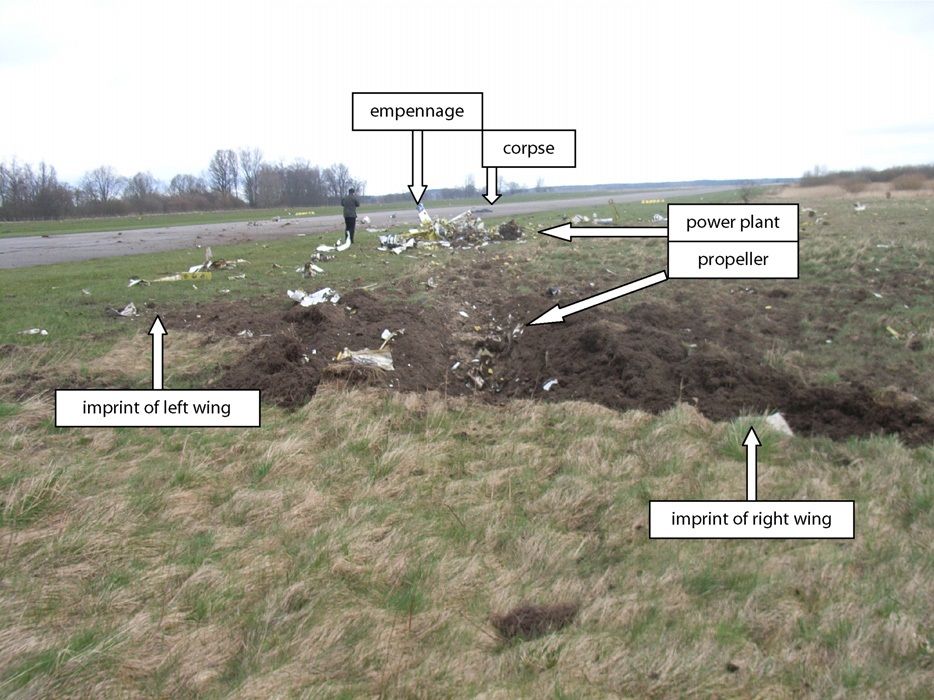
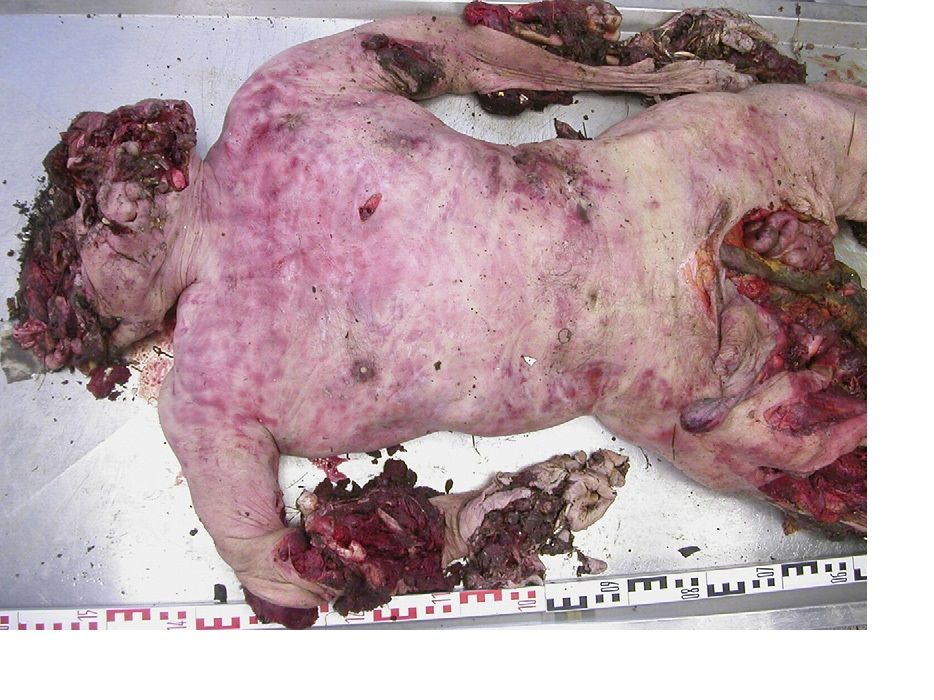
In March of 2007, a 50-year-old man was fatally injured when his single engine low wing propeller aircraft – a Beech BE24R ‘‘Sierra’’ crashed just minutes after take off from a local airfield close to the town of Rendsburg, Germany. The pilot had a medical certificate of fitness and held private pilot’s licenses for airplanes as well as helicopters. He was authorized to fly small airplanes as well as Hughes 269 helicopters according to visual flight rules (VFR) and had more than 190 h of flight experience. His helicopter rating had not been appropriately renewed, thus his flying privileges for helicopters had expired 4 months ago. The man started the aircraft without prior communication with the airfield’s tower, efforts of the tower personnel to contact the pilot by radio communication failed. After take off, the plane disappeared into the clouds. According to witnesses, the aircraft reappeared minutes later at a longitudinal angle of 60 8 and with full motor power, and hit the ground nose down close to the runway it had taken off from. The plane was completely destroyed, debris was found in a radius of 120 m (400 ft) from the center of impact, a 1-m (3.3 ft) deep crater. The pilot, who was not buckled up, was catapulted out of the cockpit. The body was found some 110 m (360 ft) away from the plane wreckage. During the flight the pilot had sent an SMS stating ‘‘I am flying to the stars . . . ’’ to a friend. The inspection of the wreckage of the 33-year-old plane revealed no technical problems. At the time of the occurrence, weather conditions were in accordance with visual flight rules with 8 km (5 miles) visibility, a closed ceiling at 305 m (1000 ft) above ground and southwesterly winds between 5 and 10 knots (10–20 km/h). The crash was classified as a suicide by the BFU and the district attorney. The motive for the suicide remained unclear. At autopsy, external examination revealed gross destruction of head, trunk and extremities of the deceased with traumatic decerebration, opening of the thoracic and abdominal cavities with intestinal prolapse, and traumatic amputation of the right foot. The skin of the back was extensively detached. Internal examination showed fractures of cranium, skull base, cervical, thoracic and lumbal vertebrae, pelvis and the long bones of all extremities. All internal organs including esophagus and intestines were ruptured, aorta and pulmonary arteries showed multiple lacerations. Larynx, epicardium and visceral pleura showed numerous petechiae. As cause of death, a multiple trauma of head, trunk and extremities was diagnosed. Identity of the body was confirmed by dental identification. Quantitative blood analysis by high-pressure liquid chromatography (HPLC) revealed a diphenhydramine blood concentration of 0.14 mg/l (therapeutic blood concentrations: 0.05–0.1 mg/l; comatose/fatal blood concentrations: 5–10 mg/l according to [10]). A carbon monoxide blood concentration of 7% was measured photometrically. |