|
#1
●
01-18-2013, 03:01 PM
|
 My Rank: MAJOR Poster Rank:12 Join Date: Jun 2009 Posts: 93,062
Contributions: 239
93,062Posts 137,702Thanked 2,009Quoted 91Mentioned 239Contrib. |
|
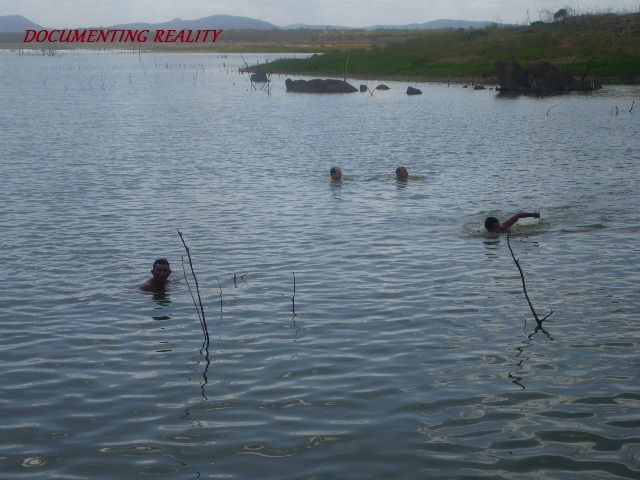
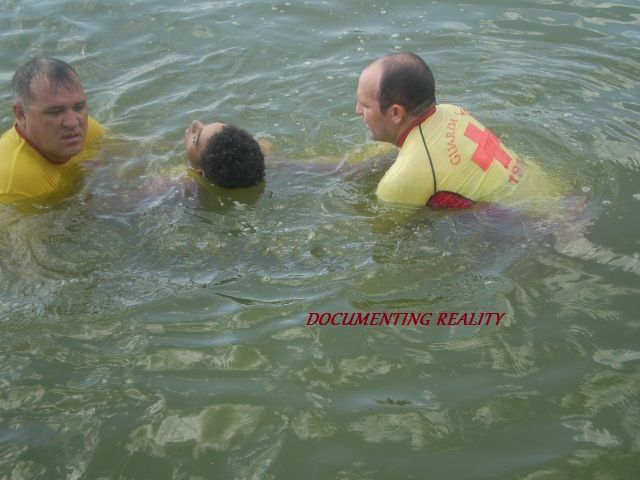
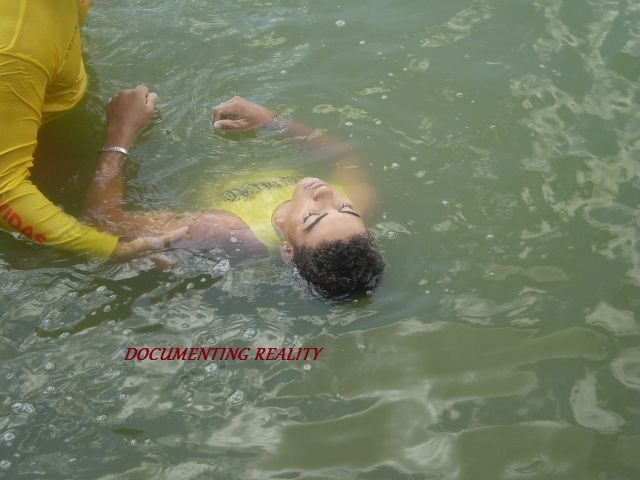
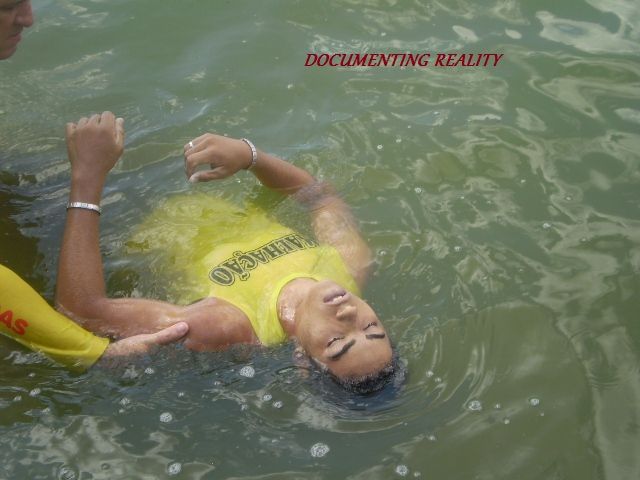
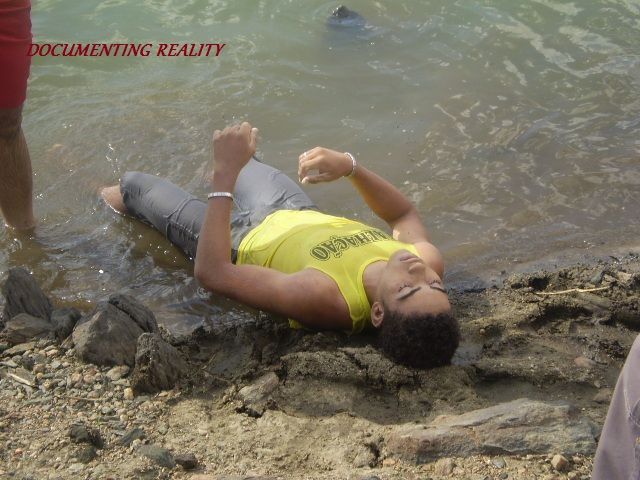
Stepfather Fails to Save Drowning Son
 ·  ·  ·  ·  ·  ·  · |
|
#2
●
01-18-2013, 03:04 PM
|
 ★ Legacy Member ★ Poster Rank:375 I need a nap =| Join Date: Aug 2012 Posts: 3,195
Contributions: 43
3,195Posts 7,010Thanked 901Quoted 42Mentioned 43Contrib. |
|
Re: Stepfather Fails to Save Drowning Son
Shit, man. :( they're called LIFE JACKETS |
|
#3
●
01-18-2013, 03:06 PM
|
 ★Wizard Of Gore★ Poster Rank:2 Join Date: Aug 2009 Posts: 128,171
Contributions: 1
128,171Posts 170,837Thanked 30,201Quoted 463Mentioned 1Contrib. |
|
Re: Stepfather Fails to Save Drowning Son
Swimming = Not an option.  |
|
#5
●
01-18-2013, 03:13 PM
|
 My Rank: SERGEANT Poster Rank:1049 Join Date: Dec 2012 Posts: 650 650Posts 1,400Thanked 113Quoted 1Mentioned 0Contrib. |
|
Re: Stepfather Fails to Save Drowning Son
Life jackets? How about learning how to swim or tread water... Kid doesn't look very young to me, he should've been able to at least doggy paddle his way out of there.
|
|
#6
●
01-18-2013, 04:31 PM
|
 My Rank: SERGEANT Poster Rank:1120 Male Join Date: Oct 2011 Posts: 590 590Posts 575Thanked 64Quoted 0Mentioned 0Contrib. |
|
Re: Stepfather Fails to Save Drowning Son
Something does not pass the smell test here! Scratching to hold on from going under, or scratching in an attempt to resurface as he was being held under?
|
|
#7
●
01-18-2013, 06:22 PM
|
 ★ Legacy Member ★ Poster Rank:21 MAN Join Date: Nov 2009 Posts: 61,049 61,049Posts 25,720Thanked 37,482Quoted 825Mentioned 0Contrib. |
|
Re: Stepfather Fails to Save Drowning Son
Never try to save a drowning person without a flotation device. They will drag your ass under with  them. them.
|
|
#9
●
01-18-2013, 06:24 PM
|
 My Rank: MASTER SERGEANT Poster Rank:487 male Join Date: Nov 2009 Posts: 2,183 2,183Posts 3,749Thanked 591Quoted 11Mentioned 0Contrib. |
|
Re: Stepfather Fails to Save Drowning Son
should of crossed over the river by a bridge pfffttt .walk through water .mutha fuka aint moses
|
|
#10
●
01-18-2013, 09:21 PM
|
 My Rank: FIRST SERGEANT Poster Rank:393 Join Date: Oct 2009 Posts: 3,072 3,072Posts 3,545Thanked 144Quoted 0Mentioned 0Contrib. |
|
Re: Stepfather Fails to Save Drowning Son
Camera mans got balls. He walks up take pic of the deceased then takes one of the father. These type of deaths are fucked. They came to fish and one ended up fish food. The day started out like every other day
|