|
#1
●
04-03-2021, 03:39 PM
|
 ♚ Legacy Gold Member ♚ Poster Rank:914 Join Date: Jul 2020 Posts: 820
Contributions: 13
820Posts 27,593Thanked 173Quoted 13Mentioned 13Contrib. |
|
A Scream from the Past: Concealed Corpse Found Mummified - Case Report
A police team was in an apartment in the suburbs of Rome, searching for hidden weapons. During the investigation, they found a silicon-sealed door on the 2nd floor. On opening the door, there was a bedroom in a considerable mess with a silicon-sealed window. The floor was covered with white-colored dust and rubble. In one corner of the room, an abnormal protrusion of the wall was discovered. Having demolished the wall, a dead body was found inside in a semi-supine position with the back on the floor and legs on the wall. Two plastic bags covered the body. Once the plastic bags were removed, the body was completely covered in brown adhesive tape. No microfauna was observed near the body. 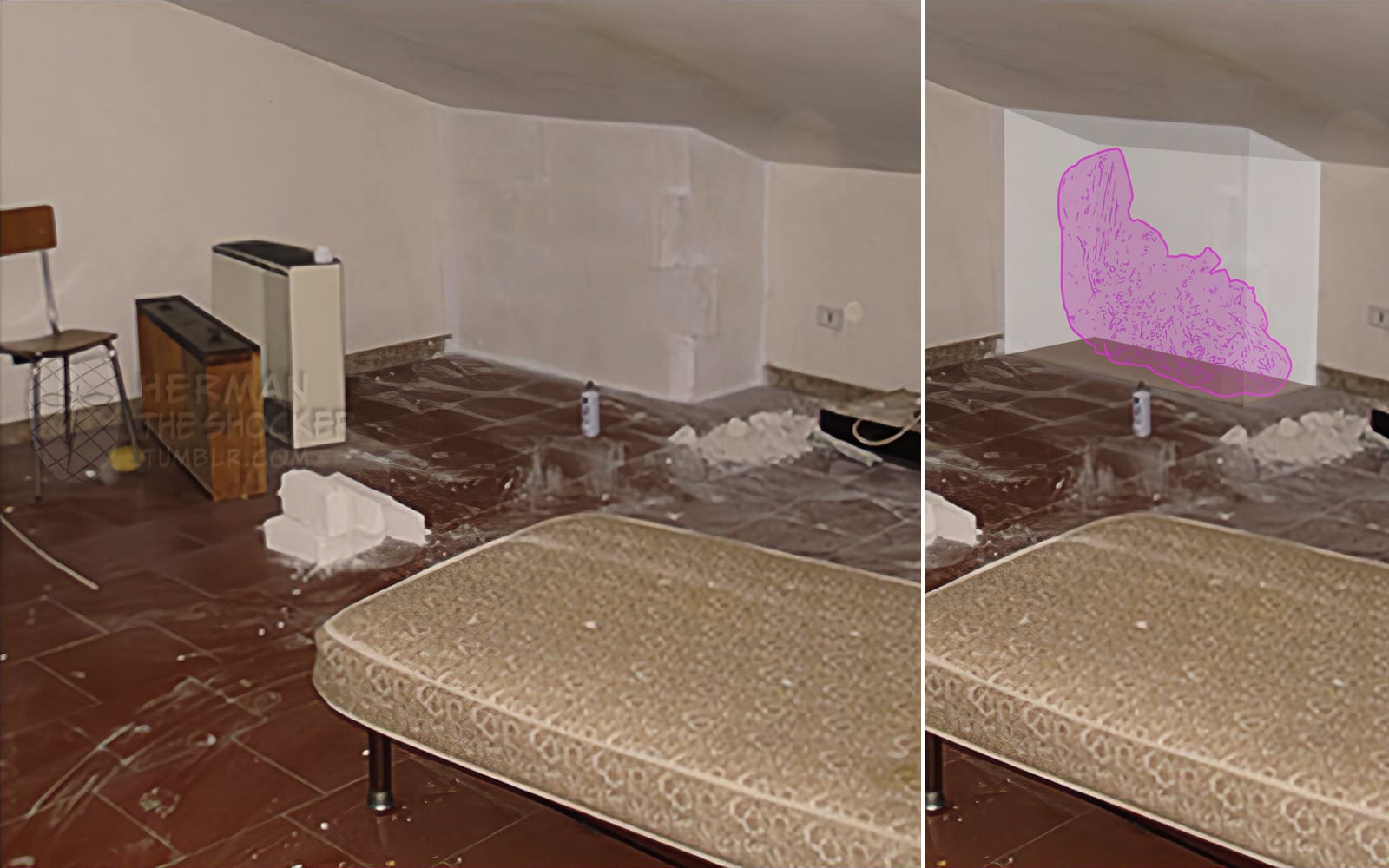 Fig.1 Unusual wall appearance inside the silicon sealed bedroom. The owner of the apartment declared that the body was his father, who died two years before due to cardiovascular disease. After his father's death, the son concealed his corpse to obtain his annual pension. According to the family doctor, the subject suffered from cardiovascular disease with a past episode of myocardial infarction. Before sealing the body, the son dressed his father in funeral clothes. The body was taken to the Office of Forensic Medicine. 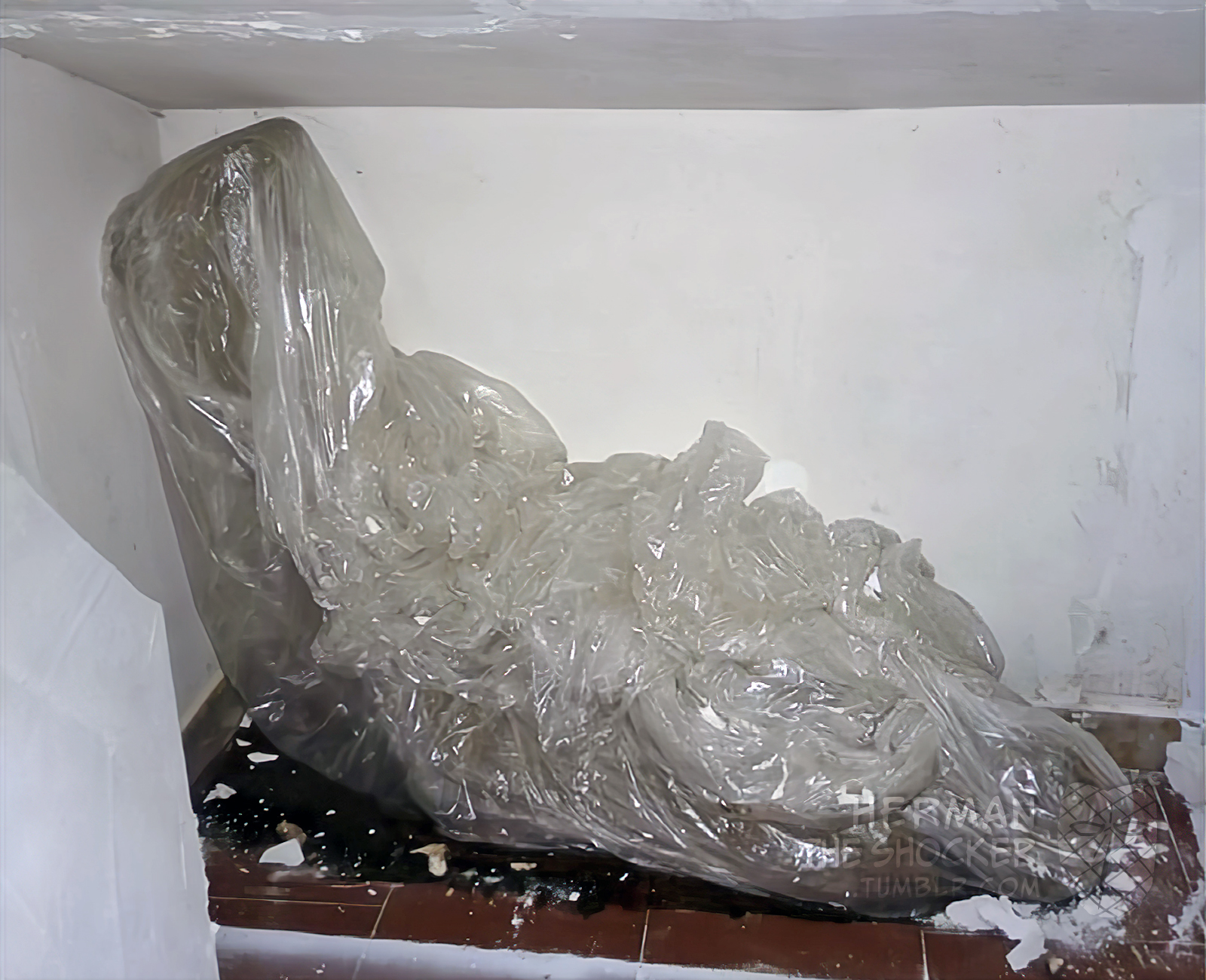 Fig.2 Dead body found after the demolition of the masonry ledge. 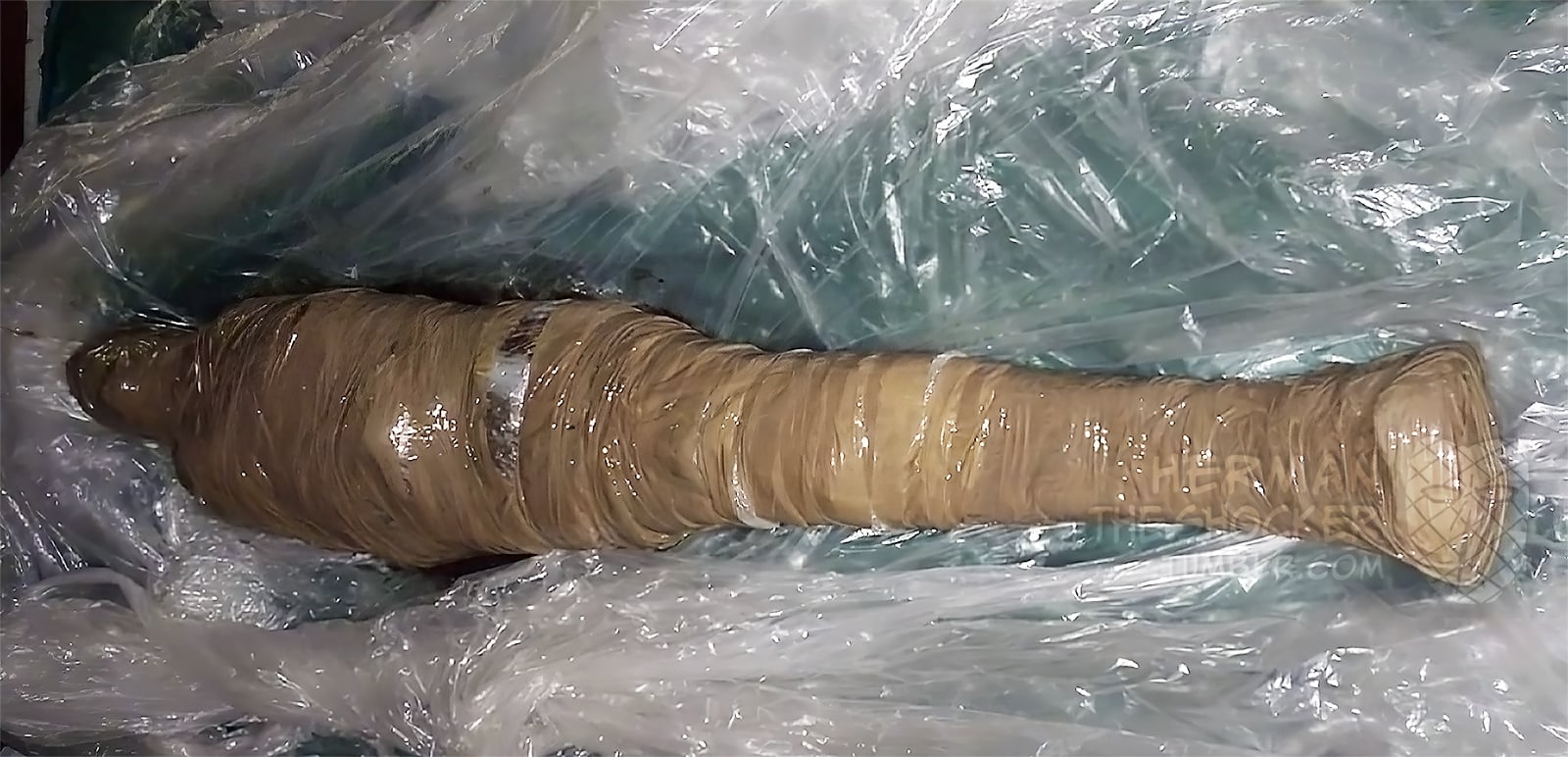 Fig.3 Appearance of the body after removing the two plastic bags. 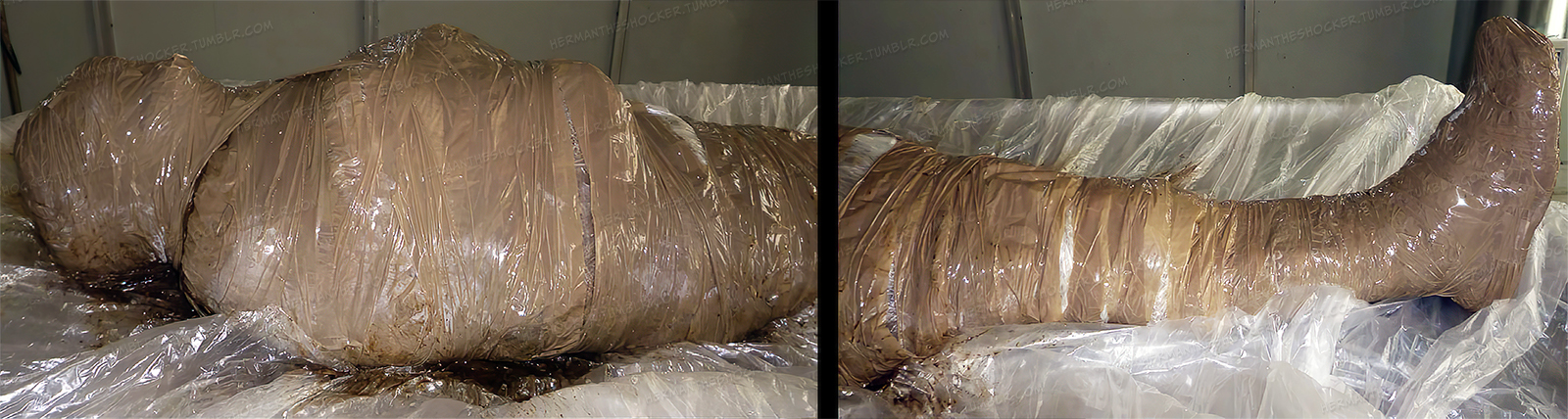 Fig.4 The full-body was wrapped in brown adhesive tape. 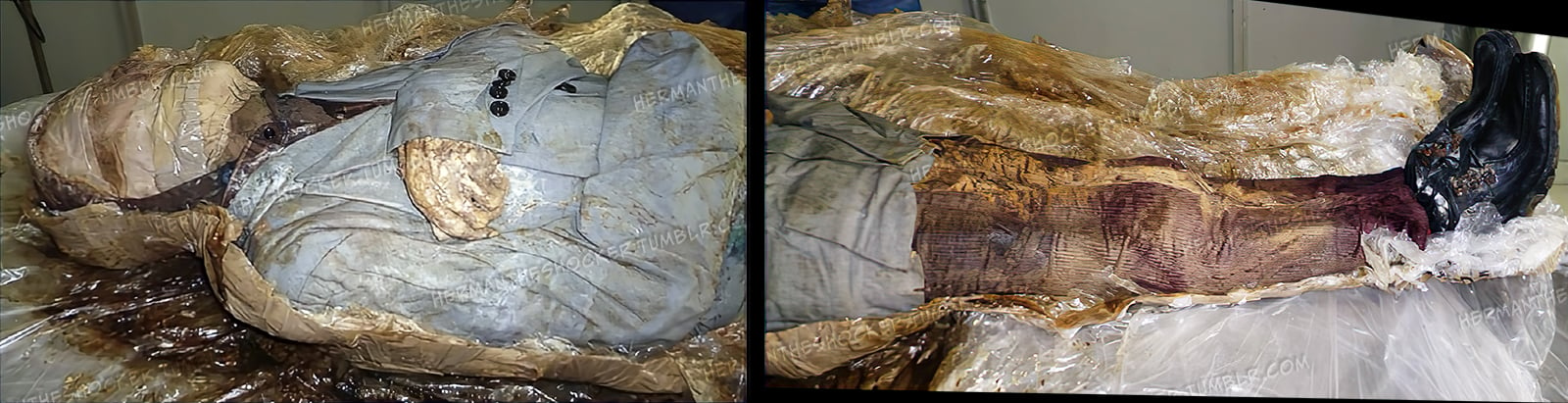 Fig.5 The body dressed in funeral clothes. 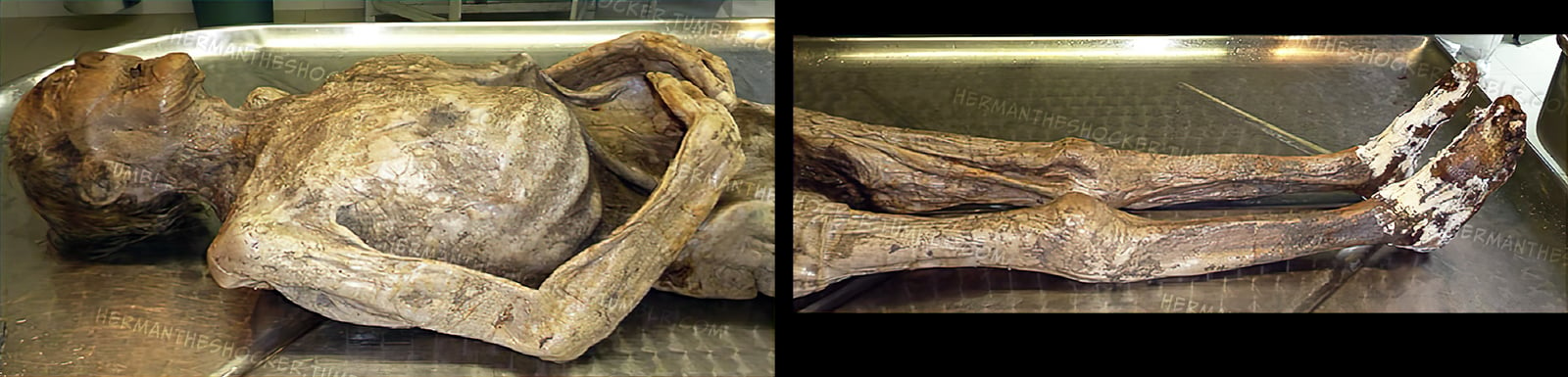 Fig.6 The naked body affected by a complete mummification. Despite the presence of an ID card in the pocket of the trousers, an identification process was performed to confirm the body's identity. The Post-mortem computed tomography (PMCT) examination showed no presence of teeth so dental identification was impossible. A sample from the psoas major muscle was collected to proceed with DNA analyses. A sample of DNA from the subject who claimed to be the son of the man who died was also collected. DNA results were consistent with a family relationship between the men, confirming that the man who died was the father of the subject. At the external examination, the body weighed 17 kg (37.5 lbs) and was 149 cm (4'11") in height. After washing the body, no traumatic injuries were found. The skin had a dry appearance, of yellow to brown color and leathery consistency. It especially adhered to the prominent bones-the cheekbones, chin, ribs, and pelvis. Body hairs were present, but they were easily detachable. Mold spores were observed on the body's surface, especially on the feet. 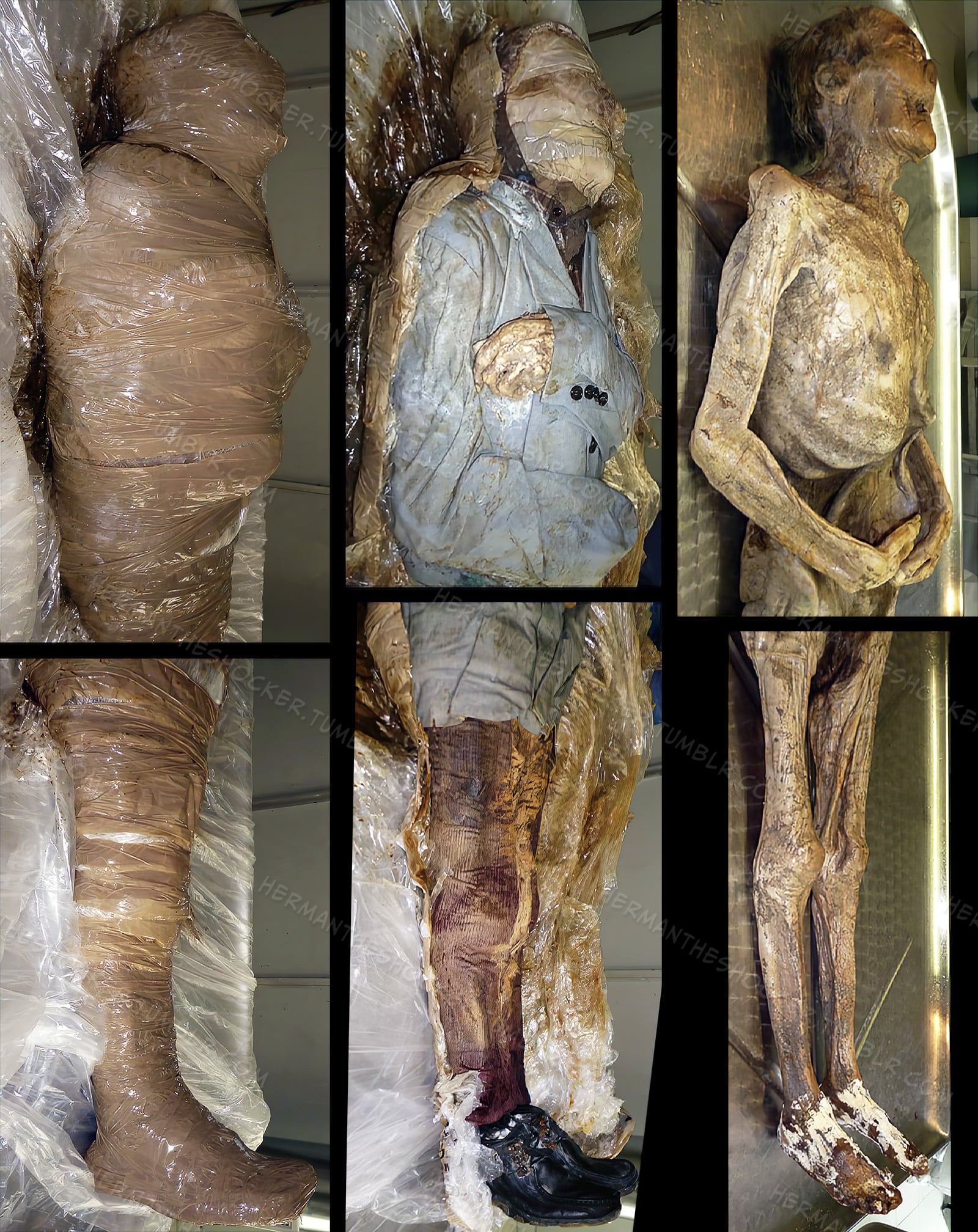 Fig.7 The owner of the apartment declared that the body was his father, who died two years before due to cardiovascular disease. 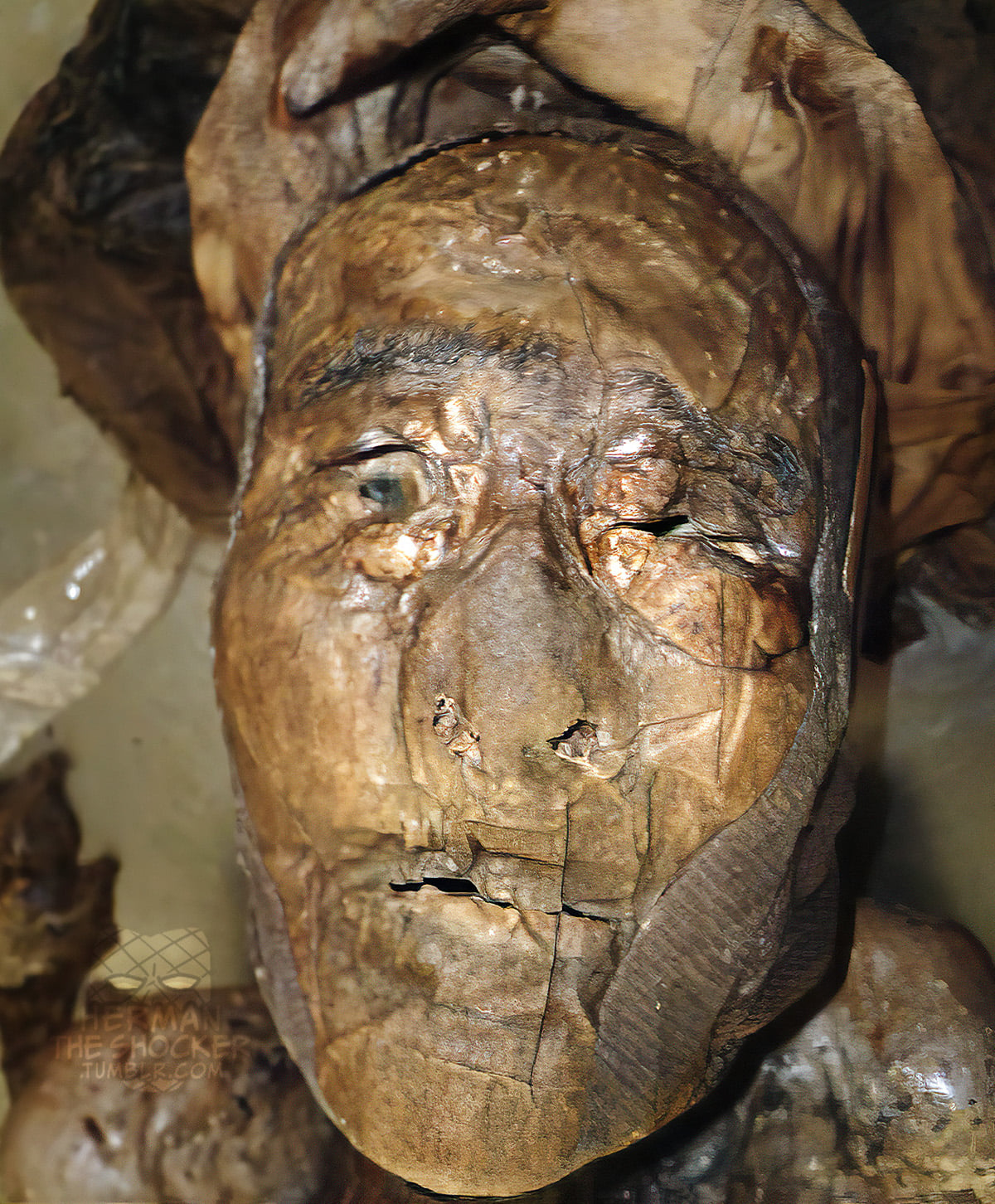 Fig.8 The face of the deceased. A postmortem CT examination was performed before the traditional autopsy, showing no traumatic injuries or bone fractures (with special regard to hyoid bone fractures), but osteoporosis and osteoarthritis. At the postmortem examination, the skin and underlying tissues were hard, making autopsy dissection difficult. On entering the body cavities, all the internal organs were mummified and slightly decomposed, but they still maintained their general appearances and structures. During the examination of the heart, the coronary arteries arose normally, followed the usual distribution, and showed significant atherosclerosis on the left anterior descending (occlusion of 85% of the vessel diameter) and on the circumflex (occlusion of 80% of the vessel diameter). The lungs were decreased in size, but no abnormal findings were observed. 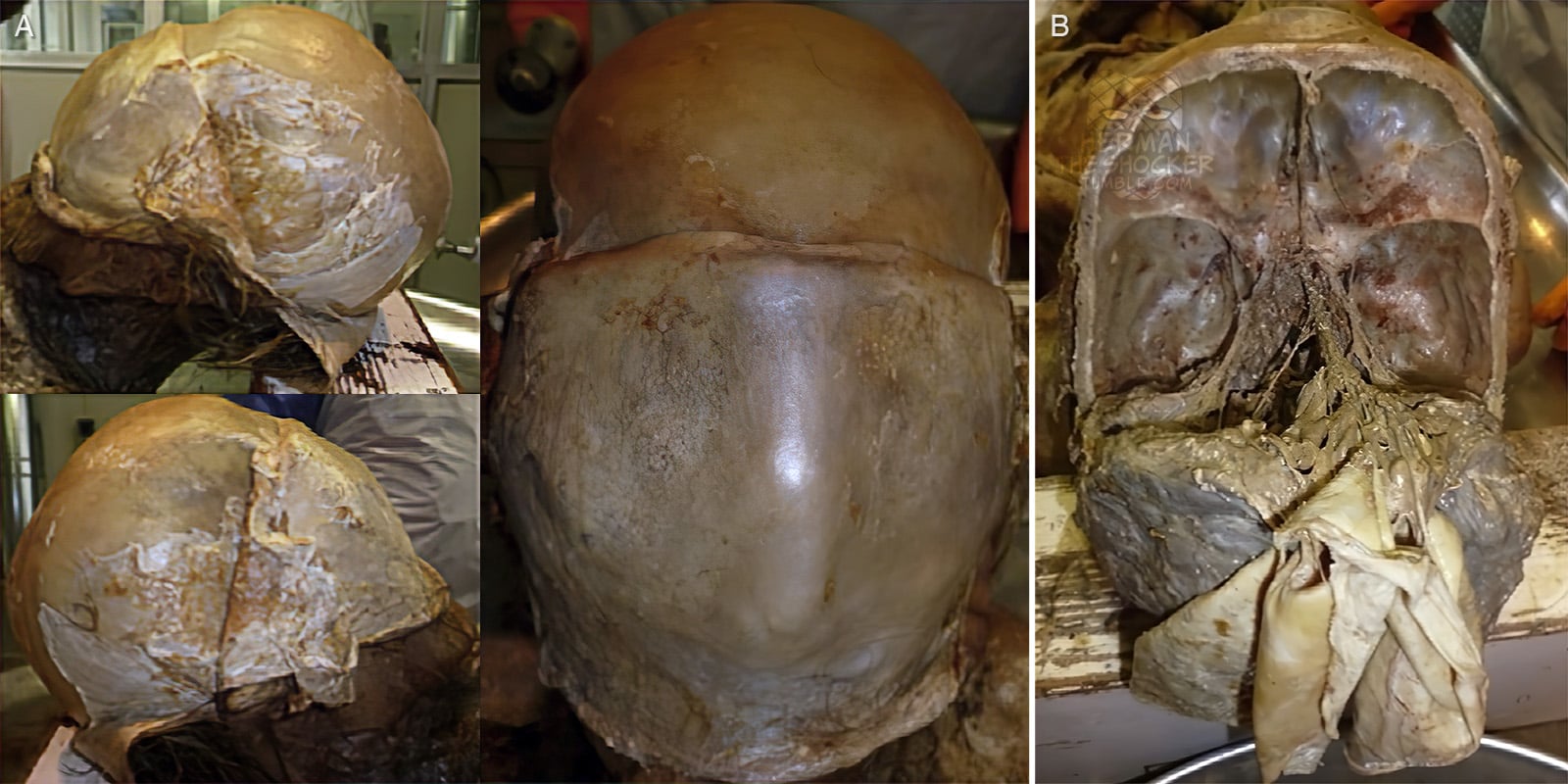 Fig.9 A) Internal surface of the scalp. B) Intracranial cavity open, dura, and brain. 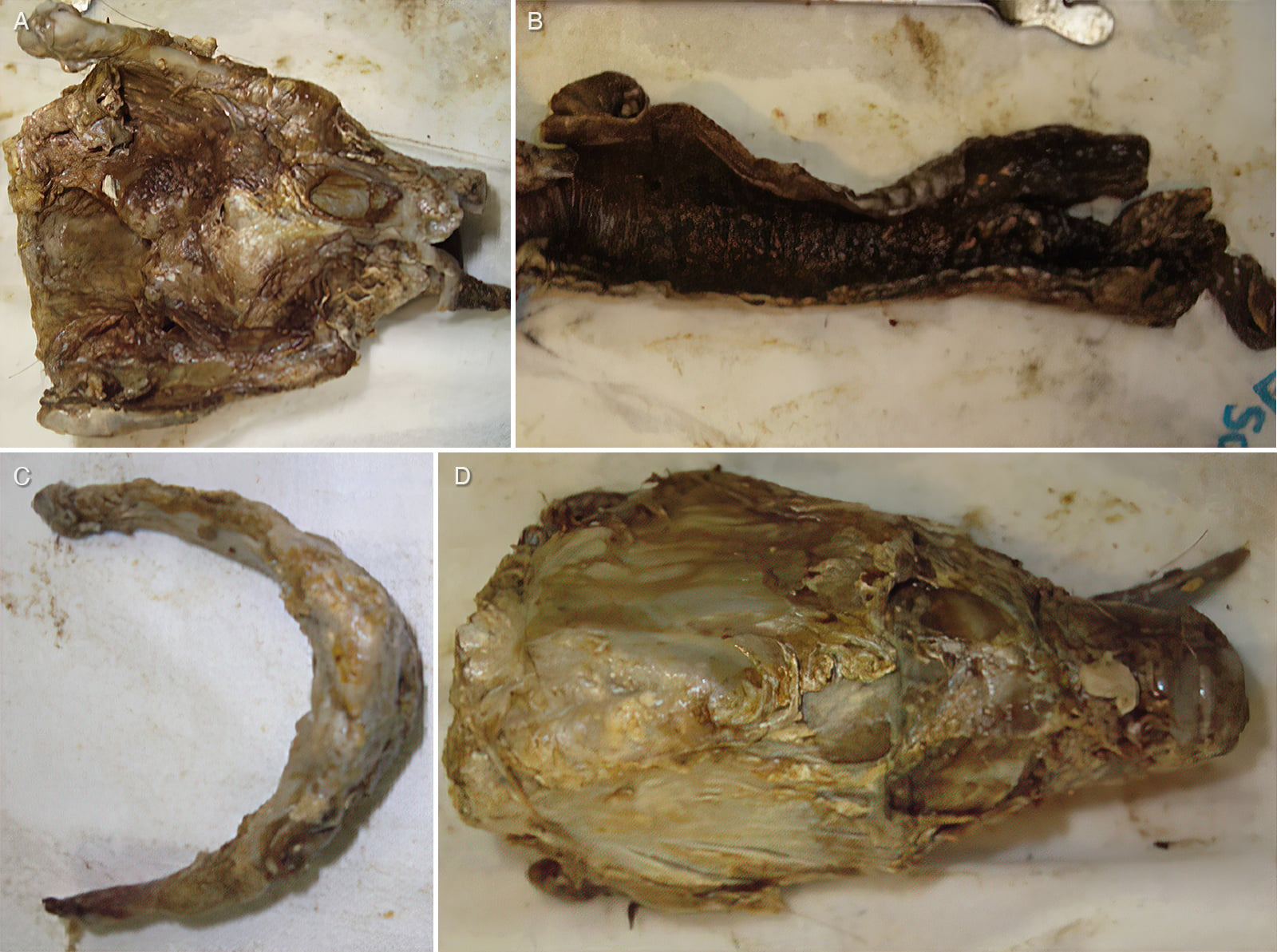 Fig.10 A) Larynx with thyroid horns. B) Mucosa of the trachea. C) Hyoid bone. D) Larynx with thyroid cartilage. 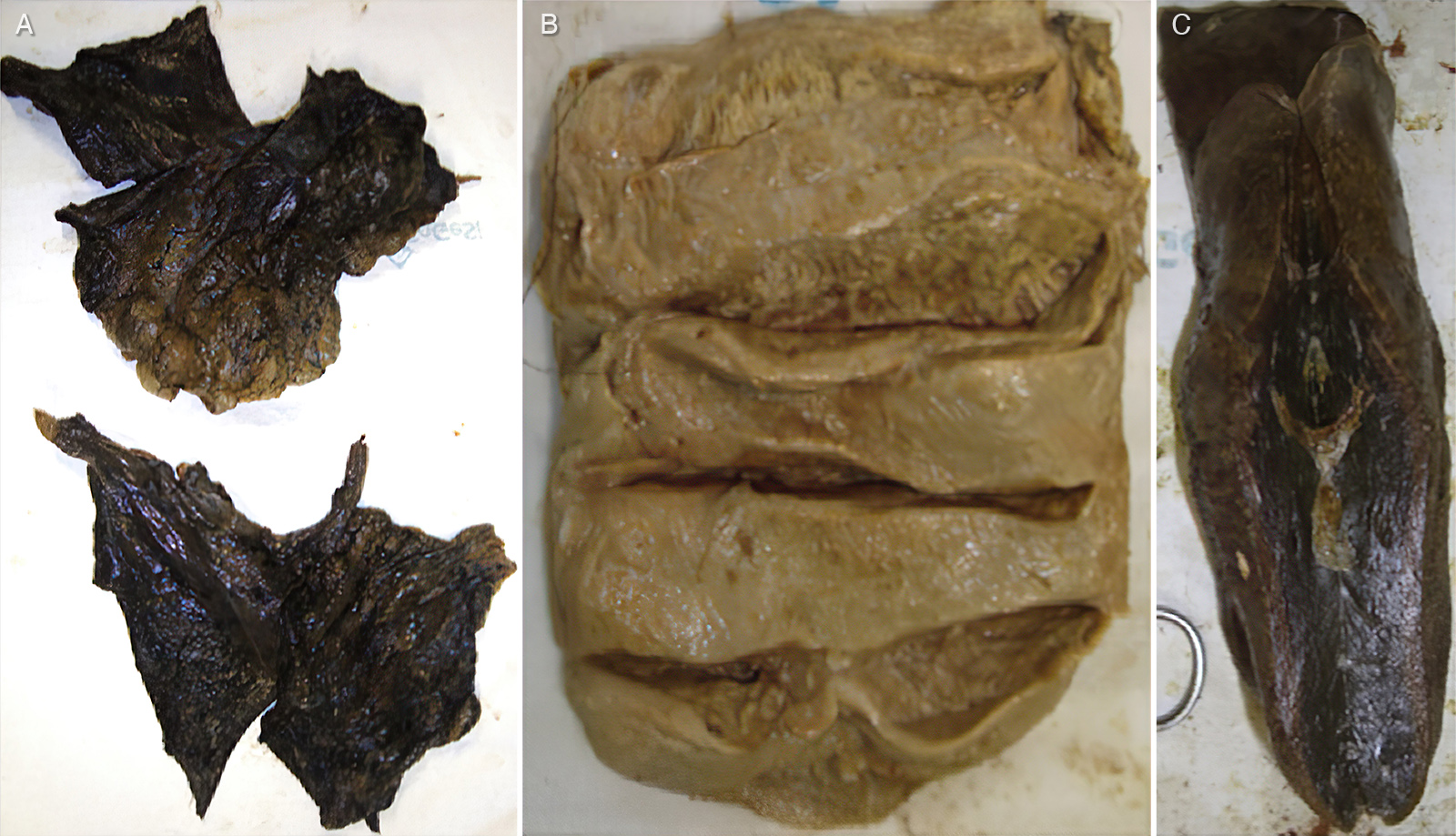 Fig.11 A) Lungs. B) Tongue. C) Right kidney. Toxicological analyses performed on hair, liver, kidney, and muscle samples were negative for drugs, alcohol, and common poisons. Traditional and immunohistochemistry microscopic analyses were performed on skin samples, showing no injuries or other anomalies. During the microscopic examination of the heart, strongly decomposed tissue with interstitial fibrosis and wavy fibers was observed. The microscopic examination of the lungs showed putrefactive changes along with moderate congestion, but no abnormal findings were observed. Despite this autolysis, no pathological findings on any other organs were present. According to all the available information, violent death was excluded and the death stated as natural, probably due to atherosclerotic cardiovascular disease in an elderly man who suffered from long-term heart disease. 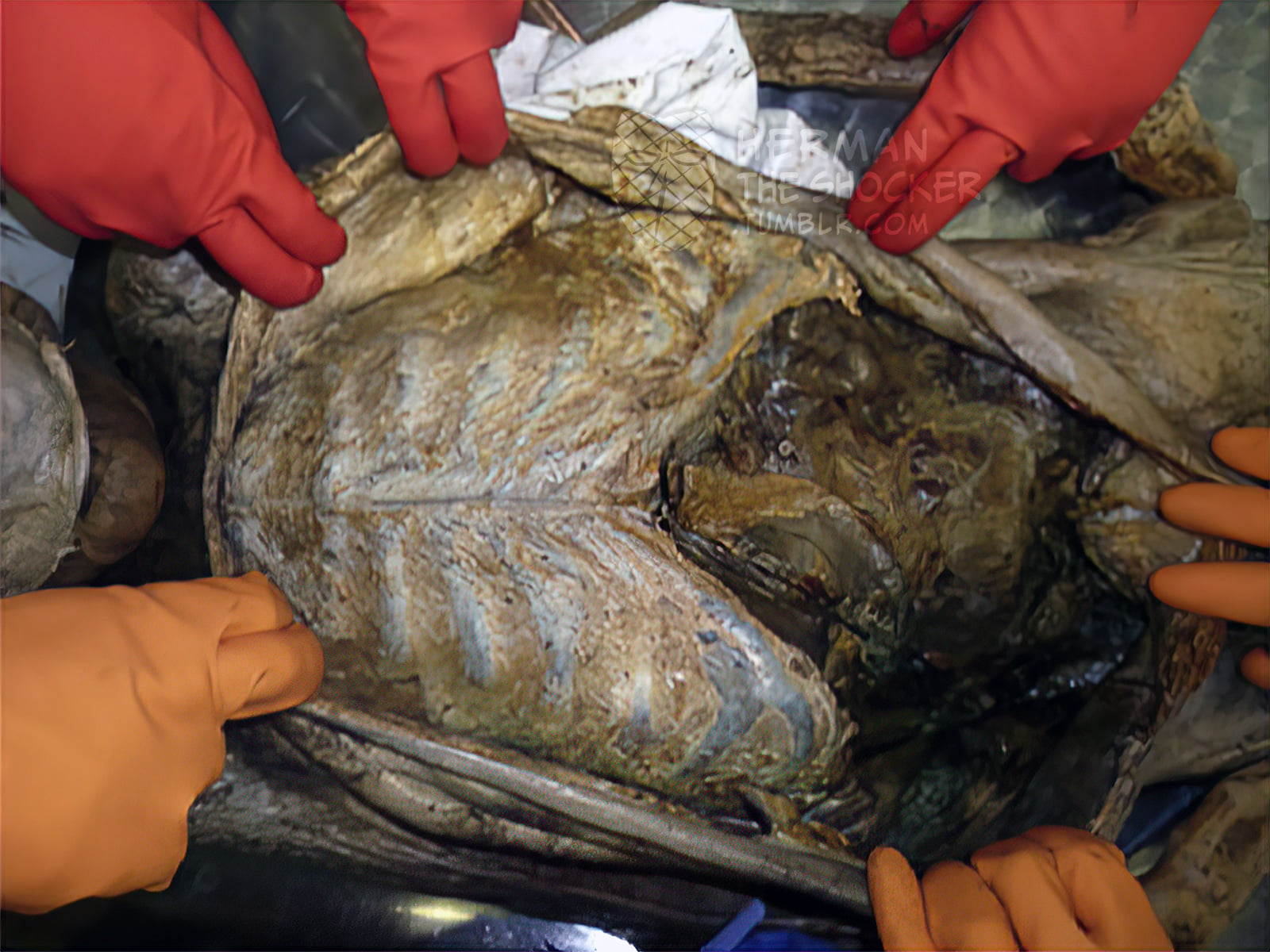 Fig.12 Overview of thorax and abdomen after incision. 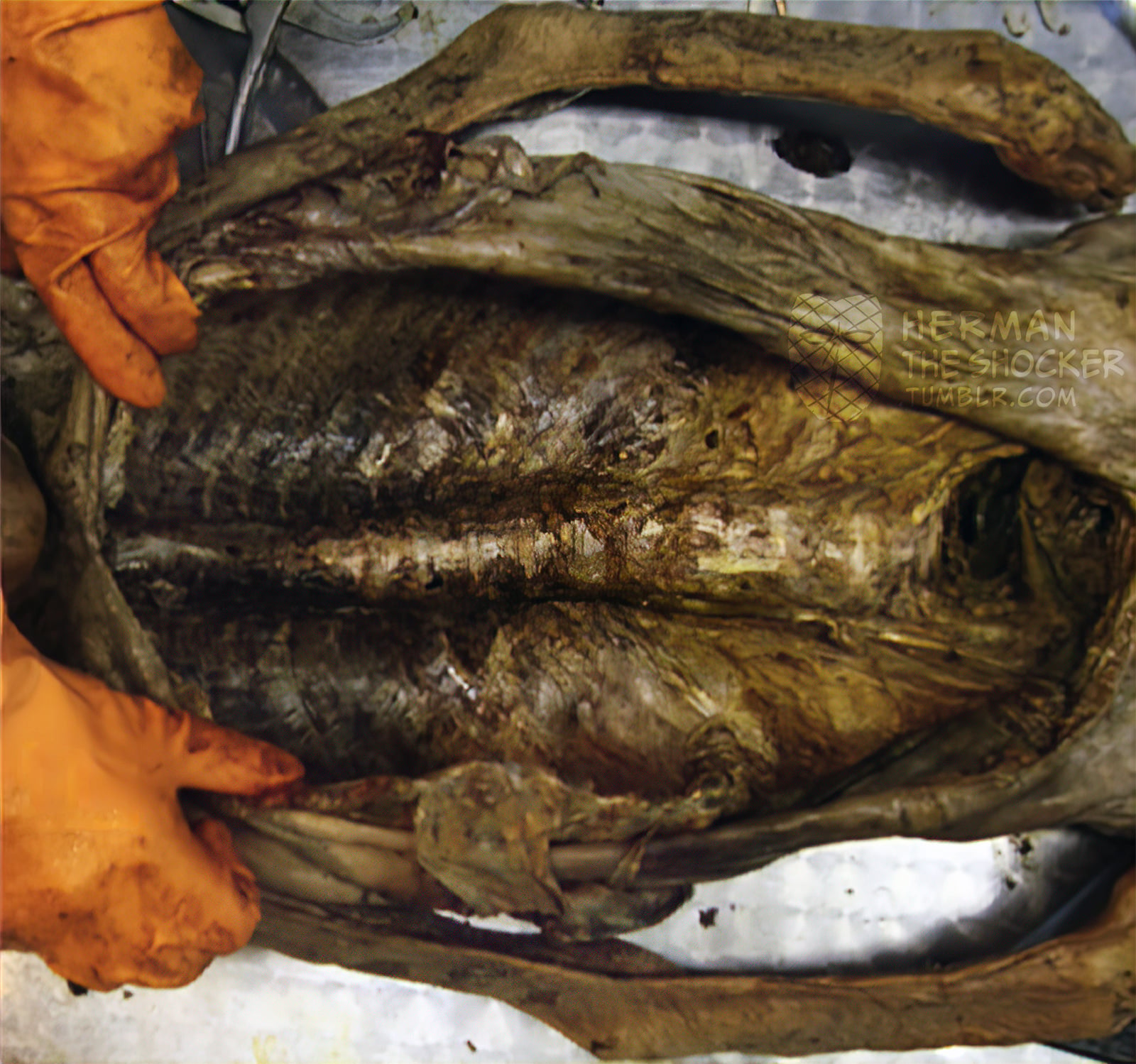 Fig.13 Overview of the body cavities after removal the organs. 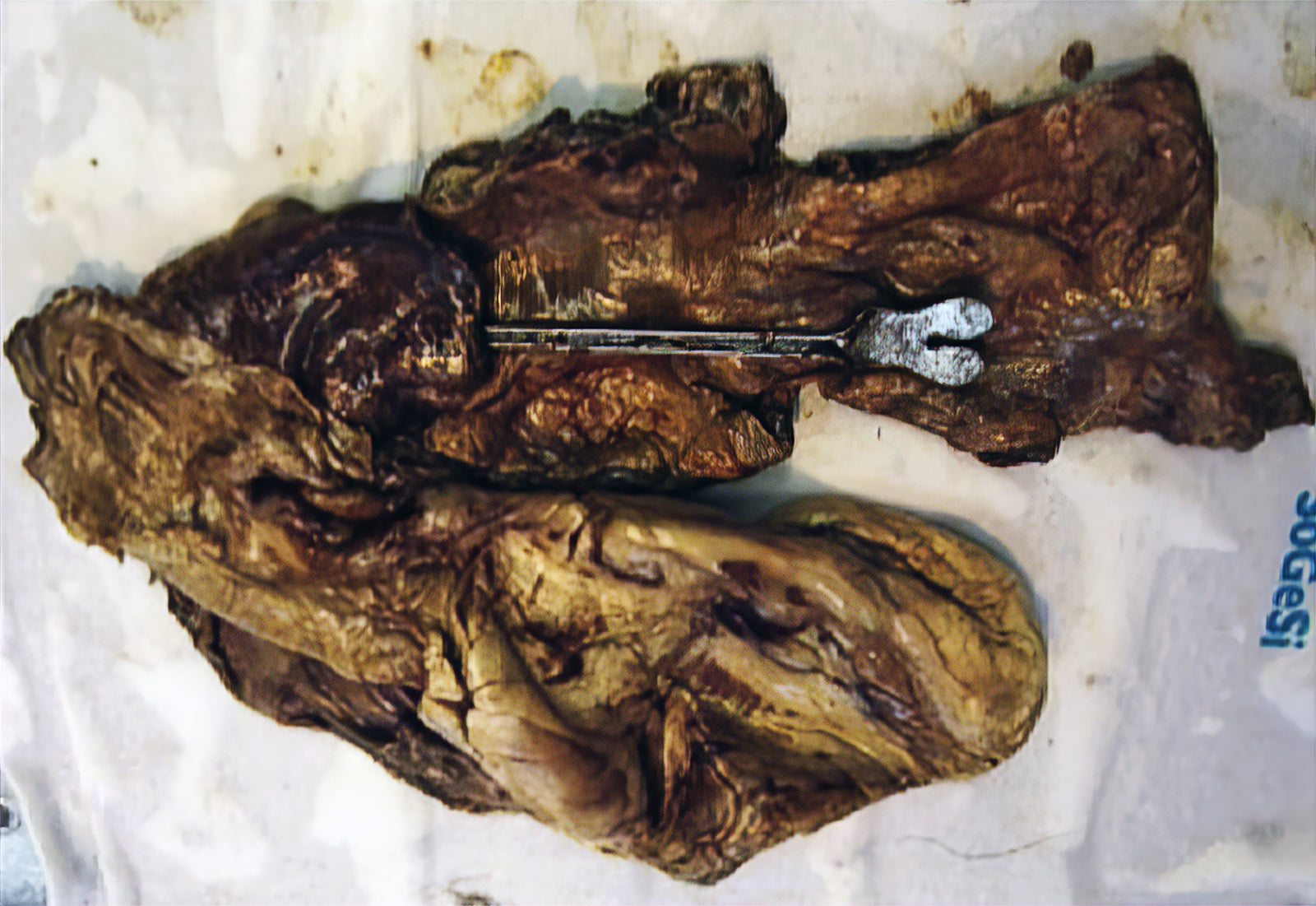 Fig.14 Heart and portion of the aorta. 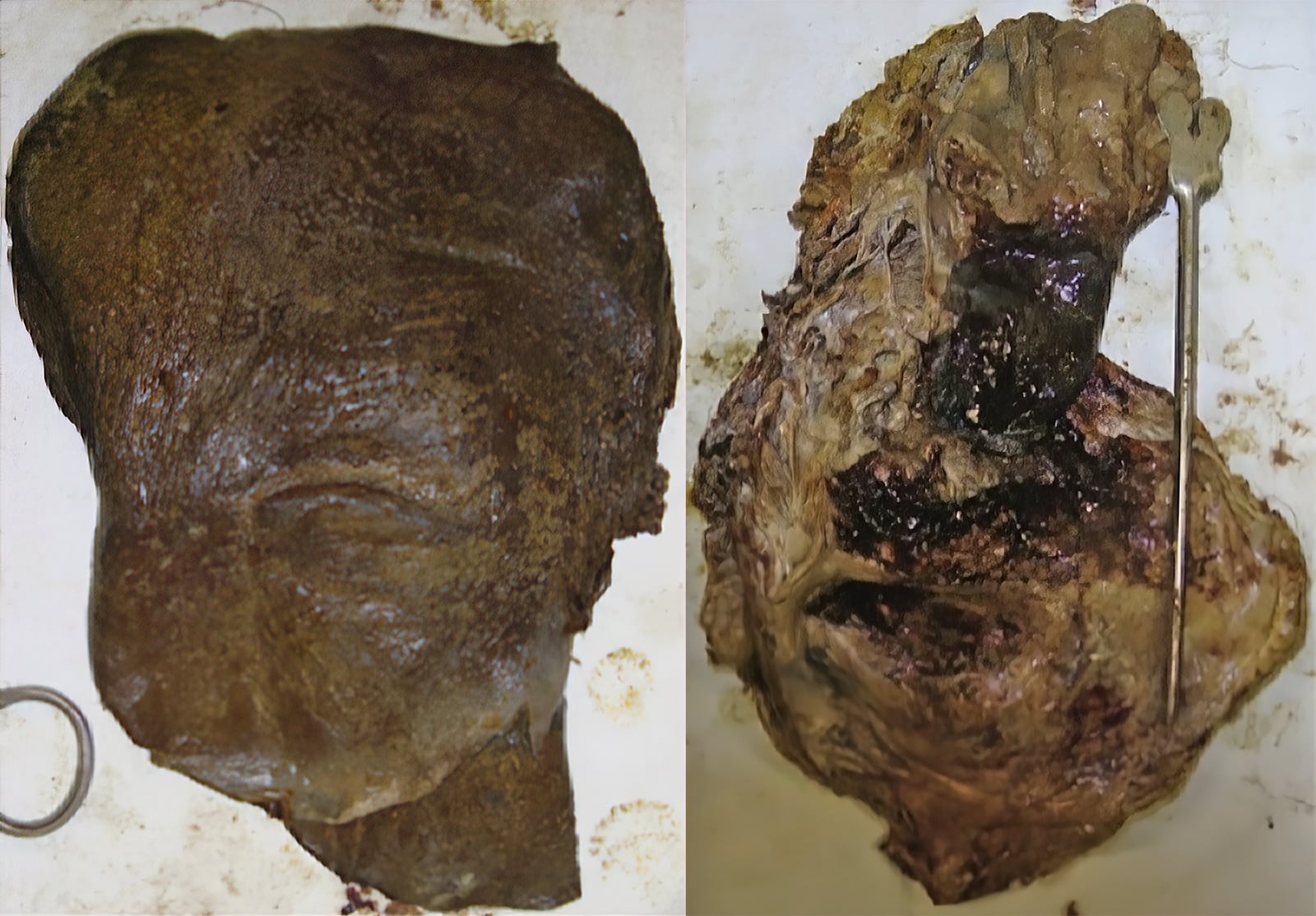 Fig.15 Liver and residual splenic tissue. The English word mummy is derived from the medieval Latin “mumia”, a borrowing of the medieval Arabic word “mūmiya” and from the Persian word “mūm”. This word means an embalmed corpse, and as well as the bituminous embalming substance, it describes the brown-black discoloration due to the resinous substance used to mummify the body. The mummification process was first developed and used by the Ancient Egyptians. The Egyptians had such a love for life that it was important that they continued that enjoyment even after death. They spent large amounts of time preparing for the afterlife, according to their religious beliefs. The Egyptians believed that the mummy housed their soul, so they developed the process of mummification to preserve the body and its physical features well so that the soul would be able to identify it. A natural mummification process needs 6–12 months for adult subjects, while only several months are required for children. Natural mummification that is fully completed in 2–3 months or 2–3 weeks, is rarely observed but is reported in the literature. As a result of this process, the mummified body loses weight, and the approximate time of death can be estimated. Based on the amount of weight loss, it is possible to classify the mummies and the date they died: recent or heavy mummies (weeks to months), non-recent or light mummies (years), and ancient or extremely light mummies (centuries). Considering the fact that water percentage constitutes approximately 57% of body weight, an extreme weight loss in mummified bodies with a very low final body weight is consistent with loss of sewage and organic matter. 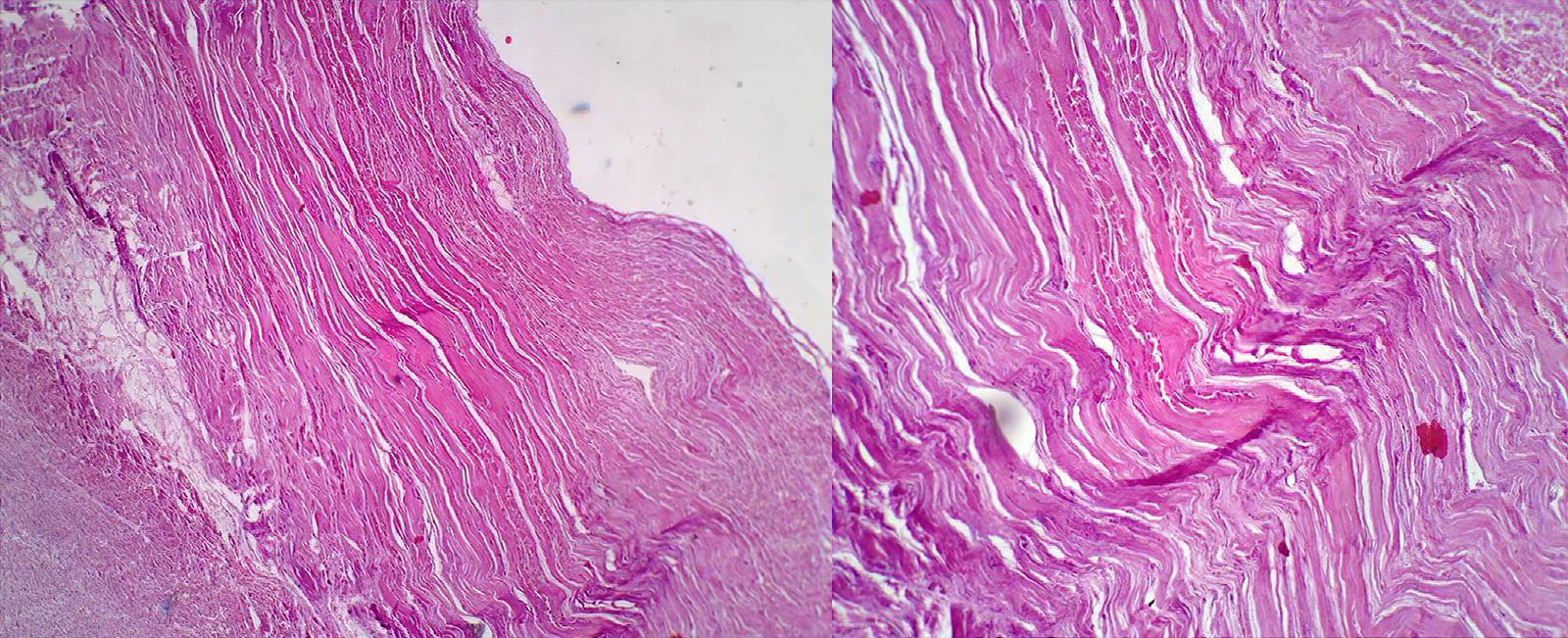 Fig.16 Microscopic findings on the heart tissue. In this case, the son confirmed that his father died due to natural causes, declared the time of death as 2 years before, and concealed the corpse. The body underwent complete mummification, despite the fact that the environmental conditions described in the literature were not present (hot, dry, and with an air current). However, as the body was completely packed in a wrap of tape and walled up, anaerobia could be to blame. When a mummified body is found, the forensic pathologist must perform a careful evaluation of all the available data, since the manner of death could be related to suicide, homicide, or reveal the concealment of a corpse. In such cases, an in-depth analysis of all available information is requested. Data concerning the crime scene, the autopsy findings, the radiological examination before the autopsy, and the histopathological and toxicological analyses should be obtained in order to reach the correct diagnosis. 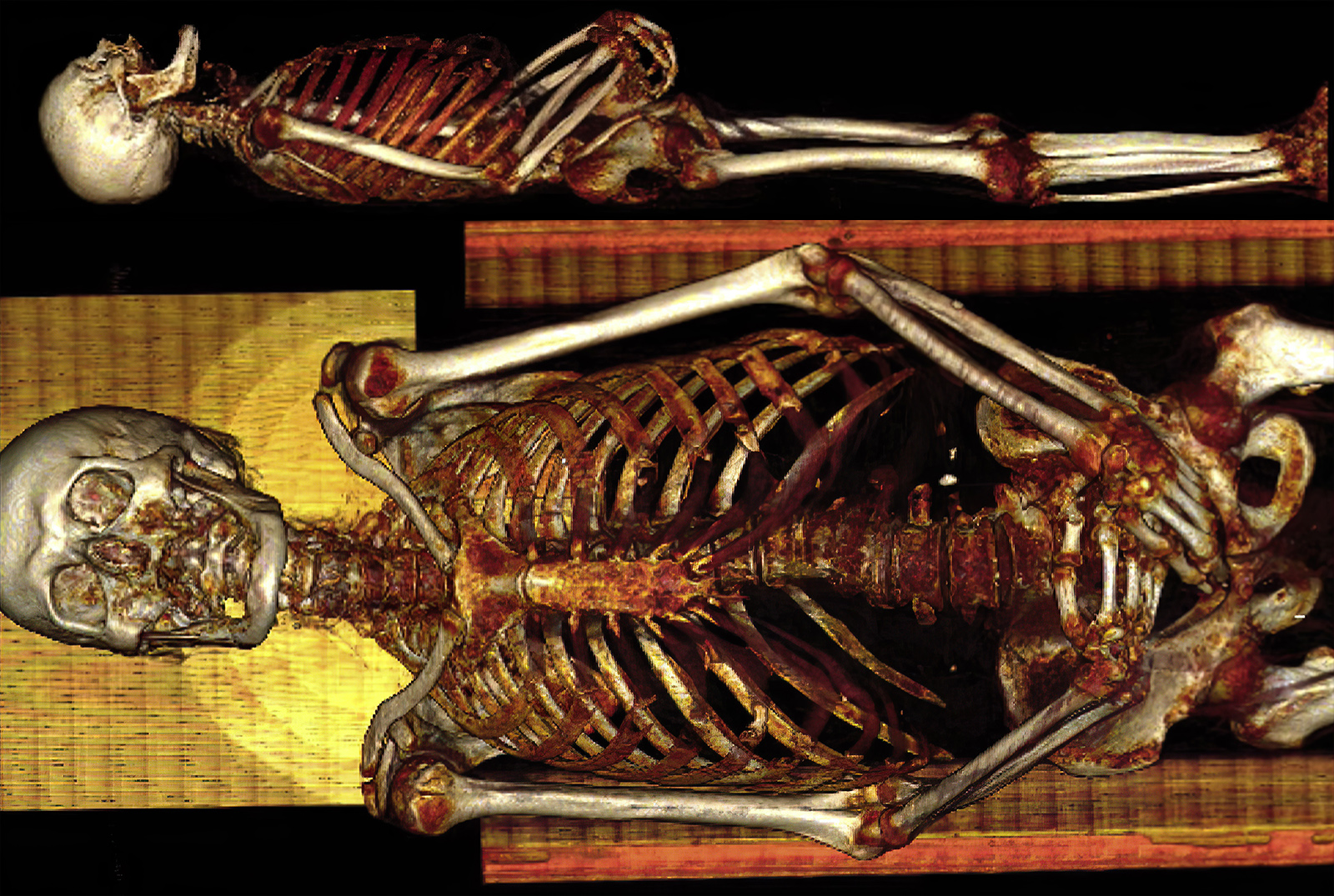 Fig.17 3D rendering of the DICOM images obtained by the postmortem CT showing no traumatic injuries to the bones. This case shows two important conclusions that must be kept in mind in forensic practice. On the one hand, forensic pathologists should know that a complete mummification process can occur in a special environment, different from what is described in scientific literature. In fact, although the mummification process commonly requires a warm, dry environment with air movement, in rare cases it can also develop under special conditions. In such cases, an anaerobiosis process, in which exclusion of air enhances preservation of the body due to the inhibition of putrefaction, must be considered. On the other hand, when a mummified body is found, a multidisciplinary approach together with rigorous methodology is required in order to reach the correct diagnosis. On the basis of the evaluation of the features resulting from the radiological, postmortem, toxicological and histopathological examinations, the resolution of the case can be possible even many years after the death of the subject. The main role of this approach in forensic science to mummified bodies is to discern whether deaths have been caused by homicide, suicide, or if they are accidental or natural. - - - This post is for educational purposes only and is nonprofit. Under Section 107 of the Copyright Act of 1976; Allowance is made for "Fair Use" for purposes such as criticism, comment, news reporting, teaching, scholarship, and research. No copyright infringement intended. All the images have been upscaled and sharpened/enhanced, 3D wall render by OP. Some of the text might have been shortened and simplified, and/or reorganized for online view. Original case report by Gitto L., Bonaccorso L., Maiese A., dell’Aquila M., Arena V., Bolino G. - Journal of Forensic and Legal Medicine, 2015. |
|
#2
●
04-03-2021, 04:09 PM
|
 ♚ Legacy Gold Member ♚ Poster Rank:199 Female Join Date: Nov 2009 Posts: 7,749 7,749Posts 11,993Thanked 709Quoted 5Mentioned 0Contrib. |
|
Re: A Scream from the Past: Concealed Corpse Found Mummified - Case Report
Wow. Fascinating. Love the detail. Thank you.  |
|
#3
●
04-03-2021, 04:56 PM
|
 My Rank: LANCE CORPORAL Poster Rank:1979 Join Date: Apr 2010 Posts: 255
Contributions: 2
255Posts 424Thanked 68Quoted 0Mentioned 2Contrib. |
|
Re: A Scream from the Past: Concealed Corpse Found Mummified - Case Report
Thanks so much for all the detail, it's so interesting that the body went through that process when it was concealed and was preserved pretty well. When I was a kid I loved learning about the Egyptian mummies and how they were prepared for the afterlife. My favourite aspect was knowing that the brain was removed by sticking a hook up the nose to pick it out, and I used to tell tails of Egyptian mummy preservation and in particular the removal of internal organs to to anyone who listened and anyone who didn't. Yet everyone thought I was weird. No idea why they came to that conclusion. I particularly love the look of Fig 10. D, and Fig.11 B, as they remind me of pork scratchings which compliment a cold pint of orange on a summer day. I feel like serenading you all for some reason.... Memories, like the corners of my mind, Misty water coloured memories.....blah blah blah. You get the picture. |
|
#4
●
04-03-2021, 09:23 PM
|
| ♚ Legacy Gold Member ♚ Poster Rank:92 Male Join Date: Nov 2009 Posts: 17,188 17,188Posts 44,954Thanked 4,709Quoted 8Mentioned 0Contrib. |
|
Re: A Scream from the Past: Concealed Corpse Found Mummified - Case Report
You should read "The Egyptian" by Mika Waltari. It is a great story, and deals a lot with mummification practices.
|
|
#5
●
04-03-2021, 09:23 PM
|
| ♚ Legacy Gold Member ♚ Poster Rank:92 Male Join Date: Nov 2009 Posts: 17,188 17,188Posts 44,954Thanked 4,709Quoted 8Mentioned 0Contrib. |
|
Re: A Scream from the Past: Concealed Corpse Found Mummified - Case Report
What happened to the son?
|
|
#6
●
04-03-2021, 09:56 PM
|
 ♚ Legacy Gold Member ♚ Poster Rank:915 Join Date: Oct 2020 Posts: 820 820Posts 1,957Thanked 119Quoted 0Mentioned 0Contrib. |
|
Re: A Scream from the Past: Concealed Corpse Found Mummified - Case Report
He got a job at a funeral home
|
|
#7
●
04-04-2021, 04:38 AM
|
 Für Immer Verloren Poster Rank:50 Boredom + Despair Join Date: Sep 2017 Posts: 30,197
Contributions: 743
30,197Posts 192,588Thanked 10,332Quoted 136Mentioned 743Contrib. |
|
Re: A Scream from the Past: Concealed Corpse Found Mummified - Case Report
Oh wow, brilliant photos! I do love anything mummified + skeletonised. Very cool thread + love the title too! Thank you.
__________________ "I'd give the world for the chance just to see your face again. Still I pretend that you're still standing by." |
|
#8
●
04-04-2021, 05:42 AM
|
 ★ Legacy Member ★ Poster Rank:868 male Join Date: Mar 2010 Posts: 875
Contributions: 1
875Posts 1,191Thanked 106Quoted 0Mentioned 1Contrib. |
|
Re: A Scream from the Past: Concealed Corpse Found Mummified - Case Report
fascinating article, thanks for posting
|
|
#9
●
04-05-2021, 10:11 AM
|
 ✝Mudderator from Hell✝ Poster Rank:10 e-mail Join Date: Oct 2006 Posts: 96,690
Contributions: 901
96,690Posts 543,635Thanked 10,371Quoted 479Mentioned 901Contrib. |
|
Re: A Scream from the Past: Concealed Corpse Found Mummified - Case Report
Great thread. Egypt likes to tell the world they were the first civilisation to mummify people but in fact other older cultures beat them to it. https://en.wikipedia.org/wiki/Chinchorro_mummies |