|
#1
●
02-23-2012, 02:30 PM
| ||||||||
 My Rank: MAJOR Poster Rank:12 Join Date: Jun 2009 Posts: 93,128
Contributions: 226
Mentioned: 91 Post(s) Quoted: 2009 Post(s)
| ||||||||
|
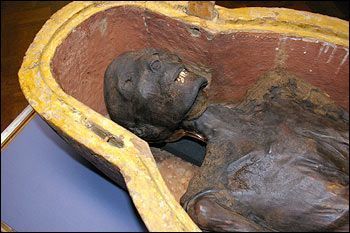
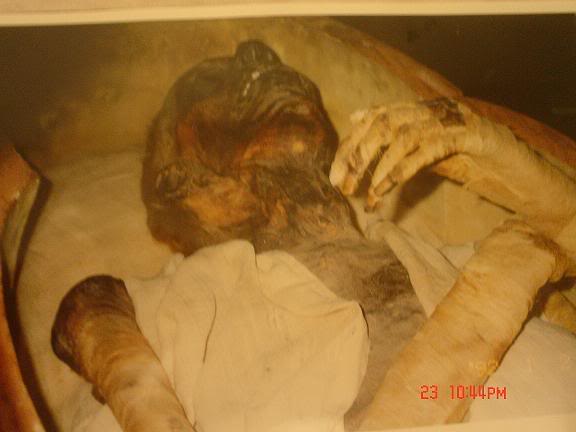
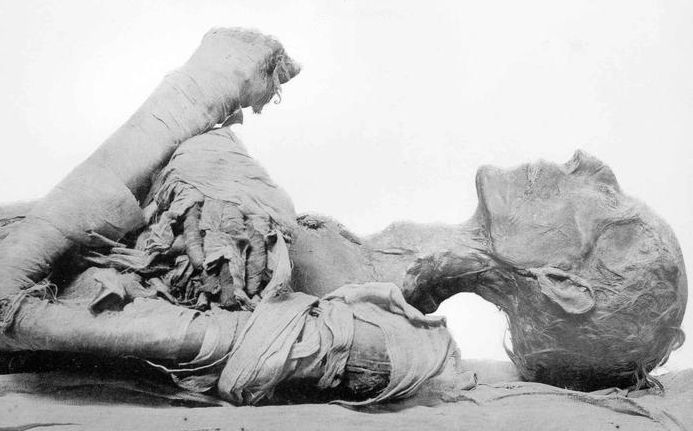
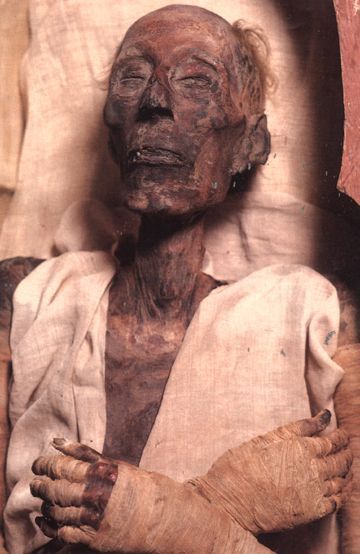
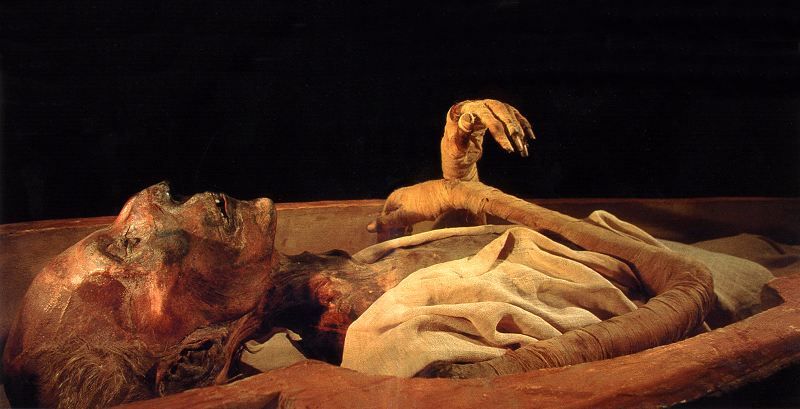
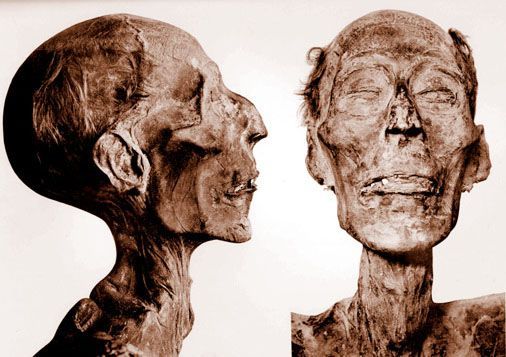
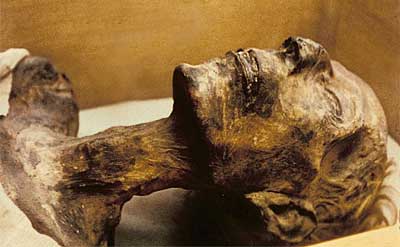
Ramesses II Egyptian Mummy
 ·  ·  ·  ·  ·  ·  · |
|
#2
●
02-23-2012, 02:32 PM
| ||||||||
| My Rank: MAJOR Poster Rank:12 Join Date: Jun 2009 Posts: 93,128
Contributions: 226
Mentioned: 91 Post(s) Quoted: 2009 Post(s)
| ||||||||
|
Re: Ramesses II Egyptian Mummy
His son: |
|
#6
●
02-24-2012, 02:30 AM
| ||||||||
 ♚ Legacy Gold Member ♚ Poster Rank:195 Female Join Date: Nov 2009 Posts: 7,765 Mentioned: 5 Post(s) Quoted: 709 Post(s)
| ||||||||
|
Re: Ramesses II Egyptian Mummy
Rameses certainly was a ram! He fathered 110 kids???!!  It's a good job he's not around today, they'd probably all be on benefits. It's a good job he's not around today, they'd probably all be on benefits. I wonder how many women were the mothers of those kids. |
|
#7
●
02-24-2012, 06:12 AM
| ||||||||
 My Rank: MASTER SERGEANT Poster Rank:538 Male Join Date: Jan 2012 Posts: 1,886 Mentioned: 0 Post(s) Quoted: 22 Post(s)
| ||||||||
|
Re: Ramesses II Egyptian Mummy
Do you think they rolled over in the grave knowing there were condoms named after them?  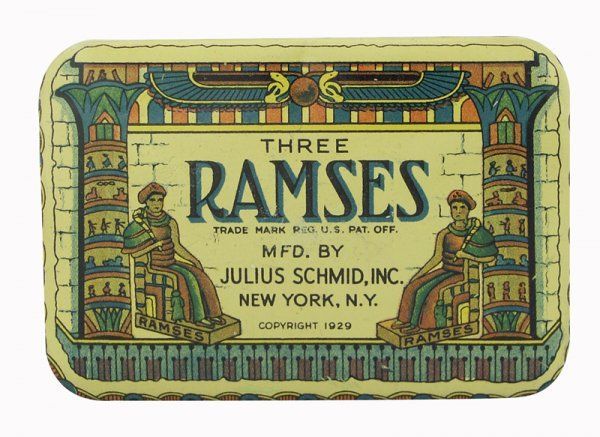 · 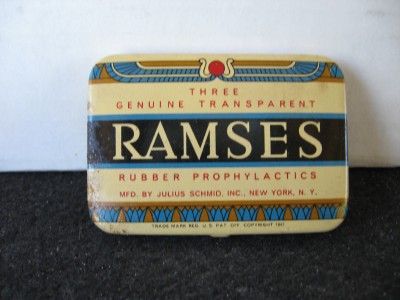 · |