|
#1
●
01-25-2023, 02:39 AM
| ||||||||
| My Rank: LANCE CORPORAL Poster Rank:2047 Male Join Date: Jul 2017 Posts: 240 Mentioned: 1 Post(s) Quoted: 35 Post(s)
| ||||||||
|
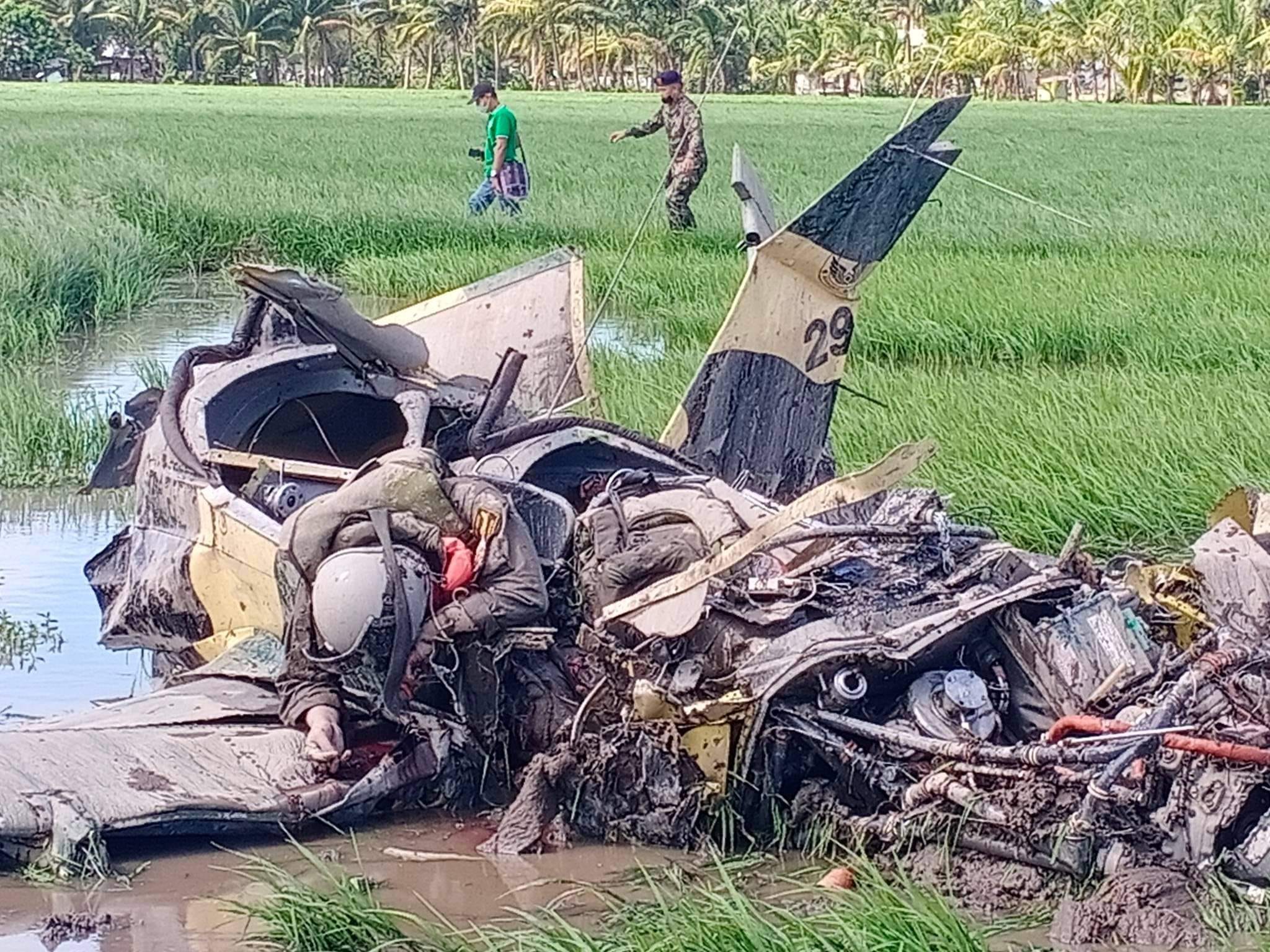
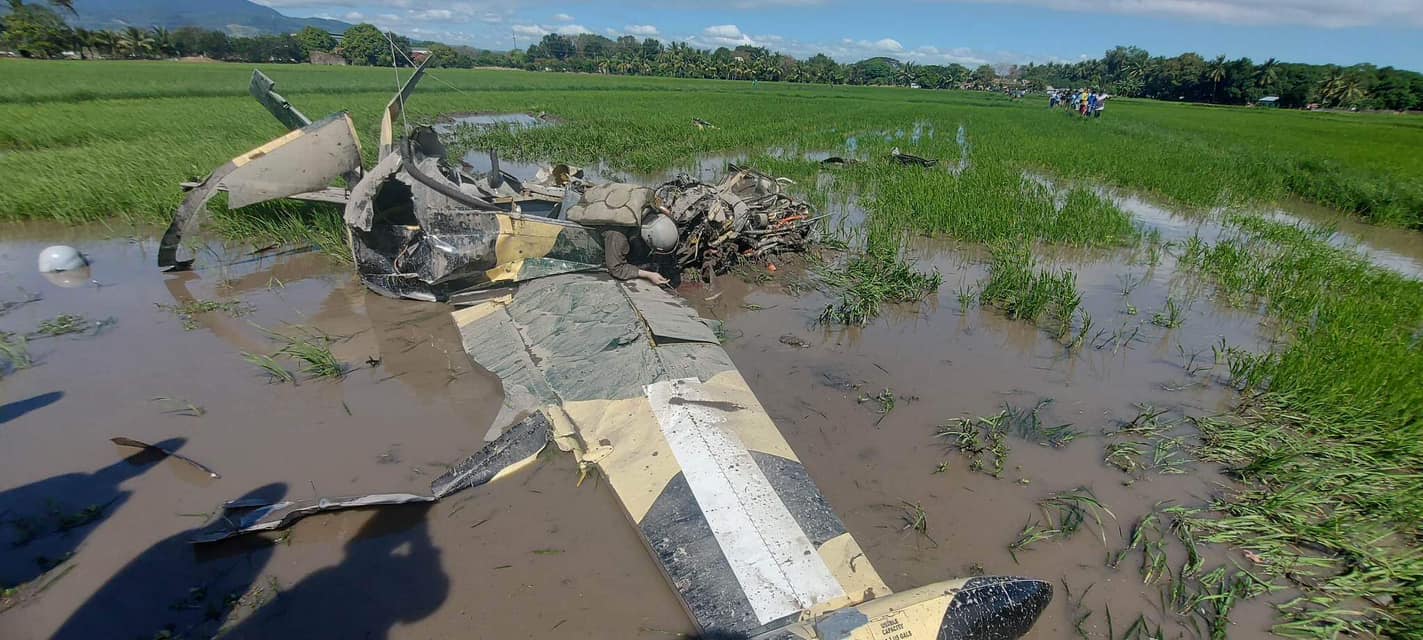
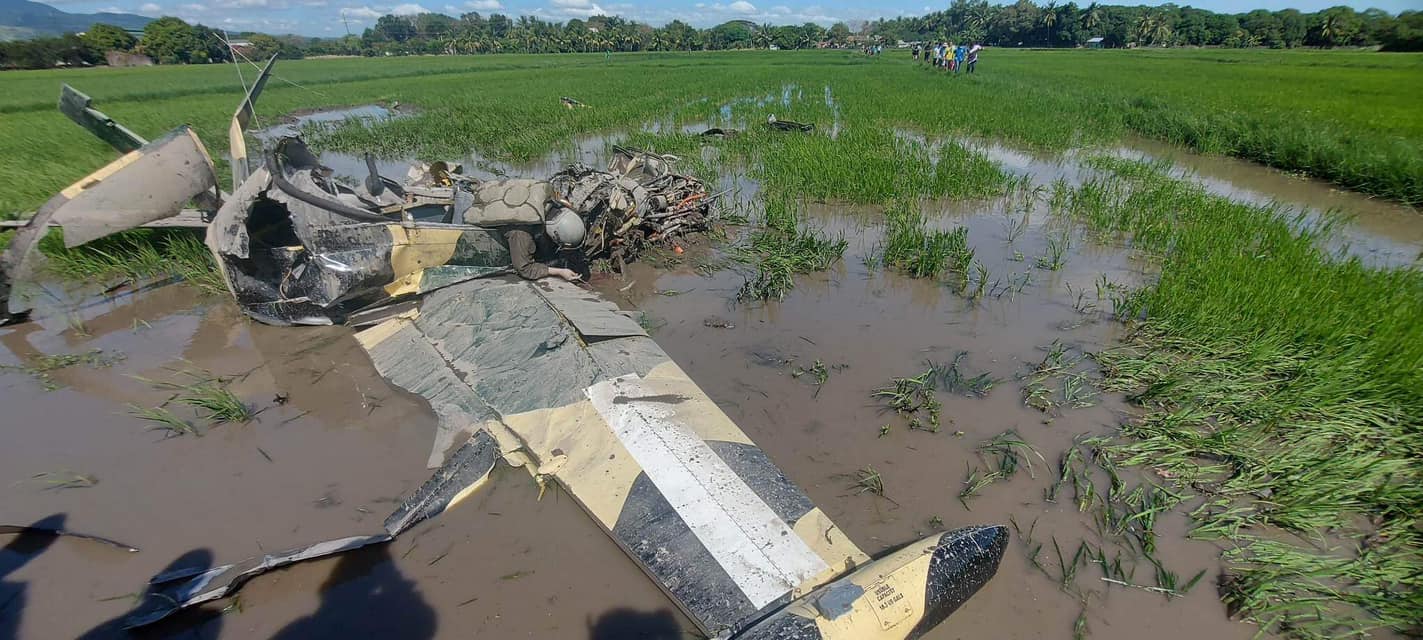
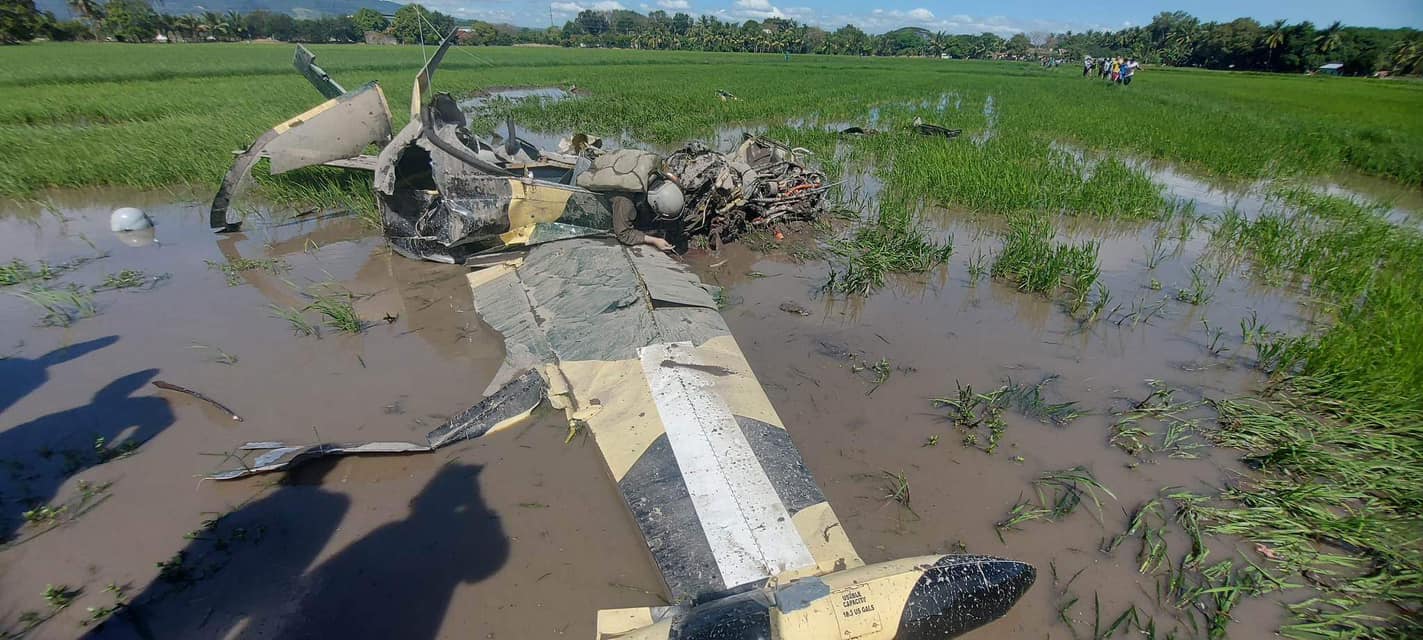
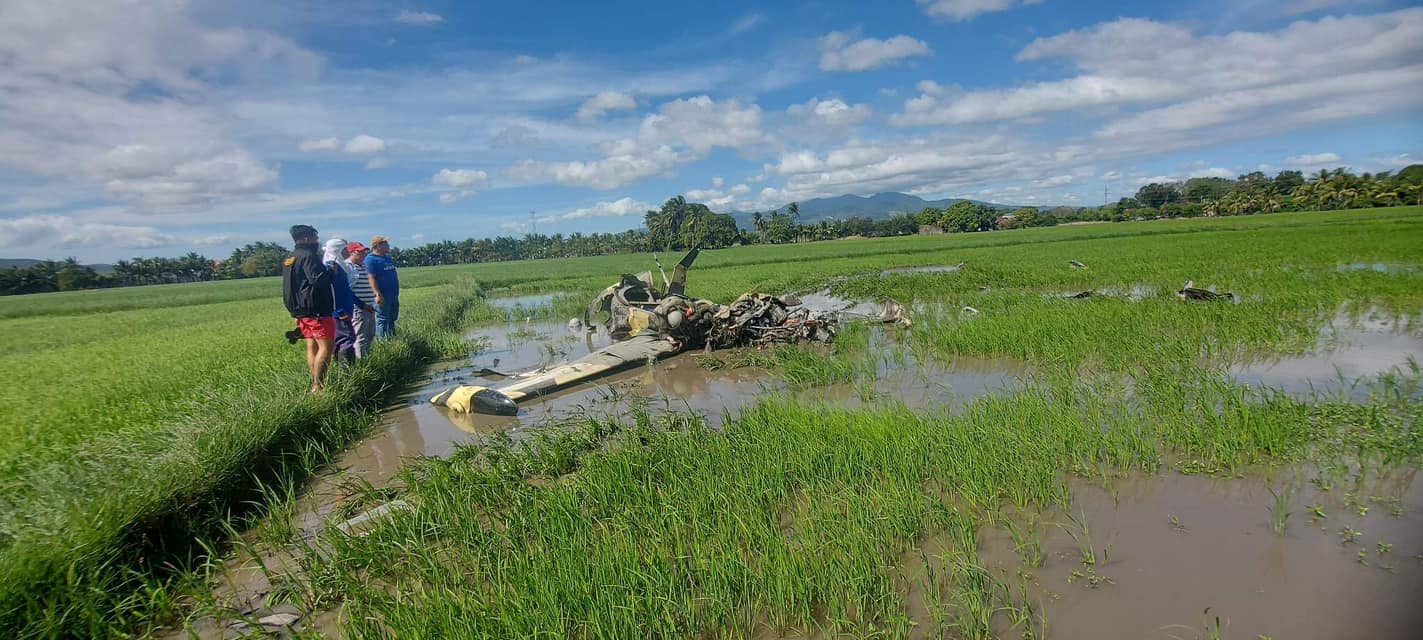
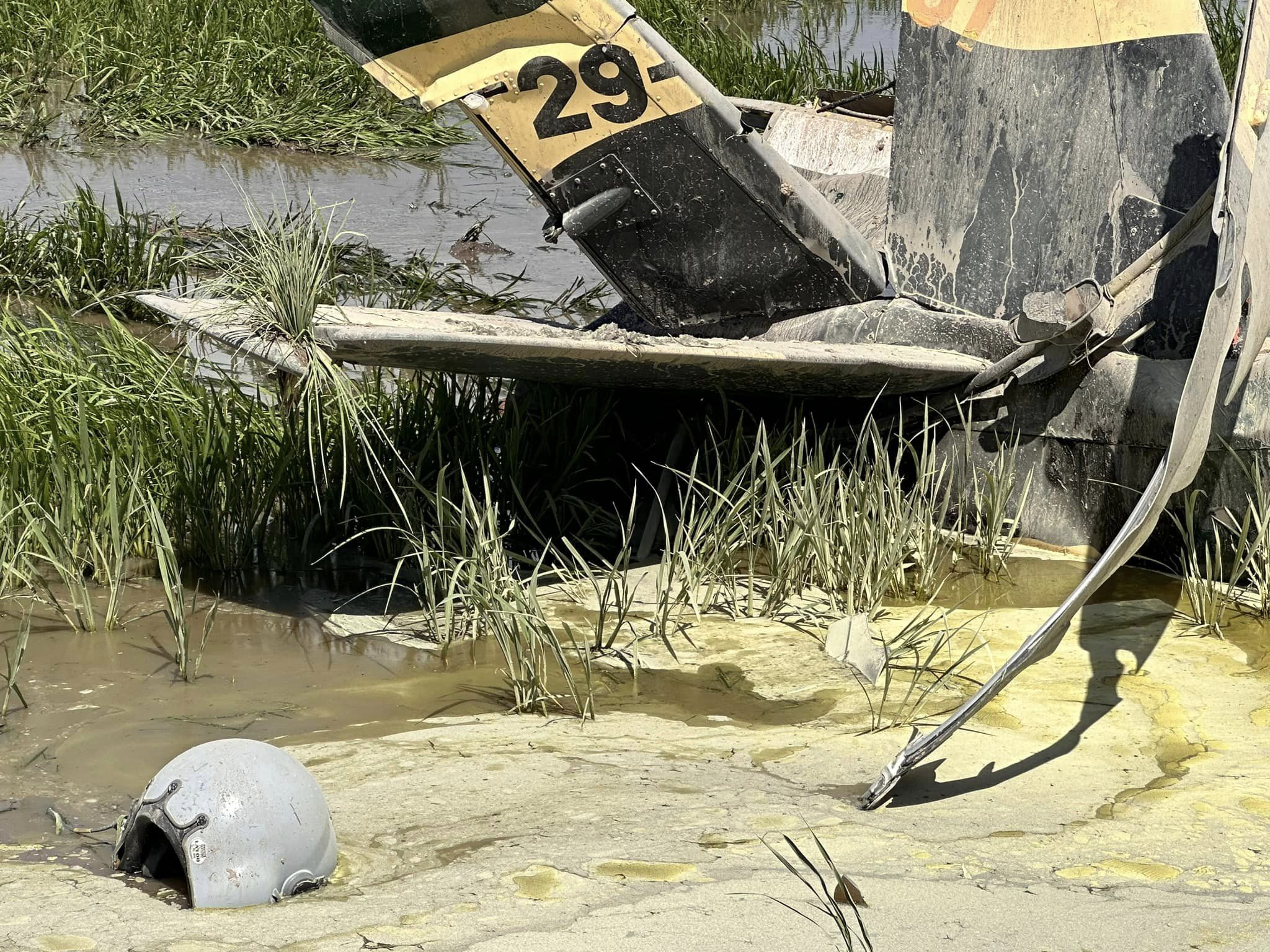
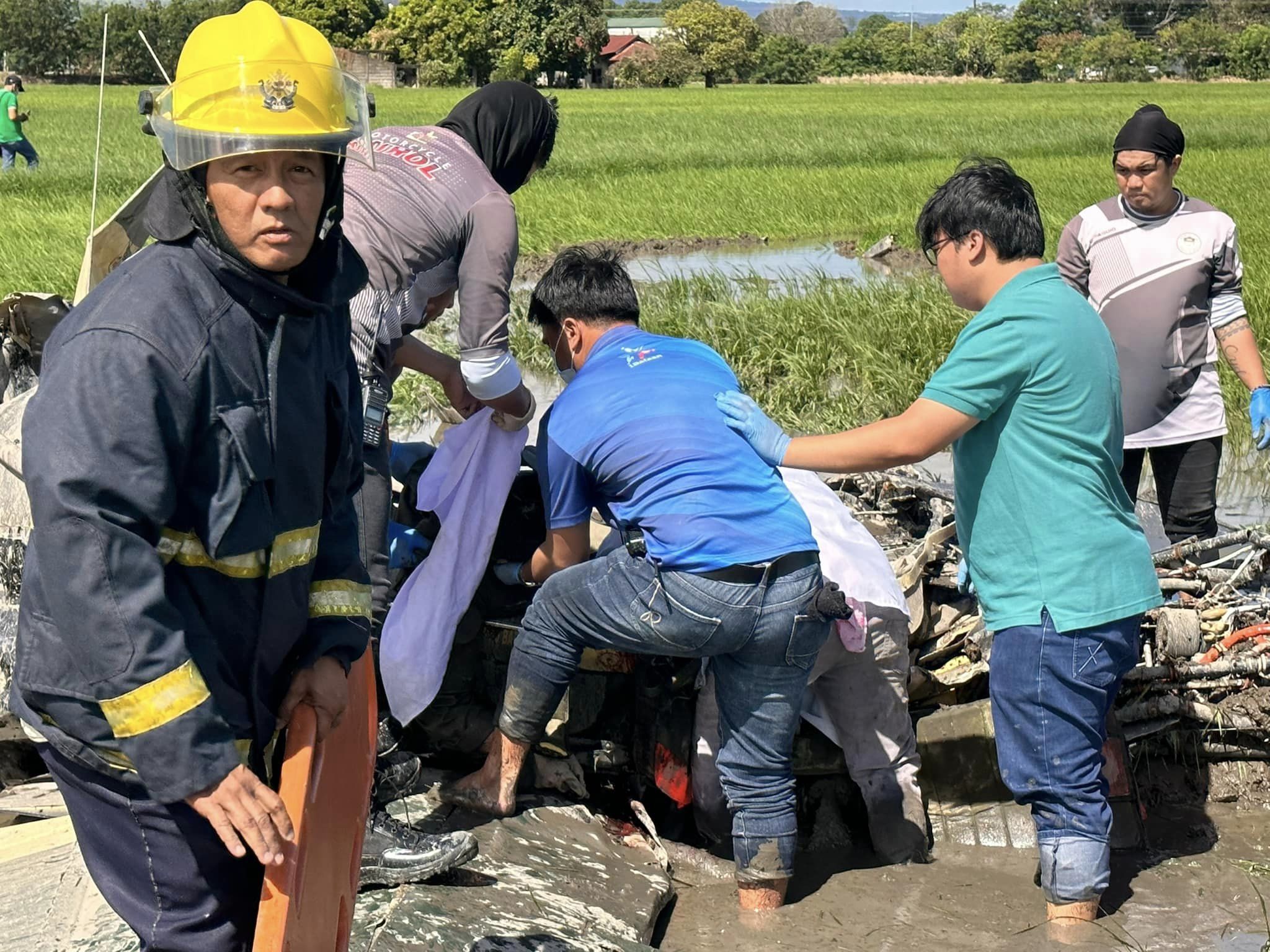
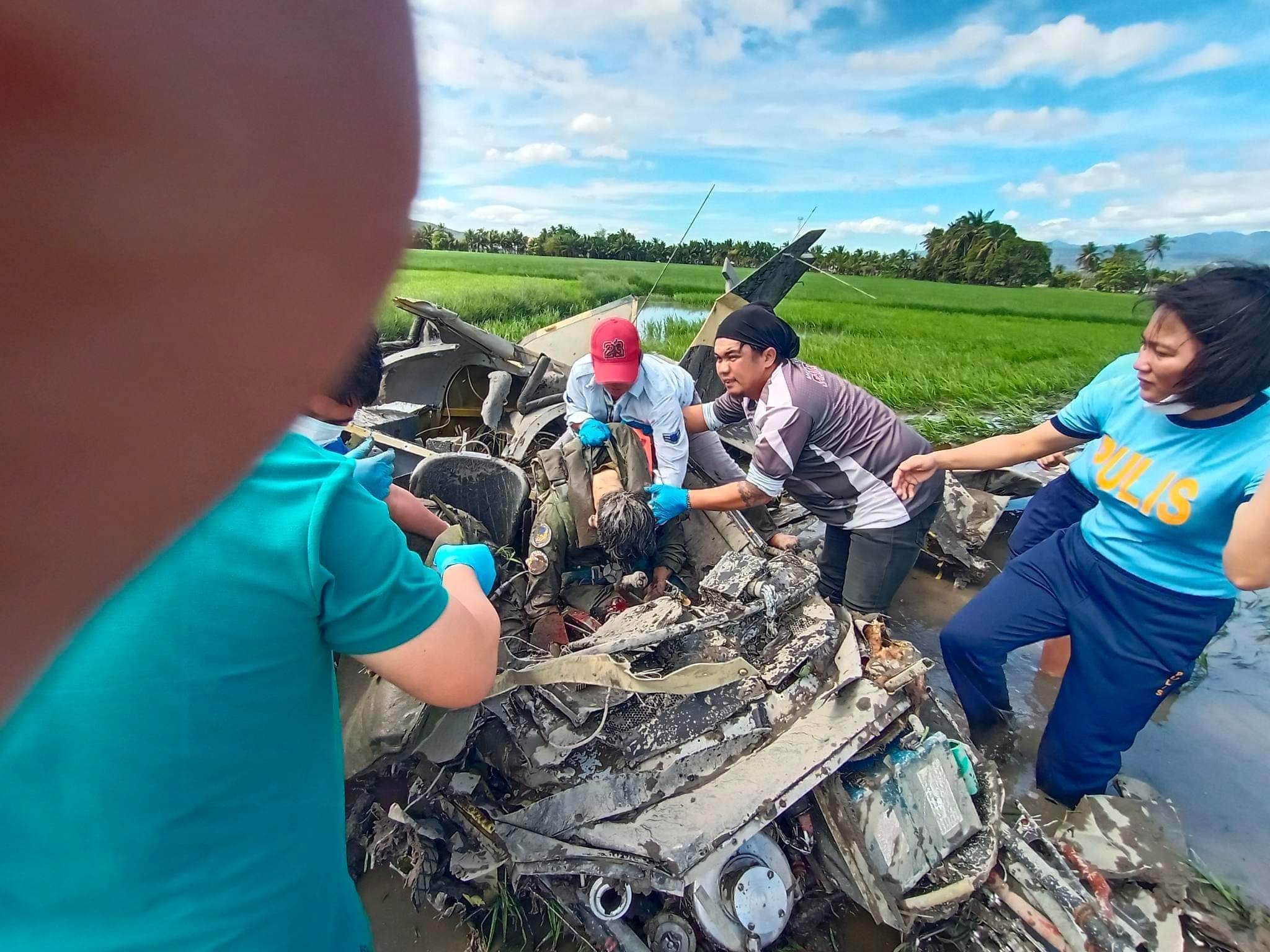
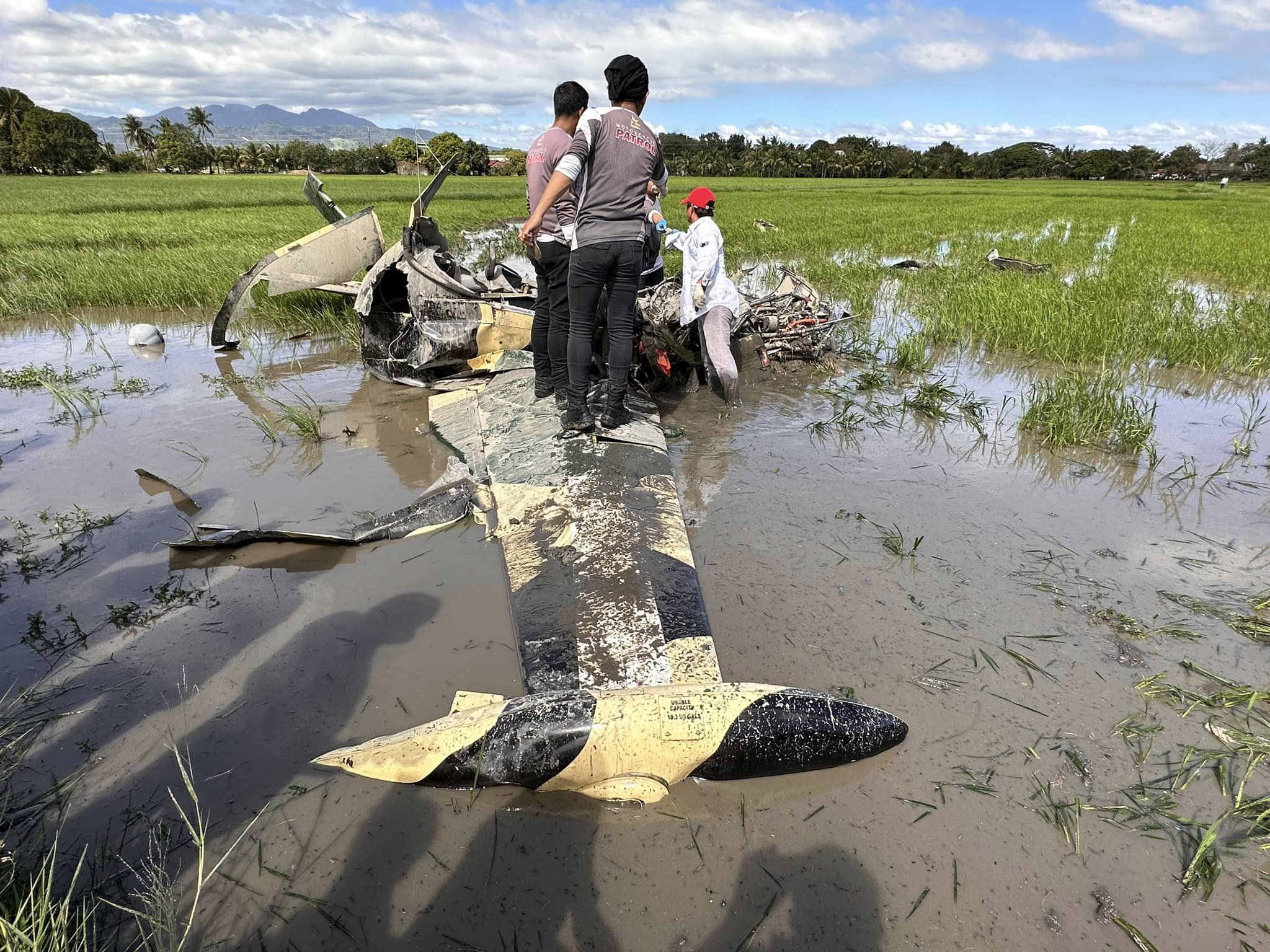
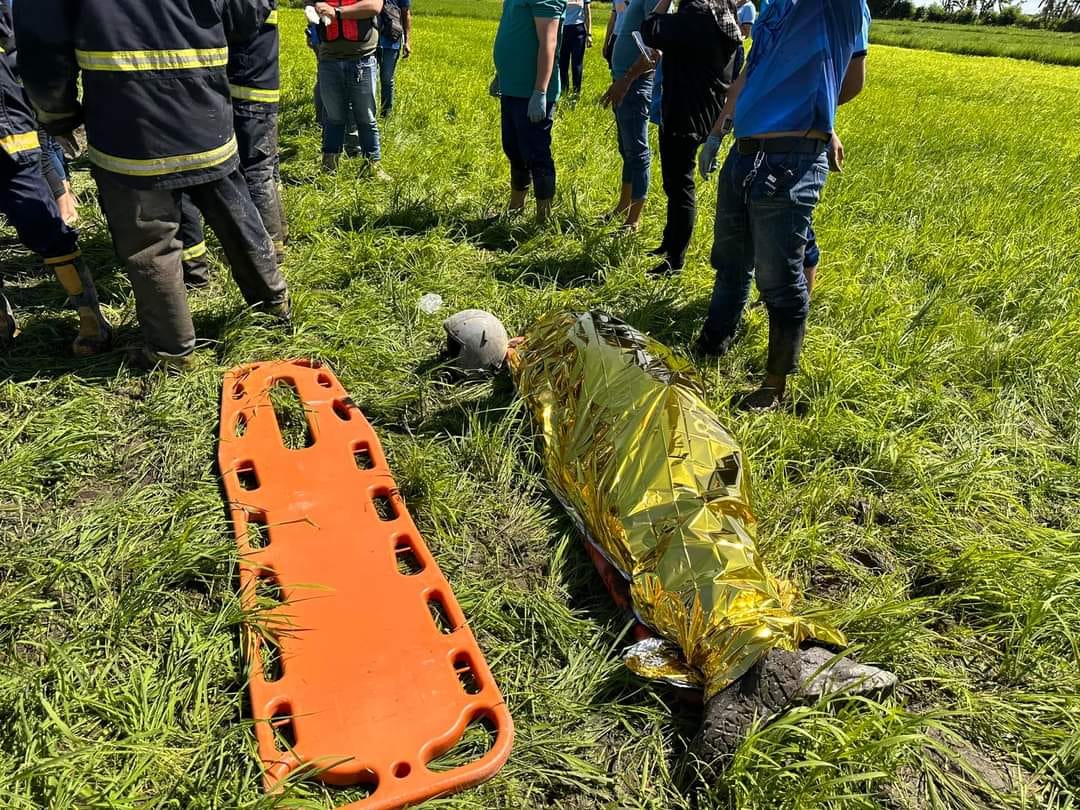
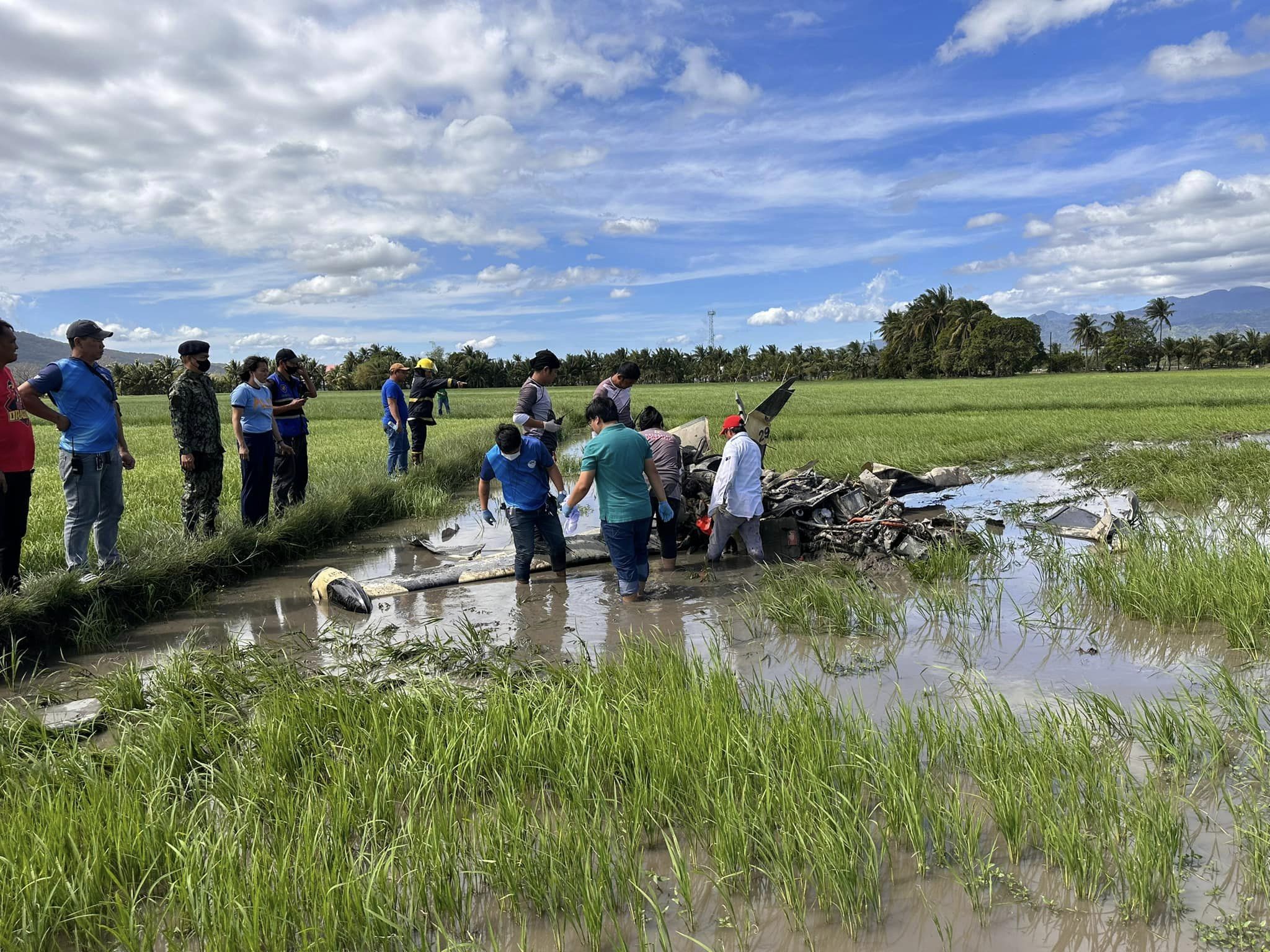
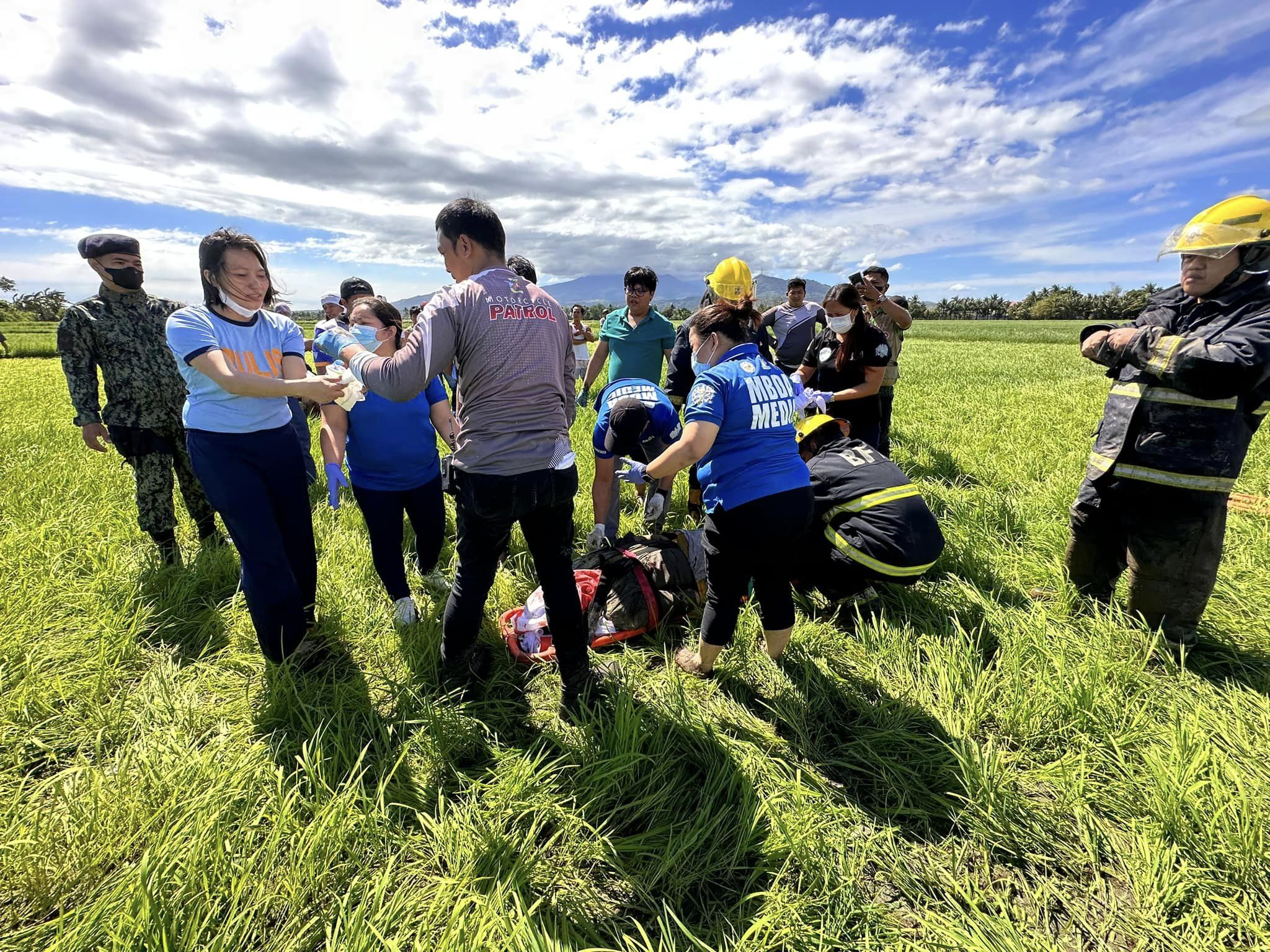
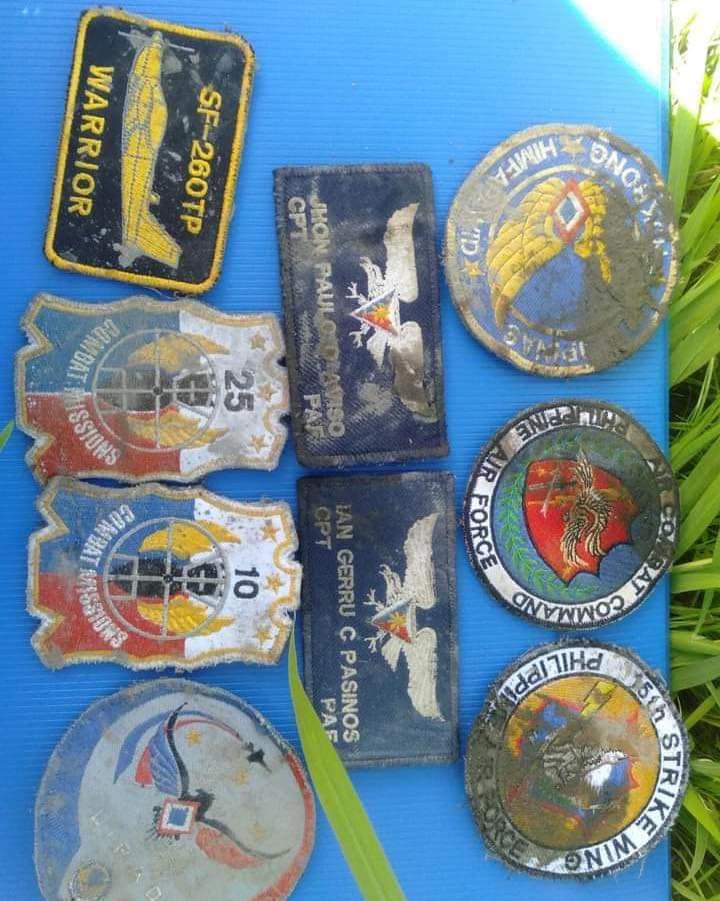
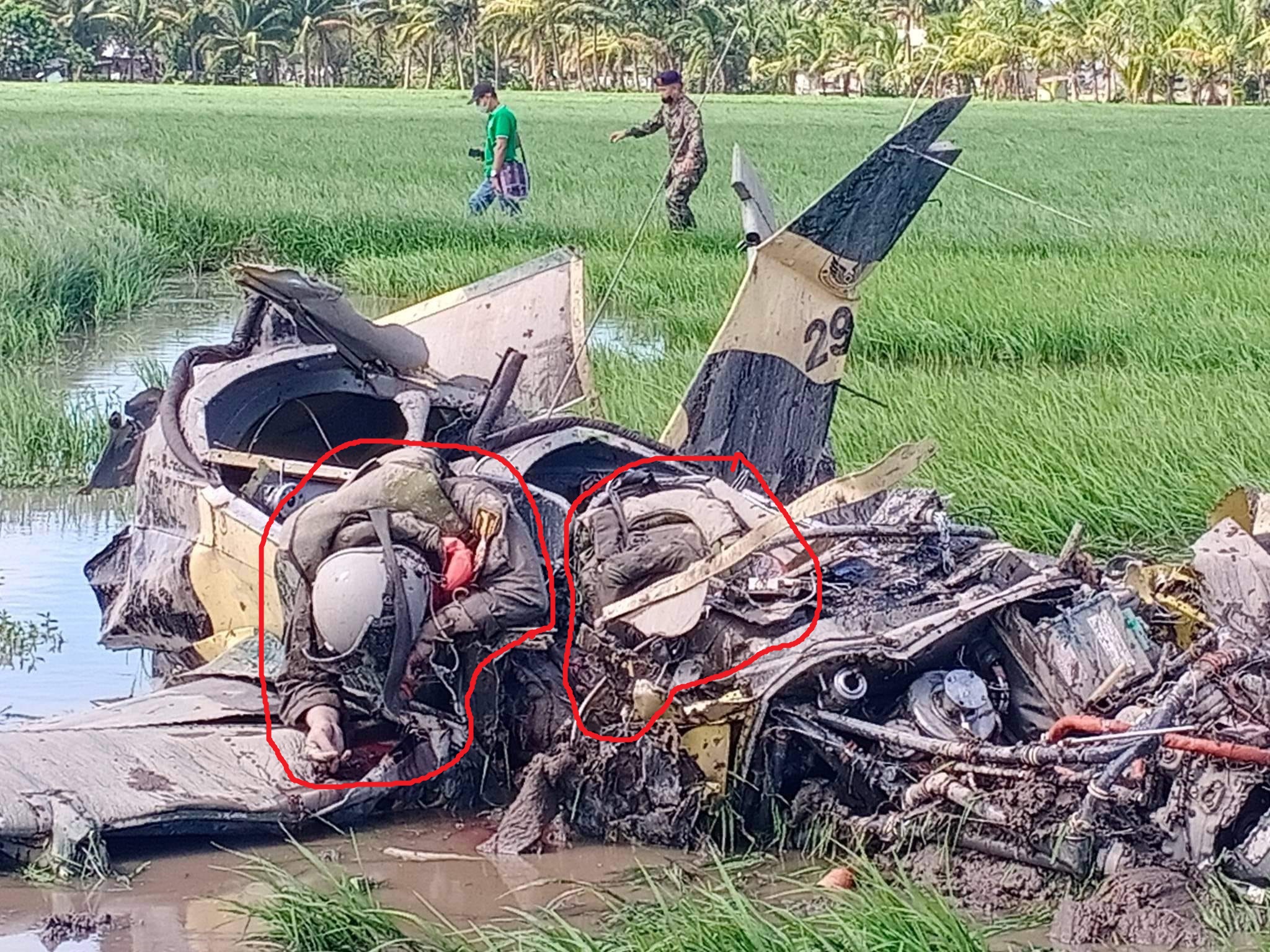
Philippine Air Force Trainer Plane Crash on Rice Field Leave 2 Pilots Dead
25 January 2023 - A Philippine Air Force small trainer plane went down on a rice field in Rosario, Bataan Province while on a training flight and leaves the two pilots dead
 ·  ·  ·  ·  ·  ·  ·  ·  ·  ·  ·  ·  ·  ·  · |
|
#2
●
01-25-2023, 02:51 AM
| ||||||||
 My Rank: FIRST SERGEANT Poster Rank:394 Join Date: Apr 2011 Posts: 3,054 Mentioned: 2 Post(s) Quoted: 276 Post(s)
| ||||||||
|
Re: Philippine Air Force Trainer Plane Crash on Rice Field Leave 2 Pilots Dead
What a mangled mess  Gives somewhat of a bizarre contrast to the vivid green rice fields and the bright beautiful sky above. Gives somewhat of a bizarre contrast to the vivid green rice fields and the bright beautiful sky above.
|
|
#3
●
01-25-2023, 08:10 AM
| ||||||||
 My Rank: MAJOR Poster Rank:166 Join Date: Jul 2015 Posts: 9,307 Mentioned: 5 Post(s) Quoted: 1583 Post(s)
| ||||||||
|
Re: Philippine Air Force Trainer Plane Crash on Rice Field Leave 2 Pilots Dead
They died doing what they enjoyed
|
|
#4
●
01-25-2023, 05:33 PM
| ||||||||
 My Rank: LANCE CORPORAL Poster Rank:1887 Join Date: Oct 2009 Posts: 270 Mentioned: 3 Post(s) Quoted: 161 Post(s)
| ||||||||
|
Re: Philippine Air Force Trainer Plane Crash on Rice Field Leave 2 Pilots Dead
Was this dude a mermaid?  |
|
#5
●
01-25-2023, 06:07 PM
| ||||||||
 My Rank: MASTER SERGEANT Poster Rank:483 male Join Date: Feb 2010 Posts: 2,163 Mentioned: 0 Post(s) Quoted: 286 Post(s)
| ||||||||
|
Re: Philippine Air Force Trainer Plane Crash on Rice Field Leave 2 Pilots Dead
There's no good day to die but I'm sure they enjoyed there day until the end of it RIP
|
|
#6
●
01-25-2023, 09:06 PM
| ||||||||
 My Rank: SERGEANT Poster Rank:1212 Female Join Date: Dec 2014 Posts: 519 Mentioned: 1 Post(s) Quoted: 125 Post(s)
| ||||||||
|
Re: Philippine Air Force Trainer Plane Crash on Rice Field Leave 2 Pilots Dead
I have never heard of a training aircraft, I am interested. Is it set up in any sort of different configuration for learning, such as instructor seating or such, or is it just the aircraft they utilize for training? Very tragic.
|
|
#8
●
01-25-2023, 10:29 PM
| ||||||||
| ♚ Legacy Gold Member ♚ Poster Rank:98 Male Join Date: Nov 2009 Posts: 16,755 Mentioned: 7 Post(s) Quoted: 4607 Post(s)
| ||||||||
|
Re: Philippine Air Force Trainer Plane Crash on Rice Field Leave 2 Pilots Dead
I watched a film the FAA did on aircraft accidents. The Piper aircraft company factory was flooded about 30 years ago, so essentially all the aircraft on the production line had to be scrapped. They weren't damaged, they just got wet, but there was no way to clean them up and sell them, so Piper donated them all to the FAA, who built a special crash simulator that would smash them into the ground at various speeds and angles. The gist of it all was that you want to crash on a hard surface like concrete, so the aircraft will slide along, dissipating energy, and thus the crashes were survivable. The ones they crashed on grass or dirt stopped instantly, and the crash forces were so great that the test dummies on board always "died". (Um, just like these guys.....hmmm.......) They were also surprised to discover that in a certain crash situation, the roof of the Piper twins would flex down, break all the passenger necks, and then pop out again, leaving no trace of how the necks got broken, except they captured it on high speed cameras, and let Piper know, and they redesigned their fuselages to eliminate this "feature." The film was very interesting. On a historic note, the facility they used for this was the same one that was used to test the Lunar Excursion Module when they landed on the moon. The LEM was calculated for strength based on 1/6th of Earth gravity, so it was not capable of supporting itself on earth, and would have collapsed. They didn't want to strengthen it, because then the flight characteristics might have changed, giving astronauts the wrong feeling when they flew it, so they built this facility so it could be "flown" by astronauts and they could learn to land successfully, with the LEM flying freely, but suspended on spring cables to make it feel like it was flying in 1/6th gravity. That way all the thrusters and engines worked as if they were at 1/6th gravity, and they could see how it handled in flight. A cool movie. I think it is available on Youtube, like a LOT of FAA films. |
|
#9
●
01-25-2023, 10:56 PM
| ||||||||
| ♚ Legacy Gold Member ♚ Poster Rank:98 Male Join Date: Nov 2009 Posts: 16,755 Mentioned: 7 Post(s) Quoted: 4607 Post(s)
| ||||||||
|
Re: Philippine Air Force Trainer Plane Crash on Rice Field Leave 2 Pilots Dead
Singapore Airlines had Learjets for their crew flight training, and they used them primarily for takeoff and landing training, and they were literally flying the traffic pattern, and doing a takeoff and landing EVERY THREE MINUTES of flight. Once you get away from the airport, basically any idiot can fly a flight course to someplace else. It is the approach and landing, and takeoff procedures, that the crews need to know really well. Like all aircraft, some parts are limited life by flight hours or landings, and the landing gear struts are limited by the number of landings. The aircraft weren't even 1 year old, and Singapore Airlines was ordering complete new strut assemblies, because the original ones had cycled out. They were changing tires every other day, and brakes every week. They were wearing out parts faster than ALL the other Learjet operators COMBINED. Most operators might have to change brakes once a year, and tires maybe twice if they flew a REALLY HEAVY charter schedule, but none of the other operators ever approached that level of usage. I don't think it has ever been matched anywhere else. They bought brand new Lears, and they were scrapped out in 5 years, out of flight time on the landing gear, engines, and nearly every other operating part. Flight controls such as flaps and spoilers are life limited, and all those parts were changed 10 times while they flew those aircraft. They flew them 18 hours a day, 7 days a week, stopping only to get fuel, check the oil, and put new students and instructors on board for the next session of flight training. Sometimes they flew them from 0600 to 2400 hrs. and other times they ran them from 1200 hrs. to 0600 hrs. depending on the training needed. Nights and bad weather were heavy training days. I don't think they EVER had a suitcase placed in their baggage compartments, and the drink cabinets never had anything ever placed in the liquor decanters, the magazine holders, ice canisters, and snack cabinets, since they carried no actual passengers. Even the earliest Learjets, after 50 years, have never gotten near the hours accumulated on the Singapore Airlines training Lears. |
|
#10
●
01-25-2023, 11:09 PM
| ||||||||
 ~So Much Blood~ Poster Rank:120 Gore Hag Join Date: Mar 2010 Posts: 13,161
Contributions: 1
Mentioned: 28 Post(s) Quoted: 822 Post(s)
| ||||||||
|
Re: Philippine Air Force Trainer Plane Crash on Rice Field Leave 2 Pilots Dead
 |