|
#1
●
01-21-2010, 01:28 AM
|
 My Rank: CORPORAL Poster Rank:1443 Join Date: Jun 2009 Posts: 405 405Posts 1,547Thanked 5Quoted 1Mentioned 0Contrib. |
|
Partial Cadaverous Saponification!
The processes of cadaverous decomposition hinder, in a very important way, the work of the forensic pathologist in the clarification of the cause of the death. We can state that this difficulty is directly proportional at the time lapsed between the death and the finding of the corpse or the autopsy practice. Sometimes, however, the conservative phenomenae of the cadaver appear and may, in a natural way, retard or impede the development of the decomposition, allowing the forensic investigation. The natural processes conservatives of the cadaver are the mummification, saponification and leathery. In the case presented, the accusation alleged in the Tribunal lapsed ten months from the death, being then performed the exhumation and later forensic autopsy. The corpse suffered a partial saponification that helped the forensic investigation. GORE bless you FUCKERS!  · 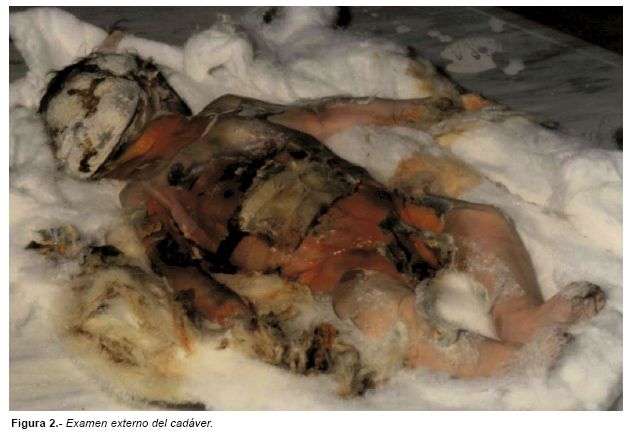 · 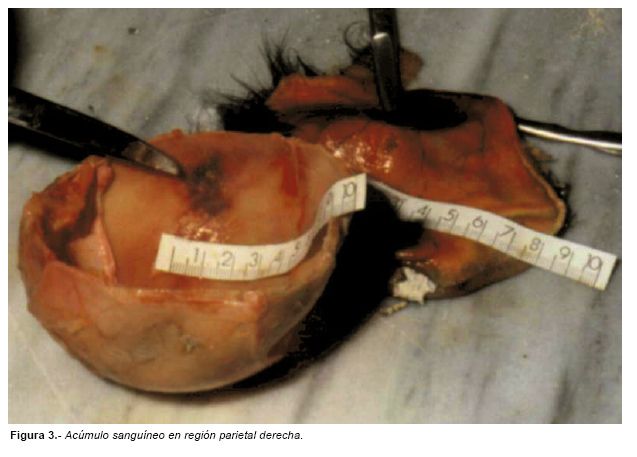 · |
|
#4
●
01-21-2010, 02:43 AM
|
| So Fucking Banned Poster Rank:183 Cute, Cuddly, Lovable Girl Join Date: Dec 2009 Posts: 8,480 8,480Posts 2,320Thanked 0Quoted 0Mentioned 0Contrib. |
|
Re: Partial Cadaverous Saponification!
In layman's terms, this body is turning into soap, said "soap" being adipocere, which preserves many features of a corpse and is most often found in large amounts on the bodies of women, infants and elderly people of both sexes kept underwater or in a sealed coffin. For more information on adipocere: http://en.wikipedia.org/wiki/Adipocere |
|
#7
●
01-21-2010, 06:41 AM
|
 My Rank: LANCE CORPORAL Poster Rank:2512 Female Join Date: Dec 2009 Posts: 173 173Posts 44Thanked 2Quoted 0Mentioned 0Contrib. |
|
Re: Partial Cadaverous Saponification!
No fucking way... I totally thought this was a full grown adult! Thanks for clearing this up for me  |
|
#10
●
05-10-2017, 11:20 PM
|
| My Rank: PRIVATE Poster Rank:9565 Join Date: May 2017 Posts: 16 16Posts 3Thanked 1Quoted 0Mentioned 0Contrib. |
|
Re: Partial Cadaverous Saponification!
*late comment* That white stuff looks like mold. But good photos though.  |