|
#1
●
01-26-2021, 02:34 PM
|
 Für Immer Verloren Poster Rank:50 Boredom + Despair Join Date: Sep 2017 Posts: 30,197
Contributions: 743
30,197Posts 192,595Thanked 10,332Quoted 136Mentioned 743Contrib. |
|
Brazil - 3 Young Ladies Dead in Car Accident
On the morning of 23rd January 2021 in Catende (Brazil), 3 young women were killed in a road accident. 6 people, 3 women + 3 men, were travelling inside a car when it collided with a van. The driver of the car, 33 year old F.B.D.S. was taken to the police station for a breathaliser test. He had 1.3ml of alcohol per litre of expelled air, the limit is 0.33ml. He was arrested but released the next day after paying R$3,000 bail. The 3 women in the car were the only fatalities of the crash. 21 year old V.Q.H., 19 year old C.T.D.S. + 18 year old I.L. all lost their lives. Their funerals took place on the morning of the 25th.           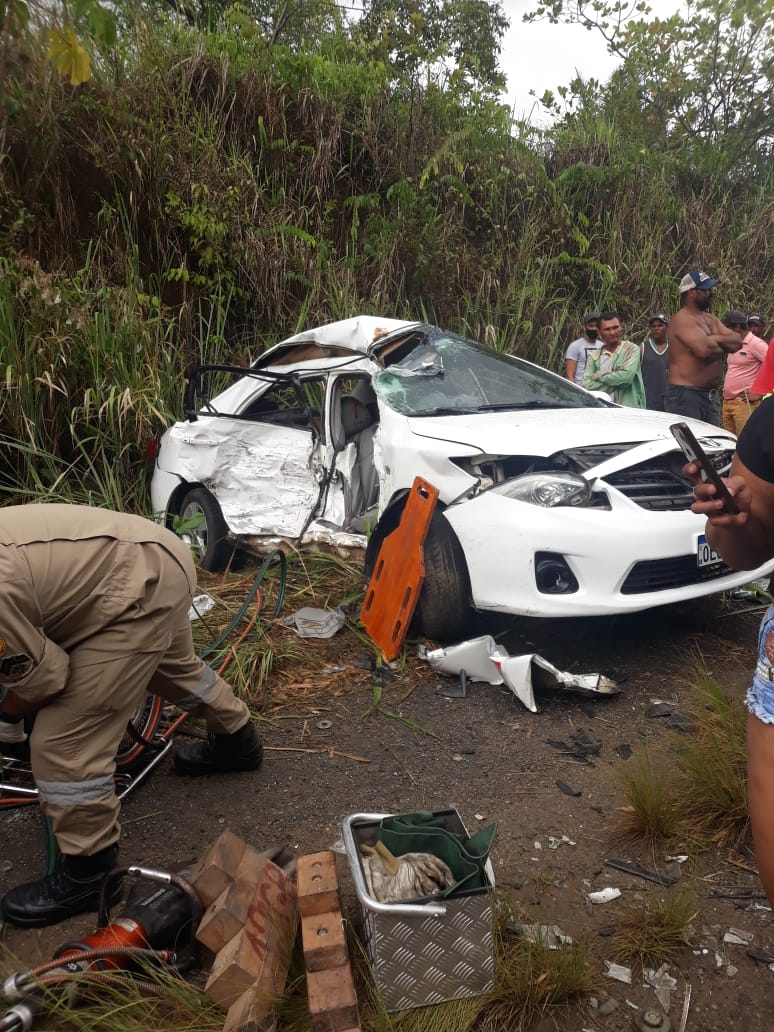 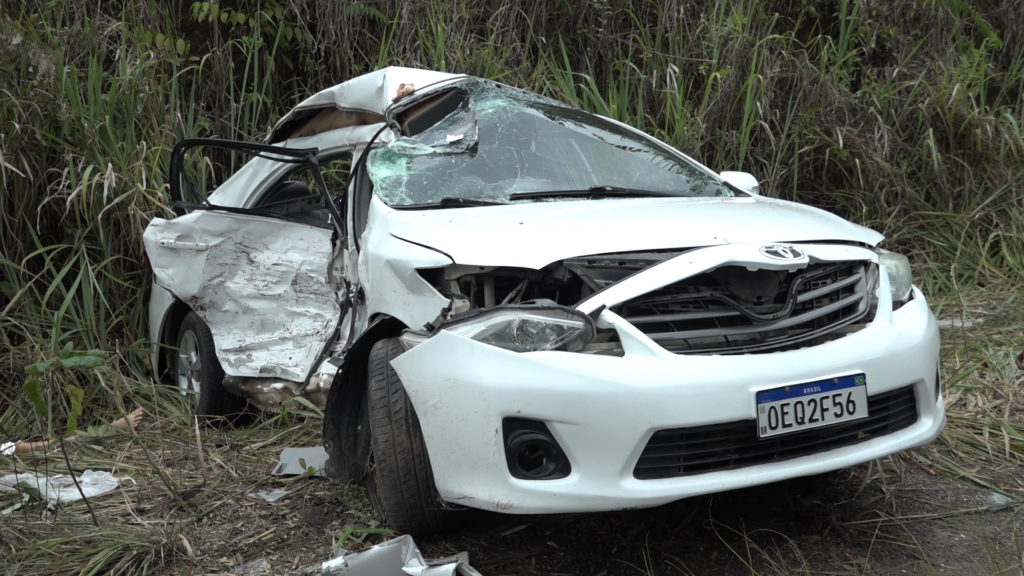 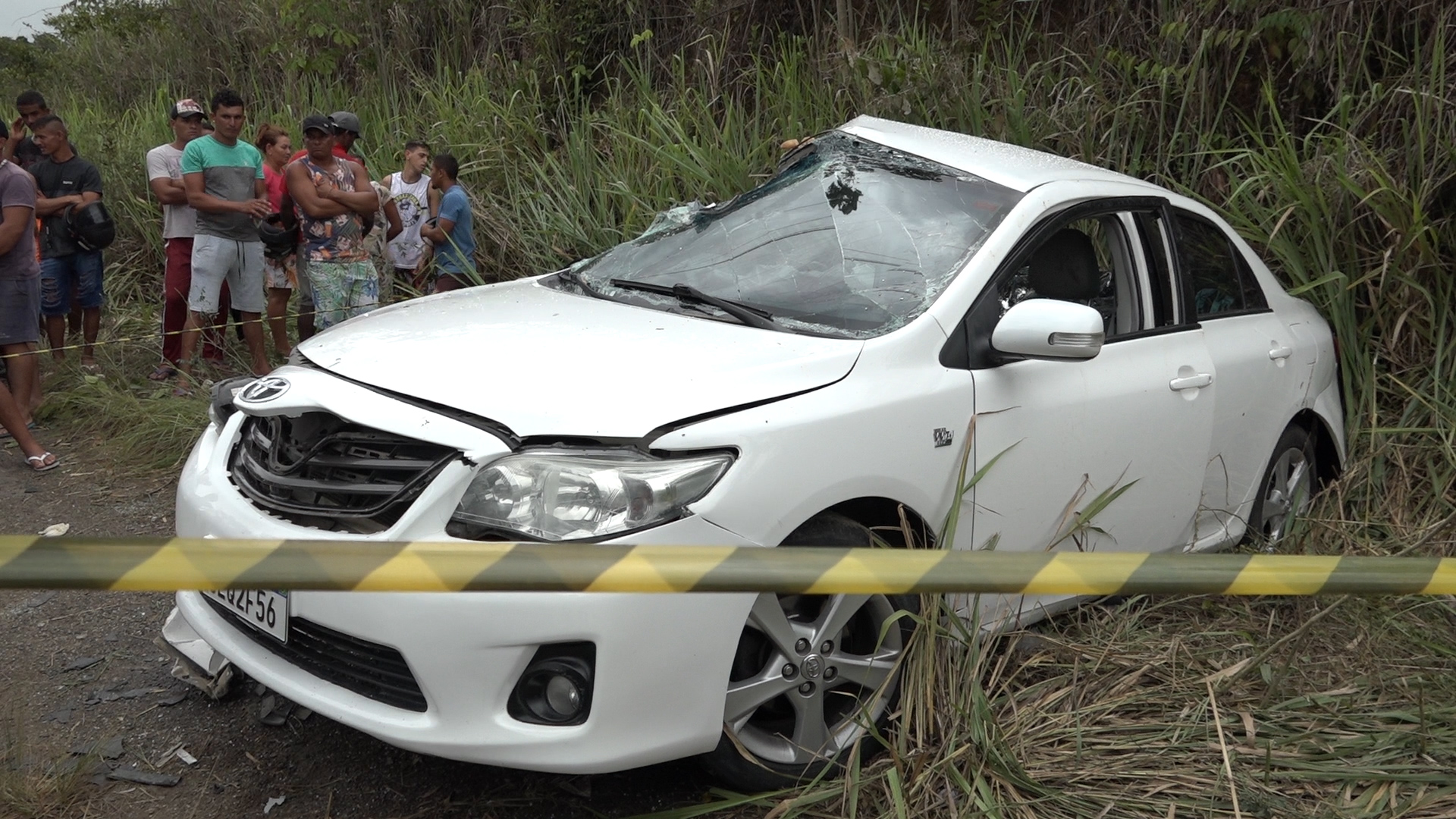 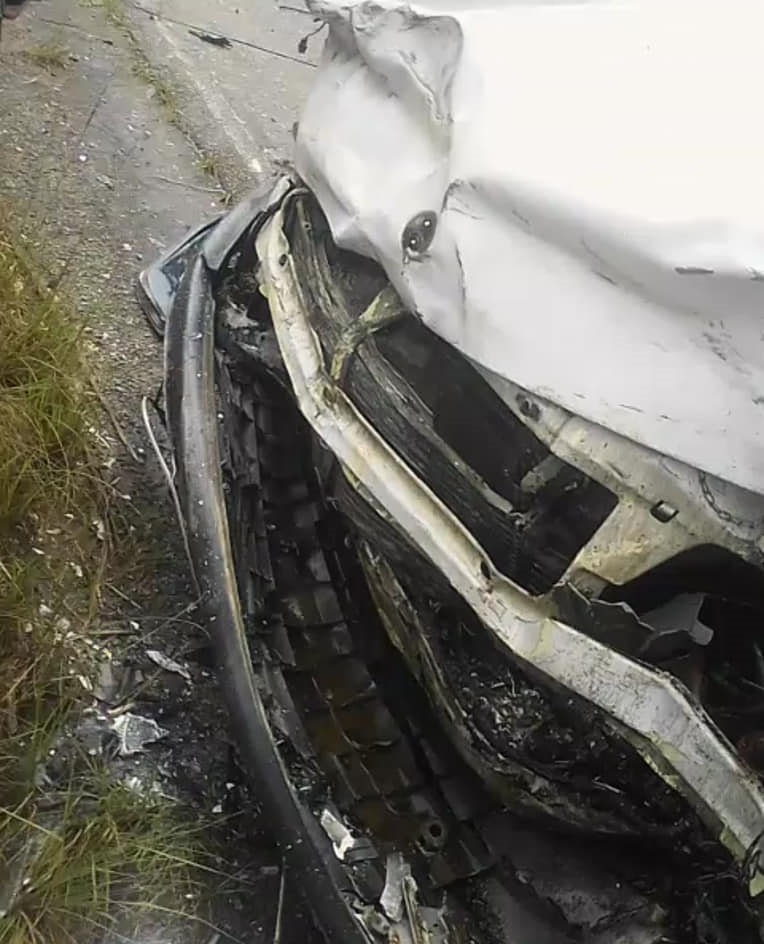    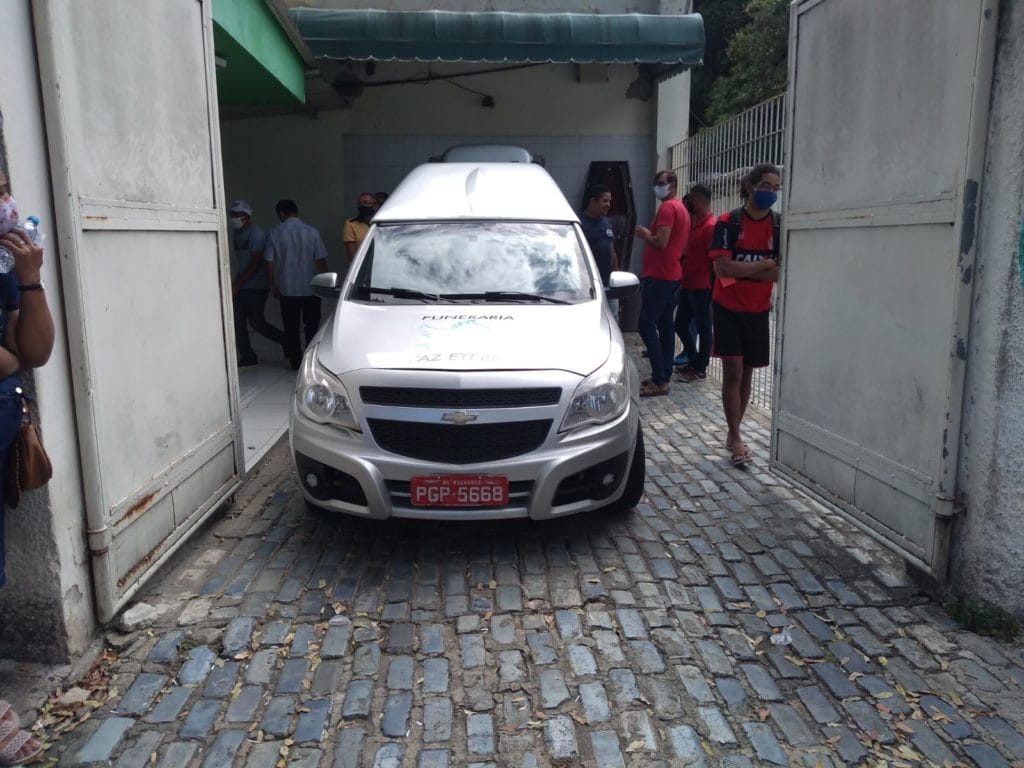  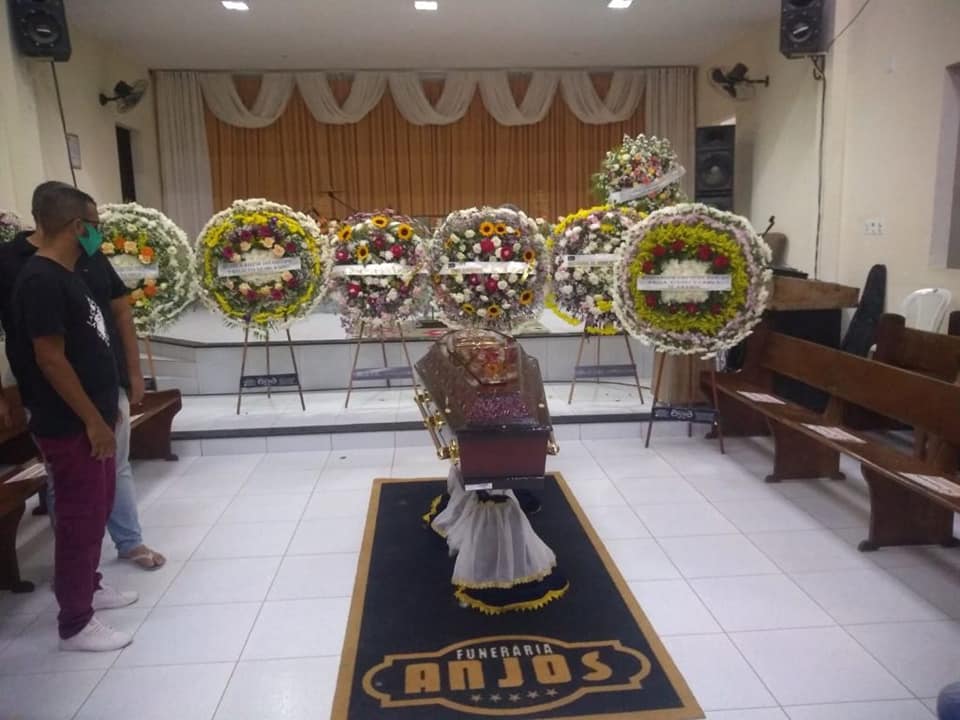
__________________ "I'd give the world for the chance just to see your face again. Still I pretend that you're still standing by." |
|
#2
●
01-26-2021, 05:13 PM
|
 ★ Legacy Member ★ Poster Rank:181 USA haters! Keep sucking the big Orange Dick! Join Date: Mar 2010 Posts: 8,550 8,550Posts 27,916Thanked 2,774Quoted 9Mentioned 0Contrib. |
|
Re: Brazil - 3 Young Ladies Dead in Car Accident
Poke her 'fore she gets cold!
|
|
#3
●
01-26-2021, 06:26 PM
|
 ♚ Legacy Gold Member ♚ Poster Rank:561 Male Join Date: Jun 2011 Posts: 1,770 1,770Posts 8,453Thanked 852Quoted 8Mentioned 0Contrib. |
|
Re: Brazil - 3 Young Ladies Dead in Car Accident
dumb people don't wear seat belts. I notice that alot outside USA, backseat people don't wear seatbelts.
|
|
#4
●
01-26-2021, 10:48 PM
|
| ♚ Legacy Gold Member ♚ Poster Rank:92 Male Join Date: Nov 2009 Posts: 17,193 17,193Posts 44,967Thanked 4,709Quoted 8Mentioned 0Contrib. |
|
Re: Brazil - 3 Young Ladies Dead in Car Accident
F*****G asshole! Don't drink and drive! Get a taxi or call a friend. Wonder if he'll skate away with a fine.
|
|
#5
●
01-27-2021, 12:23 AM
|
 My Rank: MAJOR Poster Rank:165 SCARY BLACK. BOO BITCH! Join Date: Mar 2010 Posts: 9,652 9,652Posts 10,626Thanked 2,426Quoted 46Mentioned 0Contrib. |
|
Re: Brazil - 3 Young Ladies Dead in Car Accident
Right. I’m sure you do. You are a world traveler and look in on millions of people driving by you to be certain of this.
|
|
#8
●
01-27-2021, 02:47 AM
|
| ♚ Legacy Gold Member ♚ Poster Rank:561 Male Join Date: Jun 2011 Posts: 1,770 1,770Posts 8,453Thanked 852Quoted 8Mentioned 0Contrib. |
|
Re: Brazil - 3 Young Ladies Dead in Car Accident
If you are ejected from your car during a crash, it means no seat belts. Also yes I travel alot, before this virus. Why don't you travel through out Asia and tell me how much people belt up in the back seat.
|
|
#10
●
01-27-2021, 03:01 AM
|
 My Rank: GUNNERY SERGEANT Poster Rank:705 DAFUQ??? IS BACK... Join Date: Jun 2016 Posts: 1,205 1,205Posts 4,966Thanked 720Quoted 6Mentioned 0Contrib. |
|
Re: Brazil - 3 Young Ladies Dead in Car Accident
"Someone" just got a big, tall glass of Shut-The-Fuck-Up served to them.  |