|
#281
●
02-25-2011, 04:06 AM
| ||||||||
| My Rank: PRIVATE Poster Rank:11013 Join Date: Dec 2008 Posts: 11 Mentioned: 0 Post(s) Quoted: 0 Post(s)
| ||||||||
|
Re: An American Soldier Killed, Burned, and Hung in Iraq
Are you serious? theres like a billion times more photos on here of Americans doing that and much worse to Iraqis so what are you complaining about?
|
|
#282
●
02-25-2011, 06:16 PM
| ||||||||
 My Rank: LANCE CORPORAL Poster Rank:2985 male Join Date: Jul 2010 Posts: 132 Mentioned: 0 Post(s) Quoted: 42 Post(s)
| ||||||||
|
Re: An American Soldier Killed, Burned, and Hung in Iraq
These soliders invade their country and bombed their homes if they were german ww2 soldiers you would have been saying that "they got what they deserved", you americans are egoistic bastards with no touch of reality.
|
|
#283
●
02-25-2011, 10:20 PM
| ||||||||
 My Rank: GUNNERY SERGEANT Poster Rank:687 female Join Date: Dec 2010 Posts: 1,252 Mentioned: 0 Post(s) Quoted: 18 Post(s)
| ||||||||
|
Re: An American Soldier Killed, Burned, and Hung in Iraq
I know this comment is over a year old, but you are a fucking CUNTRAG what the FUCK DO YOU MEAN, RAPED LITTLE GIRLS ??? >:( THATS what the MUZZIES DO. eat shit. |
|
#285
●
02-25-2011, 10:52 PM
| ||||||||
| My Rank: GUNNERY SERGEANT Poster Rank:687 female Join Date: Dec 2010 Posts: 1,252 Mentioned: 0 Post(s) Quoted: 18 Post(s)
| ||||||||
|
Re: An American Soldier Killed, Burned, and Hung in Iraq
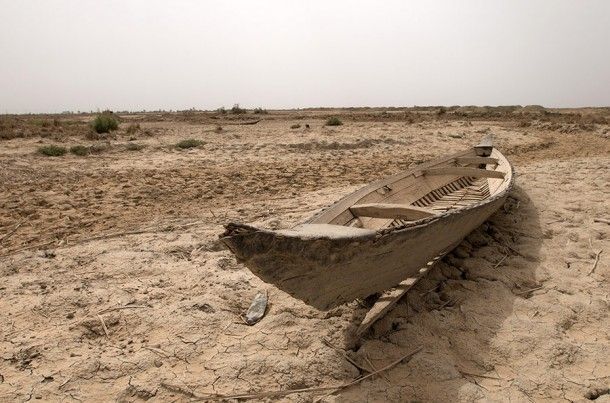
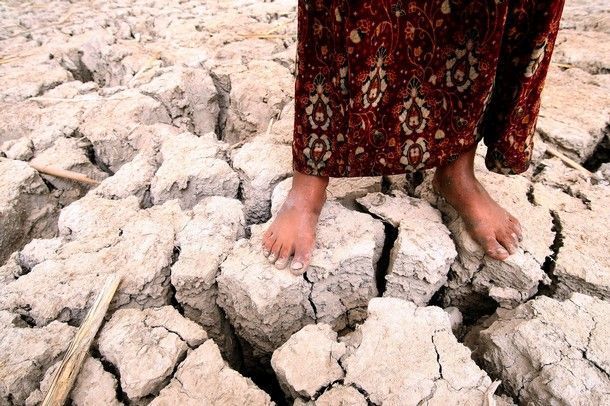
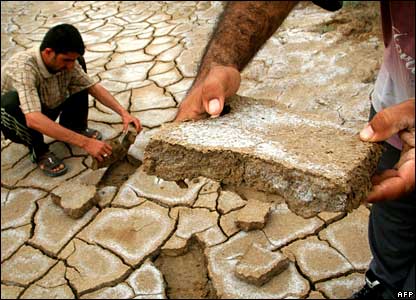
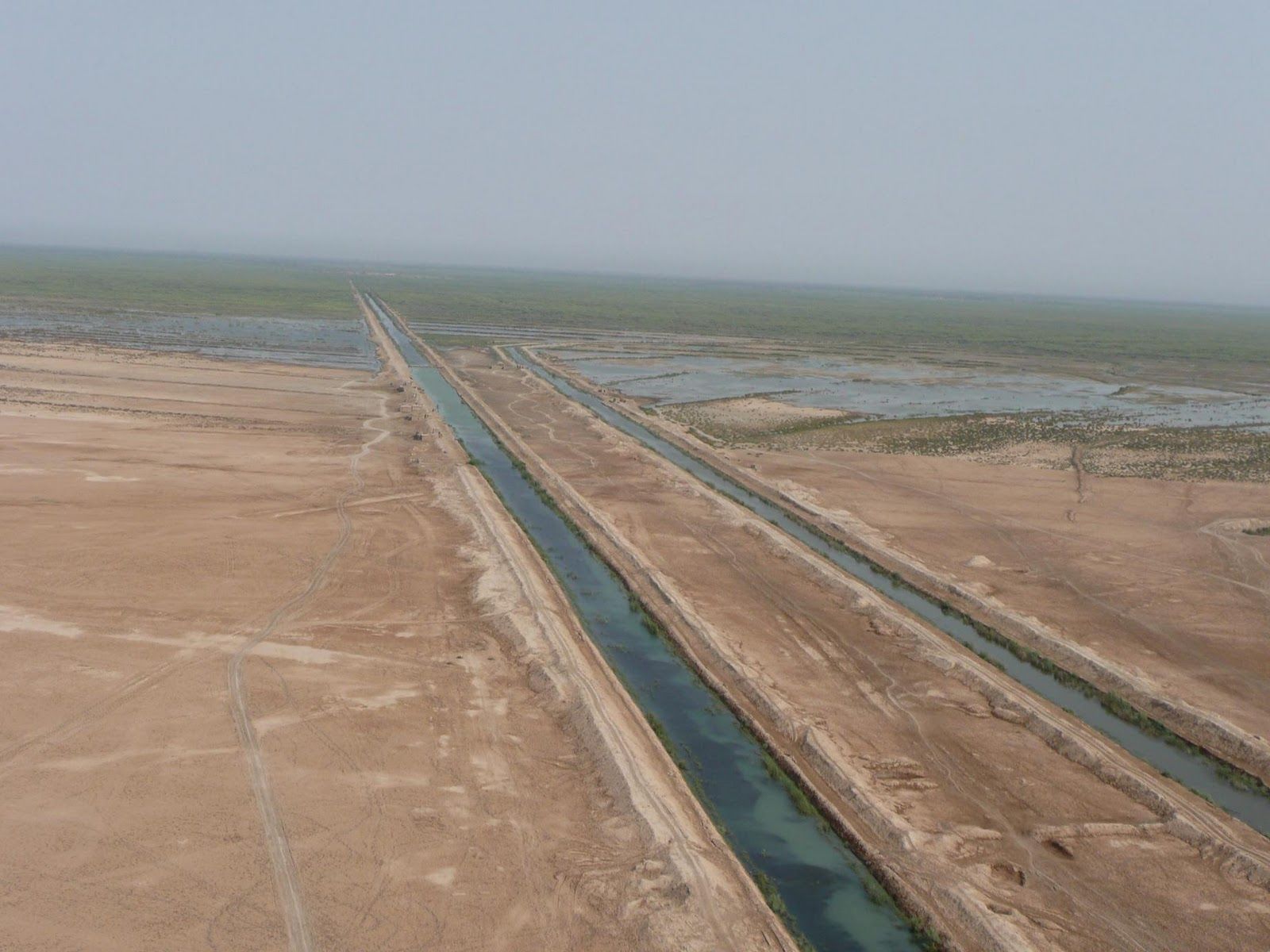
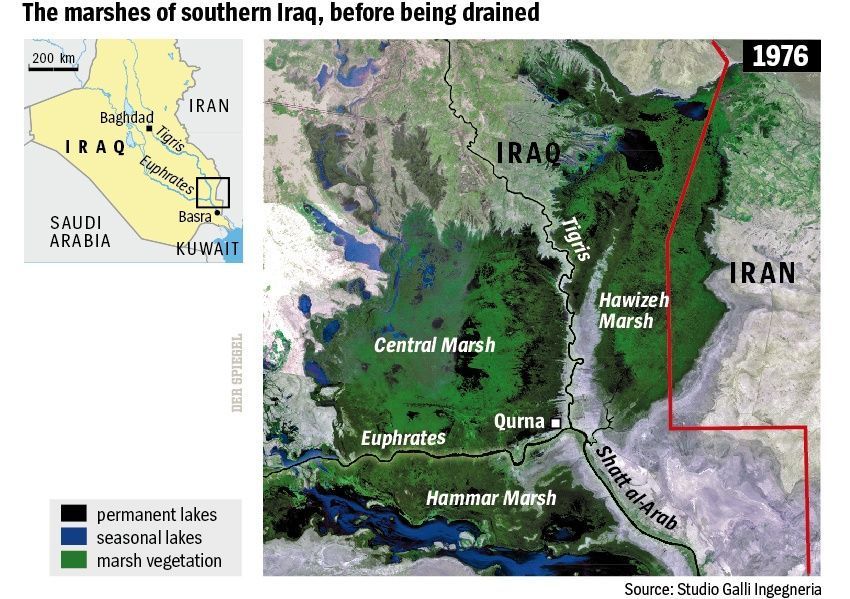
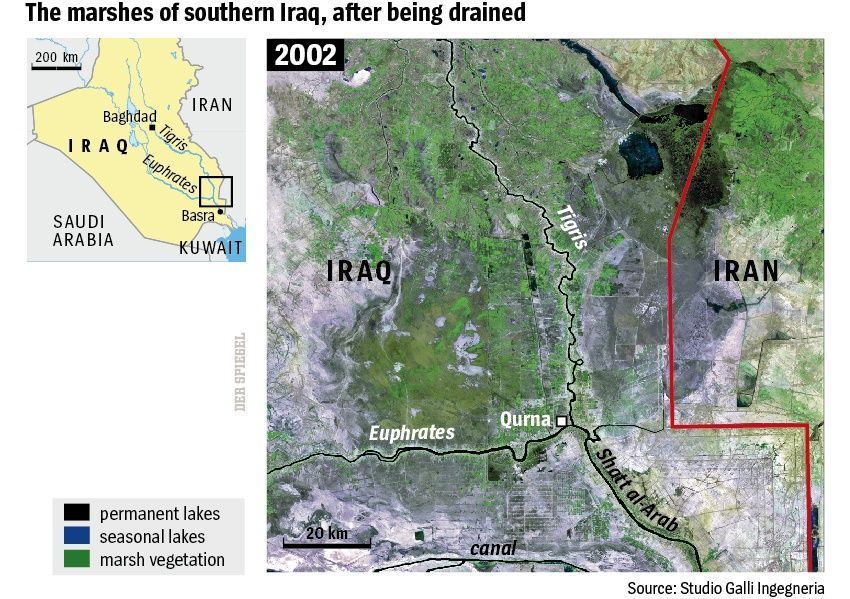
yeah you're right WHO CARES !! I GUESS YOU FORGOT, SADDAM HUSSEIN INVADED KUWAIT, KILLING MAN, KILLED THOUSANDS OF KURDS, AND YOU PROBABLY DON'T EVEN KNOW THAT HE CREATED HE LARGEST WATER ENGINEERING FEET EVER IN THE HISTORY OF THE WORLD?? WHY? HE DIVERTED THE ENTIRE fucking TIGRESS river and let the water drain right into the ocean, so that the most incredible water filled area of the desert, thriving with water buffalo, birds, and humans (humans who were against him) had lived for 5,000 FUCKING years !! BECAUSE THE PEOPLE WERE AGAINST HIM. He used WATER as a weapon of mass destruction, and even though people are dying with no water now. http://web.macam.ac.il/~arnon/Int-ME...ter%20wars.htm http://www.independent.co.uk/news/wo...s-1673421.html http://www.carnegiecouncil.org/resou...ipts/5102.html http://www.spiegel.de/international/...709866,00.html Alwash is fighting for a marsh which Biblical scholars believe is the site of the Garden of Eden, and which some describe as the cradle of civilization. The Mesopotamians settled in the fertile region in the fifth millenium B.C., and within a few centuries it had become the site of an advanced Sumerian civilization. Scholars believe that cuneiform was invented in the region, as were literature, mathematics, metallurgy, ceramics and the sailboat. Only 20 years ago, an amazing aquatic world thrived in the area, which is in the middle of the desert. Larger than the Everglades, it extended across the southern end of Iraq, where the Tigris and Euphrates rivers divide into hundreds of channels before they come together again near Basra and flow into the Persian Gulf. For environmentalists, this marshland was a unique oasis of life, until the Iraqi dictator Saddam Hussein, a Sunni, had it drained in the early 1990s after a Shiite uprising. Turning the Garden of Eden into Hell The official explanation was that the land was being reclaimed for agriculture. The military was sent in to excavate canals and build dikes to conduct the water directly into the Gulf. The despot, proud of his work of destruction, gave the canals names like Saddam River and Loyalty to the Leader Canal. In truth, Saddam was not interested in the farmers. His real goal was to harm the Madan, also known as the Marsh Arabs. For thousands of years, the marshes had been the homeland of this ethnic group and their cows and water buffalo. They lived in floating huts made of woven reeds and spent much of their time in wooden boats, which they guided with sticks along channels the buffalo had trampled through the reeds. They harvested reeds, hunted birds and caught fish. When the fishermen backed a Shiite uprising against the dictator, the vindictive Saddam turned their "Garden of Eden" into a hell. He had thousands of the Marsh Arabs murdered and their livestock killed. Any remaining water sources were poisoned and reed huts burned to the ground. Many people fled across the border into Iran to live in refugee camps, while others went to the north and tried to survive as day laborers. By the end of the operation, up to half a million people had been displaced. Within a few years, the marshland had shrunk to less than 10 percent of its original size. In a place that was once teeming with wildlife -- wild boar, hyenas, foxes, otters, water snakes and even lions -- the former reed beds had been turned into barren salt flats, poisoned and full of land mines. In a 2001 report, the United Nations characterized the destruction of the marshes as one of the world's greatest environmental disasters. On June 18, 2003, only three months after the American invasion, Alwash flew from Los Angeles to his native Iraq. He knew what to expect. "Nevertheless, it was a shock," he says. "I remembered water and green vegetation as far as the eye could see, but what I saw was nothing but desert, dust and the ruins of settlements." At that point, Alwash had not stepped on Iraqi soil in exactly 24 years and 341 days. He had gone to the United States to study and eventually became an American through and through. He had an American wife, two young daughters with whom he did not speak Arabic, a house in Long Beach and a well-paid job as a hydraulic engineer. "It was the perfect American dream," he says today. But he couldn't forget the marshland, his childhood paradise. His father, who had worked in Iraq's Water Ministry until the early 1980s, had often taken him along when he was traveling in the marshes for work or hunting geese in the reeds. Sometimes his mother and his two sisters came along on their extended outings in the boat. Alwash had promised himself that one day he would show his wife and his daughters the "Garden of Eden" of his childhood. "This is nothing," he would say when they were hiking or canoeing in California. "Just wait until you see the marshes!" 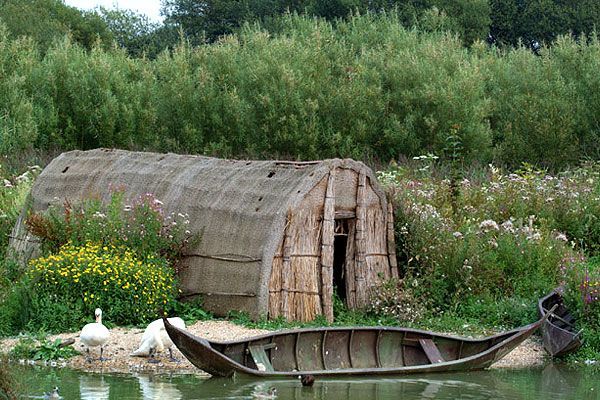 · 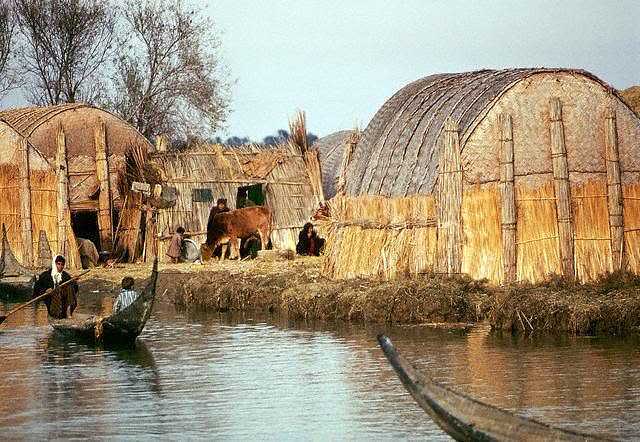 · 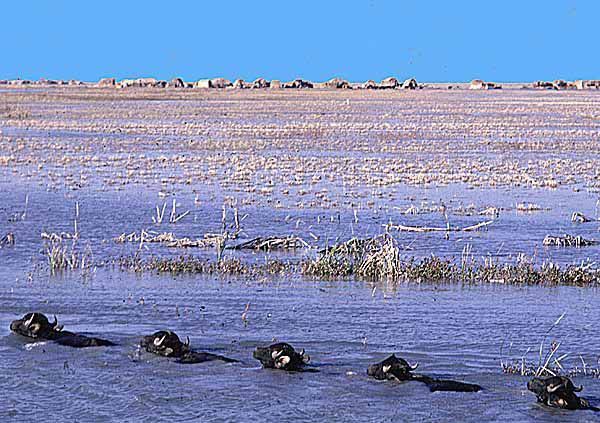 · 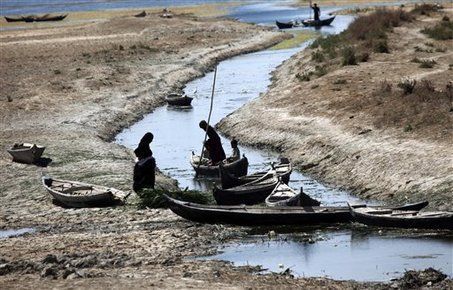 · 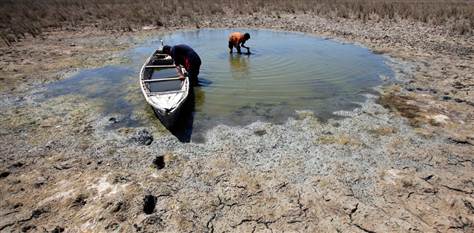 · 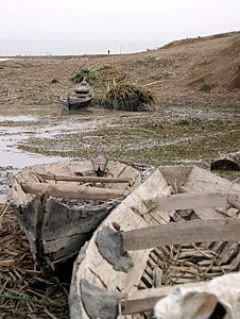 · |
|
#289
●
03-31-2011, 05:58 PM
| ||||||||
 My Rank: PRIVATE Poster Rank:7276 Join Date: Jan 2011 Posts: 27 Mentioned: 0 Post(s) Quoted: 1 Post(s)
| ||||||||
|
Re: An American Soldier Killed, Burned, and Hung in Iraq
Fuck ya! I love this shit. Oh my it looks like the tables have turned. Ya ya nuke them, good ones yanks. Idiots.
|